


TL;DR: What You Need to Know About Worms in Cats
- More common than you think: Worms in cats can occur even in clean, well-cared-for homes. Outdoor exposure, fleas, and everyday grooming habits all play a role.
- How cats get worms: Cats may pick up parasites from hunting prey, ingesting fleas, contaminated soil, or even from their mother as kittens—this is important to know for both indoor and outdoor cats.
- Types vets see most often: Roundworms, tapeworms, hookworms, heartworms, lungworms, and stomach worms all affect cats differently and require specific treatment approaches.
- Symptoms can be subtle: Weight loss, vomiting, diarrhea, a bloated belly, low energy, or visible worm segments may appear—or your cat may seem normal while worms may still be present.
- Prevention makes a difference: Routine vet visits, monthly parasite preventatives, flea control, clean litter boxes, and limiting hunting greatly reduce risk.
- Veterinary treatment is effective: Diagnosis usually involves fecal testing, followed by targeted deworming medications and a prevention plan to stop reinfection.
Have questions about worms in your cat? Schedule a visit and let us create a prevention and treatment plan that keeps your cat healthy, comfortable, and protected.
Curious what’s going on inside your cat’s belly when something feels “off”? Worms are a common but frequently disregarded health problem in cats that can affect both adults and kittens, sometimes with no obvious symptoms. Intestinal parasites could be the hidden cause of any issues with your cat's behaviour, appetite, or digestion. These parasites may affect your cat's general well-being and comfort, and they may even be dangerous to other household members or pets.
In this guide, we’ll break down everything you need to know about worms in cats, the type of worms, prevention strategies, diagnosis, and treatment options to help you keep your cat healthy, comfortable, and protected.
How Cats Get Worms

There are several ways that cats can pick up an intestinal parasite, even when they seem clean and well cared for. Many of the ways that cats become infected come from everyday behaviours that feel completely natural to them.
- Ingesting infected prey animals: When a cat hunts and eats a rodent, they may swallow parasite larvae that later develop into adult worms in the intestine. This risk is especially common in free-roaming cats that hunt regularly.
- Contact with contaminated soil or feces: Walking through areas containing the feces of infected animals allows parasite eggs to cling to a cat’s paws or fur. During grooming, cats may ingest these eggs without any visible signs of exposure.
- Mother-to-kitten transmission through milk: A kitten can appear healthy at birth but still become infected later when parasites migrate from the mother’s body and pass through her milk. This is one of the earliest ways that cats can acquire worms.
- Consuming infected fleas while grooming: Cats can get tapeworms by ingesting even a single infected flea during grooming. This is one of the most overlooked ways that cats become infected, especially in homes without consistent flea control.
- Walking through contaminated areas and later grooming paws: Even indoor cats can be exposed if parasite eggs are tracked inside on shoes, clothing, or objects. Once on the floor, cats may pick them up on their paws and consume them while grooming.
These exposures help explain why worms in cats are common, even in households that feel low-risk and well maintained.
Common Types of Worms in Cats

The digestive system is impacted by a number of common intestinal parasites in cats in various ways. Knowing which species of worms are present can help explain symptoms, dangers, and why certain worms are more prevalent in kittens than in adult cats.
Roundworms (Toxocara cati)
One of the most common intestinal worms, with higher rates in kittens due to transmission from their mother. Roundworms in cats can be seen in vomit or stool and often look like spaghetti noodles, sometimes referred to as spaghetti.
Tapeworms (Dipylidium caninum)
This common intestinal parasite spreads when cats ingest infected fleas. The worm segments often look like tiny grains of rice and may be seen near the anus or in bedding.
Hookworms (Ancylostoma tubaeforme)
Hookworms attach to the lining of the small intestine and feed on blood, which can lead to anemia and weight loss. While less visible than roundworms, they are still among the common intestinal worms affecting cats.
Heartworms (Dirofilaria immitis)
Less common but very serious, heartworms migrate through the body rather than staying in the intestines. They primarily affect the heart and lungs and can be life-threatening, even with a low worm burden.
Lungworms (Aelurostrongylus abstrusus)
These parasites infect the respiratory system instead of the gut. Symptoms such as coughing or laboured breathing are often mistaken for asthma rather than a parasitic infection.
Stomach worms (Physaloptera)
Uncommon but problematic, stomach worms can cause chronic stomach irritation, nausea, and recurring vomiting. They are harder to detect and may require specific diagnostic testing.
Together, these parasites make up the common intestinal worms seen in both adult cats and small cats. Some of these common intestinal parasites found in cats also overlap with those affecting dogs, increasing exposure risk in multi-pet households.
Symptoms of Worms in Cats

An infected cat may look perfectly fine at first. However, as intestinal worms in cats grow and develop into adult worms, subtle or obvious clinical signs can begin to appear.
- Visible worm segments in feces or around the anus: One of the clearest signs of worms is seeing tapeworm segments that look like small grains of rice in the litter box or around the anus. This is a strong indicator that a cat may have worms.
- Bloated or pot-bellied appearance: A swollen or rounded belly is especially common in a cat or kitten with a heavy roundworm burden. This appearance often contrasts with an otherwise thin body.
- Weight loss despite normal appetite: Worms cause the body to lose vital nutrients by stealing them in the intestinal tract. As a result, an infected cat may lose weight even while eating normally or more than usual.
- Vomiting: Some cats may vomit occasionally, and in more severe cases, worms may be visible in the vomit. This can signal irritation or blockage caused by intestinal worms in cats.
- Diarrhea or changes in stool: Persistent diarrhea, loose stools, or unusual stool consistency are common signs of infection. These changes may come and go, making them easy to overlook.
- Poor coat condition: Internal stress and nutrient deficiencies brought on by worms can be reflected in a dull, dry, or dishevelled coat. The fur may eventually lose its inherent softness and lustre.
- Lethargy: Low energy, increased sleeping, or reduced interest in play are subtle clinical signs many people miss. An infected cat may show signs of fatigue even without obvious digestive issues.
Cats may show signs subtly, or they may have worms without obvious symptoms at all. Always watch for signs of worms or other signs of infection, and if you suspect your cat isn’t acting like themselves, further evaluation is important.
How You Can Help Prevent Worms in Cats

Prevention focuses on reducing exposure and stopping parasites before they mature. This is key to protecting both pets and people, since humans can get worms and some species are transmitted to humans.
Regular Veterinary Check-Ups
Routine exams allow vets to detect infections in cats early, even before symptoms appear. Early detection reduces the risk of cats infected spreading parasites to other animals or people.
Monthly Preventive Medications
These treatments, provided by your vet, help stop parasites before they develop into adult worms. Consistent use is one of the most effective ways to prevent your cat from serious infestations.
Regular Deworming Schedule
Strategic deworming helps break the cycle of reinfection, especially in multi-pet households. It lowers the chances of cats infected repeatedly over time.
Keeping Cats Indoors
Indoor cats are less likely to hunt rodents or come into contact with contaminated soil. This significantly reduces exposure compared to outdoor cats.
Clean Litter Box Daily
Contact with parasite eggs in feces is reduced when waste is promptly removed. This lessens the chance that people will contract worms from environmental exposure and helps prevent reinfection.
Flea Prevention
When swallowed during grooming, fleas are a common source of tapeworms. Effective flea control guards against parasites that can infect people and other animals.
Regular Cleaning of Bedding
Washing bedding minimizes lingering parasite eggs in shared spaces. This is especially important in homes with cats and dogs living together.
Consistent care and hygiene play a major role in preventing infections in cats and helping prevent your cat from ever facing heavy parasite loads.
How Veterinarians Treat Worms in Cats
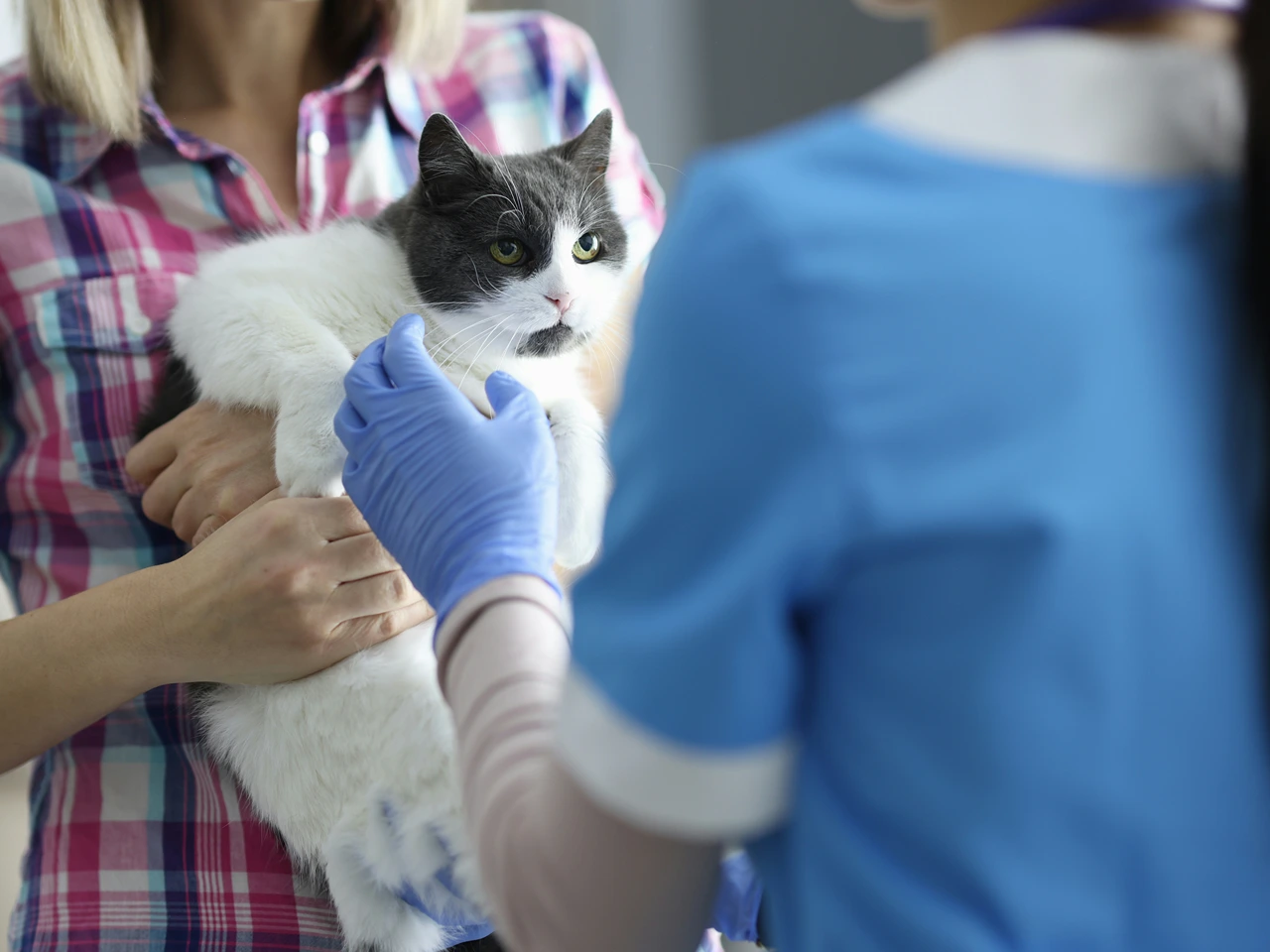
When cat owners notice symptoms such as vomiting or abnormal stool, veterinarians follow a clear, step-by-step process to diagnose and treat intestinal parasites.
- Physical examination and fecal testing: While a fecal test confirms the type of worm present by identifying parasite eggs or larvae in the stool, a hands-on exam aids in evaluating general health.
- Blood tests for certain parasites: When worms move outside of the intestine, such as in suspected cases of heartworm that cannot be identified by fecal examinations alone, blood testing may be advised.
- Prescription deworming medications: To safely eradicate adult worms and reduce the risk of complications, certain medications are prescribed based on the identified parasite.
- Preventative medication recommendations: Veterinarians often advise ongoing preventative treatments to lower the risk of reinfection, especially in homes with kittens or both dogs and cats.
- Nutritional support if necessary: Following a parasite infestation, dietary support may be recommended to help repair intestinal damage, enhance nutrient absorption, and restore strength.
Early care is important, but treatment is usually simple. Even if a cat initially appears healthy, an intestinal parasite can rapidly worsen if left untreated.
Final Thoughts
One aspect of being a responsible pet parent is being aware of worms in cats. Being aware enables you to take action before parasites cause long-term damage, from knowing how cats can get worms to spotting early warning indicators. When detected early, many infections are easily treated, but prevention is still the best line of defence.
Routine veterinary care, consistent parasite prevention, and good hygiene habits protect not only your cat, but your household as well. Whether your cat stays indoors or ventures outside, staying informed helps ensure a healthier, more comfortable life—free from the hidden impact of intestinal parasites.
Frequently Asked Questions
How can I tell if my cat has worms?
Even though your cat may not always exhibit overt symptoms, a worm infection may be indicated by specific signs.
Visible worm segments: Tapeworms frequently resemble tiny rice grains in litter boxes or surrounding the anus.
Bloated belly: A severe roundworm infestation may be indicated by a swollen or pot-bellied appearance.
Weight loss: Because worms cause nutrient loss, cats may lose weight even when they eat normally.
Vomiting or diarrhea: Repeated digestive upset can be a warning sign of intestinal parasites.
Lethargy and poor coat condition: Low energy and a dull, dry coat may indicate internal stress from worms.
How do cats get worms from their environment?
Worms can be acquired by indoor cats through regular exposures and behaviours.
Ingesting infected prey: Hunting rodents can spread parasite larvae that develop into intestinal worms by consuming infected prey.
Contact with contaminated soil or feces: Eggs adhere to paws and fur after coming into contact with contaminated soil or excrement, and they are subsequently consumed during grooming.
Transmission from mother to kitten: Parasites can infect kittens at a young age through milk.
Swallowing infected fleas: Grooming fleas carrying tapeworms is a common infection route.
Contaminated household items: Parasite eggs can be tracked indoors on shoes or clothing and ingested during grooming.
What are the most common types of worms in cats?
Different worms have different effects on cats and call for different methods of treatment.
Roundworms: Common in kittens, they resemble spaghetti noodles and are visible in stool or vomit.
Tapeworms: Spread by fleas, these worms have segments that resemble tiny rice grains close to the anus.
Hookworms: They cause anemia and weight loss by feeding on intestinal blood.
Heartworms: A rare but serious condition that affects the heart and lungs.
Lung and stomach worms: More difficult to identify and can cause coughing, vomiting, or persistent digestive problems.
How can I help prevent my cat from getting worms?
Reducing exposure and stopping parasites before they mature are the main goals of prevention.
Frequent veterinary examinations: Treatment is possible before infections spread, thanks to early detection.
Monthly preventive medications: Preventive drugs taken once a month are effective in preventing parasites from developing into adult worms.
Indoor lifestyle: Living indoors and avoiding hunting minimizes contact with contaminated prey or soil.
Clean bedding and litter boxes: Regular cleaning reduces the amount of parasite eggs in the house.
Flea prevention: Grooming is crucial to preventing the spread of tapeworms.
How do veterinarians treat worms in cats?
Treatment is typically straightforward but early intervention is key.
Physical exams and fecal tests: Identify parasite eggs and confirm the type of worm.
Blood tests for particular parasites: Look for worms, such as heartworms, that move outside the intestines.
Prescription deworming drugs: Adult worms can be safely killed with targeted treatment.
Preventive drug regimens: Lower the chance of reinfection in homes with several pets.
Environmental control and nutritional support: Prevent exposure to contaminated areas and restore gut health.

