


TL;DR: Winter Pet Wellness – Tips, Veterinary Care, and Keeping Your Pet Healthy
- Winter can affect your pet in ways that aren’t always obvious, from changes in behaviour and energy to physical discomfort or illness.
- Pets may need extra care in colder months because of joint stiffness, dry skin, weight changes, or seasonal hazards like ice, salt, and indoor heating.
- Watch for signs like shivering, hiding, changes in appetite, limping, or unusual behaviour—these can indicate it’s time for a wellness check.
- Regular veterinary visits, blood tests, vaccines, parasite prevention, and dental care help catch issues early and keep pets safe.
- At home, you can support your pet’s wellbeing with indoor play, balanced meals, warm sleeping areas, and close observation for subtle health changes.
- Combining proactive veterinary care with mindful home habits ensures your canine or feline companion stays happy, healthy, and comfortable all winter.
If you notice any concerning signs or want to keep your pet at their best this winter, contact us. Our team is here to provide compassionate care, expert guidance, and peace of mind so your pet stays happy and healthy.
Have you ever wondered how winter might affect your pet’s health? Many pet owners notice their dogs and cats slowing down or seeking extra warmth when the cold arrives. With a little preventative care, your pet can stay healthy and happy all season.
Winter is a great reminder to keep up with wellness exams, routine vet visits, and vaccination updates. A trusted veterinary hospital or wellness clinic can make these check-ups feel quick and easy. These simple steps help protect your pet’s well-being when temperatures drop.
Pet owners often notice early signs when something isn’t quite right. That’s where a compassionate veterinary team can offer personalized care and support at every stage of your pet’s wellness. Keep reading to learn how to keep your pet safe and comfortable this winter.
Why Winter Pet Health and Wellness Is Important for Your Pet’s Health

Winter can be a tough time for every pet, even if they seem healthy. As a pet owner, you might notice your pet moving more slowly, curling up more, or acting a little differently when the cold sets in. Regular wellness exams during this season give your canine or feline companion the care they deserve and help them stay happy and healthy.
- Cold weather can make joint stiffness or arthritis worse, especially in senior pets, making it harder for them to move comfortably.
- Indoor heating and dry air can affect their skin and coat, while spending more time indoors may impact weight or behaviour.
- A physical exam at your local veterinarian, along with bloodwork and a review of health history, can catch early signs of illness before they become bigger problems.
- Vaccines, parasite prevention, deworming, and dental care offered by an animal hospital help protect your pup or cat from seasonal risks.
- Personalized wellness plans let pet owners maintain nutrition, exercise, and dental health, giving every pet the proactive care they deserve for a happy and healthy winter.
Taking a proactive approach to winter wellness helps catch issues early, supports overall animal health, and ensures your pet enjoys a safe, comfortable, and happy life.
How to Recognize When Your Pet Needs a Winter Wellness Check
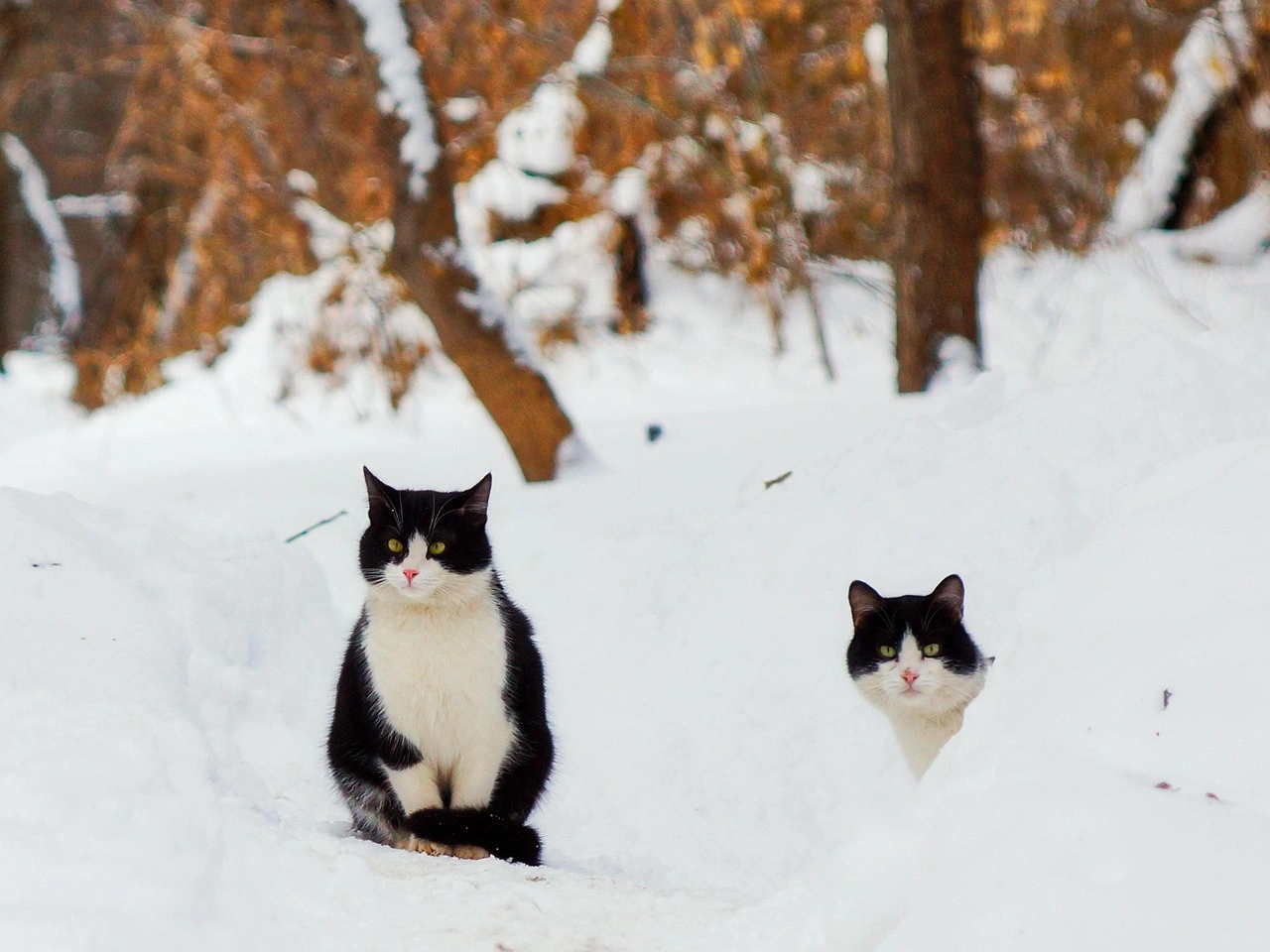
Winter can be a tricky time for your canine and feline companions. Even if your pet seems happy, small changes in behaviour or energy can be signs that a wellness pet visit is needed. Responsible pet ownership means noticing these subtle shifts so every pet can enjoy a healthy life, even during the colder months.
Behavioural Changes to Watch
Your pet often tells you how they’re feeling through their behaviour. Paying attention to these changes can help you act early and keep your pet comfortable.
- Spending less time moving around or avoiding going outside.
- Hiding more than usual or shivering in colder spots.
- Eating less or showing sudden weight changes.
- Acting irritable or interacting differently with other pets.
Physical Signs to Notice
Physical changes can signal health concerns, especially in older pets. Observing them carefully can help you catch issues early in a stress-free way.
- Limping, stiffness, or difficulty moving may indicate joint discomfort.
- Dry or flaky skin and coat changes from indoor heating.
- Persistent coughing, sneezing, or a runny nose could suggest respiratory problems.
- Licking paws excessively due to ice, salt, or minor injuries.
Subtle Health Signals
Sometimes the signs are less obvious but still important. Regular blood work and wellness checks every six months can catch these early.
- Changes in sleep patterns or overall energy.
- Unusual grooming habits or coat appearance.
- Discomfort while eating or drinking.
- Minor digestive changes, like irregular bowel movements.
Watching for these behavioural, physical, and subtle signs helps you give your pet the care they deserve. Early detection through regular wellness exams and blood tests ensures your pet stays happy, healthy, and enjoys a safe winter.
What Are Some Winter-Related Comprehensive Pet Wellness Services with a Veterinarian
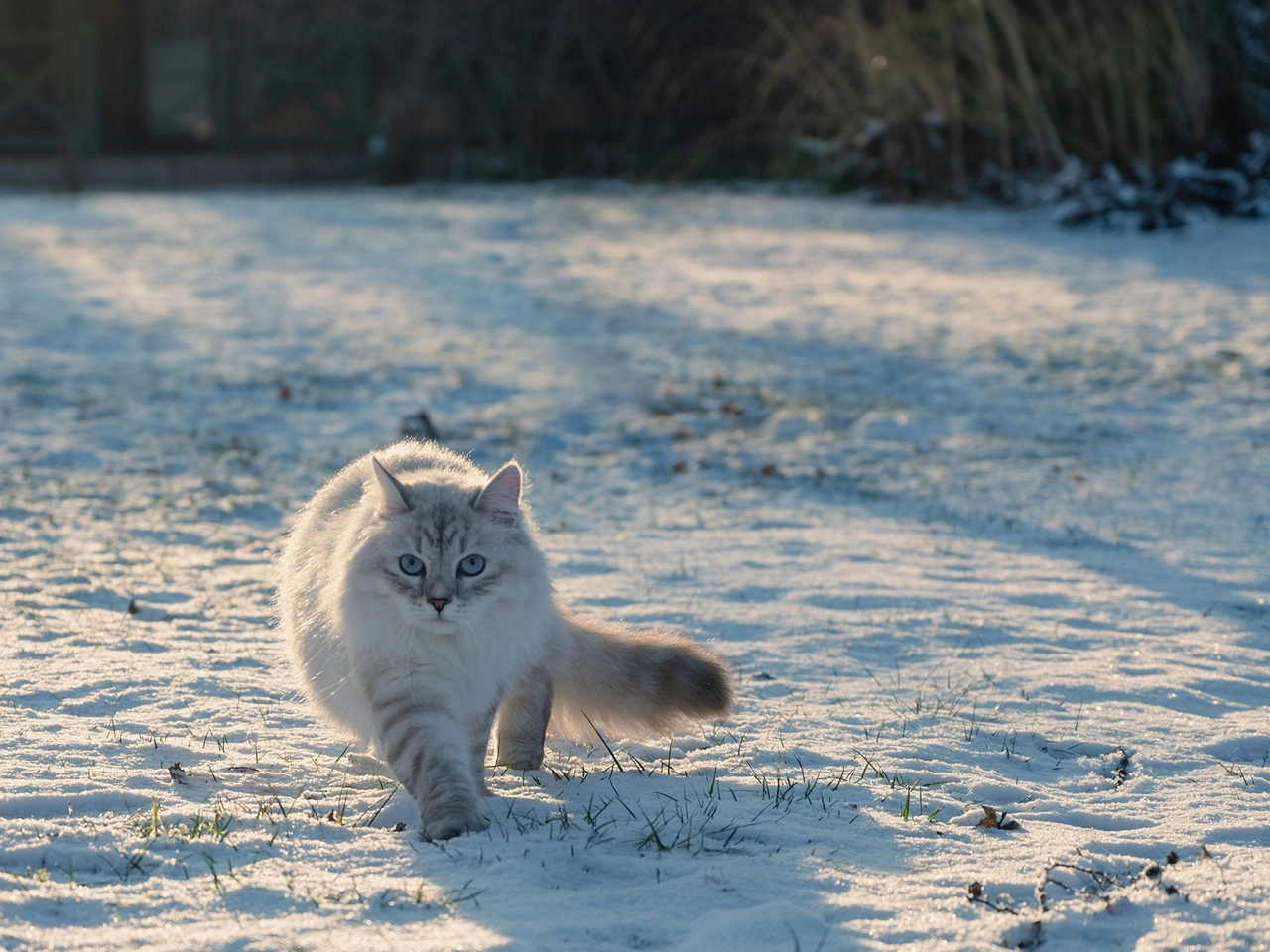
Winter vet visits go beyond a simple check-up, focusing on preventive care and support tailored to the colder months. Pet owners can feel reassured knowing their pets are receiving the care they deserve for a happy, healthy winter.
Key Services During a Winter Wellness Visit
A winter wellness check covers a variety of services that protect your pet’s overall health and wellbeing.
- Physical Exam: A thorough check from nose to tail to spot early signs of illness or discomfort.
- Blood Work: Routine blood tests help uncover hidden issues, especially in older pets.
- Vaccines: Ensuring all shots are up to date to protect against seasonal illnesses.
- Parasite Prevention and Deworming: Helps prevent fleas, ticks, and other winter-related pests.
- Dental Care: Examining teeth and gums to keep your pet’s mouth and overall health in top shape.
- Personalized Wellness Plans: Guidance on nutrition, exercise, and activity adjustments for colder months.
Why a Comprehensive Visit Matters
These visits give pet owners peace of mind and keep pets healthy in a proactive, stress-free way.
- Catch issues early before they become serious problems.
- Tailor care to every pet’s unique needs, including older pets or senior pets.
- Support mobility, comfort, and energy levels during winter.
- Help your pet stay active, happy, and healthy all season long.
Preventive Pet Wellness Care Tips and Home Care to Support Your Pet’s Wellbeing

Winter care for your pet doesn’t stop at the veterinary clinic—what you do at home matters just as much. Small daily habits, paired with regular wellness pet visits, can keep your canine or feline companion happy, healthy, and comfortable, even on the coldest days.
- Keep Them Moving: Even if outdoor walks are shorter, try indoor play sessions to burn energy and prevent winter weight gain.
- Balanced Meals: Adjust food if your pet’s activity level changes, and check with your veterinarian for guidance.
- Protect Paws and Skin: Wipe paws after walks to remove salt or ice, and use pet-safe moisturizers if their skin gets dry or cracked.
- Cozy Spaces: Make sure they have warm, draft-free sleeping areas and avoid leaving them outside too long.
- Watch for Changes: Keep an eye on behaviour, appetite, or mobility—early detection helps prevent bigger problems.
- Vaccines and Parasites: Keep vaccinations up to date and follow parasite prevention plans, as pests can still be a risk in winter.
- Wellness Plans: Consider a preventive care plan to schedule regular exams and essential services stress-free.
When to Seek Veterinary Services for Your Pet’s Health

Knowing when to call your veterinarian can make a huge difference in keeping your pet safe and comfortable during winter. Paying attention to warning signs shows responsible pet ownership and helps your canine or feline companion stay happy and healthy.
Signs You Should Call Your Veterinarian Right Away
Certain symptoms shouldn’t be ignored, as they may indicate serious health issues.
- Persistent coughing, trouble breathing, vomiting, or diarrhea.
- Refusal to eat or drink, or showing signs of pain like whimpering, limping, or reluctance to move.
- Sudden changes in behaviour, confusion, disorientation, or collapse.
- Exposure to antifreeze, toxic plants, or ice melt chemicals.
When to Schedule a Winter Wellness Check
Some issues aren’t emergencies but still deserve prompt attention.
- Worsening arthritis or mobility problems.
- Chronic skin issues or coat changes.
- Unexplained weight loss, changes in appetite, or lower energy levels.
- If there are any subtle changes that make you worried, your veterinarian can guide you over the phone.
Final Thoughts
Winter can be tough on your pet, even if they seem perfectly fine. Keeping up with wellness exams and preventive care helps catch problems before they become serious.
Little things at home, like indoor play, warm bedding, and protecting their paws, make a big difference. Paying attention to changes in behaviour, appetite, or energy shows you really know your pet.
Knowing when to call your veterinarian can save your pet from unnecessary discomfort. With a mix of loving care at home and support from your vet, your furry companion can enjoy a safe, happy, and healthy winter.
Frequently Asked Questions
Why are regular pet wellness visits important for every pet during winter?
Winter can bring hidden health risks, even for pets that seem perfectly healthy. Regular pet wellness visits help catch problems early so your pet can stay happy and comfortable.
Check overall health: Routine exams let the veterinarian monitor your pet’s weight, coat, joints, and vital signs.
Spot issues early: Cold weather can worsen conditions like arthritis, heart problems, or respiratory issues.
Stay protected: Vaccines and parasite prevention keep your pet safe all season.
Get personalized advice: Your vet can suggest diet, exercise, and indoor activities for winter.
Peace of mind: Knowing your pet is healthy lets you enjoy the season together stress-free.
How can a veterinary hospital in Calgary help pet parents keep their older pet healthy in cold months?
Older pets are more sensitive to winter’s challenges, and a veterinary hospital in Calgary can guide pet owners through every step of care.
Full health check-ups: Exams monitor joints, weight, and vital organs for any age-related changes.
Blood tests and diagnostics: Detect issues like kidney or heart problems before they get serious.
Custom wellness plans: Adjust diet, supplements, and exercise to your older pet’s needs.
Mobility and pain support: Veterinarians can suggest therapies or medications for stiffness or arthritis.
Winter safety tips: Advice on warm resting areas, safe walks, and paw care for icy conditions.
What proactive steps can pet owners take to support their furry friend’s well-being in winter?
A little attention at home can go a long way in keeping pets healthy during colder months.
Keep moving: Indoor play or short walks prevent weight gain and keep energy levels up.
Protect skin and paws: Wipe paws after walks and use moisturizers if their skin or pads get dry.
Create cozy spaces: Make sure they have warm, draft-free spots for sleeping.
Watch for changes: Pay attention to appetite, behaviour, and mobility.
Stay on top of care: Keep up with vaccines, parasite prevention, and regular wellness visits.
How often should every pet have a wellness check at a veterinary hospital during the winter season?
Frequency depends on your pet’s age, health, and lifestyle, but regular check-ups keep them in top shape.
Most pets: Every six months is a good routine to catch early problems.
Senior pets: Older pets may need more frequent visits to monitor chronic conditions.
Special needs pets: Chronic illnesses or mobility challenges may require closer observation.
Winter-specific concerns: Cold weather can worsen arthritis, breathing, or heart issues.
Ask your veterinarian: They can create a schedule that’s perfect for your pet.
What signs should pet owners watch for that indicate a winter wellness visit is needed for their older pet?
Older pets often hide discomfort, so subtle changes can be important warning signs.
Mobility problems: Limping, stiffness, or reluctance to move.
Appetite or weight changes: Sudden loss or gain may indicate health issues.
Behavioural changes: Hiding, irritability, or confusion.
Coughing, sneezing, vomiting, or diarrhea: Winter can trigger respiratory or digestive problems.
Low energy: Fatigue or difficulty doing normal activities.

