


TL;DR: How to Care for a Pet in the Winter
- Cold weather affects pets: Even indoor pets can feel the cold, and short-coated or senior animals struggle to hold in the cold without help.
- Winter risks: A dog can get frostbite, hypothermia, or become disoriented outside in the cold, especially if you let your dog off leash.
- Protective gear matters: Warm coats, cozy bedding, and paw protection make it safer to keep pet comfort and mobility steady all season.
- Watch winter hazards: Chemicals like antifreeze and salt are dangerous, and frozen water bowls mean you should never leave pets unattended outdoors.
- Smarter outdoor time: Limit cold exposure and always close the door to keep warm air in and your pet safe.
- Paw care: Wipe paws, trim fur, and use balms or booties to prevent cracking and irritation.
- When to call the vet: Frostbite signs, chemical exposure, or extreme shivering are all reasons to contact your veterinarian for guidance.
Need help creating a winter-safe plan for your pet? We’re here to guide you and keep your companion warm, protected, and happy all season long.
Is your furry friend ready for the winter season? As cold temperatures approach, pet owners face unique challenges in keeping their pets safe and healthy. From freezing temperatures to dry skin and hidden outdoor hazards, the colder months require extra attention and thoughtful adjustments to your pet’s routine.
While some pets handle the cold better than others, all animals benefit from proper winter care to stay warm, active, and protected. In this guide, we’ll break down the essential tips every pet owner should know for the winter season, and help you understand what your pet needs and how to support them through winter’s harsh conditions with confidence and care.
How the Cold Weather Can Affect Your Pet
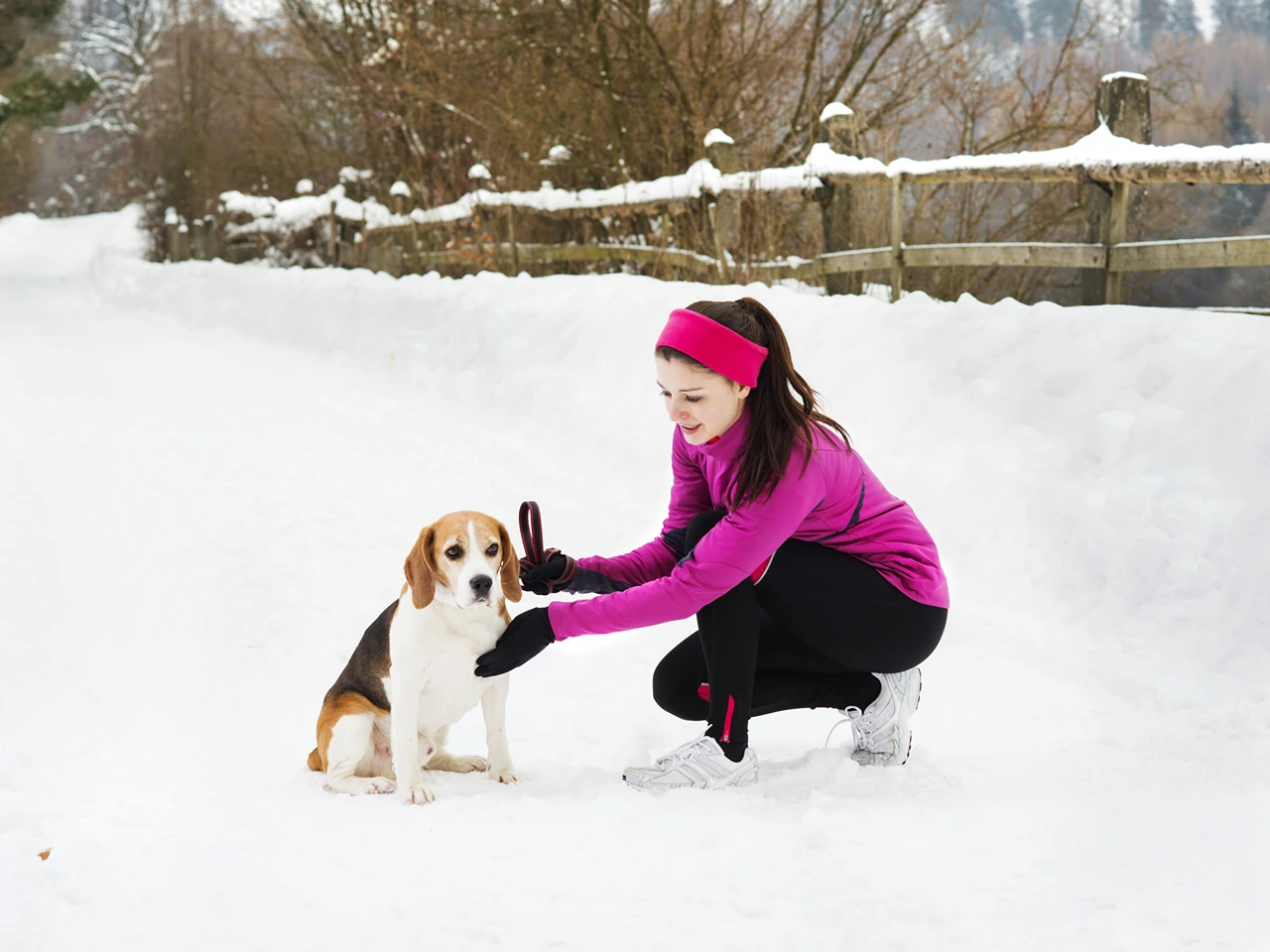
When the temperature drops, dogs and cats may experience noticeable changes in their overall comfort and health, especially short-coated dogs and senior pets that are more vulnerable during the cold months. As their bodies work harder to stay warm, your pet may struggle to maintain enough warmth, making them more prone to chills or even hypothermia. Dry indoor heating can also cause flaky skin, leaving your pet itchy and uncomfortable.
Older dogs may feel increased stiffness or joint soreness, which can make moving around more difficult. During this time, dogs and cats can get less active or may eat differently as they adjust to the season. Outdoor cats and dogs exposed to low temperatures need extra protection—like insulated shelters or shorter time outside—to prevent cold-related health issues.
Winter Health Risks in Pets
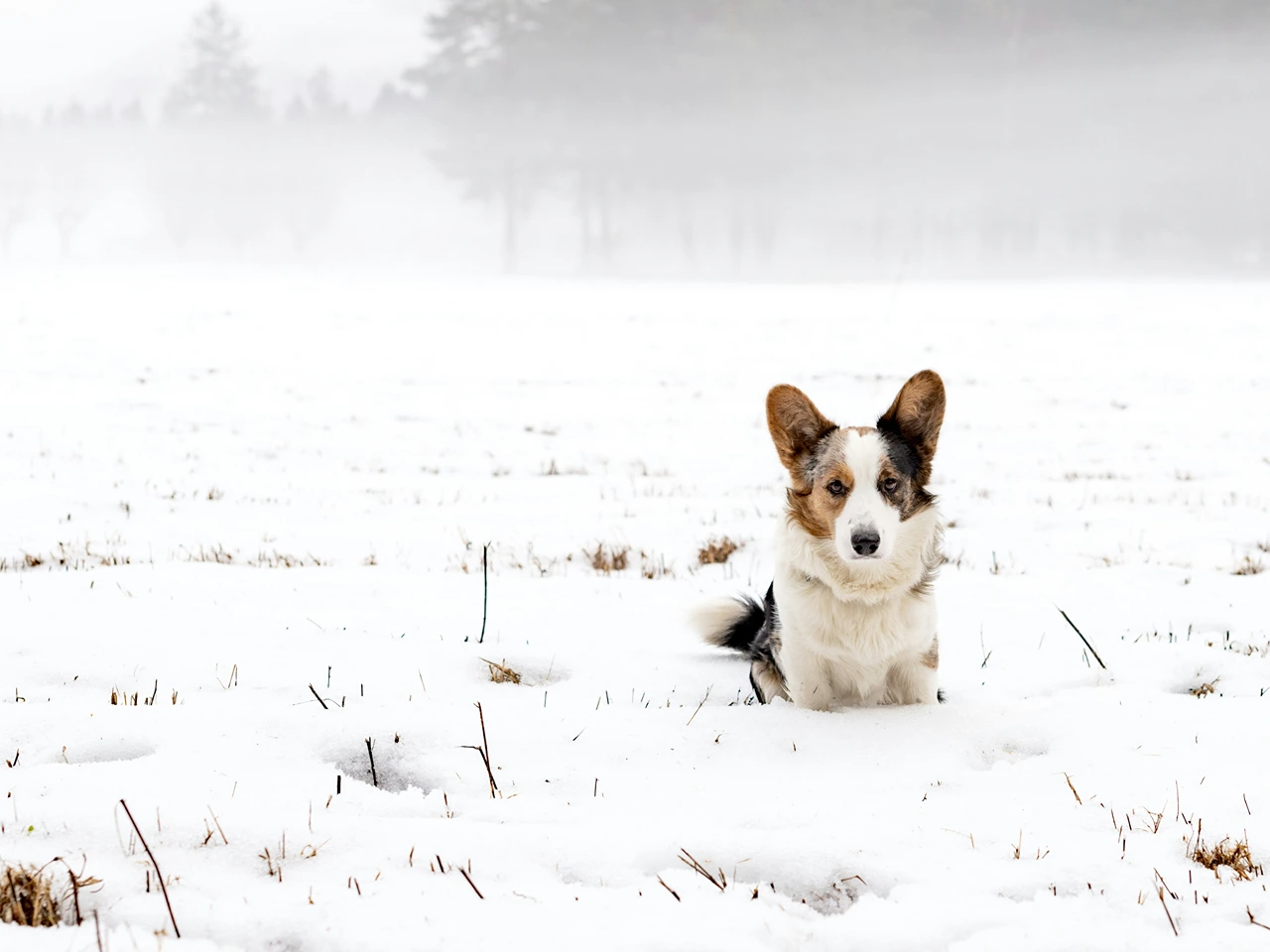
During extreme weather, pets can suffer from a variety of health issues. Understanding the risks can help keep your furry friends safe during the cold months:
- Hypothermia and Frostbite: Pets left outdoors in extreme cold may develop hypothermia and frostbite, especially on their ears, paws, and tail. Prompt attention is crucial to prevent serious complications.
- Disorientation in Dogs: Dogs can lose their scent in cold weather and become disoriented, making it easier for them to get lost during walks or outdoor activities.
- Poisonous Chemicals: Substances like antifreeze are highly poisonous to pets. Even small amounts can be fatal if ingested, so keep these chemicals out of reach.
- Cracked Paw Pads: Snow, ice, and salt can cause pets’ paw pads to crack, leading to discomfort or infection if not properly protected or treated.
- Frozen Water Bowls: Outdoor water bowls may freeze, and pets can suffer dehydration if they do not have access to fresh, unfrozen water.
Winter Care Tips for Pet Owners
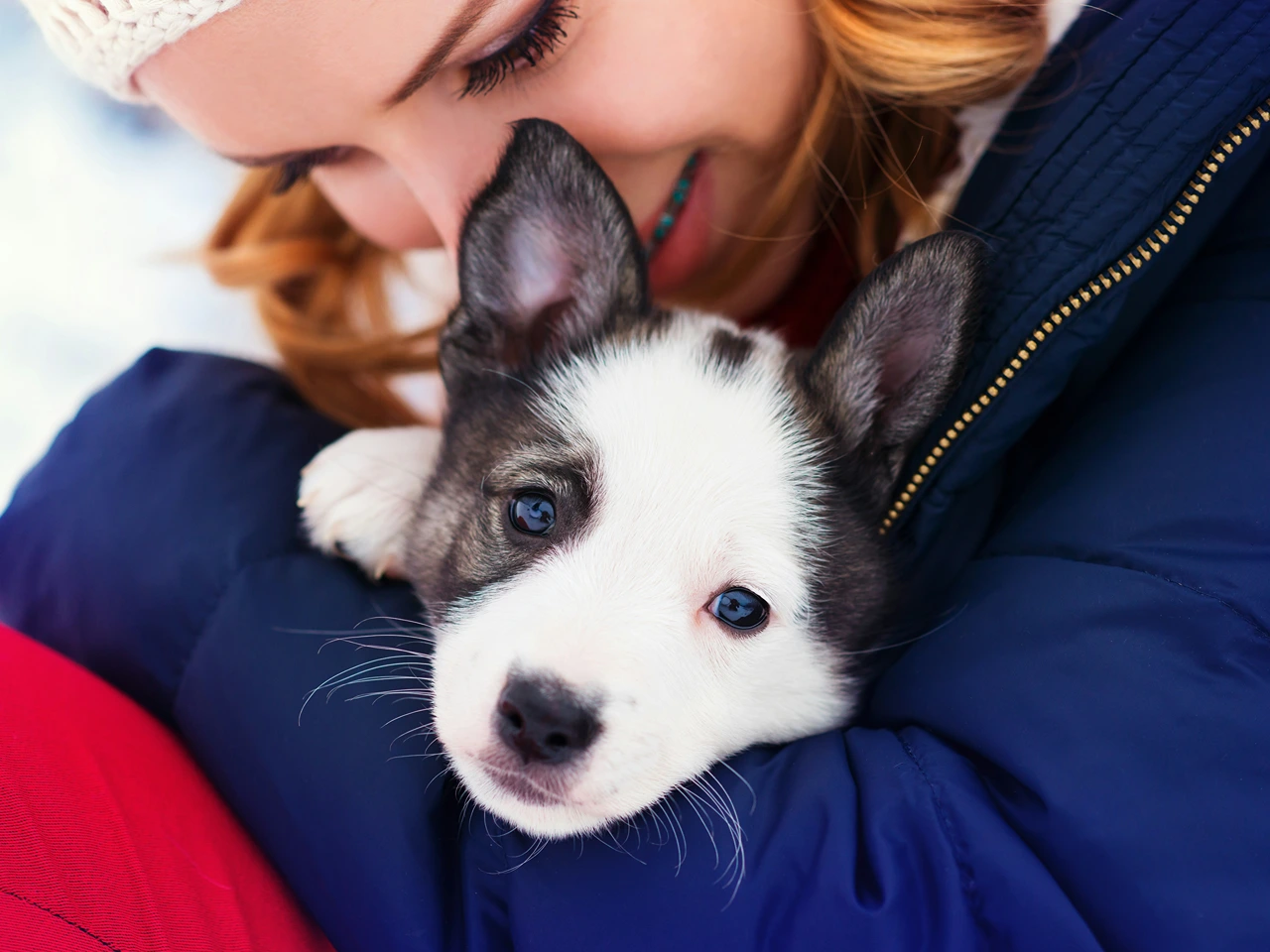
As temperatures drop, it’s even more important to follow practical winter tips—so your cat or dog stays safe, protected, and comfortable all season long.
Warm Clothing for Cold Days
Consider using a proper dog coat or sweater to help your pet retain body heat. A coat or sweater is especially important when it’s too cold outside, and your pet needs extra protection.
A Cozy Place to Sleep
Provide a cozy dog or cat bed in a warm place to sleep to keep them comfortable during colder months. A warm place to sleep helps your pet stay relaxed, rested, and insulated from drafts.
Leash Safety in Winter
Never let your dog off-leash on cold days—icy conditions and low visibility increase risks. Keeping your dog close helps them stay safe and avoid winter hazards.
Winter Nutrition Boost
Feed your pet slightly more during colder months to maintain energy, as pets burn extra calories staying warm. This helps ensure your pet has the strength needed for winter activities.
Antifreeze Warning Signs
Contact your veterinarian immediately if you suspect your pet has consumed antifreeze. Even small amounts can be deadly, so quick action is essential for safety throughout winter.
Limit Outdoor Time in Harsh Weather
Ensure your pet has limited time outside during harsh weather to prevent frostbite or hypothermia. Bring them indoors as soon as it’s too cold for safe outdoor exposure.
Protecting Paw Pads
Consider using protective booties for paw pads to guard against ice, salt, and freezing surfaces. Booties provide a safer way to stay active outdoors during winter walks.
For safety throughout winter, remember that pets should not be left in a car during cold weather. Dogs should be kept indoors when possible, and it’s essential to provide a cozy way to stay comfortable indoors when it’s too cold outside.
Follow these cold weather safety tips to keep your companion safe from winter challenges.
Paw Care in Winter: Protecting Your Pet's Feet
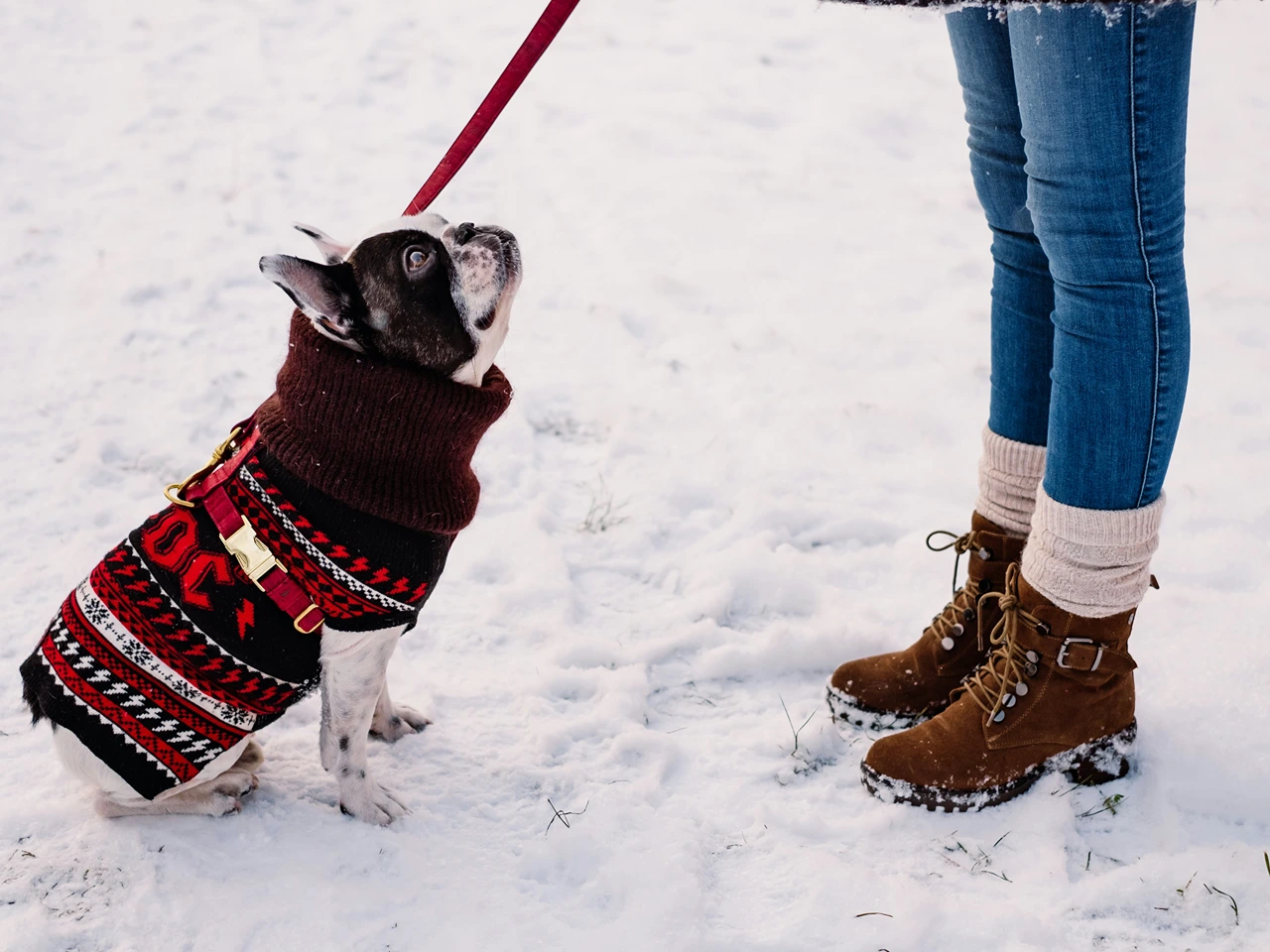
Your pet's paw pads need special attention when they spend more time outside in winter conditions. Cold surfaces, ice, and road treatments can easily cause discomfort, so taking simple precautions can keep your pet safe throughout the season.
- Keep a towel ready to wipe paws after walks: This helps remove ice, salt, and moisture right away, reducing irritation and preventing your home from getting wet and slippery.
- Let your pet adjust gradually to protective gear: Whether it’s booties or winter socks, giving your pet time to get comfortable ensures a better fit and improves overall paw protection.
- Clean between toes after exposure to snow and ice: Regular cleaning prevents ice buildup and helps avoid trapped debris that can cause rubbing or discomfort.
- Monitor for signs of irritation or damage: Look for redness, cracks, or sensitivity, as these early signs allow you to address issues before they worsen.
- Keep your pet safe by removing ice balls from fur and paws: Gently break up any clumps of ice that form—they can be painful and make walking uncomfortable for your pet.
Paw Protection Methods
- Apply pet-safe balms before outdoor activity: These balms create a protective barrier that shields paw pads from cold surfaces and harsh winter chemicals.
- Use properly fitted booties: Well-sized booties provide great insulation—while also protecting paws from salt, ice, and rough terrain.
- Limit exposure to treated surfaces: Avoid walking on heavily salted pavements whenever possible, as they can irritate skin and damage paw pads.
- Check paws regularly: Keeping an eye out for cuts or cracks helps catch small injuries early, before they turn into bigger problems.
- Trim the fur between paw pads: Shorter fur prevents ice and debris from sticking, making walks more comfortable for your pet.
When to Visit Your Veterinarian During Winter
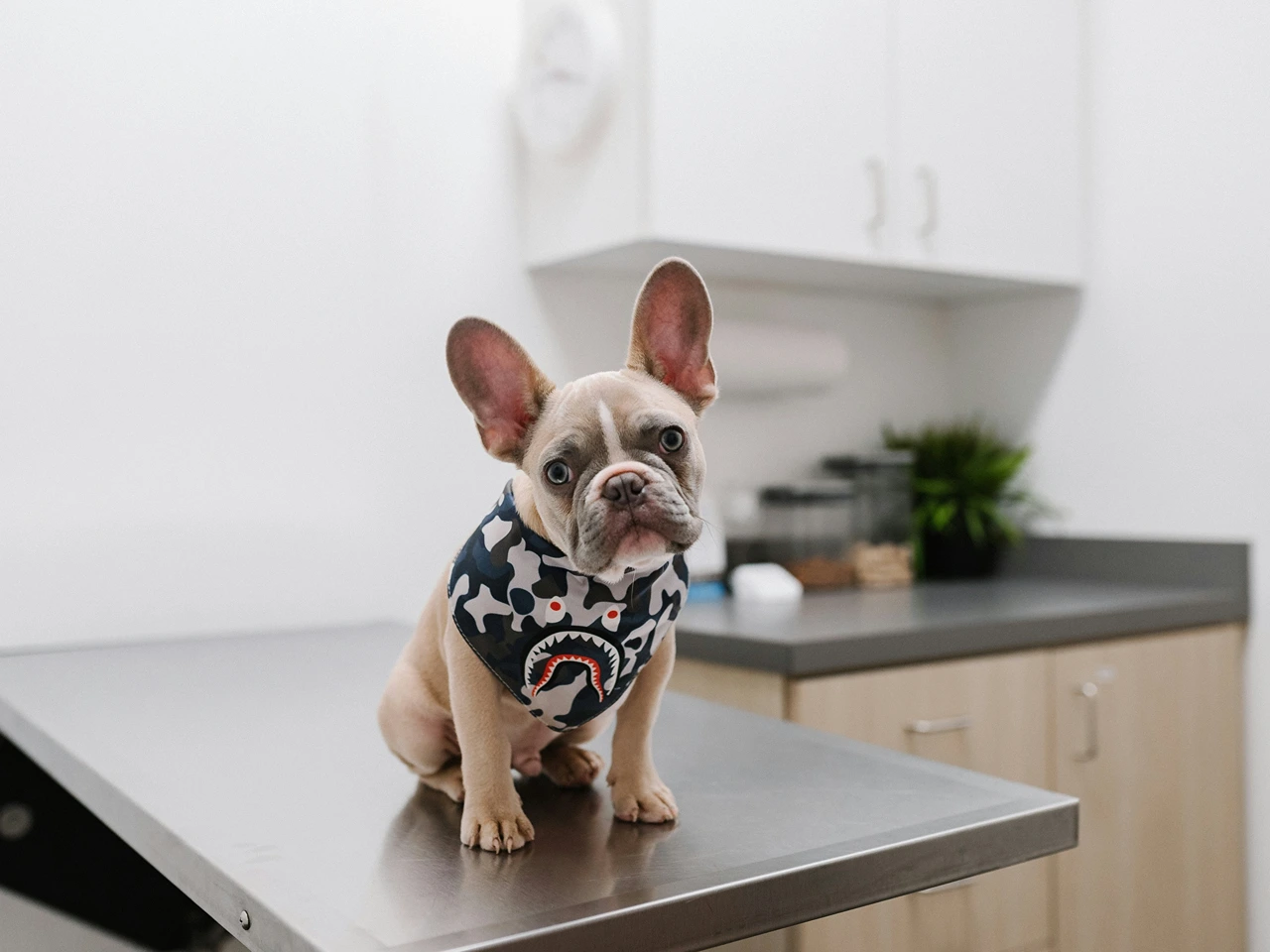
Keep your pet’s health monitored by knowing when to seek veterinary care, especially as winter weather brings added risks and discomfort for many animals.
- If your pet shows signs of hypothermia: Shivering, weakness, or low body temperature are serious concerns that require immediate attention from your veterinarian.
- When you notice potential frostbite: Pale, cold, or swollen skin on ears, tail, or paws should never be ignored, as frostbite can worsen quickly in winter weather.
- If pets are left exposed to severe weather: Any pet that has spent too long in extreme cold should be examined to rule out hidden injuries or early-stage hypothermia.
- If your pet shows signs of chemical exposure: Road salt, antifreeze, and other winter chemicals can be toxic, so prompt veterinary care is essential if ingestion or irritation occurs.
Schedule regular checkups with your veterinarian to monitor your pet’s health during winter weather and catch seasonal issues early, making sure they stay comfortable and protected throughout the colder months.
Final Thoughts
Winter may bring colder days and a few extra challenges—but with the right care, your pet can stay comfortable, healthy, and safe all season. Watching the temperature, limiting time outside, and setting up warm spots and protective gear at home all help keep your pet happy and well.
Small habits—like checking paws, watching for hazards, and adjusting nutrition—make a big difference during harsh weather. If something seems off, contacting your veterinarian makes sure your pet gets help quickly. With preparation, awareness, and consistency, you can confidently guide your pet through winter and keep them thriving until warmer days return.
Frequently Asked Questions
How does cold weather affect pets?
Cold temperatures can affect your pet’s comfort, mobility, and overall health—more than many owners realize.
Seasonal body changes: Pets work harder to maintain warmth in winter, making them more prone to chills or early-stage hypothermia.
Dry skin from indoor heat: When the heater’s on, it can zap moisture from your pet’s skin, leaving them itchy and flaky.
Stiffer joints in older dogs: As it gets colder, senior pups might feel more stiffness or soreness in their joints.
Changes in mood and activity: Pets may slow down or tweak their eating habits as they adjust to chilly weather.
Higher risk for outdoor pets: Dogs and cats that spend time outside need insulated shelters or reduced outdoor time to avoid cold-related issues.
What winter health risks should pet owners watch out for?
Winter exposes pets to several seasonal dangers that require close attention and preventive care.
Exposure-related conditions: Hypothermia and frostbite can develop quickly in extreme cold, especially on paws, ears, and tails.
Winter disorientation: Dogs can lose their scent trails in cold weather and easily become lost during walks.
Toxic chemical hazards: Antifreeze and road treatments are highly poisonous to pets, even in tiny amounts.
Paw damage concerns: Ice, snow, and salt can crack paw pads and lead to discomfort or infection.
Dehydration from frozen bowls: Outdoor water can freeze solid, preventing pets from accessing fresh drinking water.
What are the most important winter care tips for pet owners?
A few simple routines can help keep your pet warm, safe, and comfortable throughout the cold months.
Use warm pet clothing: Coats and sweaters help pets—especially short-coated or small breeds—retain crucial body heat.
Provide a cozy sleeping area: A warm, draft-free spot keeps pets relaxed and protected from cold floors or breezy rooms.
Keep dogs on-leash: Winter visibility and icy terrain increase risks, making leashes essential for safety.
Support winter nutrition: A little extra food can help pets keep their energy up when they’re burning more calories to stay warm.
Act fast with antifreeze: If you suspect your pet has ingested it, contact your veterinarian immediately—antifreeze is extremely toxic.
How can I protect my pet’s paws during winter?
Paw care is key in winter, it helps prevent irritation, injuries, and discomfort from harsh outdoor surfaces.
Wipe paws after every walk: This gets rid of salt, ice, and moisture before it can cause pain or irritation.
Introduce protective gear slowly: Let your pet get used to booties or winter socks so they fit comfortably and stay put.
Clean between toes: Removing ice buildup or debris helps prevent rubbing and trapped moisture.
Monitor paw health: Checking for cracks, redness, or sensitivity helps catch problems early.
Remove ice balls promptly: Clearing ice clumps from fur or pads keeps walking safe and avoids pressure-related pain.
When should you take your pet to the veterinarian during winter?
Certain winter-related symptoms or exposures require quick veterinary attention to keep your pet safe.
Signs of hypothermia: Shivering, weakness, or low body temperature should always be treated as an emergency.
Possible frostbite: Pale or swollen skin—especially on ears, tails, or paws—needs prompt evaluation.
Cold-exposure concerns: Pets that stayed outside too long may have hidden injuries or early cold-related conditions.
Chemical exposure risks: Ingestion or irritation from road salt or antifreeze warrants immediate professional care.
Routine winter wellness checks: Seasonal vet visits help detect skin, joint, or cold-related issues before they worsen.

