


TL; DR: Why My Dog Is Shaking or Shivering – Causes and What to Do
- It can be worrying when your dog starts shaking, and many pet owners know that sudden moment of panic all too well.
- Dogs may tremble for harmless reasons, like being cold, anxious, excited, or after a long car ride.
- Puppies, older dogs, and some breeds are naturally more prone to shivering.
- Shaking can also be caused by pain, low blood sugar, arthritis, or neurological issues.
- Sometimes it comes with vomiting, limping, head shaking, or other unusual signs, which can be alarming.
- Temporary shaking often resolves once the trigger, such as fear or cold, is gone.
- Keeping a close eye on your dog, providing warmth, and creating a calm, safe space can help them feel more secure.
- Noting patterns or triggers can give you insight into why your dog shakes and help you prevent future episodes.
- Persistent, severe, or unexplained trembling may indicate a health problem that needs professional attention.
If you notice unusual shaking or other concerning symptoms, reach out to us. Our veterinarian can offer guidance, peace of mind, and the services your dog needs. You don’t have to figure it out alone.
Why does your dog suddenly start shaking or shivering? Many dog owners have felt that moment of worry when they notice their dog trembling, panting, or acting differently than usual. Shaking in dogs can be harmless at times, but it can also be a sign that something isn’t right.
Shivering and shaking may happen during a thunderstorm, from stress, arthritis in an older dog, low blood sugar, or neurological issues such as shaker dog syndrome. Sometimes shaking is accompanied by vomiting, a limp, or even loss of consciousness, which may point to a serious medical condition. These symptoms can be confusing, especially when your dog can’t tell you what they’re feeling.
Knowing when to watch closely and when to call your vet, visit a veterinary hospital, or seek emergency vet care can make all the difference. Taking note of any other symptoms helps your veterinarian determine the underlying cause. Read on to understand what may be causing your dog’s shaking and how you can help your dog feel better.
What Is Dog Shaking and Dog Trembling and Why Does it Happen
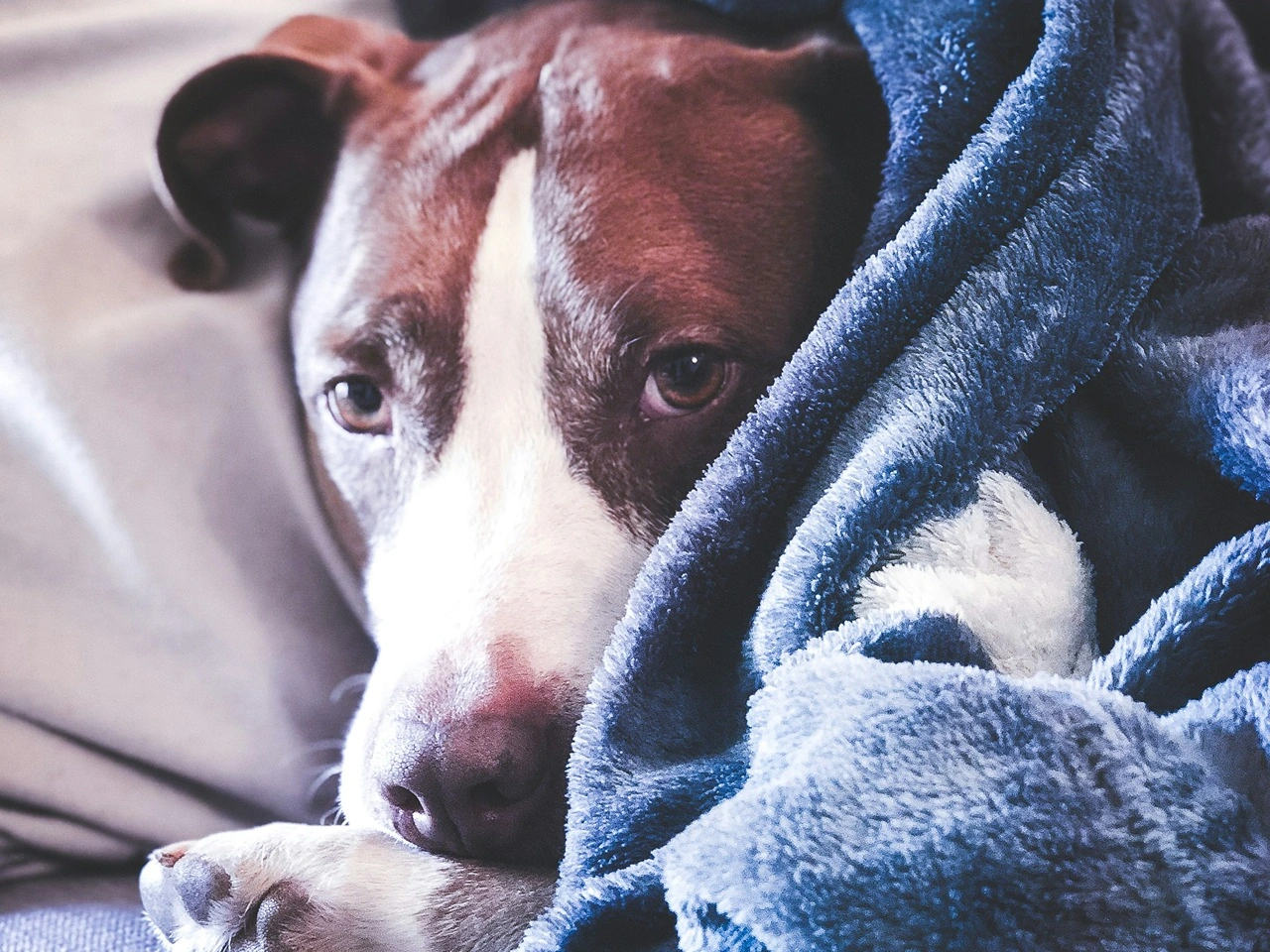
Many dog owners see this happen from time to time, and while sometimes it’s harmless, shaking may indicate your dog is experiencing pain or another issue. Understanding what causes shaking in dogs helps you decide when to care for your pet at home and when to seek veterinary care.
- Tremor vs shaking: A tremor is usually subtle and small, while shaking may be more obvious and uncontrolled.
- Emotional triggers: Your dog may shiver out of fear, stress, or excitement, such as during a thunderstorm or a car ride.
- Physical causes: Pain can cause shaking; low blood sugar can lead to shaking in dogs; and certain breeds are more prone to tremors.
- Neurological issues: Conditions such as shaker syndrome can also cause persistent shaking in dogs.
- Warning signs: Uncontrollable shaking, head shaking, symptoms like vomiting, or signs of pain may indicate your dog is experiencing something serious and needs veterinary care.
Common Causes of Shivering and Trembling in Dogs
Shivering and trembling in dogs can happen for many reasons, from something as simple as being cold to more serious issues. Understanding the causes of shaking in dogs can help you notice patterns and figure out why your dog is shaking.
Cold and Temperature Changes
Sometimes, your dog may shiver just because they’re cold or the temperature changes.
- Shivering helps your dog regulate body heat.
- Puppies, older dogs, and certain breeds are more likely to shiver.
- Wet fur or drafts can also lead to shaking.
Pain or Injury
Pain can cause your dog to shake, even if it’s not obvious at first.
- Arthritis or sore muscles may cause your dog to shake.
- Limping or unusual posture may also lead to shaking.
- Pain can be a hidden cause of your dog’s shaking that you might not notice right away.
Fear, Anxiety, or Stress
Your dog may also shiver when they’re scared, stressed, or excited.
- Thunderstorms, fireworks, or car rides can make a dog shiver.
- Stress from a new environment or being left alone may also lead to shaking.
- Shaking and panting might happen together when your dog is feeling anxious.
Low Blood Sugar and Metabolic Issues
Some dogs may shiver or tremble due to low blood sugar or other metabolic issues.
- Small breeds are more prone to low blood sugar, which can cause your dog to shake.
- Symptoms like shaking, weakness, or vomiting may also appear.
- If your dog has ingested something unusual, it may also lead to shaking.
Neurological Conditions
Shaking may sometimes be caused by neurological issues.
- Shaker syndrome can cause persistent tremors, especially in certain breeds.
- Seizures may also be a cause of your dog’s shaking.
- Uncontrollable shaking or tremors can appear even if your dog seems otherwise fine.
Shaking in Dogs vs Seizure: Understanding the Difference

It’s a scary feeling when you notice your dog shaking suddenly and uncontrollably. Many dog owners have experienced this moment of worry, and it’s natural to wonder whether it’s just a harmless tremor or something more serious. While shaking in dogs can have simple causes, it may also signal a seizure or another serious medical condition that needs attention.
How Shaking in Dogs Looks
Shaking in dogs can happen for everyday reasons like cold, excitement, or stress, and your dog may shiver a little while still staying alert.
- Usually rhythmic or repetitive but controlled.
- A dog may tremble or shiver without losing awareness.
- Shaking often stops once the cause of shaking in dogs is gone.
How Seizures Look in Dogs
Seizures are different; they’re caused by abnormal brain activity and are more intense, often needing a vet right away or a visit to an animal hospital.
- Uncontrollable shaking or stiffening of the body.
- Loss of consciousness or unresponsiveness.
- Shaking may come with drooling, jerking limbs, or other symptoms.
- A dog may also show symptoms like vomiting or appear limp.
Key Differences to Notice
Knowing what to look for can help you care for your pet and decide the next steps.
- Shaking in dogs is usually temporary and stops when the trigger is gone.
- Seizures are sudden, intense, and may happen repeatedly.
- If you suspect your dog is having a seizure or notice your dog shaking with worrying symptoms, talk to your vet right away.
What to Do When Your Dog Is Shaking or Shivering

As a dog owner, you want to help them feel safe and comfortable while figuring out what might be causing the trembling. Understanding simple ways to respond can make a big difference for both you and your pet.
Observe Your Dog Closely
Start by taking a moment to really notice your dog. How long is the shaking lasting? Is it constant or does it come and go? Pay attention to other signs like vomiting, limping, head shaking, or panting, as these clues can help you understand what’s happening.
Offer Comfort and Reassurance
Sometimes your dog may shiver from stress, fear, or being cold, and small gestures can help them relax. Wrapping them in a warm blanket, creating a quiet space, and speaking in a calm, soothing voice can help your dog to shiver less. Even gentle petting or sitting nearby can make them feel more secure.
Watch for Patterns and Triggers
Even after the shaking stops, it helps to notice when it happens and what might trigger it. Record the time, the environment, your dog’s behaviour before and after, and any other symptoms you notice. This can give you insight into the causes of shaking in dogs and help you care for your pet better.
When to See a Vet for a Trembling or Shaking Dog

While some shaking isn’t a big deal, there are times when it can signal a health problem that needs attention. Paying close attention to your dog’s behaviour helps you know when to act and keeps them safe.
Signs Your Dog Might Need Help
You might want to consider a vet visit if the shaking is persistent or comes with other concerning signs:
- Intense or uncontrollable shaking that doesn’t stop.
- Vomiting, limping, or obvious discomfort.
- Head shaking or unusual posture.
- Episodes where your dog seems unresponsive or loses consciousness.
Situations That Require Urgent Care
Some situations need immediate attention:
- If your dog has eaten something potentially harmful or toxic.
- Sudden shaking paired with heavy panting or signs of distress.
- Shaking that is prolonged or severe and doesn’t go away on its own.
How to Decide When to Act
Even mild shaking can be important to monitor:
- Watch for repeated episodes or patterns over time.
- Notice any changes in behaviour, appetite, or energy.
- Always talk to your vet if you’re unsure or worried about what’s happening.
Final Thoughts
Watching your dog shake or shiver can be stressful, and it’s easy to feel worried about what’s going on. Sometimes it’s nothing more than being cold or excited, but other times it can signal pain or a health issue.
Paying attention to how often it happens, how strong the shaking is, and any other changes in behaviour can help you understand what your dog needs. Little things, like offering warmth, comfort, and a calm space, can make a big difference in helping your dog feel safe.
In some cases, professional care may be needed to make sure your dog stays healthy and comfortable. By staying attentive and caring, you can help your dog feel secure and give yourself peace of mind, too.
Frequently Asked Questions
Why is my dog shaking or shivering for no obvious reason?
It can be worrying when your dog starts trembling for no clear reason. You might feel that sudden jolt of panic many pet owners know all too well. Often, shaking is harmless, but paying attention can help you understand what’s going on.
Cold or wet: Puppies, older dogs, and some breeds are more likely to shiver when chilly.
Emotions: Fear, anxiety, or excitement can make your dog tremble unexpectedly.
Hidden discomfort: Sometimes shaking is a subtle sign of pain or a minor health issue.
Watch and learn: Noting when and why your dog shakes can help spot patterns.
Could my dog’s trembling be a sign of a serious health problem?
While occasional shaking is usually nothing to worry about, persistent or intense trembling can be a red flag. Understanding the warning signs can help you act quickly if something is wrong.
Pain or injury: Sore muscles, arthritis, or injuries can cause trembling.
Blood sugar or metabolism issues: Low blood sugar can affect small breeds more often.
Neurological conditions: Shaker syndrome or seizures may cause ongoing shaking.
Other symptoms: Vomiting, limping, or sudden weakness can indicate a more serious problem.
Keep notes: Observing patterns and severity helps your veterinarian make the right diagnosis.
How can I tell the difference between normal shaking and a seizure in my dog?
Shaking and seizures can look similar, which can make it scary to watch. Knowing what to look for can help you decide how to respond.
Normal shaking: Usually stops once the trigger, like a cold or stress, is gone, and your dog stays alert.
Seizures: Can be intense and uncontrollable, with stiffening, drooling, jerking limbs, or even loss of consciousness.
Frequency and duration: Brief, occasional tremors are usually harmless; repeated, severe episodes need attention.
Other signs: Vomiting, limpness, or extreme distress may indicate a seizure or serious condition.
Record it: Watching and noting what happens can give your veterinarian important information.
What steps can I take at home to help my dog when it is shaking or shivering?
Even if the shaking isn’t dangerous, small steps can help your dog feel safer and calmer. Many pet owners find that gentle support makes a big difference.
Calm environment: A quiet, warm, and comfortable space can help your dog relax.
Warmth: A blanket, a heated bed, or snuggling can soothe shaking puppies or older dogs.
Gentle reassurance: Sitting nearby, talking softly, or light petting can ease anxiety.
Observe and track: Keeping notes on when shaking occurs can help you understand triggers.
Prevent stress: Avoid sudden loud noises or stressful situations when possible.
When should I consider a vet visit for my dog’s persistent or severe trembling?
Persistent or intense shaking can sometimes point to a real health problem. A vet visit ensures your dog gets the right care and gives you peace of mind.
Severe or nonstop shaking: Trembling that doesn’t stop or seems out of control needs attention.
Other concerning symptoms: Vomiting, limping, head shaking, weakness, or loss of consciousness are warning signs.
Possible ingestion: If your dog may have eaten something toxic or harmful.
Repeated episodes: Frequent shaking without a clear reason should be evaluated.
Professional guidance: A veterinarian can check for underlying issues and advise on treatment or management.

