

TL;DR: Why Dogs Drool and When It’s a Concern
- Drooling is normal for dogs, and saliva helps with chewing, digestion, and keeping the mouth comfortable.
- Many dogs drool when they smell food, get excited, feel stressed, or after exercise.
- Some breeds naturally produce an excessive amount of drool because of their loose lips or large jowls.
- Drooling may also increase when amylase interacts with food during mealtime.
- A dog may drool more temporarily if the dog is nauseous or has mild mouth irritation.
- Sudden or excessive drooling in dogs can sometimes signal oral pain, nausea, or another health problem.
- Watch for warning signs like trouble eating, behaviour changes, thick saliva, or drooling while your dog is calm.
- If drooling happens alongside lethargy, refusal to eat, or discomfort, it may be time to see a vet.
If you ever notice your dog drooling way more than usual or just acting a little off, it’s always better to check. Give us a call, and our experts can help figure out what’s going on and make sure your dog gets the care they need. Sometimes a quick chat with a vet can really put your mind at ease.
Why do dogs drool, and what does it mean when your dog is drooling more than usual? If you’ve ever opened the dog food bag and noticed your dog suddenly producing excess saliva, that's just a dog being a dog. Drooling is a common and normal for all dogs, and saliva also helps with chewing and digestion.
Some dogs naturally drool more than others, so the amount of drool can vary greatly between individuals. For many dogs, occasional drooling is simply normal and happens from time to time. Dogs may also drool when they smell food, feel excited, or anticipate a treat.
Still, there are times when a dog is drooling excessively, and it can make owners wonder what’s going on. A dog’s drooling could be something temporary, but it could also be a symptom of another issue. Read on to learn the causes of drooling in dogs, when drooling is normal, and when it may be time to ask a vet or even visit an emergency vet.
Why Do Dogs Drool? Understanding The Normal Causes of Drooling in Dogs
Drooling is just part of being a dog, and it’s usually completely normal. Saliva is beneficial, helping to moisten chewed food, make eating easier, and keep the mouth comfortable. Sometimes a drooling dog produces an excessive amount, and it’s easy to notice when the drool starts to drip or pool.
Causes of Drooling in Dogs
Several things can cause a dog to drool, and most are perfectly natural.
- Salivary Glands at Work: Dogs naturally produce saliva, but sometimes their glands go into overdrive, causing the dog to drool a lot.
- Oral Pain or Bumps in the Mouth: Sometimes, drooling is caused by oral pain or small bumps in the mouth and may drool more because holding saliva becomes uncomfortable.
- Nervous System Triggers: Excitement, stress, or motion sickness can make a dog produce excessive saliva.
- Nausea: Drooling may be temporary if the cause is nausea, as the body produces saliva to protect the stomach and mouth.
- Trouble Holding Saliva: Some dogs cannot effectively hold saliva because of their lips or jaw structure, which can lead to visible drool.
Situational Reasons Dogs May Drool
Drooling may also be temporary and tied to everyday life.
- Food Anticipation: Dogs have over 200 million scent receptors, so even the smell of food can cause drooling and produce an excessive amount of saliva.
- Stress or Anxiety: Drooling can increase when a dog is nervous, and trying to calm your dog may help.
- Heat and Exercise: Dogs often drool more when they are panting to cool down after activity or in warm weather.
- Chewed or Moistened Food: Drool can also increase when dogs chew or moisten food, and sometimes they drop food from their mouths.
- Foreign Body or Mild Oral Irritation: If a dog has ingested something small or has minor irritation, this can cause your dog to drool and may rise temporarily.
Drooling is usually normal, but knowing what causes it and when it’s temporary helps you figure out if the dog’s excessive drooling needs a veterinary check or even a quick trip to an emergency clinic.
Health Concern: When Excessive Drooling in Dogs Means It’s Time to See a Vet
Excessive drooling can be worrying, especially when a dog drools a lot all of a sudden. Sometimes drooling may be temporary, but if it keeps going or happens alongside other changes, it can mean the dog is in pain or feeling unwell. Paying attention early can help your dog get the care it needs and stay comfortable.
Signs That Excessive Drooling Needs Attention
Here are some signs that the drooling is more than just normal for dogs:
- Sudden or Persistent Increase: Times when drooling jumps noticeably or keeps happening can be a warning.
- Difficulty Eating: Dogs with oral pain might chew the food on the less painful side of the mouth or even drop food from their mouths if they’re uncomfortable.
- Behaviour Changes: A dog that seems restless, quieter than usual, or clearly in pain may be showing distress.
- Nausea-Related Drooling: If your dog is nauseated, drooling due to nausea can produce an excessive amount of drool.
- Drooling While Calm: Dogs drooling a lot even when resting can be a sign that something is wrong.
- Changes in Saliva Texture: Thick, foamy, or sticky saliva often point to irritation or an underlying issue.
- Drooling After Eating or Swallowing: Drooling is due to irritation in the mouth or throat if it happens right after swallowing.
- Other Signs of Distress: Increased drooling paired with lethargy or refusal to eat usually indicates a health concern.
Vets discuss drooling in dogs as something to watch closely, especially if it’s an excessive amount of drool. Trying to calm your dog while observing these signs can help you figure out if a visit to the vet or emergency clinic is needed.
Dog Breeds That Tend to Drool More Than Others
Some dog breeds naturally drool more than others, and it’s just part of who they are. This is caused by their big mouths, loose lips, or long jowls, which make it hard to hold saliva in. In these breeds, drooling is normal, so it’s not usually a sign that anything is wrong.
Why These Breeds Drool So Much
Excessive drooling in these breeds happens because of how their saliva interacts with food and their physical build.
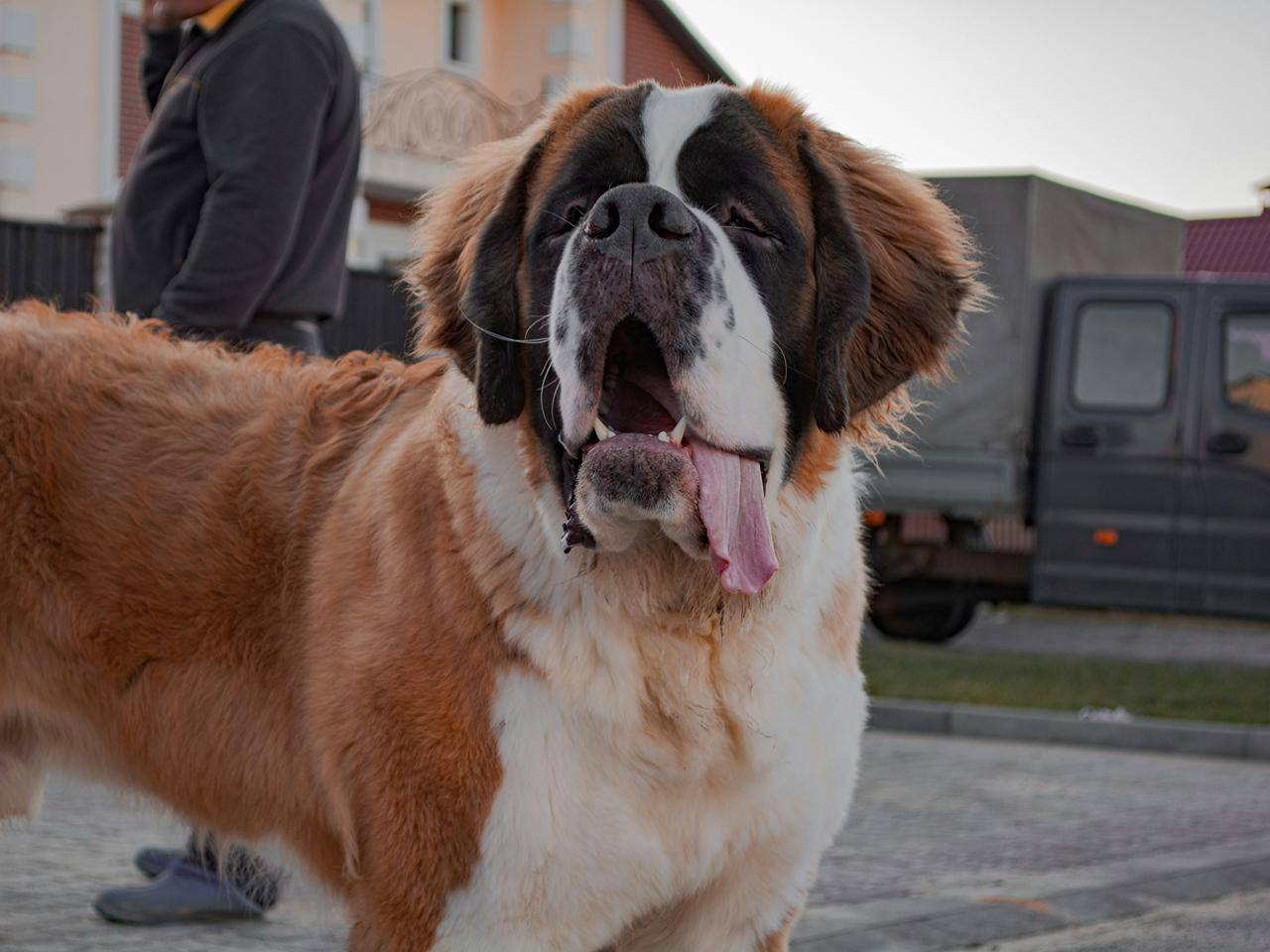
Saint Bernard
Saint Bernards are famous for “waterfall” drool because of their huge jowls. They produce an excessive amount of drool even just walking around or eating.
Bloodhound
Bloodhounds have long ears and heavy lips that make saliva escape easily. Drooling is caused by their structure, not because the dog is unwell.
Mastiff (English/Bullmastiff)
Mastiffs have wide mouths and loose lips that let saliva also moisten the jowls. This breed naturally produces a lot of drool.
Newfoundland
Newfoundlands drool a lot because of their large jaws and size. Saliva also moistens their mouths when they eat or get excited.
Bulldog (English/American)
Bulldogs have short snouts and deep facial folds that lead to frequent slobber. Drooling is due to their unique facial structure.
Dogue de Bordeaux (French Mastiff)
These dogs drool more than the other breeds when they’re excited or overheated. Their big mouths and jowls can make it easy for saliva to escape, leading to drooling more than normal.
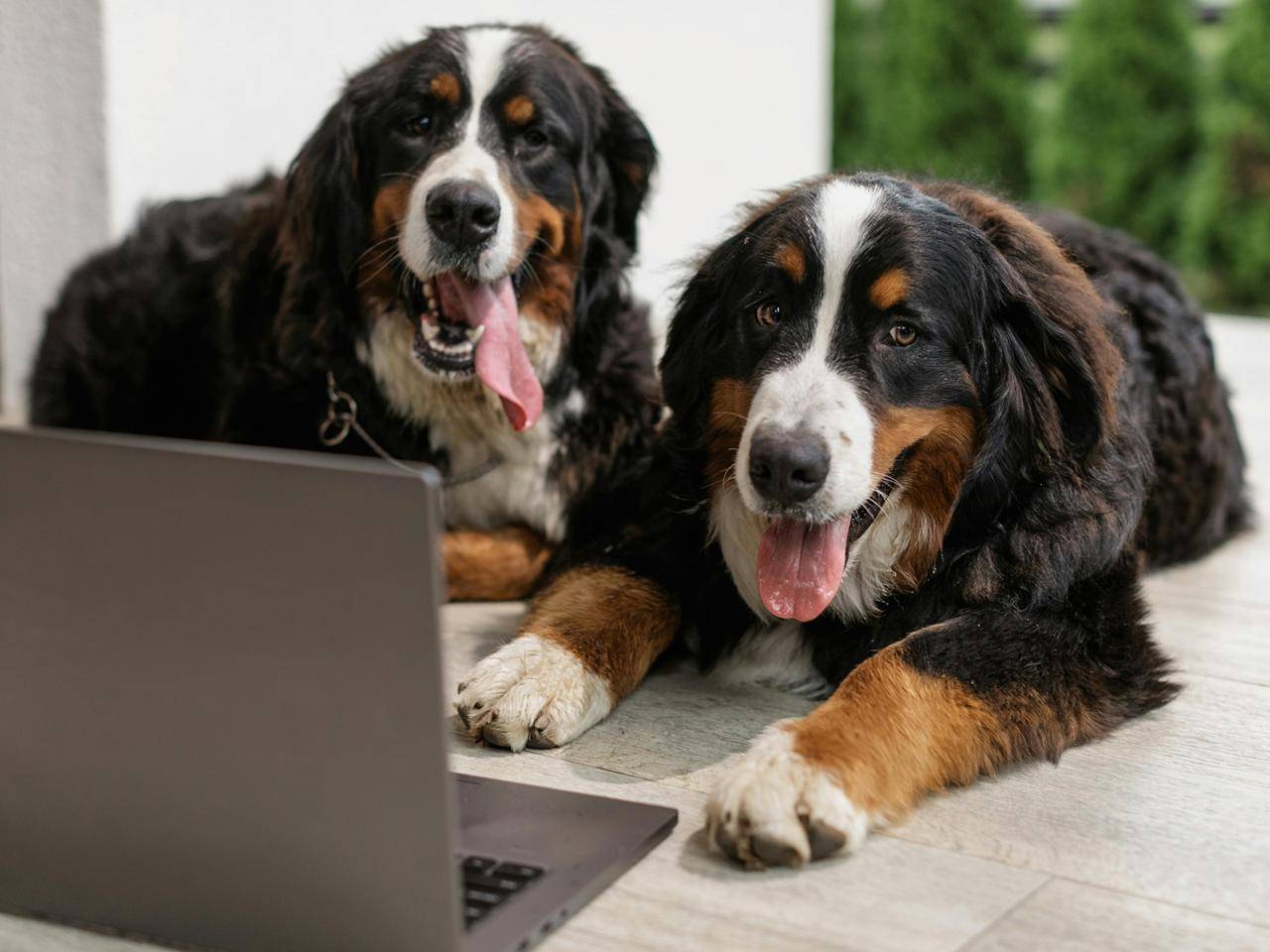
Bernese Mountain Dog
Bernese Mountain Dogs have broad mouths and loose lips. This leads to noticeable, frequent drooling.
Cane Corso
Cane Corsos have large jaws and mastiff-type builds. Drooling is caused by their structure and saliva production.
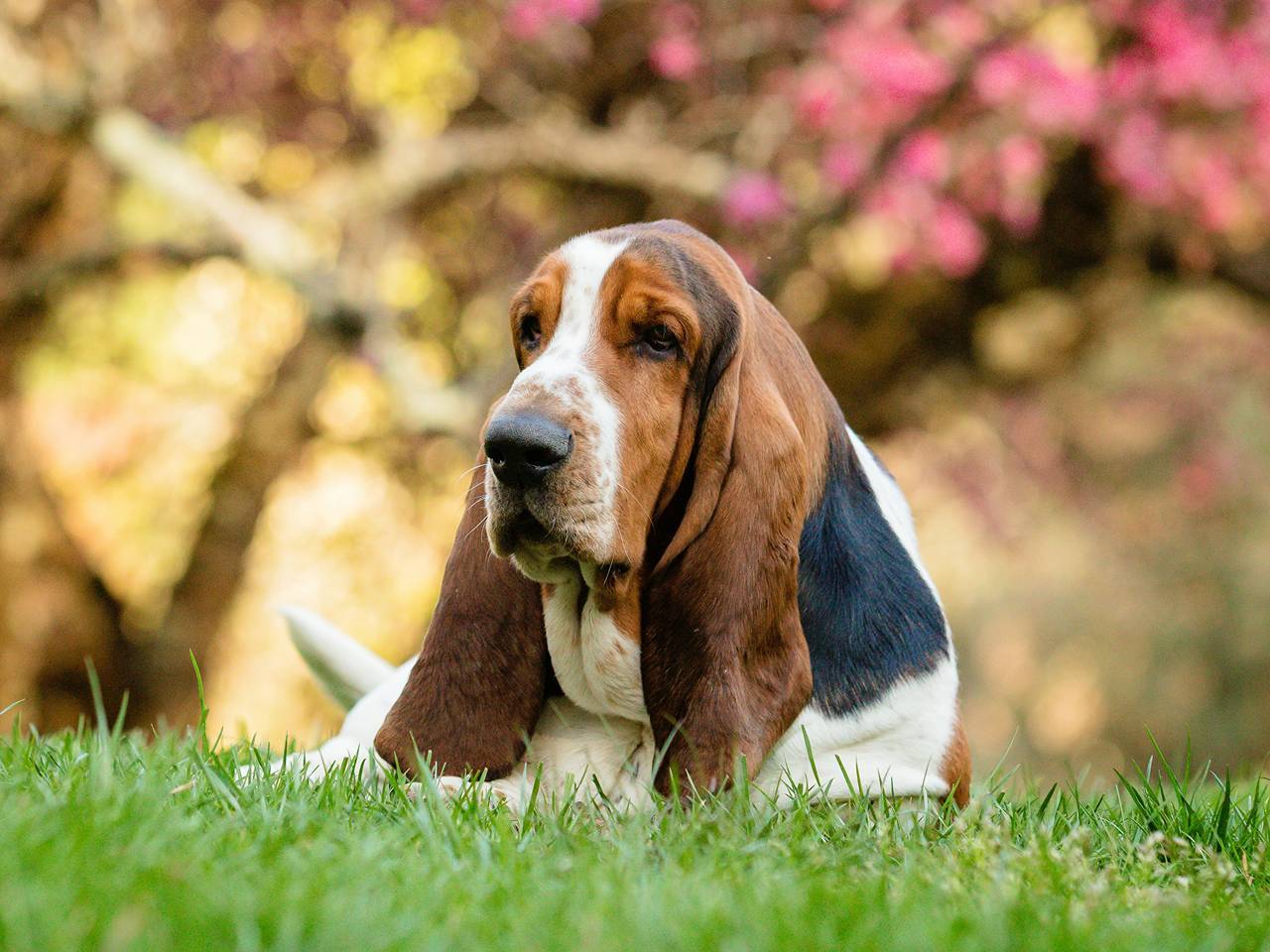
Basset Hound
Basset Hounds have long, hanging jowls that let an excessive amount of drool slip out. It’s completely normal for them.
Boxer
Boxers have soft, droopy lips that allow saliva to escape easily. When amylase interacts with food, it can lead to even more drooling.
Managing the Mess of Drooling Dog: How to Handle What’s Normal for Dogs
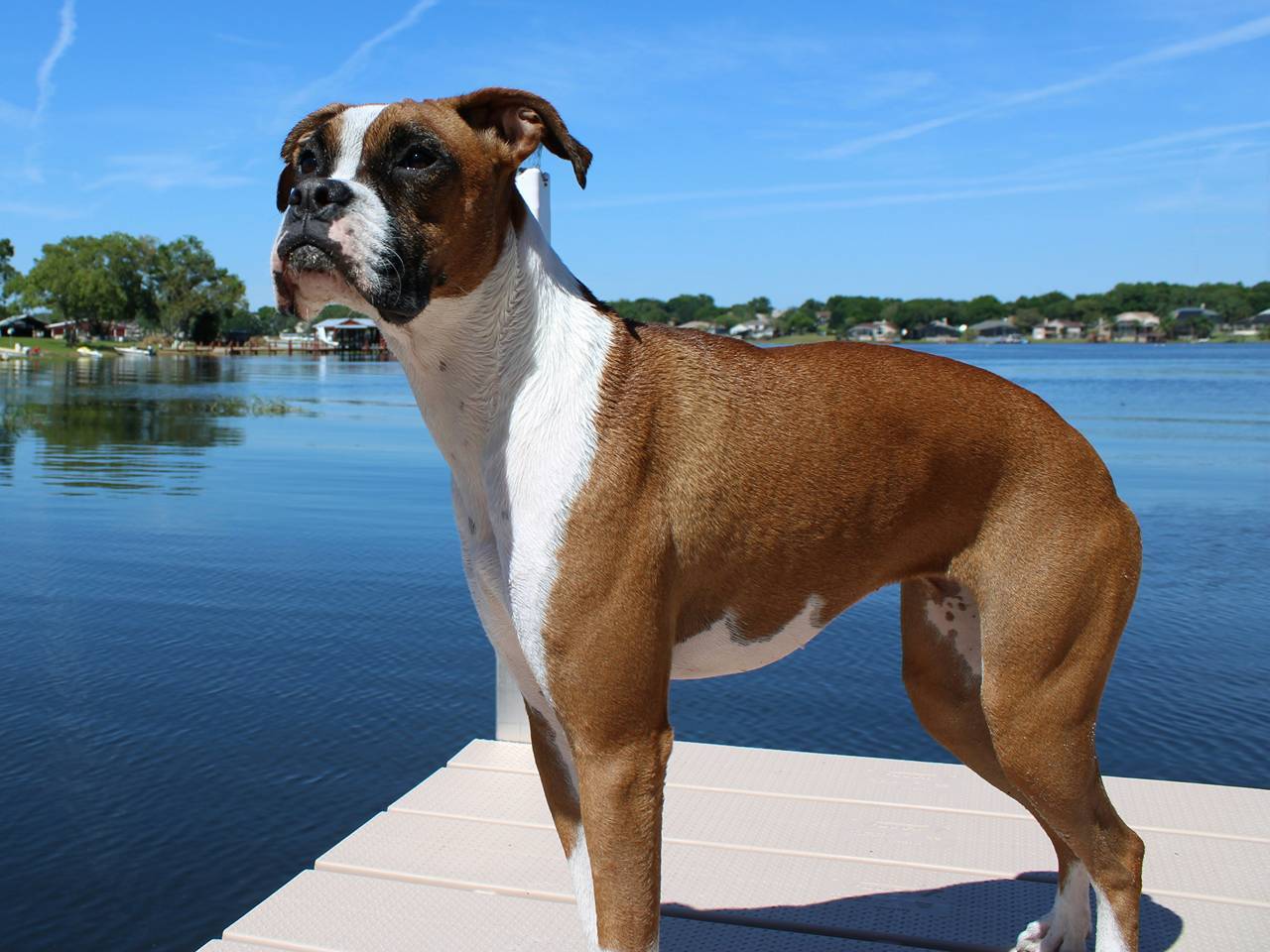
Drooling can get a little messy around the house. Drooling is caused by natural saliva, excitement, or mealtime habits, and it doesn’t always mean your dog is sick or that something is wrong. Knowing why your dog drools and having a few easy tricks on hand can make life with them much easier.
Simple Ways to Handle Normal Drooling
Here are some tips that make cleaning up after a drooling dog a lot less stressful:
- Keep a Cloth or Wipes Nearby: Quickly catching drool after meals or play keeps your home from getting soaked.
- Pick Easy-to-Clean Spots: Feeding your dog on mats or surfaces that wipe down easily saves a lot of hassle.
- Moisten Dry Food: This lets saliva also moisten the food naturally and can help reduce splatter.
- Check the Mouth Sometimes: Even if drooling is normal, glancing at your dog’s lips and jowls is a good habit.
- Stay Calm During Clean-Up: Try calming your dog while you wipe up drool so it’s a relaxed experience for both of you.
- Use Absorbent Accessories: Bibs, bandanas, or mats can catch the extra drool without bothering your dog.
Drooling is just part of life with certain dogs, and understanding that helps you accept it instead of stressing over it. With a few simple tricks, you can keep things tidy while letting your dog be comfortable and happy.
Final Thoughts
Dogs drool for all sorts of normal reasons, and most of the time, it’s just part of life with a dog. Saliva actually helps them chew and digest their food, so a little drool here and there is nothing to worry about.
Some dogs drool more than others, too, especially certain breeds or when they get excited around food. Still, it’s a good idea to notice if your dog suddenly starts drooling a lot more than usual.
If it comes with things like nausea, trouble eating, or unusual behaviour, it might mean something else is going on. When you’re unsure, it never hurts to check with a vet just to make sure your dog is feeling okay.
Frequently Asked Questions
What should I do if I suddenly notice my dog drooling a lot during the night or while resting?
It can feel a little alarming to wake up and see your dog drooling more than usual, especially when they’re just lying there peacefully. Before worrying too much, there are a few simple things you can check.
Check the mouth: Take a quick, gentle look inside your dog’s mouth to see if something might be stuck, like food, a small object, or anything that looks irritated.
Watch their behaviour: Pay attention to how your dog is acting. If they seem uncomfortable, restless, or don’t want to eat, it could mean something is bothering them.
Offer water: Sometimes, dogs just need a drink, especially if the room is warm or their mouth feels dry.
Keep track of changes: If the drooling keeps happening through the night or into the next day, try to remember when it started and what your dog was doing earlier.
Call your vet if needed: If the drooling doesn’t stop or your dog seems unwell, it’s always a good idea to check in with your vet for peace of mind.
Can certain medications or supplements cause dogs to drool more than usual?
Yes, sometimes medications or supplements can make dogs drool a bit more than usual. It doesn’t always mean something is wrong, but it’s worth paying attention to.
Medication reactions: Some medicines can make a dog produce more saliva while their body gets used to it.
Taste or texture: If a tablet or liquid tastes strange, your dog might drool simply because they don’t like the flavour.
Mild nausea: A few medications can upset the stomach a little, which can lead to extra drooling.
Check the timing: If the drooling started right after giving a new medication, that could be a clue.
Ask your vet: If it keeps happening or seems excessive, your vet can help confirm whether the medication might be the reason.
Are there home remedies that can help if drooling could be related to mild stomach upset?
If drooling could be connected to a small stomach upset, there are a few gentle things you can try at home. Sometimes simple changes are enough to help your dog feel better.
Offer small meals: Giving smaller portions instead of one big meal can be easier on your dog’s stomach.
Provide fresh water: Keeping fresh water available helps keep your dog hydrated.
Let them rest: Just like people, dogs sometimes need quiet time when they feel a little off.
Avoid rich treats: It’s best to skip fatty or unusual snacks for a while so their stomach can settle.
Monitor symptoms: If the drooling continues or your dog starts vomiting or acting very tired, it’s best to call your vet.
Does travel, like long car rides or flights, increase drooling in some dogs?
Travel can definitely make some dogs drool more than usual. New places, moving vehicles, and excitement can all affect how they feel.
Motion sickness: Some dogs get a bit queasy during car rides, which can lead to extra drool.
Stress or anxiety: New sounds and surroundings can make some dogs nervous, especially if they’re not used to travelling.
Lack of fresh air: Warm or stuffy conditions can also make drooling more noticeable.
Take breaks: If you’re driving, short stops for fresh air and water can really help your dog relax.
Prepare ahead: If your dog struggles with travel, your vet can suggest ways to make the trip easier for both of you.
How can I keep my home clean if I have a dog that naturally drools frequently?
Living with a drooly dog can definitely get a little messy sometimes. But once you get used to it, a few simple habits can make cleaning up much easier.
Keep cloths nearby: Many dog owners keep a small towel or wipes close by so they can quickly clean up drool when it happens.
Use washable mats: Placing mats near food and water bowls helps catch most of the mess.
Wipe the jowls: A quick wipe after meals or drinking water can save you from surprise drool trails later.
Choose easy-to-clean fabrics: Easy-to-wash blankets or covers on furniture make life much easier.
Create drool zones: Some owners let their dogs eat and drink in certain spots so the mess stays in one area.

