


TL;DR: Why Are Dogs Scared of Fireworks?
- Sensitive hearing: Dogs hear far more intensely than we do, which makes firework noises and thunderstorms feel overwhelming—not exciting.
- Instinctive fear response: Sudden, unpredictable noises like fireworks trigger a canine survival instinct. Your dog’s fear is a normal reaction to something they can’t understand or identify.
- More than just loud sounds: Dog fireworks anxiety often comes from the mix of loud bangs, flashing lights, and unfamiliar smells. Even confident dogs may struggle to stay calm and relaxed.
- Know your dog: Signs of fear include trembling, hiding, panting, trying to escape, barking, or loss of appetite. These behaviours help people identify your dog’s stress before it escalates.
- Comfort at home: Safe spaces, familiar bedding, white noise, and calm routines all help dogs feel secure in the case of fireworks or other loud events.
- Training helps: With desensitization, counterconditioning, and positive reinforcement, many dog owners can help dogs become more confident around noises like fireworks.
- When to seek support: If your dog’s fear becomes severe, a board-certified veterinary behaviourist or your veterinarian can recommend tailored strategies, supplements, or medication.
Need guidance? We’re happy to help you understand your dog better and create a personalized plan to keep them safe, calm, and supported whenever fireworks are in the air.
Why do most dogs become a nervous wreck during firework displays? Fireworks may be exciting for us, but they create a different experience for dogs. The sudden loud noises, bright flashes, and unpredictable timing can feel completely overwhelming—especially for animals that rely on sound to make sense of the world around them.
Without context, dogs often interpret fireworks as a threat, triggering stress, fear, and instinctive safety behaviours like shaking, hiding, or trying to escape. Even dogs that are usually confident can struggle during firework displays. In this blog, we’ll explain the reasons behind dogs' fear of fireworks and how you can help support your pet and make these noisy events easier for them to handle.
Reasons Why Dogs Are Afraid of Fireworks
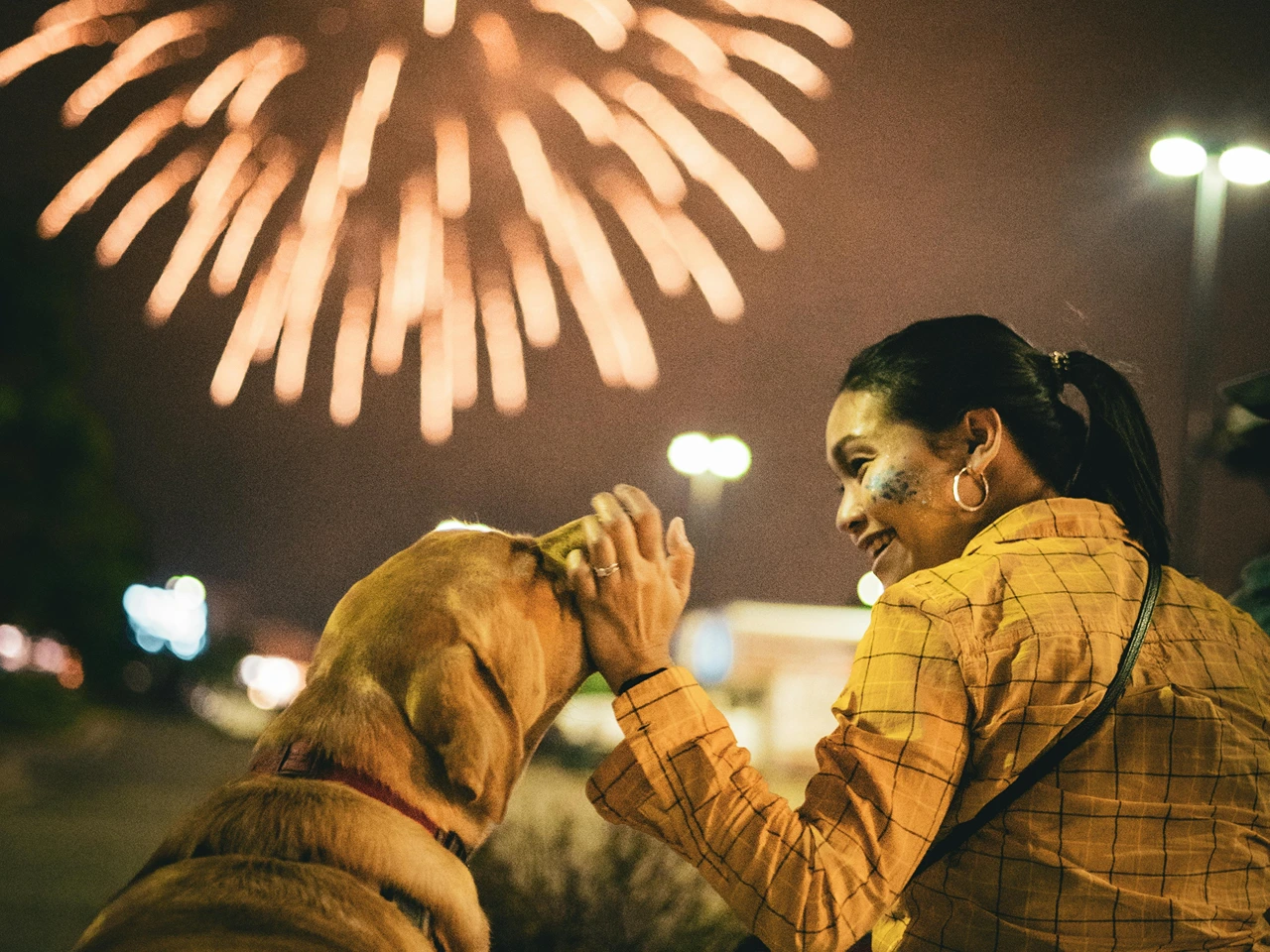
Dogs hear at significantly higher frequencies than humans, making the loud booms of fireworks exponentially more intense for them. Their heightened sense of hearing means that what we perceive as a festive noise can feel overwhelming to our furry friends.
Dogs experience fear due to their inability to comprehend these sudden disturbances. The unpredictable nature of fireworks sets off their natural fear response to loud noises—especially during big events like New Year’s celebrations.
Many dogs develop noise sensitivity because fireworks combine multiple frightening elements:
- The sound of the fireworks is unnaturally loud
- Fireworks can make dogs anxious due to their erratic timing
- The burning smell and flashing lights create additional stress
- Their natural instinct tells them these loud sounds signal danger
Signs Your Dog is Scared of Loud Noises
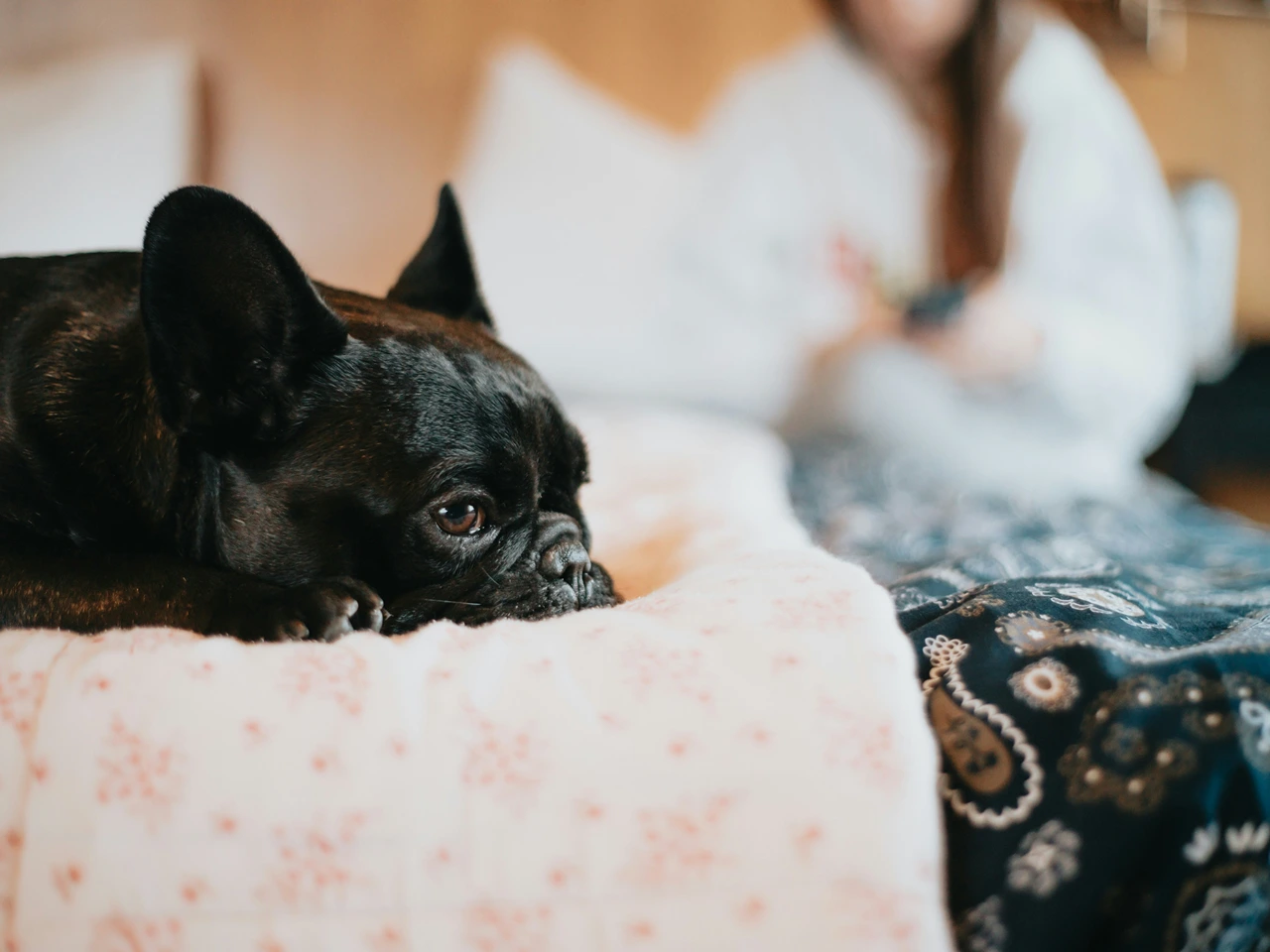
When dogs are afraid, they display various signs of fear, some subtle, some hard to miss. Here’s what to watch for if dogs are scared of fireworks:
Excessive Panting and Drooling
Dogs that are scared often exhibit excessive panting and drooling. This happens because fear and anxiety activate their stress response, making them breathe heavily and produce more saliva than normal.
Trembling or Shaking
Fear and anxiety commonly show through trembling or shaking. Even normally calm dogs can start to quiver when sudden loud noises overwhelm them.
Hiding in Small Spaces
Your dog may seek refuge in tight or enclosed areas. Dogs trust small, covered spaces to feel safer when they get scared.
Attempting to Escape
Dogs trust their survival instincts and might try to run away during intense noise. A panicked dog may escape from a yard, door, or window if not properly secured.
Destructive Behaviour
Scared dogs may show destructive behaviour, such as chewing, digging, or scratching at doors, especially when anxiety in dogs rises during firework bursts.
Excessive Barking or Howling
Anxiety in dogs can lead to nonstop barking or howling. Vocalizing becomes their way of expressing distress when they get scared.
Withdrawal and Loss of Appetite
Your dog gets withdrawn and may lose interest in food or interaction. Stress causes them to retreat until the noise stops.
Physical Changes in Appearance
Physical signs include dilated pupils and flattened ears—key indicators that your dog is on high alert and struggling to cope.
If your dog is scared of fireworks, it’s essential to talk to your veterinarian. A veterinary behaviourist can recommend anti-anxiety treatments and counterconditioning techniques to help your pet stay calm during fireworks.
Older dogs may develop a fear of noises later in life, so they need proper support and monitoring. Never leave your dog unattended at home during fireworks season, as a frightened dog may panic and try to run away, putting itself at risk.
How to Keep Your Dog Calm During Fireworks
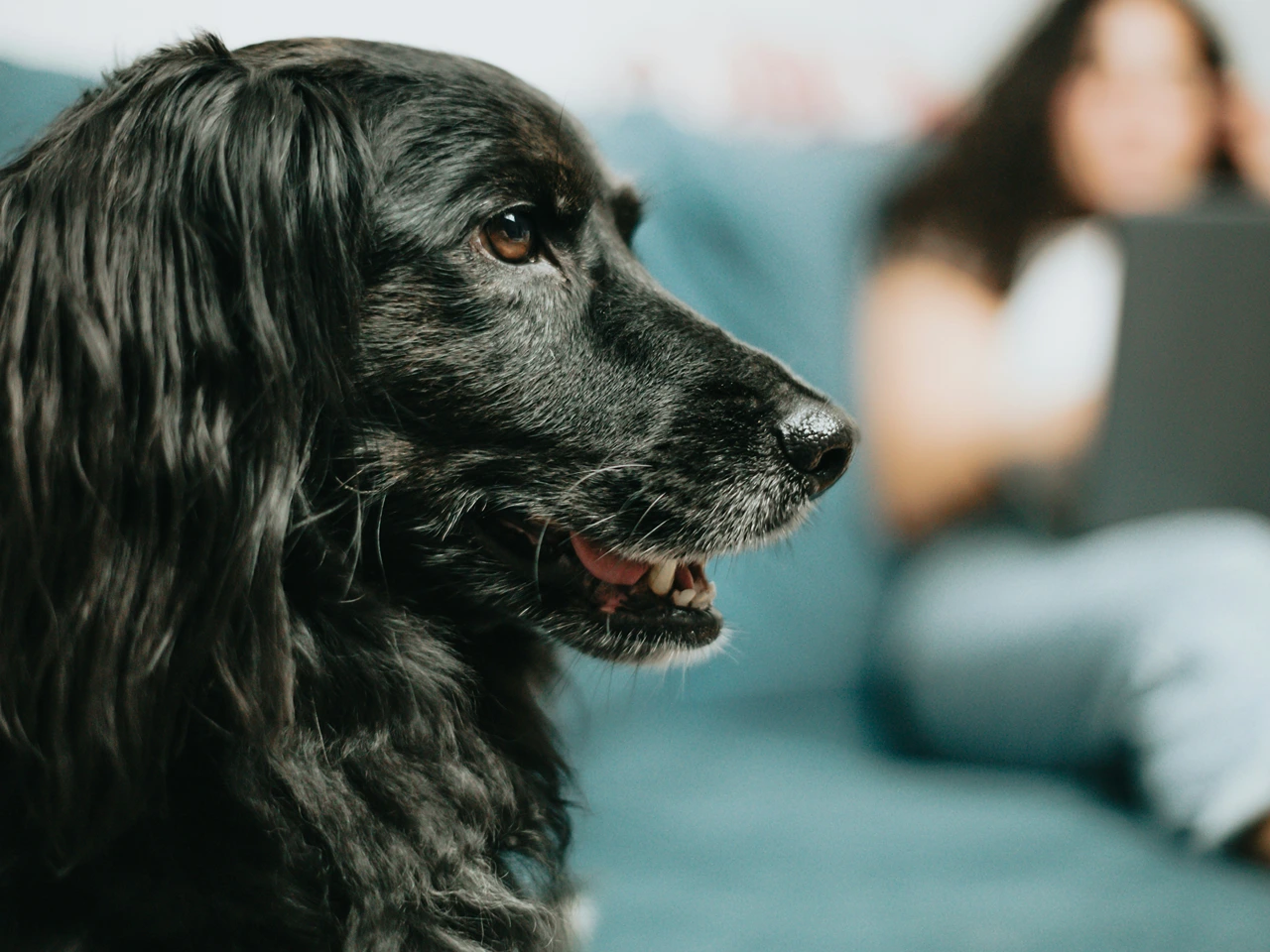
Learn how to calm your dog during fireworks with simple techniques that help your dog feel safer, more relaxed, and less overwhelmed by the sound of fireworks.
Create Safe and Comfortable Spaces
- Give your dog a dedicated safe space or crate: A cozy crate or enclosed corner can help your dog feel secure, especially when fireworks scare them. Add soft blankets or toys to make it a comforting retreat.
- Keep your dog in a familiar room: A room they already trust helps reduce stress, particularly when loud sounds occur. Familiar scents and items naturally help your dog feel grounded.
- Use white noise to drown out the sound: White noise machines, fans, or similar steady sounds can drown out the sound of fireworks and make sudden bangs less startling.
- Practice relaxation techniques: Gentle petting, calming routines, and steady reassurance can help your dog settle into a state of relaxation when fireworks scare them.
- Let them choose where they feel safest: Some dogs will hide under furniture or move to quieter spots—give your dog the freedom to pick what helps them feel protected.
- Make dogs comfortable with blankets and familiar bedding: Soft, warm bedding provides comfort and can help reduce stress when the environment outside becomes unpredictable.
Sound Management
- Get your dog accustomed to background noise: Regular exposure to everyday sounds helps your dog feel more confident, making the fireworks scare less intense when they happen.
- Use music to help reduce stress: Soft playlists or calming soundtracks can help reduce stress by masking sudden booms and creating a soothing atmosphere.
- Enable TV sounds to mask the fireworks scare effects: Turning on the TV adds steady background noise that can drown out the sound of fireworks and make the experience less frightening.
Environmental Control
- Close windows to minimize the sound of fireworks: Blocking outside noise helps your dog feel more protected, reducing how much the explosions can shake them.
- Draw curtains to block flashing lights: Bright flashes can be just as scary as noise—curtains help your dog feel sheltered from both the light and the sound of fireworks.
- Make sure your dog has access to water: Stress can cause panting and dehydration, so always keep water nearby to help your dog stay comfortable.
Training Approaches
- Practice counterconditioning with positive reinforcement: Pairing loud noises with treats or praise helps your dog associate fireworks with positive experiences instead of fear.
- Since fireworks are predictable on certain holidays, plan ahead: Prepare early by practicing relaxation and sound training before the big day to help your dog feel more confident.
- Work on desensitization to help your dog feel more confident: Gradual exposure to low-level noise recordings teaches your dog that loud sounds are not a threat.
- Let your dog associate loud noises with positive experiences: Reward calm behaviour so your dog learns that even when fireworks scare them, something good follows.
When to Seek Veterinary Help
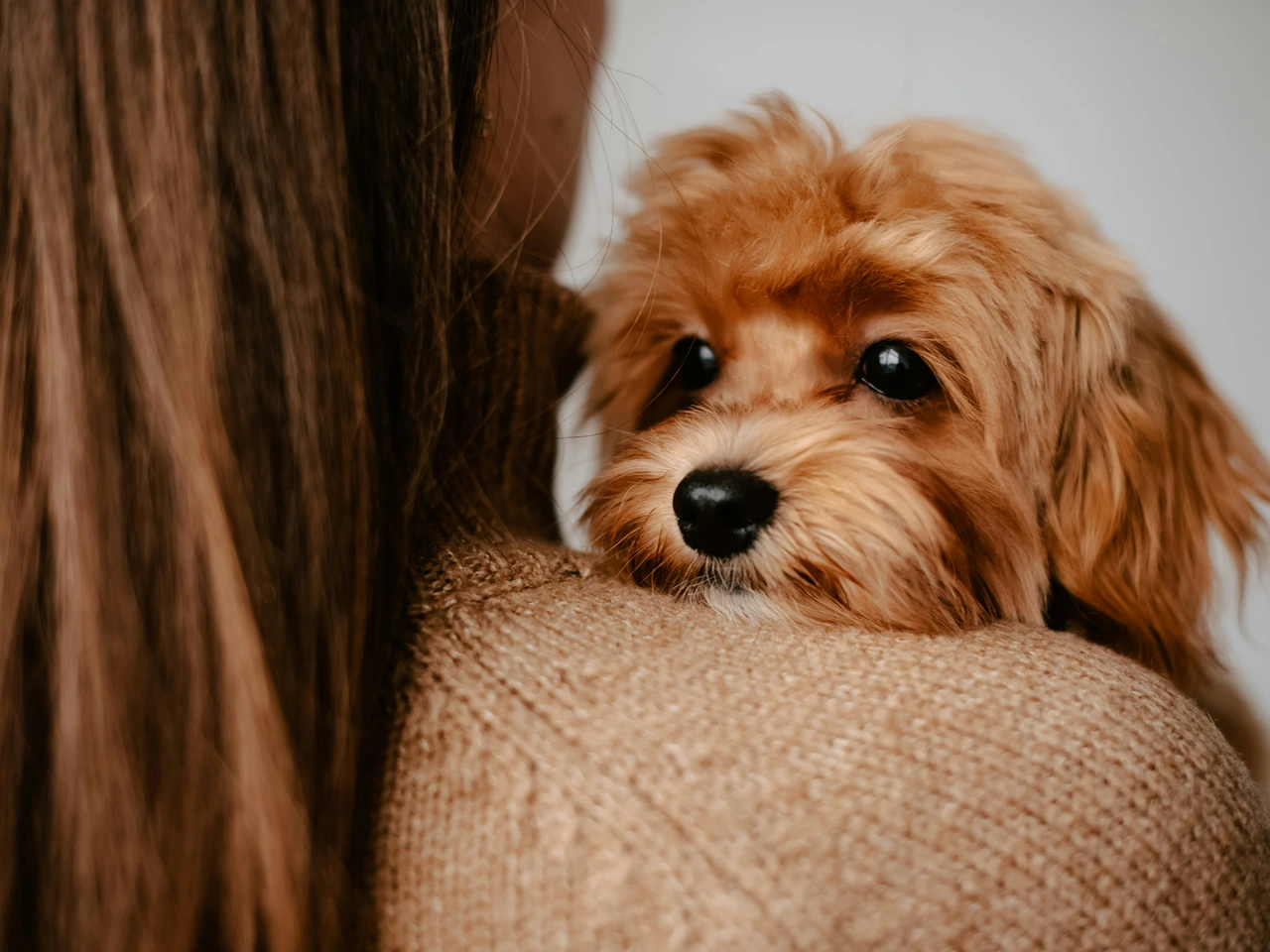
Sometimes, dogs that are scared need more than home comfort—they may require professional support. Consult your veterinarian whenever noise sensitivity in dogs becomes overwhelming or starts affecting their daily routine.
- If your dog’s fear reactions escalate to constant hiding, panic, or uncontrollable shaking, it’s a clear sign that their anxiety needs professional attention.
- When loud sounds disrupt your dog’s eating, sleeping, or general behaviour, a vet can help determine whether deeper anxiety issues are present.
- If your dog tries to escape the house or yard during loud noises, immediate veterinary guidance is important to keep them safe and prevent serious accidents.
Veterinary Support Options
- Veterinary behaviourist consultation for severe cases: A certified veterinary behaviourist can create a tailored plan to address extreme fear reactions and long-term anxiety linked to loud sounds and other triggers.
- Discussion of anti-anxiety medication options: Your veterinarian may recommend calming supplements or prescription anti-anxiety medication to help your dog cope better with noise-related stress.
- Professional evaluation of fear responses to noises: A good assessment helps you figure out how intense your dog’s reactions really are—and it points you toward the right mix of training and medical support to help them feel better.
Final Thoughts
If your dog has a serious fear of loud noises, it’s important to address it quickly—letting it go untreated can make their anxiety grow over time. With the right mix of training, a calm environment, and some professional guidance when needed, you can really improve your dog’s quality of life during firework season.
Using these strategies—and getting professional help if needed—can make a big difference in supporting your dog through stressful moments. Whether it’s holiday fireworks or sudden bursts of noise, being prepared helps your pup stay safe, calm, and as comfortable as possible.
Frequently Asked Questions
Why do fireworks scare dogs?
Dogs react to fireworks because the sudden noise and unpredictability hit their senses all at once—it’s overwhelming for them.
Intense sound sensitivity: Dogs hear at higher frequencies, so fireworks might feel explosively loud and deeply unsettling to them.
Lack of context: They cannot understand where the noise is coming from or why it’s happening, so their instinct tells them it’s a threat.
Sensory overload: The mix of booming sounds, flashing lights, and burning smells creates confusion.
Survival instinct: Their brains process unexpected bangs as danger, leading to trembling, hiding, or escape attempts.
Human perspective difference: Fireworks can be fun for us, but for dogs they feel chaotic and unpredictable, triggering fear rather than excitement.
How can I make my dog feel safe during fireworks?
Helping your dog feel secure starts with giving them a quiet, controlled space and lots of reassurance.
Create a comfort zone: Set up a cozy hideout where your dog feels protected during loud events.
Use sound buffering: Fans, music, or TV noise helps mute the explosions and reduce overstimulation.
Control the environment: Close windows and curtains to block flashes and reduce the booming impact.
Reassuring presence: Stay nearby and keep your routine calm so your dog takes cues from your relaxed behaviour.
Identification safety: Make sure collars and microchips are updated so that people can identify your dog if fear causes them to slip out or escape.
Why do some dogs show extreme reactions to loud noises?
Some dogs experience heightened fear responses because their stress systems activate faster and stronger during loud events.
Naturally anxious temperament: Certain dogs are more sensitive, making anxiety in dogs more intense when exposed to noise.
Learned fear: A past frightening experience with loud sounds can magnify future reactions.
Sensory sensitivity: Flashing lights, vibrations, and unfamiliar smells combine to make explosions feel threatening.
Age-related changes: Older dogs may develop new noise sensitivities as hearing or cognitive function shifts.
Escalation risk: Without support, reactions can worsen over time, increasing panic, destructive behaviour, or attempts to flee.
What calming techniques help dogs during fireworks?
Effective calming methods work by giving your dog a mix of safety, routine, and good experiences whenever loud noises happen.
Desensitization practice: Slowly introducing low-volume firework sounds helps your dog get used to them and feel less shaken over time.
Counterconditioning: Pairing those noises with tasty treats and plenty of praise teaches your dog that the sounds aren’t scary—they actually mean something good is coming.
Safe-space training: Teaching your pet to relax in a crate or comfy spot gives them a reliable retreat.
Pre-event preparation: Anticipate holidays and practice relaxation beforehand to prevent panic.
Professional guidance: For persistent fear, follow plans recommended by your veterinarian to support long-term progress.
When should I seek professional help for my dog’s firework fear?
Get professional support when your dog’s reactions are severe, escalating, or impacting daily life.
Intense physical symptoms: Shaking, drooling, or refusing to eat during fireworks signal fear that needs evaluation.
Escape attempts: Trying to run from the noise can lead to dangerous situations that require behavioural intervention.
Daily behaviour changes: If stress affects sleeping, appetite, or routines, it’s time for expert help.
Medication consideration: A vet can guide whether supplements or prescriptions could improve coping.
Complex cases: Dogs with long-standing or extreme reactivity benefit from tailored programs created by a veterinary behaviourist.

