


TL;DR: Flea Activity, Peak Season, and Year-Round Pet Protection
- Fleas show up more when it’s warm and humid, especially during spring and summer.
- It often feels like they appear out of nowhere, but they usually build up slowly over time.
- They can still survive all year indoors, especially where it stays warm and steady.
- What starts small can quietly grow before it’s really noticed.
- They go through hidden stages that make early signs easy to miss.
- Eggs can spread into places where pets usually sleep or spend their time relaxing.
- Outdoor time in grass, shade, or nature spots increases the chance of picking them up.
- Other animals can carry them too, even without obvious signs.
- Early signs are usually just extra scratching or mild discomfort.
- Some pets don’t show much at first, which can delay noticing the problem.
- Once they settle in, they can keep coming back if nothing is done.
- That’s why waiting for a “season” to act doesn’t really work.
- Staying consistent all year helps avoid repeat issues.
- Simple routines like checking and keeping things clean make a big difference.
- Catching it early always makes things easier to manage.
If something seems off or there are early signs of a problem, it’s better not to wait and hope it goes away; you can always contact us. Our expert veterinarians can take a closer look and guide the right steps so things don’t get worse and your pet stays comfortable.
Have you ever wondered how fleas suddenly show up out of nowhere at certain times of the year? Many pet owners notice more fleas and ticks when the weather gets warmer, and that's no coincidence. These tiny parasites thrive in warm and humid environments, making flea infestations more common as temperatures rise.
Even though flea and tick season is often linked to the warmer months, fleas may remain active year-round in the right environment. Since fleas can survive both indoors and outdoors, dogs and cats can pick them up in more places than you might think. That's why flea prevention shouldn't be limited to just one season.
A little knowledge can go a long way when it comes to protecting your pet. Understanding the flea life cycle and when fleas are most active can help you stay one step ahead of an infestation. Read on to learn more about peak flea season and how to keep your pet comfortable all year long.
When Are Fleas Most Active and When Does Peak Flea Season Begin?

Flea activity usually shows up when the weather starts getting warm and a bit humid. A lot of pet owners notice it in real life when their pet suddenly starts scratching more than usual, and something just feels “off.” That’s usually when conditions for fleas to survive become more favourable.
What Time of Year Sees the Most Flea Activity?
Flea and tick season typically begins in spring and becomes more noticeable as the warmer months arrive. It usually feels like summer is when things peak, especially when the heat sticks around and everything seems perfect for fleas to thrive. By the fall season, it may calm down a bit, but it doesn’t always disappear completely.
- Fleas become more active in spring and summer as temperatures start to rise.
- Activity builds through the summer when conditions support survival and growth.
- Flea activity can still continue into the fall season, depending on the area.
- In warmer climates, activity may last across more months of the year.
- Even in colder periods, fleas can stay active indoors where conditions remain steady.
Understanding the Flea Life Cycle: From Eggs to Adult Fleas

A flea infestation usually starts in a way that is easy to miss at first. It does not just appear all at once, since it builds up through the stages of the flea life cycle. Once conditions for fleas to survive are right, the whole process can move faster than expected.
How Fleas Develop Over Time
Fleas tend to grow and spread in places where pets spend time, which makes it easier for everything to build up without being noticed. The environment for fleas plays a big role, especially when fleas thrive in warm conditions.
- Flea eggs are laid by female fleas, and a single female flea can lay many eggs per day.
- Fleas lay eggs that often drop into carpet and pet bedding where cats and dogs usually rest.
- Eggs and larvae develop in these areas where fleas prefer to stay hidden and active.
- Flea larvae grow by feeding on small organic debris found in the environment for fleas.
- Flea pupae form after the larval stage, staying protected during the later part of the life cycle.
- Adult fleas eventually emerge and become active and reproduce once they find a dog or cat.
- Fleas start laying eggs again quickly, which can lead to a fast buildup of flea eggs and larvae.
- Flea dirt and flea bites are often the first signs noticed during flea and tick activity on pets.
Why Fleas Thrive in Warmer Months and How a Flea Infestation Starts

Fleas usually show up more when the weather turns warm and a bit humid. It often feels like things get worse out of nowhere, especially when pets start spending more time in places where fleas can easily spread. What begins small can slowly turn into something bigger if it’s not noticed early.
Warm Conditions and Flea Activity
Warm weather makes life easier and more comfortable for fleas, which is why activity tends to increase more during hotter months. It’s the kind of change that can quietly affect your pets without being obvious at first.
- Female fleas lay eggs faster when temperatures are warm.
- Flea activity increases when the environment stays hot and humid.
- Warm conditions help fleas stay active for longer periods.
- Wooded areas can also be places where fleas are picked up.
How a Flea Infestation Can Start
A flea issue often begins without much warning, usually after a pet that is flea-free comes into contact with an affected area. It can build up slowly before it is really noticed.
- Fleas may be picked up from outdoor exposure.
- Small numbers can spread before any clear signs appear.
- Early stages are often easy to miss in pets for fleas.
- Flea bites may only show up once the population increases.
Outdoor Exposure and Related Risks
Time outside can sometimes increase the chances of picking up pests, especially in certain areas. Being aware of this helps reduce surprises later on.
- Wooded areas can expose pets to fleas and ticks.
- Tick bite risk can vary depending on location and conditions.
- Peak tick season varies depending on weather and region.
- Preventing fleas helps reduce exposure and keep your pet safe.
How Fleas and Ticks Affect Your Pet Throughout Flea and Tick Season
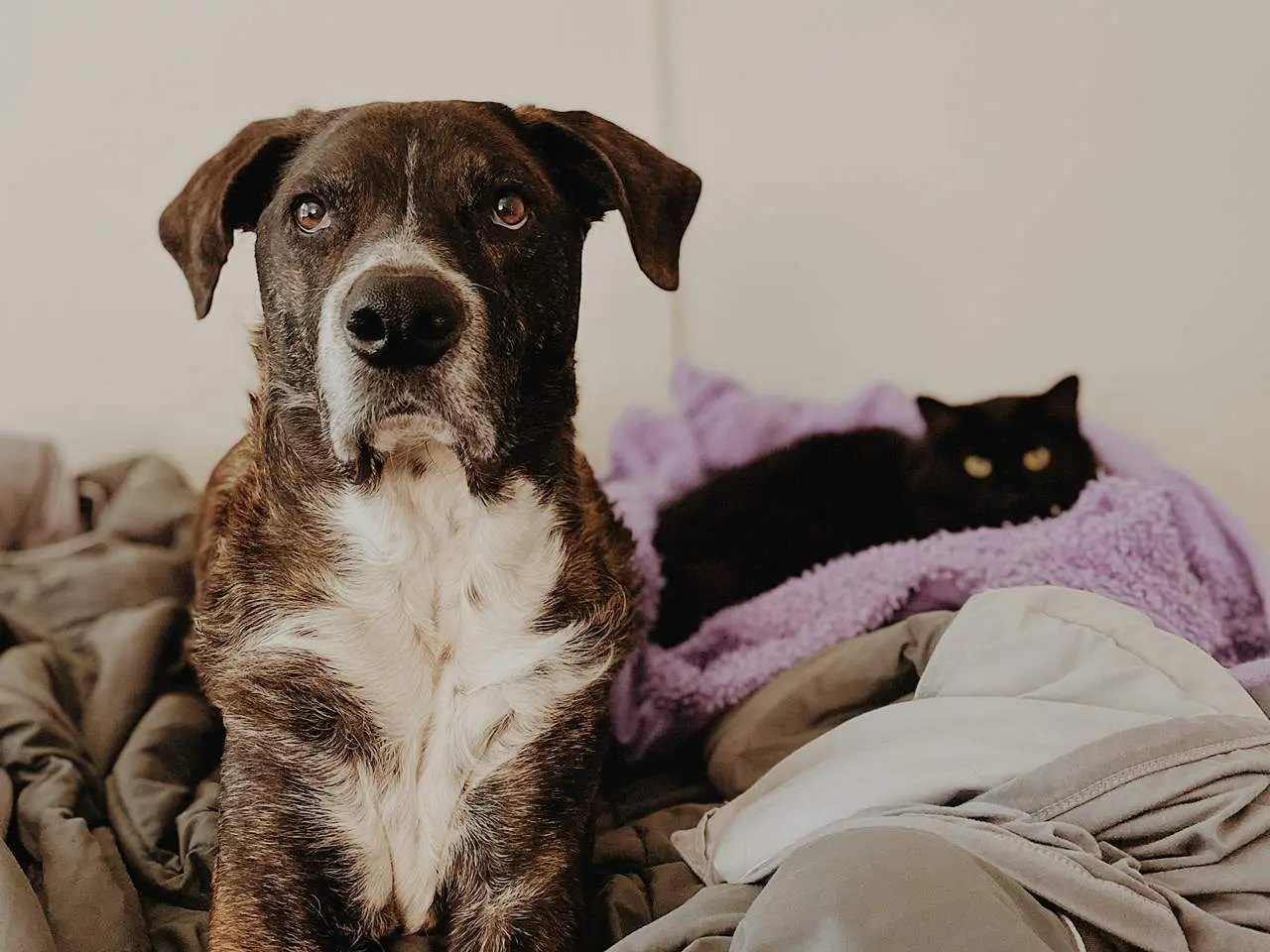
It usually starts quietly, then small changes in behaviour begin to show. Many pet owners only notice something is off after spending time outdoors or during warmer periods when these pests are more active.
Seasonal Changes in Activity
Certain weather conditions make these pests more noticeable and active. This often depends on local climate and how long mild conditions last.
- Activity tends to increase during warmer weather.
- Some areas see longer periods of activity due to mild climates.
- Outdoor environments with grass or shade increase exposure risk.
- Seasonal shifts can affect how often pets come into contact with them.
How Pets Commonly Come Into Contact
Contact usually happens during normal routines outside the home. Even short exposure can sometimes be enough.
- Walking through grassy or overgrown areas can lead to exposure.
- Spending time in natural outdoor spaces increases risk.
- Contact with other animals can contribute to the spread.
- Resting outdoors may lead to an unnoticed pickup.
- They can be carried indoors without immediate detection.
Signs That Something Might Be Going On
Changes often start small and can be easy to miss at first. Over time, they may become more obvious in daily behaviour and comfort.
- Increased scratching or biting at certain areas.
- Restlessness or difficulty getting comfortable.
- Frequent grooming or licking more than usual.
- Mild redness or irritation on the skin.
- Small scabs or sore spots develop over time.
- Noticeable discomfort after returning indoors.
- Changes in sleep patterns or frequent waking.
- Reduced calmness during rest or downtime.
- Repeated focus on one area of the body.
- Unusual sensitivity when touched or handled.
Flea and Tick Prevention Tips to Protect Your Pet Dogs and Cats Year-Round
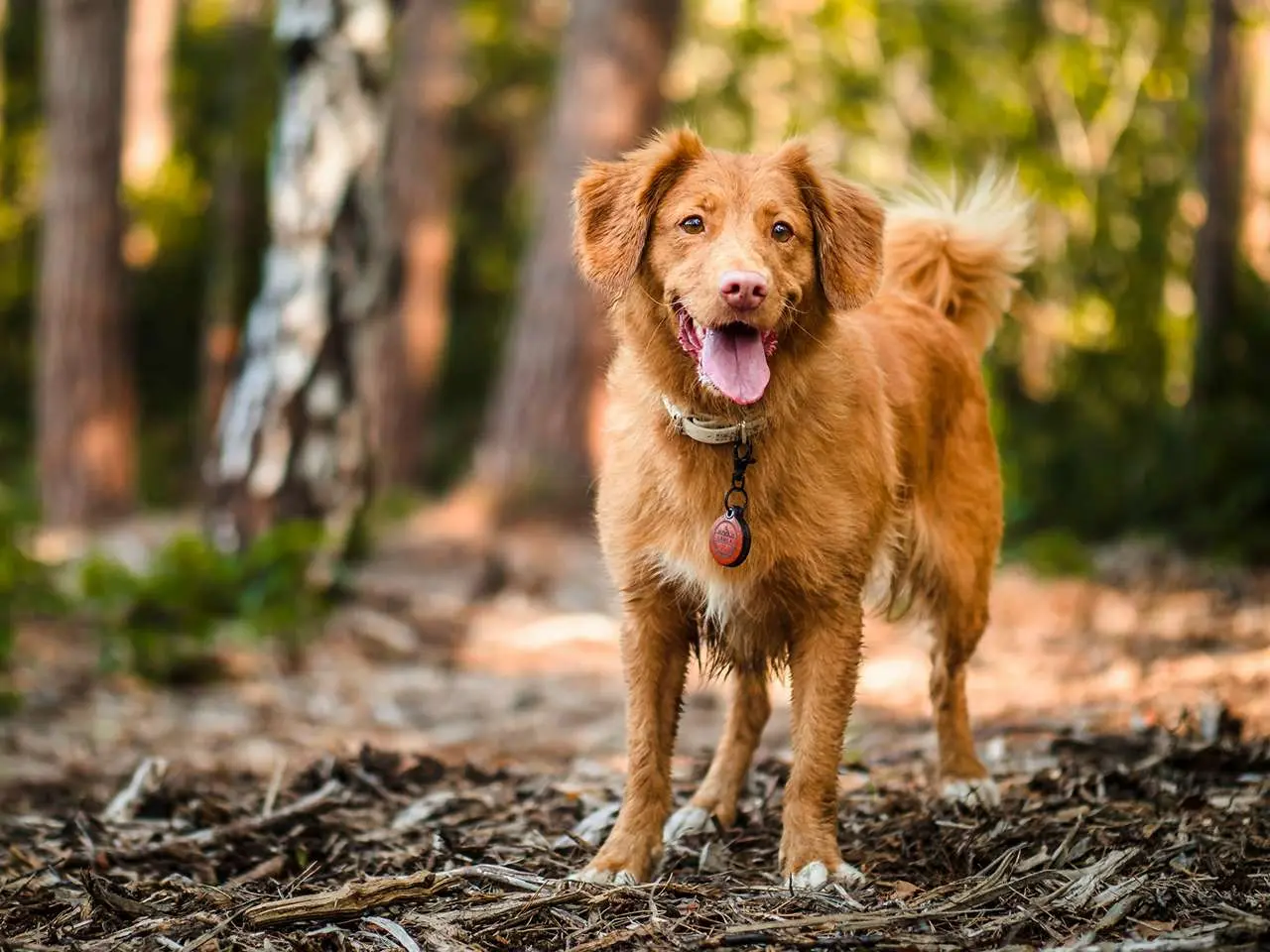
Keeping things under control really comes down to small, steady habits. It is usually not the big one-time efforts that make the difference, but the everyday attention that helps catch things early before they become harder to deal with.
Daily Care That Supports Prevention
A quick check during normal times with a pet can go a long way. Most small issues are first noticed while petting, brushing, or just being close day to day.
- Run hands through the coat during regular petting to feel for anything unusual.
- Brush regularly so it is easier to notice changes in the fur or skin.
- Pay attention when scratching starts happening more often than usual.
- Do a quick look over after coming back from outside.
- Notice when behaviour seems a bit restless or unsettled.
- Take a closer look at areas like behind the ears and under the tail.
- Watch for spots that seem sore, red, or sensitive.
- Notice if certain areas are avoided when touched.
- Check paws and belly since they are easy to miss.
- Keep an eye on sleep patterns if something feels off.
- Notice changes in grooming habits or focus on one area too much.
- Use a flea comb regularly to remove flea eggs from the coat early.
Keeping the Home Environment Clean
The spaces pets spend time in can quietly build up things over time, even if everything looks fine at first glance. A bit of routine cleaning helps keep those areas more comfortable and manageable.
- Wash pet bedding on a regular schedule.
- Vacuum carpets and soft furniture thoroughly.
- Clean areas where pets often lie down or relax.
- Keep blankets and fabric items fresh and washed.
- Wash toys that are used often during play.
- Try not to let clutter build up in resting areas.
- Clean along corners and edges where dust collects.
- Keep outdoor items from mixing with indoor spaces.
- Make sure sleeping areas stay clean and comfortable.
- Air out rooms from time to time to keep them feeling fresh.
Outdoor Habits That Help Reduce Risk
A lot of exposure tends to happen outside during normal walks or play. It does not usually take anything unusual, just everyday moments in certain environments.
- Avoid walking through tall grass when possible.
- Be careful in shaded or overgrown areas.
- Make a quick check after coming back inside.
- Stay closer during walks in unfamiliar or new places.
- Keep pets from wandering too freely in unmanaged areas.
- Wipe or rinse paws after muddy or dusty ground.
- Pay extra attention after walks.
- Do a quick inspection before letting pets inside.
- Stick to familiar routes when they are available.
- Make post-walk checks part of the normal routine.
Flea control and flea treatment are commonly used to prevent and treat flea infestations early. Preventative flea and tick care, including flea comb use and flea and tick medication, helps kill ticks and fleas. Year-round flea prevention helps keep fleas at bay, especially from spring through the fall season.
Final Thoughts
Fleas usually show up more when it’s warm and humid, but they don’t really follow a strict season. They can also stick around indoors, which makes them harder to fully avoid.
Most of the time, the early signs are small and easy to miss until things have already built up a bit. That’s why it helps to check pets regularly and stay a bit more alert after outdoor time.
Keeping their usual spaces clean also makes a big difference without needing anything complicated. Staying consistent all year is what really helps keep pets more comfortable and less stressed.
Frequently Asked Questions
What are the best ways to prevent ticks and fleas before they become a recurring issue?
It’s usually easier to prevent ticks and fleas than to deal with them once they’ve already settled in and started spreading. The key is keeping things consistent instead of reacting only when something shows up.
Consistent habits:
Simple routines done regularly can help kill fleas before they slowly build up without being noticed.
Clean environment: Keeping your pet’s favourite spots clean helps reduce the chance of fleas hiding and multiplying.
Early attention: Catching small signs early can make a big difference before things turn into a bigger problem.
Outdoor awareness: A quick check after time outside can help prevent anything from being brought back inside unnoticed.
Why does year-round flea activity vary between indoor and outdoor pets?
Not all pets deal with fleas the same way, and a lot of it comes down to where they spend their time and how their environment is set up.
Outdoor contact: Pets that go outside more often naturally have more chances to run into fleas in grass, soil, or shaded areas.
Indoor survival: Fleas can still survive inside homes if the environment is warm enough and gives them places to hide.
Household spread: When there are multiple pets, fleas can move around more easily from one to another without being noticed right away.
Human factor: Sometimes, fleas don’t even need a pet to come in directly, since they can be carried inside on clothing or belongings.
Environmental stability: Warm indoor spaces with soft fabrics can quietly allow flea activity to build up without being noticed at first.
Regional climate: Some places just deal with longer flea seasons because the weather stays warm or humid for more of the year.
How often should flea control be adjusted based on your pet’s environment?
Flea control really depends on your pet’s daily routine and where they spend most of their time. Some situations just carry more risk than others, so it helps to stay flexible instead of sticking to one fixed approach.
Higher exposure: Pets that go outside more often usually need steadier protection since they come into contact with more outdoor spaces where fleas can be picked up.
Indoor risk: Even if a pet mostly stays indoors, fleas can still make their way in through people, other pets, or items brought from outside.
Climate impact: Warm and humid weather can make flea problems last longer and more challenging to fully eliminate.
Consistent attention: Small or minor changes like frequent scratching or noticeable restlessness can be a sign that something needs to be adjusted.
Professional guidance: A vet can help match prevention to your pet’s lifestyle, so it actually fits their real situation.
What signs should you look for when you check your pet for fleas after outdoor exposure?
After a walk or time outside, it’s worth doing a quick check because the early signs are often subtle and easy to miss if you’re not looking closely.
Scratching increase: If your pet suddenly starts scratching more than usual, it can be one of the first small clues that something is off.
Skin irritation: You might notice small red or sensitive areas that weren’t there before.
Restlessness: Some pets just don’t seem comfortable and keep shifting or struggling to settle.
Fur debris: Tiny dark specks in the coat can sometimes show up when you take a closer look.
Behaviour changes: A pet may pull away or avoid certain touches if a spot feels irritated.
How can flea control routines be improved in homes with multiple pets?
Things can get tricky in homes with more than one pet because whatever affects one can quickly spread to the others if it’s not handled early.
Unified care: It really helps when all pets follow the same routine so nothing gets left out or overlooked.
Shared spaces: Since pets often sleep or relax in the same areas, keeping those clean makes a big difference.
Regular checks: With several pets at home, regular quick checks can help you notice small issues early before they get worse.
Quick response: If something wrong shows up on one pet, acting fast can help prevent the spread and protect the others.
Vet coordination: Getting proper guidance helps keep everything consistent and avoids missing important steps.cat

