

TL;DR: Sudden Back Leg Weakness in Dogs
- Sometimes dogs suddenly struggle with their back legs, and it can happen to any dog, though older dogs or certain breeds seem to have it more.
- It can come from many things, like injuries, joint pain, nerve problems, or even something they got into.
- Watch for signs like wobbling, dragging a leg, collapsing, trouble standing, or acting differently than usual.
- Small changes in the way they move often show up before bigger problems.
- Getting your dog checked early can help reduce pain and keep them moving comfortably.
- Gentle walks, simple exercises, and a little extra support can help them stay strong.
- Making your home safe and easy to navigate can prevent accidents and make them feel more confident.
- Keeping an eye on their energy, weight, and routine can help you spot problems early.
If you notice your dog struggling with their back legs or showing signs of weakness, call us right away. Our veterinary experts can assess your dog, provide treatment, and help them regain strength and mobility.
Have you ever seen an older dog suddenly struggle to stand or walk on their back legs? It’s really worrying when a senior dog starts showing weak hind legs or a limp, and it can make you feel helpless. These changes can affect your dog’s quality of life, and they’re something many dogs experience as they get older, especially larger dog breeds.
Sometimes you might notice your dog’s hind legs collapsing, one leg dragging, or just a general weakness in their back legs. It’s easy to miss at first, but these signs often show up in parts of the body such as the spinal cord or hips and can occur in breeds prone to issues like hip dysplasia, arthritis, or intervertebral disc disease.
Seeing your dog struggle like this is hard, and you want to make sure they stay comfortable and keep their leg strength. Read on to learn more about why this happens and when it’s time to make an appointment with a veterinarian.
Signs and Symptoms Your Dog Is Experiencing Hind Leg Weakness
It can be really unsettling to watch a dog start struggling with their legs. A dog may drag their back legs, wobble, or suddenly lose the ability to walk, and it’s hard not to worry about what’s going on. These changes can affect an old dog’s back legs and overall leg mobility, so noticing them early can make a big difference in keeping your dog comfortable and active.
Physical Signs to Watch
Weakness or collapse in a dog’s legs often shows in the way they move. Some things to look for include:
- Trouble walking or hesitating to climb stairs.
- Legs to collapse or wobble under their weight.
- Dragging the back legs or moving unevenly.
- One leg looks weaker than the other.
- Cry out in pain or show discomfort when moving.
- Stiffness in the legs or joints.
- Sudden loss of normal hind leg movement or trouble keeping legs strong.
Behavioural Signs to Watch
Hind leg problems can also change how a dog acts day to day. The following behaviours in your dog may indicate something is wrong:
- Spending more time lying down than usual.
- Hesitation to jump or get onto furniture.
- Shorter walks or reluctance to play.
- Showing discomfort when standing or moving.
Other Symptoms to Notice
Sometimes, trouble walking comes with other warning signs that could point to a more serious disease in dogs:
- Loss of control over bladder or bowel.
- Trouble breathing.
- Seizures or sudden loss of consciousness.
- Twitchy or unusual eye movements.
Catching these signs early can help give your dog the right veterinary treatment, reduce pain, and keep their legs strong so they stay as comfortable and mobile as possible.
Possible Causes of a Dog's Back Leg Stopping Working or Weakness
Weakness, collapse, or even a dog’s sudden inability to walk can happen for many reasons, and a dog's age, breed, and underlying health issues are some of the common causes. Noticing the signs of weakness early gives a dog the best chance to get veterinary treatment and keep their legs strong.
Traumatic Injury
Sometimes, sudden paralysis or leg weakness comes from an accident. Dogs may get hurt by:
- Being hit by a car or other moving vehicle.
- Falling from a height or jumping from a moving vehicle.
- Getting attacked by a larger dog or another animal.
- Accidental impacts from household accidents.
Even small injuries can damage a dog’s spine, a small piece of cartilage, muscles, or bones. More serious injuries can affect multiple legs, the head, or the chest, and make a dog’s sudden inability to walk even worse.
Toxins
Some dogs get weak or collapse after eating something toxic. Common hazards include:
- Cannabis.
- Xylitol.
- Macadamia nuts.
- Herbicides, pesticides, or some flea and tick products.
- Antifreeze (ethylene glycol).
If a dog may have eaten something dangerous, it’s important to see a vet right away. Early treatment can reduce pain and improve the chances of recovery.
Neurologic Conditions
Problems with the brain, spinal cord, or nerves can affect hind leg movement and lead to paralysis in dogs. Conditions that can cause these symptoms in your dog include:
- Intervertebral disc disease (IVDD) or a small piece of cartilage blocks.
- Degenerative myelopathy.
- Myasthenia gravis.
- Cauda equina syndrome.
- Spinal or brain tumours.
- Meningitis.
- Coonhound paralysis.
- Stroke.
Some of these issues appear gradually, while others make a dog suddenly unable to walk. Breed dogs with long spines, like dachshunds or corgis, are especially at risk for IVDD.
Musculoskeletal Conditions
Weakness can also come from problems with joints, bones, or muscles. Common issues include:
- Osteoarthritis.
- Hip or elbow dysplasia.
- Ligament rupture (CCL).
- Luxating patella.
- Joint infections.
- Bone cancer.
These conditions often develop slowly, but injuries or a small piece of cartilage can sometimes cause sudden paralysis or collapse in a dog’s legs.
Heart Conditions
Heart problems may make it hard for a dog to stand or walk. Conditions include:
- Congestive heart failure.
- Heartworm disease.
- Congenital heart defects.
Dogs with heart issues are often weak and may faint, have pale or bluish gums, or show trouble breathing.
Other Health Issues
Several other problems can affect a dog’s legs and mobility. These include:
- Infectious diseases, like Lyme disease.
- Idiopathic vestibular syndrome.
- Various cancers or tumours.
- Severe anemia.
Vestibular syndrome is common in older dogs and can cause sudden loss of balance or circling. Dogs with anemia are often too weak to stand, leading to limited mobility and back pain.
How a Veterinarian Can Diagnose the Cause of Sudden Hind Leg Weakness
When a dog starts having trouble with its hind legs, a veterinarian will try to figure out what is affecting the dog’s health. The goal is to understand why the weakness is happening and what treatment may involve to help with limited mobility and reduce pain. This step is especially important as pets age, and movement in the legs of dogs can change over time.
Talking About Symptoms and History
The first step is usually a conversation about what has been happening with the dog. This helps the vet understand the situation better. Things that are often discussed include:
- Changes in movement in the pet's hind legs.
- Trouble walking, standing, or getting up.
- Whether the dog loses weight or seems less active than usual.
- When the problem started, and whether it has gotten worse.
Checking the Dog’s Movement
After the discussion, the vet will examine how the dog moves and stands. This helps reveal how the legs in dogs are working. The exam often includes:
- Checking the strength of the old dog's hind legs.
- Feel the joints, muscles, and spine for pain or stiffness.
- Watching the dog walk across the room.
- Looking for signs of limited mobility.
Running Diagnostic Tests
If the cause is still unclear, the vet may recommend tests to look deeper into the dog’s health. These tests can help identify underlying problems. Examples include:
- Imaging tests to examine bones, joints, or the spine.
- Blood tests to check overall health.
- Additional checks are required depending on the breed, since dogs are often prone to certain issues as they age. For example, German Shepherds may develop specific mobility problems later in life.
Experienced vets are passionate about helping dogs stay active and comfortable. If a dog begins struggling with its hind legs, it is best to see a vet right away and schedule an appointment for a proper evaluation.
Vet and Treatment Options for Hind Leg Weakness in Dogs
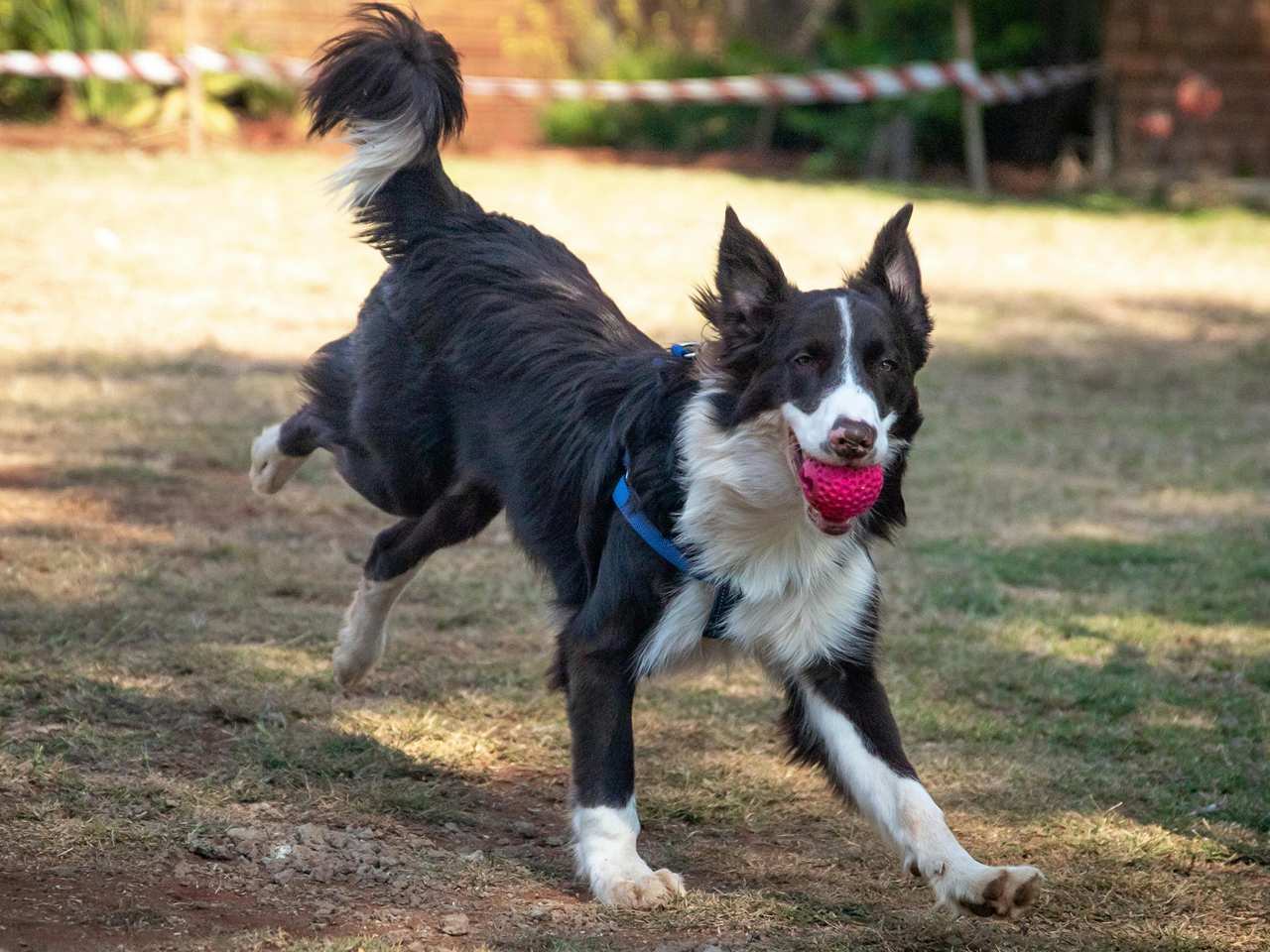
Hind leg weakness can impact a dog’s health, comfort, and ability to move around normally. As dogs age, these problems can become more common, so the goal of treatment is to keep them comfortable and help them stay active for as long as possible.
Medical Treatment
The first step is usually medical care to manage pain and stabilize the condition. A veterinarian will focus on helping the dog move more comfortably and preventing the problem from getting worse. This may include:
- Medications that help reduce pain and inflammation.
- Treatments that support joint or nerve function.
- Care for infections or other health issues that may impact a dog’s health.
- Follow-up visits to monitor how the dog is responding to treatment.
Physical Rehabilitation
Some dogs benefit from simple rehabilitation exercises that help rebuild strength in the legs. These routines can be very helpful as dogs age and start losing muscle strength. Examples include:
- Gentle exercises that help strengthen the back legs.
- Short, controlled walks to improve balance and stability.
- Low-impact movement that keeps joints flexible.
- Mobility aids that help dogs move safely when they feel weak.
Supportive Therapies
In some cases, additional therapies are used to support fast recovery and comfort. These methods can work alongside regular veterinary treatment. Options may include:
- Acupuncture to help ease discomfort and support healing.
- Massage to relax tight muscles and improve blood circulation.
- Heat or cold therapy to reduce stiffness and soreness.
Long-Term Care and Monitoring
For many dogs, ongoing care becomes part of keeping them comfortable. This is especially true as dogs age, and their bodies naturally change over time. Helpful steps may include:
- Keeping a healthy weight reduces pressure on the legs.
- Making the home safer so that dogs do not slip on smooth floors.
- Regular checkups to track changes in mobility.
- Adjusting daily routines to support the dog’s comfort.
With the right care and attention, many dogs continue to live comfortably even when hind leg weakness becomes part of ageing.
What to Do When Your Dog Shows Back Leg Weakness
It’s scary when a dog suddenly starts having trouble with their back legs, but staying calm and knowing what to do can really help. Quick action can make your dog more comfortable and prevent things from getting worse.
- Try to keep your dog from moving around too much to avoid falls or extra strain.
- Set up a soft, cozy spot for them to rest.
- If they need help standing or walking, try to gently use a towel or harness.
- Keep an eye out for sudden collapse or changes in how they’re standing or walking.
- Note when you first noticed the weakness and which legs are affected.
- Write down any recent health changes, medications, or minor injuries to tell the vet.
- Follow any exercises or routines the vet recommends for fast leg recovery.
- Make your home safer by using rugs or mats and removing obstacles they might trip over.
Taking these steps can make a big difference and help your dog feel safer and more comfortable while they recover.
Common Dog Breeds That Experience Hind Leg Limping
Some dogs are just more likely than others to have trouble with their back legs. Knowing which breeds tend to have these issues can help you spot problems early and get help before things get worse.
Large and Giant Breeds
Big dogs often have joint and ligament problems that can make walking uncomfortable. Breeds you might notice this in include:
- German Shepherds: Can have hip and knee problems or spinal issues.
- Labrador Retrievers: Sometimes develop arthritis or knee injuries.
- Golden Retrievers: Can struggle with hip and joint pain.
- Rottweilers: Prone to arthritis and ligament problems.
- St. Bernards and Mastiffs: May develop hip and joint issues because of their size.
Small and Short-Legged Breeds
Dogs with long backs or short legs can run into spinal problems that affect their hind legs. Breeds to watch include:
- Dachshunds: They often have disc problems in their spines.
- French Bulldogs: Can have spine or hip issues that make walking tricky.
- Corgis: Long backs make them more prone to spinal disc problems.
Special Breed Concerns
Some breeds have unique things to watch for:
- Greyhounds: Can get corns on their paw pads, which makes them limp.
- German Shepherds: Besides hip and knee issues, they may develop progressive spinal problems as they get older.
Being aware of these tendencies can help you notice early signs and make sure your dog gets the care they need before things get serious.
Tips on How to Strengthen a Dog's Hind Legs
Helping a dog build strength in their back legs can really improve how it moves and make life more comfortable for them. Even small exercises done regularly can make a big difference, and it’s especially important for older dogs or those who have been struggling with weakness. A little patience and consistency go a long way.
Simple Exercises at Home
You don’t need fancy equipment to help a dog get stronger. Some easy ways to start include:
- Taking short, gentle walks to encourage movement without overdoing it.
- Practicing sit-to-stand exercises to strengthen the back legs again.
- Walking up small hills or low steps to work on balance.
- Letting them walk through shallow water, if possible, for gentle resistance.
Extra Support
Some dogs need a little help while exercising, and that’s okay. Things that can make a big difference include:
- Using a harness or sling to support them while walking.
- Place non-slip mats around the house to prevent slipping.
- Using ramps instead of letting them jump onto furniture or into cars.
Making Movement Part of Everyday Life
You can help your dog get stronger again by simply adding a little more movement to your daily routine together. Some ideas are:
- Playing gentle games like fetch or tug that get them moving.
- Placing toys or treats in different spots at home to encourage walking.
- Changing up walking routes or adding short breaks to keep things interesting.
With small, consistent efforts, a dog can regain strength in their hind legs, move more easily and comfortably, and enjoy daily life a lot more.
Special Considerations for Weak Hind Legs in an Old Dog
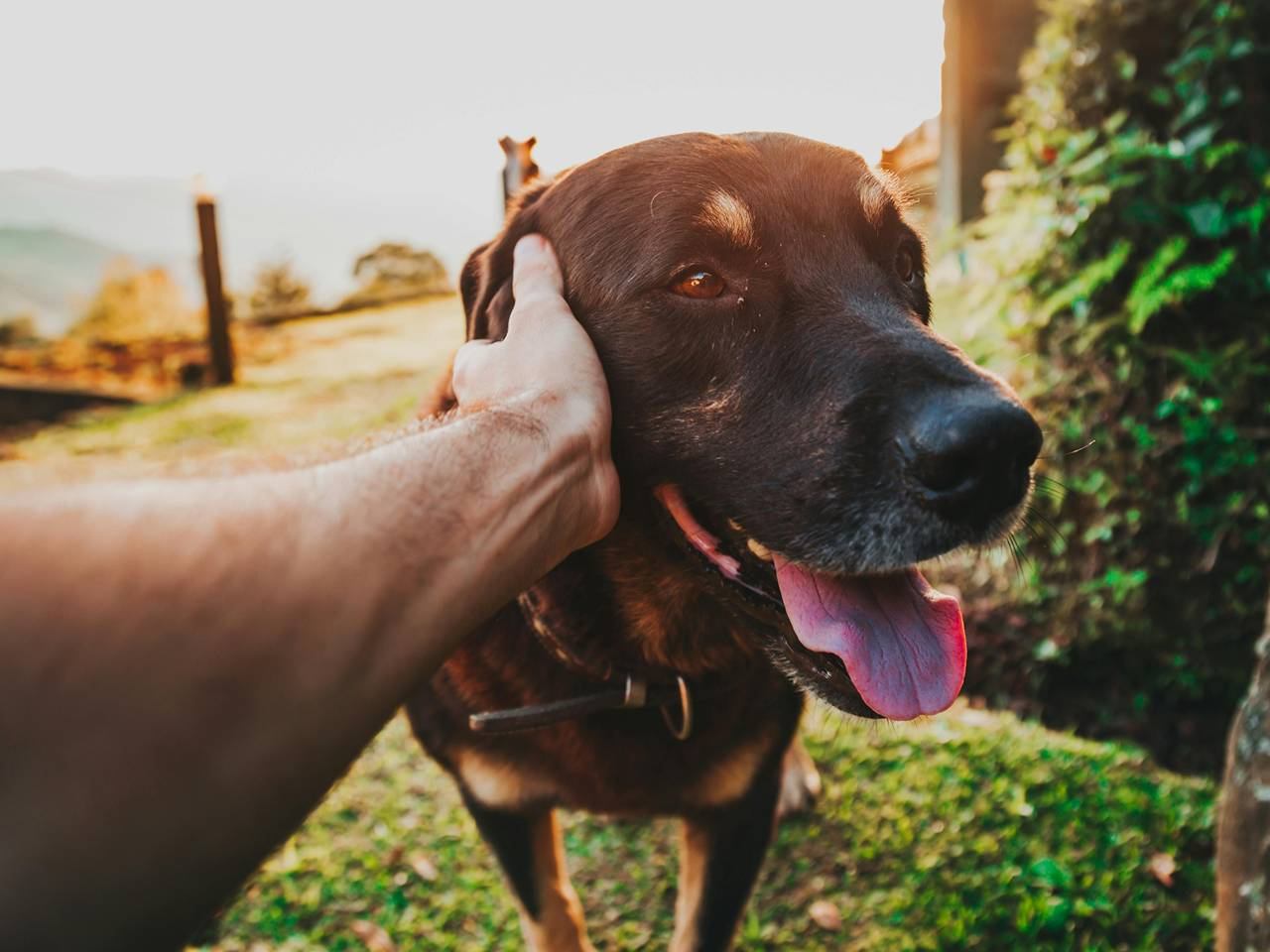
Watching a senior dog struggle to walk with their back legs can be tough, but a few small changes can make a significant difference in their comfort. As dogs age, they may move more slowly, get tired more easily, or need a little help to get around. Being aware of their needs and making life a bit easier helps them stay safe and happy.
- Give them a soft, cozy spot to rest where they can easily get in and out.
- Reduce stairs or slippery floors to prevent falls.
- Help them stand or move when they need a little support.
- Keep an eye on changes in walking, balance, or posture.
- Adjust daily activities so they don’t get too tired or overexerted.
- Take short, gentle walks to keep muscles active.
- Make sure your dog can easily get to their food, water, and the spot where they go outside—it really helps when everything is within easy reach.
- Schedule regular vet visits to catch problems early and adjust care.
A little extra patience and care can help an older dog feel more secure, stay comfortable, and enjoy their daily life even with weak legs.
Final Thoughts
It’s never easy to see a dog struggling with their back legs, and it can make you feel worried and unsure of what to do. Noticing weakness early and understanding why it’s happening can really help your dog feel better.
Getting the right care from a vet gives them the best chance to stay comfortable and keep moving. Gentle exercises and small daily adjustments can make a noticeable difference in their strength and confidence.
Little changes go a long way, such as helping them stand or giving them a cozy spot to rest. With patience and attention, your dog can stay active, safe, and happy for a long time.
Frequently Asked Questions
How can I tell if my dog needs veterinary care for hind leg weakness before it becomes severe?
It’s really worrying to watch a dog struggle with their legs, and sometimes it’s hard to know when to get help.
Watch their movement: Pay attention to how your dog walks, climbs stairs, or stands up from resting.
Notice changes: Look for sudden collapse, limping, or hesitation to move that wasn’t there before.
Daily behaviour: See if they’re less playful or reluctant to jump onto furniture.
Pain signals: Whining, crying, or showing discomfort when moving is a clear warning sign.
See a vet right away: If you catch any of these warning signs, getting checked quickly can prevent things from getting worse.
Are there specific breeds more prone to back leg problems as dogs get older?
Some dogs are naturally more likely to have joint or leg issues as they age, and knowing this helps you stay prepared.
Breed tendencies: Bigger dogs or those with long backs often face more challenges with joints and spine.
Family history: If previous dogs in the breed had leg problems, your dog might be more at risk.
Activity level: Active dogs may wear down their joints faster over time.
Keep an eye out: Early noticing changes can help prevent bigger problems later.
Small adjustments: Tweaking walks, play, or home setup can help keep at-risk dogs comfortable.
What home changes can make life easier for a dog with weak back legs?
Small tweaks at home can make a big difference in helping your dog feel safe and move better.
Non-slip surfaces: Put down rugs or mats so your dog doesn’t slip on smooth floors.
Ramps and steps: Use ramps instead of letting them jump onto furniture or into cars.
Cozy resting spots: Give them a bed that’s easy to get in and out of.
Keep essentials close: Make sure food, water, and doors are easy for them to reach.
Clear the path: Remove clutter or obstacles to prevent trips or falls.
Can diet or supplements help a dog with weak legs?
What a dog eats can affect their strength and how comfortable they feel moving around.
Balanced meals: Give food that keeps them energized and healthy.
Joint support: Some supplements can help keep joints more comfortable.
Weight matters: Keeping your dog at a healthy weight helps their legs and joints.
Stay hydrated: Drinking enough water helps muscles and joints work properly.
Check with a vet: Always ask a professional before changing diet or adding supplements.
How can I help an older dog stay active without hurting them?
Keeping an older dog moving is important, but it’s easy to overdo it if you’re not careful.
Short walks: Frequent, gentle walks are better than long, exhausting ones.
Low-impact play: Games like light fetch or tug can get them moving without putting too much strain on their body.
Simple exercises: Simple sit-to-stand moves or gentle balance activities build strength safely.
Watch for tiredness: Stop if your dog limps, slows down, or seems uncomfortable.
Increase slowly: Gradually do a little more over time so they don’t get hurt.

