


TL;DR: What You Should Know About Ear Mites in Cats
- If your cat keeps scratching or shaking their head, it's worth checking their ears.
- Dark, crumbly debris, redness, swelling, or a strange smell coming from the ears are warning signs.
- You might see your cat rubbing their head on furniture or over-grooming around the ears.
- Frequent pawing at the ears or rubbing the head against surfaces can show early irritation.
- Over-grooming can sometimes lead to hair loss or little sore spots around the ears.
- Kittens and older cats are especially at risk, but any cat can contract ear mites.
- Ear mites can be uncomfortable and sometimes cause inflammation or secondary infections if left untreated.
- Doing regular ear checks, gentle cleaning, and keeping up with veterinary care makes spotting problems early much easier.
- Keeping bedding, toys, and shared areas clean helps stop mites from spreading.
- In homes with multiple pets, you'll want to watch everyone closely since mites can pass quickly.
- Outdoor cats face higher risks and should be checked regularly after being outside.
- Paying attention to your cat's behaviour, coat, and grooming habits daily can help you notice the earliest signs.
If you notice any of these signs or suspect your cat might have ear mites, contact us. Our professional vets can help get rid of the mites fast, prevent infections, and make sure your cat feels comfortable and happy again.
Have you ever noticed your cat scratching their ears a lot and wondered if they might have ear mites? Many cat owners run into this at some point, especially since mites in cats are common. These highly contagious tiny parasites live inside your cat’s ear canal and can quickly make them uncomfortable.
A cat with ear mites can easily pass them to other pets in the household, so it's important to suspect your cat early and watch for the signs of ear mites. These little mites live inside the ear and can cause ear inflammation or even ear infections if left untreated. It's one of those things that can sneak up on you, and before you know it, your cat is constantly shaking their head or scratching at their ears.
The good news is that there are ways to get rid of ear mites and keep your cat's ears healthy. Ear mites are a type of parasite that can cause ear debris and ear discharge, so ear cleaning and prompt treatment really make a difference. Read on to see how you can spot ear mites early and help your pet feel comfortable again.
What Are Cat Ear Mites and How Do They Live in Your Cat's Ear

Ear mites are a common problem found in cats, and many owners only learn about them after noticing something unusual in their pet's ears. These tiny parasites, called Otodectes cynotis, live inside a cat's ear canal. Since mites in cats are tiny, it may appear that the mites are not there at first, even though they are already living inside the ear.
Understanding Otodectes Cynotis Mites
Otodectes cynotis mites are the parasites responsible for most cat ear mite infections. They depend on the ear environment to survive and are commonly found in cats and sometimes in other household pets.
- Otodectes cynotis is the species that causes most ear mite problems in cats.
- Mites in cats are tiny parasites that are difficult to notice without a close look.
- These mites are commonly found in cats but may also appear in dogs and cats living in the same home.
- Ear mites are a common reason for irritation inside a cat's ear canal.
- Cat ear mite infections begin when these parasites settle and start multiplying inside the ear.
- Mites on your cat rely on the warmth and moisture inside the ear to survive.
How Ear Mites Live Inside the Ear
Once these parasites enter the ear, they stay in the ear canal where they can live and reproduce. Over time, the growing number of mites may start causing more noticeable irritation.
- Mites in your cat's ears live deep inside the cat's ear canal.
- They feed on natural oils and debris found in the ear canal.
- Some mites may also move around the ear flap when irritation increases.
- As the mites multiply, debris can begin to build up inside the ear canal.
- Ear mites cause irritation that may affect the ear canal and nearby skin.
- In more serious situations, irritation inside the ear canal may reach areas close to the ear drum if the ear remains untreated.
Common Causes of Ear Mite Infections in Cats and How Pets Get Them
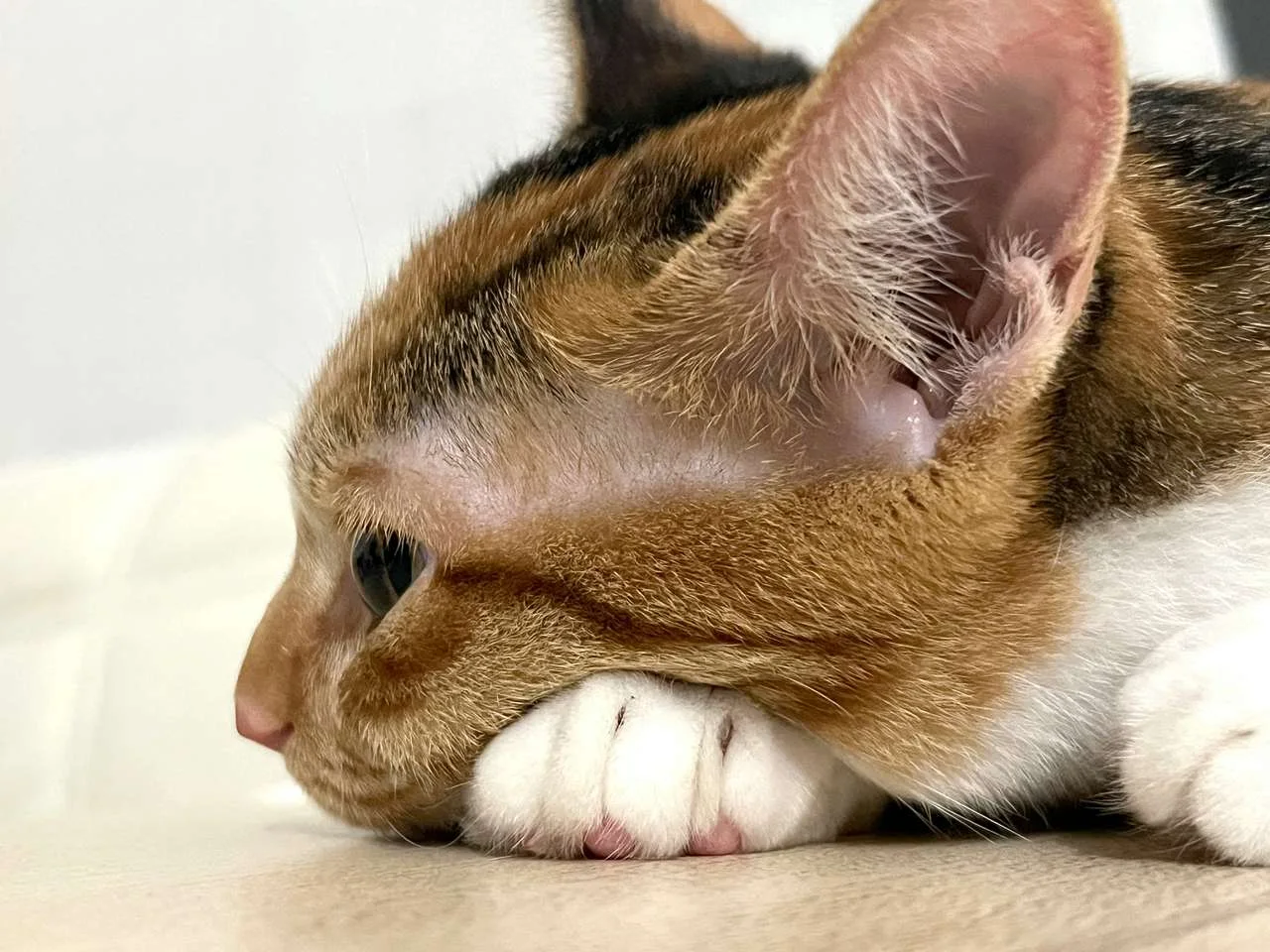
Ear mites are relatively common in cats, and there are a few ways your pet can get ear mites. Knowing how these infections happen can help you catch them early and prevent secondary infections. With the right ear mite treatment, most cases are easy to treat.
Direct Physical Contact
One of the main ways cats get ear mites is by being close to an infected animal.
- Cats can get ear mites from grooming, playing, or even sleeping near a pet that's infected with ear mites.
- Mites in cats and dogs can pass quickly between pets in the same home.
- Even indoor cats can get ear mites if a new pet carrying mites is introduced.
- Kittens are especially at risk when their littermates or mother are infected.
Maternal Transmission
Kittens often get ear mites straight from their mother.
- A mother infected with ear mites can pass them to kittens shortly after birth.
- Catching it early can help prevent secondary infections.
- Maternal transmission is why multiple kittens in a household sometimes get ear mites at the same time.
Environmental Exposure
Ear mites can also spread through contaminated objects around the home.
- Bedding, blankets, or carriers used by an infected animal can pass ear mites to other cats.
- Grooming tools or even feeding bowls shared between pets can contribute to infestations.
- Cleaning these items regularly can help make sure mites have been eliminated.
Outdoor Lifestyle
Cats that spend time outside have a higher chance of getting ear mites.
- Outdoor cats can encounter stray animals or wildlife carrying ear mites.
- Even a quick encounter can lead to a case of ear mites.
- Outdoor cats may bring mites inside, so indoor cats need to be watched closely, too.
Lack of Preventatives
Cats not on regular preventive care are more likely to get ear mites.
- Skipping veterinary check-ups or topical treatment gives mites a chance to settle in.
- Cats without preventatives may require additional treatment once ear mites are diagnosed.
- Regular preventative care helps avoid severe skin and ear infections.
High-Risk Multi-Pet Households
Homes with multiple pets make it easier for ear mites to spread.
- Sharing sleeping areas, toys, or grooming sessions increases the chance of passing ear mites.
- Healthy pets can still get ear mites if they're constantly around an infected animal.
- Observing all pets at home helps catch infestations early and start treatment right away.
Contact With Contaminated Objects
Indirect contact with items previously used by an infected animal or cat can also spread mites.
- Brushes, carriers, or blankets used by an infected pet can carry mites temporarily.
- Contaminated food and water bowls may help mites move between cats.
- Regular cleaning and disinfecting shared items can make sure mites are gone and reduce future risk.
Recognizing the Common Signs and Symptoms of Ear Mites in Cats

Ear mites often affect cats, and noticing them early makes treatment much easier. Knowing what to watch for can help you spot a problem before it becomes an untreated ear that could cause bigger issues. Keeping an eye on your kitty's ears and behaviour makes treatment of ear mites much easier and less stressful for both of you.
Physical Signs in the Ear
Your cat's ears can give you a lot of clues that something isn't right.
- You might notice dark, crumbly debris in the ear canal.
- The ear flap may look red, swollen, or irritated.
- Cats often scratch or paw at their ears a lot when they're itchy.
- Head shaking or tilting is another common sign.
- Small scabs or crusts can sometimes appear around the ear canal.
- There may even be a slight odour if the mites have been there for a while.
Behavioral Signs
Ear mites don't just bother the ears; they can affect how your cat acts, too.
- Your cat may seem more restless or irritable than usual.
- Some cats avoid being touched around the head or ears.
- Excessive grooming around the ears can lead to hair loss or sore spots.
- Discomfort from the mites can even make sleep difficult.
Early Indicators for Detection
Catching ear mites early makes a big difference in how easy the treatment is.
- Mild scratching or occasional head shaking is often the first hint.
- Small amounts of debris or slight redness in the ear canal can show up early.
- You may notice your cat rubbing its ears against furniture or other surfaces.
- Minor irritation or tiny scabs around the ear flap can also be an early sign.
Killing Ear Mites Instantly: How to Treat and Get Rid of Ear Mites in Cats
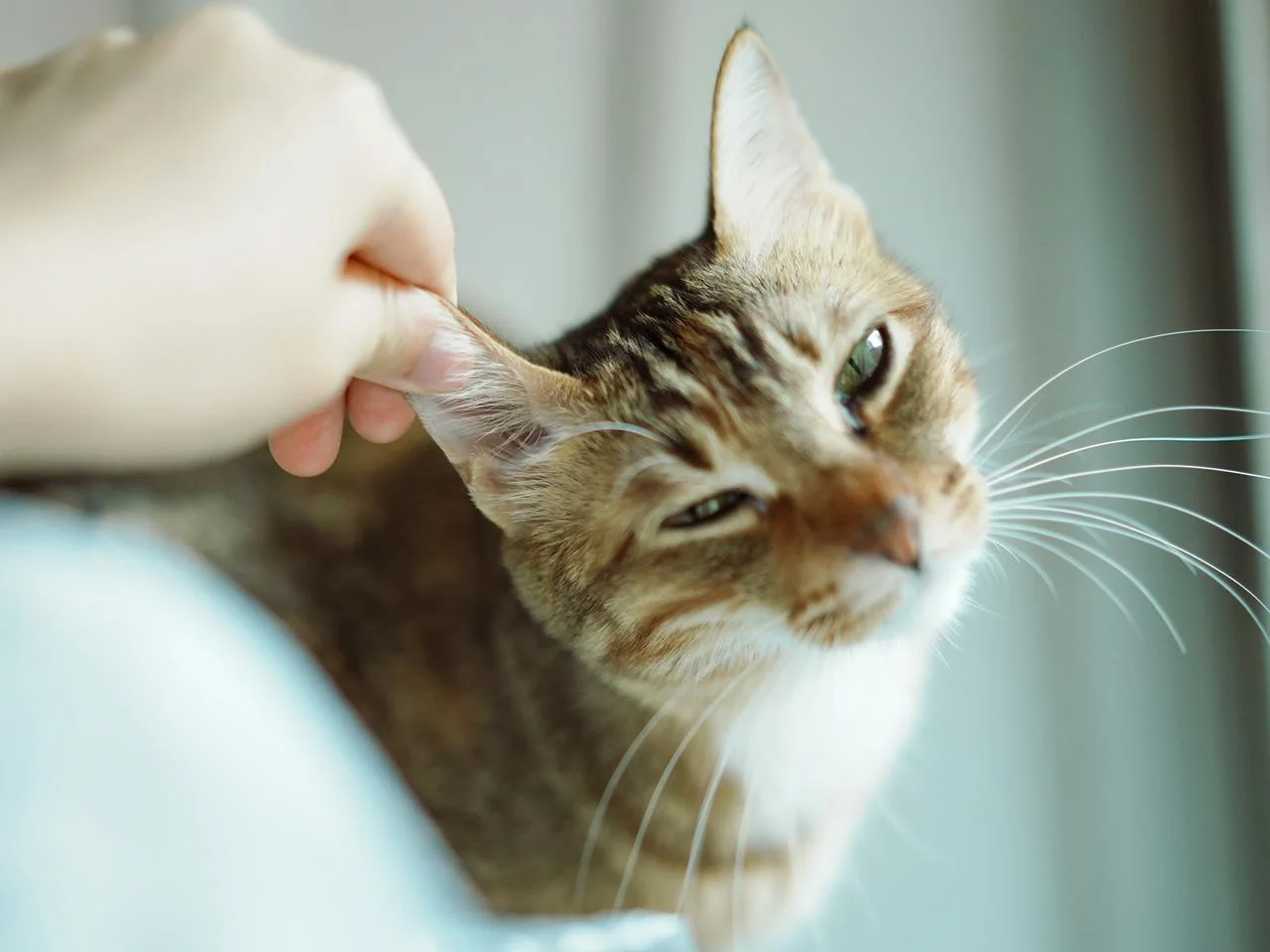
Once you notice ear mites, it's important to act quickly. Ear mites can lead to inflammation and discomfort if left alone, so addressing them early is key. Treatment options include home remedies for ear mites as well as veterinary medicine, which ensures the mites are gone safely.
Veterinary Topical Treatments for Ear Mites
Topical medications from the vet are usually the fastest way to kill mites.
- Selamectin (like Revolution) is applied to the back of the neck and works quickly to kill mites.
- Moxidectin (found in Advantage Multi) treats mites as well as other parasites, often clearing the problem within days.
- These treatments work directly in the ear canal and sometimes help prevent mites from coming back.
- If your vet diagnoses your cat with ear mites, a veterinary ear swab can confirm the infestation and guide treatment.
Prescription Ear Drops
Your vet may also recommend ear drops to target mites inside the ear.
- Ivermectin ear drops work directly in the ear canal to kill mites.
- Milbemycin oxime ear drops are another strong option.
- Using ear drops exactly as directed usually gets rid of the mites within a few days.
- Following the instructions carefully is essential because ear mites require treatment to be completely removed.
Cleaning the Ears
Cleaning your cat's ears helps remove debris, but it won't get rid of all the mites on its own.
- A veterinary-approved cleaner can gently remove dark, crumbly debris that sometimes looks like coffee grounds.
- Cleaning the ear canal and sometimes the surrounding areas helps support ear drops or topical treatments.
- Doing this carefully during treatment makes sure the mites are gone, and the ears stay healthy.
Home Remedies for Ear Mites
Some natural remedies can help, but they usually work best with proper veterinary care.
- Using home remedies for the ears can soothe irritation and help remove debris.
- Gentle oils or cleaning solutions may support treatment, but usually won't kill all the mites alone.
- Regular cleaning with safe, natural remedies helps keep your cat's ears healthy while the main treatment works.
Recovery and Management of Ear Mites in Cats
After your cat has been treated, taking care of their ears properly makes a big difference. Ear mites can lead to inflammation if not fully cleared, so giving the ears extra attention helps keep your cat comfortable. Staying on top of ear health also reduces the risk of secondary infections.
Monitoring the Ear Canal
Keeping an eye on your cat's ears can help spot problems before they get worse.
- Check for leftover debris or irritation in the ear canal and sometimes the surrounding areas.
- Watch for scratching, head shaking, or redness—these could mean mites are still present.
- Regularly looking at your cat's ears helps catch any lingering issues early.
Cleaning and Maintenance
Gentle cleaning helps your cat's ears heal and prevents mites from coming back.
- Clean your cat's ears meticulously and carefully, following your veterinarian's advice.
- Avoid over-cleaning, which can sometimes worsen the irritation.
- Using safe solutions or natural remedies can help keep the ear canal healthy.
Follow-Up and Veterinary Support
Getting professional guidance ensures your cat fully recovers.
- An ear swab from your vet can confirm the mites have been eliminated.
- Some cases may require additional treatment if the ear still shows signs of irritation.
- Following your veterinarian's advice helps protect your cat from getting ear mites again.
Preventive Practices
Keeping up with simple habits helps stop mites from coming back.
- Keep your cat's environment clean to reduce exposure to potential mites.
- Watch other pets in the household, since mites in cats are common and can spread easily.
- Regular check-ups and preventive care help your cat stay free of ear mites long-term.
Preventing Ear Mites in Cats: Tips for a Healthy Cat's Ear

It's always better to stop ear mites before they start, and a few simple habits can make a big difference. Paying attention to your cat's ears and daily routines helps keep them comfortable and healthy. These small steps also protect other pets in the household from picking up mites.
- Check your cat's ears regularly for any dark debris, redness, or signs of irritation.
- Keep bedding, toys, and grooming tools clean so mites don't have a place to hide.
- Avoid letting your cat spend time with animals that are known to have ear mites.
- If your cat goes outside, try to limit contact with wildlife or stray cats that may carry mites.
- Routine visits to the vet make it easier to catch any early signs before they become a problem.
- Gently clean your cat's ears when needed to keep the ear canal healthy.
- Follow preventive advice or treatments from your veterinarian to lower the risk of ear mites.
The Hidden Dangers of Ignoring Ear Mites in Cats

It might be tempting to ignore ear mites if your cat seems okay, but even a small infestation can turn into a bigger problem fast. Left untreated, ear mites can make your cat really uncomfortable and even lead to infections or lasting damage. Knowing what can happen makes it easier to act before things get serious.
- Constant scratching can hurt the ear flap and the skin around it.
- Ear mites can cause swelling and inflammation deep inside the ear canal.
- If ignored, secondary infections can develop, which usually need stronger treatment.
- Debris buildup in the ear can affect your cat's hearing and overall ear health.
- The longer the mites stay untreated, the harder and longer treatment can become.
- Other pets in the household might catch ear mites, too, if nothing is done.
- In chronic cases, untreated mites can lead to severe skin and ear infections.
When to Visit Your Vet for Cat Ear Mite Problems
It can be tricky to know when ear mites need professional help, but paying attention to the signs and symptoms can save your cat a lot of discomfort. Some situations are clear indicators that it's time to call the vet instead of trying to handle it at home. Acting early can prevent more serious ear issues and keep your cat feeling comfortable.
Signs You Should See a Vet
Keep an eye out for these warning signs; they usually mean a vet visit is needed.
- Your cat keeps scratching or shaking its head, and it doesn't get better.
- The inside of the ear canal looks red, swollen, or irritated.
- You notice dark, crumbly debris appearing often.
- There's a bad smell coming from the ear.
Situations That Require a Vet Visit
Even if symptoms seem mild, some situations still call for professional care.
- Other pets in the house might have been exposed to ear mites.
- Cats that go outside could have come into contact with infested animals.
- Previous home remedies or treatments haven't fully solved the problem.
- Kittens or older cats showing symptoms, since they're more vulnerable to complications.
Final Thoughts
Ear mites are really common in cats and can make them very uncomfortable if not caught early. These tiny pests can cause itching, irritation, and even ear infections over time.
You can often notice them when your cat scratches a lot, shakes their head, or has dark debris in their ears. Acting quickly with proper treatment, whether from the vet or safe home remedies, makes getting rid of the mites much easier.
Checking your cat's ears regularly and keeping other pets in the household in mind can help prevent the problem from coming back. Paying attention and taking action early helps keep your cat's ears healthy and keeps them happy and comfortable.
Frequently Asked Questions
How long does it usually take for a cat to recover after the treatment of ear mites is fully completed?
Watching a cat deal with ear mites can be stressful, but most cats bounce back quickly once the treatment starts.
Observation: Keep an eye on your cat's ears for signs of debris, redness, or scratching.
Follow treatment: Make sure to finish the full course of ear drops or topical treatment, even if your cat seems better.
Cleaning: Gently clean your cat's ears as the vet recommends to help clear debris and support healing.
Follow-ups: Sometimes a quick check with the vet is helpful to make sure the mites are completely gone.
Patience: You might see improvement in a few days, but full recovery can take a week or two, so hang in there.
Can cats and dogs pass ear mites back and forth after treatment?
It's easy for ear mites to hop between pets, so keeping an eye on everyone in the household is key.
Separate monitoring: Watch for scratching or head shaking in all pets while treating the infected one.
Check-ups: A vet check-up for all pets can help spot mites early and prevent reinfestation.
Cleaning: Wash bedding, toys, and grooming tools meticulously to kill any lingering mites.
Treatment: Sometimes, all pets need treatment at the same time to stop the mites from coming back.
Prevention: Staying on top of ear checks and keeping things clean helps keep mites away.
Are there any risks when using home remedies for ear mites instead of veterinary medicine?
Home remedies can feel safe and natural, but they don't always fully remove the mites, and some can irritate the ear.
Limited effect: Natural solutions may soothe itching, but usually won't kill all the mites.
Ear damage: Using oils or other treatments incorrectly can damage the ear canal or even the eardrum.
Delayed treatment: Relying only on home remedies can let mites multiply, leading to more irritation or infections.
Professional guidance: A vet can check your cat's ears and recommend safe remedies if you want to use natural treatments too.
Follow instructions: Always follow the directions carefully when cleaning or applying any remedy.
What should I do if a cat's untreated ear becomes infected despite starting ear mite treatment?
Sometimes an infection can sneak in even after treatment starts, and acting quickly can save your cat from extra discomfort.
Stop irritation: Keep your cat from scratching so the ear doesn't get worse.
Vet visit: Take your cat to the vet for an ear swab and appropriate infection treatment.
Medication: Your vet may recommend additional ear drops or oral medicine to fight and control the ear infection.
Clean carefully: Continue gentle cleaning to remove debris without irritating your cat's ears.
Monitor recovery: Watch for less scratching, discharge, odour, or swelling to know the ear is really healing.
How often should mite treatment be repeated to ensure the mites are completely gone?
Ear mites are stubborn, so sticking to the full treatment plan is important to prevent their return.
Follow the plan: Give all doses of prescribed ear drops or topical treatments exactly as instructed.
Check-ups: A follow-up visit can confirm the mites are fully gone.
Repeat only if needed: Some cats may need another round if the mites persist or reinfestation happens.
Clean environment: Washing bedding, toys, and shared areas helps prevent mites from returning.
Observation: Watch for scratching, head shaking, or debris as early signs that treatment may need a little more time.

