


TL;DR: What You Need to Know About Flea and Tick Medicine Poisoning in Dogs
- Prevention is still essential: Safe, proper dog flea and tick control protects dogs from parasites that can cause infections, disease transmission, and skin damage.
- Most treatments are safe when used correctly: Following dosing instructions and choosing vet-approved products greatly lowers poisoning risks for any dog owner.
- Choose products tailored to your dog: Age, weight, breed, and medical history all matter when selecting the safest flea and tick prevention.
- Pay close attention after administering medication: Keeping an eye on your dog for the first 24 to 72 hours can help identify uncommon reactions early, particularly following new treatments.
- Recognize the early warning signs: After prevention, vomiting, tremors, extreme lethargy, or breathing difficulties may indicate a negative reaction that requires immediate attention.
- Avoid product mixing unless instructed: Pet parents should always verify combinations because using several preventatives at once without advice can increase the risk of toxicity for their animals.
- Prevention reduces exposure to parasites: Especially during high-risk spring seasons, effective protection reduces the risk of diseases associated with flea and tick bites.
- Emergency care can save lives: Fast veterinary treatment leads to better outcomes if poisoning or severe reactions happen.
Need help choosing the safest protection? Contact us, and we can build a prevention plan to keep your dog protected, healthy, and safe year-round.
Could the flea and tick medicine you give your dog be doing more harm than good? As parasite activity spikes this spring, many pet owners rush to protect their pets—sometimes without realizing that certain flea and tick treatments can trigger serious, even life-threatening reactions in dogs.
From topical spot-ons to oral preventives, improper dosing, sensitivity to active ingredients, or mixing products can lead to toxic side effects. In this blog, we’ll explore which flea and tick medicines are most commonly linked to poisoning, the warning signs to watch for, and when emergency veterinary care is important.
What is Flea and Tick Medication Poisoning in Dogs?

Flea and tick medication poisoning occurs when a topical or oral flea treatment causes harmful toxic effects instead of being safe and effective. This toxicity can affect dogs and cats, especially when products are misused, mixed incorrectly, or contain ingredients designed to kill fleas and ticks but trigger sensitivity in certain pets.
Medication toxicity refers to harmful adverse reactions or an adverse event that happens after exposure to a flea and tick treatment. These treatments are meant to kill ticks and fleas, but in some cases, reactions to flea medications can occur whether the product is a topical flea medicine, chewable, or oral medication.
Common Causes of Adverse Reactions
- Incorrect dosing of flea and tick meds, especially in small dogs: Overdosing is a major risk, and small dogs can develop toxicity quickly because their bodies process medication differently.
- Using dog flea products on a dog they weren’t designed for: Using the wrong formulation is risky in homes with cats and dogs, especially if the product is toxic to cats and spreads through contact.
- Combining flea and tick preventatives, without veterinary guidance: Stacking multiple flea and tick preventatives can overload the body and increase the risk of side effects.
- Exposure to counterfeit flea and tick products or expired flea products: Fake or expired treatments may not properly kill ticks and fleas and can expose pets to unsafe chemical levels.
Risk Factors That Increase Sensitivity
Some dogs may react more strongly due to health or neurological risks.
- A history of seizures: Dogs with a history of seizures are more likely to develop neurological side effects from certain medications.
- Existing neurologic conditions: Dogs with nerve-related disorders may be more vulnerable during a heavy flea infestation.
- Concurrent illness, such as heartworm disease: Dogs with heartworm disease or active heartworm infections may have reduced tolerance to medications.
- Repeated exposure during heavy infestations: Frequent treatment during severe infestations involving adult fleas and breeding female flea populations can increase toxin buildup.
Most Vulnerable Dog Breeds and Sizes
While any dog can experience toxicity, some are at higher risk—small dogs, whose bodies concentrate medication faster, and senior dogs, who may process drugs more slowly, increasing their exposure time.
Dogs with pre-existing sensitivities or chronic illness may also react more strongly to treatments designed to kill fleas and ticks. In homes with multiple dogs and cats, extra caution is needed since some flea treatments may be harmful or toxic to cats, especially if pets groom or sleep near each other.
What Flea and Tick Medicine Can Kill Dogs?

Not all flea and tick products are dangerous, but certain categories are more commonly linked to adverse events associated with toxicity. Understanding which ingredients and product types need closer monitoring helps owners choose options that are truly safe for dogs.
Specific Problematic Active Ingredients
Some insecticide compounds used for flea control and tick treatment can overstimulate the nervous system when overdosed or used incorrectly. These risks are higher when products are not matched to the dog’s size, health status, or species sensitivity.
Isoxazoline Class Medications
Isoxazoline drugs, including Bravecto, Nexgard, and Simparica, are widely used oral flea and tick preventatives and are common oral treatments in modern parasite care. While effective, they are associated with neurologic adverse reactions in some dogs, especially those with pre-existing seizure disorders.
Pyrethrin and Pyrethroid-Based Products
These substances, which provide rapid parasite kill upon contact, are frequently found in dog topical solutions for dogs and some flea collars. On the other hand, tremors, skin irritation, or more severe toxicity symptoms may result from improper dosage or unintentional consumption.
Counterfeit and Unauthorized Products
Some online products claim to be parasite preventatives but lack testing or approval under veterinary medicine standards. These items may contain unsafe ingredient levels or contaminants, making them unpredictable and potentially dangerous.
Dangerous Drug Interactions
Combining multiple topical medications with other parasite preventatives or doubling up on oral flea and tick products without professional advice can overwhelm a dog’s system. Always coordinate parasite prevention plans with your vet—this helps avoid stacking medications that could interact poorly.
Emergency Signs of Flea and Tick Medicine Poisoning in Dogs

Recognizing early warning signs can help you act fast and protect your dog from serious complications or long-term harm.
Neurological Symptoms
Seizures and uncontrolled muscle tremors can happen when a dog has a toxic reaction to certain flea or tick medications. You may also notice other neurologic abnormalities linked to medication sensitivity, such as disorientation, twitching, or unusual eye movement.
Gastrointestinal Issues
Vomiting or diarrhea following flea or tick treatment may signal that your dog’s body is reacting poorly to the medication. These symptoms can appear within hours and may quickly lead to dehydration if not addressed.
Behavioural Changes
After giving your dog a new preventative, sudden signs of confusion, agitation, or lethargy may be signs of a systemic reaction. Additionally, for no apparent reason, some dogs may exhibit signs of distress, unusual restlessness, or withdrawal.
Skin Reactions
Redness, hives, or localized skin irritation at the treatment site may occur if your dog is sensitive to topical products. In more serious cases, swelling, excessive scratching, or hair loss may develop around the application area.
Respiratory Distress
Laboured breathing or coughing unrelated to tick-borne illness can be a medical emergency after medication exposure. Breathing changes may suggest an allergic or toxic response that requires immediate veterinary care.
Loss of Coordination
Stumbling or inability to stand can signal nervous system involvement after exposure to certain flea and tick treatments. Dogs may appear weak, shaky, or unable to walk normally, which should be treated as urgent.
When to Seek a Veterinarian for Help
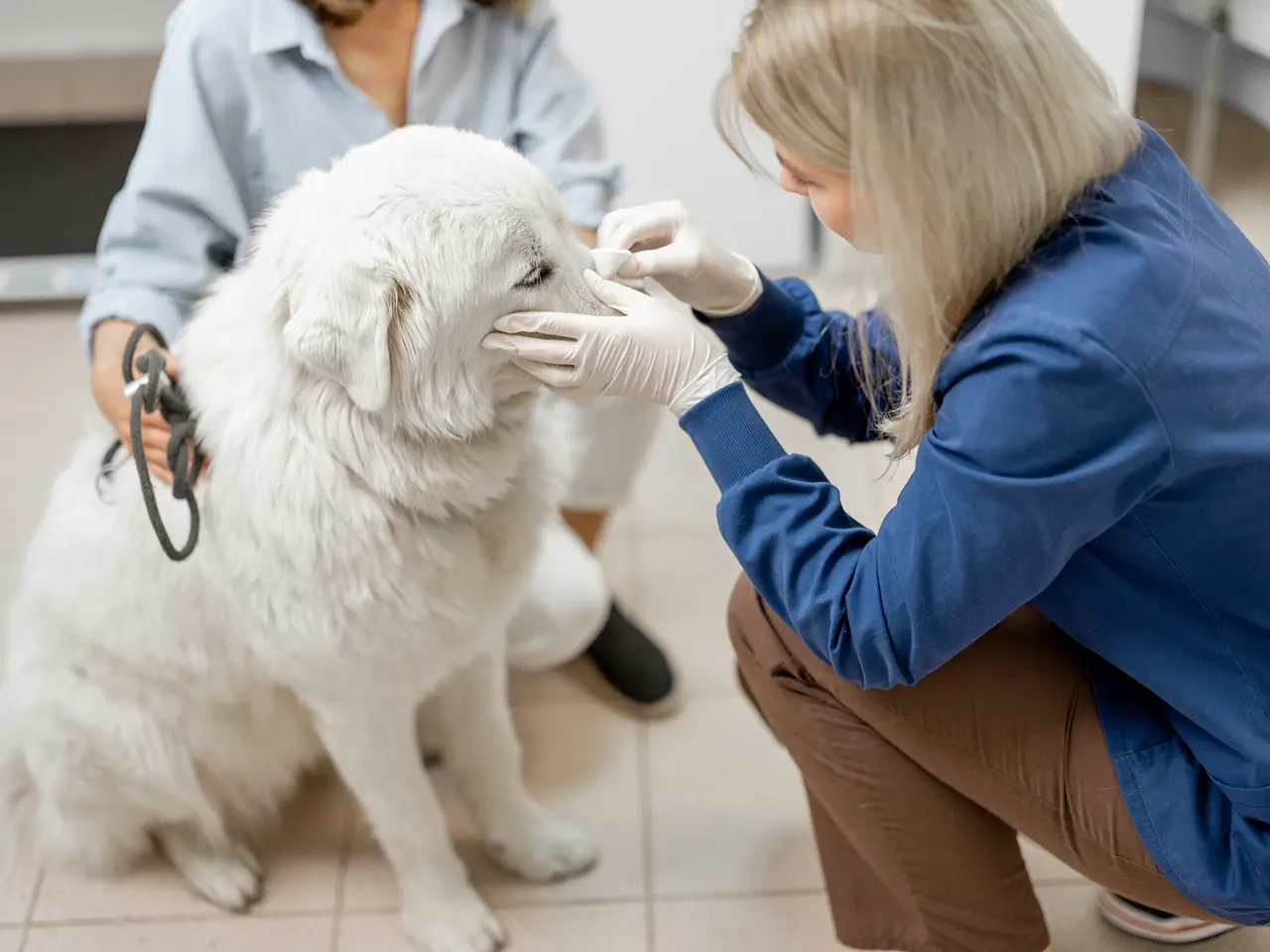
If your dog has seizures, breathing difficulties, excessive drooling, vomiting, or collapses after taking flea or tick medication, get medical help right away. These symptoms may point to a serious reaction that requires immediate medical attention.
- Monitor Timeline After Application: Keep a close eye on your dog for 24–72 hours after applying flea and tick treatments—early signs of reactions, like lethargy, shaking, vomiting, or skin irritation, often show up during this window.
- Documentation Needed for Vet Visit: Bring the product packaging, exact dose, and timing of application. Providing this information helps your veterinarian evaluate your dog accurately and plan the safest treatment.
- What to Tell Your Veterinarian: Talk about any past reactions, current precautions, and any worries you may have about diseases spread by ticks, such as Rocky Mountain spotted fever or Lyme disease. A thorough history guarantees that your veterinarian can respond promptly and suitably.
Flea and Tick Medicine Poisoning Treatment for Dogs

Remove any excess topical flea and tick preventives safely and stop your dog from licking or ingesting them if they exhibit symptoms of toxicity. To make sure symptoms don't get worse and to get advice on urgent next steps, get in touch with a veterinarian right away.
- Professional Treatment Options: IV fluids to stay hydrated, drugs to prevent seizures, and careful observation for neurological issues are all possible components of veterinary care. To lower the chance of exposure-related long-term effects, prompt professional intervention is essential.
- Decontamination Procedures: Vets may perform a thorough bath or cleansing if your dog has come into contact with topical flea and tick preventives or other flea and tick preventative products. This helps remove residual toxins from the skin and fur.
- Supportive Care Methods: Supportive care focuses on stabilizing body temperature, hydration, and vital organ function during recovery. Careful monitoring ensures your dog remains comfortable while their body eliminates the toxins.
- Recovery Monitoring: Continuous monitoring is required to identify any delayed drug reactions, even after the first course of treatment. Seeing your veterinarian on a regular basis guarantees that issues are detected and treated quickly.
Discuss safer options for tick prevention for dogs with your veterinarian, tailored to your pet’s health history. Creating a personalized flea and tick preventative plan supports the prevention of flea infestations, minimizes exposure to harmful chemicals, and keeps your dog protected effectively.
Final Thoughts
Dog health depends on preventing fleas and ticks, but product selection is just as important. Due to an increase in parasite activity this spring, pet owners need to be especially aware of the risks associated with medications. Your dog's life can be saved by knowing which flea and tick medications are more toxic, identifying early warning signs, and knowing when to get emergency veterinary care.
To develop a safe, customized prevention strategy, always adhere to dosage guidelines, refrain from combining products without advice, and speak with your veterinarian. You can prevent parasites in your dog without endangering their health if you take extra care.
Frequently Asked Questions
Can flea and tick medicine really poison dogs?
Yes, certain flea and tick medications can cause toxic reactions when misused, overdosed, or when a dog is sensitive to the active ingredients.
Toxic Ingredient Sensitivity: Some dogs react negatively to specific insecticides that overstimulate the nervous system, leading to neurologic or systemic symptoms.
Incorrect Product Usage: Using a flea product not designed for your dog’s size, species, or health status can increase the risk of medication toxicity.
Overdosing Risks: Giving more than the recommended dose—especially in small dogs—can quickly lead to serious adverse reactions.
Mixing Preventatives: Combining oral and topical treatments without professional guidance may overwhelm a dog’s system and trigger toxic side effects.
Low-Quality or Counterfeit Products: Unregulated flea treatments bought online may contain unsafe ingredient levels or harmful contaminants.
Which types of flea and tick treatments are most commonly linked to serious reactions?
Certain medication classes and product types are more often associated with reported adverse events in dogs.
Isoxazoline Oral Medications: Popular chewable treatments are widely used but have been linked in some cases to neurologic adverse reactions.
Pyrethrin-Based Topicals: Common in collars and spot-on treatments, pyrethrin-based topicals can irritate skin or cause neurological symptoms if used incorrectly.
Multi-Active Ingredient Products: If dosage is not properly managed, products that combine several pesticides may be more toxic.
Off-Label Pest Control Products: Using environmental or household pest treatments on dogs can result in severe poisoning.
Expired Medications: Chemical breakdown in expired products can alter safety and effectiveness, potentially causing unexpected reactions.
What are the earliest emergency warning signs of flea and tick medication poisoning?
In the absence of treatment, poisoning symptoms can rapidly worsen and frequently manifest hours to days after treatment.
Neurologic Distress: Toxic effects on the nervous system may be indicated by seizures, tremors, or unusual twitching of the muscles.
Digestive Upset: Diarrhea or vomiting soon after treatment may be a sign that the body is not responding well to the drug.
Abrupt Changes in Behaviour: After beginning a new flea or tick preventative, you may experience confusion, agitation, or unusual lethargy.
Skin Irritation at Application Site: Redness, swelling, or hives may show localized sensitivity or allergic response to topical products.
Coordination Problems: Stumbling, weakness, or difficulty standing may indicate neurologic involvement and require urgent attention.
When should you seek emergency veterinary care after giving flea and tick medication?
You should seek immediate professional help if severe symptoms appear or if your dog’s condition worsens quickly.
Life-Threatening Symptoms Appear: Seizures, collapse, or breathing difficulty require immediate emergency veterinary evaluation.
Symptoms Develop Within 72 Hours: Careful monitoring during the first 24–72 hours is critical because most reactions occur in this window.
You Suspect Overdose or Double Dosing: If you accidentally applied or gave more medication than intended, contact a professional immediately.
Pre-Existing Health Conditions Exist: Dogs with neurologic disease, seizure history, or concurrent illness may require faster medical assessment.
Previous Medication Reactions Occurred: Dogs that reacted badly to flea treatments before should always be evaluated quickly if symptoms return.
How is flea and tick medication poisoning treated and managed in dogs?
Treatment focuses on stopping toxin exposure, stabilizing symptoms, and supporting recovery.
Immediate Decontamination: Removing excess topical product and preventing licking can reduce further toxin absorption.
Hospital Stabilization Care: Veterinary teams may provide IV fluids and medications to control seizures or neurologic symptoms.
Medical Bathing Procedures: Bathing helps remove residual topical chemicals from the skin and coat.
Supportive Organ Protection: Recovery during toxin clearance is aided by keeping an eye on body temperature, hydration, and organ function.
Follow-Up Recovery Monitoring: Constant observation guarantees that delayed negative effects are identified and

