

TL;DR: What You Need to Know About Weight Loss in Old Dogs
- Some senior dogs gradually lose a little body condition, but noticeable or sudden weight loss is not normal. Rapid weight loss is usually a warning sign that something may be wrong.
- Painful teeth, digestive problems, hormone disorders, and chronic illnesses can all affect appetite, nutrient absorption, or metabolism in older dogs.
- Even healthy senior dogs gradually lose muscle mass, but they should not be losing a significant amount of body fat.
- If your dog is losing a lot of weight within a short period, seek veterinary care. Rapid weight loss can signal infections, organ disease, or cancer, so it’s important to have the issue evaluated.
- It’s important to have your dog examined by a veterinarian to identify the underlying cause and protect their healthy weight.
Concerned about your dog's weight? Get in touch today. Our experienced vets are passionate about the health and well-being of your pet and can help create a safe, personalized weight management plan.
As dogs age, their bodies change in many ways. While some senior dogs tend to gain weight, others may start to lose weight unexpectedly. If your senior dog is losing weight, it can be worrying—especially if the change happens quickly or without a clear reason. Weight loss in older dogs may be linked to reduced appetite, dental issues, digestive problems, or underlying medical conditions that affect how the body processes nutrients.
Knowing what causes weight loss and when to act can help you protect your pet’s health. In this blog, we’ll discuss common reasons older dogs lose weight, when it’s time to seek veterinary care, and what you can do to help your dog.
Reasons Why An Older Dog Is Losing Weight
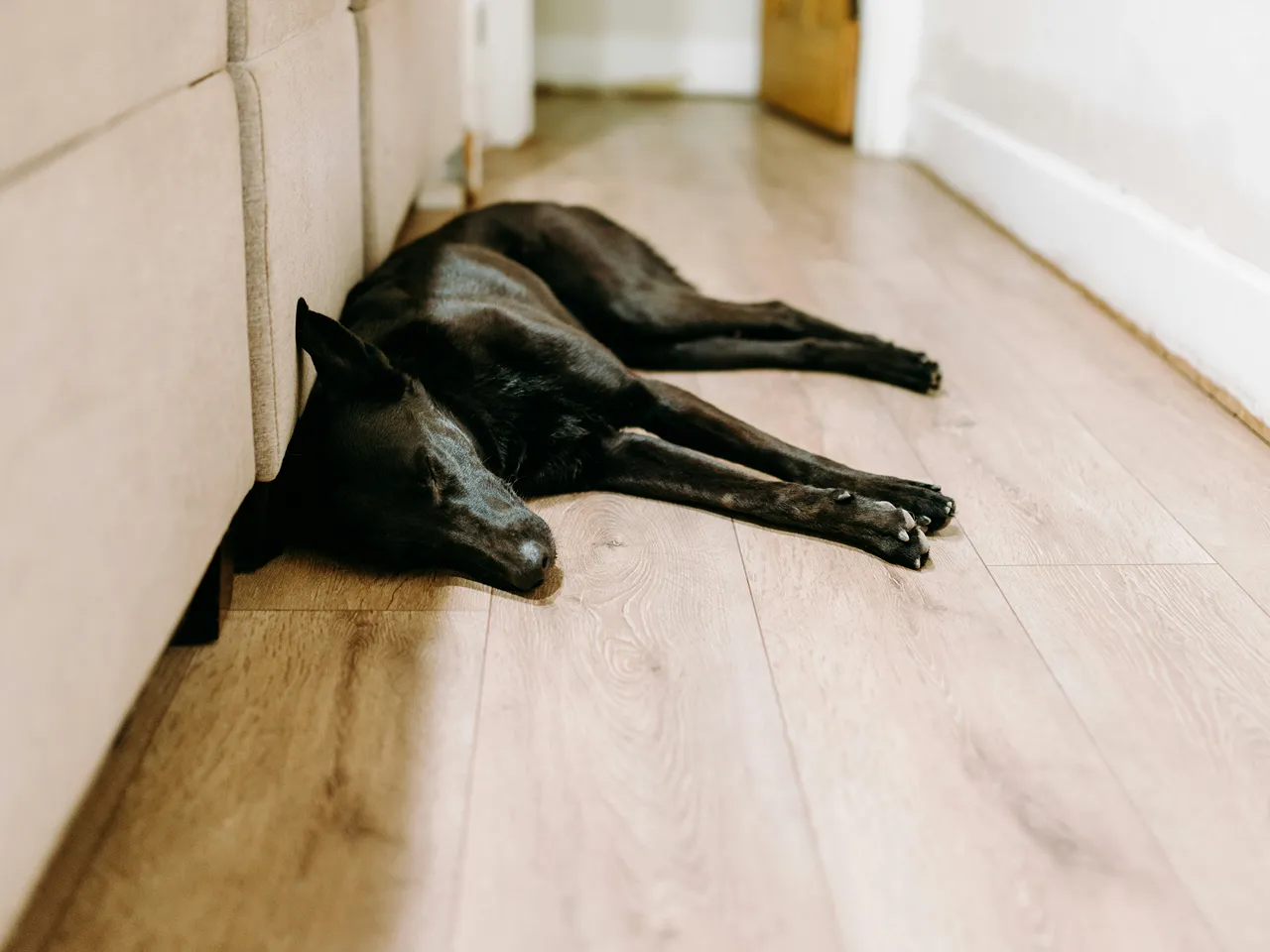
When an old dog is losing weight, there is usually an underlying medical or environmental explanation rather than normal aging alone. Understanding the common causes of weight loss in elderly dogs can help pet owners identify the root cause early and seek appropriate care.
Dental Disease
Painful teeth, gum infections, or loose teeth can make chewing uncomfortable or even painful. A dog that is losing weight may start avoiding hard food altogether, and dental discomfort is one of the most overlooked reasons senior dogs eat less.
Gastrointestinal Disorders
Digestive problems or malabsorption conditions prevent nutrients from being absorbed efficiently. Even with a normal diet, your dog may actually begin to lose weight because the body cannot properly use the nutrients consumed.
Social Changes and Stress
Changes at home — such as a new pet, relocation, or the loss of a companion — can affect appetite. Emotional stress can become a hidden root cause of eating changes and weight loss during a senior dog’s later years.
Kidney or Liver Disease
Organ dysfunction is a major concern in aging pets and often leads to reduced appetite and nausea. Changes in metabolism and toxin buildup can interfere with normal body function, resulting in weight loss over time.
Arthritis Reduces Appetite and Mobility
Joint pain can make it uncomfortable for a senior dog's movement and daily routines, including walking to the food bowl. Reduced activity and chronic pain may slowly decrease appetite, resulting in weight loss over time.
Cancer or Tumour Growth
Cancer is one of the more serious explanations when older dogs experience weight loss. A senior dog may continue eating normally yet still become thinner because the disease alters how the body uses energy.
Diabetes Mellitus Development
A dog losing weight but eating more than usual may be showing early signs of diabetes. Blood sugar imbalance prevents cells from using glucose properly, causing the body to break down fat and muscle for energy.
Hyperthyroidism
Although uncommon in dogs compared to cats, thyroid hormone imbalance can increase metabolism. Affected dogs may remain active or restless while they actually begin to lose weight unexpectedly.
Cognitive Dysfunction Affecting Eating Habits
Age-related cognitive decline can cause confusion or changes in routine. Some dogs forget feeding times or where their food is placed, which may lead them to skip meals and gradually experience weight loss.
When to Seek Vet Care for Your Dog's Weight Loss
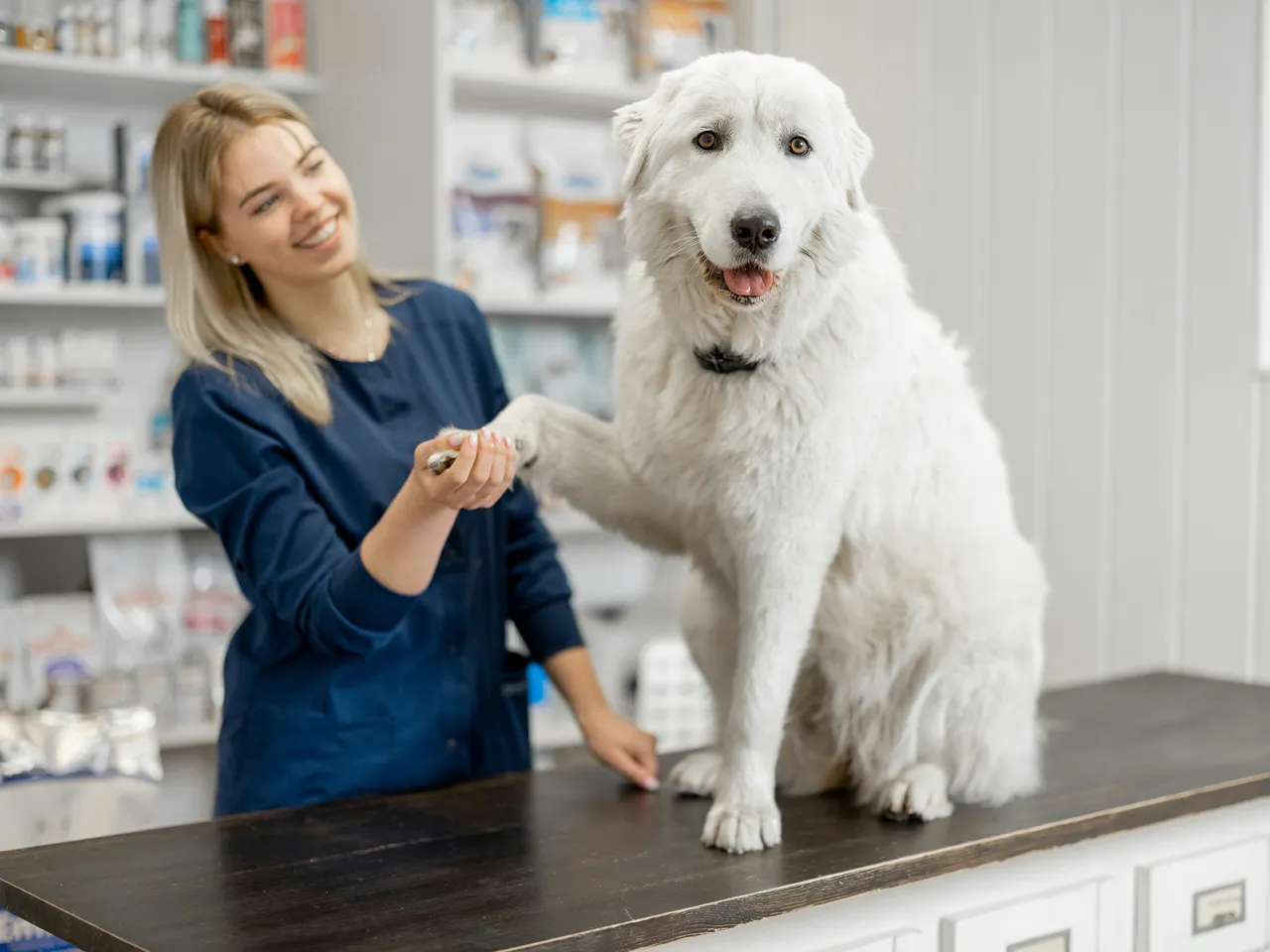
You may be wondering why your dog is slimming down — and whether it’s something serious. The following warning signs mean it’s time to take action and seek professional advice.
- Weight loss exceeding 10% body weight: If your dog has lost this much weight, it should never be ignored. Schedule an appointment with your vet promptly so the underlying cause can be investigated.
- Sudden appetite loss for days: A dog that refuses food for several days may drop weight suddenly, especially older pets that already have reduced body reserves.
- Vomiting or diarrhea: Ongoing digestive upset can cause your dog's weight to decline due to dehydration, nutrient loss, or underlying illness.
- Lethargy and decreased activity levels: When a Senior dog is rapidly losing weight and becomes less active, it may indicate pain, chronic disease, or metabolic problems requiring medical attention.
- Difficulty chewing or swallowing food: Trouble eating could indicate dental problems, oral pain, or throat issues that make it hard for your dog to get proper nutrition.
- Excessive thirst and urination changes: Drinking or urinating more than usual can be a sign of metabolic or organ issues — especially if it’s happening alongside weight loss.
- Visible ribs or hip bones: These physical changes suggest your dog is losing a significant amount of body condition and should be assessed by a veterinarian.
- Any weight loss over two weeks: Even gradual changes matter. If weight loss continues beyond this period, contact your vet right away to schedule an appointment for your dog.
If your dog is rapidly losing weight, seek veterinary care immediately. The situation becomes worse if your old dog also shows weakness, collapse, or sudden behavioural changes alongside weight loss.
How Vets Diagnose An Old Dog Losing Weight
To identify the underlying cause for the weight loss in senior dogs, veterinarians follow a careful and systematic diagnostic approach. When an older dog losing weight is evaluated early, it improves the chances of finding treatable conditions before they progress.
Complete Physical Examination and History
A thorough physical exam allows the vet to check for muscle wasting, dehydration, pain, or abnormal lumps. Your dog’s medical history, appetite changes, and behaviour are also reviewed to better understand the pattern of weight loss in a senior dog.
Blood Chemistry Panel and CBC
Blood tests help detect infections, anemia, organ dysfunction, and metabolic disorders. These results often provide the first clues explaining weight loss in a senior dog, especially when symptoms are subtle.
Urinalysis for Kidney Function Testing
Checking your dog’s urine helps assess kidney function and hydration — common concerns in older pets. Kidney disease is often a key factor when an older dog loses weight and also shows increased thirst or urination.
Thyroid Hormone Level Measurement
Hormone testing checks for thyroid imbalance that may affect metabolism and appetite. Identifying endocrine disorders helps determine whether hormonal changes are contributing to unexplained weight loss.
X-rays of Chest and Abdomen
Imaging allows veterinarians to look for tumours, organ enlargement, fluid buildup, or internal abnormalities not visible during a physical exam. These scans are especially important if a dog has lost a significant amount of weight rapidly.
Dental Examination Under Anesthesia
An oral exam done under anesthesia can show painful dental disease that is hidden below the gumline. When dogs lose weight for no apparent reason, treating their oral pain often makes them want to eat more.
Fecal Examination for Parasites
Even senior pets can carry intestinal parasites that interfere with nutrient absorption. A fecal test helps rule out parasites as a possible contributor to weight loss despite a normal appetite.
A full diagnostic workup helps veterinarians accurately pinpoint the cause of weight loss and create a targeted treatment plan tailored to your dog’s specific needs.
What to Do If Your Dog Is Losing Weight and Muscle Mass
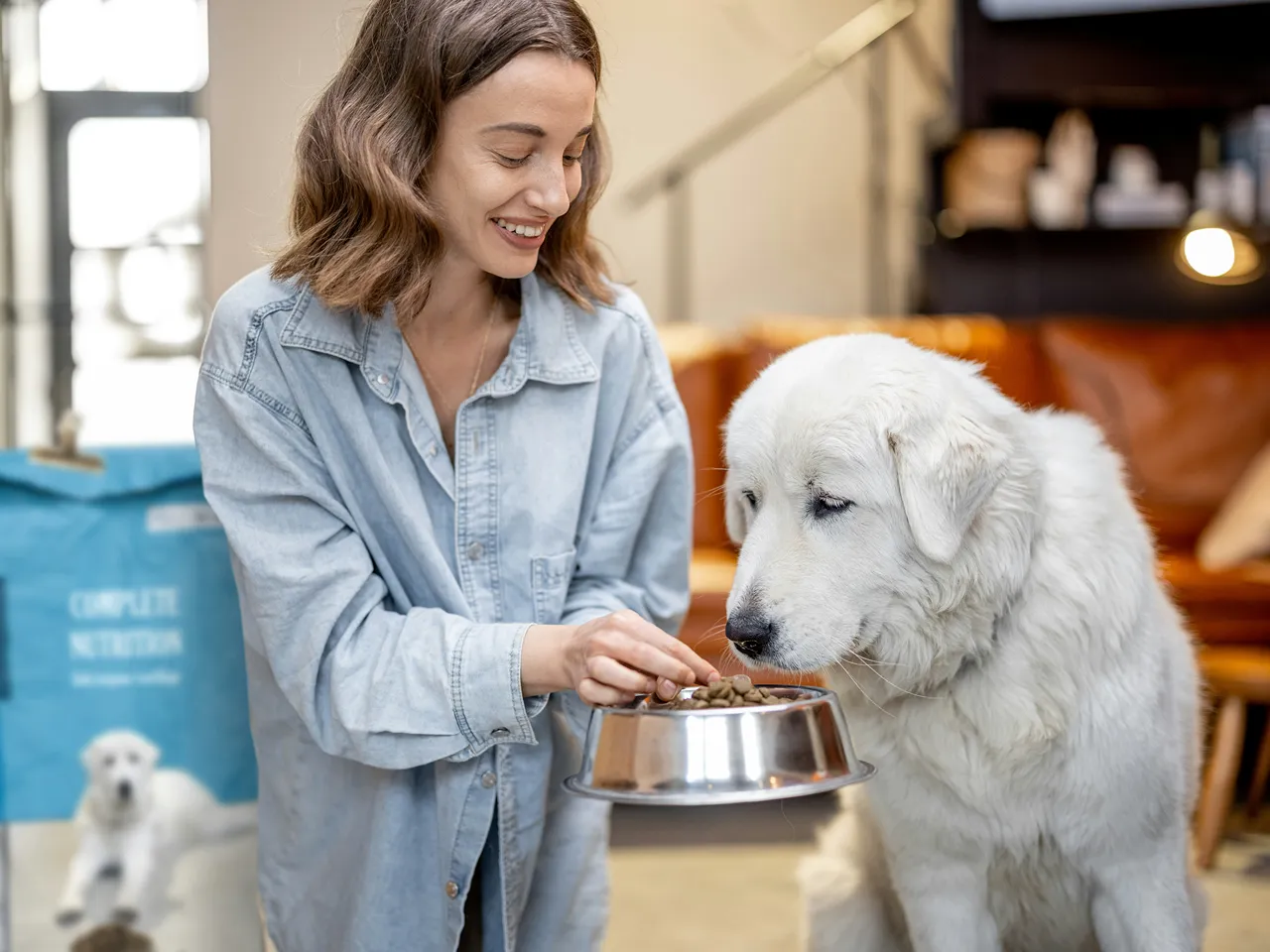
If your dog needs more calories or daily nutritional support, taking early and practical steps can help prevent further decline and support healthy recovery.
- Schedule Veterinary Consultation: If your dog begins to lose weight even without a clear reason, start with professional guidance. Early diagnosis helps get your senior dog the right treatment plan before the condition worsens.
- Keep an Eye on Your Dog's Daily Food Intake: Keep a close eye on how much you feed your dog each day. Changes in appetite can be small, and many owners don't notice that their pet is eating less until they lose a lot of weight.
- Weigh Dog Weekly: Weighing your dog every week can help you see if they are still losing weight even if their eating habits don't seem to have changed. This lets you act quickly.
- Provide High-Quality, Easily Digestible Food: Switching to nutrient-dense diets may support a senior dog to gain weight safely while improving digestion and helping maintain muscle mass.
- Offer Multiple Small Meals Daily: Smaller, more frequent meals can make it easier to feed an old dog, especially if appetite is reduced or energy levels are low.
- Always Having Access to Clean Water: Having constant access to clean water helps with metabolism, digestion, and overall health, all of which are important for gaining weight in a healthy way.
- Make Eating Calm and Stress-Free: Lowering noise, competition, or stress during meals can help dogs eat better, especially older dogs who are sensitive to stress or changes in routine.
Final Thoughts
In some cases, even healthy senior dogs may lose weight as they age, and while some dogs start to lose weight, they should not become underweight. Dogs tend to gain weight earlier in life, and many gain weight as they age. However, noticeable or ongoing weight loss should never be ignored, especially if it happens quickly or alongside other symptoms.
You can identify issues early by keeping an eye on your dog's behaviour, body condition, and appetite. Your veterinarian can suggest therapeutic diets or medications based on the underlying cause if you want to help your dog gain weight. This will help your pet stay well-nourished, comfortable, and healthy throughout their golden years.
Frequently Asked Questions
Why is my senior dog losing weight suddenly?
In older dogs, sudden weight loss may indicate underlying health issues that require medical attention.
Dental Disease: Your dog may eat less because chewing is uncomfortable due to painful teeth or gum infections.
Digestive Problems: Malabsorption or digestive issues hinder the effective absorption of nutrients.
Organ Dysfunction: Liver or kidney disease can change metabolism and decrease appetite, which can lead to weight loss.
Cancer or Tumours: Because cancer alters how the body uses energy, some older dogs lose weight even when they eat normally.
Stress and Environment: Weight loss and changes in appetite can be brought on by changes at home, such as getting a new pet or losing a friend.
What counts as significant weight loss in an older dog?
Early detection of substantial weight loss helps avoid major health issues.
Body Weight Percentage: It is deemed significant to lose more than 10% of body weight in a brief amount of time.
Visible Bones: A loss of body condition is indicated by the ribs, hips, or spine becoming noticeable.
Muscle Wasting: One important indicator is a noticeable thinning of the muscles, particularly in the hindquarters or along the spine.
Quick Appetite Shifts: Significant weight loss is frequently accompanied by abrupt dietary declines.
Behavioural Shifts: Serious weight loss may be accompanied by lethargy, weakness, or decreased activity.
How do vets diagnose an old dog losing weight?
To determine the reason behind unexplained weight loss, veterinarians employ a methodical approach.
Physical Exam & History: The veterinarian examines your dog's medical history and looks for signs of pain, dehydration, and muscle atrophy.
Blood tests: Chemistry panels and CBCs show organ problems, infections, or metabolic disorders.
Urinalysis: Tests for kidney function identify organ dysfunction early on.
Imaging & X-rays: Chest and abdominal imaging help identify tumours or organ abnormalities.
Dental & Fecal Exams: Oral exams and parasite checks uncover hidden causes of weight loss.
What can I do if my senior dog is losing weight gradually?
Even gradual weight loss should be monitored and addressed to support overall health.
Make an appointment for a veterinary consultation: Early assessment guarantees the diagnosis and treatment of underlying problems.
Monitor Food Intake: Track daily meals to detect subtle decreases in appetite.
Weigh Weekly: Weighing in on a regular basis enables you to identify small changes before they become significant.
Feed High-Quality Diets: Healthy weight maintenance is supported by nutrient-dense, readily digested food.
Several Small Meals: Consistent eating is encouraged by providing smaller portions throughout the day.
Can healthy senior dogs lose weight as they age?
While some weight loss may be normal, underweight conditions should never result from it.
Natural Muscle Loss: As they age, even healthy senior dogs gradually lose muscle mass.
Energy Changes: Decreased activity can affect hunger and prevent weight gain.
Minor Fat Reduction: There are no health risks associated with losing a small amount of body fat.
Frequent Monitoring: To identify issues early, keep an eye on your behaviour, appetite, and physical state.
Veterinarian Advice: If your dog suddenly begins to lose weight, your veterinarian can suggest safe measures.

