
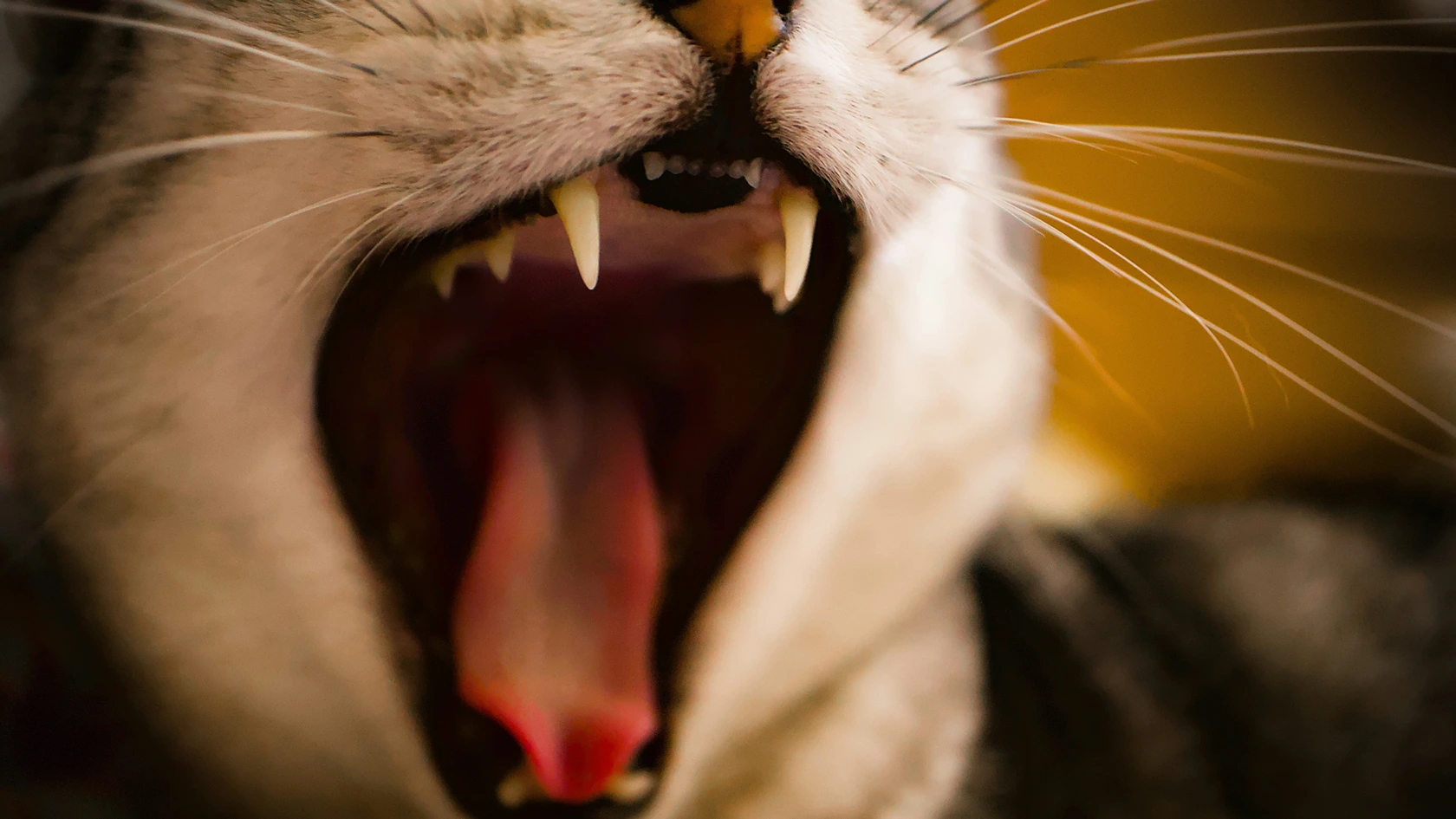

TL;DR: What You Need to Know About Stomatitis in Cats
- Early signs matter: Drooling, bad breath, and red gums are often the first clues—catching these early helps slow painful inflammation.
- More than mild irritation: Stomatitis affects the entire mouth, making eating and grooming uncomfortable and impacting overall well-being.
- Why it happens: An overactive immune response is the main driver, with dental disease, viruses, and stress contributing to flare-ups.
- How vets diagnose it: Oral exams, dental X-rays, and blood tests reveal the severity and uncover underlying triggers.
- Treatment that helps: Anti-inflammatories, pain control, targeted antibiotics, and—when needed—partial or full-mouth extractions offer lasting relief.
- Prevention supports comfort: Routine dental checkups and simple at-home care help reduce flare-ups and protect long-term oral health.
Have concerns about your cat’s mouth? Schedule a vet visit today to get answers, pain relief options, and a personalized plan for better comfort.
Confused why some cats suddenly struggle to eat, drool excessively, or become unusually sensitive when you touch their mouths? These troubling changes can point to stomatitis, a severe inflammatory condition that affects a cat’s entire oral cavity and can make even the simplest chewing or grooming painful for them.
Although the condition may seem mysterious, knowing what triggers it and how it progresses can make a difference in getting your cat the care they need. In this post, we’ll explore stomatitis in cats, what usually causes it, the signs to watch for, how vets diagnose it, and the treatment options that can help manage this tricky condition.
What is Stomatitis in Cats?
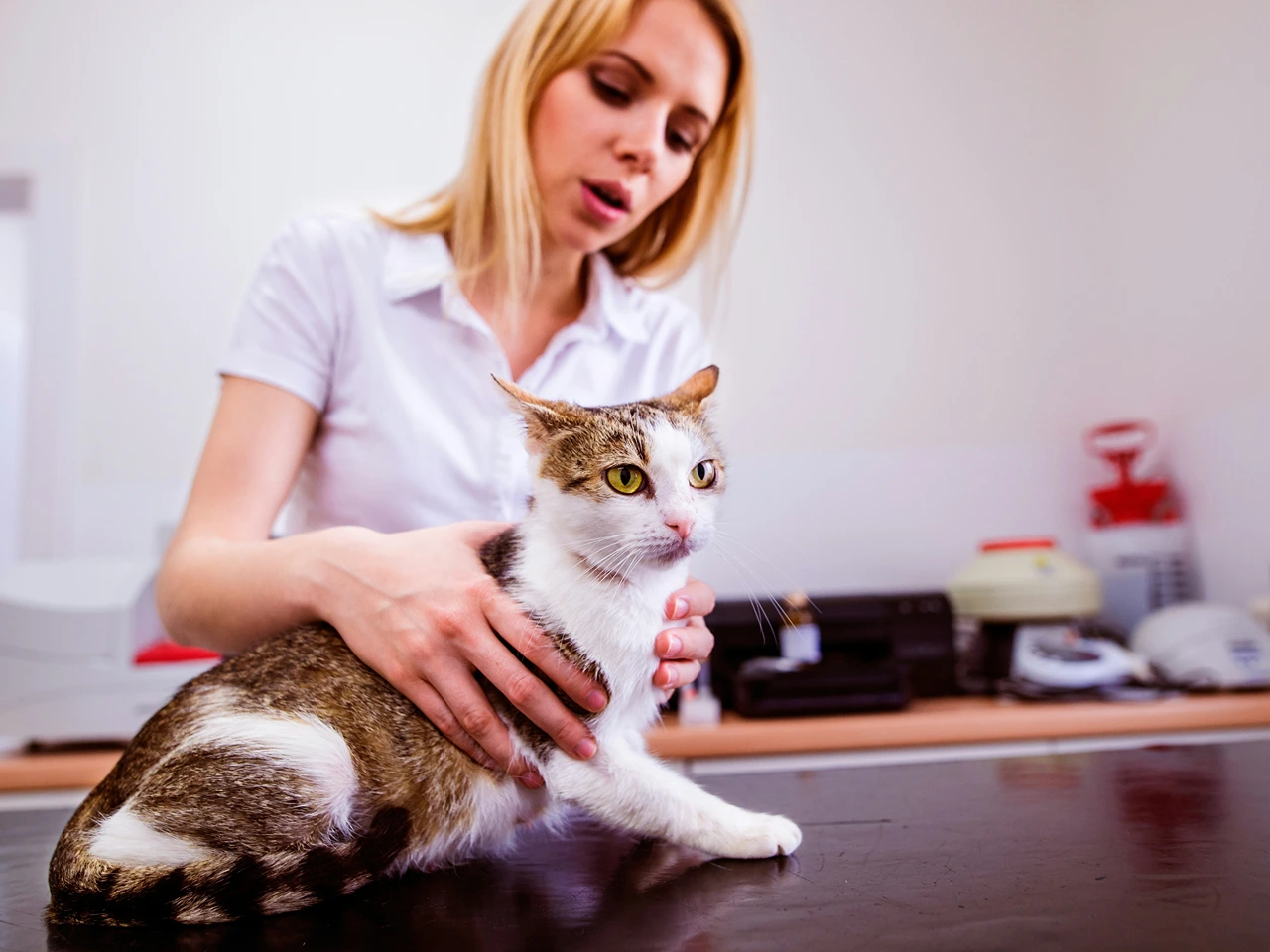
Stomatitis refers to a severe form of oral disease that involves widespread inflammation of the mucous membranes inside the cat’s mouth. This condition goes beyond typical gum irritation, stomatitis is a painful disorder that affects multiple areas, including the cheeks, tongue, and even the back of the mouth, leading to generalized inflammation that significantly disrupts daily comfort.
While gingivitis is a medical term that describes early inflammation of the gums, stomatitis is much more advanced. Gingivitis may be caused by mild irritation or dental plaque, but stomatitis is often a painful condition that indicates the inflammation of the entire mouth, not just isolated gum tissue.
Commonly affected cats experience inflammation that can extend deep around each tooth, making routine behaviours like eating or grooming difficult. This condition severely impacts quality of life, cats often withdraw, hide, or refuse meals because even small movements cause discomfort. Without proper dental care, disease in cats like stomatitis may progress and lead to long-term complications.
What Causes Stomatitis in Cats?
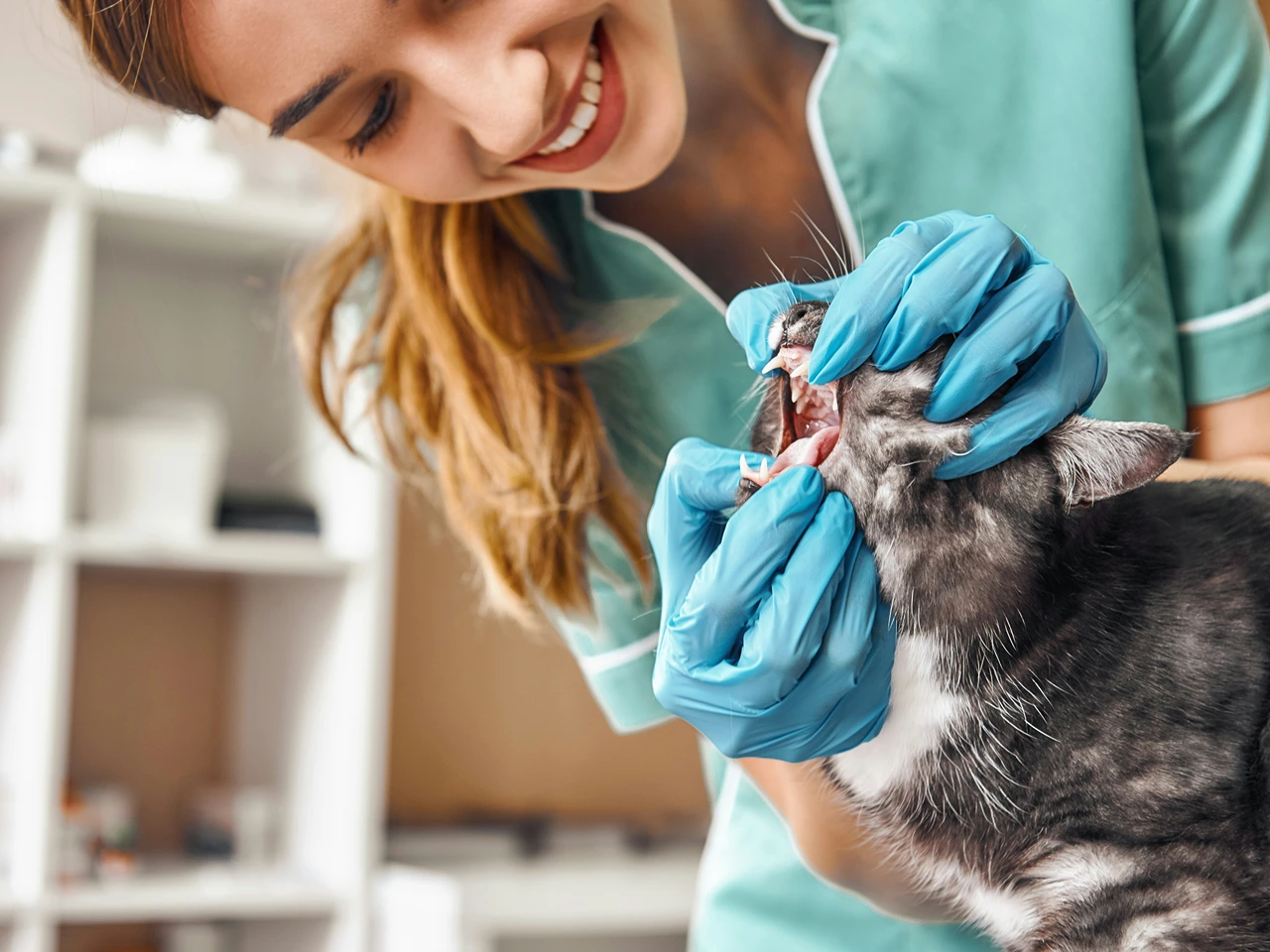
The cause of stomatitis is multifactorial, and most cases stem from an abnormal immune response. When the body begins to affect the immune system inappropriately, inflammation in the mouth escalates, attacking tissues that should normally be harmless. This is why the cause of feline stomatitis can differ from one cat to another.
Immune Dysfunction
The immune system overreacts to normal oral bacteria, leading to severe inflammation and unnecessary tissue damage. This exaggerated response is one of the most common drivers behind the cause of stomatitis in domesticated cats.
Viral Infections
Conditions such as feline immunodeficiency virus, feline leukemia virus, and calicivirus—the virus that causes painful oral ulcers—can weaken defences and make cats more susceptible to chronic inflammation.
Dental Disease
Long-term plaque buildup, bacterial overgrowth, and periodontal disease can irritate the gums and soft tissues. Over time, this persistent irritation can trigger the development of stomatitis or worsen an existing condition.
Genetic Predisposition
Some domesticated cats appear genetically inclined to develop stomatitis, especially certain purebred lines known for stronger inflammatory reactions.
Environmental Factors
Stress, inadequate oral hygiene, or underlying illness can heighten the body’s inflammatory response. These factors don’t cause stomatitis alone but can significantly influence how the condition progresses.
Because multiple triggers can interact at once, the cause of feline stomatitis varies widely. This is why veterinarians evaluate several possible contributors before recommending an appropriate and effective treatment plan.
Symptoms of Stomatitis in Cats

You can often recognize cats with stomatitis by their visible discomfort and changes in normal habits. These signs usually become more noticeable as inflammation of the mouth worsens:
- Drooling and bad breath: Excess saliva and bad breath are early red flags, often caused by irritated tissues and ongoing gum damage.
- Difficulty eating and weight loss: Cats with stomatitis often hesitate to eat because even light oral contact can be painful, eventually leading to reduced food intake and unintended weight loss.
- Red, swollen gums: pronounced redness and inflamed gums indicate active inflammation and are among the most common visual clues.
- Pawing at the mouth: As discomfort increases, cats become frustrated and may scratch or paw at their mouth in an attempt to relieve irritation.
- Visible mouth ulcers: Painful lesions can appear on the inner cheeks, tongue, or gums, sometimes bleeding when touched or during eating.
- Bleeding gums: As inflammation of the mouth progresses, the tissues weaken, making the gums more prone to bleeding.
- Reluctance to eat hard food: Many cats avoid crunchy kibble because chewing intensifies the pain from swollen tissues and ulcerated areas.
If your cat shows any of these symptoms, it’s important to contact your veterinarian promptly for an accurate diagnosis and proper care.
How Vets Diagnose and Treat Stomatitis in Cats
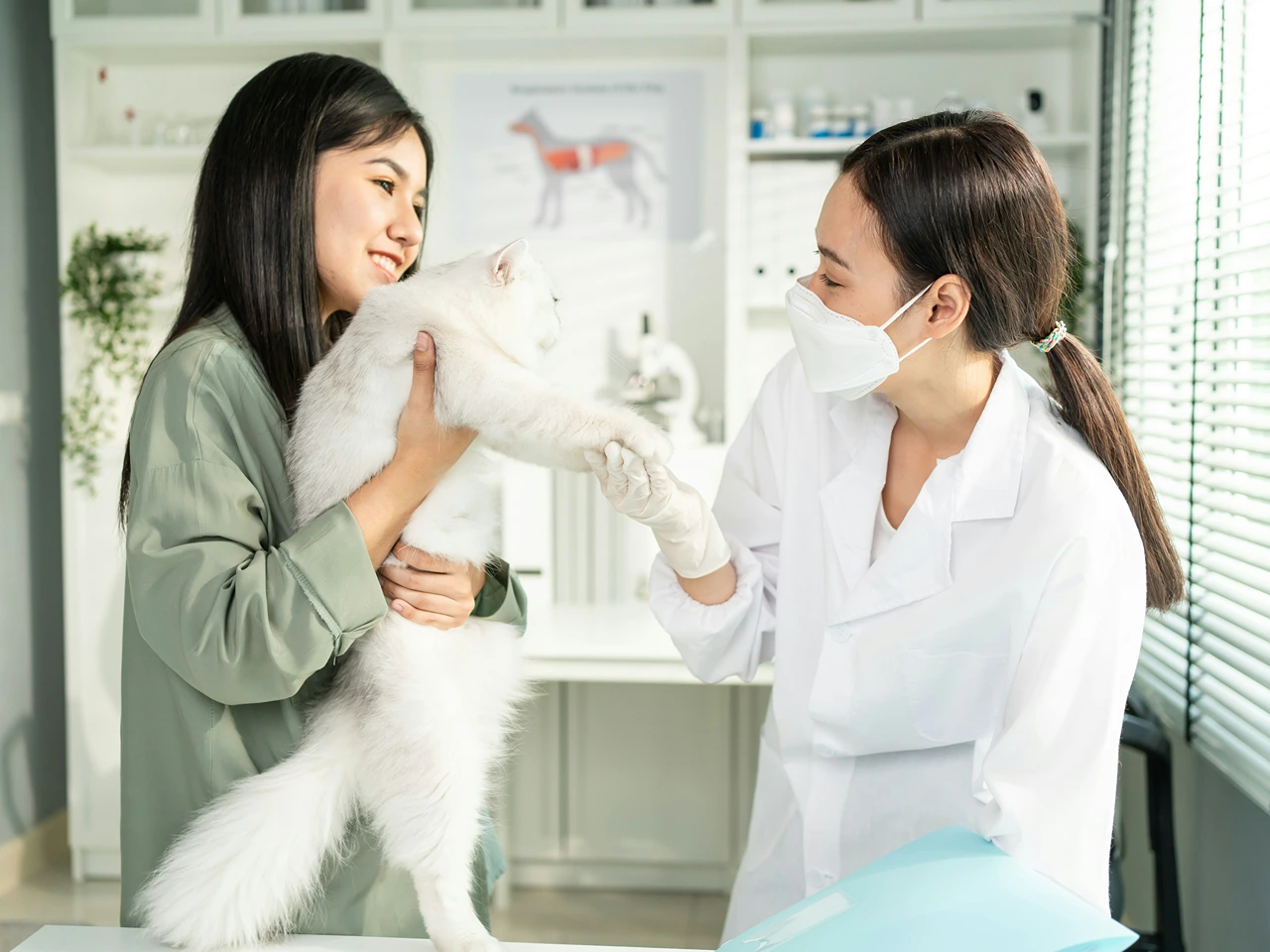
When you bring your cat to the vet, the check-up starts with a careful oral exam to look for inflammation, lesions, and overall mouth health. Dental X-rays are often needed to identify deeper problems, such as tooth resorption, infection, or hidden dental disease that could worsen inflammation. In some cases, additional tests—like blood panels or a biopsy—help confirm underlying causes and rule out infections, including virus and feline conditions that may contribute to the issue.
Medical Treatment Options
Once a diagnosis is confirmed, the treatment of stomatitis focuses on reducing inflammation, controlling pain, and keeping your cat as comfortable as possible:
- Anti-inflammatory medications: These help calm the excessive immune reactions behind the disease and reduce the painful swelling in the mouth.
- Pain management: Essential for cats suffering from stomatitis, since even routine chewing or grooming can be uncomfortable.
- Antibiotics when needed: An antibiotic may be prescribed if there are signs of a secondary bacterial infection complicating the condition.
- Immunosuppressive therapy: Used to help calm abnormal immune responses that cause stomatitis, providing relief when inflammation keeps coming back.
Surgical Options
Some cats are affected so severely that medical therapy alone can’t control the inflammation. In these advanced cases, veterinary dental specialists may recommend surgery:
- Full-mouth extraction: A complete oral solution that removes all teeth, eliminating the surfaces that fuel the immune reaction and providing long-term relief.
- Partial tooth extraction: Targets specific diseased teeth, using precise tooth extraction procedures to remove the areas with the most intense inflammation.
These procedures may seem overwhelming, but many cats recover remarkably well and enjoy a much better quality of life afterward. The prognosis for stomatitis varies depending on the severity of the disease and how well each cat responds to treatment, but extraction-based therapy remains one of the most effective long-term options.
How to Prevent Feline Stomatitis
While prevention can’t be guaranteed, consistent at-home care and professional monitoring can reduce flare-ups or slow the progression of oral disease.
- Regular dental check-ups: Scheduling routine dental visits helps your vet spot early changes before a full stomatitis flare develops, allowing quicker and more effective management.
- Daily oral hygiene practices: Incorporating gentle habits, including tooth brushing, proper brushing techniques, and simple at-home routines, helps control bacteria and maintain healthier tissues. Even small efforts to brush regularly can make a meaningful difference.
- Appropriate diet choices: Providing foods that support gum and tissue health can complement teeth cleaning efforts and reduce irritation that may worsen inflammation over time.
- Early intervention strategies: Addressing minor redness, inflammation, or changes in eating behaviour early can prevent dental issues from progressing into more severe disease.
- Importance of regular vet visits: If your cat is at higher risk, your veterinarian may recommend more frequent exams, dental cleanings, or professional guidance to help maintain long-term oral health.
- Monitoring oral health at home: Keep an eye on your cat’s behaviour, appetite, and mouth appearance so you can seek help quickly if you notice swelling, pain, or signs of irritation.
Consistent at-home care, professional teeth cleaning, and routine monitoring can significantly lower the risk of developing stomatitis or reduce flare-ups in affected cats. With steady dental support and prompt attention, you can help manage symptoms and improve comfort for cats living with this condition.
Final Thoughts
Stomatitis can be tough and really frustrating to deal with, but understanding how it happens and how to treat it can make caring for your cat a lot less stressful. Catching it early, getting the right vet care, and sticking to a good at-home routine can bring your cat relief and help them feel a whole lot more comfortable and happy. While every case is unique, partnering closely with your veterinarian ensures your cat receives the right combination of medical management, dental care, and long-term monitoring.
Staying attentive to subtle changes in eating habits, behaviour, or oral comfort can help you act quickly and protect your cat from unnecessary pain. With the right care, comfort and healing are absolutely possible.
Frequently Asked Questions
What are the early signs of stomatitis in cats?
Early signs often appear as mouth discomfort that gradually worsens and affects eating and grooming.
Painful Oral Changes: Cats may show drooling, bad breath, and red gums, which are common in cats experiencing early inflammation.
Behavioural Discomfort: You might notice your cat withdrawing or acting irritated because feline stomatitis may cause severe mouth pain.
Gum Involvement: Early symptoms often involve the gums, causing noticeable swelling and sensitivity during meals.
Link to Gingivitis: The earliest stage may look like mild gum redness before progressing.
When to Seek Help: If symptoms appear suddenly or worsen, it’s best to bring your cat to a veterinary professional for evaluation.
What are the major causes of feline stomatitis and why does it develop?
Stomatitis often develops when multiple triggers combine to create an exaggerated inflammatory response.
Immune System Overreaction: An abnormal immune response is highly influential, especially since stomatitis is a severe inflammatory condition.
Viral Triggers: Viruses like FeLV and FIV can worsen oral inflammation, and stomatitis or feline infections may intensify symptoms.
Dental Disease Factors: Long-term plaque and bacterial irritation often worsen oral inflammation because the condition refers to inflammation throughout the mouth.
Genetic & Environmental Elements: Some cats react strongly to irritants due to predispositions.
Interaction of Multiple Causes: Since triggers vary greatly, understanding them helps vets manage the disease more effectively for long-term comfort.
When should I take my cat to a veterinarian for stomatitis concerns?
You should consult a vet at the first signs of pain, inflammation, or difficulty eating.
Visible Mouth Irritation: Redness, ulcers, or swelling strongly indicate the need to see a professional with experience in oral health.
Persistent Gum Issues: If you notice ongoing redness, remember that gingivitis may be the first warning sign requiring attention.
Declining Appetite or Weight Loss: Difficulty chewing or refusing food is a reliable cue that it’s time to diagnose stomatitis with a vet.
Behavioural Red Flags: Hiding, pawing at the mouth, or irritability point toward a worsening condition that is common in cats with oral disease.
Early Professional Intervention: Prompt care ensures accurate diagnosis and treatment, reducing pain and preventing complications.
How do vets diagnose stomatitis and confirm its severity?
Vets rely on oral exams, imaging, and laboratory testing to identify the extent of inflammation.
Comprehensive Oral Examination: A vet checks for lesions, swelling, and dental disease, since feline stomatitis may present with widespread irritation.
Dental X-rays: X-rays reveal damage beneath the gumline and involve the gums in assessing deeper inflammation.
Blood Work & Diagnostic Tests: Testing helps rule out viral infections, and stomatitis is a condition that benefits from thorough evaluation.
Biopsy in Complex Cases: Tissue samples may be collected when mouth disease affects multiple tissues.
Expert Clinical Judgment: Accurate assessment comes from professionals skilled in oral pathology.
How is stomatitis treated, and how do I help my cat manage the disease long-term?
Treatment focuses on reducing pain, controlling inflammation, and improving long-term quality of life.
Medical Therapy: Anti-inflammatories, pain relief, and targeted medications help reduce discomfort as part of diagnosis and treatment care.
Antibiotics & Immune Modulation: When needed, medications address bacterial factors since stomatitis or feline immune reactions often worsen symptoms.
Surgical Options: Partial or full-mouth extractions are used when gingivitis has advanced into severe stomatitis.
Home Care Routine: Daily monitoring and gentle oral care help control flare-ups and support progress that is common in cats recovering.
Regular Professional Monitoring: Frequent checkups with a veterinarian ensure early detection of changes and help manage the disease effectively over time.

