
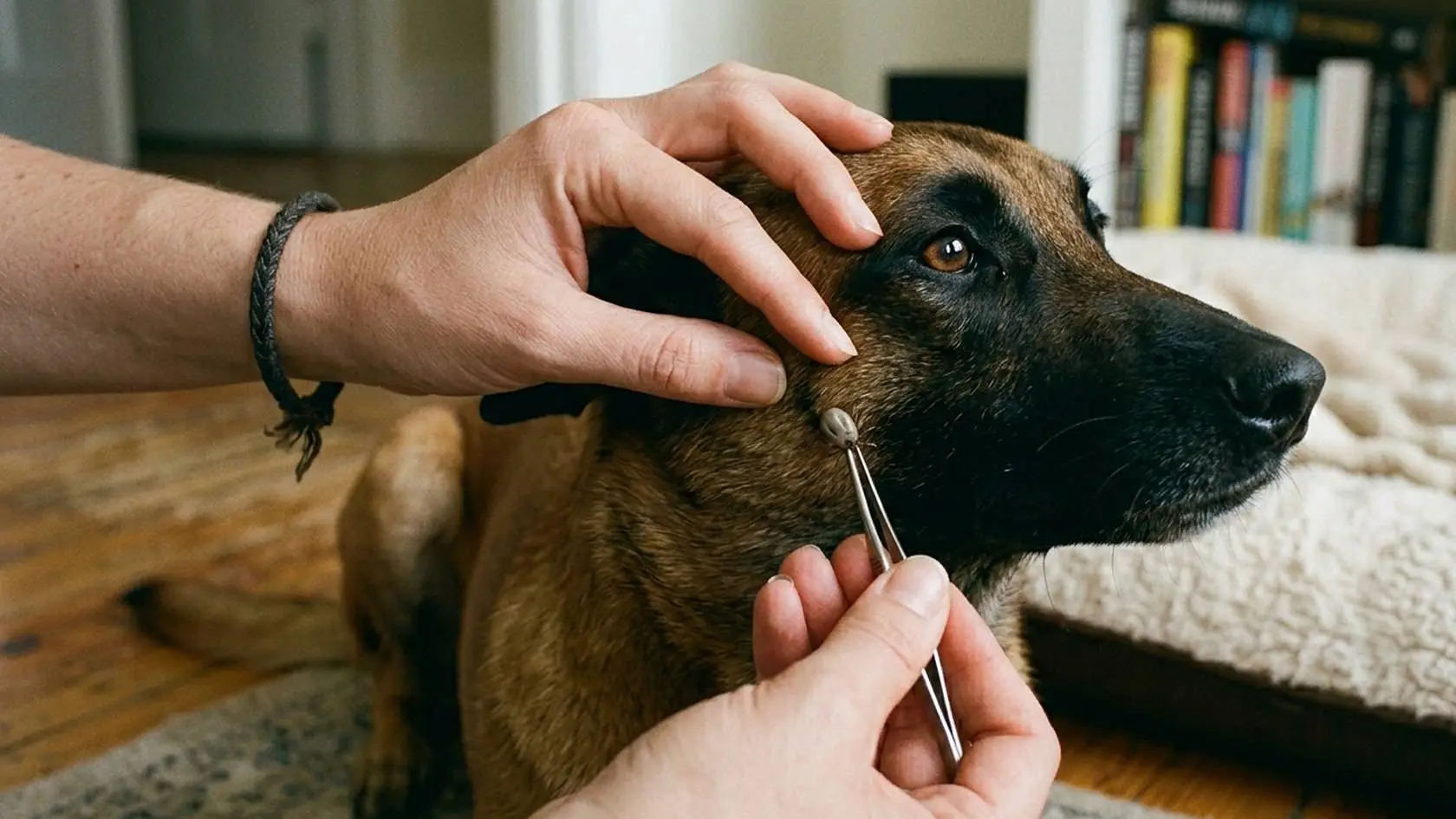

TL;DR: Lyme Disease in Dogs
- Lyme disease in dogs is a tick-borne infection caused by blacklegged ticks that transmit bacteria during feeding.
- Early signs can be easy to miss and may show up weeks to months after infection, sometimes around 2-5 months later.
- Common signs include low energy, shifting lameness, fever, and swollen lymph nodes.
- A veterinarian confirms it through tests like antibody testing or polymerase chain reaction.
- Treatment usually involves antibiotic treatment like doxycycline and a full course of antibiotics.
- If left untreated, the disease may slowly affect overall health.
- In more serious cases, it can affect the kidneys and lead to kidney disease called Lyme nephritis.
- Prevention is about reducing exposure to ticks, removing the tick quickly, and using topical preventives.
- Vaccination may help lower risk, especially for dogs vaccinated against Lyme disease or considered for Lyme vaccination.
- Puppies at 12 weeks of age may be considered for vaccination based on veterinary advice.
If something seems off or you notice possible signs of Lyme disease after tick exposure, it’s best to contact us right away. Our compassionate veterinarians are here to help your dog get proper care and start feeling better as soon as possible.
Have you ever come back from a walk in wooded areas or tall grasses and suddenly wondered if your dog might have picked up a tick? It is one of those small worries that many dog owners think about during flea and tick season, especially in warm months in Toronto. Blacklegged ticks, also known as deer ticks, can carry Borrelia burgdorferi, the bacteria that cause Lyme disease.
What makes it a bit unsettling is that you do not always notice anything right away. Clinical signs like lameness, swollen lymph nodes, or your dog just acting a little “off” can show up later after an infected tick bite. A veterinarian usually has to step in to diagnose Lyme disease, often through antibody testing or other veterinary checks, especially if a dog tests positive for Lyme disease.
That is why people talk so much about vaccination against Lyme disease, control and prevention, and just being extra careful during tick season. If you have ever found a tick on your dog or worried about their exposure to ticks after a walk, you are definitely not alone. Read on to learn what to watch for and how to better protect your pets.
How Dogs Get Lyme Disease: Causes and Tick Exposure
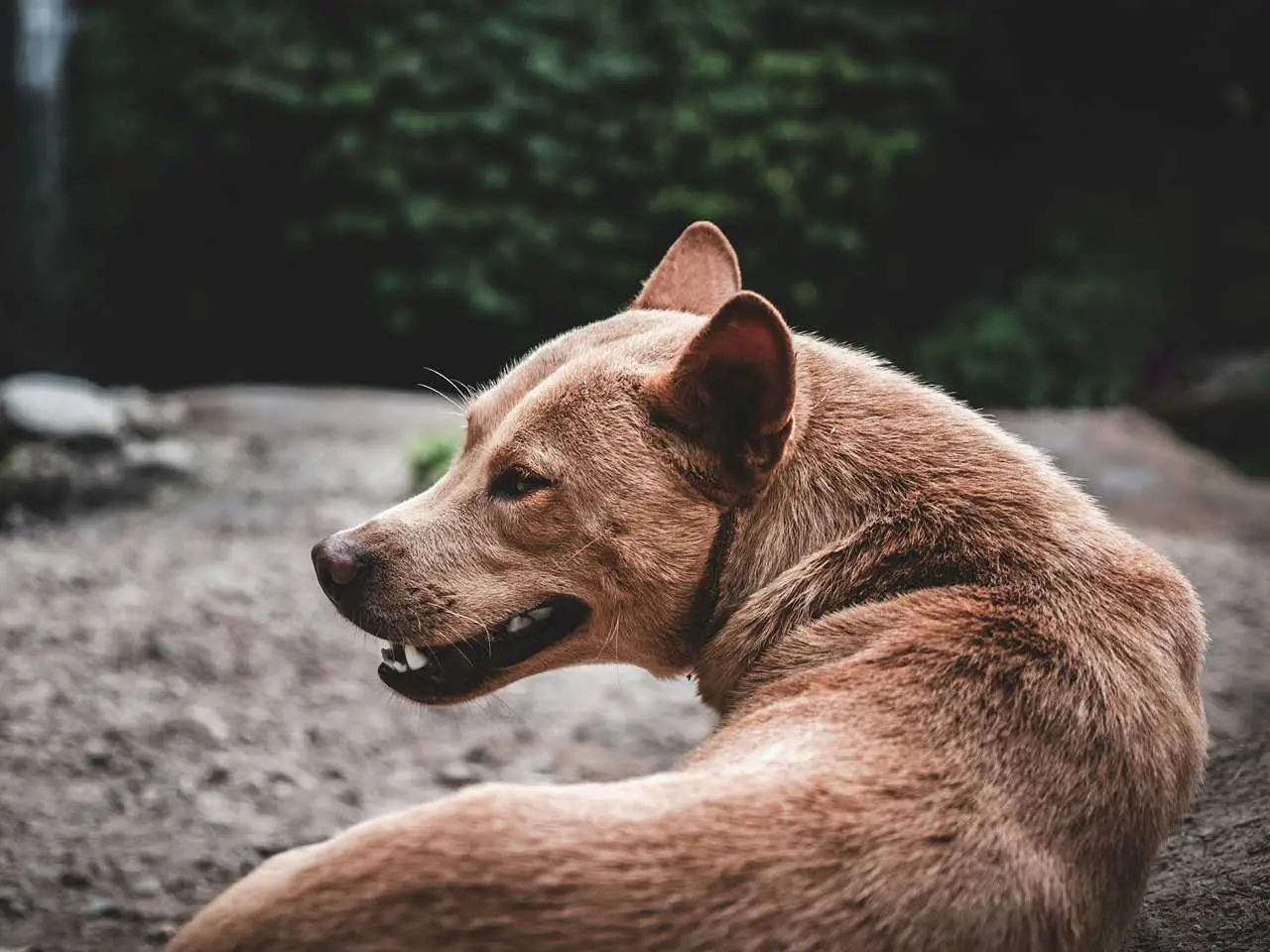
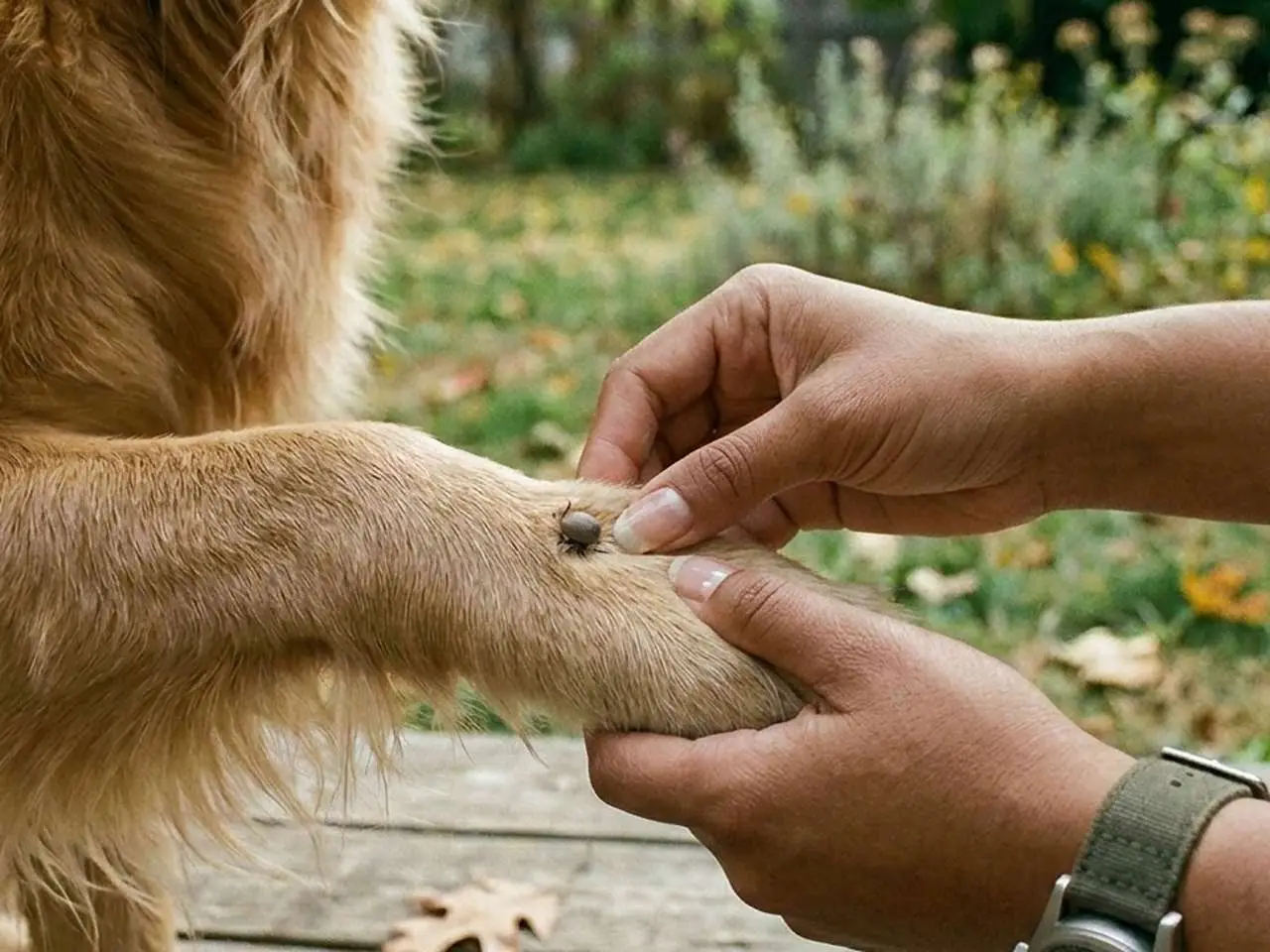
Lyme disease in dogs usually starts in a pretty simple way: an infected tick attaches and feeds on the blood of humans and animals. During that feeding, bacteria can be transmitted, which is how Lyme disease infection begins. It is one of those tick-borne diseases, like Lyme disease, that shows up more in places where ticks are active.
How exposure usually happens
Most of the time, it is not something dramatic, just normal outdoor time where dogs and cats can pick up ticks without anyone noticing. Ticks tend to be more common in certain environments, so exposure can happen more easily than expected. Lyme disease is prevalent in these areas where tick populations are well established.
- Infected ticks feed on the blood of humans and animals.
- Transmission happens while the tick is actively feeding.
- Exposure can occur during regular outdoor activity.
- Dogs and cats can pick up ticks without it being noticed right away.
- Lyme disease is prevalent in areas where ticks naturally live.
Signs and Symptoms of Lyme Disease in Dogs You Should Watch For
This is one of those conditions that can really catch people off guard because Lyme disease can be difficult to notice early in infected dogs. Signs often show up slowly and may appear 2-5 months after infection. In some cases of Lyme disease, it can start affecting animal health and overall health without anything obvious at first.
Shifting Lameness
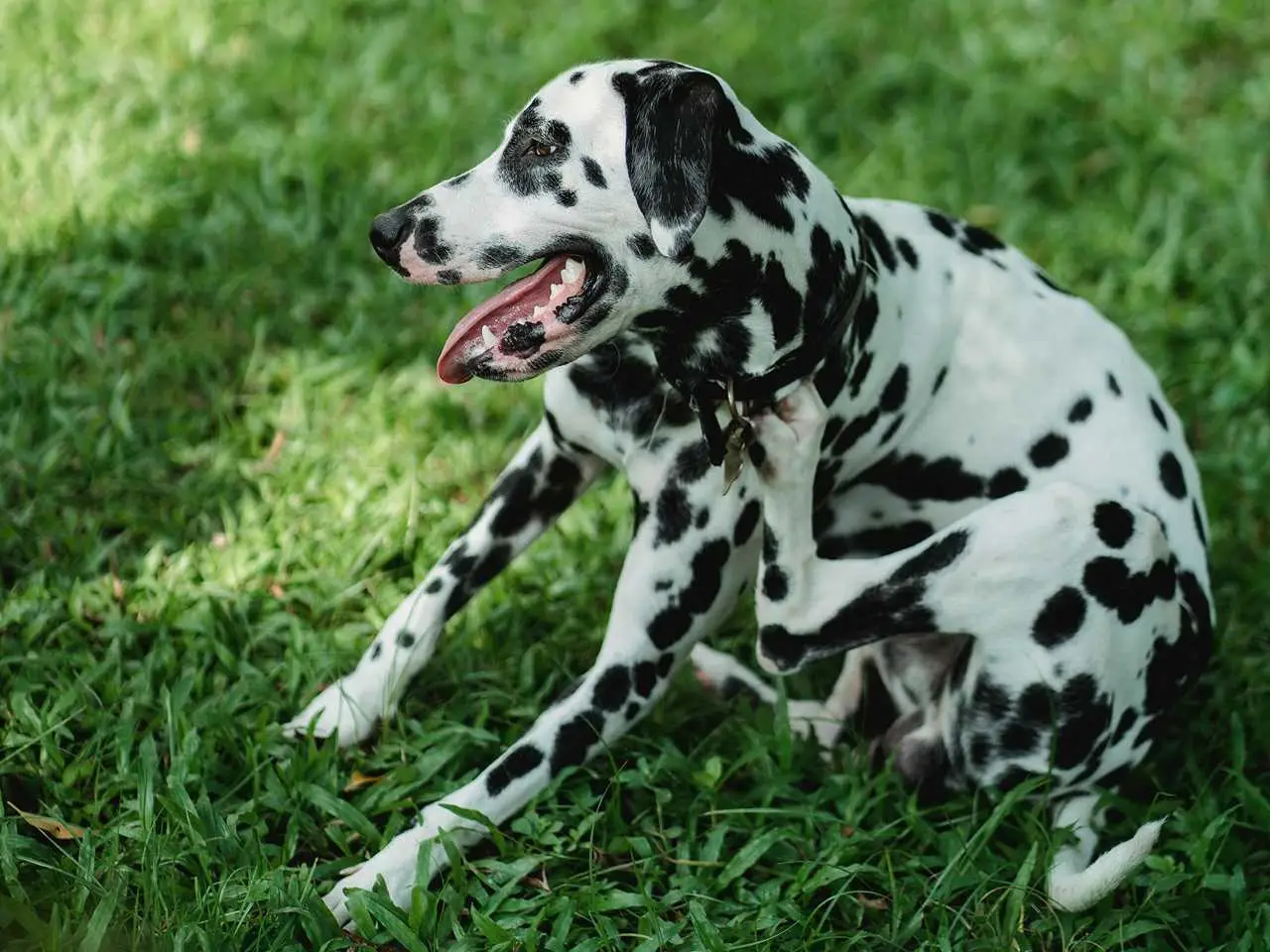
One thing that really confuses people is when the limping keeps moving around. It might be one leg today, another leg tomorrow. That shifting pattern is something seen in infected dogs and can make Lyme disease diagnosis tricky.
- Limping that changes legs.
- Uneven walking or posture.
- Comes and goes instead of staying constant.
Reduced Energy and Activity
It often begins subtly, such as a dog showing less energy than usual. They may seem uninterested in moving around or doing their normal activities. Over time, these changes become more noticeable in their daily routine.
- Less energy during usual activities.
- Not as interested in play or walks.
- Spending more time resting.
Stiffness After Rest
Some dogs look fine lying down, but struggle a bit when they get up. After a short walk, they usually loosen up again. It can feel like something “off,” but it is not always easy to pinpoint.
- Slow movement after resting.
- Stiff joints when first standing.
- Gradual improvement with activity.
Fever
At times, infected dogs may develop a fever as the body reacts to the infection. It can come with that tired, low-energy feeling. It may not always stay consistent.
- Higher than normal body temperature.
- General tiredness or sluggishness.
- Less interest in normal activity.
Swollen Lymph Nodes
Sometimes the body reacts in ways you can actually feel during a check. Lymph nodes may become swollen as the disease affects internal systems. A vet usually notices this during an exam.
- Swelling under the skin.
- Firm areas around the neck or joints.
- Possible tenderness when touched.
Reduced Appetite
It is also common for dogs to just not feel like eating much. It can be subtle at first, like leaving a bit of food behind. Over time, it becomes more noticeable.
- Eating less than usual.
- Hesitating during meals.
- Irregular appetite.
Weight Changes
When it goes on for a while, some dogs may slowly lose weight. It is not always sudden, but more of a gradual change. People often notice it when comparing over weeks or months after infection.
- Gradual weight loss.
- Less muscle condition.
- Slow physical change over time.
Behavioural Changes
Sometimes the first clue is not physical but behavioural. Dogs may seem quieter or less interested in interaction than usual. It can feel like their “spark” is a bit lower.
- Less interest in attention or play.
- More withdrawn behaviour.
- Lower engagement overall.
Sensitivity or Discomfort
Some dogs become a bit more sensitive when moving or being touched. It is not always severe pain, just a noticeable hesitation. It can vary from day to day.
- Slight hesitation during movement.
- Mild, unusual reaction when handled.
- Uneasy posture at times.
Symptoms That Come and Go
One frustrating part is how unpredictable it can be. A dog might seem fine today, then show signs again later. That back-and-forth pattern is something many dog owners notice in infected dogs.
- Signs that appear and disappear.
- Fluctuating intensity over time.
- Normal days mixed with symptomatic days.
Treatment Options for Lyme Disease in Dogs
This is usually the part where things start to feel more manageable once a dog is diagnosed with Lyme disease, but it is important to be clear that there is no effective home remedy for this condition. The focus is on helping infected dogs recover, easing discomfort, and protecting overall health, especially when Lyme disease is affecting the kidneys and the body. What matters most is starting ongoing treatment early so things do not get worse if left untreated.
Antibiotic Treatment
Most of the time, treatment starts with antibiotic treatment to help clear the infection. Doxycycline is commonly used as part of a course of antibiotics, and it needs to be given consistently, even if the dog starts looking better quickly. It is one of those situations where finishing the full course really matters.
- Doxycycline is commonly used as an antibiotic.
- A full course of antibiotics is usually required.
- Stopping early can affect recovery if left untreated.
- Other antibiotic options may be used depending on the case.
Pain and Supportive Care
Some dogs do not just deal with infection; they also feel stiff or uncomfortable while recovering. Supportive care helps them feel more like themselves again while antibiotic treatment does its job. It is all about keeping them comfortable day to day.
- Helps ease joint and body discomfort.
- Often used alongside antibiotic treatment.
- Supports movement and daily activity.
- Part of ongoing treatment while recovery happens.
Kidney-Related Complications
In more serious situations, the disease may affect the kidneys and lead to kidney disease called Lyme nephritis. This is a rare but serious form of the disease that affects the kidneys and can impact overall health. When this happens, care becomes more intensive and closely monitored.
- The disease may progress to kidney disease in severe cases.
- A type of kidney disease called Lyme nephritis can develop.
- Kidney function needs close monitoring.
- It can seriously affect overall health if advanced.
Monitoring and Follow-Up
Even after starting treatment, regular checks are important to make sure things are improving. A polymerase chain reaction test may sometimes be used as part of Lyme disease diagnosis or follow-up. It helps track how the infection is responding over time.
- Follow-up visits to monitor progress.
- Polymerase chain reaction may support diagnosis.
- Checks help confirm response to antibiotic therapy.
- Ongoing evaluation during treatment.
Prevention and Future Protection
After treatment, there is always a focus on reducing the chance of it happening again. The best way to protect is to reduce the dog’s exposure to ticks and be consistent with prevention. Lyme vaccination may also be discussed depending on risk, especially for dogs that travel to areas where ticks are common.
- A vaccine against Lyme disease may help prevent Lyme disease.
- Vaccinate dogs based on veterinary guidance.
- Topical (spot-on) preventives like Bravecto® can reduce tick risk.
- Remove the tick quickly if one is found.
- Important for dogs that travel to higher-risk areas.
Tips to Protect Your Pets During Flea and Tick Season

This is one of those things that feels small day to day, but it really adds up when it comes to keeping pets safe during flea and tick season. A lot of it is just building simple habits at home and after walks. It is really about staying consistent and paying attention to little details.
- Check pets properly after outdoor walks, especially ears, neck, under legs, and between toes.
- Remove the tick right away if one is found.
- Try to avoid tall grass, thick bushes, and wooded areas when possible.
- Keep yards trimmed and clean to reduce hiding spots.
- Use vet-recommended protection like topical treatments.
- Stick to a regular prevention routine during flea and tick season.
- Limit exposure or time in areas where ticks are commonly found or present.
- Check bedding and sleeping areas at home from time to time.
- Wash pet bedding regularly to help reduce exposure.
- Groom pets often, so ticks are easier to spot early.
- Talk with a vet about options so pets can be vaccinated against Lyme disease.
- Puppies at 12 weeks of age may be considered for vaccination depending on veterinary guidance.
Final Thoughts
Lyme disease in dogs is one of those things that can really sneak up on you during the warm months in Toronto, especially after those usual walks where everything looks totally normal at first. The tricky part is that signs do not always show up right away, so it can feel like nothing is wrong for weeks before anything changes.
That is why it helps to get a vet involved early if something feels even slightly off, instead of just hoping it goes away. Most dogs do really well when it is caught and treated early, but it can become more serious if it is ignored for too long.
It also makes you a bit more mindful after walks in grassy or wooded areas, just because that is where exposure tends to happen. Paying attention to small changes and acting early can make a big difference for a dog’s comfort and health.
Frequently Asked Questions
Can a dog get Lyme disease even if it only goes on short walks?
Yes, it can still happen even with short walks, which honestly surprises a lot of people at first. It is less about how long the dog is outside and more about whether ticks are around in that environment at the time.
Outdoor exposure: Even quick walks can bring dogs into grassy or natural spots where ticks are active without you really noticing.
Hidden contact: Ticks can attach quietly while a dog is sniffing around or just moving normally, so it is easy to miss.
Environment matters: Parks, grass, and trails can still carry risk depending on the season and environmental conditions.
Not always obvious: There is usually no immediate sign after exposure, which makes it harder to spot early.
Stay observant: A quick check after walks can help you feel more at ease and catch anything unusual sooner.
Why is Lyme disease in dogs often missed at first?
This is one of those things that can be easy to overlook because dogs often do not look “sick” right away. The early signs can be so mild that they just blend into normal behaviour.
Slow development: Changes can build up slowly over time, so it does not feel sudden or alarming at first.
Subtle signs: It might just look like a bit more tiredness or slight stiffness that seems normal at first.
Variable pattern: Some days look fine; other days feel a bit off, which makes it confusing to track.
Normal behaviour: Many dogs still eat, play, and act like themselves even while something is going on.
Delayed awareness: Most people only notice something is wrong once the changes become more consistent or obvious.
Can Lyme disease in dogs go away without treatment?
No, it is not something that reliably clears on its own, even if things seem to improve for a bit. That temporary “better” phase can be misleading and give a false sense that everything is fine.
Needs treatment: A vet is really needed to properly manage and clear the infection.
False improvement: Symptoms can ease for a while, but that does not always mean the problem is gone.
Ongoing infection: The bacteria can still stay in the body and continue affecting health over time.
Health impact: If it is ignored, it can slowly turn into something more serious later on.
Vet guidance: Getting proper care early makes things a lot more manageable in the long run.
Are all dogs equally at risk for Lyme disease?
Not really, but the honest answer is that any dog that goes outside can potentially be exposed. It just depends a lot on where they go and how often.
Outdoor lifestyle: Dogs that are outside more often naturally have more chances of exposure.
Environmental factors: Places with grass, trees, and wildlife tend to have more risk than urban concrete areas.
Seasonal changes: Warm months usually mean more tick activity, so risk tends to rise.
Every dog matters: Even occasional outings or short walks can still have some level of risk.
Awareness helps: Knowing this just helps you stay a bit more prepared without being overly worried.
What should I do if I suspect Lyme disease in my dog?
If something feels off and Lyme disease is even a possibility, it is always better to get a vet involved sooner rather than later. It is one of those situations where waiting usually does not help.
Early check-up: A vet visit can quickly help figure out what is actually going on.
Do not wait: It is easy to hope it passes, but delays can make things harder later.
Watch changes: Small things like energy shifts or movement changes are worth paying attention to.
Professional diagnosis: Only a vet can properly confirm it with the right tests.
Prompt action: Acting early usually makes everything easier and less stressful overall.

