
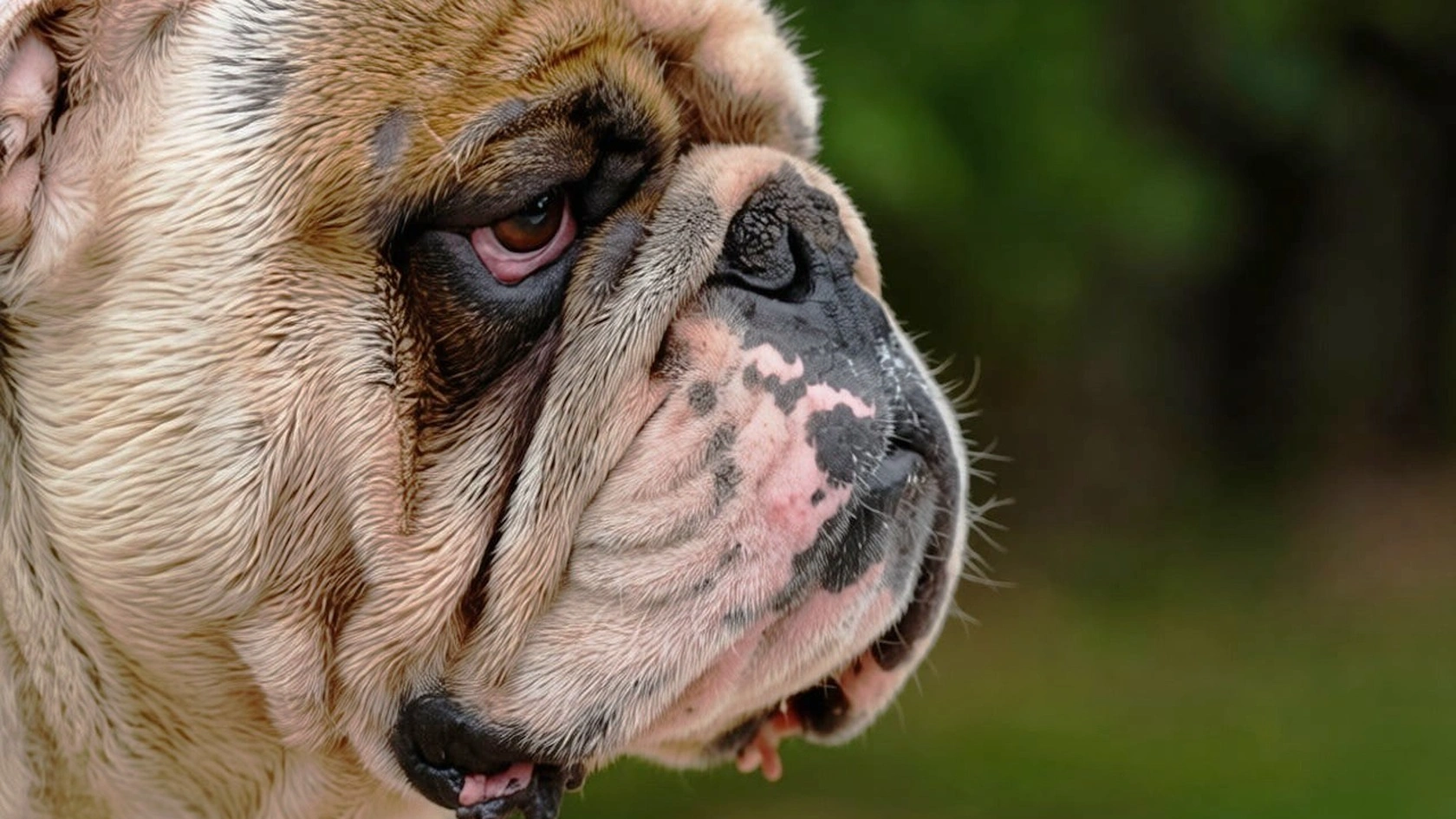

TL; DR: Red Eye in Dogs – Causes, Home Care, and When to See a Vet
- Sometimes a dog’s eyes can suddenly turn red in one or both eyes. It might be something minor like allergies, dust, or dry eye, or it could be a sign of an infection or something happening inside the eye.
- Keep an eye out for discharge, cloudiness, swelling, squinting, rubbing, or if your dog seems uncomfortable or is acting differently.
- For mild redness, you can help at home by gently cleaning the eye, keeping it moist, and making sure your dog doesn’t rub or scratch it.
- Dog-safe eye drops can be soothing, but avoid medicated drops unless your vet recommends them.
- If the redness doesn’t go away, gets worse, or your dog seems in pain or has trouble seeing, it’s time to see a vet.
- Catching things early and keeping an eye on your dog’s eyes can make a big difference in keeping them comfortable and protecting their eye health.
If you notice your dog’s eyes staying red or looking unusual, don’t wait; reach out to us. Getting proper attention from our professional vets early can make your dog feel better faster and help you avoid bigger problems down the line.
Have you noticed your dog’s eye suddenly look red or bloodshot? When a dog has red eyes, it can show up in one eye or both eyes, and it may come from the surface of the eye or from inside the eye. Seeing bloodshot eyes in dogs can be worrying, especially when it seems to appear out of nowhere.
Redness in your dog’s eyes can be caused by simple things like allergies, dry eye, or itchy eyes, but it can also point to eye infections in dogs, pink eye, or eye injuries. Sometimes the blood vessels in the eye become more visible, making your dog’s eyes look red and irritated. Certain breeds and even older dogs can be more prone to eye redness and other eye health issues.
Figuring out the cause of your dog’s red eyes helps you know whether eye drops might help or if it’s time to take your dog to the vet. Some mild cases can be treated at home, while serious cases may need medicated or anti-inflammatory eye drops. Read on to learn what causes eye redness in dogs and how to keep your dog’s eye health on track.
Understanding Red Eye and Bloodshot Eyes in Dogs
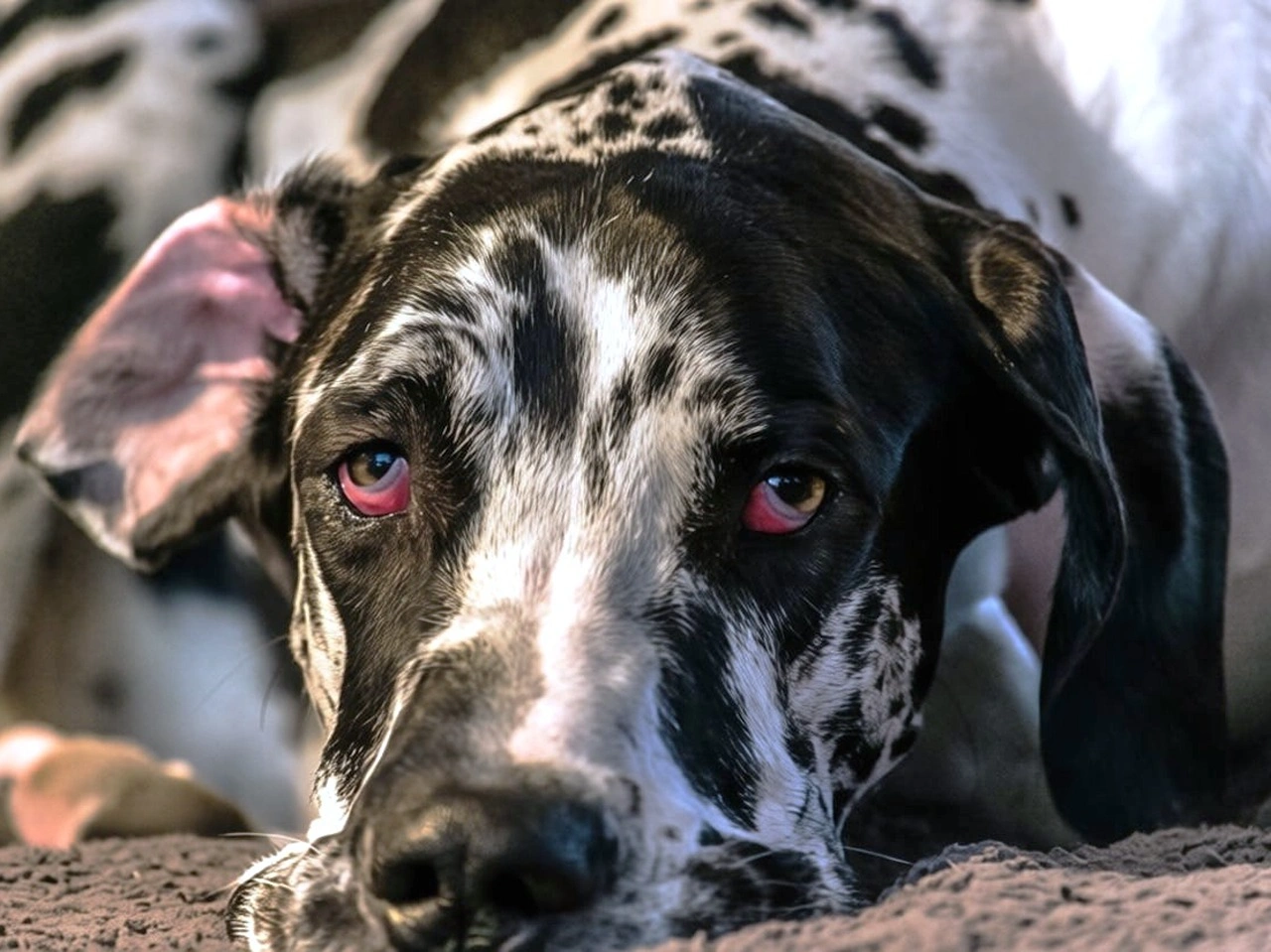
If you notice that your dog’s eyes are red, it can stop you in your tracks. One day everything looks normal, and the next you’re wondering what caused your dog’s eyes to become red and whether it’s something serious. Sometimes it’s minor, but there are also serious causes behind redness in their eyes, so it’s worth paying attention to.
What a Red or Bloodshot Eye Can Look Like
Redness doesn’t always look the same, which can make it confusing at first. A dog may have one or both eyes affected, and the redness can show up on the outer layer of the eye, the front of the eye, or even within the eye.
- The eye is red or looks bloodshot, making the tissues of the eye stand out.
- One or both eyes appear red and inflamed instead of clear and bright.
- Watery eyes or cloudy eyes show up along with the redness.
- Their eyes look dry or uncomfortable, as if they need drops to keep their eyes moist.
- The eye may appear red because of changes happening within the eye.
Why Redness Shouldn’t Be Brushed Off
It’s easy to hope the redness will just go away, but red eyes in dogs can be caused by more than simple irritation. Things like cherry eye, glaucoma in dogs, pressure within the eye, or even bleeding inside the eye can make a dog’s eyes red. Catching these signs early makes it easier to decide how to treat your dog’s eyes and whether medicated eye drops or a vet visit is the right next step.
Common Causes of Redness and the Cause of Red Eyes in Dogs
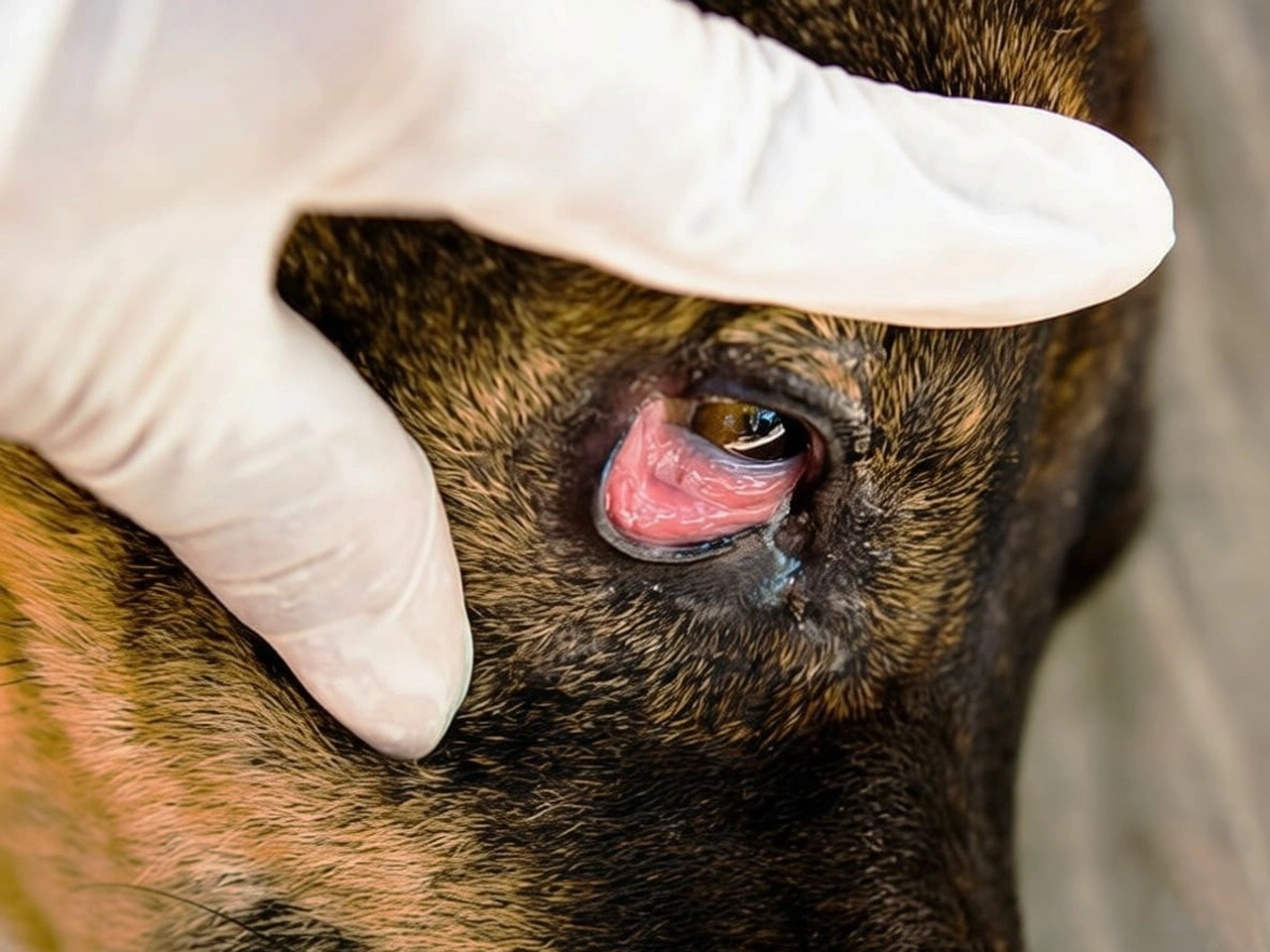
There’s usually an underlying cause behind a dog's red or bloodshot eye, even if they're acting normal. One or both eyes may change, and spotting that early can help you figure out what’s causing your dog’s bloodshot eyes.
Everyday Causes That Are Often Mild
Often, dogs encounter things during their normal daily life that can cause red eyes. These issues are common and usually affect just one part of the eye.
- Allergies to pollen, dust, smoke, or strong smells around the house can cause red eyes in dogs.
- Tiny bits of dirt or debris can make the eye feel red and irritated.
- Dryness that causes the eye to feel dry and uncomfortable.
- Rubbing the face or eyes can cause your dog’s red eyes and make them inflamed.
Causes Related to Infection or Ongoing Irritation
Sometimes redness doesn’t clear up because the eye itself is irritated or infected. In these cases, the redness may slowly get worse instead of better.
- Conjunctivitis (pink eye) is one of the most common causes of red, sore eyes in dogs and cats.
- Infections that cause the eye to be red and sore.
- Inflammation spreads through the tissues around the eye.
- Redness showing up along with discharge or watery eyes.
Causes That May Be More Serious
There are times when the redness isn’t coming from the surface at all. These issues start deeper and shouldn’t be brushed off.
- Problems develop within the eye rather than on the outside.
- Pressure changes that cause the eye to get red.
- Internal issues that make one or both eyes look bloodshot.
Keeping an eye on your dog’s eyes regularly makes these changes easier to catch. If something doesn’t look right or isn’t improving, it’s always better to check sooner than later.
What to Do When a Dog Has Red Eyes: Treatment Options for Eye Redness
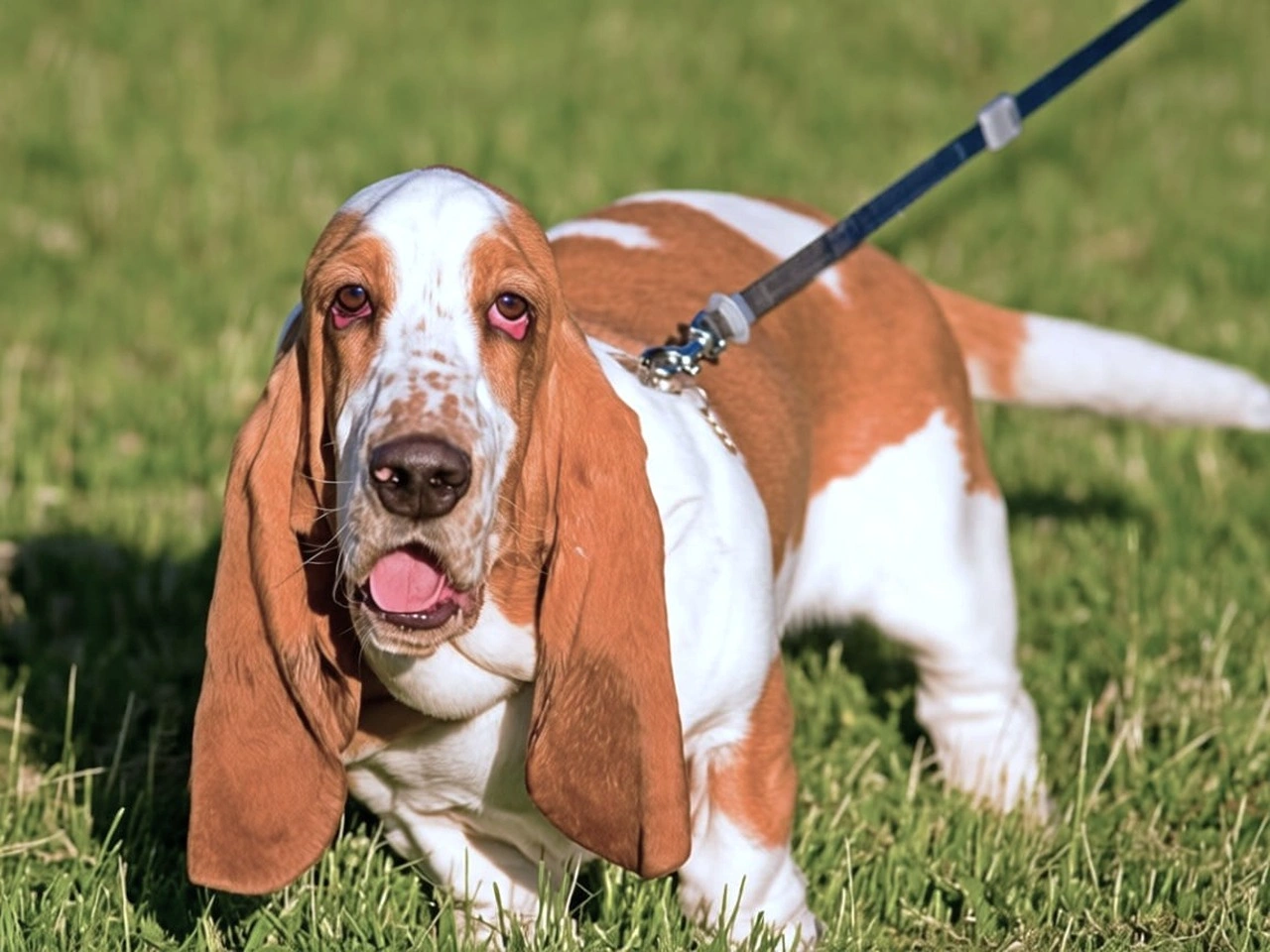
It’s never fun to notice your dog has bloodshot eyes, and it can make you feel a little worried. The good news is that if the eye isn’t painful, there are some things you can do at home to help while you figure out the underlying cause. Taking action early can stop the eye from becoming red and inflamed and keep your dog comfortable.
Simple Steps to Care for Mild Redness
When your dog’s eye looks irritated, a few small steps can make a big difference:
- Try to prevent your dog from rubbing or scratching the eye, since that can make it get red faster.
- Gently wipe away any discharge to keep the tissues of the eye clean.
- Reduce exposure to dust, smoke, or drafts that might cause the eye to dry.
- Use eye drops to keep the eye moist if it starts to dry.
Using Eye Drops Carefully
Eye drops can really help soothe your dog’s bloodshot eyes, but you want to make sure you’re using the right ones:
- Only give your dog eye drops that are made specifically for dogs.
- Avoid medicated drops unless a vet recommends them.
- Stop using the drops if your dog’s eyes become redder and more inflamed.
Watch for Important Symptoms
Even while caring for the eye at home, it’s important to notice if things aren’t improving:
- Keep track of when the redness started and whether one or both eyes may be affected.
- Watch for squinting, discharge, cloudiness, or changes in the size or shape of the pupil.
- Notice your dog’s behaviour, including any signs of pain or trouble seeing, like bumping into objects.
When Eye Redness in Dogs Means Taking Your Dog to the Vet
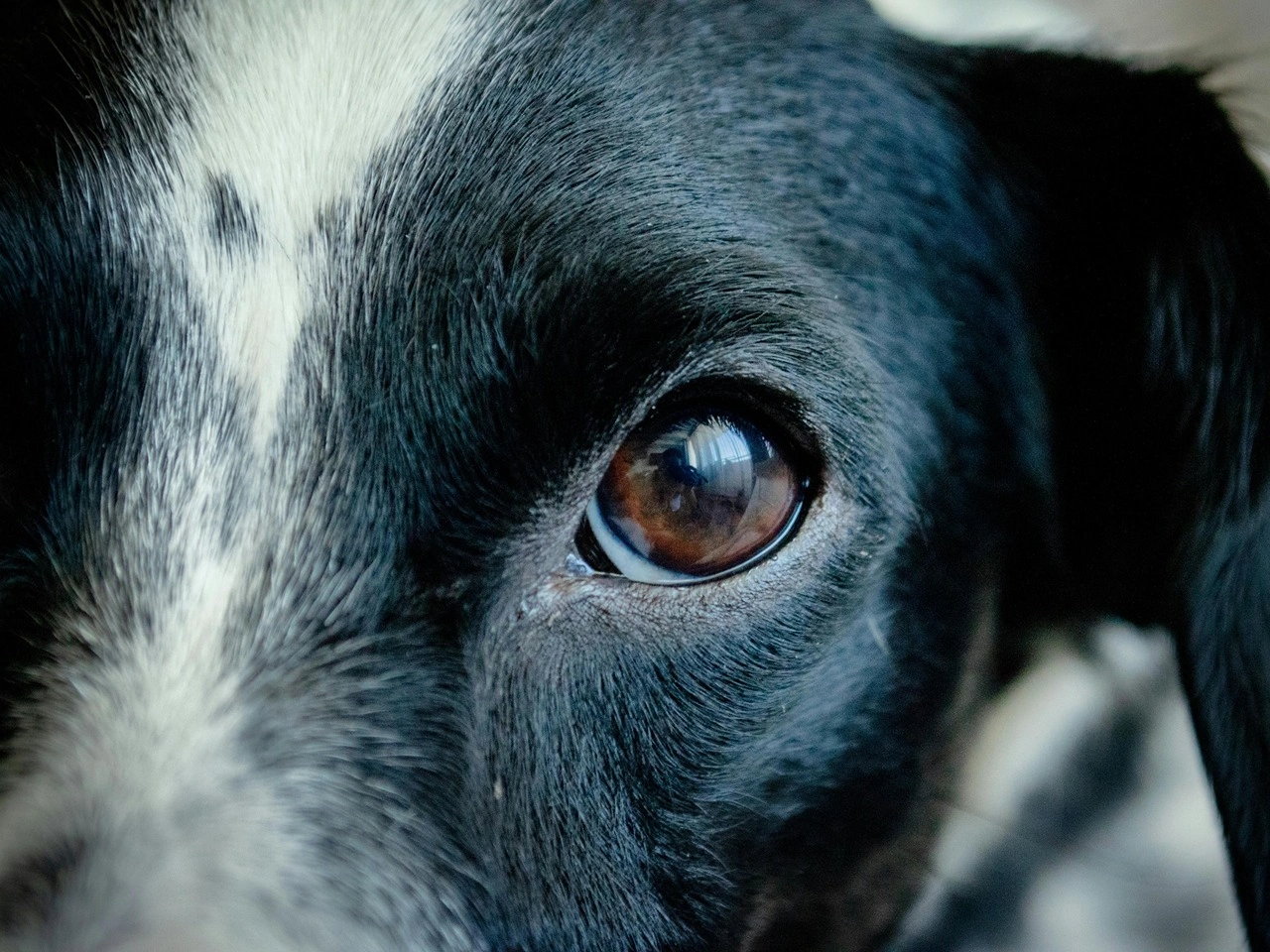
If the redness doesn’t get better, spreads, or your dog starts acting uncomfortable, it’s a good idea to take your dog to a veterinarian. Getting help early can save your dog from extra discomfort and prevent bigger problems down the line.
Signs You Shouldn’t Ignore
Paying attention to your dog’s eyes and behaviour can make all the difference:
- One or both eyes may continue to become red and inflamed.
- You might notice discharge, cloudiness, changes in the size of the pupil, or swelling.
- Your dog may seem uncomfortable, in pain, or bump into things because their vision is affected.
- Your dog may have itchy eyes as well, rubbing or pawing at them.
- Redness lasts more than a day or keeps coming back, even with home care.
Why Seeing a Vet Helps
Sometimes red eyes are caused by something simple, but dogs can get conjunctivitis or a fluid build-up in the eye that causes discomfort. A veterinarian can figure out what’s going on and give your dog the right treatment. Trying to manage ongoing redness in the eyes without a veterinarian’s help can make things worse, so it’s always better to get professional advice.
Final Thoughts
It’s always a bit alarming when you notice your dog’s eyes looking red or bloodshot. Sometimes it’s nothing serious, and a little TLC at home can help, but other times it’s worth a quick trip to the vet just to be safe.
Keep an eye on both eyes and watch for things like discharge, cloudiness, or if your dog seems uncomfortable or is rubbing their eyes a lot. A little cleaning or making sure their eyes stay moist can really help them feel better.
If the redness sticks around or seems to get worse, don’t wait; getting it checked early can prevent bigger problems. Catching it early not only keeps your dog comfortable, but it also gives you peace of mind.
Frequently Asked Questions
What are the most common causes of redness in dogs’ eyes?
It’s always a little worrying when you notice your dog’s eyes looking red. Most of the time, it’s nothing serious, but it’s good to know what might be causing it.
Everyday irritations: Dust, pollen, smoke, or even strong smells around the house can make their eyes red.
Dryness: Sometimes their eyes just get dry from wind, low humidity, or even rubbing.
Rubbing or scratching: Dogs love to paw at itchy eyes, which can make the redness worse.
Infections or inflammation: Occasionally, the redness comes from an infection or something deeper going on.
Keep an eye out: Watching for changes over time helps you decide if home care is enough or if it’s time for a vet visit.
How can I tell if my dog has red eyes due to an allergy or dry eye?
It can be tricky to know why your dog’s eyes are red, but there are some clues you can watch for.
Itchy eyes: If your dog keeps pawing or rubbing their eyes, allergies might be the cause.
Discharge: Allergies usually make the eyes watery, while dry eyes can feel sticky or crusty.
Behaviour changes: Squinting, blinking a lot, or avoiding bright light can give hints.
Timing and triggers: Red eyes that flare up after being outside or around dust often point to allergies.
Home care: A little gentle cleaning or moisturizing drops can help, but if it keeps happening, it’s best to check with a vet.
When should I be concerned that my dog has red eyes and see a veterinary professional?
Not every red eye is a big deal, but some signs mean you shouldn’t wait.
Persistent redness: If it doesn’t go away or keeps coming back.
Pain or discomfort: Squinting, pawing at the eye, or being sensitive to light.
Changes in vision: Bumping into things, cloudy eyes, or swelling can signal a problem.
Discharge: Thick, yellow, or green gunk usually points to an infection.
Other symptoms: Acting tired, unusual, or sick alongside the red eyes.
See a vet: A professional can figure out what’s going on and get your dog the right care.
Can eye infections in dogs cause both eyes to become red, or just one?
Red eyes from infections can show up differently, depending on the cause.
One eye: Many infections start in just one eye, especially if it’s from bacteria or debris.
Both eyes: Sometimes, viral infections, allergies, or other health issues can make both eyes red.
Other symptoms: Swelling, discharge, watery eyes, or squinting often appear with infection-related redness.
Duration: If the redness sticks around or spreads, it’s definitely time to check with a vet.
Getting help early: Treating infections quickly keeps your dog comfy and prevents long-term problems.
What are the different things that can cause red eyes in dogs, and how do they affect eye health?
Red eyes can come from something small or something more serious, so it helps to know the possibilities.
Environmental irritants: Dust, pollen, smoke, or wind can make eyes red for a short while.
Dry eyes: Not enough moisture can make the eyes uncomfortable and more likely to get an infection.
Infections: Bacterial or viral infections can make the eyes sore, swollen, and watery.
Injury or internal issues: Trauma or problems inside the eye can cause lasting redness and need quick attention.
Watch and care: Keep an eye on your dog’s eyes, gently clean or moisturize them, and get a vet’s advice if things don’t improve.

