


TL;DR: How to Build a Pet Emergency Kit
- Be ready for anything: A solid pet emergency kit helps keep your pets safe, comfortable, and taken care of during disasters or unexpected medical situations.
- Food & water first: Store 1–2 weeks of food and water in airtight containers, plus portable bowls and extra reserves for peace of mind.
- Be Winter Ready: During winter, pets may need extra calories and fresh water, as cold weather can increase their energy requirements. Make sure your stored food and water supplies account for colder months.
- Medications matter: Keep at least a week’s supply of prescription meds, with dosage instructions and rotation checks to ensure nothing expires.
- First aid ready: A dedicated pet first aid kit, wound-care essentials, and a printed manual help you handle minor injuries confidently.
- Tools for care: Pack gloves, cotton pads, saline, scissors, thermometer, flashlight, and bandages—stored safely in a waterproof pouch.
- Documents at hand: Vaccination records, medical history, recent photos, and emergency contacts in a waterproof folder make quick action easy.
- Extra essentials: Leashes, carriers, blankets, towels, comfort items, sanitation supplies, and seasonal gear keep your pet safe and calm.
- Emergency contacts: Vet numbers, 24/7 animal hospitals, poison control, animal control, and boarding options ensure help is just a call away.
Need help getting started? We’re happy to guide you through building the perfect emergency kit for your pets and create a plan that keeps them safe and cared for—no matter what happens.
Preparing a pet emergency kit is one of the most important steps you can take to strengthen your overall emergency preparedness at home. Disasters and sudden medical situations can happen without warning—and pets depend entirely on their owners to keep them safe. Winter emergencies, such as snowstorms or freezing temperatures, can make a quick response even more important. Having all essential supplies gathered in one accessible place can greatly improve your pet’s safety, comfort, and chances of a quick recovery during emergencies.
In this guide, we'll walk you through everything you need to build a complete kit, from food and medications to first-aid supplies and emergency contacts, along with practical instructions for what to gather and why.
Why is an Emergency Kit Important?
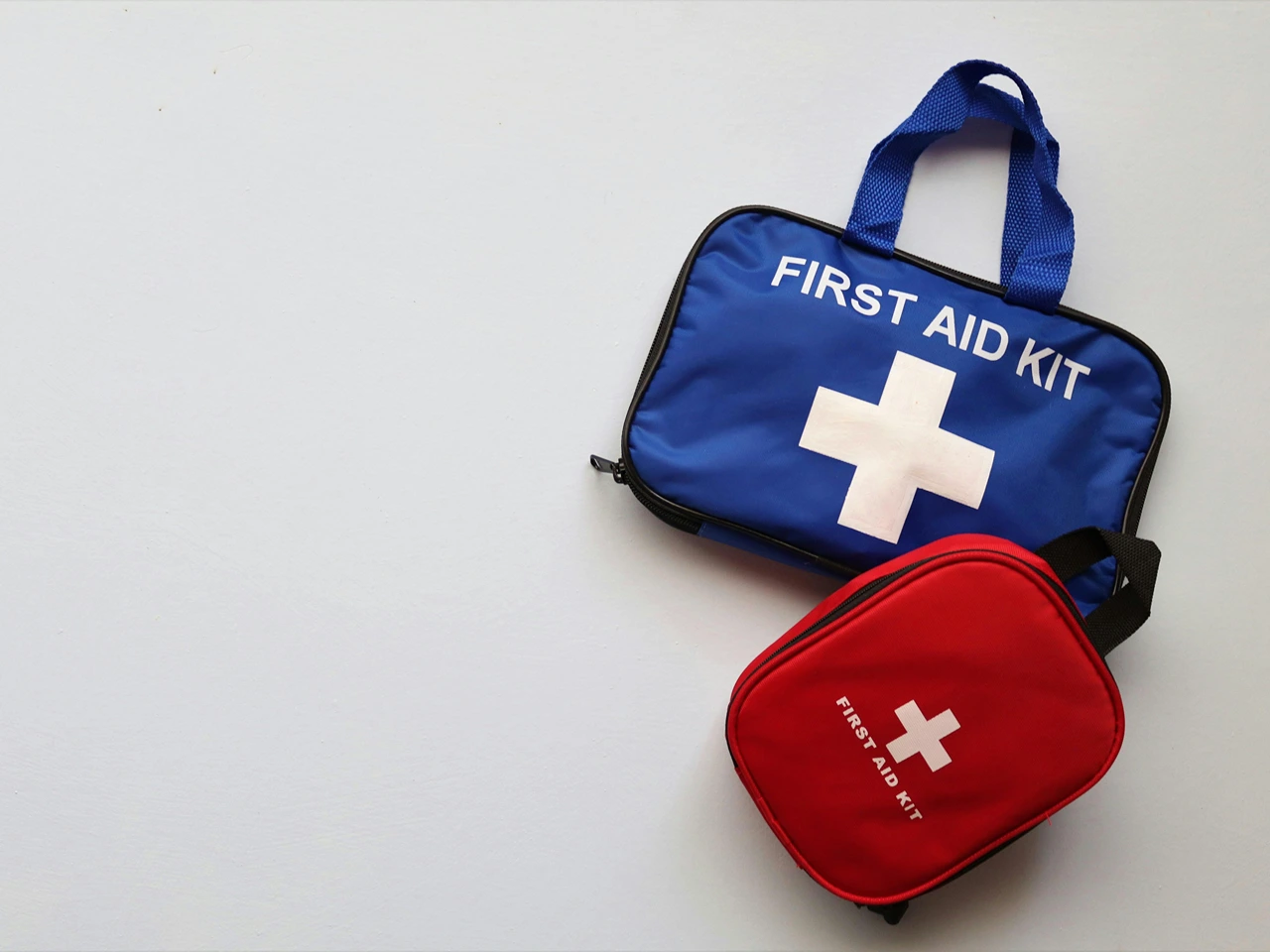
Natural disasters such as typhoons, floods, and earthquakes can strike without warning, leaving little time to react. When this happens, pets rely on quick decision-making and preparation from their owners.
Veterinary emergencies may also occur after hours, making access to professional care difficult. A ready-to-use kit can provide temporary support until proper treatment is available.
Because quick response time is essential, having pre-packed supplies increases your pet’s survival chances in high-risk moments. Proper emergency management ensures you know what to grab, where it is, and how to use it.
Gathering Essential Pet Emergency Supplies and Resources
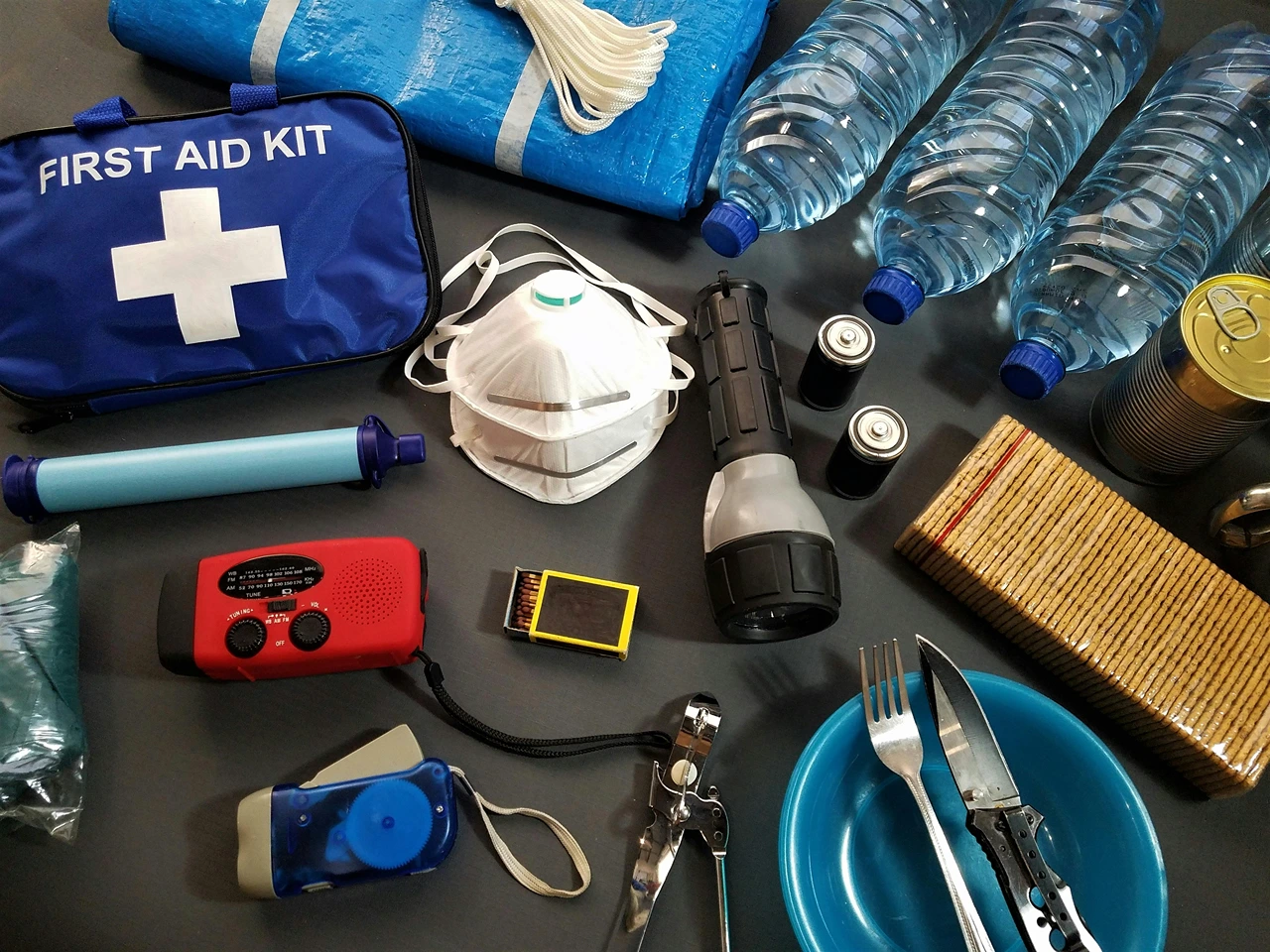
When building your kit, include essential items that help stabilize, transport, and comfort your pet during unpredictable events. Below is what every complete kit should contain.
1–2 Weeks of Food and Water Supply
A dependable supply of food and clean water is the foundation of preparedness.
- Proper storage: Use airtight containers that seal tightly to keep food fresh and prevent spoilage.
- Portable feeding gear: Collapsible bowls make it simple to feed and hydrate your pets while travelling or during an evacuation.
- Extra reserves: Always pack more food and water than you think you’ll need—especially for longer emergencies when restocking might not be possible.
- Winter Nutrition & Hydration: In colder months, pets often burn more energy to stay warm, so plan for extra food and make sure water supplies don’t freeze.
Pet-Specific Medications
If your pet takes daily medication, keeping an emergency reserve ensures continuity of care.
- Backup supply: Include at least a week’s worth of prescription meds stored in a labelled pouch.
- Rotation: Check and refresh medication regularly so nothing expires.
- Special instructions: Add dosage notes or veterinary directions in case someone else needs to care for your pet.
Pet First Aid Supplies and Manual
A dedicated pet first aid kit helps you manage minor injuries before professional help is available.
- Wound-care basics: Pack sterile gauze, antiseptic wipes, medical tape, and a spare tweezer for dealing with debris, splinters, or thorns.
- Physical guide: Include a printed first-aid manual for clear, step-by-step instructions when you can’t access the internet.
- Comfort items: Add a soft cloth or calming wrap to help ease your pet’s stress during treatment.
Basic Medical Tools and Supplies
These tools support safe handling and stabilization until a veterinarian can examine your pet.
- Essential equipment: Add gloves, cotton pads, saline solution, and scissors for basic care and cleaning.
- Extra support items: Include a small flashlight, thermometer, and bandage rolls to help you respond to different types of injuries.
- Safe storage: Keep all tools in a waterproof pouch so they remain dry and usable.
Documentation Folder
A waterproof document holder keeps important information handy when emergencies strike.
- Vital records: Keep your pet’s vaccination papers, microchip info, and medical history all in one place.
- Identification: Snap some recent photos of your pet—they can be a huge help if you ever get separated.
- Contact list: Make sure you have your vet’s number, emergency clinics, and backup caregivers ready to go.
Other Supplies
Add practical items that improve mobility, comfort, and readiness.
- Leashes, harnesses, and carriers for keeping your pet safely restrained.
- Blankets and towels for warmth and extra protection.
- Poop bags and litter supplies to stay on top of sanitation.
- Comfort items like toys or a small bed to help reduce stress.
- A battery-powered flashlight for emergencies.
- Seasonal extras, like cooling gear or extra layers, depending on the weather.
Pet Emergency Services and Contact Information You Should Always Have Ready
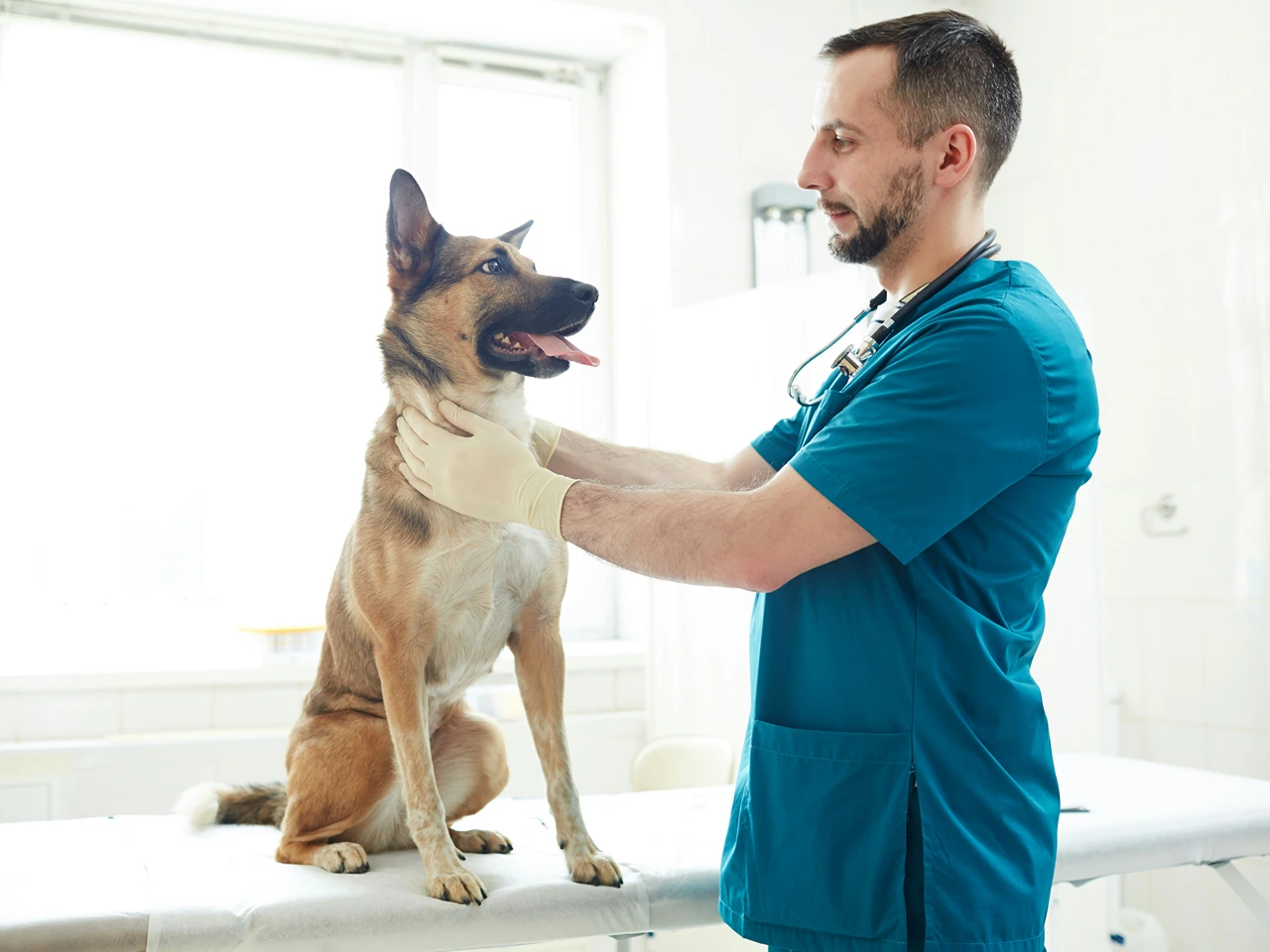
Create a well-organized list of emergency contacts so you can act fast when every second matters:
- Your veterinarian’s contact details: Keep the vet clinic’s phone number, address, and after-hours instructions handy so you can reach your vet quickly in any medical situation.
- Nearby 24-hour emergency vet facilities: Identify at least one 24/7 animal hospital in your area so you always have a backup when your regular vet is closed.
- Local animal control services: Having this number ready helps you report stray, injured, or dangerous animals and get assistance during community emergencies.
- Boarding facilities that accept pets during evacuations: Find pet-friendly shelters or boarding centers in advance so you know exactly where to go if you must leave quickly.
- A poison control hotline for toxic-exposure cases: Save a dedicated pet poison control number so you can get fast, expert guidance in case your pet ingests something harmful.
Keeping these numbers within easy reach helps you make faster decisions during stressful situations—and ensures your pet gets the help they need as quickly as possible.
Evacuation-Ready Plan for Every Pet in Your Household

A strong evacuation plan is a key part of responsible emergency plans and overall pet emergency management. Tailor it to each pet’s specific needs so everyone stays safe and accounted for.
Pet-friendly Routes
Map out routes that allow animals and avoid areas where pets may not be permitted. Having multiple options ready makes it easier to leave quickly and safely, even if one path becomes blocked or conditions change.
Safe Transport
Take time to learn how to move each pet securely—whether they need carriers, harnesses, or special handling—so evacuation is calm, controlled, and less stressful for both you and your animals. In winter, plan for icy roads or snowy paths. Keep carriers insulated and consider blankets or heat packs for long trips in cold conditions.
Accommodation List
Identify hotels, shelters, and friends or family who welcome pets—giving you reliable places to stay during emergencies. Having a prepared list prevents last-minute scrambling and makes sure your pets have a safe place to rest.
Meeting Points
Decide on easy-to-find locations where everyone can regroup to make sure no one wastes time wondering where to go. Clear meeting points also help keep your household organized if communication becomes difficult.
Backup Caregivers
Choose trusted neighbours, friends, or sitters who can step in immediately if you’re not home—or can’t get to your pets. Having reliable backups ensures your animals aren’t left alone or unattended when urgent situations arise.
Pet ID Systems
Keeping your pet’s microchip information up to date and using clear, readable ID tags greatly increases the chances of being reunited if you get separated during an evacuation.
Final Thoughts
Emergencies can catch you off guard, but getting your pet ready doesn’t have to be complicated. Having the basics on hand—like food, water, meds, first-aid items, and a few things that keep them comfortable—makes a huge difference in keeping your pets safe, relaxed, and cared for when things don’t go as planned.
Taking a little time now to organize your supplies, update important documents, and map out your evacuation routes makes everything less overwhelming later. Being prepared gives you confidence. When disaster hits, your pets can count on you—and you can count on the kit you put together.
Frequently Asked Questions
What should be included in a pet emergency kit?
A complete pet emergency kit should have everything your pet needs to stay safe, fed, and supported when things get unpredictable.
Food and Water Supply: Pack 1–2 weeks’ worth of food and water in airtight containers — it keeps everything fresh and protected from contamination.
Medications: Add at least a week’s supply of your pet’s prescription meds, along with clear dosage instructions, so their treatment isn’t interrupted during an emergency.
First-Aid Essentials: Have wound-care items and a first-aid manual so you can manage minor injuries confidently.
Medical Tools: Add gloves, saline, bandages, and a flashlight to help you handle common emergencies.
Important Documents: Keep vaccination records, medical histories, photos, and contacts in a waterproof folder for quick access.
Why is having a pet emergency kit so important?
A pet emergency kit gives you immediate access to life-saving items when disasters or sudden medical issues occur.
Faster Response: Pre-packed supplies allow you to react instantly when every second counts.
Disaster Readiness: Typhoons, floods, and earthquakes can happen out of nowhere, so being prepared ahead of time really matters.
After-Hours Emergencies: If something happens when the vet is closed, your kit gives you a way to handle basic care until you can get professional help.
Reduced Stress: Having all your supplies in one place helps you think more clearly and make faster decisions during chaotic moments.
Higher Survival Chances: Quick access to tools and first-aid materials improves outcomes in high-risk scenarios.
What kind of first-aid items should I prepare for my pet?
A pet-specific first-aid kit ensures you can stabilize injuries before reaching a veterinarian.
Wound-Care Materials: Include sterile gauze, antiseptic wipes, medical tape, and tweezers for immediate cleaning.
Printed Manual: Add a physical first-aid guide in case the internet is down during emergencies.
Basic Tools: Pack gloves, cotton pads, saline, scissors, and bandages to handle a variety of minor issues.
Temperature & Light Tools: Keep a thermometer and flashlight ready to check conditions and treat safely.
Calming Items: Include a soft cloth or calming wrap to help reduce stress while administering care.
What documents should I keep with my pet emergency kit?
Essential documents make it easier to verify your pet’s identity, get medical care, and quickly find help when you need it.
Medical records: Store vaccination papers, microchip numbers, and your pet’s health history for easy reference.
Identification photos: Include clear photos of your pet to make it easier to reunite if you ever get separated.
Emergency Vet Contacts: List your vet’s phone number, address, and any after-hours instructions so you can get guidance right away.
24/7 Facilities: Include contact details for nearby emergency animal hospitals so you have fast alternatives when needed.
Alternate Caregivers: Add names and numbers of trusted people who can care for your pets if you’re unavailable.
How do I prepare an evacuation plan for pets?
A strong evacuation plan keeps your pets safe and ensures you can move quickly during emergencies.
Pet-Friendly Routes: Map safe escape paths that allow animals and avoid restricted areas.
Transport Setup: Know which carriers, leashes, or harnesses each pet needs so you can evacuate them safely and without stress.
Safe Accommodations: Keep a list of pet-friendly shelters, hotels, or boarding centers where you and your pets can stay if you need to leave home.
Meeting Points: Set simple regrouping spots ahead of time to avoid confusion if anyone in the household gets separated.
Updated IDs: Make sure your pet’s microchip info and ID tags are up to date to improve the chances of a quick reunion.

