


TL;DR: Periodontal Disease in Cats – Causes, Symptoms, and Protecting Your Cat’s Oral Health
- Periodontal disease in cats can start quietly, with just a little plaque and gum irritation, so it’s easy to miss.
- If left unchecked, it can progress to tartar buildup, painful lesions, and even tooth loss.
- Keep an eye out for indicators like bad breath, red or bleeding gums, pawing at the mouth, or avoiding certain foods.
- Regular vet check-ups and professional cleanings can catch problems early and make treatment easier.
- Simple things at home, like gentle brushing and watching what your cat eats, can go a long way in protecting their teeth.
- By staying attentive and getting help when needed, you can make your cat comfortable, healthy, and happy.
If you notice your cat struggling with their mouth or eating differently, don’t wait; contact us right away. Our professional vets can provide guidance and care.
Have you ever noticed your cat’s breath smelling bad or their gums looking a bit red? Periodontal disease in cats often starts with plaque on the tooth and inflammation along the gingival margin, and it’s easy to miss at first. Many cat owners don’t think much about dental disease until something looks wrong in their cat’s mouth.
As plaque turns into tartar and calculus, gingivitis in cats can slowly progress to periodontitis. This can lead to bone loss, tooth resorption, and eventually tooth loss, which can be painful and stressful for both you and your cat. A cat may stop eating or show signs of pain before you even realize gum disease is the problem.
The good news is that with proper veterinary dental care, periodontal disease can often be managed. Things like professional treatment and simple dental home care, including tooth brushing, can make a real difference. Keep reading to learn what to watch for and how to protect your cat’s health and its teeth.
Understanding Periodontal Disease in Cats: How This Gum and Dental Disease Affects Your Cat

Periodontal disease is a common form of dental disease in cats, and it can sneak up on you without any obvious signs. It usually starts with plaque and calculus building up on the tooth surface, and if left unchecked, it can turn into more serious problems. Catching it early can save your cat a lot of discomfort and keep their mouth healthy.
What Happens in Periodontal Disease
Think of it like this: plaque accumulation along the gum line can inflame the tissues around your cat’s teeth. Over time, this can lead to attachment loss, damage to the alveolar bone and periodontal ligament, or even lesions at the tooth root. Many cats don’t show obvious signs at first, so it’s easy to miss until a dental check-up or an oral examination reveals it.
- Plaque and calculus first appear on the crown of the tooth, often unnoticed.
- Inflammation can get worse, causing severe gingivitis or even chronic gingivostomatitis.
- Deep periodontal pockets can form, and some cats may develop tooth resorption.
- If ignored, your cat may stop eating or develop cavities.
- Regular vet visits, periodontal probing, and treatments like scale and polish can make a significant difference.
Common Causes of Periodontitis in Cats: Plaque, Calculus, and Inflammation

Periodontitis in cats doesn’t just happen overnight; it usually builds up slowly over time. Food and bacteria can stick to their teeth, forming plaque and then hardening into calculus, which can irritate their gums. Knowing what causes this can help you spot problems early and keep your cat comfortable.
How Plaque Starts the Problem
Plaque forms when bits of cat food and bacteria stick to your cat’s teeth, especially after meals. If it’s not removed with regular toothbrushing or a vet cleaning, it can irritate the gums and start inflammation.
- Even young cats can get juvenile gingivitis if plaque builds up.
- Plaque may not be obvious at first, but this sign of dental disease can quietly affect the feline tooth.
- Daily toothbrushing at home can really help slow it down.
- Ignoring it makes it easier for more serious problems to develop.
When Plaque Hardens Into Calculus
If plaque stays on the teeth, it can turn into calculus, which is harder and rougher. That rough surface makes it easier for more bacteria to stick, worsening inflammation and gum irritation.
- Calculus shows up as marked dental deposits along the gum line.
- It can cause recession and gingival changes if left untreated.
- Only a vet can safely remove it during a scale and polish procedure.
- Without treatment, deeper periodontal problems are more likely.
Inflammation and Its Consequences
Once the gums are inflamed, it can affect the tissues around the tooth, sometimes even reaching the tooth root. This can lead to lesions or resorptive areas, and your cat may stop eating if it gets painful.
- Gums may look red, swollen, or even bleed a little.
- Deep periodontal probing can show pockets and early attachment loss.
- Chronic inflammation can lead to stomatitis or more severe dental disease.
- Regular vet check-ups and treatment for periodontal disease can prevent serious damage.
How to Spot Symptoms of Periodontitis: Signs Your Cat’s Gingiva and Teeth Are Affected
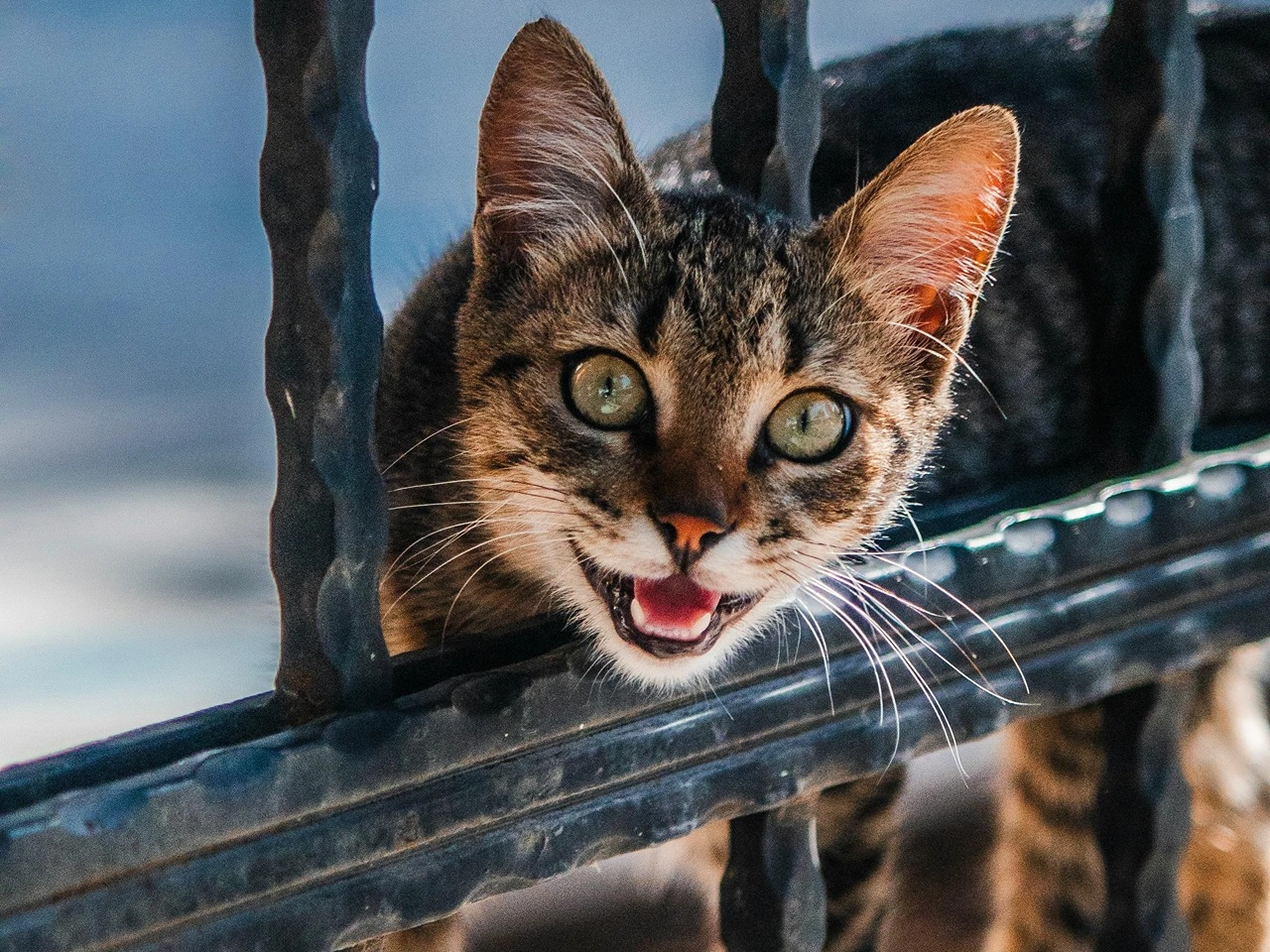
Periodontal disease is commonly encountered in cats, but they’re masters at hiding pain. If you know what to look for, you can catch problems early and save your cat a lot of discomfort.
Changes in Eating and Behaviour
One of the first signs is usually a change in how your cat eats or acts. Sometimes it’s subtle, and other times it’s hard to miss.
- Your cat may stop eating certain types of cat food or take longer to chew.
- It might drop food from its mouth or seem less interested in meals.
- You may notice it hiding more, being irritable, or avoiding head pets.
- Pawing at the mouth or grinding teeth can be small but important warning signs.
Visible Changes in the Mouth
If you get a chance to look inside your cat’s mouth, you might see clear signs of trouble. Early detection here can prevent bigger problems later.
- Gums may be red, swollen, or even bleed a little.
- You might notice marked dental deposits and gingivitis on the teeth.
- Recession of the gums or resorptive lesions near the tooth roots can appear in more serious cases.
- Lesions or unusual spots could mean the disease may be progressing.
Health Effects Beyond the Mouth
Dental problems don’t just stay in the mouth; they can affect your cat’s overall health. Paying attention to these signs can make a big difference.
- The cat may stop eating or show less interest in food altogether.
- Chronic inflammation can put extra strain on the kidneys, especially if kidney disease is already present.
- In more advanced cases, a vet might recommend anesthesia and dental radiography to see what’s really going on.
- Getting timely treatment for periodontal disease can prevent serious long-term problems.
Home Care and Tooth Brushing: Protecting Your Cat’s Teeth from Periodontitis
Taking care of your cat’s teeth at home can really save them from pain later on. A little effort every day can keep their mouth healthy and prevent problems from getting worse.
Starting Tooth Brushing
It sounds tricky, but most cats can get used to tooth brushing if you go slow. It’s one of the easiest ways to protect their dental hard tissues and keep plaque under control.
- Let your cat sniff and lick the brush first to get comfortable.
- Use a soft brush and toothpaste made for cats; you don’t want to use human toothpaste.
- Keep the sessions short at first; even a few seconds is helpful.
- With time, many cats actually tolerate brushing without fuss.
Watching What Your Cat Eats
What your cat eats can make a difference in their oral health. Some foods leave more residue on the teeth, while others help keep the mouth cleaner.
- Hard cat food can help reduce plaque, while sticky foods may make it worse.
- Avoid giving human food that can stick to their teeth or gums.
- Dental treats or toys designed for cleaning teeth can be a big help.
- Keep an eye on how your cat eats; changes can show early signs of dental issues.
Checking for Early Signs
Even with brushing, it’s important to watch your cat’s mouth and behaviour. Cats are good at hiding pain, so small changes can be clues.
- Your cat may be showing discomfort by pawing at the mouth or eating less.
- You might notice marked dental deposits and gingivitis along the gum line.
- Disease becomes more common as cats get older, so regular checks help catch problems early.
- Periodontal probe passes at the vet can show if your cat needs treatment for periodontal disease.
When to Seek Veterinary Care: Diagnosing and Treating Feline Periodontitis
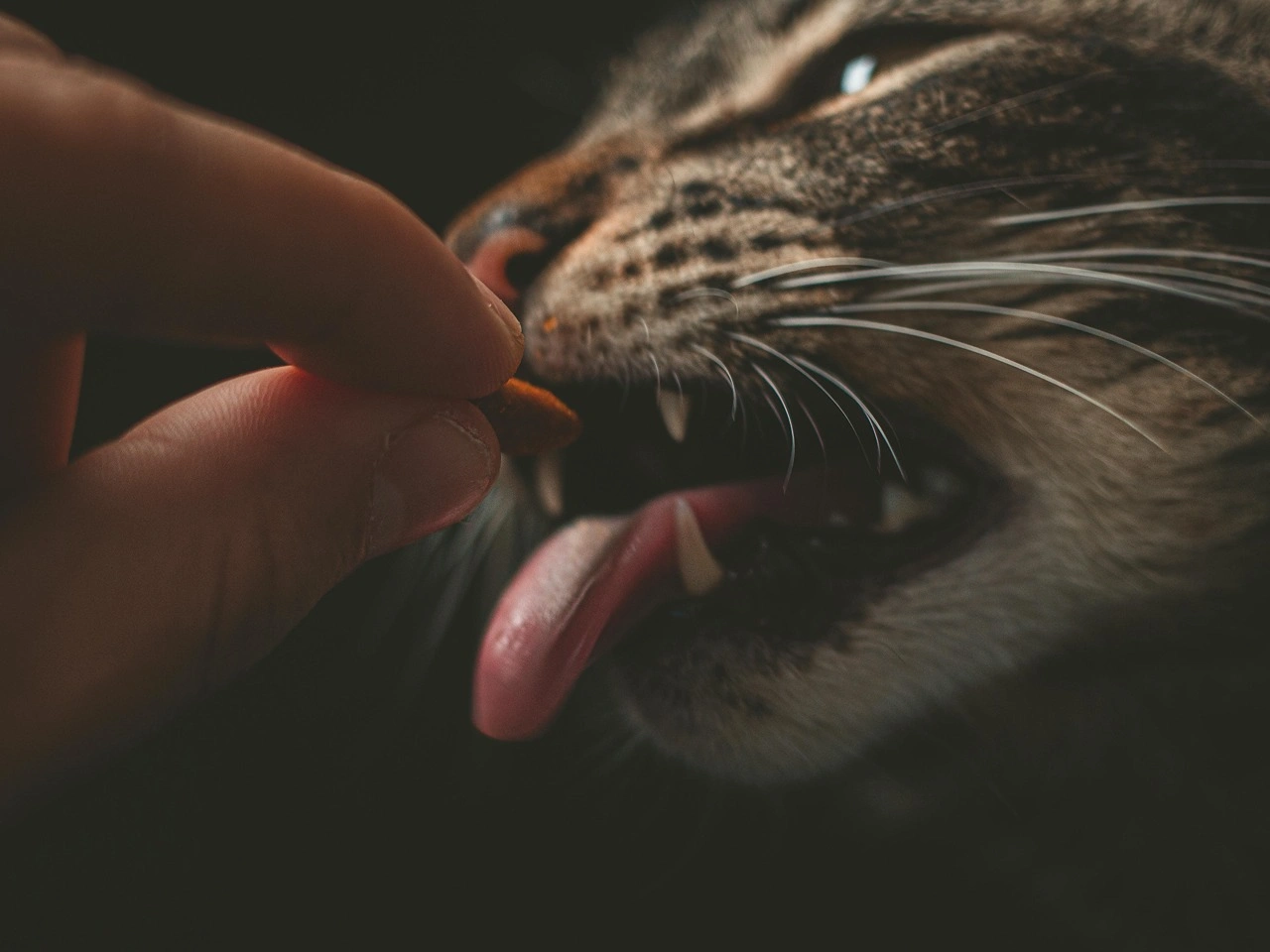
Even with regular home care, sometimes your cat needs a vet’s help. Knowing when to take them in can save your cat from pain and prevent small issues from turning into bigger problems.
Noticing the Signs
Cats are masters at hiding discomfort, so you need to pay attention to subtle changes. Small hints can make a big difference if caught early.
- Your cat may stop eating or avoid certain foods they usually love.
- You might notice your cat is showing signs of pain or discomfort around their mouth.
- Swollen or bleeding gums are an obvious sign that something isn’t right.
- Bad breath that doesn’t go away may also mean they need professional care.
What Happens at the Vet
A vet can check your cat’s teeth and gums more thoroughly than you can at home. With the right tools and expertise, they can treat problems safely and effectively.
- The vet can examine dental hard tissues carefully and spot hidden issues.
- Treatments might include cleaning, addressing lesions, or removing damaged teeth.
- Early care usually makes everything easier and less stressful for your cat.
- Follow-up visits help keep your cat comfortable and prevent problems from returning.
Why Acting Early Matters
Getting your cat to the vet sooner rather than later can make a huge difference in their health and comfort. Waiting too long can make treatment more complicated and stressful.
- Disease in cats can cause lasting damage if ignored.
- Prompt care helps your cat continue eating normally and stay happy.
- Treating issues early reduces the risk of more serious problems later.
- Acting quickly keeps your cat safe, comfortable, and pain-free.
Final Thoughts
Taking care of your cat’s oral health might feel like a small thing, but it really makes a big difference in their comfort and happiness. Periodontal disease can sneak up on them, so noticing little changes early can save a lot of pain later.
A few minutes of gentle brushing and paying attention to how they eat can go a long way. Regular vet check-ups make it easier to catch problems before they get serious.
If your cat starts acting differently or refuses food, it’s a good sign to get them checked out. Staying on top of their dental health means your cat can stay happy, healthy, and pain-free for years to come.
Frequently Asked Questions
What is dental disease in cats, and how is it related to periodontal disease?
Honestly, this is one of those things most of us don’t think about until something looks or smells off. Dental disease in cats usually starts quietly around the teeth and gums, and if it’s ignored, it can slowly turn into periodontal disease that affects deeper parts of the mouth. The tricky part is that cats often keep acting normal, so by the time you notice it, they may have been uncomfortable for a while.
It starts small: Tiny buildup forms on the teeth without causing obvious trouble.
Gums get irritated: The gums can become sore long before your cat shows pain.
It can spread deeper: What begins on the surface doesn’t always stay there.
Cats hide pain well: Many cats eat and play like nothing’s wrong.
Early attention helps: Catching it sooner makes things much easier for your cat.
How can gum disease develop and affect my cat’s teeth?
Gum disease usually creeps up slowly, which makes it easy to overlook. Mild irritation can turn into something more serious over time, affecting how secure and comfortable your cat’s teeth feel.
Bacteria build up: After meals, bacteria settle along the gums.
Irritation gets worse: Gums can become more sensitive and swollen over time.
Teeth lose support: The tissues holding the teeth in place can weaken.
Eating habits change: Cats may chew differently or avoid certain foods.
Comfort is affected: Ongoing gum issues can make everyday eating painful.
What are the common signs of dental disease I should watch for in cats?
Cats rarely cry or complain when something hurts, especially when it comes to their mouth. Most of the signs show up as small changes that are easy to miss if you’re not looking for them.
- Bad breath: A strong or unpleasant smell is often an early sign.
- Eating changes: Dropping food, chewing slowly, or skipping meals can mean discomfort.
- Gum appearance: Red or swollen gums usually signal irritation.
- Behaviour shifts: Some cats pull away from face touches or become less social.
- Subtle clues matter: Small changes often mean something bigger is going on.
How does tooth resorption connect to periodontal problems in cats?
Tooth resorption is one of those issues that can exist without being obvious. It often shows up alongside long-term gum problems and can be very painful, even if your cat doesn’t show it clearly.
It’s hard to see: Damage often starts below the gum line.
Chewing becomes uncomfortable: Cats may favour one side or eat less.
Linked to gum issues: Ongoing gum problems can increase the risk.
Needs a vet to confirm: These problems usually aren’t visible at home.
Early action helps: Treating it early can prevent serious pain or tooth loss.
What can I do at home to help prevent periodontal disease in my cat?
You don’t need to do everything perfectly to help your cat. Even small, consistent habits can make a real difference over time.
Gentle tooth brushing: Short, calm sessions are better than nothing at all.
Watch how they eat: Changes in chewing or appetite are important clues.
Choose better food options: Some foods and treats are easier on the mouth.
Look when you can: A quick peek at the gums now and then helps catch changes.
Stay consistent: Little efforts done regularly really add up.

