
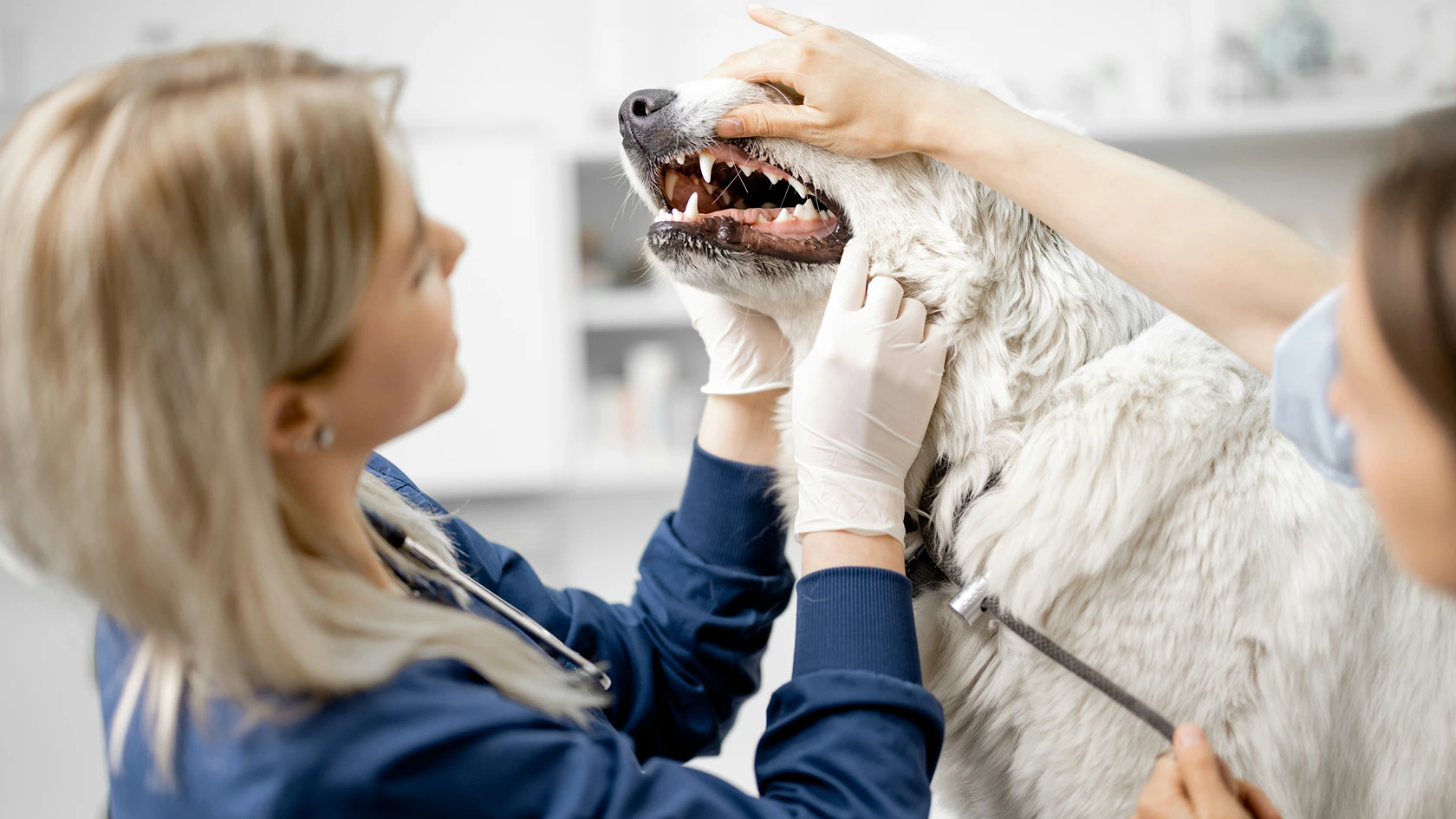

TL;DR: What You Need to Know About Pale Gums in Dogs
- Healthy gums are pink: Normal dog gums should be a moist, pink colour. Noticing gums that are pale or white can be a sign your dog needs attention.
- Pale gums might signal serious issues: Conditions like anemia, blood loss, shock, kidney or liver disease, parasites, or nutritional deficiencies can cause gums to turn pale or sticky.
- Keep an eye on your dog: Check their gums now and then and watch for signs like being unusually tired, weak, breathing fast, collapsing, or suddenly not wanting to eat.
- Vet care is critical: Diagnosis involves exams, blood work, urinalysis, imaging, and supportive care — and treatment for pale gums depends on the underlying cause, which may include fluids, medications, or blood transfusions.
- Prevention matters: Take your dog for regular vet visits, feed a balanced diet, keep parasites in check, make sure exercise is safe — and give those gums a quick check routinely to keep them healthy.
Notice changes in your dog's gums? Contact us today. We can help identify the cause and guide the right treatment to keep your dog healthy and safe.
The colour of your dog’s gums can tell you a lot about your pet’s overall health. While healthy gums should be pink, noticing a sudden change in colour can be alarming. Pale gums in dogs may signal anything from mild issues to serious, life-threatening conditions. Learning what’s normal—and when to act—can make a critical difference for your dog.
In this blog, we’ll look at what causes pale gums in dogs, how to check them properly, which changes should raise concern, and when it’s time to get professional help—so you can respond quickly and confidently if your dog’s gums don’t look quite right.
Common Causes of Pale Gums in Dogs
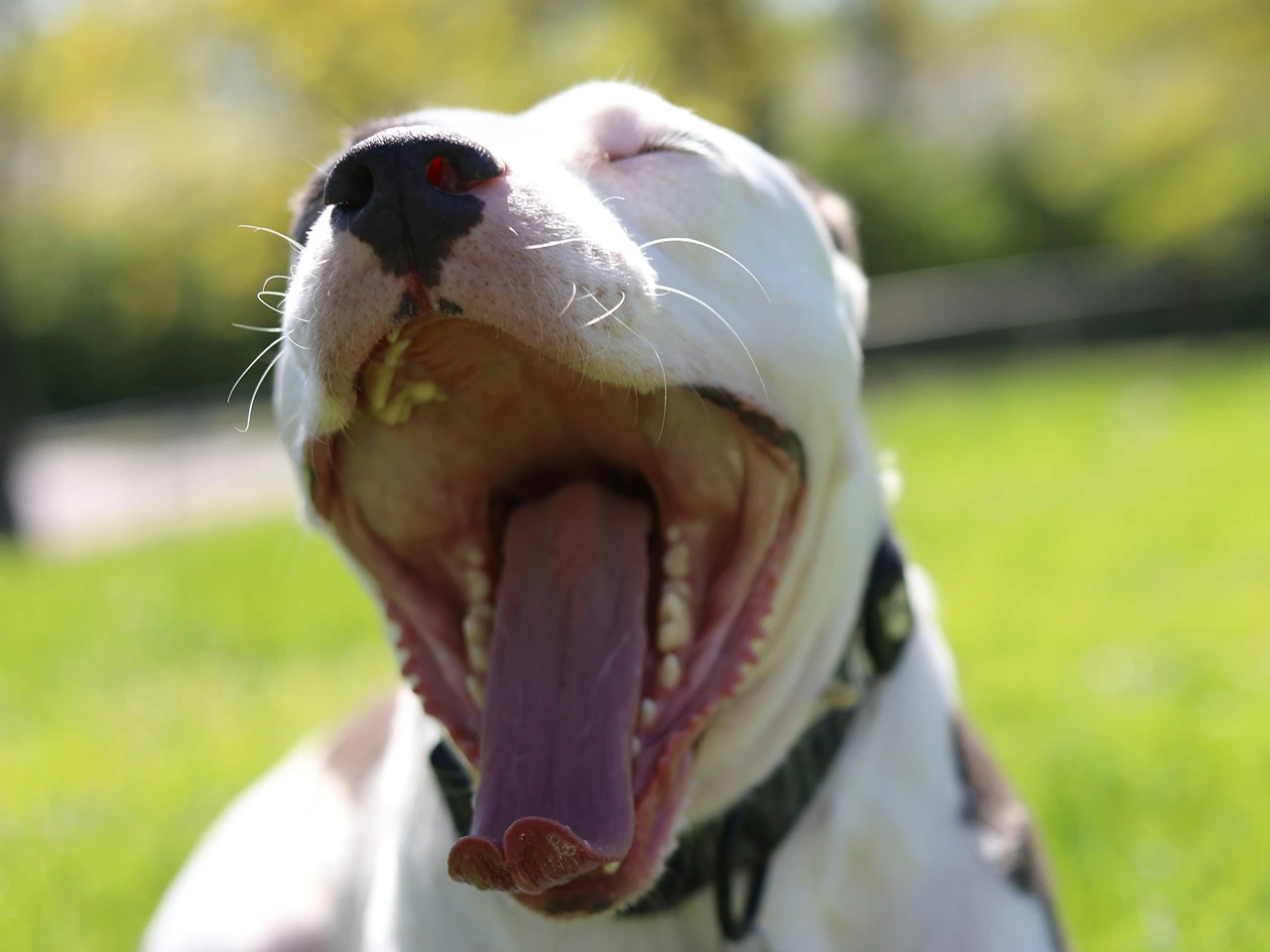
There are a lot of reasons a dog’s gums might look pale—and some can be serious enough that your dog needs a vet right away. Knowing what could be causing it helps you spot problems early and take action fast.
Anemia
Anemia occurs when a dog has a low red blood cell count, reducing oxygen delivery to tissues. This often causes the gums to appear pale pink or white, clearly signalling the dog’s pale gums.
Blood Loss (Internal or External Bleeding)
Blood loss, whether from visible wounds or internal bleeding, can rapidly decrease circulation. This sudden loss of blood can lead to pale gums and may worsen quickly without treatment.
Poor Blood Flow and Circulation Problems
Poor blood flow and circulation problems, including heart-related conditions in dogs, reduce the amount of oxygen reaching the gums. Over time, this reduced circulation is leading to pale or washed-out gum colour.
Shock
Shock can cause a sudden drop in blood pressure and circulation. When this happens, the gums may quickly turn white or extremely pale, often resulting in pale gums without warning.
Parasitic Infections
Parasites—like fleas or intestinal worms—can cause slow, ongoing blood loss. If the infestation sticks around, your dog’s body may struggle to replace lost red blood cells, which can show up as pale gums.
Kidney Disease
Kidney disease and other conditions that affect how a dog’s body filters blood can also mess with blood production and circulation. Over time, this can cause pale gums as toxins start building up.
Liver Disease
Liver problems can throw off clotting and detoxification, which impacts overall blood health. Over time, this can show up as pale gums along with other health issues.
Nutritional Deficiencies
Nutritional deficiencies, especially low iron or vitamin deficiencies, impact red blood cell production. Without proper nutrients, the body cannot maintain healthy circulation, which may result in pale gums.
In short, a dog’s pale gums are often a visible sign of deeper health problems, and identifying the underlying cause is essential for proper treatment and care.
What to Do When Your Dog's Gum Colour is Pale
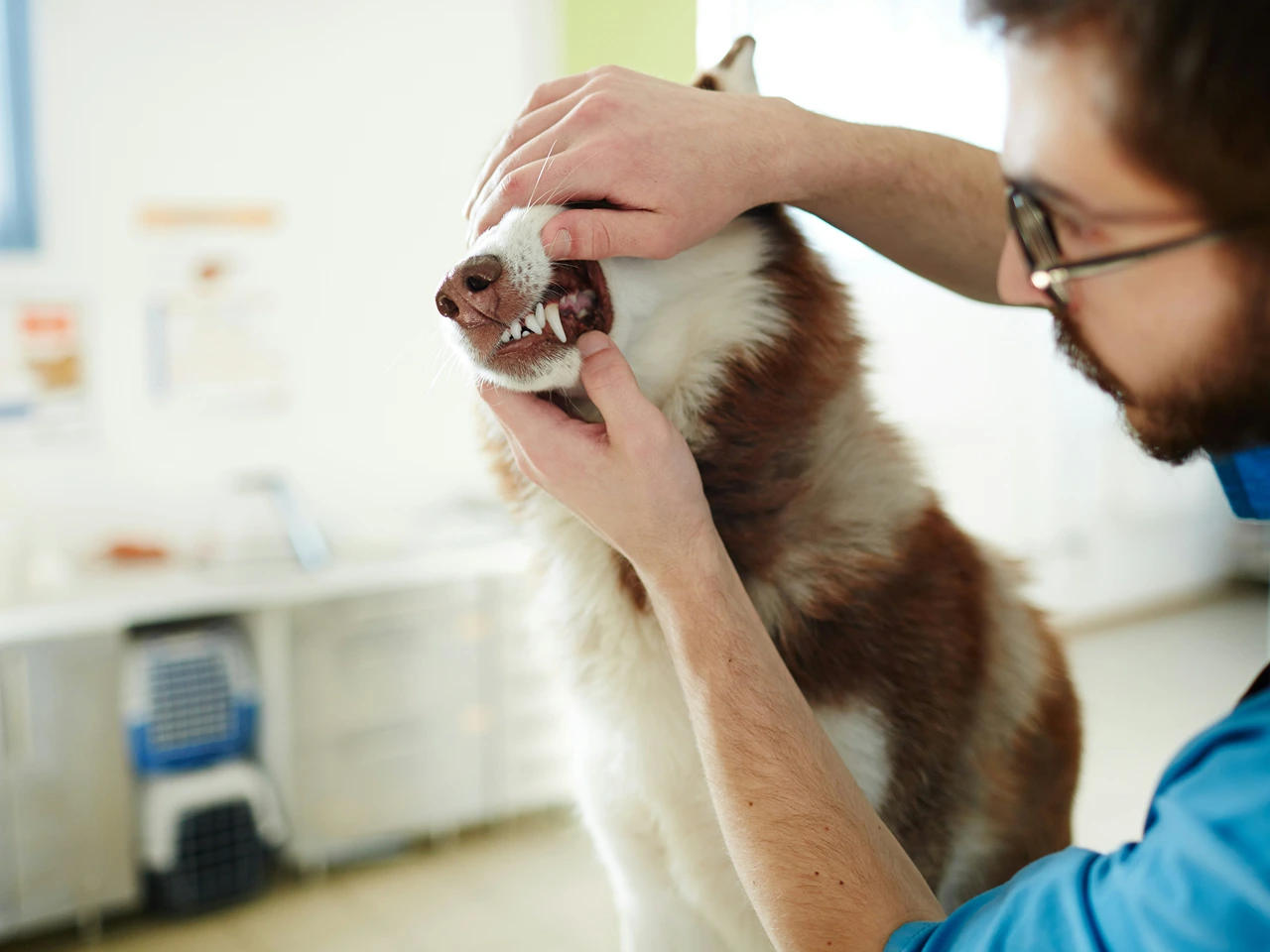
If you notice pale gums, acting calmly and quickly is key. Start by checking their gums in good lighting and compare them to the normal pink colour shown in a dog gum colour chart to confirm whether there is a noticeable change.
- Check capillary refill time: Gently press on the gums with your finger until the gums turn white, then release. This test helps assess circulation—healthy gums usually return to pink within 1–2 seconds.
- Watch for additional symptoms: Pay close attention if your dog’s gums are pale—especially if you also notice lethargy, weakness, disorientation, or collapse—as these could be signs of a serious problem.
- Observe breathing patterns: Keep an eye out for rapid, shallow, or laboured breathing, trouble breathing can be a sign of shock, anemia, or other health issues connected to pale gums.
- Document gum colour changes: Take clear photos of your dog’s gums to show the vet—especially if the colour changes over time or looks different from their usual pink.
- Monitor vital signs: Keep track of your dog’s breathing rate and heart rhythm, noting anything unusually fast, slow, or irregular.
- Check for injuries or blood loss: Examine your dog’s body for wounds, swelling, bruising, or bleeding that could explain changes when you check their gums.
- Keep your dog stable: Help your dog stay calm, warm, and as still as possible to prevent worsening symptoms while you prepare to seek care.
If your dog’s gums look off, don’t just wait to see if it gets better—getting your vet involved quickly can make a big difference.
When to Seek Veterinary Care
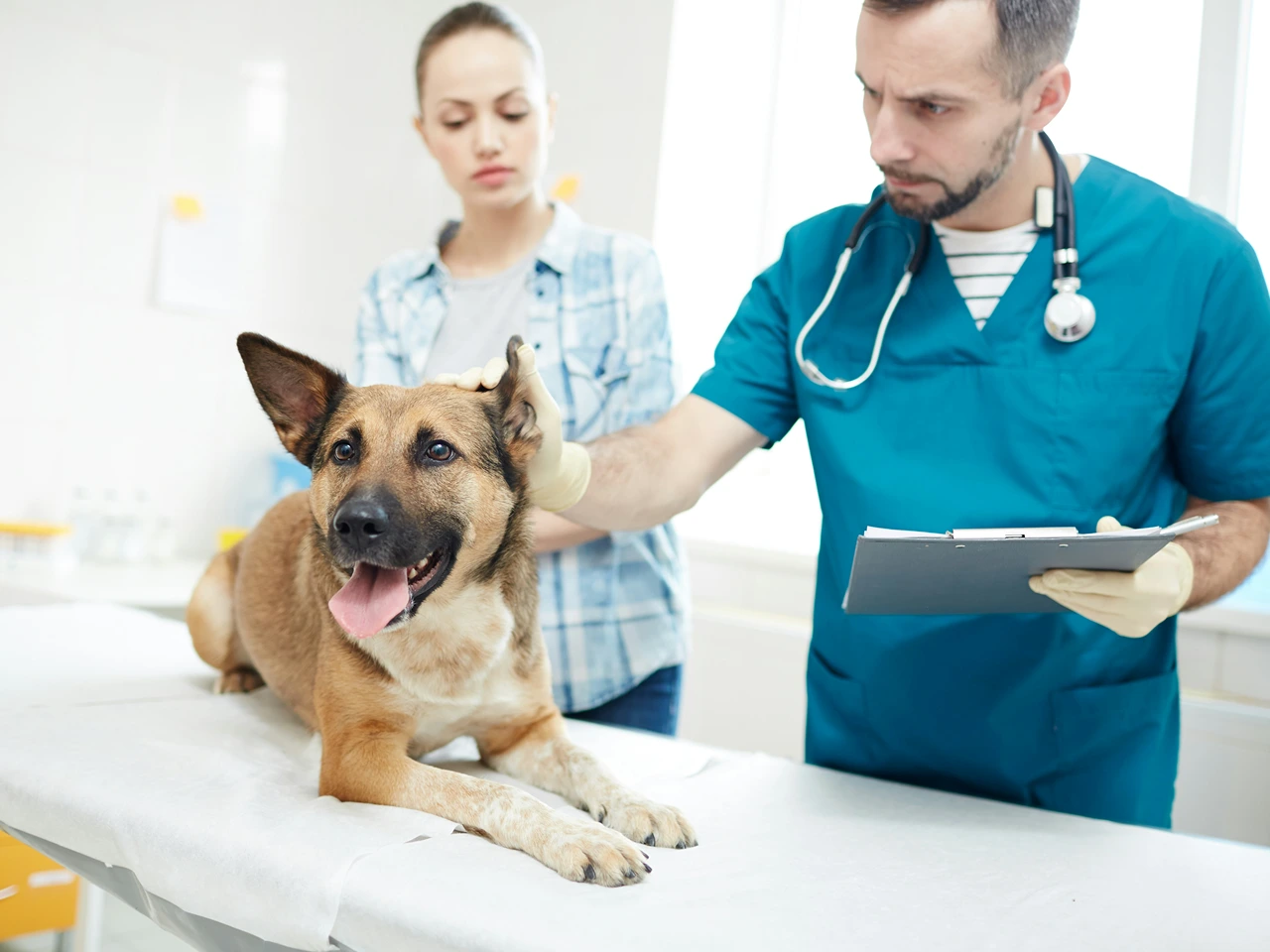
Some signs mean you should take your dog to the vet or an emergency veterinary clinic without delay. Urgent veterinary care is necessary if:
- Your dog has pale gums that are very pale, gray, or suddenly turn white, indicating possible circulation or blood issues.
- Pale gums persist for more than 24 hours or rapidly worsen, showing that the condition is not improving on its own.
- There is collapse, weakness, or signs of shock, which are serious indicators that your dog’s health is at risk.
- Pale gums appear paired with difficulty breathing or rapid breathing, signalling potential respiratory or cardiovascular distress.
- You notice symptoms such as lethargy, confusion, or distress, as these may point to underlying medical problems requiring immediate attention.
- There is visible or suspected internal bleeding, such as unusual bruising, vomiting blood, or blood in stool or urine.
- Your dog stops eating or becomes suddenly inactive, which can indicate severe illness alongside pale gums.
Pale gums in dogs may signal serious health issues, so any ongoing concerns about your dog’s gum colour should be treated as an emergency. These situations always require taking your dog to the vet promptly for evaluation and treatment.
How Vets Diagnose and Treat Pale Gums in Your Dog
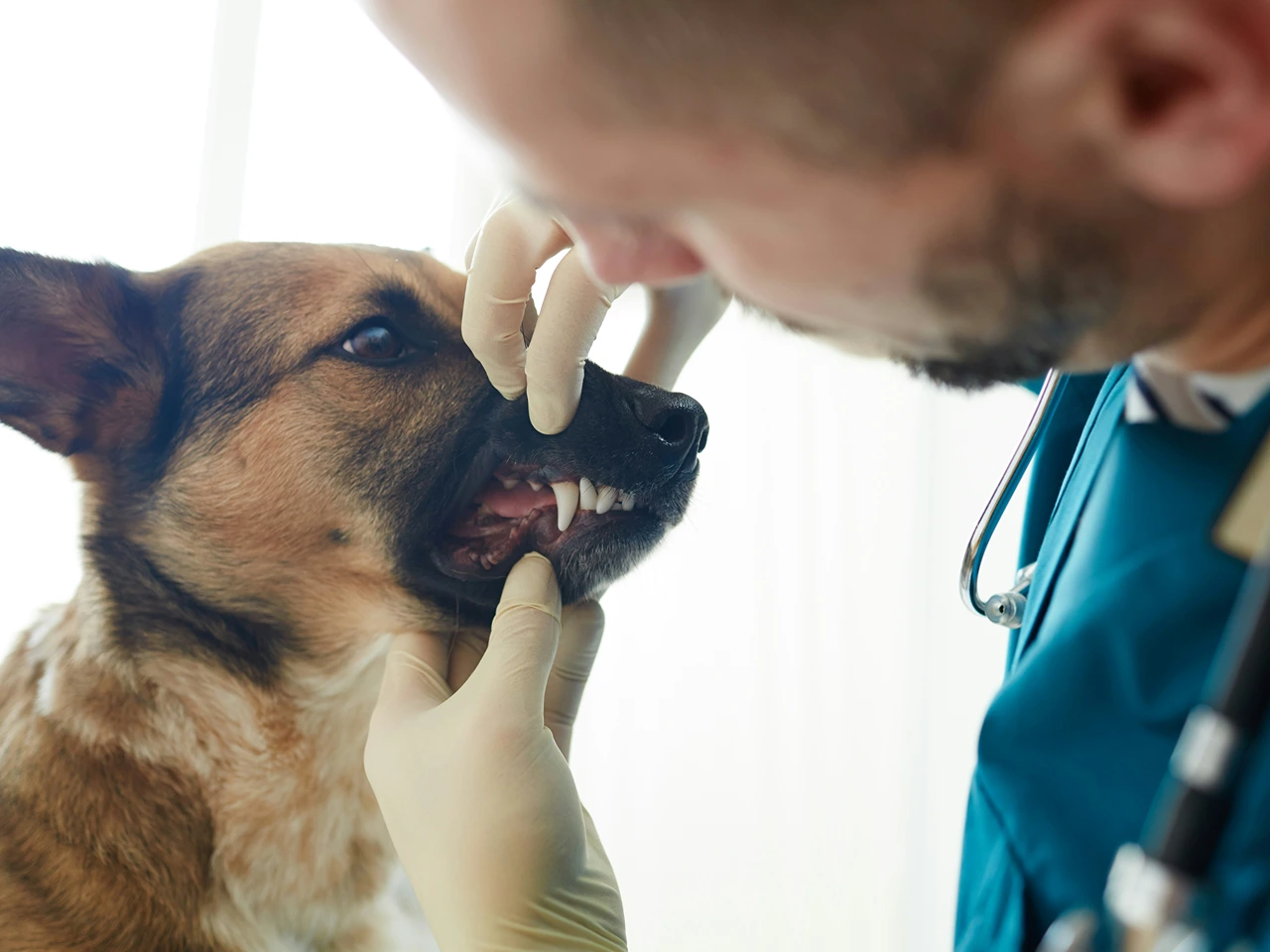
At the veterinary clinic, the vet will focus on identifying the underlying cause of your dog’s pale gums before starting care. The treatment of pale gums is always guided by what’s causing the change in colour and how serious the condition is.
Physical Exam and History Review
The vet will give your dog a thorough check-up from nose to tail and ask about recent symptoms, injuries, diet, medications, and any behaviour changes to help figure out what’s going on.
Blood Tests, Including a Complete Blood Count
These tests measure red blood cell levels and help detect anemia, infection, or blood loss that may explain the pale gums.
Urinalysis
A urine test helps evaluate kidney and liver function and can reveal underlying organ issues contributing to the problem.
Imaging such as X-rays or Ultrasound
These tools allow the vet to look for internal bleeding, tumours, fluid buildup, or other abnormalities that aren’t visible during a physical exam.
Supportive Care, such as IV fluids or Oxygen
If your dog is weak or unsteady, supportive care might start right away to boost circulation and oxygen while the vet runs more tests.
How your dog is treated really depends on what’s going on. In serious cases, things need to happen fast—sometimes that means blood transfusions, surgery, or even intensive care.
Your veterinarian will give clear advice and treatment, explain the recovery plan, and outline any follow-up care needed to support your dog’s healing and long-term health.
How to Prevent Pale Gums in Dogs

While not all cases are preventable, proactive care can go a long way in protecting your dog’s health and maintaining healthy gums in dogs. A few simple, everyday habits can make it much easier to catch problems early.
- Schedule regular vet visits: Routine checkups help your vet keep an eye on your dog’s overall health and spot early signs of illness or anemia before they become serious.
- Feed a balanced, nutrient-rich diet: What your dog eats matters. A well-rounded diet supports red blood cell production and organ function, both of which help maintain normal gum colour.
- Use parasite prevention year-round: Fleas, ticks, and worms may seem minor, but over time they can cause blood loss and contribute to pale gums if not controlled.
- Encourage safe, regular exercise: Daily walks and playtime help support healthy circulation and blood flow, which benefits the gums just like the rest of the body.
- Check gum colour during grooming or brushing: While you’re already caring for your dog, take a quick look at their gums—it only takes a second and can reveal early changes.
- Learn the colour of healthy dog gums: When you know what’s normal, it’s way easier to spot when something’s off.
- Keep toxic substances and medications out of reach: Common household items and human medications can be dangerous for dogs and may affect blood health or organ function.
Remember, healthy gums in dogs have a normal colour—a moist, light to medium pink shade. If the gums look pale, white, bluish, or yellow instead, it’s a good idea to contact your veterinarian and get guidance right away.
Final Thoughts
Pale gums in dogs can be a sign of serious illness. If you ever notice pale gums or have doubts about the colour of your dog’s gums, trust your instincts. Early action and treatment for pale gums can be life-saving. When in doubt, always be on the side of caution and get professional help.
Gum colour is one of the easiest health indicators to check at home, it can be an early warning sign when something isn’t right. Subtle changes may appear before more obvious symptoms develop, giving you a valuable window to act.
Frequently Asked Questions
What causes pale gums in dogs?
Pale gums usually signal that something’s going on with your dog’s circulation, blood, or organs.
Blood-Related Issues: Things like anemia or sudden blood loss mean less oxygen is getting around, which can quickly make gums look pale and leave your dog feeling low on energy.
Circulation and Heart Concerns: If blood isn’t flowing well, oxygen can’t reach the gums properly, often giving them that washed-out look.
Internal Organ Disease: Problems involving the kidneys or liver interfere with normal blood production and filtration.
Parasitic Burdens: Ongoing blood loss from parasites is one of the issues that can quietly drain red blood cells.
Big Picture Awareness: Understanding and spotting early signs helps pet owners learn what causes these changes before they worsen.
What are the signs of healthy dog gums?
Healthy gums reflect good circulation, hydration, and overall wellness.
Colour Check: The gums should have a normal colour that looks light to medium pink rather than dull or gray.
Quick Refill Time: When pressed gently, the gums should return to their shade within 1–2 seconds.
Moist Texture: Healthy gums feel slightly slick, not dry or tacky, which shows proper hydration.
Comfort and Energy: Healthy gums usually go hand-in-hand with a good appetite, alertness, and your dog’s usual energy.
Consistent Appearance: Their gum color should stay steady—no sudden swings between pink and pale from one day to the next.
When to contact a veterinarian?
Certain gum changes signal the need for professional care without delay.
Sudden Colour Changes: Gums that turn very light or become white gums can indicate shock or severe blood loss.
Lingering Pale Gums: If your dog’s gums stay pale for more than a day, it’s a sign something isn’t right and isn’t going to fix itself.
Red Flags in Behaviour: Keep an eye out for weakness, collapsing, or confusion along with gum changes—these are serious and need a vet right away.
Breathing Difficulty: If your dog is breathing fast or seems laboured along with pale gums, it could mean they’re not getting enough oxygen—get help fast.
Loss of Appetite: If they’re refusing food or water, it could be a sign of a serious illness that needs urgent attention.
What should I do if my dog’s gums are pale?
Staying calm and acting fast can help stabilize your dog while you get ready to see the vet.
Check in Good Light: Take a close look in good lighting to see if the gums really are lighter than normal.
Assess Texture: Gums that feel pale or sticky can be a sign of dehydration, poor circulation, or even shock.
Watch for Other Symptoms: Keep an eye out for lethargy, vomiting, weakness, or changes in breathing—these could point to a serious issue.
Limit Activity: Keep your dog warm, quiet, and still to avoid worsening circulation problems.
Contact Your Vet Promptly: Share what you’re seeing and follow instructions for next steps.
Can pale gums in dogs be prevented?
While not every case is avoidable, consistent care can greatly reduce the risk of gum colour changes linked to illness.
Balanced, Nutrient-Rich Diet: A good diet keeps red blood cells healthy and supports overall blood health, which shows up in the colour and condition of your dog’s gums.
Year-Round Parasite Control: Keeping fleas, ticks, and worms at bay helps prevent hidden blood loss that you might not even notice.
Safe Play and Injury Prevention: Making sure your dog doesn’t get hurt or overdo it lowers the risk of internal bleeding or shock.
Safe Activity and Injury Prevention: Avoiding trauma and overexertion lowers the risk of internal bleeding or shock-related conditions.
Regular At-Home Gum Checks: Briefly checking your dog’s gums during grooming helps you catch subtle changes early, when treatment is most effective.

