


TL;DR: What You Need to Know About Lone Star Tick Bites and Health Risks
- Lone Star ticks can pose real health risks: A dog bitten by a tick, such as Lone Star ticks and others, may be exposed to serious tick-borne illnesses if ignored.
- Ticks are common in many environments: Ticks can be found in yards, parks, trails, and grassy areas, and a small tick may go unnoticed until symptoms appear.
- Watch for bite reactions and early symptoms: Skin irritation, swelling, fatigue, or behaviour changes can appear after your dog is bitten by a tick, sometimes immediately or weeks later.
- Tick-borne diseases can be serious: Some illnesses may cause fever, weakness, or joint pain, so early monitoring helps protect your dog’s long-term health.
- Prevention is your best protection: Monthly preventives, routine checks, grooming, and vet-recommended products help give your dog strong protection.
- Remove ticks safely and monitor closely: If you find one, remove it carefully and watch for symptoms that could develop after exposure.
Dog bitten by a tick and unsure what to do? Reach out to us. We can provide you with guidance and early care to keep your dog safe and healthy.
Found a tick on your dog after a walk, and worried how serious it could be? It’s normal to feel uneasy, especially since ticks can be easy to miss until they’ve already attached. Dogs that spend time outdoors, even in short walks or backyard play, can pick up ticks without obvious signs at first. Ticks are common, but a Lone Star tick bite can pose a real risk of tick-borne illness if it’s overlooked. Knowing how ticks behave, what they look like on a dog, and when your dog may show symptoms helps dog owners act quickly and confidently.
In this blog, you’ll learn how to identify a Lone Star tick, early warning signs to watch for after a bite, potential health risks linked to tick-borne diseases, and when it’s best to contact a veterinarian to protect your dog’s health.
Lone Star Tick and Other Common Types of Ticks on Dogs

There are different types of ticks that commonly affect dogs, and identifying the tick species involved matters because ticks can transmit diseases to dogs. Some ticks are more aggressive, while others thrive in specific environments that increase exposure for many dogs.
Lone Star Tick (Amblyomma Americanum)
Recognized by the white dot on female ticks, this aggressive species is commonly found in the southeastern and eastern United States, with its range expanding northward. Both adult ticks and nymphs readily become attached to your dog, increasing the risk of transmitting multiple tick-borne illnesses.
Brown Dog Tick
The brown dog tick thrives indoors, in kennels, and in homes, allowing infestations to persist year-round. Disease is often transmitted by the brown dog tick, making it a significant concern for many dogs in urban and multi-pet environments.
American Dog Tick (Wood Tick)
Also known as the wood tick, this species is larger than most ticks and commonly found in grassy fields and along trails. The American dog tick is known to carry pathogens that cause serious diseases to dogs.
Deer Tick (Black-Legged Tick)
The deer tick is strongly associated with Lyme disease in dogs. This species is responsible for spreading disease and other infections, including Lyme disease in dogs across many regions.
Gulf Coast Tick
Often found in warm, coastal, and grassy habitats where ticks live, this species commonly attaches around the ears and legs. Its presence is more frequent in southern climates with dense vegetation.
Seasonal Activity Patterns
In milder climates, ticks can be found all year round, but their activity peaks during the warmer months. Because ticks are small, especially in early life stages, they often go unnoticed in yards, parks, and trails where tick exposure is high and dogs frequently roam.
Signs and Symptoms of Tick Bite in Dogs

When a dog has a tick, early detection matters. A tick attached to your pet may cause subtle or obvious reactions, depending on how long it has been feeding and whether an infected tick is involved.
- A visible tick attachment site or tick attached to the dog’s skin: You may spot a tick embedded in the dog’s skin, often appearing as a small dark lump that wasn’t there before. Ticks commonly hide around ears, neck folds, paws, and under collars.
- Local skin irritation and redness at the bite site: The area where the tick attached may look red, inflamed, or sensitive to touch. This irritation is a common reaction as the tick feeds and releases saliva into the skin.
- Swelling around the bite area: Mild to noticeable swelling can develop around the bite, especially if the dog has been bitten for several hours of a tick feeding. In some cases, swelling may worsen if infection sets in.
- Persistent scratching or biting at the affected area: Dogs often scratch, lick, or bite the spot where the tick was attached due to itching or discomfort. Ongoing irritation is one of the common symptoms to watch closely.
- A small bump or scab after tick removal: Once ticks are removed, a small bump or scab may remain for days or even weeks after the tick bite. This is usually normal but should be monitored for signs of infection.
- Symptoms of tick paralysis in dogs: In rare cases, symptoms of tick paralysis can appear, including weakness, wobbliness, difficulty standing, or changes in coordination. These symptoms may worsen quickly and require immediate veterinary care.
- Changes in appetite or behaviour: If a dog has been bitten by an infected tick, you may notice fatigue, reduced appetite, or unusual behaviour. These symptoms may indicate your dog is feeling unwell and should not be ignored.
Symptoms may appear within hours of a tick attaching, while others can develop weeks after the tick bite. Always stay alert for common symptoms to watch for, especially if your dog has been bitten by a tick that may carry disease.
Common Tick-Borne Diseases and Risks
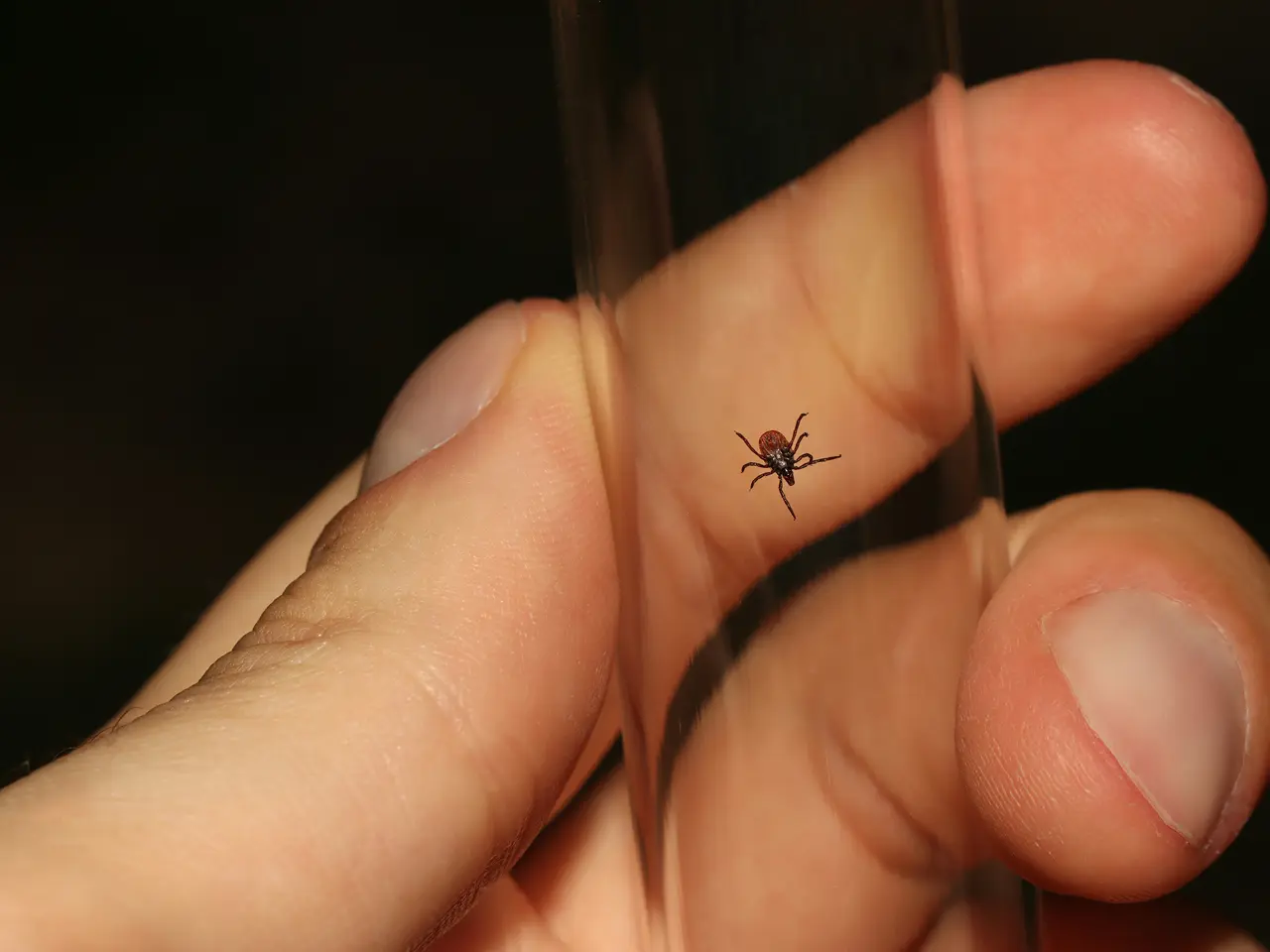
A single dog tick bite can expose pets to serious illness. Because ticks can carry bacteria and parasites, even brief exposure may lead to infection or long-term health complications.
Southern tick-associated rash illness (STARI)
Linked to Lone Star ticks, this condition may cause flu-like signs and skin irritation. While often milder than Lyme disease, the disease may still cause discomfort and should be monitored closely.
Ehrlichiosis
This tick-borne disease in dogs attacks blood cells and can progress from mild symptoms to serious complications if left untreated. The disease may cause bleeding issues, chronic weakness, or immune suppression over time.
Rocky Mountain Spotted Fever
A fast-acting illness that can be life-threatening without prompt treatment. Symptoms like high fever, joint pain, and loss of appetite can worsen quickly.
Tularemia
A rare but severe bacterial infection transmitted by ticks and wildlife exposure. The disease may lead to fever, swollen lymph nodes, and extreme lethargy in affected dogs.
Alpha-gal syndrome (meat allergy)
An unusual reaction linked to tick bites that can trigger sensitivity to red meat proteins. Though rare in dogs, symptoms like digestive upset or allergic reactions are increasingly reported.
Cytauxzoonosis
A severe parasitic infection spread by ticks, especially dangerous for outdoor cats and dogs in high-risk regions. This tick-borne disease in dogs progresses rapidly and often requires emergency care.
These tick-borne diseases in dogs have varying incubation periods, so symptoms may not appear right away. Watch for symptoms like fever, lethargy, limping, or joint pain, and seek veterinary care promptly if any signs develop.
How You Can Protect Your Dog and Prevent Ticks

Consistent tick prevention is the best way to reduce the risk of tick exposure and keep your dog healthy and comfortable year-round.
- Use monthly tick preventive treatments and tick prevention products as advised by your vet. A reliable tick preventive helps kill ticks before they cause harm. Always choose vet-approved tick prevention products suited to your dog’s size, age, and lifestyle.
- Combine flea and tick control to kill ticks before they attach. Using integrated flea and tick treatments increases effectiveness and helps kill ticks quickly, reducing the chance of disease transmission.
- Practice environmental tick control measures, especially where ticks are common. Keep grass trimmed, remove leaf litter, and limit wildlife access to lower tick populations around your home and yard.
- When necessary, use collars and sprays that repel ticks. Collars and repellents can supplement your overall tick prevention strategy by offering extra protection when hiking or visiting high-risk locations.
- Perform routine tick checks, and check your dog for ticks after outings. Regular tick checks are essential—always check your dog for ticks after walks, playtime, or outdoor adventures.
- Groom frequently to spot if a pet has a tick early. Routine brushing and bathing make it easier to notice if your pet has a tick, allowing for quicker and safer removal.
- Avoid high-risk areas during peak seasons when ticks are most active. Limiting exposure to wooded, grassy, or damp areas during peak tick months helps reduce the chance of contact.
How You Can Safely Remove a Tick
If you notice one attached, remove it carefully to ensure the whole tick is removed—never crush it. Clean the bite area well after removal, and keep a close eye on your dog for any changes or symptoms. If you’re unsure how to remove a tick safely or the tick is difficult to handle, contact your vet for assistance.
These habits play a key role in protecting your dog from tick-borne diseases and health threats. Always monitor your dog after outdoor activity to catch problems early.
When to See a Vet for a Lone Star Tick Bite in Dogs

Veterinary care is essential when warning signs appear. Take your dog to the vet promptly if you notice any of the following:
- Multiple tick attachments: Finding more than one tick may increase the risk of infection or disease transmission, especially if ticks were attached for an extended time.
- Signs of infection, such as oozing or heat at the bite: Redness, swelling, warmth, or discharge around the bite site can signal a developing infection that needs medical attention.
- Fever, lethargy, or if your dog shows weakness: These systemic symptoms may indicate your dog is showing an immune response to a tick-borne illness and should be evaluated quickly.
- Loss of appetite or behavioural changes: A sudden refusal to eat, irritability, or unusual withdrawal can be early signs that something more serious is going on.
- Unusual joint pain or lameness: Limping, stiffness, or reluctance to move may suggest inflammation or joint involvement linked to tick-related conditions.
- Breathing difficulties: Laboured breathing, coughing, or rapid breaths are urgent warning signs—take your dog to the vet immediately if your dog shows any trouble breathing.
Final Thoughts
If you find a tick on your dog, act quickly and use a proper tick removal tool, grasp the tick as close to the skin as possible, and follow the method recommended by vets. Beyond removal, stay vigilant for any signs of illness or unusual behaviour in your dog, even days after the bite.
Your dog's health can be improved by regular tick prevention, regular examinations, and knowledge of the dangers posed by Lone Star ticks. Being proactive keeps your pet safe and content by reducing the likelihood of serious tick-borne diseases and shielding them from discomfort.
Frequently Asked Questions
How can a veterinarian help with tick-borne illnesses in dogs?
When it comes to identifying and treating tick-related illnesses in dogs, veterinarians are essential.
Early diagnosis: Before serious symptoms manifest, a vet can detect diseases carried by ticks.
Plans for treatment: They offer drugs and treatments to treat tick-borne infections.
Monitoring recovery: Regular check-ups ensure your dog recovers fully from tick exposure.
Preventive advice: Vets guide on products and strategies to minimize future tick risks.
Emergency care: In cases of severe reactions, such as tick paralysis, a veterinarian can provide urgent intervention.
What are the signs of tick paralysis in dogs?
Tick paralysis is a dangerous illness that needs to be treated right away.
Weakness or wobbliness: Dogs may appear unsteady or have trouble walking normally.
Loss of coordination: Paralysis may be indicated by stumbling or having trouble climbing stairs.
Breathing problems: In severe cases, breathing normally may become difficult.
Progressive symptoms: Usually beginning in the hind limbs, paralysis progresses.
Behavioural changes: Dogs may appear unusually lethargic or irritable.
Where are ticks found and what ticks like in dogs’ environments?
Knowing where ticks thrive helps prevent infestations.
Outdoor areas: Ticks are found in grassy, wooded, or leafy regions.
Parks and backyards: Dogs that are searching for ticks frequently do so in places with long grass.
Indoor hiding places: Some ticks, such as the brown dog tick, prefer to live in homes and kennels.
Seasonal patterns: Although they may be found all year round in some areas, ticks prefer warm, humid months.
Animal contact: Dogs encountering wildlife or other pets increase exposure to ticks.
How can you protect your dog from ticks effectively?
Consistent behaviours and products make it easier to avoid tick bites.
Employ preventive measures: As a precaution, apply monthly tick control products as directed by your veterinarian.
Frequent grooming: Examining your dog after walks aids in the early detection of ticks.
Tick repellents: During outdoor activities, collars and sprays can lessen tick attachment.
Environmental control: Avoid brush and tall grass in yards as these are breeding grounds for ticks.
Steer clear of high-risk areas: During the height of tick season, limit your exposure to dense vegetation.
What is the safest way to remove a tick from a dog?
When removed properly, complications and the spread of disease are avoided.
Use tweezers or a tick removal tool: Grab the tick as close to the skin as you can with tweezers or a tick removal tool.
Steady pull: Remove the tick slowly without twisting to avoid leaving parts embedded.
Clean the area: After removal, apply an antiseptic to the bite site to disinfect it.
Monitor symptoms: Watch for swelling, redness, or signs of illness after a bite.
Seek professional help: If unsure how to remove a tick safely, contact your veterinarian immediately.

