


TL;DR: Is Salt Bad for Dog Paws – Risks, Signs, and Protection Tips
- Winter walks on icy or salted sidewalks can be rough on your dog’s paw pads, and it’s easy to forget how much damage salt and ice can cause until you see your dog chewing or licking their paw.
- Salt exposure can lead to dry, cracked, or red paws, and in serious cases, dogs may ingest road salt, which can cause vomiting, diarrhea, dehydration, or other health problems.
- Pay attention after walks—if your dog limps, chews, or seems hesitant to go outside, their paws might be irritated or at risk.
- You can help by wiping or rinsing paws after walks, applying paw balm or wax, using dog boots, or choosing pet-safe alternatives to traditional salt.
- A little care and prevention go a long way to keeping your dog’s paws healthy and making winter walks more comfortable for both of you.
If you notice persistent paw irritation or unusual behaviour, don’t wait—consult us, our professional vets. With early care, your dog can stay safe, happy, and comfortable all winter long.
Have you noticed your dog licking their paw pads after a winter walk? Walking on sidewalks covered in sodium chloride, magnesium chloride, or even pet-friendly salt can make their paws dry, sore, and irritated. It’s something many of us don’t think about until we see our dog trying to soothe their discomfort.
Rock salt and ice-melting products can stick to their feet, and if left too long, they can even lead to dehydration or skin problems. Some dogs may lick or chew their paws after walking, and without protective paw balm or dog booties, veterinary care might be needed in severe cases.
Winter walks on salted sidewalks can be stressful for both dogs and their owners. Seeing your dog limp, lick, or chew their paws is worrying and frustrating. Keep reading if you want to understand how salt can affect your dog’s paws and health.
How Road Salt and Rock Salt Affect Dog Paws
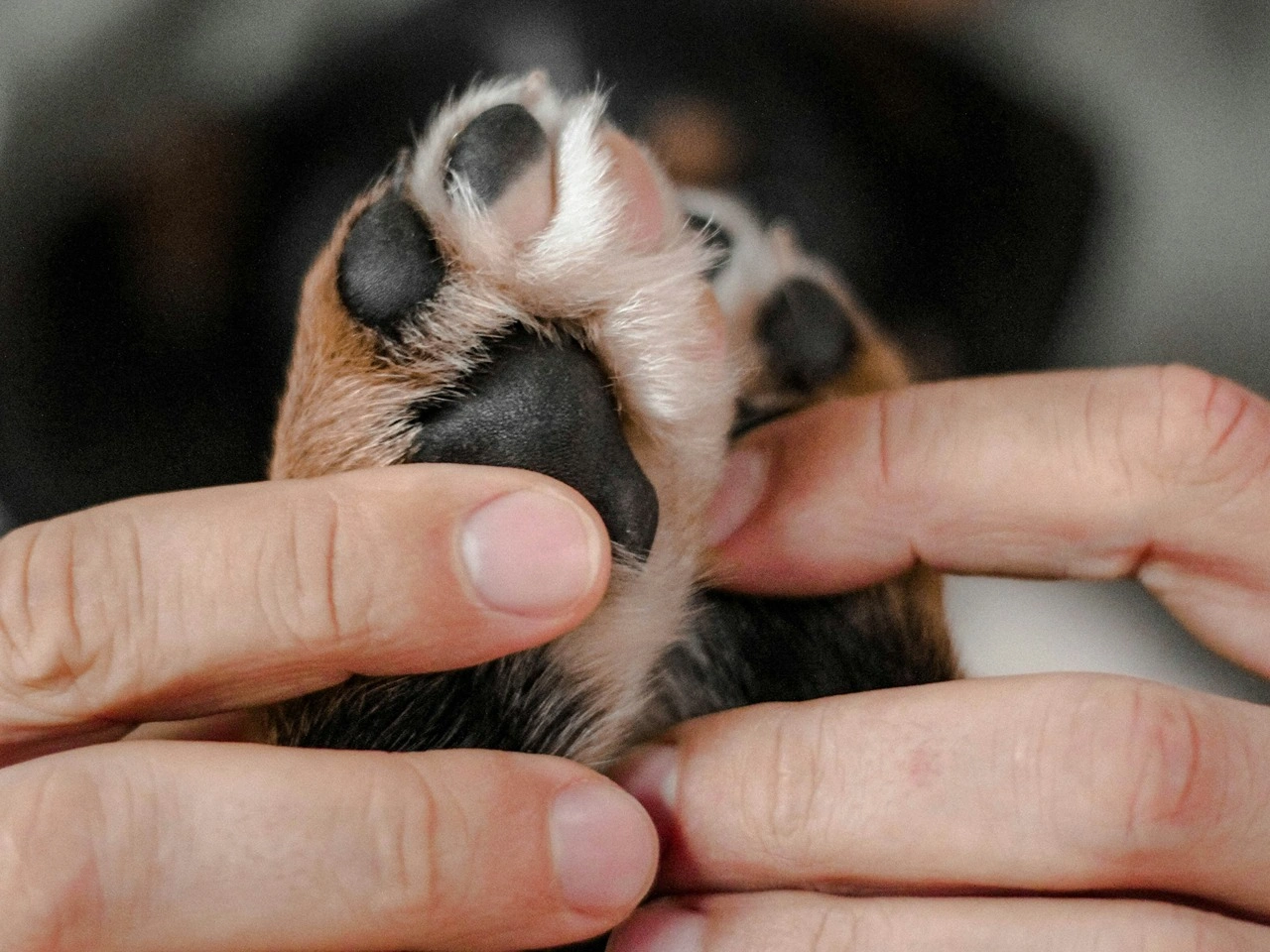
Walking your dog on salted sidewalks and roads exposes the dog’s feet or paw pads to calcium chloride, rock salt, and other chemical risks associated with rock salt. Salt can cause irritation, dry paws, and even burns if a dog spends too much time on salted surfaces, making winter walks stressful for both dogs and their owners.
Why Salt Can Be Harmful to Dogs’ Paws
Extended contact with road salt or rock salt can lead to immediate risk for dogs and their paw pads, irritation from road salt can cause, and even burns in severe cases. Salt stuck between dogs’ feet can make them lick or chew their paws after walking, which may lead to ingesting road salt—something toxic to dogs when consumed.
Ways Salt Can Affect Dogs’ Paw Pads:
- Dry and cracked paw pads: Salt can lead to dehydration and skin issues.
- Irritation from road salt can cause: Dogs’ feet may become sore or uncomfortable.
- Salt stuck between toes: Makes dogs more likely to lick or chew their paws after walking on salted surfaces.
- Even burns in severe cases: Extended contact with rock salt can damage dogs’ paw pads.
- Ingest road salt risk: Licking or chewing paws after walking on salted surfaces can cause dogs to ingest salt.
Why Winter Walks Require Extra Care
Dogs’ paw pads are delicate, and snow and ice treated with salt increase the risk of irritation and burns. Watching your dog lick or chew their paws after coming home can be worrying and stressful.
Key Reasons to Take Care:
- Dogs’ paw pads are sensitive and can dry out from salt exposure.
- Salt stuck on dogs’ feet can lead to irritation or even burns.
- Licking or chewing paws after walking on salted surfaces may lead to ingestion of road salt.
- Repeated walking on salted surfaces without protection raises concerns about your dog’s health.
Signs and Symptoms When Your Dog Has Ingested Salt and Has Irritated Paws
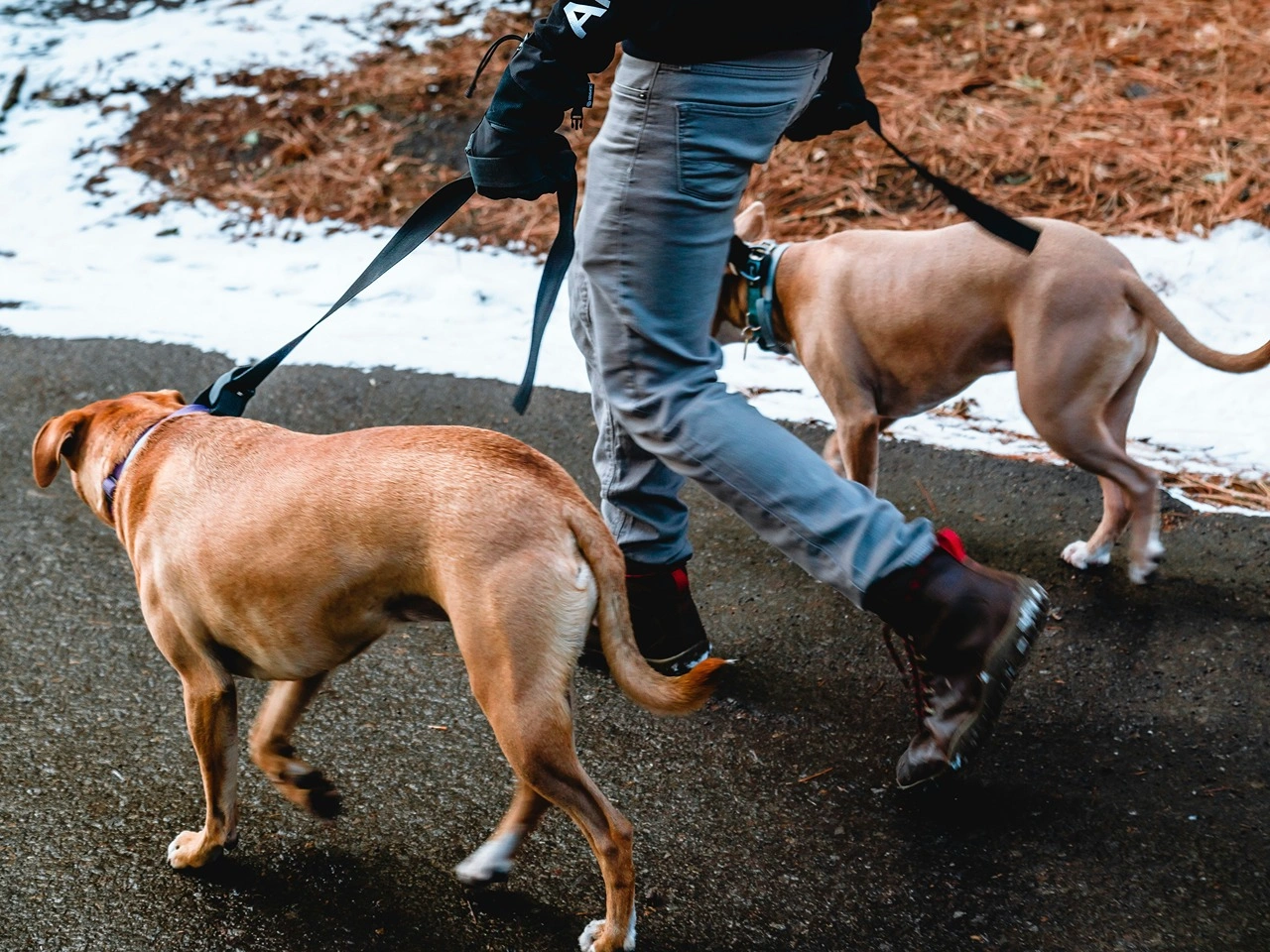
Dogs walking on salted surfaces may ingest road salt, which is toxic to dogs when consumed. Salt can cause serious problems, and during the winter months, extended contact with road salt or rock salt increases the risks. Paying attention to your dog’s furry paws after walking on salted sidewalks can prevent concerns about your dog’s health.
Salt Ingestion
When a dog licks or chews their paws after walking on salted surfaces, they may ingest road salt. Even small amounts can be harmful, and in significant quantities, they can even lead to death.
Signs of Salt Ingestion
- Drinking or urinating more than usual: Salt can lead to dehydration.
- Vomiting or diarrhea: Your dog may be trying to cope with what they consumed.
- Lethargy or unusual behaviour: They may seem weak, tired, or less playful.
- Severe cases: The greatest danger is salt poisoning; salt consumed in significant quantities can cause vomiting, diarrhea, tremors, seizures, or even death in severe cases.
Paw Irritation
Extended contact with road salt or rock salt can cause irritation road salt can cause and dryness on dogs’ paw pads. Many dogs try to remove salt stuck on their paws by licking or chewing, which can make the problem worse.
Signs of Paw Irritation
- Red or inflamed dog’s paw pads: Paws may look sore after walking on salted surfaces.
- Cracked or dry paws: Salt can lead to dehydration and skin damage.
- Licking their paws clean or chewing paws: When the dog comes home after walking on salted surfaces, they're trying to remove salt stuck between toes.
- Limping or reluctance to go outside: Dogs may avoid walking on ice and snow because it hurts.
- Swollen paws: Extended contact with salt can cause paw pads to swell.
- Bleeding paw pads: In severe cases, cracks or even burns can lead to bleeding.
- Behavioural changes: Your dogs may become irritable or hesitant to let you touch their paws.
Are There Pet-Safe Alternatives to Traditional Salt?
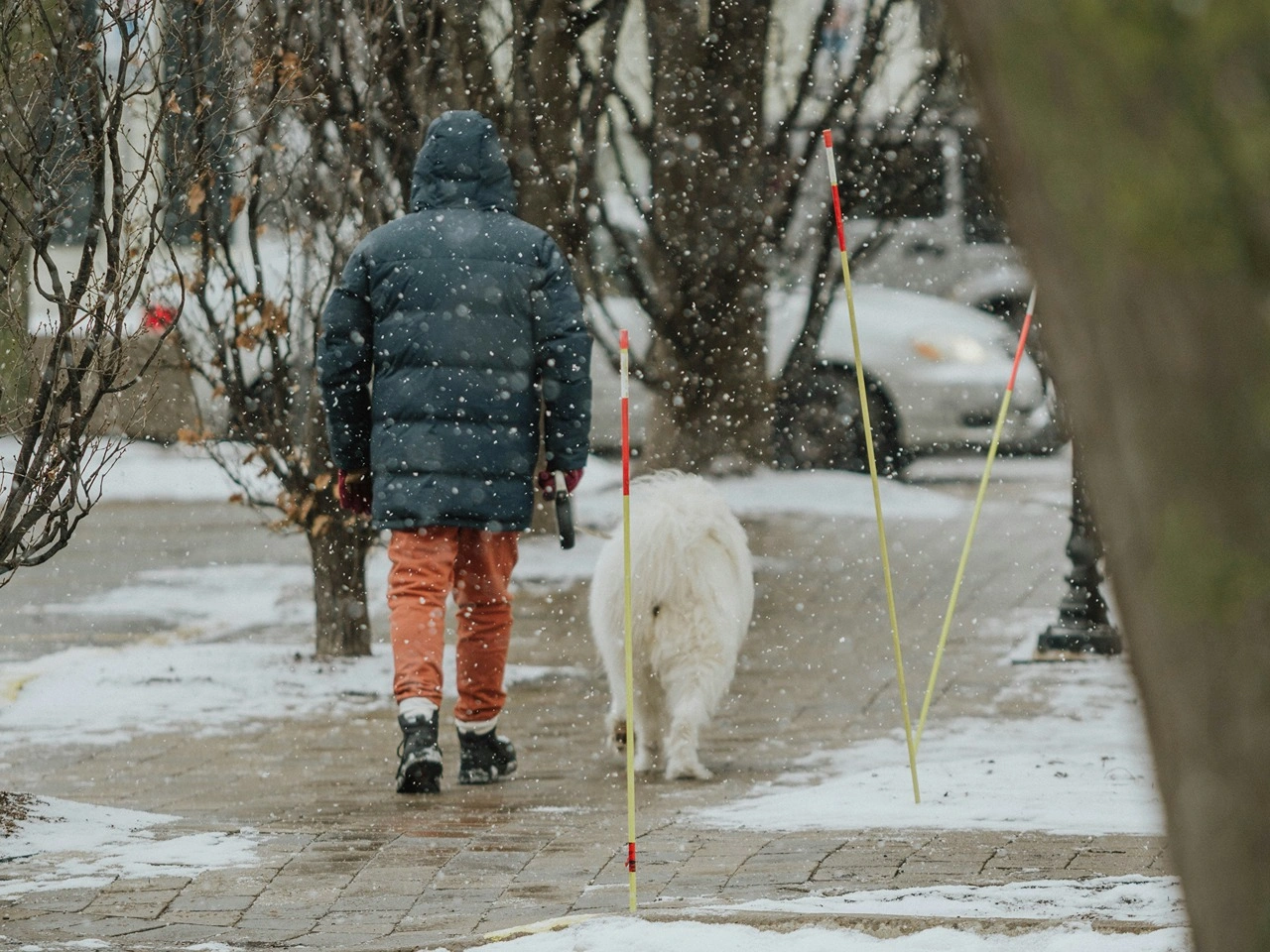
Fortunately, there are pet-safe alternatives that melt ice without harming your dog, reducing what salt can cause to their paws and helping keep them clean and healthy. It’s a small change that makes a big difference during the winter months.
Why Choose Pet-Safe Salt
Traditional road salt can lead to dryness, irritation, or even burns on dogs’ paw pads. Pet-safe alternatives help protect dogs or pups’ paws while still doing the job of melting snow and ice.
Benefits of Pet-Safe Alternatives
- Gentle on the dog's paws: Less irritation than road salt can cause.
- Safer if licked: Reduces the risk of ingesting road salt.
- Protects dog’s paw pads: Allows walking on salted surfaces with less discomfort.
- Effective on ice and snow: Keeps sidewalks safe without causing harm.
Tips for Using Pet-Safe Salt
Even with pet safe products, some care is needed to keep dogs’ paws healthy.
How to Protect Your Dog’s Paws
- Apply the product only where it’s needed to melt the ice.
- Wipe paws or rinse your dog’s paws with lukewarm water after walks.
- Use paw balm, paw wax, or a barrier on your dog’s paw for extra protection.
- Consider dog boots for dogs that are not yet used to walking on treated surfaces.
- Help your dogs get used to walking safely on salted sidewalks gradually.
Tips to Protect Your Dog’s Paws on Salted Surfaces in Winter
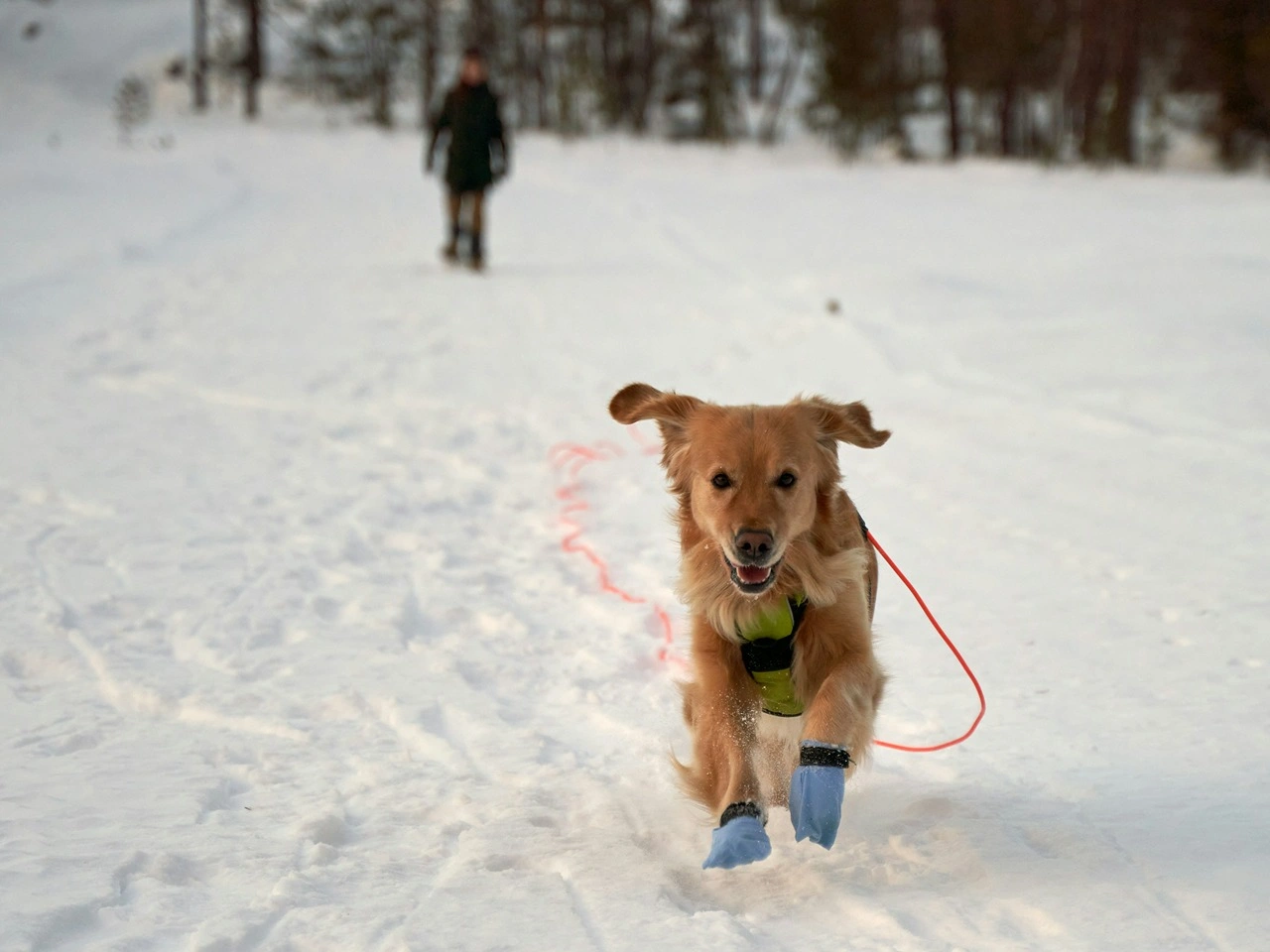
Salt and ice can cause irritation to their paws, and many dogs try to lick or chew their paws to get rid of the salt stuck between their toes. A few simple steps before and after a walk can make winter outings safer and more comfortable for your dog.
Before a Dog Walk
Preparing your dog's paws ahead of time can save a lot of discomfort later.
Protective Measures
- Apply paw balm or wax to create a protective layer on your dog’s paw pads.
- Use dog boots for dogs that aren’t yet used to walking on snow and ice.
- Help your dogs get used to walking gradually on salted sidewalks so walks are easier and safer.
After a Dog Walk
Taking care of paws after a winter walk is just as important as preparing beforehand.
Steps to Protect Paws
- Rinse your dog or pup’s paws with warm water to remove salt stuck on paw pads.
- Wipe paws thoroughly to keep them clean and dry.
- Reapply paw balm or wax if needed to soothe and protect paw pads.
- Choose shorter walks or areas with less salt to reduce the risk to their paws.
Final Thoughts
Winter walks can be tough for both you and your dog, especially on icy or salted sidewalks. It’s easy to forget how much salt and ice can irritate or even burn their paw pads, and many dogs will lick or chew their feet afterwards, trying to ease the discomfort.
You might notice your dog hesitating to walk on certain streets, or lifting their paws more than usual—that little pause is their way of saying it hurts. Taking a few simple steps, like cleaning their paws after a walk or adding some protection beforehand, can make a noticeable difference.
These small efforts help prevent pain and keep your dog happy and comfortable during the winter months. With a little attention, winter walks can be safe, stress-free, and even enjoyable for both of you.
Frequently Asked Questions
Can dogs get used to walking on salted sidewalks?
Some dogs can get used to walking on salted sidewalks over time, but it really depends on their sensitivity and the condition of their paw pads.
Gradual exposure: Start with short walks on lightly salted areas so your dog can adjust without causing discomfort.
Observation: Pay attention to limping, licking, or chewing during and after walks—these are clear signs your dog’s paws need protection.
Comfort tools: Using dog boots or paw balm can make walks more comfortable and prevent irritation.
Personal experience: Many dog owners notice their pets slowly get used to winter walks, but heavy or repeated exposure to salt should always be minimized.
How often should I apply paw balm during winter?
The right frequency depends on how active your dog is and how harsh the winter conditions are.
Before walks: A thin layer of paw balm creates a protective barrier and helps prevent irritation from salt and ice.
After walks: Reapply if paws are dry, cracked, or red, especially after longer walks or repeated exposure.
Observation: Watch for signs like cracking, redness, or excessive licking—these indicate your dog may need more protection.
Routine care: Making paw balm part of your winter routine helps keep paw pads soft, healthy, and comfortable.
Are dog boots worth the investment?
Dog boots can be a lifesaver for sensitive paw pads or dogs who lick or chew their paws after walks.
Protection from salt: Boots prevent direct contact with harmful chemicals, which can save your dog a lot of discomfort.
Adjustment period: Some dogs need a few tries to get used to boots, so start with short walks to help them adapt.
Long-term benefits: Regular use of boots reduces licking, chewing, and paw irritation, making winter walks more enjoyable for both you and your dog.
Practical tip: Make sure the boots fit well, are non-slip, and allow your dog to walk naturally on ice and snow.
What should I do if my dog shows signs of salt ingestion?
If your dog licks or chews their paws after a walk on salted sidewalks, they could ingest harmful amounts of salt, which requires prompt attention.
Rinse and wipe paws: Remove any salt left on the paws as soon as possible to prevent further ingestion.
Monitor symptoms: Look out for vomiting, diarrhea, lethargy, or unusual behaviour, which could indicate salt poisoning.
Vet guidance: Call your veterinarian right away if symptoms persist or worsen, as professional care is essential.
Prevention: Regularly checking and protecting your dog’s paws with balm or boots can significantly reduce the risk of ingestion.
Can salt exposure affect older dogs differently?
Older dogs are often more sensitive to salt because their paw pads are thinner, drier, and slower to heal.
Higher risk of irritation: Cracks, redness, or burns can develop more easily on older dogs’ paws.
Slower recovery: Healing from paw injuries or irritation may take longer compared to younger dogs.
Extra care needed: Applying paw balm, using dog boots, and sticking to shorter walks on salted sidewalks can help protect senior dogs’ paws.
Observation: Keep an eye on limping, excessive licking, or changes in mobility—these could be early signs of discomfort that need attention.

