
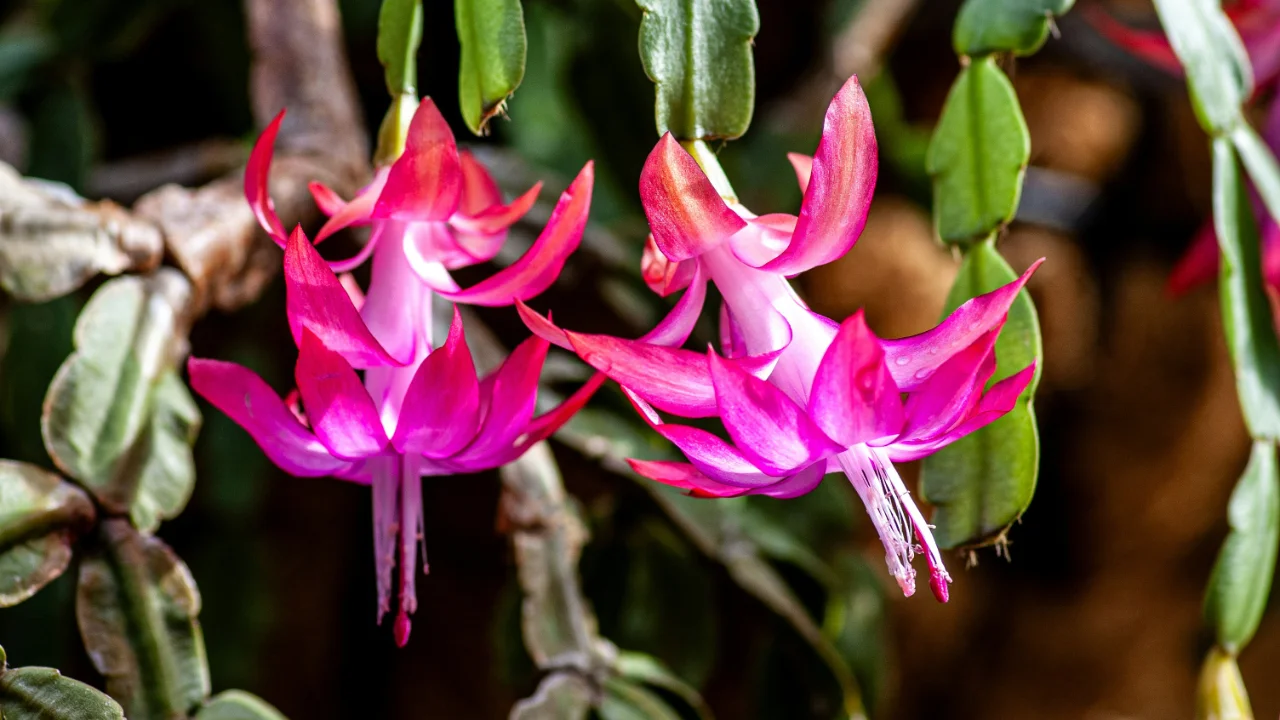

TL;DR: What You Need to Know About Christmas Cactus and Cats
- Short answer: No. The ASPCA lists Christmas cactus as non-toxic to cats and dogs.
- A tummy ache is still possible: Ingestion of large quantities of any plant can lead to vomiting or diarrhea.
- Same goes for its cousins: Thanksgiving and Easter cactus are in the same family and are also considered safe.
- The real danger: Lilies. Even a little pollen can cause kidney failure in cats, and they show up in holiday bouquets all the time.
- Other plants to skip: Amaryllis, holly, mistletoe, and Jerusalem cherry. Poinsettia is only mildly irritating.
- Watch the extras: Fertilizer, pesticide sprays, and decorative picks can cause more trouble than the plant itself.
- When to call: Repeated vomiting, drooling, lack of appetite, or any chance your cat touched a lily.
If your cat has been chewing on a holiday plant and you're not sure if it's safe, you don't have to guess. Contact us, and our veterinary team can tell you whether your cat needs to come in.
Christmas cactus is one of those plants that seems to live forever. Many of us have one that came from a grandparent's cutting, and it puts on a show of pink or red flowers every December. Then the cat discovers it, and suddenly you're wondering if it's safe.
Here's the good news: it is. Christmas cactus isn't considered toxic to cats. December tends to fill a house with other Christmas plants too, from poinsettias and amaryllis to the lilies tucked into a festive bouquet, and some of them are a real danger.
In this guide, we'll explain whether Christmas cactus is toxic to cats, what to expect if your cat eats some, which winter holiday plants are poisonous, and which ones are safe. We'll also cover the warning signs of plant poisoning and how to keep curious cats away from your decorations. Read on before you bring home this year's plants.
Is Christmas Cactus Toxic to Cats?
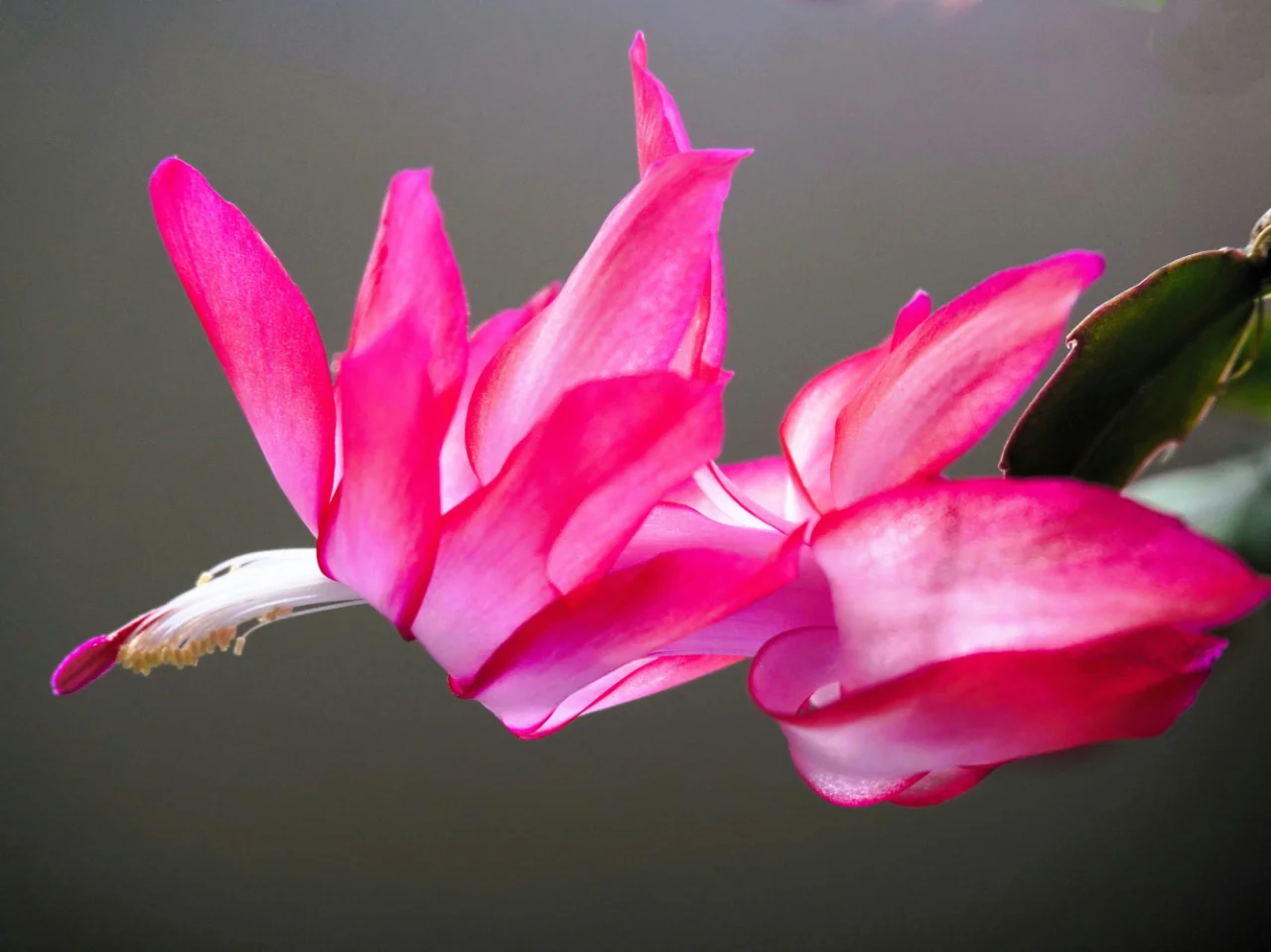
No. Christmas cactus (Schlumbergera, sometimes called zygocactus) is listed by the ASPCA as non-toxic to cats and dogs. That's one of the most trusted plant lists for pet owners.
Despite the name, it isn't a desert cactus with sharp spines. It's a tropical plant with flat, segmented stems, so there's no risk of a spine stuck in your cat's mouth or paw.
What about Thanksgiving and Easter cactus?
You may have a Thanksgiving cactus and not realize it. It looks very similar but blooms earlier, in November, and its stem segments have pointy edges. Many plants sold as Christmas cactus are actually Thanksgiving cactus. Easter cactus is another relative that blooms in spring.
All three belong to the same group and are generally considered safe for cats.
What Happens If a Cat Eats Christmas Cactus?
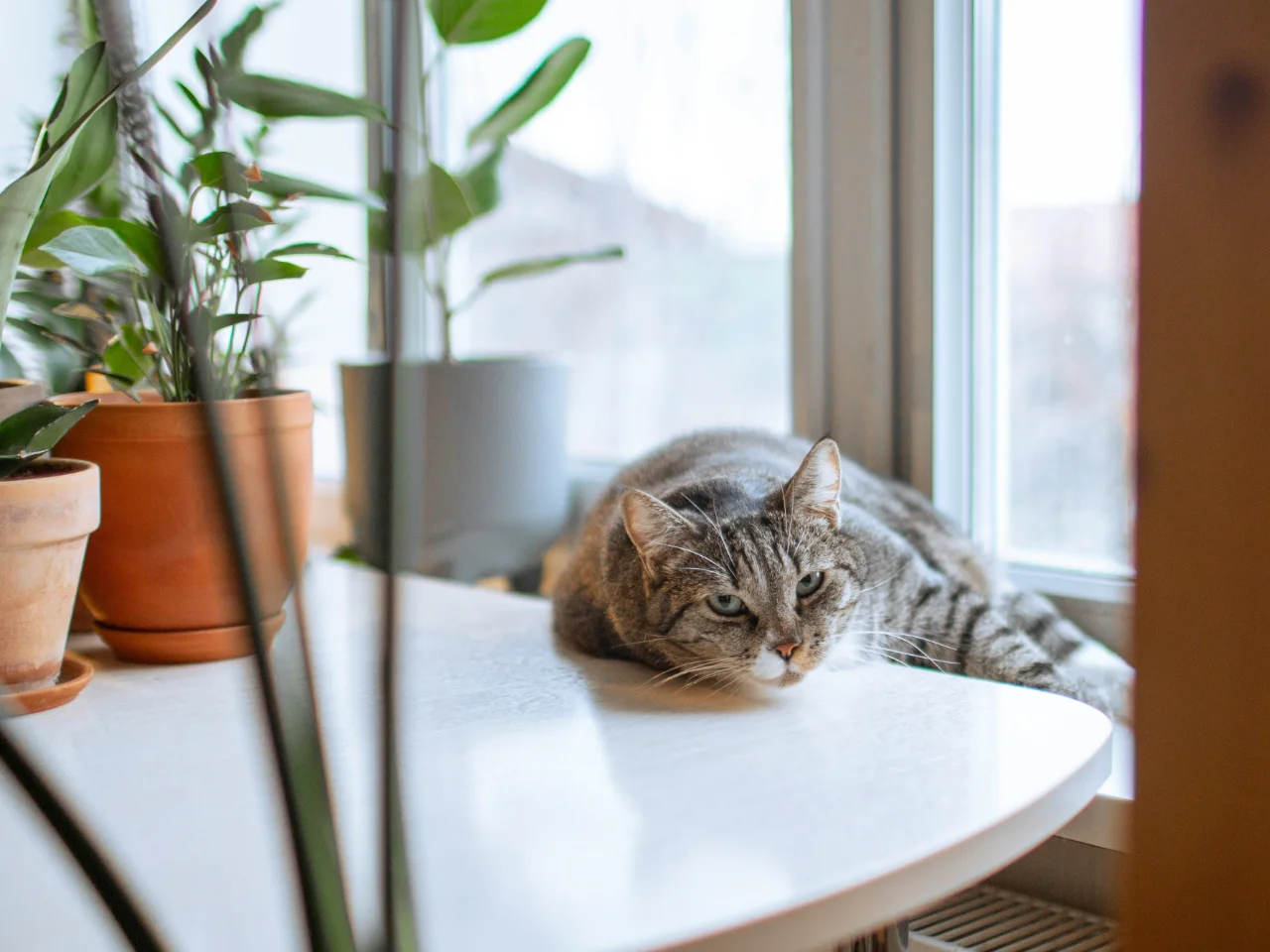
Most of the time, nothing much. A cat who nibbles a few leaves usually doesn't have any symptoms at all.
That said, non-toxic doesn't mean your cat's stomach will love it. Cats are carnivores, and the feline gut isn't built to digest a lot of plant material. If your cat manages to ingest a good chunk of the plant, you might see:
These signs are usually short-lived and clear up on their own within a day.
The bigger concern: what's on the plant
The plant itself is safe, but the extras may not be:
- Fertilizer: Granules or liquid plant food in the soil can upset the stomach.
- Pesticides: Sprays used by growers or at home can cause irritation to the mouth and gut.
- Decorations: Ribbons, foil wraps, and plastic picks can be swallowed and cause a blockage.
If your plant came from a store, it's worth repotting it in fresh soil and wiping the leaves before the holidays.
Winter Holiday Plants That Are Toxic to Cats
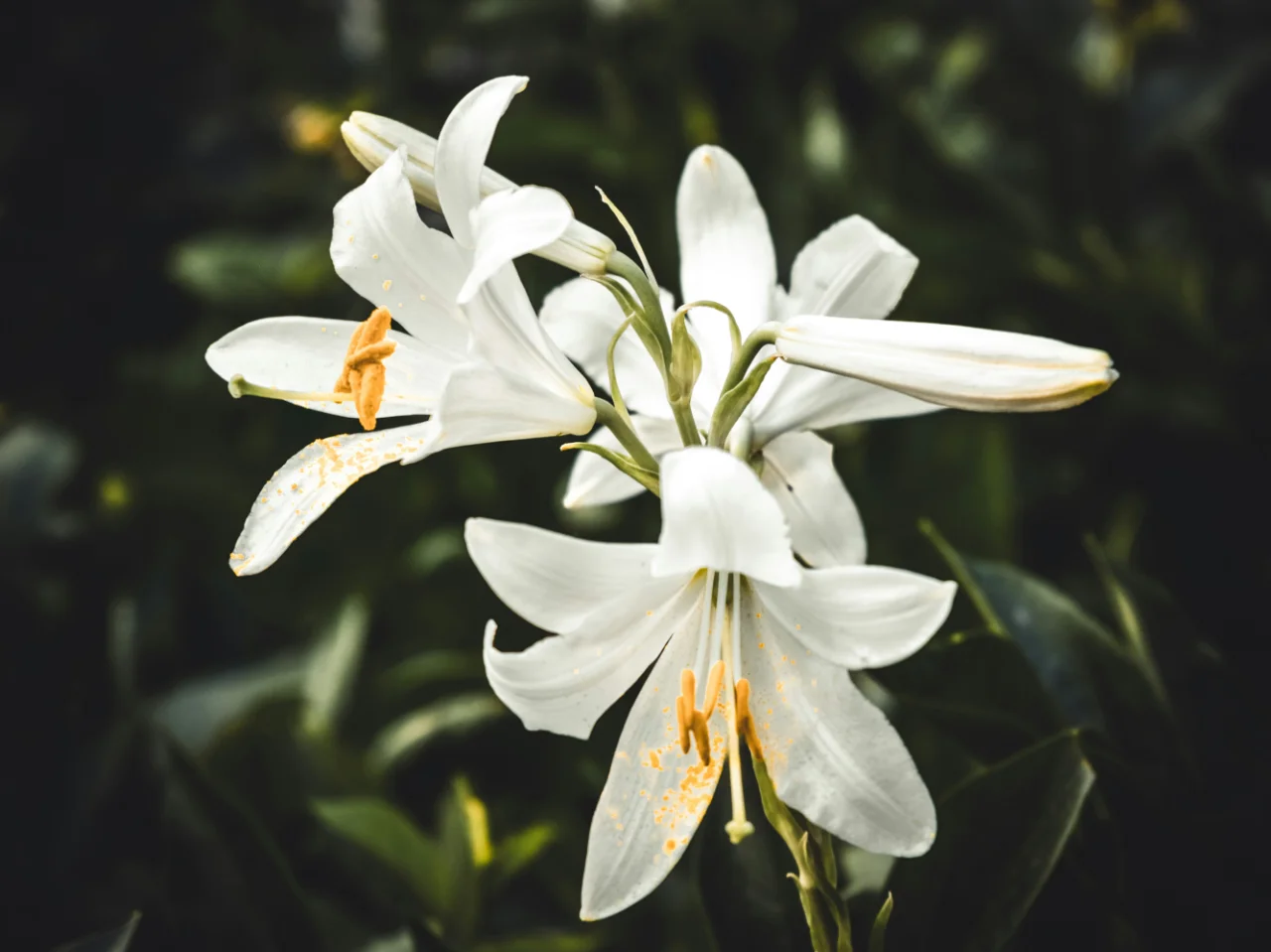
Here's where it pays to know which plants to avoid. According to the ASPCA, these common holiday plants are toxic to cats.
Lilies (the most dangerous)
Easter lilies, stargazers, tiger lilies, Asiatic lilies: if it's a true lily, it's highly toxic and can wreck a cat's kidneys. Eating a leaf, chewing a petal, drinking water from the vase, or licking pollen off their fur can cause acute kidney failure. In severe cases, kidney failure can develop within a few days. Lilies often show up in Christmas flower arrangements. Our guide to lily toxicity in cats explains why this is always an emergency.
Amaryllis
Amaryllis bulbs are a popular holiday gift. The whole plant contains toxins, especially the bulb, and can cause vomiting, drooling, diarrhea, abdominal pain, low energy, and tremors.
Holly
The spiny leaves and red berries can cause vomiting, diarrhea, and drooling. The prickly leaves can also hurt the mouth.
Mistletoe
American mistletoe (Phoradendron) can cause vomiting and diarrhea. Large amounts have been linked to more serious effects like a low heart rate, low blood pressure, breathing problems, and erratic behaviour. Keep it hung high or use an artificial version.
Poinsettia (mildly toxic)
Poinsettias have a scary reputation, but they're only mildly toxic. The white sap tastes awful and can make a cat drool or throw up a little. See are poinsettias poisonous to dogs and cats for details.
Other common holiday plants to know
- Jerusalem cherry: Its orange-red berries can cause stomach upset, drooling, a low heart rate, and confusion.
- Autumn crocus (Colchicum autumnale): Rare at Christmas, but seriously dangerous, with bloody vomiting, organ damage, and bone marrow suppression.
- Christmas trees: Pine needles can irritate the mouth and stomach, and tree water may contain fertilizer. Our tips on how to cat-proof a Christmas tree help with this.
Christmas Plants That Are Safe for Cats
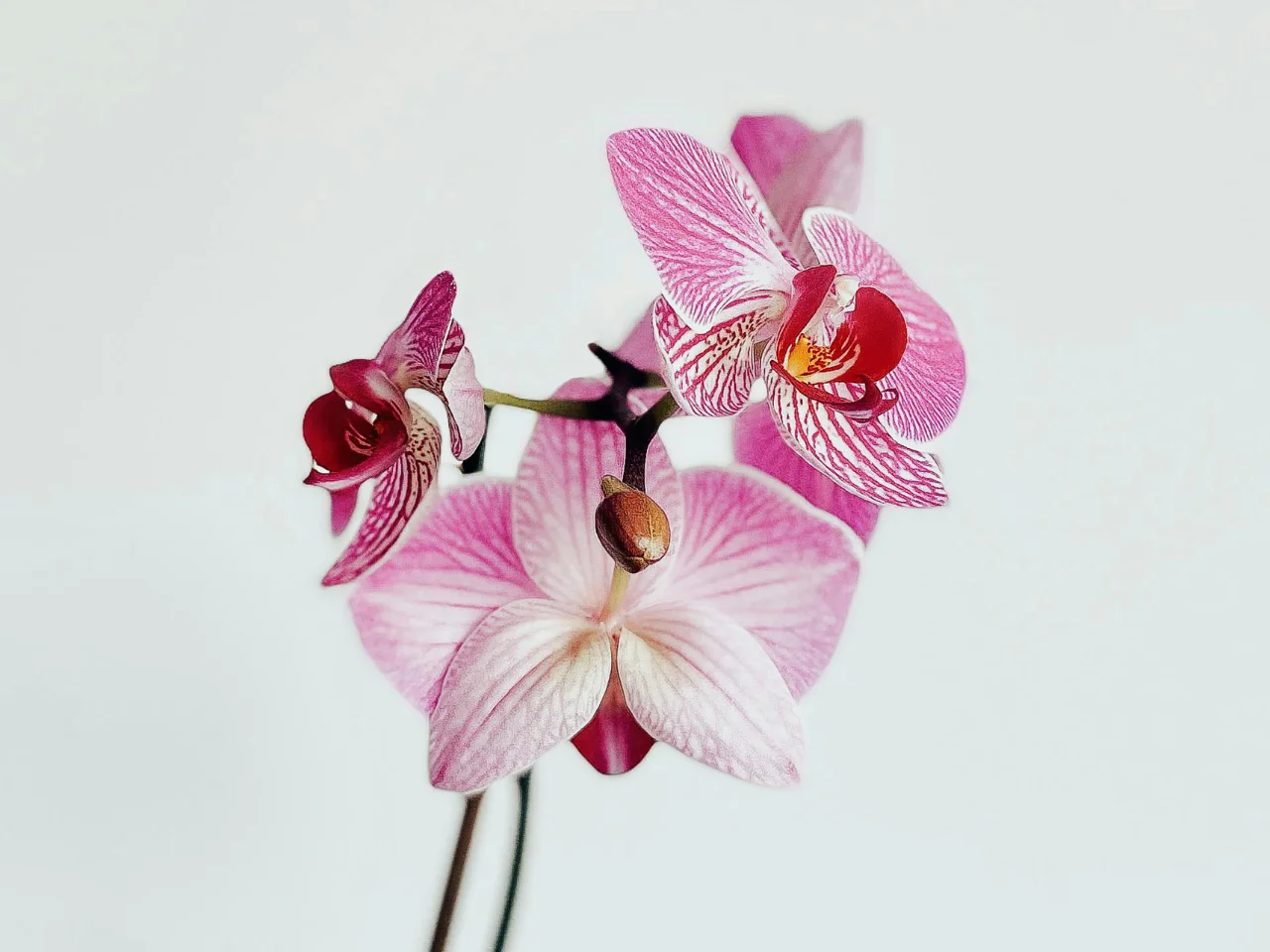
If you'd like a bit of green on the windowsill this December, here's what we'd pick for a house with a cat:
- Christmas cactus, Thanksgiving cactus, and Easter cactus
- Orchids: A moth orchid makes a lovely hostess gift, and it's on the ASPCA safe list.
- African violets: Tiny pots, purple flowers, no worries.
- Spider plants: Easy to grow, though some cats love to chew them.
- Boston ferns: A lush, cat-friendly option.
- Bromeliads: Bright and tropical.
- Cat grass or catnip: Give your cat their own plant to chew. Learn how to grow cat grass.
Even with safe plants, keep an eye on how much your cat eats. And always check the ASPCA plant list before buying something new.
Signs of Plant Toxicity and What to Do
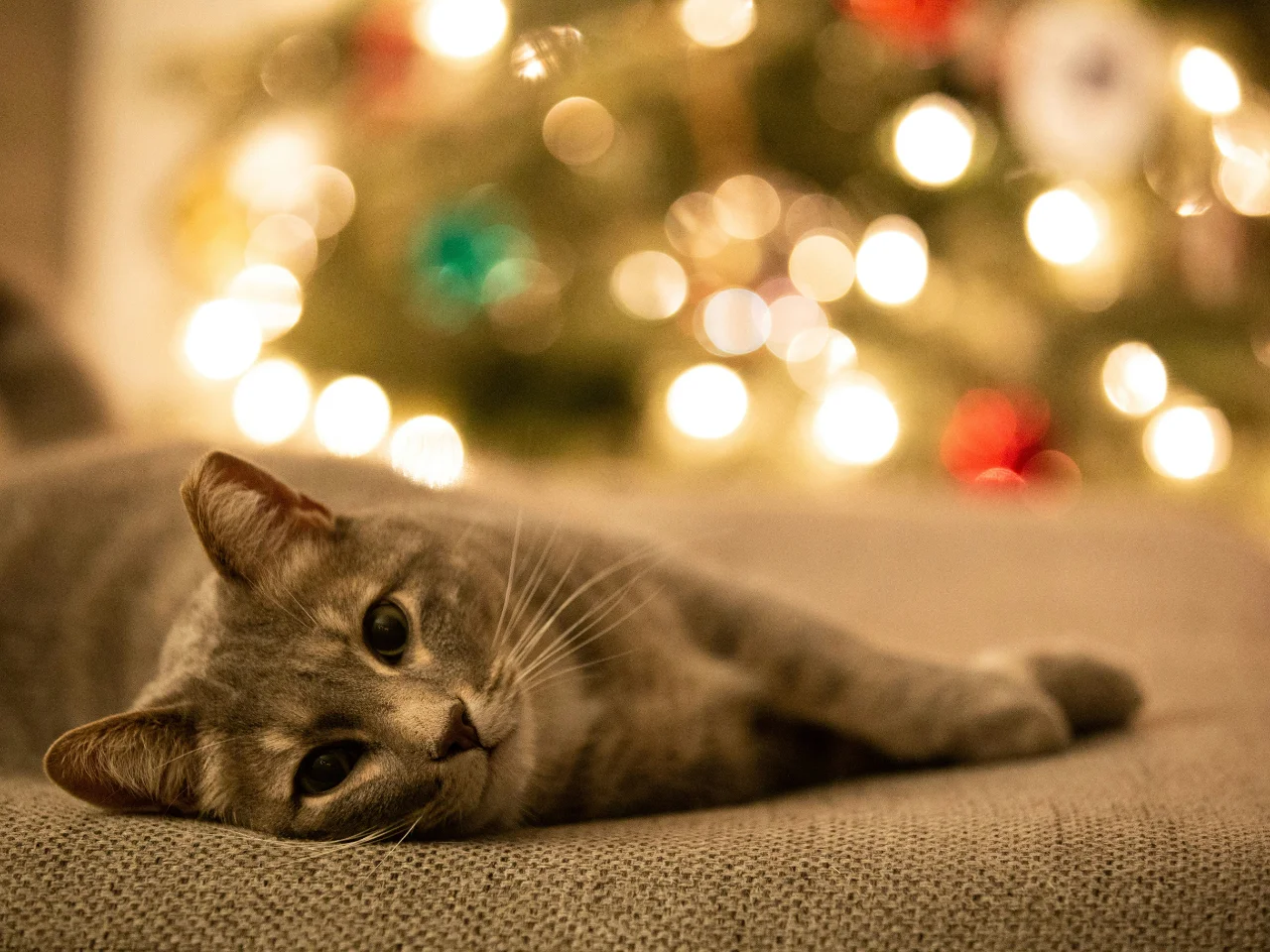
Cats can be sneaky, so you may not see them eat a plant. Watch for these signs:
- Vomiting, especially more than once
- Drooling or pawing at the mouth
- Diarrhea
- Lack of appetite or hiding
- Lethargy or weakness
- Drinking and peeing more, or less, than usual
- Tremors, wobbling, or seizures
What to do
- Move your cat away from the plant. Remove any plant pieces from their mouth if you can do so safely.
- Identify the plant. Take a photo or bring a piece with you. The label helps too.
- Call right away. Contact your veterinarian, our emergency team, or an animal poison control line.
- Don't wait for symptoms with lilies. If you suspect your cat touched a lily, even the pollen, go to a vet immediately. Early treatment can save their kidneys.
- Don't try home remedies. Don't make your cat vomit unless a vet tells you to.
If your cat has eaten only Christmas cactus and seems fine, you can usually just monitor them at home. Call us if vomiting continues or your cat stops eating. Our guide to cat not eating or drinking explains when that becomes urgent.
How to Keep Cats Away From Fall and Winter Holiday Plants
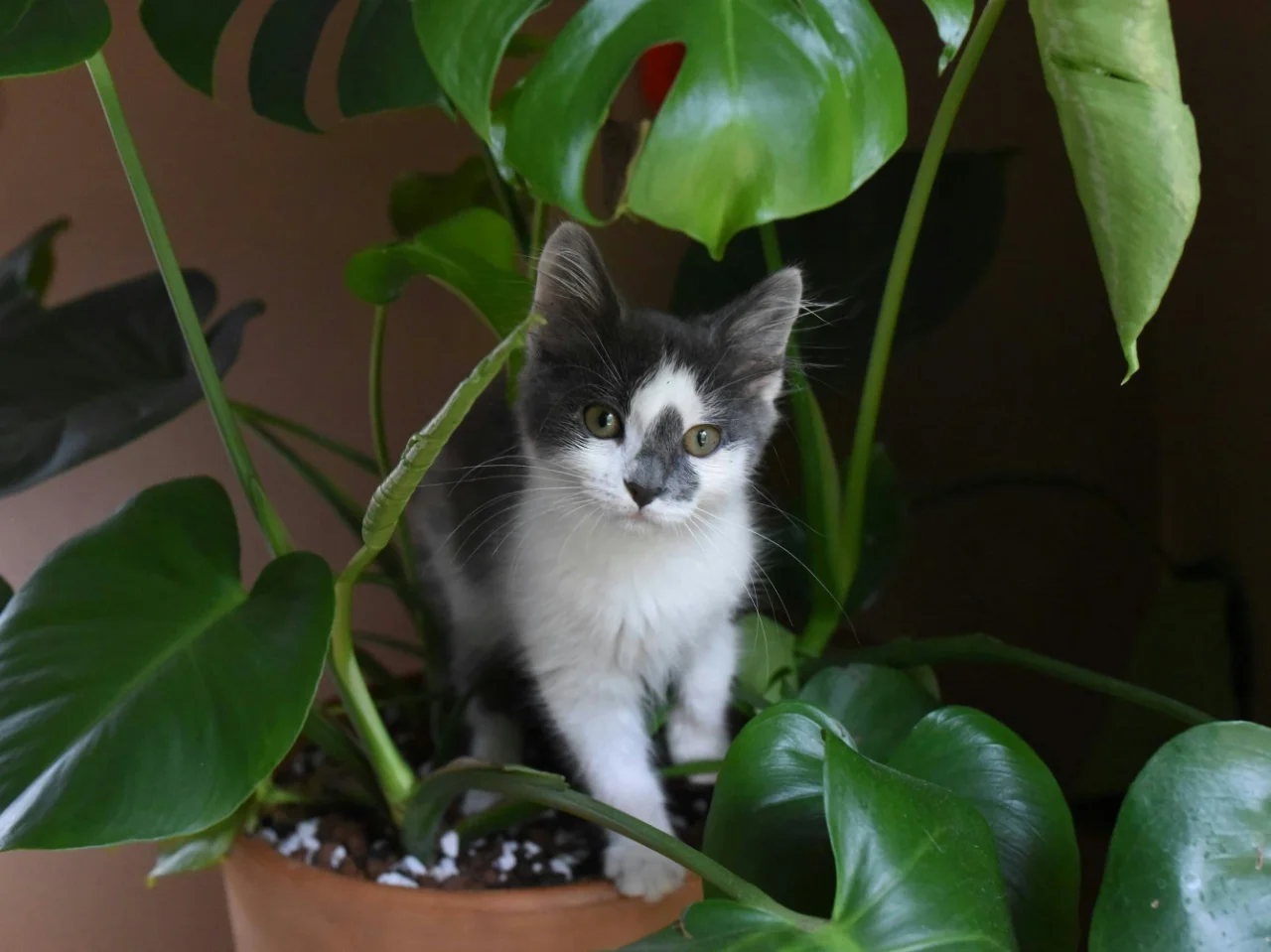
Plenty of cats treat a new plant as a personal challenge. Here's what works in our own homes:
- Go high: A hanging planter by the window beats any shelf a determined cat can jump to.
- Use a closed room: A spare room or sunroom with the door shut is a safe home for plants.
- Offer an alternative: A pot of cat grass gives your cat something they're allowed to chew.
- Cover the soil: Pebbles or a mesh cover keeps cats from digging or using the pot as a litter box.
- Skip lilies entirely: If you get a bouquet with lilies, remove them before bringing it home. Wondering about the rest of the bunch? See are roses toxic to cats.
- Check gifts: Ask friends and family to skip toxic plants, or keep a list of cat-safe options handy.
For more seasonal hazards, see our list of holiday foods to avoid for pets, and be careful with pine- or cinnamon-scented diffusers, since some essential oils are risky for cats. A wellness exam before the holidays is also a good time to ask about safe plants for your home.
Final Thoughts
Is Christmas cactus toxic to cats? No. It's one of the safest holiday plants you can have, and a nibble usually causes nothing more than a mild upset stomach.
The plants to worry about are lilies above all, along with amaryllis, holly, mistletoe, and a few others. Poinsettias are less dangerous than their reputation, but still best kept out of reach.
Choose plants that are safe around cats, keep the risky ones out of the house, and give your cat their own pot of cat grass. If your cat chews on a plant and you're not sure it's safe, contact us. We'll help you figure out what to do.
Frequently Asked Questions
Is Christmas cactus poisonous to cats?
No, it's listed as non-toxic.
- ASPCA: Lists Christmas cactus as safe for cats and dogs.
- No spines: It's a tropical cactus with smooth stems.
- Mild upset: Eating a lot may cause vomiting or diarrhea.
- Extras: Fertilizer and pesticides can be a bigger issue.
- When to call: If vomiting continues or your cat stops eating.
Which holiday plants are most dangerous for cats?
Lilies are the biggest concern.
- Lilies: Can cause kidney failure, even from pollen.
- Amaryllis: Vomiting, drooling, and tremors.
- Holly: Stomach upset and mouth irritation.
- Mistletoe: Stomach upset and, rarely, heart effects.
- Poinsettia: Mild mouth and stomach irritation.
What should I do if my cat ate a poinsettia?
Most cats only have mild signs.
- Rinse: Offer water to help clear sap from the mouth.
- Watch: Look for drooling or vomiting.
- Usually mild: Signs often pass on their own.
- Call: If vomiting continues or your cat seems unwell.
- Prevention: Keep poinsettias up high.
Why does my cat keep eating my plants?
Cats chew plants for several reasons.
- Curiosity: New plants are interesting.
- Texture: Some cats like crunchy leaves.
- Boredom: Indoor cats in winter may need more play.
- Hairballs: Some cats chew greens to help bring them up.
- Solution: Offer cat grass and move other plants out of reach.
Are Thanksgiving and Easter cactus safe for cats?
Yep, both are fine.
- Same family: Thanksgiving cactus is a Schlumbergera too, and Easter cactus is a near relative.
- Non-toxic: Neither one is on the ASPCA's toxic list.
- Look-alikes: Check the leaf edges. Pointy, claw-like tips usually mean you've got a Thanksgiving cactus.
- Mild upset: Large amounts may still cause vomiting.
- Check soil: Fresh soil avoids fertilizer residue.

