


TL;DR: What You Need to Know About Kennel Cough in Dogs
- Kennel cough spreads quickly: This highly contagious respiratory disease can spread swiftly in dog parks, kennels, daycare centers, and grooming facilities.
- Keep an eye out for the classic cough: This is the most typical symptom, which is a persistent, harsh, dry cough that occasionally results in gagging or irritation of the throat.
- Incubation period matters: Usually, symptoms start to show up 2–14 days after exposure, but in many cases, they do so within 3–5 days of coming into contact with infected dogs.
- Dogs can spread it early: Outbreaks may spread swiftly among dog groups because dogs can still spread the infection to others even before symptoms manifest.
- Most cases are mild: Although a veterinarian may recommend medication if necessary, kennel cough in otherwise healthy pets usually goes away with rest and supportive care.
- Prevention helps protect your dog: Vaccination, avoiding crowded dog areas during outbreaks, and keeping an eye on symptoms can all help prevent infection and protect your dog.
Concerned about your dog coughing? Consult with us. We can help confirm whether your dog is infected with kennel cough and recommend the right treatment and recovery plan.
Kennel cough is an infectious illness and is one of the most common respiratory disease conditions affecting dogs. It spreads easily in places where dogs gather, making it a concern for many pet owners. It's also known as canine infectious tracheobronchitis, or simply canine cough, and belongs to a broader group of illnesses called the canine infectious respiratory disease complex.
Because multiple organisms are involved, kennel cough is a complex condition caused by several bacteria and viruses working together. For most healthy dogs, the illness is mild, but knowing how it spreads, the symptoms of illness, and the incubation period of kennel cough in dogs helps owners respond quickly and prevent complications.
How Dogs Get Kennel Cough
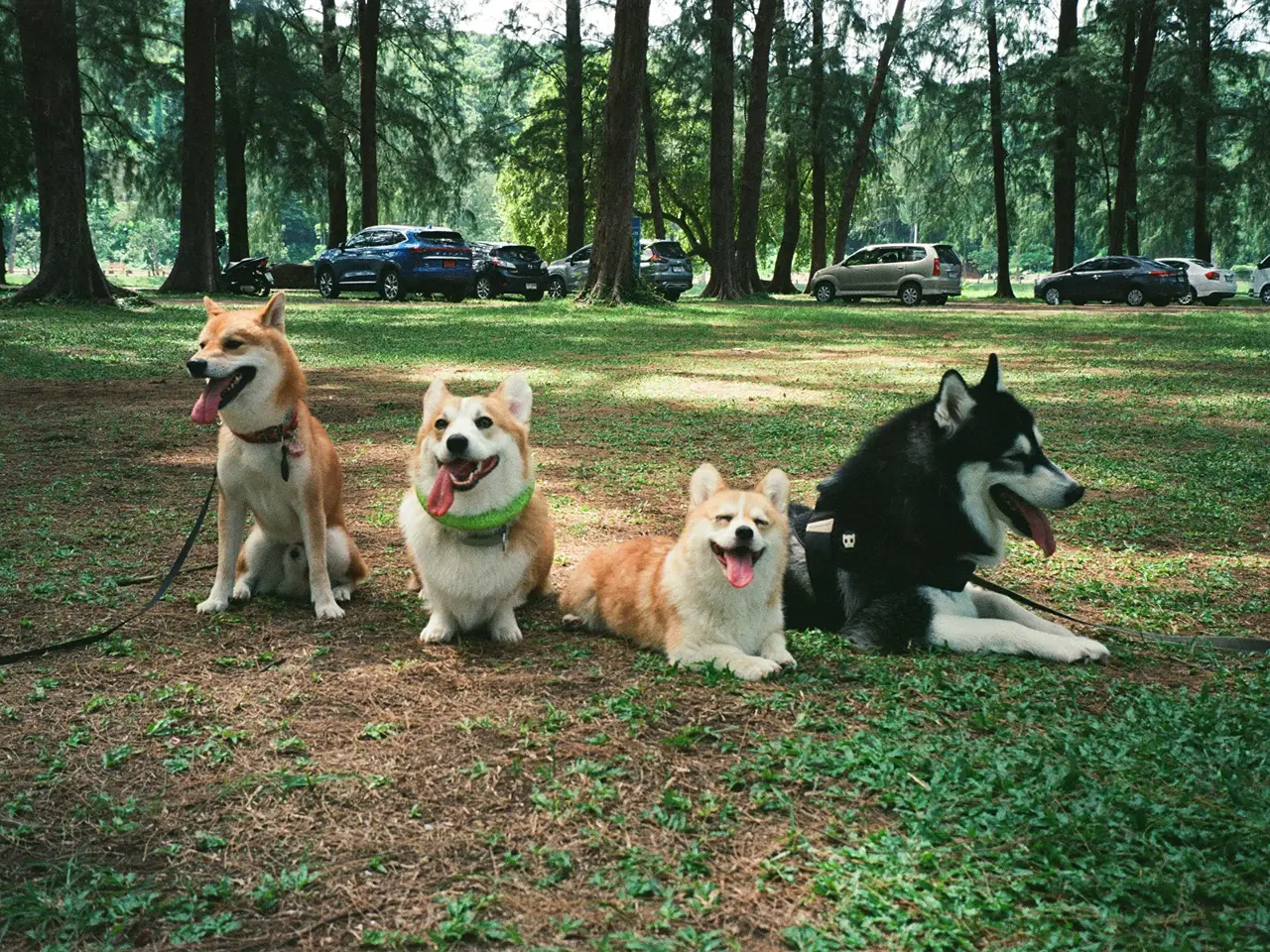
Dogs usually develop kennel cough after exposure to an infectious agent carried by another dog. The illness spreads rapidly among dogs, especially when many animals are in the same environment.
Airborne Respiratory Droplets
Kennel cough is highly contagious and spreads through airborne droplets. When dogs share airspace in a crowd of dogs within enclosed environments, pathogens travel easily through the respiratory tract. Many viruses that cause kennel cough, including canine parainfluenza virus and canine influenza, spread this way.
Direct dog-to-dog Contact
Dogs contract kennel cough after contact with other dogs carrying the infection. An infected dog can pass bacteria or viruses through licking, sniffing, or close interaction. Because dogs can be carriers, some animals spread the disease even before obvious symptoms appear.
Shared Water Bowls
Saliva left behind by dogs with kennel cough allows pathogens to move easily between animals. Infection in dogs may occur quickly if an adult dog or a puppy drinks after an infected dog.
High Risk at Kennels and Shelters
Crowded environments like a boarding kennel, shelters, or daycare settings create ideal conditions for canine infectious diseases to spread. In these locations, many dogs share air and surfaces within a short time frame.
Grooming Facilities Increase Exposure Risk
Grooming salons and dog parks are additional places where dogs mingle closely. When a dog has kennel cough, the cough reflex spreads respiratory droplets into the air or onto surfaces. Even short visits can allow healthy animals to contract kennel cough.
Bordetella Bronchiseptica Bacteria
One of the most common bacteria involved is Bordetella bronchiseptica, which is a major organism that can cause kennel cough and is a key member of the kennel cough pathogen group. This bacterium contributes to infectious bronchitis of dogs, weakening the airway lining. Along with viruses like canine adenovirus type, canine adenovirus type 2, and canine distemper, it forms part of the canine infectious respiratory disease complex.
Symptoms of Kennel Cough in Dogs
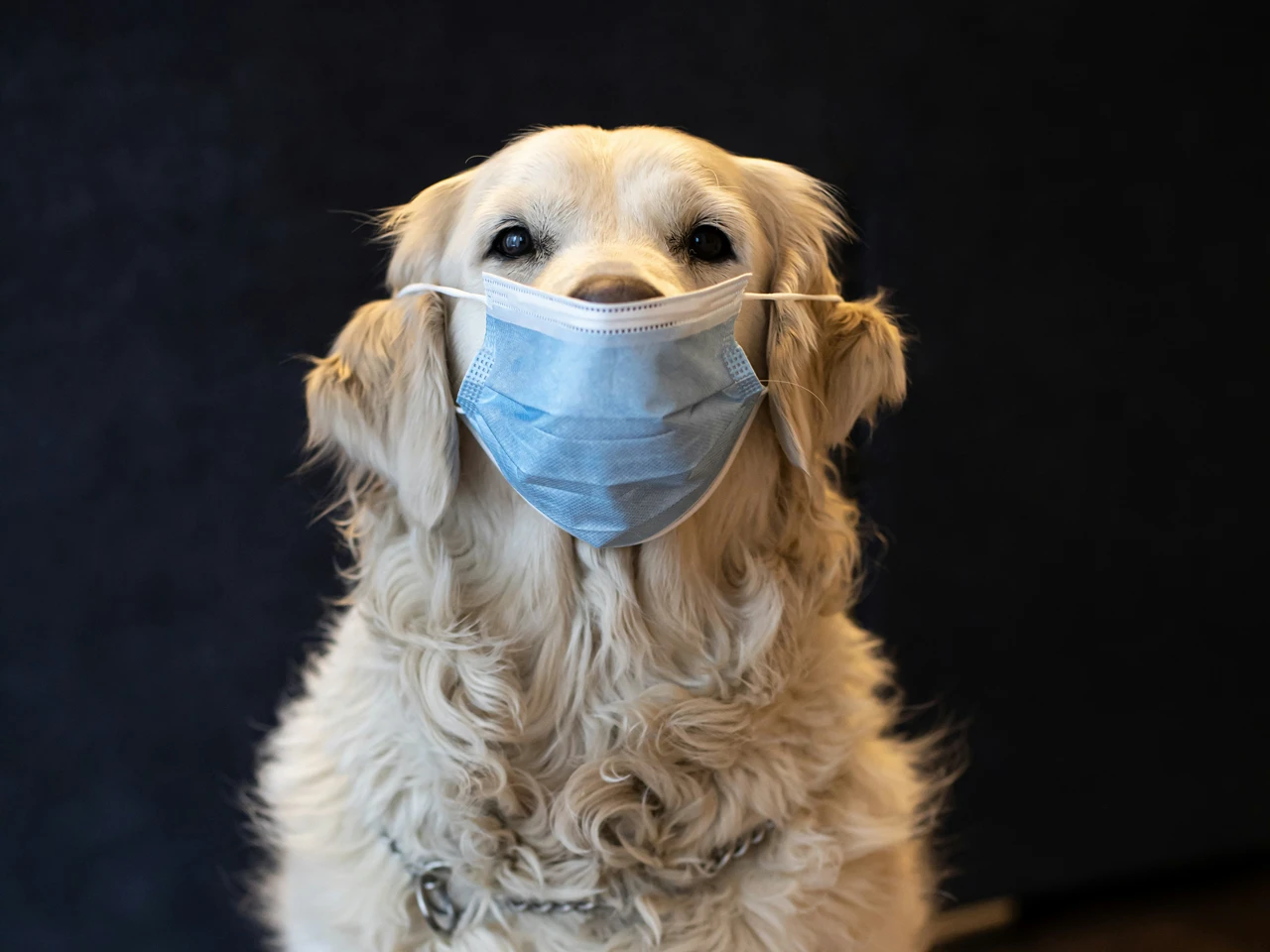
Most owners notice the illness because of a distinctive cough. Kennel cough is generally mild in otherwise healthy dogs, but symptoms can still worry pet parents.
- Persistent honking cough: The most recognizable sign is a honking cough that sounds harsh and repetitive. Many describe it as a cough that sounds like a goose honk. This canine cough occurs because inflammation irritates the airway.
- Gagging after coughing: Dogs may gag or retch after a coughing episode. Some owners think the dog has something stuck in its throat because the reaction looks similar.
- Runny nose and nasal discharge: Dogs may develop mild nasal discharge due to a respiratory infection in dogs. The discharge can appear clear or slightly cloudy in mild cases of kennel cough.
- Watery or goopy eyes: Eye discharge may appear along with other symptoms of illness, especially in younger dogs. These signs are common when viruses that cause kennel cough are involved.
- Mild lethargy: Some dogs with kennel cough seem less energetic than usual.
- Low-grade fever: Dogs are typically sick only mildly and may still eat and move normally. A mild fever may occur when the immune system fights the infectious respiratory disease.
- Severe cases: More serious infections can develop in dogs with compromised immune systems, increasing the risk of complications seen in dogs with pneumonia.
Incubation Period of Kennel Cough in Dogs
The incubation period is the time between when a dog is exposed to an infection and when the first symptoms appear. Knowing this timeframe can help owners piece together when their dog may have been exposed and take steps to protect other dogs.
2–14 days post-exposure
The kennel cough incubation period usually falls between two and fourteen days after exposure. During this window, the bacteria or viruses begin multiplying in the airway, quietly building up before the first cough is heard.
Most cases appear within 3–5 days
In many cases, symptoms show up within three to five days. You might suddenly notice a dry, honking cough a few days after your dog visits a park, boarding facility, grooming salon, or other dog-friendly spaces.
Dogs are infectious before symptoms appear
One tricky part of this illness is that dogs may spread it before obvious signs appear. Because the kennel cough complex cannot always be detected early, an apparently healthy dog might unknowingly pass it to others.
Contagious period lasts up to 2 weeks
Once coughing begins, dogs can remain contagious for up to two weeks. Veterinarians usually advise limiting contact with other dogs during this time since the cough complex cannot be prevented from spreading easily through close interaction.
Vaccinated dogs may have longer incubation periods
Dogs that received a kennel cough vaccine often experience milder symptoms and may take slightly longer to show signs. Although kennel cough vaccination helps reduce severity and risk, the kennel cough complex cannot be prevented completely.
Symptom onset varies by pathogen type
The exact timeline can differ depending on the specific bacteria or virus involved. Since several pathogens can cause kennel cough, the onset and intensity of symptoms may vary from dog to dog.
How Vets Diagnose Kennel Cough
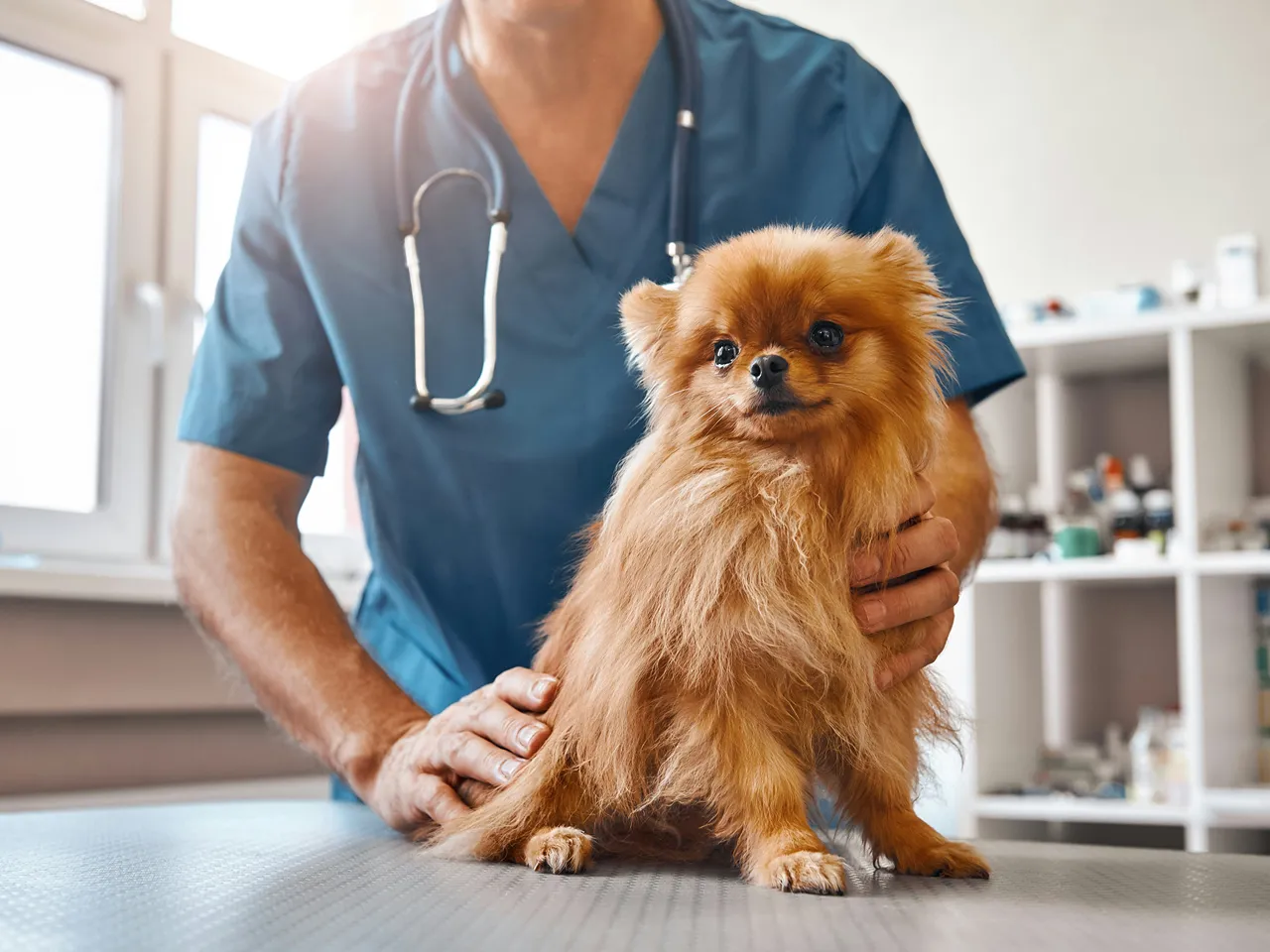
Veterinarians typically identify the illness using a combination of history, physical examination, and diagnostic tests.
- History of kennel or boarding exposure: Vets ask whether the dog has recently visited a boarding kennel, daycare, or dog park. Exposure to large groups of dogs increases the likelihood of the illness.
- Physical exam and throat assessment: A veterinarian listens to the chest and checks for airway irritation. When a dog has kennel cough, a gentle tracheal exam may trigger the typical cough.
- PCR testing identifies specific pathogens: Laboratory tests can detect viruses. These tests help confirm the canine infectious respiratory disease complex.
- Chest X-rays rule out pneumonia: Imaging may be recommended if symptoms are severe. X-rays help detect complications such as pneumonia, particularly in elderly dogs or immunocompromised dogs.
- Tracheal sensitivity test: Light pressure on the trachea may trigger the characteristic hacking cough or dry cough. This test helps distinguish kennel cough from illnesses that may be mistaken for a cough caused by other problems.
Treatment for Kennel Cough in Dogs

Treatment usually depends on how severe the infection is and the dog’s overall health. While many dogs recover with simple care at home, veterinarians may recommend medications or supportive treatments in certain situations.
Mild cases often resolve on their own
Many dogs improve without intensive treatment. In an uncomplicated case of kennel cough, rest, hydration, and monitoring are often enough since most dogs naturally recover from kennel cough within a couple of weeks.
Antibiotics for bacterial infections
If bacteria such as Bordetella bronchiseptica are suspected, a veterinarian may prescribe antibiotics to help control the infection. These medications are typically used when symptoms suggest a bacterial component rather than uncomplicated kennel cough.
Cough suppressants reduce discomfort
Cough suppressants may be recommended to reduce throat irritation and help dogs rest more comfortably. These medications are commonly used when the cough is persistent or interfering with sleep and recovery.
Vaccination prevents future infections
Preventive care may include vaccination to reduce the risk of future illness. Pet owners should talk with their veterinarian about whether the kennel cough vaccine fits their dog’s lifestyle and risk level.
Rest and restricted exercise
Limiting exercise during recovery is important. Since most cases of kennel cough are treated with supportive care, allowing the airway to rest helps reduce irritation and speeds up healing.
Honey soothes throat irritation
Some veterinarians suggest small amounts of honey to help calm throat irritation. While home remedies are not a cure, they may provide comfort while dogs recover and coughing episodes gradually decrease.
Final Thoughts
Although most healthy dog populations have mild cases of kennel cough, early treatment helps avoid complications and shields other dogs from this highly contagious infectious respiratory illness. Owners can take prompt action and lower the risk of transmission by being aware of the incubation period, how the illness spreads, and the typical symptoms.
Simple measures like limiting contact with other dogs, monitoring for early signs, and consulting a veterinarian when needed can make a big difference. With proper vaccination, supportive care, and awareness of high-risk environments, pet owners can help their dogs recover comfortably while minimizing the spread of kennel cough to others.
Frequently Asked Questions
How do dogs catch kennel cough and what makes it spread so easily?
Kennel cough is mainly contracted by dogs through direct contact with other dogs in crowded areas and exposure to infected respiratory droplets.
Rapid airborne transmission: When infected dogs cough, sneeze, or bark in public areas like dog parks or boarding kennels, respiratory droplets are released.
Direct contact facilitates infection: Dogs get infected through close interaction with carriers, including licking, sniffing, or playing with other dogs who may be carrying the pathogens.
Contaminated surfaces harbour pathogens: Shared water bowls, toys, and surfaces can carry bacteria and viruses that allow healthy dogs to contract the infection.
High-risk settings hasten the spread of pathogens: Crowded places like daycare centers, shelters, and grooming shops provide the perfect setting for numerous pathogens to spread swiftly among numerous animals.
Carrier dogs spread disease unknowingly: Dogs can still transmit the infection even before showing obvious symptoms, making it difficult to prevent exposure during the incubation period.
What are the main symptoms that indicate a dog has kennel cough?
The most characteristic sign is a persistent, harsh honking cough that distinguishes kennel cough from other respiratory conditions.
Distinctive honking sound develops: The cough can be dry and harsh, often described as sounding like a goose honk, caused by inflammation in the airway and trachea.
Gagging follows coughing episodes: Dogs frequently gag or retch after coughing fits, which can make owners think something is stuck in their pet's throat.
Nasal and eye discharge appear: Clear or slightly cloudy discharge from the nose and watery eyes commonly accompany the respiratory infection.
Energy levels may drop: Although the majority of cases are mild, some dogs suffer from lethargy and decreased appetite.
Increased throat sensitivity: Veterinarians can confirm the diagnosis during examination by using light pressure on the trachea, which frequently causes the distinctive cough.
How long does it take for kennel cough symptoms to appear after exposure?
The incubation period typically ranges from 2-14 days, with most symptoms appearing within the first week after exposure.
Peak onset occurs within 3-5 days: Most dogs develop noticeable symptoms within several days of exposure to the infectious agents in crowded environments.
Transmission starts before symptoms appear: During the incubation period, dogs become contagious and frequently spread the infection before their owners become aware that their pet is sick.
Contagious period extends up to two weeks: Once symptoms appear, dogs remain infectious for approximately 14 days, requiring isolation from other pets.
Vaccination affects timing: Dogs within the proper time frame of recent vaccination may experience delayed or milder symptom onset compared to unvaccinated animals.
Pathogen type influences duration: Different bacteria and viruses involved in the kennel cough complex can affect how quickly symptoms develop and how long they persist.
How do veterinarians diagnose and confirm kennel cough in dogs?
To accurately diagnose kennel cough, veterinarians use a combination of medical history, physical examination, and diagnostic tests.
Important hints can be found in exposure history: veterinarians ask about recent visits to dog parks, boarding facilities, or other high-risk settings where dogs frequently come into contact with infectious agents.
Key indicators are revealed by a physical examination: A careful examination of the chest and light tracheal palpation frequently causes the distinctive cough, which aids in confirming the diagnosis.
Specific pathogens are identified by laboratory testing: PCR tests are able to identify specific bacteria and viruses that are part of the canine infectious respiratory disease complex.
Imaging rules out complications: Chest X-rays help distinguish simple kennel cough from other serious respiratory conditions.
Throat sensitivity test confirms suspicions: Light pressure applied to the trachea typically elicits the distinctive honking cough that characterizes this condition.
What treatment options are available for treating kennel cough?
The majority of cases are resolved with supportive care; however, depending on the severity and underlying pathogens involved, specific treatments may be required.
Mild cases need little treatment: Since healthy dogs' immune systems successfully combat the illness, many simple infections go away on their own with rest and observation.
Antibiotics target bacterial components: Veterinarians may recommend antibiotics to expedite recovery in cases of bacterial infections such as Bordetella bronchiseptica.
Cough suppressants offer relief: Drugs can lessen the chronic coughing that irritates the throat and keeps dogs and their owners from sleeping.
Vaccination stops future episodes: Vaccinating dogs against the most common germs that cause kennel cough in high-risk areas helps keep them safe.
Supportive care helps you get better: Rest, limited exercise, and sometimes honey can help with throat irritation while treating kennel cough naturally and effectively.

