
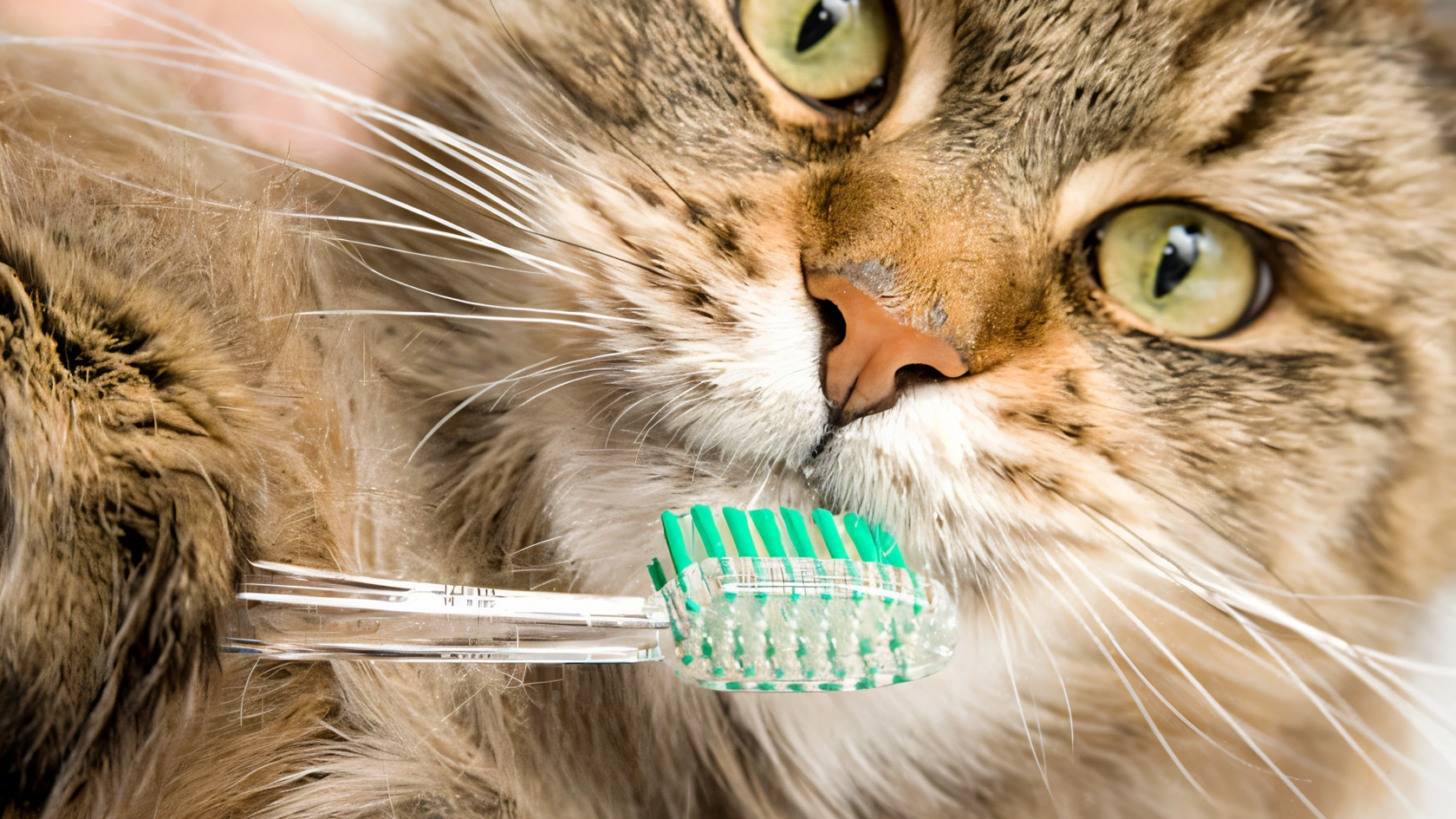

TL;DR: How to Brush a Cat’s Teeth – Simple Dental Care Tips
- Brushing your cat’s teeth at home keeps their gums and teeth healthy, prevents plaque and tartar, and lowers the risk of painful dental disease.
- Start with a soft toothbrush or finger brush and pet-safe toothpaste, working slowly to brush a few teeth at a time while keeping your cat calm and comfortable.
- VOHC-approved dental treats and water additives can help reach tricky spots and make daily dental care a little easier and more enjoyable for your cat.
- Gentle, consistent brushing and positive reinforcement help your cat get used to tooth brushing and make it a stress-free routine.
- Checking in with your veterinarian ensures you’re using safe products, spotting early dental issues, and keeping your cat’s teeth healthy for the long term.
If you want your cat to enjoy a healthy mouth and fresh breath, start a gentle brushing routine today. You can reach out to us. Our professional vets can guide you about the best dental products for your cat.
Have you ever noticed your cat’s bad breath or wondered if their teeth and gums are healthy? Many cats need daily brushing to stop plaque and tartar from building up and to prevent periodontal disease. Without regular home care, tooth loss and other dental problems can sneak up on them before you even realize it.
Using a soft toothbrush or finger brush with pet toothpaste made for cats is the safest way to clean their teeth at home. While dental treats, water additives, and veterinary oral health council (VOHC) approved products can help, nothing replaces brushing their teeth every day. Starting to brush a few teeth at a time can make it easier for your cat to accept you brushing and enjoy the process.
Keeping your cat’s teeth clean protects the tissues surrounding the teeth and keeps their whole mouth healthy. Regular brushing and simple home care make a big difference in preventing disease in cats. It’s time to start brushing your cat’s teeth every day—read on to find out how.
Why Cats Need Regular Dental Care and Home Brushing

Keeping up with your cat’s dental health matters more than most people realize. Plaque and tartar accumulate on a cat’s teeth every day, and without steady home care and routine dental cleaning from your veterinarian, those layers can slowly irritate a cat’s gums and teeth.
Over time, the front teeth, cheek teeth, canine teeth, and even the back of the mouth can develop issues that may turn into periodontal disease or even lead to tooth loss—often long before a cat shows any obvious signs.
- Build-up forms on the outside surfaces of the teeth and the insides of the teeth, whether your cat notices it or not.
- Changes in your pet’s teeth can stay hidden, especially deep in the back of the mouth.
- Damage to the tooth surface can quietly affect how your cat eats or plays.
- Problems with a cat’s gums and teeth often develop slowly, making them easy to overlook.
- Caring for a cat’s teeth every day supports long-term comfort and prevents dental disease from getting worse.
How to Start and What the Starting Phase of Cat Tooth Brushing Really Involves
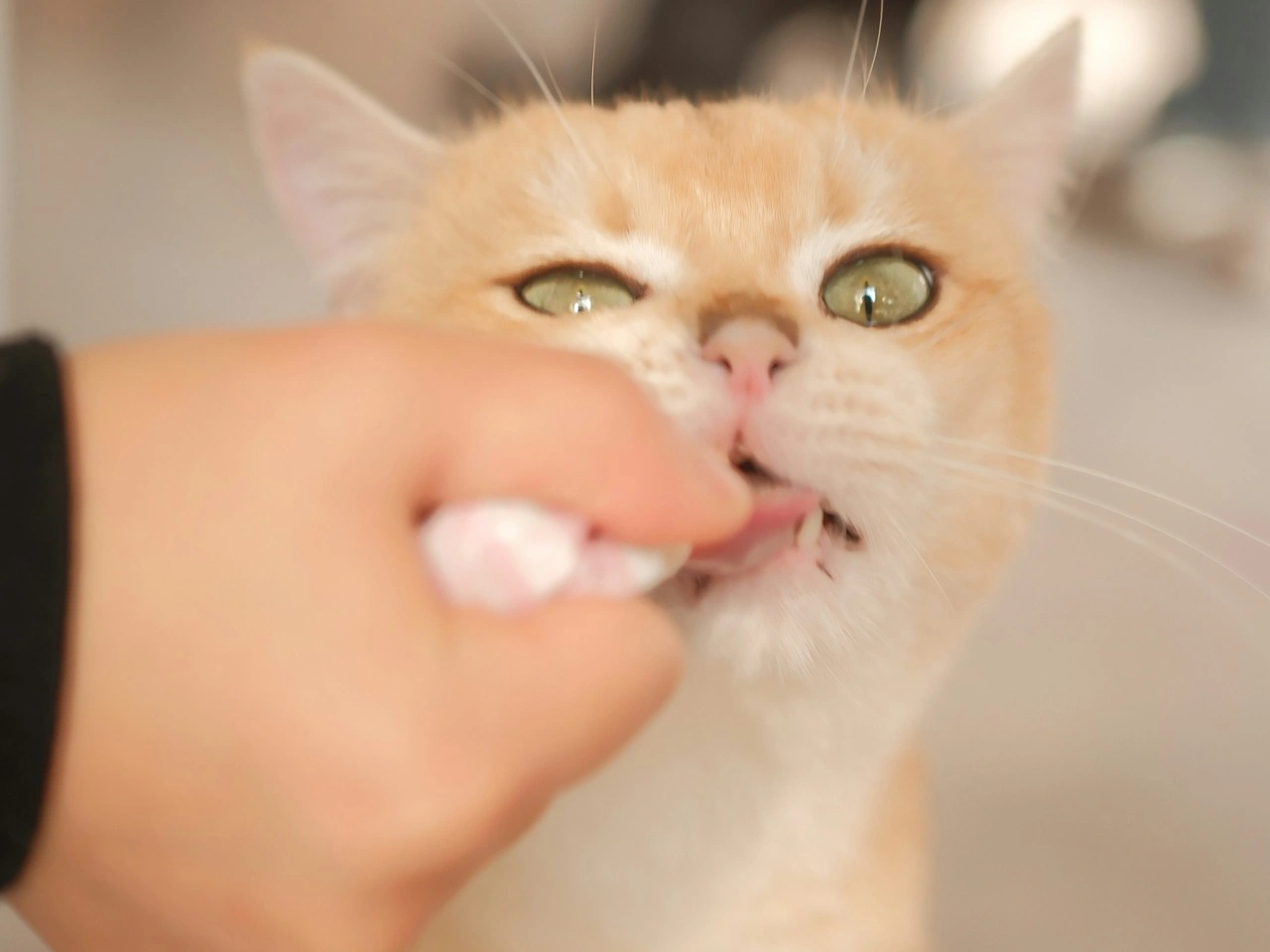
Starting to brush your cat’s teeth at home is all about helping them get comfortable with the process. This early phase focuses on familiarizing your cat with dental products and gentle contact in the cat’s mouth so that daily brushing becomes a stress-free habit. It’s less about cleaning every tooth and more about creating a positive experience that sets the stage for long-term dental health.
Understanding the Starting Phase
The starting phase is when your cat learns to tolerate attention around the teeth and gums. Introducing a type of toothbrush, gauze, or even toothpaste on your finger lets your cat explore these new sensations safely.
- Cats often react differently to textures and contact in their mouth.
- Where you place your cat and the amount of toothpaste matter for their comfort.
- Early exposure helps your cat slowly accept brushing in the future.
Choosing the Right Toothbrush, Toothpaste, and Dental Products
Using the right dental products, like a toothbrush and toothpaste, is key because some items, like human toothpaste, are toxic to cats. Pet-specific toothbrushes, VOHC seal–approved toothpaste, and water additives may also be introduced carefully.
- The VOHC seal of acceptance ensures products are safe and effective.
- Toothpaste on your finger allows your cat to get familiar with taste and texture.
- Greenies or similar products can support home care, but don’t replace brushing.
Veterinary Guidance
Checking with your veterinarian before starting ensures your cat’s teeth at home are ready for brushing. They can spot early signs of periodontal disease by the time a cat is older and suggest the best dental products.
- Your vet can advise on safe dental products and warn about items toxic to cats.
- They can guide how often to brush and whether brushing three times per week is appropriate.
- Early guidance reduces the risk that plaque buildup may eventually lead to tooth loss.
Observing Your Cat’s Reactions
During the starting phase, pay attention to how your cat responds to contact around the teeth. Some cats will accept gauze or a pet-specific toothbrush right away, while others take time to get used to it.
- Watching your cat helps you understand what they like or dislike.
- Cats used to gentle exposure are more likely to accept brushing.
- Adjusting based on comfort supports long-term success.
Measuring Early Progress
At this stage, progress isn’t about cleaning every tooth yet—it’s about helping your cat feel comfortable with brushing. Even a small acceptance of dental products or contact in the cat’s mouth shows readiness for regular care.
- Letting your cat get used to a toothbrush or toothpaste around your finger is a key first step.
- Noticing where your cat likes contact helps with future brushing.
- Gradual exposure protects a cat’s teeth at home and supports overall dental health.
Tips to Teach Your Cat to Accept Tooth Brushing
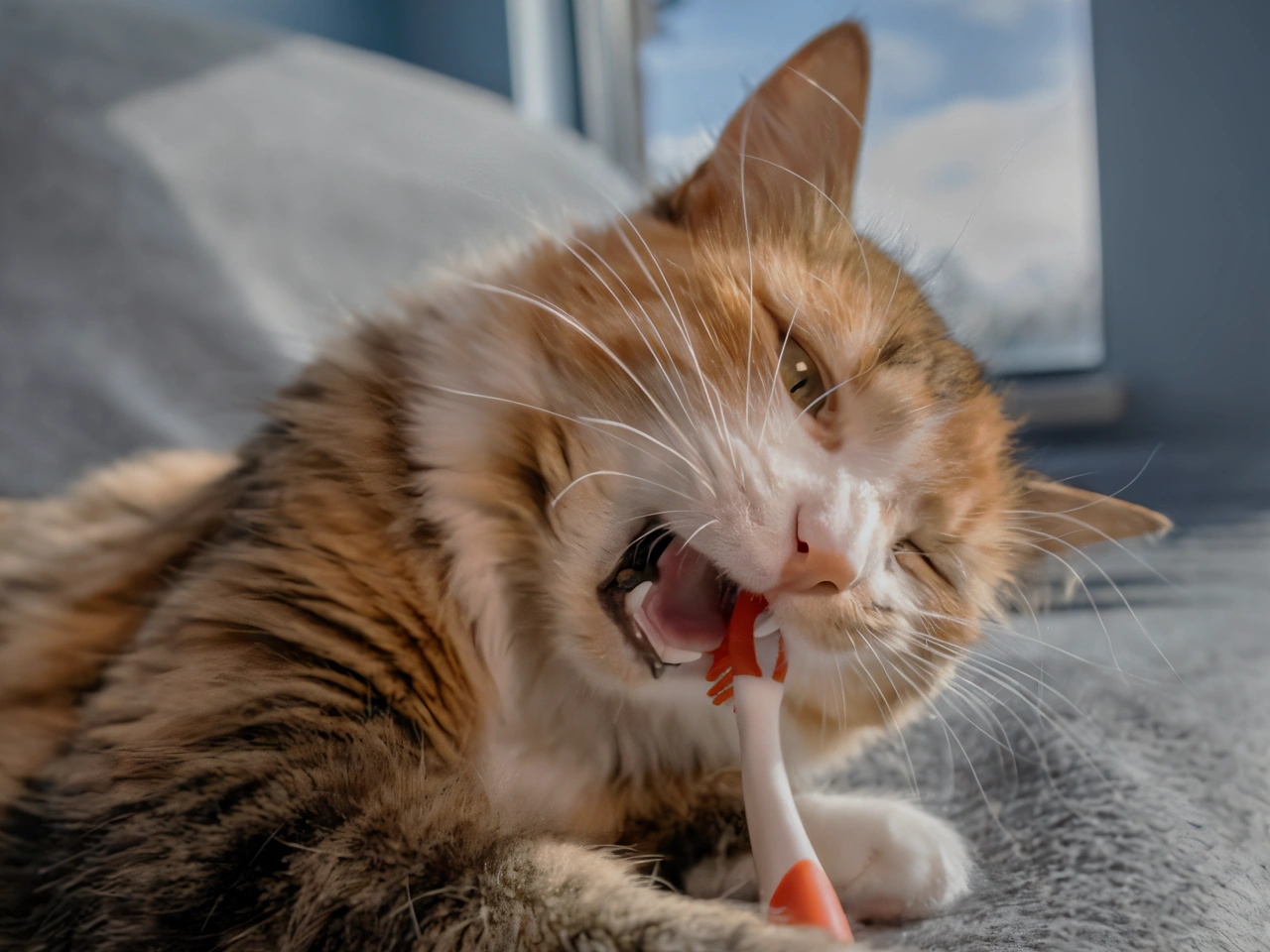
Teaching your cat to accept tooth brushing can feel tricky at first, but with patience, it can become a calm, even enjoyable part of your routine. The key is to make each session positive and let your cat explore dental care at their own pace. Doing this consistently helps keep your cat’s teeth healthy at home.
Start Slowly
Introduce brushing in small steps so your cat doesn’t get overwhelmed.
- Let your cat sniff or lick toothpaste on your finger to see if they like the toothpaste.
- Work up to brushing a few teeth at a time instead of the whole mouth.
- Never use human toothpaste, which is toxic to cats.
Focus on Comfort
Comfort is everything—when your cat feels safe, brushing becomes easier.
- Place your cat in a calm spot before starting.
- Begin with short sessions and gentle contact around the teeth.
- If your cat resists a spot, stop and try again later—it’s normal.
Use Rewards
Positive reinforcement makes a huge difference.
- Give your cat a treat or gentle praise after each brushing session.
- This helps your cat associate the toothbrush and toothpaste with something they like.
- Even tiny rewards over time help them enjoy the routine.
Gradual Familiarity
Let your cat get used to the toothbrush and toothpaste gradually.
- Start with just touching the outside surfaces of the teeth with a finger or toothbrush.
- Slowly work up to brushing more teeth, including the front teeth and cheek teeth.
- Gradual exposure makes brushing feel normal instead of stressful.
Stay Consistent
Consistency is what turns brushing into a healthy habit.
- You need to brush your cat’s teeth every day, or as your veterinarian recommends.
- Keep sessions short but regular, so your cat becomes familiar with the routine.
- Over time, this helps prevent plaque buildup and keeps your cat’s teeth healthy.
Using Dental Treats and Water Additives to Support Veterinary Oral Health
While dental treats don’t replace regular brushing, they make your cat’s daily dental care easier and more enjoyable. Introducing these products gradually lets your cat get used to them and helps you feel confident that their teeth are being cared for safely.
Dental Treats
Dental treats are a tasty way to support oral health while giving your cat a little reward.
- VOHC seal–approved treats like Greenies help clean the outside surfaces of the teeth.
- Offering treats during home care creates positive associations with dental routines.
- Treats should always complement brushing, not replace it.
Water Additives
Water additives are a simple, stress-free way to help reduce plaque and tartar.
- They reach areas that are hard to brush, supporting your cat’s overall dental health.
- Adding them to your cat’s water is easy and usually well-tolerated.
- Always check with your veterinarian to make sure the product is safe for your cat.
Safety and Veterinary Guidance
Your veterinarian is the best guide for choosing the right treats and additives.
- Some products may not be safe for all cats, so it’s important to confirm before use.
- VOHC seal–approved products help ensure safety and effectiveness.
- Using treats, water additives, and regular brushing together gives your cat the best chance at healthy teeth at home.
Final Thoughts
Keeping your cat’s teeth healthy is more important than many owners realize, and it can make a big difference in their comfort and happiness. Brushing even a few teeth each day helps prevent plaque, tartar, and painful dental disease.
Using a pet-specific toothbrush and toothpaste keeps the process safe, while taking it slow and offering treats makes it a more enjoyable experience for your cat. Dental treats and water additives can give extra support, but they’re never a replacement for brushing.
Checking in with your veterinarian gives peace of mind and guidance on the best products and techniques for your cat’s teeth at home. With a little patience, consistency, and care, daily brushing can become a simple routine that keeps your cat smiling and purring happily for years to come.
Frequently Asked Questions
How do I start brushing my cat’s teeth at home?
Getting started with brushing your cat’s teeth at home can feel tricky, but it’s all about making your cat feel safe and comfortable.
Introduce gradually: Let your cat sniff or lick pet-safe toothpaste on your finger first—it helps them get used to the taste and texture without stress.
Start small: Focus on just a few teeth at a time, like the front teeth or outside surfaces, so your cat doesn’t feel overwhelmed.
Create positive experiences: Keep sessions short, gentle, and calm to build trust and make brushing something your cat enjoys.
Observe reactions: Watch how your cat responds and adjust your approach based on what they like or dislike—it makes future brushing much easier.
What type of toothbrush and toothpaste is safe for cats?
Using the right tools makes brushing safe, effective, and less stressful for both you and your cat.
Pet-specific toothbrush: Choose a small, soft brush made for cats so it fits comfortably in their mouth.
Cat-safe toothpaste: Never use human toothpaste—it’s toxic to cats. Always stick to toothpaste made specifically for cats.
Finger brushes or gauze: These are great for introducing brushing gently, especially for cats who are new to the routine.
VOHC seal products: Look for dental products approved by the Veterinary Oral Health Council to ensure they’re safe and effective.
How often do I need to brush my cat’s teeth to prevent dental disease?
Brushing regularly is the best way to keep your cat’s teeth and gums healthy and avoid painful problems.
Daily brushing: Brushing every day is ideal to prevent plaque and tartar from building up.
Minimum frequency: If daily brushing isn’t possible, ask your veterinarian for guidance on brushing several times a week.
Supplemental care: Dental treats and water additives can help, but they don’t replace regular brushing—it’s still essential.
What’s the best way to clean their teeth without causing stress?
A calm and patient approach makes brushing much easier and keeps your cat relaxed during dental care.
Gentle approach: Find a quiet spot and place your cat somewhere secure to reduce anxiety.
Short sessions: Start with just a few teeth and gradually brush more as your cat gets used to it.
Positive reinforcement: Reward your cat with treats or praise to create a happy association with brushing.
Be patient: Some cats resist certain areas—stop and try again later. It’s normal, and patience pays off.
Why is daily home care important for preventing dental disease in cats?
Daily brushing keeps your cat comfortable and helps prevent hidden dental problems that could become painful over time.
Prevent plaque and tartar: Cleaning daily keeps teeth and gums healthy and reduces the risk of disease.
Protect tooth surfaces and gums: Regular care prevents inflammation and damage that could lead to periodontal disease.
Support overall health: Healthy teeth mean your cat can eat, play, and stay active without discomfort.
Catch issues early: Brushing at home helps you notice changes before serious problems develop.
Long-term comfort: Your cat will stay happier and more comfortable when brushing becomes a regular routine.

