
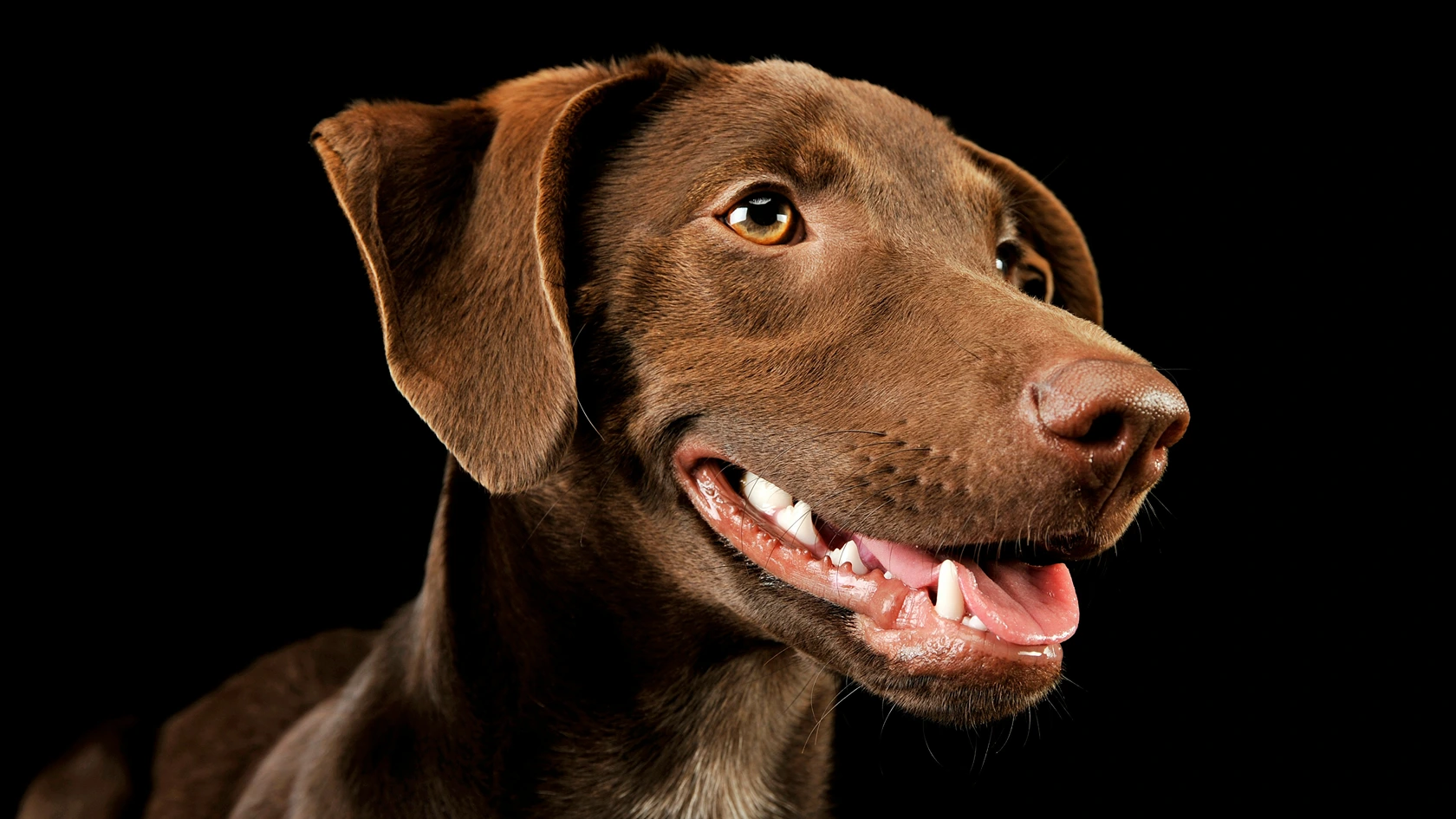

TL;DR: How Many Sets of Teeth Do Dogs Have?
- Adult dogs have a full, functional smile: Healthy adult dogs should have 42 strong permanent teeth that support chewing, playing, and everyday exploration.
- Puppy teeth pave the way: Puppies grow 28 baby teeth that guide them through teething before their adult teeth fully erupt.
- Every tooth has a purpose: Incisors nibble, canines grip, premolars slice, and molars grind—each type plays a role in your dog’s daily activities.
- Teeth can be lost, but issues are preventable: Dental disease, natural wear, and injuries can cause tooth loss, but early care protects long-term oral health.
- Routine care matters: Brushing daily, giving dental treats, and scheduling professional cleanings all help keep your dog’s teeth strong and reduce the risk of future dental problems.
- Vet check-ups catch problems early: Regular exams spot subtle changes and help avoid discomfort or expensive treatments later on.
- Stay proactive: Watch for signs like drooling, sensitivity, or changes in chewing so you can step in before issues get worse.
Have questions? We can help you build the right dental routine and keep your dog’s smile healthy for years to come.
Dogs go through clear developmental stages as they grow, and understanding what’s normal—especially when it comes to their teeth—can make everyday care far easier. Just like humans, dogs have baby teeth that eventually fall out and are replaced with permanent ones, but the timing, number, and purpose of these teeth are uniquely suited to a dog’s lifestyle. Knowing what should be happening inside your dog’s mouth helps you spot dental problems early, support healthy chewing habits, and prevent discomfort before it starts.
Read on as we explain how many sets of teeth adult dogs have, how their dental stages work, and what this means for keeping your dog’s mouth healthy and comfortable.
How Many Teeth Do Dogs Have

Healthy adult dogs typically have 42 permanent teeth, which is more than the 32 teeth found in a full set of human teeth. This higher number allows dogs to bite, tear, and chew efficiently, and it also helps them interact with their surroundings—whether that’s grabbing toys or exploring new scents. The dental formula used to describe dog teeth breaks these permanent teeth into top and bottom groups, showing how each tooth type fits into the structure of the jaws and supports everyday functions.
Number of Puppy Teeth
Puppies are born without any teeth, and by 3–6 months of age, they should have 28 puppy teeth, also known as deciduous teeth or baby teeth. These small teeth begin erupting early in life, and the age of eruption of adult structures can vary slightly by breed, making the timeline flexible from one puppy to another. Throughout these early months, their extremely sharp teeth located in the front and sides help them chew, explore, and learn how to use their mouths properly.
During this teething stage, you may notice increased drooling, playful nipping, or chewing on toys — all normal behaviours as those sharp teeth come in.
Number of Adult Teeth
As the puppy teeth to adult teeth transition starts, the eruption of adult teeth gradually replaces all 28 puppy teeth, shifting your dog toward their full adult dentition. The typical age of eruption of adult teeth spans several months of age, and by around six to seven months, dogs typically have 42 fully erupted permanent teeth. This complete set of adult teeth supports stronger chewing, better jaw function, and long-term oral health as your dog moves out of the teething phase.
Types of Dog Teeth
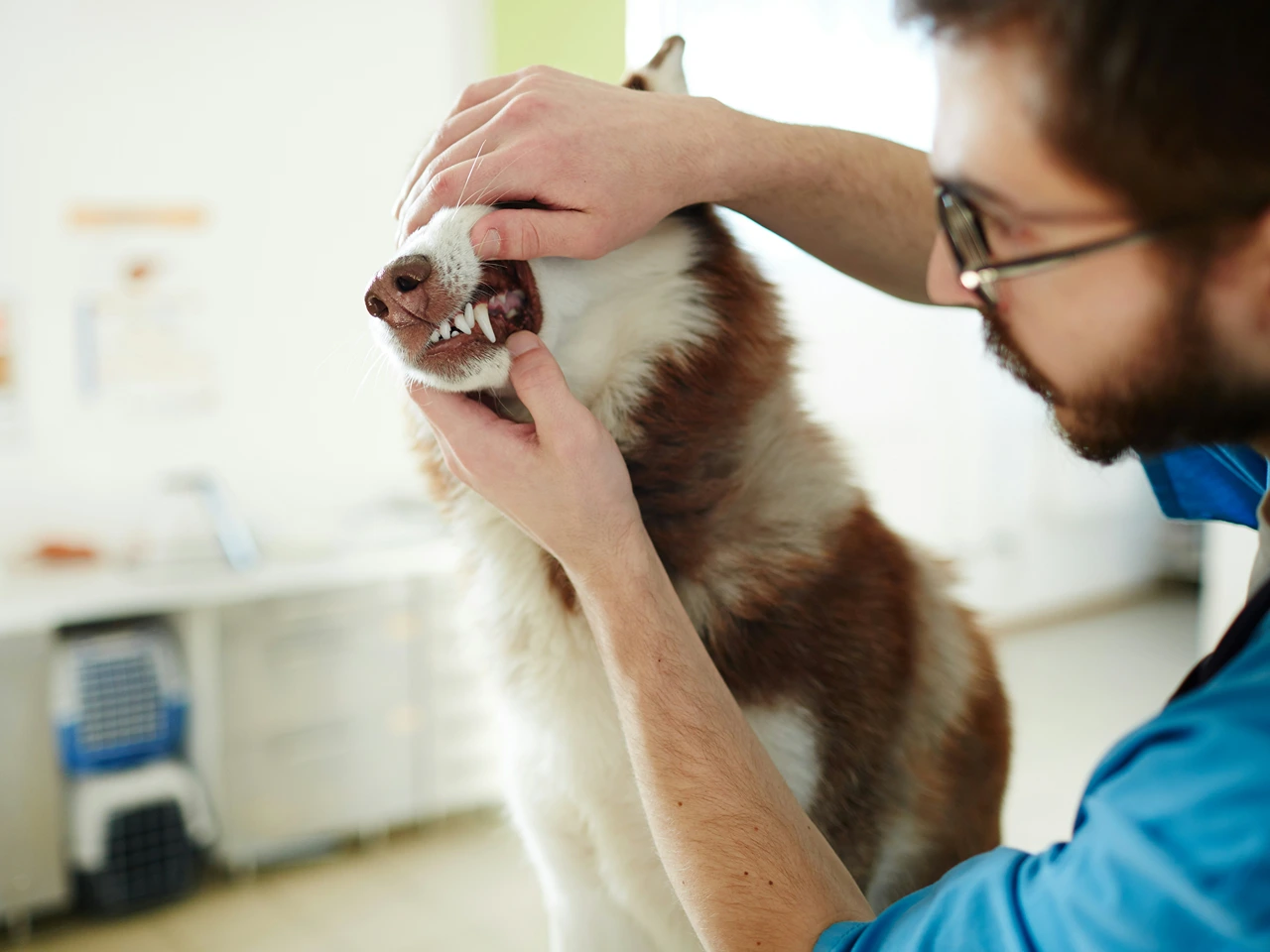
Dogs have four different types of teeth, and each one plays a specific role based on where the teeth are located. Because dogs have four different types of teeth, each set handles a different job—from gripping to chewing—depending on whether the teeth are located in the front or teeth in the back.
Incisors
These small teeth in the front are used to nibble, groom, and pick up delicate items. Dogs use their teeth to pick debris from their fur, and they also use their teeth to grasp small objects with precision.
Canines
Also called canine teeth, these long, pointed teeth give dogs the power to grip, hold, and tear. Their shape and strength make them essential whenever a canine needs to latch onto something firmly.
Premolars
Positioned right behind the canine teeth, these teeth are designed for slicing and crushing. They can break down kibble quickly and help dogs use their teeth efficiently when chewing tougher textures.
Molars
These sturdier teeth in the back are built for a strong grinding function. Molars finish the chewing process by crushing dense food into manageable pieces before swallowing.
Some dogs have noticeably smaller or larger teeth depending on their skull shape, but all dogs use their teeth uniquely based on how the different types of teeth support their daily activities.
Can Dogs Lose Their Teeth?

Adult dogs can lose teeth, and teeth can be lost for several reasons. The most common reason for a dog to have missing teeth is age-related wear, but dental disease is the biggest factor. In fact, more than 80 percent of dogs will develop dental disease in their mouths at some point, starting as simple plaque and eventually leading to diseased gums and decaying teeth if untreated.
If a dog is losing teeth, it may be due to:
- Tooth Disease: This is the leading cause of a dog losing teeth, especially when plaque and bacteria build up over time. As the condition worsens, dog teeth decay and wear become more noticeable, making it hard for dogs to chew comfortably.
- Dog Teeth Decay and Wear: Natural aging and everyday chewing can slowly damage the teeth and gums. This wear can leave dogs with loose or wiggly teeth, making them hesitant to bite or play.
- Trauma or Injury to Their Teeth or Mouth: An accident, rough play, or another injury to their mouth can quickly cause a dog to lose teeth. Even a small impact can loosen teeth or damage the root, especially if the gums are already weakened.
Dogs over the age of seven are more likely to develop oral issues, but even younger pets can experience problems if plaque builds up. You might notice that your dog avoids toys, drops food, or shows sensitivity in its teeth or mouth—all early signs that a dog is losing their adult teeth. In more severe cases, infection or trauma may require the extraction of numerous teeth to prevent further complications.
If you ever notice that your dog is uncomfortable or that your dog is losing their adult teeth unexpectedly, consult a veterinarian to confirm what’s happening and get proper treatment.
Preventing Tooth Loss in Dogs

Keeping your dog’s teeth strong comes down to a consistent, well-rounded care routine. Regular cleaning keeps the teeth structurally sound, prevents decay, and lowers the risk of tooth loss as your dog ages.
Daily Dental Care Routine
Brushing every day helps stop plaque buildup and gingivitis before they cause discomfort or decaying teeth. This simple habit supports teeth and overall dental health and reduces long-term complications.
Recommended Cleaning Products
Adding dental chews and veterinary-approved dental products to your dog’s routine gives their teeth a little extra help. These goodies not only keep their mouth clean but also help spot and tackle any early dental issues before they become a bigger problem.
Professional Dental Cleaning
Routine dental cleanings allow vets to remove deep tartar and examine your dog’s mouth closely. This helps catch issues early and reduces the chance of teeth being worn down or damaged, especially when teeth are damaged because of advanced dental problems.
Diet and Dental Health
Feeding your dog quality food plays a big role in supporting strong teeth and overall dental health. A balanced diet can naturally reduce plaque buildup and strengthen the mouth’s defences.
Regular Vet Check-Ups
Consistent check-ups allow a vet to detect subtle changes or early warning signs. These visits are crucial when something becomes noticeable or when problems with the teeth is because of advanced disease.
Early Intervention Strategies
Paying attention to small changes—such as hesitance to chew, drooling, or sensitivity—helps you act quickly when something seems wrong inside your dog’s mouth. Early care often prevents more serious complications.
By building healthy habits and staying proactive, you can keep your dog’s teeth healthy and support long-term dental wellness.
Final Thoughts
Keeping track of how your dog’s teeth grow, change, and function gives you a clearer picture of their overall health—and empowers you to prevent problems before they start. From the 28 sharp puppy teeth that guide early development to the 42 permanent teeth that support chewing and daily activities, each stage plays a role in your dog’s comfort.
Keeping up with brushing, dental chews, and regular vet visits goes a long way in keeping your dog’s teeth safe from decay, injury, and other problems. And when you pay attention to little changes, like how they chew, act, or react to touch, you can catch issues early and keep their mouth healthy, strong, and comfortable.
Frequently Asked Questions
How many teeth do puppies and adult dogs have?
Puppies and adult dogs have very different tooth counts that change as they grow.
Puppy vs Adult Difference: Puppies begin with 28 temporary teeth before transitioning to their permanent set.
Permanent Count: Adult dogs should have 42 permanent teeth, which is the full set they rely on for chewing and daily functions.
More Teeth Than Humans: Adult dogs have more teeth than humans, giving them better gripping and tearing abilities.
Growth Timeline: As adult teeth start erupting, baby teeth naturally fall out between 3 and 6 months.
Monitoring Changes: If you notice your dog is losing teeth outside this timeline, a dental check may be needed.
What types of dog teeth are there and what do they do?
Dogs have several tooth shapes, each designed for a specific job.
Incisors for Precision: These tiny teeth help manage grooming and small tasks, and they’re strategically located in your dog’s mouth for easy access.
Role of Canines: Long, pointed canine teeth help dogs grip and tear food or toys with strength.
Premolars for Slicing: These mid-mouth teeth support chewing and help break down food efficiently by handling different functions.
Molars for Grinding: Positioned at the back, they’re essential when many teeth are used to crush tougher food items.
Overall Design: The structure ensures that dogs need each tooth type to bite, chew, and function normally every day.
Can dogs lose their teeth?
Yes, adult dogs can lose teeth for several health-related reasons.
Disease-Driven Loss: Severe dental problems can lead to diseased teeth, which may loosen or fall out if untreated.
Trauma and Injury: Accidents or chewing hard objects increase the risk of tooth loss unexpectedly.
Underlying Oral Issues: Gum infections or weakened roots may indicate that the dogs’ teeth are compromised.
Warning Signs: If there is tooth discomfort, you may notice reluctance to chew or head-shyness.
Professional Care: An extraction of numerous teeth by a veterinarian may be done when decay or infection becomes severe.
How can I keep my dog’s teeth healthy?
A good routine prevents dental issues and keeps your dog comfortable.
Daily Hygiene: Combining brushing and veterinary dental habits helps reduce plaque and early inflammation.
Professional Cleanings: Routine exams protect a dog's dental health and catch problems before they worsen.
Diet Choices: Good nutrition helps teeth of your dog stay strong and supports healthy chewing habits.
Early Detection: Watching how your dog’s teeth look can help you spot trouble early, such as tartar or redness.
Preventive Products: Water additives and chews ensure a dog’s teeth can be lost less often due to preventable disease.
What does normal adult dog dentition look like?
A healthy adult dog’s teeth follow a predictable pattern and number.
Standard Count: Most dogs have 42 teeth, lining both upper and lower jaws in balanced formation.
More Than Puppies: Understanding that adult teeth in dogs replace puppy teeth helps assess normal mouth development.
Comparative Quantity: It’s true that many dogs possess many teeth compared to humans, which helps them process food better.
Complete Set: The number of teeth your dog should have offers an easy way to check for missing or damaged teeth.
Visual Inspection: Healthy teeth appear clean, white, and properly spaced, ensuring proper function.

