
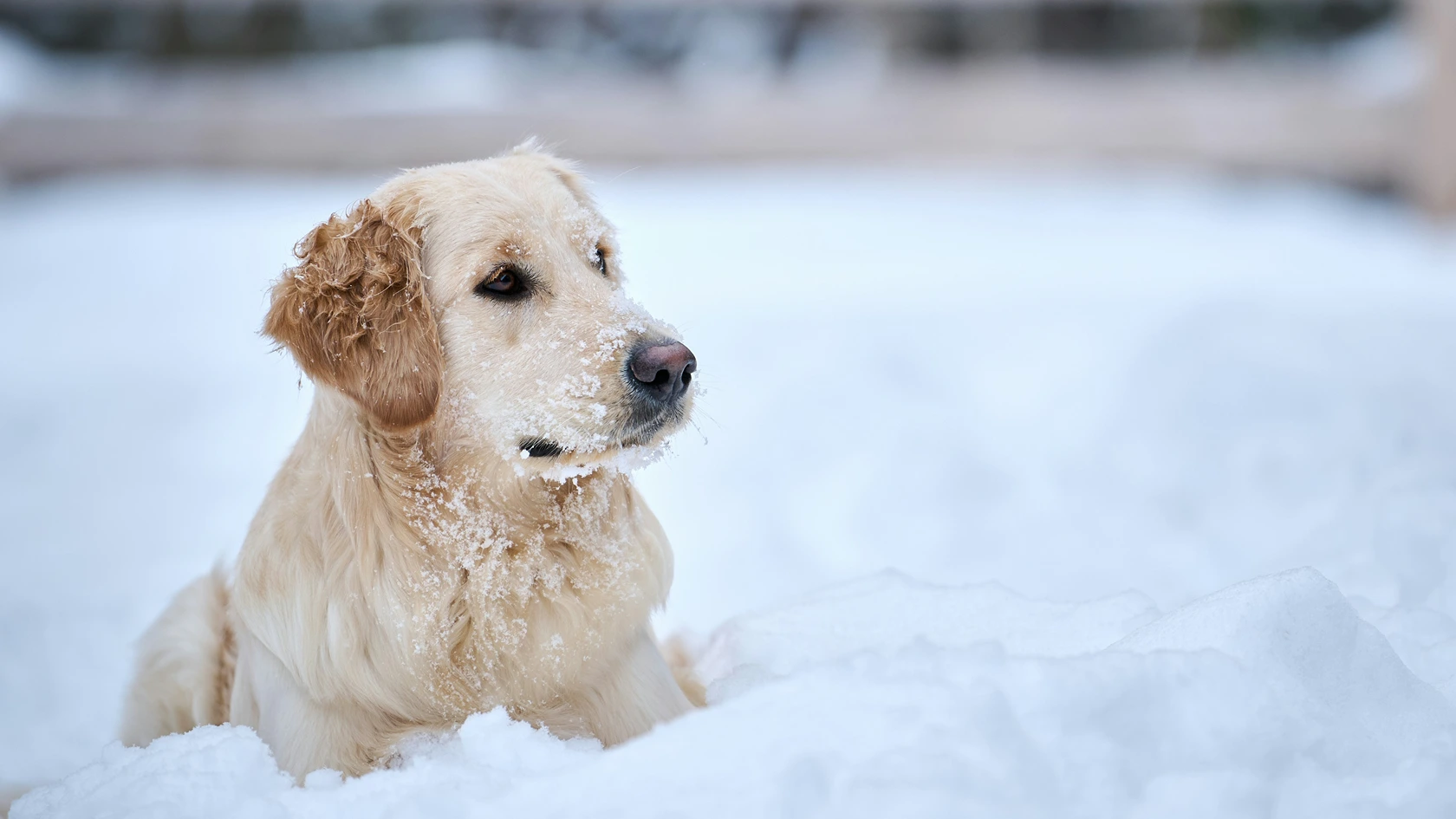

TL;DR: How Cold Is Too Cold for Dogs?
- Breed differences matter: Some dogs—like Huskies, Malamutes, and other double-coated breeds—handle freezing temperatures better, while small or thin-coated dogs can start getting cold as early as 5–15°C.
- Not all dogs warm up the same way: Coat type, size, age, and health all affect how quickly a dog loses heat. Puppies, seniors, and medically vulnerable dogs feel the cold much sooner.
- Gear helps more than you think: Winter coats, boots, and warm, elevated bedding give dogs the insulation they need to stay comfortable outdoors.
- Know the danger signs: Shivering, lethargy, cold ears or paws, pale skin, stiffness, or slow breathing can signal hypothermia or frostbite and require quick action.
- Cold weather carries real risks: Hypothermia, frostbite, cracked paws, dehydration, and ice buildup can develop fast during harsh winter conditions.
- Smart winter habits keep dogs safe: Shorter walks, paw checks, avoiding drafts, and indoor exercise all help your dog stay warm when temperatures drop.
Have concerns about your dog’s winter health? We can help you figure out what’s normal, what’s not, and how to keep your dog safe all season.
Canadian winters can be downright harsh for dogs, especially if you don’t know how cold is too cold for your specific breed. While Huskies and Malamutes can power through freezing temperatures, smaller or thin-coated dogs may start feeling uncomfortable at specific cold temperatures.
Factors like coat type, size, age, and health all play a role in how quickly a dog loses heat. Being aware of cold-weather risks—like hypothermia, frostbite, cracked paws, and ice buildup—is essential for every dog parent. Let’s break down what temperature dogs can handle, how to keep them warm, and clear signs it’s time to head indoors.
How Dogs Feel the Cold
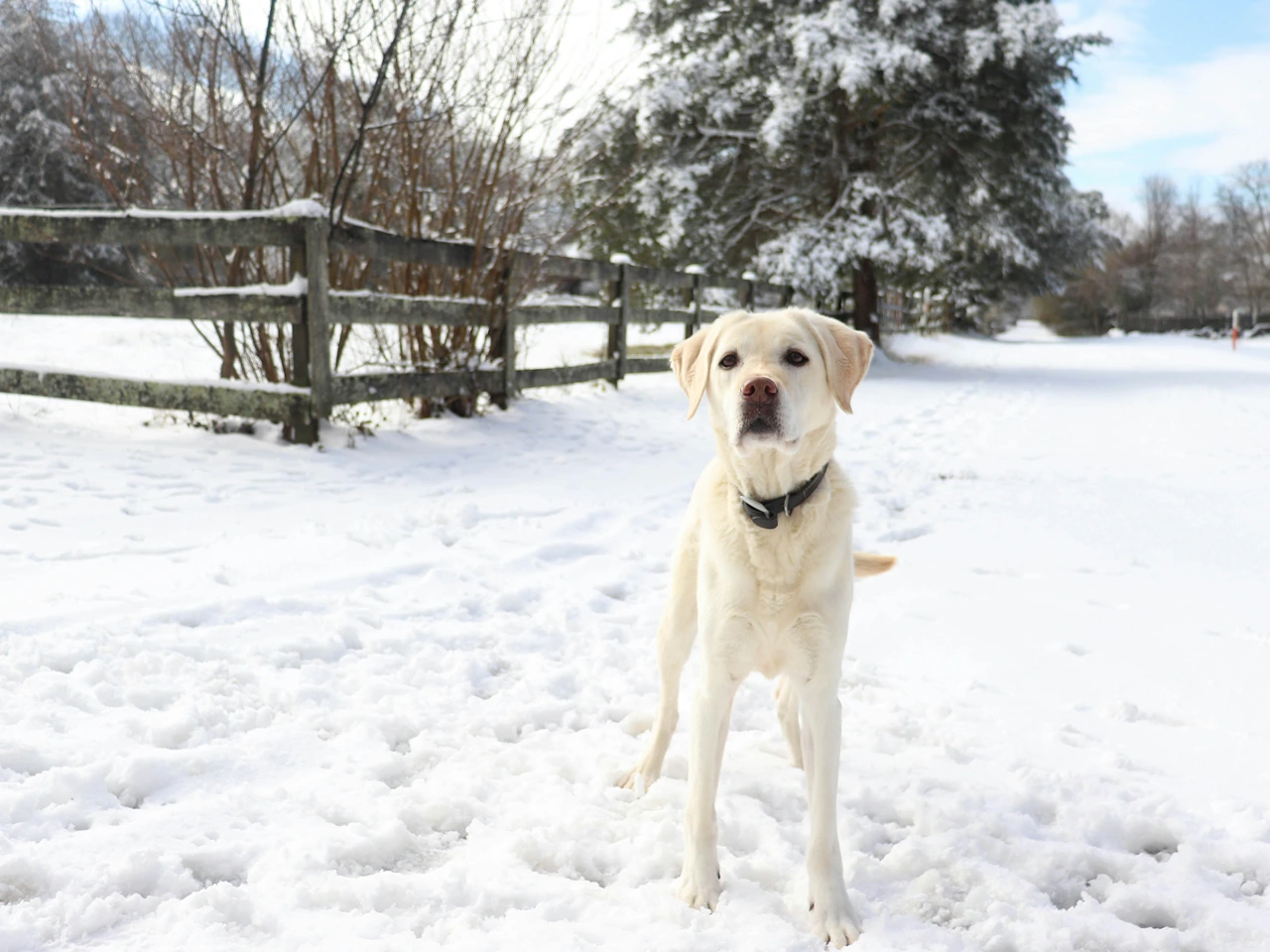
Canada’s winter brings unpredictable weather conditions, and dogs respond in different ways based on their breed, size, coat, age, and overall health. What might feel mild to one dog can make another dog shiver or get cold much faster, especially when wind or moisture is involved.
Dog Breeds Vary in Cold Tolerance Levels
Some breeds naturally have a higher tolerance for cold, especially Siberian huskies and other double-coated dogs that evolved to handle snow and freezing temperatures (for many of these, exposure can be safer down to around freezing point and slightly below if dry and wind-protected).
This also includes breeds like Alaskan Malamutes, Bernese Mountain Dogs, and Newfoundlands. In contrast, small breed dogs or dogs with thin coats — like Chihuahuas, Greyhounds, or French Bulldogs — can start getting cold within 5 to 15 °C (40–60 °F) if suddenly exposed to a chilly breeze or damp conditions. Because of this wide range, what warms one dog might not be enough for another.
Coat Type Affects Temperature Regulation
A dog with a thick natural coat helps trap heat and regulate body temperature, allowing them to stay warm longer even in harsh winds. In contrast, dogs with short or fine fur lack that insulation, meaning they can become cold quickly even during brief exposure to cold air or damp snow.
Size and Body Fat Impact Cold Resistance
Medium and large breed dogs typically retain heat more effectively because they have more body mass and natural insulation. Meanwhile, small dogs or lean active breeds lose heat faster, making them more vulnerable to cold even when the temperature doesn’t seem extreme.
Age and Health Conditions Affect Cold Sensitivity
A young puppy still developing its strength or older dogs with slower metabolism may feel the chill sooner than healthy dogs. Dogs with ongoing medical issues are also more vulnerable to cold, meaning they may struggle on a mild winter walk that would normally be safe for others.
What Helps Keep Dogs Warm in The Cold Weather
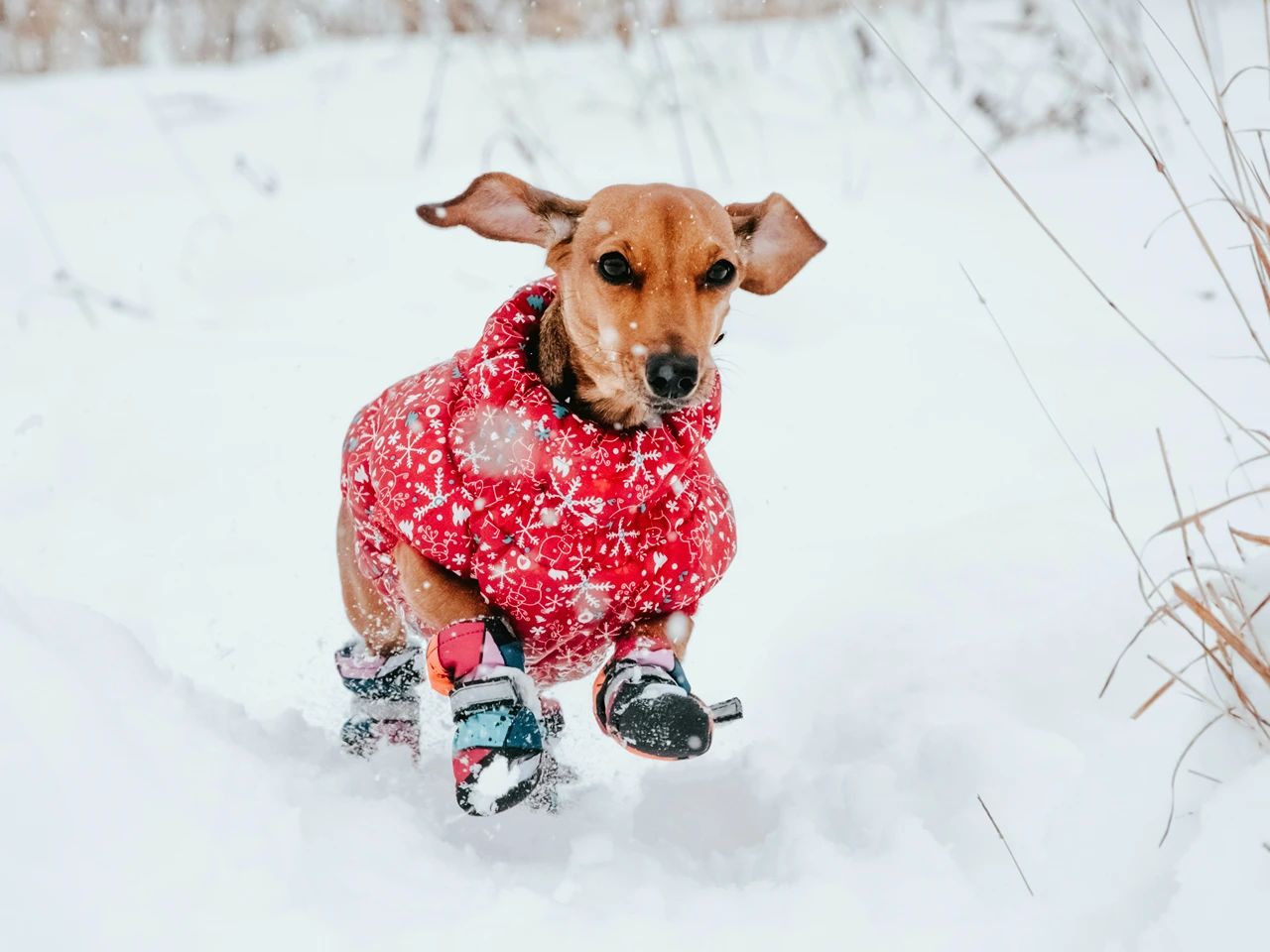
Some dogs adapt well to winter thanks to both nature and a little human support. Knowing what keeps a winter dog warm helps you give them the comfort they need in freezing conditions.
Natural Adaptations
- Thick winter coat development: Many dogs grow a fuller, denser winter coat that boosts insulation, helping them handle cold temperatures more comfortably. This natural layer works like a built-in heater during harsh weather.
- Increased metabolism in cold weather: When temperatures drop, a dog’s body increases its metabolic rate to stay warm, meaning they need more energy to maintain body heat. This is why many dogs may seem hungrier or more active when it’s extremely cold outside.
Physical Protection
- Winter dog coats and boots: Putting a coat on your dog or using dog boots helps lock in body heat and protect vulnerable areas, especially the paws, which are one of the first spots to freeze. These simple additions help dogs stay comfortable during snowy walks.
- Raised sleeping areas off cold ground: Keeping your dog's sleeping spot elevated keeps their paws off the ground, preventing direct contact with icy surfaces that draw heat away from the body.
- Heated pet beds: These beds provide a warm, cushioned surface, especially helpful at night when temperatures drop even lower. They create a safe, cozy environment that supports dogs who struggle with cold.
Behavioral Changes
- Increased food intake for energy: Extra calories give dogs the fuel they need to generate warmth, helping them stay active and comfortable in lower temperatures.
- Natural huddling and curling up: Dogs instinctively curl into a tight ball to conserve heat — reducing the amount of body surface exposed to the cold air. This behaviour is common when a dog isn’t fully warm or is trying to protect their core temperature.
- Seeking shelter from wind: When a dog isn’t comfortable with the cold or harsh wind, they naturally move to sheltered areas. This instinctive behaviour helps dogs avoid getting chilled or becoming extremely cold during winter outings.
Risks of Freezing Temperatures in Dogs
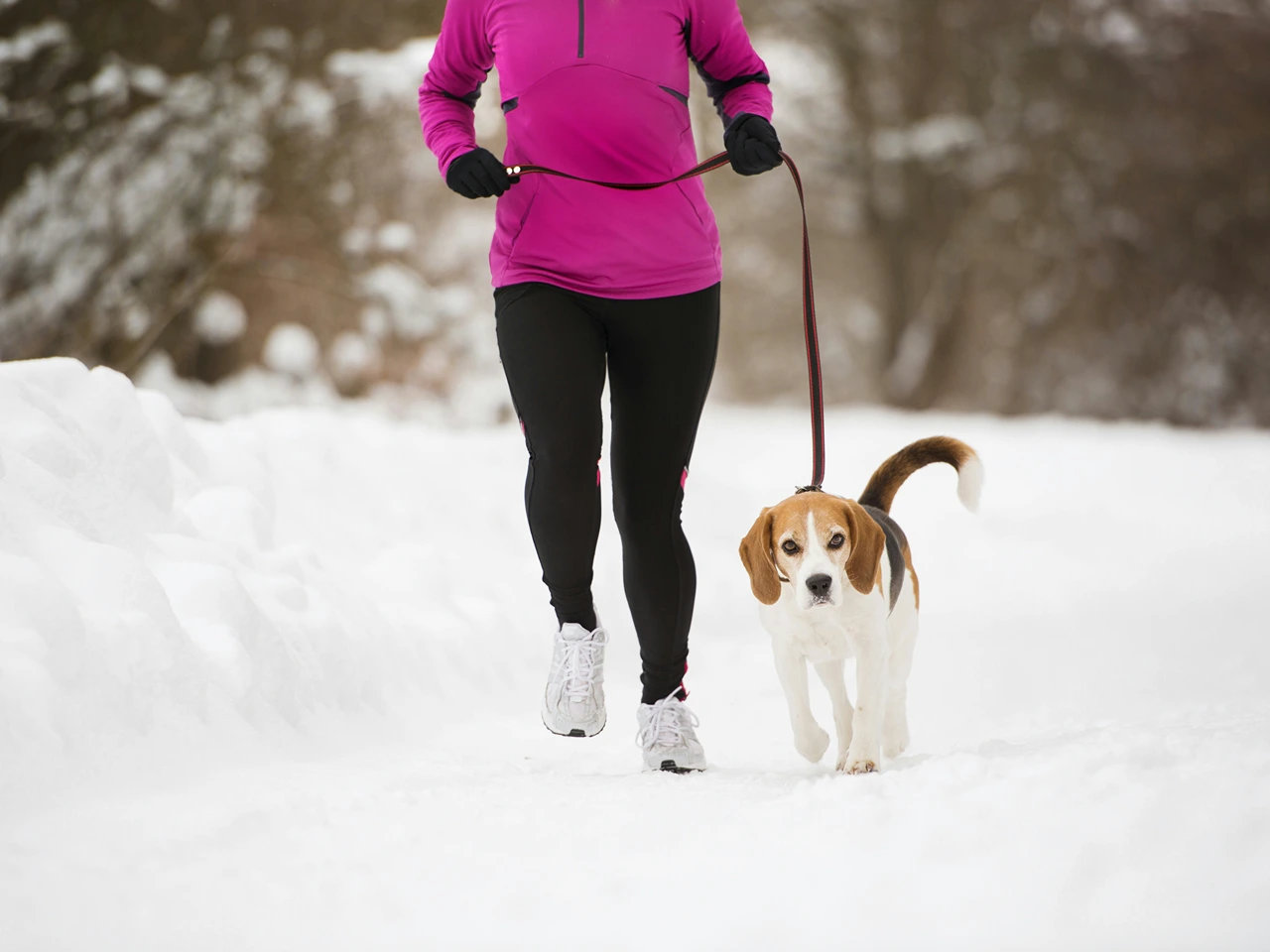
When dogs spend too much time outside in the cold, the risks can escalate faster than many owners realize.
Hypothermia
This occurs when a dog’s body temperature drops to dangerously low levels — especially during extreme cold spells. Without quick warmth and shelter, hypothermia can affect their breathing, coordination, and overall organ function.
Frostbite
Reduced blood flow in freezing temperatures can cause tissues to harden and freeze, often showing early signs of frostbite on the ears, tail, and paws. These areas are the most exposed and can become pale, cold, or painful to the touch.
Dehydration from Dry Winter Air
Although it may not seem obvious, the dry winter climate pulls moisture from a dog’s body. Being outside in the cold for long periods can make dogs dehydrated faster than expected.
Cracked Paw Pads
When prolonged exposure to cold air and icy surfaces dries out the skin, paw pads can split or crack. This becomes painful and can make walking difficult, especially during winter outings.
Ice Ball Formation Between Toes
Snow and ice can clump between a dog’s toes, forming hard little balls that cause discomfort or even limping—regular checks during walks help prevent this painful buildup.
Signs of Hypothermia and Frostbite in Dogs
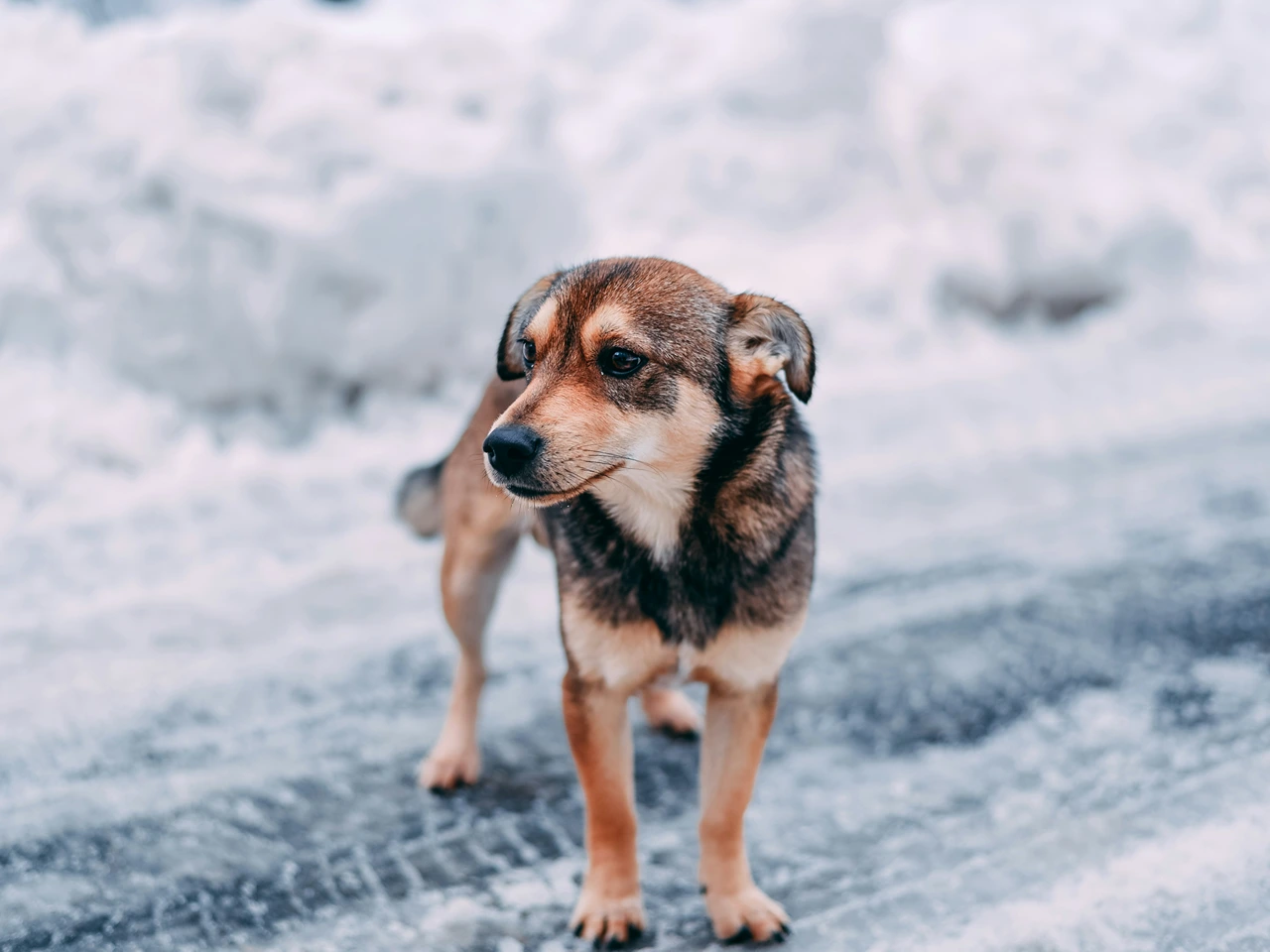
Recognizing early symptoms is essential, as catching these issues quickly can prevent frostbite or severe hypothermia.
Early Hypothermia Signs
- Shivering: If your dog begins trembling or shaking uncontrollably, it’s one of the first signs your dog is losing body heat and starting to freeze. This is a clear signal that they need warmth and monitoring.
- Lethargy: A tired, slow-moving dog often means their energy is dropping as their body tries to conserve heat. This is a strong indicator that they may need to get back inside before the cold worsens.
- Cold ears and feet: Cool or icy extremities suggest the temperature is too cold for them to handle. These areas lose heat quickly, making them early warning zones during winter exposure.
Advanced Hypothermia Symptoms
- Muscle stiffness: When a dog gets too cold, muscles tighten, and their movement becomes stiff and uncoordinated. This shows the cold is affecting deeper tissues.
- Slow breathing: A drop in breathing rate indicates that the dog’s internal systems are slowing down—a serious stage of hypothermia that requires immediate intervention.
- Weak pulse: A fading or weak pulse is a critical warning sign that the dog needs urgent veterinary care.
Frostbite Indicators
- Discoloured skin (pale or gray): A classic frostbite symptom, especially when it's extremely cold outside. These colour changes often appear on the ears, paws, or tail.
- Cold, brittle skin: When skin feels stiff or easily damaged, it suggests tissues have frozen and are severely affected by the cold.
- Swelling in affected areas: After frozen tissue starts to thaw, swelling can occur, signalling that frostbite is progressing and needs prompt treatment.
How to Keep Your Dog Safe in Cold Temperatures
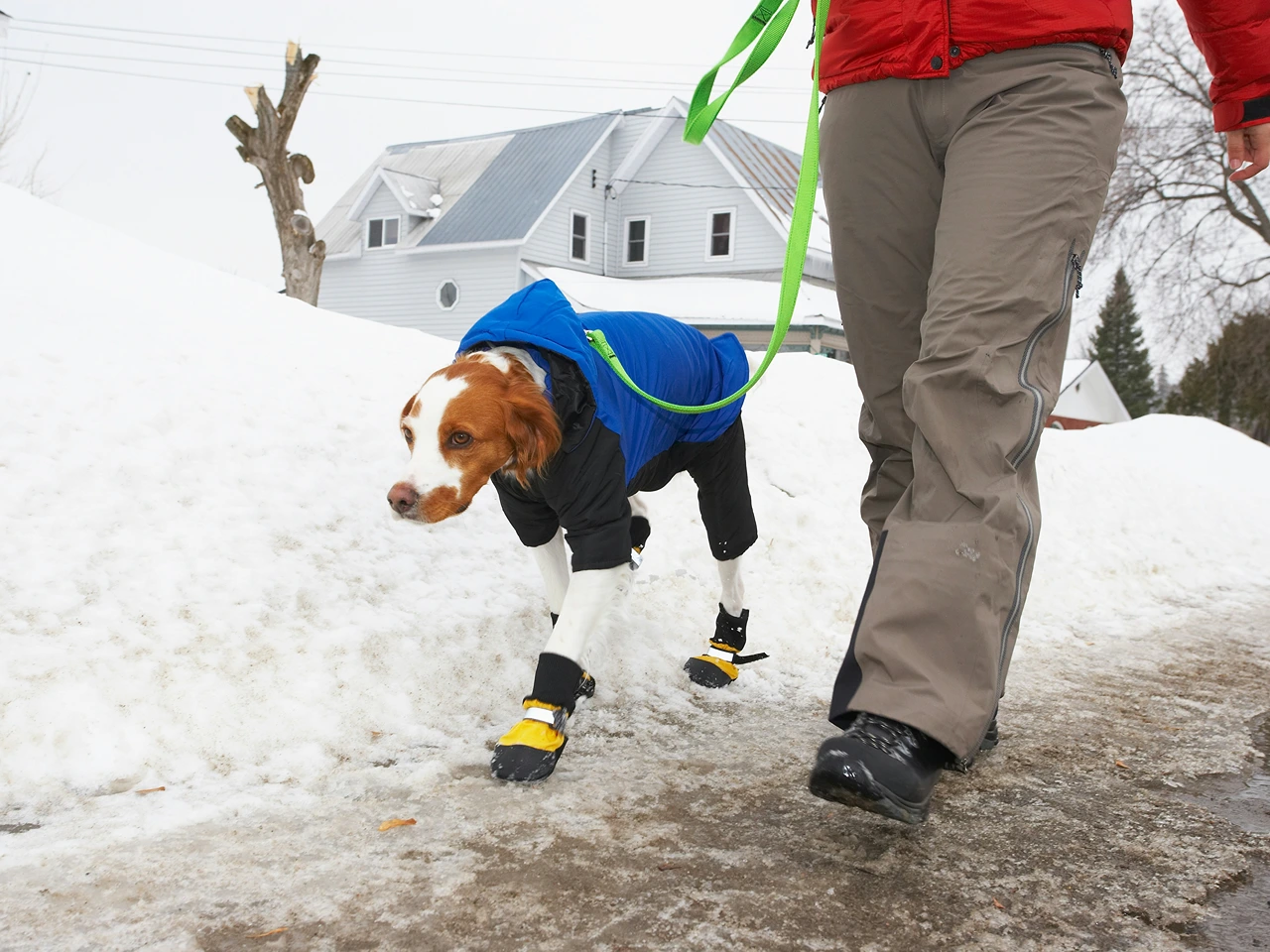
A little preparation goes a long way in keeping your dog comfortable and protected on a cold day, whether indoors or outdoors.
- Maintain warm sleeping areas: Soft, insulated bedding helps keep your dog relaxed and warm during winter nights. It also reduces heat loss, especially since dogs are susceptible to cold floors and drafts.
- Limit exposure to drafts: When a dog outside or near an open window is hit by cold wind, they lose body heat quickly. Closing drafty areas ensures your dog doesn’t get chilled unexpectedly.
- Provide adequate bedding: Thick layers or raised beds create a barrier so the cold doesn’t seep in at night, offering steady warmth even when it’s cold indoors.
- Use appropriate winter gear: Jackets, boots, and a proper winter routine make outdoor trips safer. This gear protects vulnerable spots since paws are one of the first areas to show damage in freezing weather.
- Limit outdoor time based on temperature: Unless your dog is a breed built for harsh winters, shorten their outdoor time when it becomes too cold to walk comfortably. Paying attention to weather conditions helps avoid unnecessary risks.
- Check paws regularly: Snow, ice, and road salt can irritate their skin. Regular checks help prevent cracks, burns, or buildup.
- Shorter walks during extreme cold: Even if you love to walk your dog, intense cold means reducing the length of outings. Short, frequent breaks are safer than long exposure when it’s really cold.
- Indoor exercise alternatives: On days that are too harsh to go out, let your dog burn off energy inside. This keeps them stimulated without sending them outside when it’s too cold to walk or unsafe.
- Keep first aid supplies ready: Having a small pet kit allows you to act fast if you suspect your dog is showing early signs of frostbite or hypothermia. Immediate care can prevent complications until you reach a vet.
Final Thoughts
Winter in Canada can be tough on dogs, and knowing when it’s too cold is key to keeping them safe. Pay attention to shivering, cold paws, lethargy, or signs of frostbite, and don’t hesitate to shorten walks or bring your dog indoors. Using coats, boots, raised bedding, and indoor play helps maintain warmth and comfort.
If you feel that it’s too cold to safely continue your winter walk, it’s always better to head inside. Protecting your dog in winter weather ensures they stay healthy, safe, and ready for more cozy moments all season long.
Frequently Asked Questions
How cold is too cold for dogs to be outside?
Most dogs reach unsafe limits around freezing temperatures, depending on coat, size, and wind exposure.
Early Cold Warning: Watch for shivering or stiffness—these signs show it’s too cold for your dog to stay outdoors.
Thin-Coat Sensitivity: Thin-coated breeds feel cold much faster than insulated ones and must be monitored closely.
Large Breed Limits: Even big dogs can struggle in deep wind chill or icy, wet weather.
Weather Intensifiers: Moisture, slush, and harsh winds escalate risk quickly because they strip away body heat.
Exposure Cutoff: If conditions worsen rapidly, return indoors. Staying outside for long can be dangerous.
What temperatures are unsafe for adult dogs during winter travel or activities?
Most adult dogs face danger around −5°C to −15°C, especially with wind or moisture.
Vehicle Temperature Drop: Cold cars get damp fast, and that mix of chill and moisture can make things way too cold for your dog in just a few minutes.
Wet Coat Hazard: When your dog’s fur gets soaked with snow, it can’t keep them warm, so they lose heat a lot quicker during play.
Crate Insulation Needs: If you’re using a travel crate, make sure it’s insulated so the inside stays warm and steady while you’re on the move.
Wind Chill Danger: Frostbite risk escalates quickly in windy open areas or long-distance outdoor breaks.
Low-Insulation Breeds: Dogs with short coats or health issues struggle most since their bodies cannot retain heat efficiently.
How long can a dog walk your dog outside safely in winter?
Most winter walks should be limited to short, controlled outings when temperatures drop near freezing.
Temperature-Based Walk Time: Always adjust walk length based on breed tolerance when you walk your dog outside in cold weather.
Safe Route Planning: Stick to clear, dry routes when taking your dog outside so you can monitor footing and frostbite risk.
Breed Tolerance Differences: Northern breeds handle the cold better than small or thin-coated dogs, but still require supervision.
Comfort Check: End the walk immediately if your dog isn't comfortable or slows down suddenly.
Vulnerable Dog Caution: Puppies, seniors, and flat-faced breeds should avoid being outside for long under harsh conditions.
Can my dog sleep outside during cold weather?
Sleeping outdoors is unsafe for most dogs during winter due to rapid heat loss and nighttime temperature drops.
Breed Limitations: Even hardy dogs like northern breeds face serious risk if left outside overnight without proper insulation.
Overnight Cold Risk: Wind chill and damp surfaces make it dangerously cold for a dog to retain warmth for hours.
Shelter Requirements: Only fully insulated, raised shelters can reduce—but not eliminate—nighttime cold exposure.
Indoor Safety Advantage: Indoor sleeping setups are safer because they prevent frostbite and hypothermia progression.
High-Risk Groups: Senior dogs and small breeds lack the insulation needed to survive extended outdoor nights.
What should dog owners watch for during winter walks?
Owners should monitor their dog’s body language, paws, and breathing to prevent cold-related injuries.
Cold Stress Signals: Shivering, sudden stiffness, or hesitation are signs that winter conditions are becoming dangerous.
Paw Safety Check: Ice buildup on paw pads requires you to keep a close eye on their steps.
Wet Coat Issues: Wet fur accelerates heat loss, making even mild temperatures hazardous during long walks.
Frostbite Monitoring: Keep an eye on their ears, tail, and toes—those spots are usually the first to show frostbite, so check them often.
Emergency Warning Signs: If your dog suddenly seems tired, their breathing gets weird, or they’re moving differently, stop what you’re doing right away and get them warmed up.

