

TL;DR: Holiday Foods to Avoid for Pets – Toxic Foods for Dogs and Cats
- Many holiday foods are toxic to pets, and even small amounts can cause vomiting, diarrhea, or serious illness.
- Chocolate, grapes, raisins, xylitol, onions, garlic, macadamia nuts, fatty foods, and yeast dough are some of the most dangerous items.
- Signs of poisoning can include stomach upset, lethargy, tremors, abnormal heart rhythm, or swelling from gas buildup.
- If your pet eats something risky, identify what was eaten, watch for symptoms, and contact a vet or animal poison control right away.
- Keeping unsafe foods out of reach and avoiding table scraps helps prevent accidental poisoning during holiday meals.
- Staying alert and acting early protects your dog or cat from harm and keeps celebrations stress‑free.
If you notice your pet acting unusually after eating something, don’t wait—reach out to us. Our expert team can guide you on the next steps, provide care, and give you peace of mind so your dog or cat stays safe and healthy.
Ever catch your dog or cat sniffing around your holiday treats and worry they might eat something toxic? Even a small bite of chocolate, grape, raisin, or treat with xylitol sweetener can cause vomiting, digestive upset, or serious toxicity if ingested. It’s easy to forget that many common foods harmful to pets often appear during celebrations.
Baked goods, salty foods, garlic and chives, macadamia nuts, avocado, and yeast dough can all be dangerous for a dog or cat. Even small amounts of a toxic substance may affect red blood cells, the digestive system, kidneys, or liver, and make your pet very sick.
If you suspect your pet has eaten something poisonous, reaching out to a veterinarian or poison control centre quickly can prevent serious harm. Keep reading to learn which foods are toxic to dogs and cats this holiday season.
Common Toxic Foods for Dogs and Cats You Should Avoid: Xylitol, Grape, Raisin, Avocado, and More
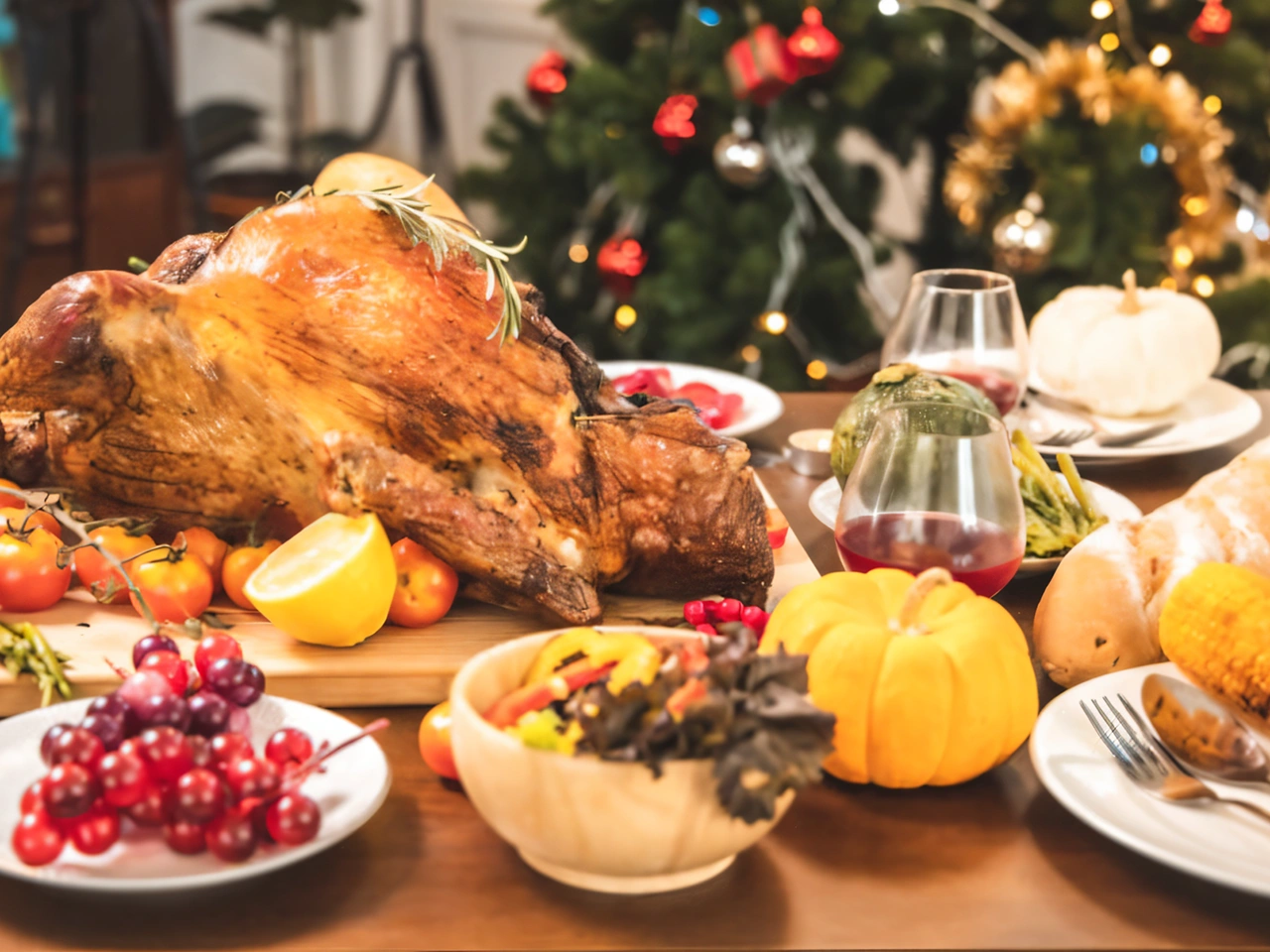
Holidays are a time for family, treats, and plenty of delicious human foods—but not all foods are safe for cats and dogs. Many human foods are toxic to cats and dogs. Giving them the following foods can quickly turn into a dangerous situation. So knowing which food items to avoid can save a trip to the animal poison control centre or a stressful visit to your veterinarian.
Chocolate
Chocolate contains theobromine and other toxic substances that can seriously harm cats and dogs, even in small amounts—something many pet owners don’t realize until it’s too late.
- Why It’s Risky: May cause serious heart problems and abnormal heart rhythm.
- Effects: Vomiting and diarrhea, rapid heartbeat, seizures, and even death.
- Tip: Keep all chocolate and chocolate-flavoured food items out of reach of your pets.
Caffeine (Coffee, Tea, Energy Drinks)
Dogs are far more sensitive to caffeine, which can overstimulate their hearts and digestive systems, so even a tiny amount can be harmful, and even a sip can be dangerous.
- Why It’s Risky: Can cause abnormal heart rhythm and severe restlessness.
- Effects: Tremors, rapid heartbeat, seizures.
- Tip: Never leave caffeinated drinks where your dog or cat can reach them.
Grapes and Raisins
Grapes and raisins may seem harmless, but if you accidentally feed your dog or cat even a small amount, the toxin they contain can quickly cause kidney failure, even in tiny amounts.
- Why It’s Risky: Can cause red blood cell damage and sudden kidney failure.
- Effects: Vomiting and diarrhea, excessive thirst and urination, and kidney failure.
- Tip: Always check baked goods and snacks to make sure they don’t contain grapes or raisins.
Onions
Onions are toxic to cats and dogs and can silently damage red blood cells, which is why even small pieces in your meals can be dangerous.
- Why It’s Risky: Can cause gastrointestinal irritation and red blood cell damage.
- Effects: Vomiting, weakness, anemia, lethargy.
- Tip: Avoid feeding your pets any food seasoned with onions.
Garlic and Chives
Garlic and chives can harm pets because they contain substances that damage red blood cells and irritate the digestive system, and even small amounts can make dogs and cats very sick.
- Why It’s Risky: Contains compounds that cause red blood cell damage and gastrointestinal irritation.
- Effects: Vomiting, diarrhea, pale gums, anemia, lethargy.
- Tip: Keep garlic, chives, and any garlic- or chive-seasoned foods well out of reach of your pets.
Avocado
Avocado contains a toxin called persin that can be harmful to cats and dogs if ingested.
- Why It’s Risky: May cause gastrointestinal irritation and cell damage.
- Effects: Vomiting and diarrhea, abdominal pain, lethargy.
- Tip: Avoid giving your pet avocado or foods containing avocado.
Leeks
Leeks are toxic because they can damage red blood cells and upset the digestive system, even when given in very small amounts.
- Why It’s Risky: Causes irritation and red blood cell damage.
- Effects: Vomiting, lethargy, and anemia.
- Tip: Keep your pets away from any dishes containing leeks.
Xylitol (Artificial Sweeteners)
Xylitol is extremely dangerous for cats and dogs, causing a rapid drop in blood sugar and even liver failure, often hiding in sugar-free treats.
- Why It’s Risky: Acts as a specific toxic sweetener that pets cannot process safely.
- Effects: Vomiting, weakness, seizures, liver failure.
- Tip: Always check labels before sharing any candy or baked goods with pets.
Alcohol
Alcohol is harmful because pets are far more sensitive to it than humans, and even a tiny sip can make them very ill quickly.
- Why It’s Risky: Causes gastrointestinal irritation and neurological depression.
- Effects: Vomiting and diarrhea, breathing difficulty, coma, and death.
- Tip: Keep all alcoholic drinks completely out of reach.
Macadamia Nuts
Macadamia nuts are highly toxic to dogs and can make them weak, shaky, and uncomfortable in just a short time.
- Why It’s Risky: Causes gastrointestinal irritation and hyperthermia in dogs.
- Effects: Tremors, vomiting, weakness, hyperthermia.
- Tip: Avoid giving your dog any nut-containing food items.
Other Nuts
Other nuts may seem harmless, but they can upset the digestive system and trigger pancreatitis in cats and dogs.
- Why It’s Risky: Many nuts contain toxins or are too fatty for pets.
- Effects: Vomiting and diarrhea, pancreatitis.
- Tip: Keep all nut-containing foods away from your pets.
Bones (Cooked or Small)
Cooked or small bones are dangerous because they can splinter and injure your pet’s digestive system, often causing emergencies.
- Why It’s Risky: Can cause gastrointestinal obstruction or perforation.
- Effects: Choking, internal injury, obstruction.
- Tip: Only give vet-approved chew alternatives.
Fatty Foods & Fatty Meats
Fatty foods overwhelm pets’ digestive systems and may trigger pancreatitis, especially if your dog or cat eats table scraps.
- Why It’s Risky: Causes inflammation of the pancreas and gastrointestinal irritation.
- Effects: Vomiting and diarrhea, abdominal pain, pancreatitis.
- Tip: Avoid feeding greasy leftovers to your pets.
Ham & Turkey Skin
Ham and turkey skin are high in fat and salt, making them dangerous for cats and dogs during holiday meals.
- Why It’s Risky: Can trigger pancreatitis and sodium ion poisoning.
- Effects: Vomiting and diarrhea, pancreatitis.
- Tip: Stick to plain, pet-safe treats.
Dairy Products
Many pets are lactose intolerant, and dairy can cause gastrointestinal irritation, often catching owners off guard.
- Why It’s Risky: Causes digestive upset in cats and dogs.
- Effects: Vomiting and diarrhea, stomach upset.
- Tip: Avoid feeding milk, cheese, or cream to your pets.
Candy
Candy may contain chocolate, sugar, or xylitol, all of which are toxic to cats and dogs.
- Why It’s Risky: Contains harmful toxins like theobromine and xylitol.
- Effects: Vomiting and diarrhea, low blood sugar, seizures.
- Tip: Keep candy completely away from pets.
Yeast Dough (Raw)
Raw yeast dough is dangerous because it can rise in your pet’s stomach, causing gas to accumulate.
- Why It’s Risky: It can make the stomach bloat and produce alcohol.
- Effects: Vomiting and diarrhea, bloating, alcohol poisoning, and stomach rupture.
- Tip: Keep raw dough out of reach when baking.
Gravy
Gravy is harmful to pets because it often contains onions, garlic, fat, and salt.
- Why It’s Risky: Can cause gastrointestinal irritation and red blood cell damage.
- Effects: Vomiting and diarrhea, anemia, pancreatitis.
- Tip: Avoid sharing gravy or seasoned sauces with your pets.
Salt
Too much salt can cause sodium ion poisoning in cats and dogs, especially if they eat salty snacks.
- Why It’s Risky: Affects the kidneys and electrolyte balance.
- Effects: Vomiting and diarrhea, tremors, seizures, and kidney failure.
- Tip: Keep salty foods out of reach.
Cranberry Sauce
Cranberry sauce may contain sugar or artificial sweeteners that are toxic to cats and dogs.
- Why It’s Risky: Contains sweeteners and other harmful additives.
- Effects: Vomiting and diarrhea, low blood sugar.
- Tip: Offer only plain, pet-safe fruit if needed.
Artificial Sweeteners (Xylitol Repeated)
Xylitol is highly toxic to pets and can lead to liver failure and sudden drops in blood sugar.
- Why It’s Risky: Creates serious toxicity because pets cannot process xylitol.
- Effects: Vomiting and diarrhea, weakness, seizures, and liver failure.
- Tip: Always check labels before giving your pet baked goods or candy.
Alcohol & Raw Dough (Combined)
Both alcohol and raw dough are dangerous because they can cause gastrointestinal irritation and life-threatening bloating in pets.
- Why It’s Risky: Alcohol poisons the system, and yeast dough can rise in the stomach.
- Effects: Vomiting and diarrhea, bloating, alcohol poisoning, and stomach rupture.
- Tip: Keep all alcoholic drinks and dough out of reach.
Macadamia Nuts & Other Nuts (Combined Hazard)
Nuts in baked goods are toxic to cats and dogs and can cause serious digestive and neurological issues.
- Why It’s Risky: Can trigger hyperthermia, pancreatitis, and gastrointestinal irritation.
- Effects: Vomiting and diarrhea, tremors, weakness, pancreatitis.
- Tip: Avoid giving your pet any nut-containing food items.
How Human Food Can Cause Poisoning in Pets
It’s easy to forget that many people foods to avoid feeding your pets are actually dangerous for dogs and cats. Dogs are also at risk because their bodies process food very differently from ours, and even when ingested in small amounts, many foods can upset their stomach, damage organs, or affect red blood cells.
- Digestive System Overload: Many foods, especially fatty, sugary, or salty treats, can irritate your dog’s or cat’s stomach and cause it to bloat. Eating too many salty foods can lead to vomiting, diarrhea, and serious digestive upset.
- Yeast and Fermentation: Raw bread dough is a hidden hazard. A dog ingesting yeast dough can cause gas to accumulate, stomach to bloat, alcohol poisoning, and painful digestive problems.
- Toxic Substances: Ingredients like xylitol, theobromine, caffeine, onions, garlic, chives, or leeks are harmful to pets. Even in small amounts, they can damage red blood cells, trigger low blood sugar, or cause liver or kidney failure.
- Pancreatitis Triggers: Fatty foods, greasy meats, and ham or turkey skin may seem harmless, but they can trigger pancreatitis when ingested by pets, leading to vomiting, diarrhea, abdominal pain, and lethargy.
- Neurotoxicity: A Dog ingesting chocolate, caffeine, or xylitol may experience tremors, seizures, or abnormal heart rhythm, which is always scary for pet owners.
- Kidney and Liver Damage: Grapes, raisins, and macadamia nuts are dangerous for pets. They can lead to kidney failure, liver failure, or multi-organ problems.
- Sodium Overload: Many salty foods include chips, pretzels, or snack mixes. Eating too many salty foods can cause sodium poisoning, tremors, seizures, and kidney damage.
- Chemical Additives and Sweeteners: Artificial sweeteners, flavourings, and preservatives ingested by pets can cause vomiting, diarrhea, low blood sugar, or liver damage.
- Red Blood Cell Damage: Foods from the onion family are harmful to dogs. They can destroy red blood cells, leaving your dog or cat weak, pale, or lethargic.
- Choking or Physical Injury: Cooked bones or large food items ingested by pets may splinter, causing choking, obstruction, or stomach injury.
What to Do if Your Cat or Dog Has Eaten Poisonous or Toxic Foods

It can be scary if your dog or cat has eaten something dangerous. Many foods we eat can be harmful to pets, and even when ingested in small amounts, they can quickly cause serious problems. Staying calm and knowing what to do can make all the difference in keeping your pet safe.
- Check What Was Eaten: Try to figure out what your pet ingested, how much, and when. A dog ingesting toxic foods may start vomiting, have diarrhea, become lethargic, or show unusual behaviour.
- Skip Home Remedies: Don’t try to feed your dog or cat anything to “fix” the problem. Many home solutions can make things worse or even be harmful themselves.
- Call a Poison Control Centre: Reach out to your veterinarian or animal poison control centre for advice. They can guide you on whether you should take your dog to the veterinarian right away.
- Take Your Dog or Cat to the Veterinarian: If advised, get your pet to a vet as quickly as possible. Bring details about the food ingested and any symptoms your pet is showing.
- Watch for Warning Signs: Keep an eye out for vomiting, diarrhea, stomach bloating, abnormal heart rhythm, or lethargy. Dogs are far more sensitive than humans, so even mild symptoms should be taken seriously.
- Prevent Future Accidents: Keep all toxic foods out of reach and avoid feeding your dog or cat table scraps. Many foods that seem harmless to us can be dangerous for pets.
Final Thoughts
The holidays are full of delicious treats, but many of them can be dangerous for pets. Even a small bite of chocolate, grapes, raisins, or foods with xylitol can make a dog or cat very sick.
Pets can get into something they shouldn’t be in very quickly, and it can be frightening. If a pet is suspected of eating something toxic, contact a veterinarian or an animal poison control centre immediately.
Keep your pets away from any risky foods and watch closely for signs like vomiting, diarrhea, or unusual behaviour. With a little caution, pets can stay safe and healthy while everyone enjoys the holiday season.
Frequently Asked Questions
Which common household foods are secretly dangerous for pets?
It’s easy to leave treats or leftovers out during the holidays, thinking your dog or cat won’t notice—but they are surprisingly curious and sneaky. Even a tiny bite of something we consider harmless can quickly turn into a serious health issue.
Chocolate: Can cause vomiting, diarrhea, tremors, or a dangerously fast heartbeat in pets.
Xylitol (artificial sweetener): Found in sugar-free gum, candy, or baked goods, it can cause low blood sugar or liver damage in dogs.
Grapes and raisins: Even a few can quietly harm the kidneys and make pets very sick.
Onions and garlic: Small amounts in food can destroy red blood cells, leaving pets weak or pale.
Fatty foods: Turkey skin, gravy, or greasy scraps may trigger painful pancreatitis.
Nuts (like macadamia): Can make dogs shake, become weak, and feel unwell very quickly.
How can human foods harm my pet’s digestive system?
Our favourite meals are not built for pets, and even a little can upset their stomach or cause long-term damage.
Fatty meals: Overly rich or greasy food can lead to vomiting, diarrhea, or painful cramps.
Salty snacks: Chips, pretzels, and snack mixes can disturb kidney function and cause tremors or dehydration.
Raw yeast dough: If swallowed, it can expand in the stomach, causing bloating, gas, or alcohol poisoning.
Onions, garlic, chives, and leeks: Even tiny amounts can irritate the digestive system and damage red blood cells.
Sweeteners and additives: Xylitol or other chemical additives can upset blood sugar, cause vomiting, or harm the liver.
What should I do immediately if my pet eats something toxic?
It can be scary to see your dog or cat sneak a dangerous treat, but staying calm and acting fast can make a big difference.
Check what was eaten: Note the type, amount, and time—it helps the vet give the best advice.
Call a veterinarian or poison control: They can guide you on whether you need to take your dog to the clinic immediately.
Avoid home remedies: Things like milk or butter can make the situation worse.
Watch for symptoms: Vomiting, diarrhea, lethargy, tremors, or a bloated stomach are all urgent warning signs.
Follow professional advice: If recommended, take your dog or cat to the vet with full details of what they ate and any symptoms.
How can I recognize early signs of poisoning in my cat or dog?
Pets can’t tell us when something is wrong, so noticing small changes in behaviour or health is key to catching problems early.
Vomiting or diarrhea: Repeated vomiting or loose stools, especially after eating, often indicate a problem.
Drooling or lip licking: Excessive drooling or licking can mean nausea or stomach discomfort.
Weakness or lethargy: A pet who normally runs to greet you but suddenly seems tired or refuses to play could be unwell.
Tremors or seizures: Shaking, trembling, or seizures are serious warning signs, often caused by chocolate, xylitol, or caffeine.
Changes in drinking or urination: Drinking too much or too little, or urinating differently, can show kidney or liver stress.
Behaviour changes: Hiding, restlessness, or unusual vocalizations may indicate pain or discomfort from something toxic.
How can I make holiday celebrations safe for my pets?
With a few small habits, you can enjoy the holidays while keeping your pets safe and stress-free.
Keep dangerous foods out of reach: Store chocolate, nuts, alcohol, and rich leftovers in closed cabinets or on high shelves.
Talk to guests: Make sure everyone knows not to feed pets from their plates—it only takes one accidental bite to cause harm.
Create a safe space: Give pets a quiet area away from the food and commotion to feel secure.
Offer pet-safe treats: There are plenty of special treats for dogs and cats, so they can join in the fun safely.
Stay alert: Even a small nibble of toxic food can be dangerous, so keep an eye on pets during meals and gatherings.

