


TL;DR: What You Need to Know About Green Dog Poop
- Not usually normal: Healthy dog poop should be brown, so if you notice green stool, it signals a change in digestion or diet that’s worth paying attention to.
- Often diet-related: Dogs that eat grass, green treats, or coloured foods may turn the colour of their stool green temporarily.
- Can cause digestive problems: Parasites, food sensitivities, or fast digestion can all change how bile is processed, which can make their stool green.
- A one-time change might not be a big deal: If your dog is active, eating normally, and doesn't feel the need to poop a lot right away, a single green bowel movement might not be a big deal.
- Checklist for healthy poop: Normal poop is chocolate brown, log-shaped, firm but moist, easy to pick up, and has no blood or mucus in it.
- Persistent green needs attention: If your dog's poop stays green for more than a few days or keeps coming back, you should take them to the vet to rule out parasites, infections, or an upset stomach.
- Support digestive health: Feed high-quality food, give your dog consistent meals, provide fresh water, encourage daily exercise, and schedule regular checkups to maintain gut health.
Have questions or concerns? If you’re unsure why your dog’s stool changed colour, book a consultation today so we can assess your pet’s digestion and keep their health on track.
Ever notice your dog’s poop is green and wonder what it could mean? While occasional colour changes in dog stool can happen, green poop can sometimes signal that something unusual is happening inside your dog’s intestinal tract. Knowing what dog poop means in terms of pet health can help you determine whether the change is harmless or if it’s time to see a veterinarian.
In many cases, green stool may simply be related to diet, but persistent or unusual changes can also indicate intestinal parasites, digestive upset, or other conditions affecting the bowel, intestine, or digestive tract. In this blog, we’ll break down the common causes of green stool, how diet and digestion play a role, what a healthy dog's poop looks like, and when it’s time to see a veterinarian.
Green Dog Poop: Is it A Normal Dog Poop Colour?

A dog’s stool colour can reveal important information about digestive health. While most healthy dogs produce brown stool, a dog’s poop that is green is not considered typical. Healthy dog poop is usually light to dark brown, so green stool represents a clear change in stool colour. If you notice a green shade in your dog’s stool, it often means something unusual has passed through the digestive system.
Indicates Potential Digestive Issue
Sometimes, dog poop indicates irritation or inflammation somewhere in the intestinal tract. When the digestive system moves food too quickly through the intestine, bile pigments may not break down properly, which can lead to green stool.
Occasional Occurrence May Be Harmless
If your dog is otherwise acting normal and energetic, a single episode of dog pooping green may not be serious. Temporary green poop can occur after a dog eats something green or consumes unusual food.
Persistent Green Warrants Attention
If a dog has green poop for several days, it becomes a cause for concern. Frequent change in poop colour can indicate digestive imbalance, parasite infection, or irritation within the intestinal lining.
Colour Depends on Diet or Health
A dog’s stool colour reflects what the dog may have eaten and how well their digestive system processes it. In some cases, a green hue or green streaks may appear depending on ingredients in dog food, digestive speed, or underlying pet health conditions.
Possible Causes of Green Dog Poop

There are several causes of green poop in dogs, ranging from harmless dietary factors to underlying medical issues that may require veterinary attention.
Eating Grass or Plants
One of the most common reasons stool may cause green colouring is when a dog eats a lot of grass. Plant material can pass through the digestive system only partially digested, leaving stool with a noticeable green tint.
Consuming Green-Colored Foods
A colour change may occur if a dog has ingested green-colored treats, foods with artificial dyes, or non-food objects. Items like green crayons or dyed snacks can lead to light green or bright green stool without other symptoms.
Gallbladder or Liver Problems
The liver and gallbladder produce bile to aid digestion, which normally turns stool brown. When bile moves too quickly through the intestines, it may cause green stool instead of the typical colour.
Parasites (Giardia)
Intestinal parasites such as Giardia are known causes of green poop, often accompanied by diarrhea, foul odour, or stomach upset. Infected dogs may also show signs like weight loss or reduced appetite.
Food Sensitivities or Allergies
Dietary intolerances can irritate the digestive tract and disrupt normal digestion. This irritation may lead to diarrhea, mucus, or changes in stool colour, including green shades.
Eating Non-Food Items
If a dog has ingested harmful substances, stool colour may change suddenly and dramatically. For example, a dog that consumed rat poison or other chemicals may develop digestive irritation and abnormal stool, requiring you to contact a vet immediately, especially if you suspect the dog has rat poison exposure.
What Does Healthy Dog Poop Look Like?

Recognizing normal stool helps a pet parent quickly spot potential problems and better understand what is happening inside their dog’s digestive system.
- Chocolate Brown Colour: Healthy stool typically appears light to dark brown, reflecting proper digestion and normal bile processing within the digestive system.
- Log-Shaped and Firm: A normal stool should hold its shape and resemble a smooth log, as a dog’s poop may become watery, loose, or crumbly when digestive balance is disrupted.
- Moist but Not Soggy: The texture should feel slightly moist without being overly soft, since excess softness or moisture can be an early sign of diarrhea in dogs or mild gastrointestinal upset.
- Easy to Pick Up: Healthy stool is firm enough to lift easily, meaning it leaves little to no residue behind when collected by a pet parent.
- Consistent Texture Throughout: When digestion is working properly, a dog’s poop may look uniform from beginning to end, without sudden changes in firmness or appearance.
- No Mucus or Blood: The presence of mucus or blood may suggest irritation, infection, parasites, or inflammation affecting the intestinal lining, especially if there is a lot of mucus visible.
When to Take Your Dog to the Vet?
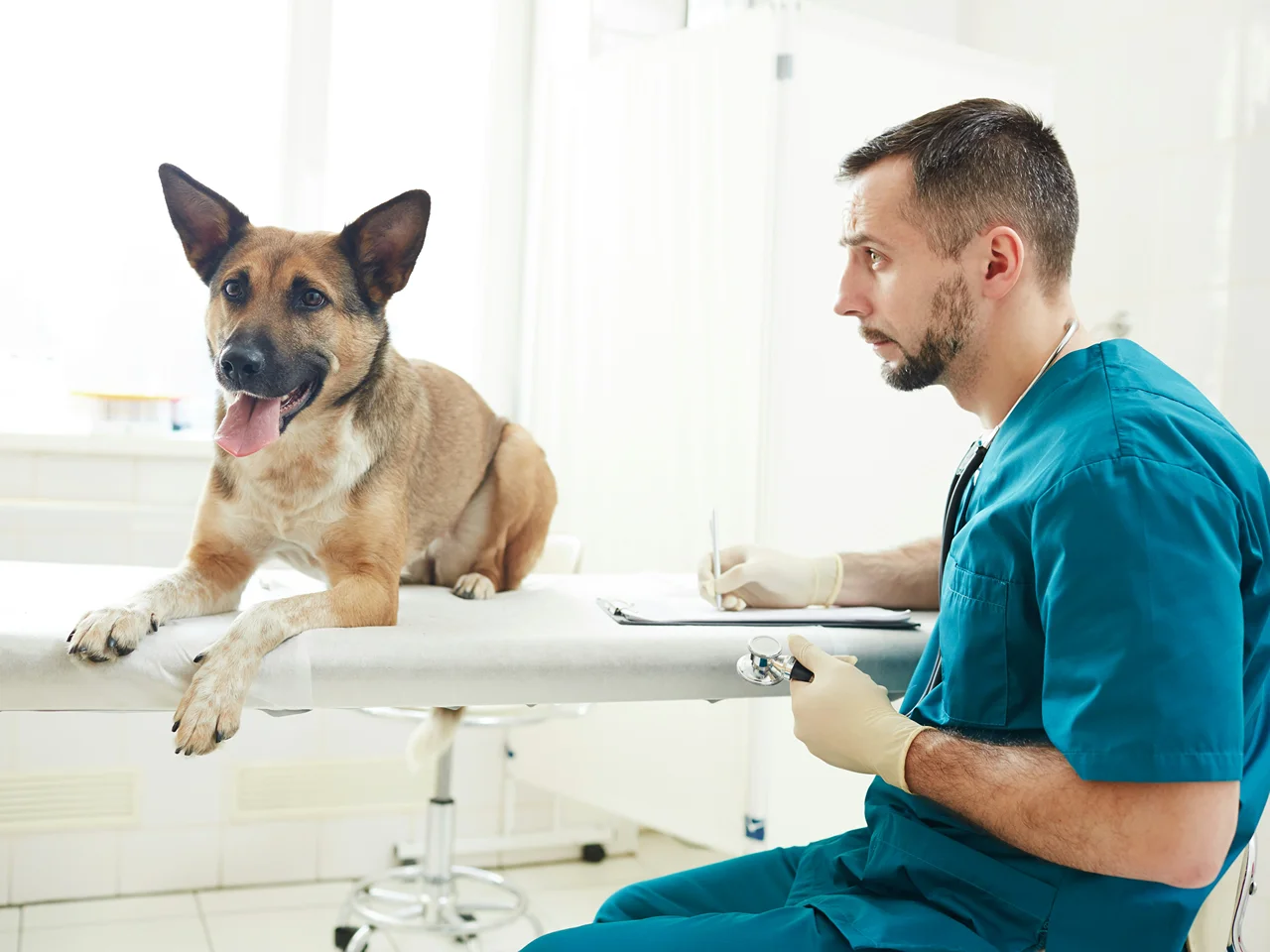
While occasional green poop may be harmless, certain warning signs mean veterinary attention if your dog shows additional symptoms or worsening digestive issues.
Green Poop Persists Multiple Days
If green stool continues for several days without improvement, take them to the vet for proper evaluation. Ongoing colour changes may suggest intestinal parasites, dietary intolerance, or underlying digestive problems.
Accompanied by Vomiting
When a dog experiences vomiting along with green stool, it can indicate irritation or infection within the gastrointestinal tract. This combination increases the risk of dehydration and should not be ignored.
Diarrhea or Loose Stool
If your dog has diarrhea or even severe diarrhea together with green poop, the digestive tract may be inflamed or affected by bacteria or parasites. Persistent loose stools often require medical assessment and supportive care.
Loss of Appetite
If your dog is not eating and their poop is changing, it could mean that they are sick, nauseous, or in pain. Before the symptoms get worse, a veterinarian can help figure out what's wrong.
Lethargy or Weakness
Low energy levels combined with digestive upset may mean your dog experiences systemic illness rather than a simple dietary issue. Weakness alongside abnormal stool should prompt veterinary evaluation.
Blood or Mucus Present
Visible blood in the stool or noticeable mucus in their poop should always be taken seriously. These signs may indicate intestinal inflammation, infection, or irritation requiring prompt medical care.
Abdominal Pain Signs
If your dog strains, cries, or appears uncomfortable during bowel movements, take them to the vet as soon as possible. Painful defecation can signal obstruction, infection, or inflammation that needs professional diagnosis.
Digestive Wellness Care for Your Dog

Keeping your pet's digestion healthy helps keep their stools normal and keeps them healthy and comfortable in the long run.
- High-Quality Balanced Diet: Feed nutritionally balanced dog food made with quality ingredients to support efficient digestion, nutrient absorption, and proper stool formation.
- Regular Feeding Schedule: Giving meals at the same times every day helps digestion, makes bowel movements more regular, and lowers stress on the digestive system.
- Always have access to fresh water: Proper hydration helps with digestion and keeps stool soft, which is especially important if your dog is constipated or has mild digestive problems.
- Regular Exercise Routine: Daily physical activity helps stimulate intestinal movement, supporting healthy digestion and encouraging regular bowel movements.
- Probiotics for Gut Health: A veterinarian may recommend probiotics as part of treatment for your dog to restore beneficial gut bacteria and improve digestive balance after illness or dietary changes.
- Monitor Grass Eating: If dogs eat grass a lot, they could get sick or throw up. Keep an eye on how often this happens and how their digestion changes.
- Regular Vet Checkups: Routine veterinary visits support early detection of digestive problems and parasite prevention. If poop includes green coloration or other abnormalities, your vet can perform tests to rule out infections, parasites, or potential poisoning.
Final Thoughts
If you ever notice a green colour in your dog’s stool and feel unsure about what it means, it’s always safest to see a veterinarian. Stool changes are often temporary, but persistent or unusual changes can be a sign that something affecting the intestinal tract requires medical attention, signalling digestive upset, intestinal parasites, or other health concerns.
Monitoring your dog’s behaviour, appetite, and energy levels alongside stool appearance is key. Early evaluation helps keep your dog's health, comfort, and digestion in good shape by making sure that any problems are dealt with right away before they get worse. Regular checkups and preventive care make a big difference.
Frequently Asked Questions
Why is my dog’s poop green?
There are a number of reasons why poop can turn green, from harmless changes in diet to more serious health problems.
Dietary Causes: Eating grass, plants, or green-colored foods can temporarily cause a change in stool colour without serious health effects.
Fast Digestion: When food moves too quickly through the digestive tract, bile may not fully break down, leading to a green tint.
Parasites or Infection: Certain intestinal parasites can disrupt digestion and cause abnormal stool appearance along with other symptoms.
Food Sensitivities: Some dogs react to specific ingredients, which may irritate the gut and result in unusual stool colour.
Toxin or Foreign Intake: If your dog ingests harmful substances, you may notice a green colour along with other warning signs that require urgent care.
Is green dog poop always a cause for concern?
Not always—sometimes it’s harmless, but context and duration matter.
Occasional Changes: A single episode is often linked to something your dog ate and may resolve on its own.
Behaviour and Energy Levels: If your dog is active and eating normally, the problem might not be too serious and will go away on its own.
Duration of Symptoms: If your dog's stool stays green for more than a few days, it could mean a more serious digestive problem.
Associated Symptoms: Symptoms that go along with green stool, like vomiting, diarrhea, or lethargy, make things worse.
Overall Health Monitoring: Consistently observing changes in your dog’s stool helps determine whether veterinary attention is needed.
What does healthy dog stool look like?
Healthy stool has consistent characteristics that reflect proper digestion.
Normal Colour: A healthy stool is typically brown, indicating proper bile processing and digestion.
The right shape: It should be log-shaped and strong enough to stay together when you pick it up.
Balanced Poop consistency: It should feel slightly moist but not too soft or overly dry, showing balanced digestion.
Uniform Texture: If the stool is the same all over, it means that the food is being digested evenly.
No Unusual Additions: There shouldn't be any mucus, blood, or other foreign material that can be seen.
When should I take my dog to the vet for green poop?
Certain warning signs indicate it’s time for a professional evaluation.
Persistent Green Colour: If your dog’s poop has a green appearance that continues for several days, it may require medical attention.
Digestive Symptoms: Diarrhea, vomiting, or loss of appetite alongside green stool should not be ignored.
Low Energy Levels: Feeling tired or weak all the time could be a sign of a more serious problem.
Pain or Discomfort: Straining or signs of abdominal pain during bowel movements need immediate evaluation.
Blood or mucus: These signs often mean that there is inflammation, an infection, or irritation in the intestines.
How can I prevent abnormal stool changes in my dog?
Maintaining digestive health is key to preventing unusual stool changes.
Balanced Diet: Feed high-quality dog food that supports proper digestion and nutrient absorption.
Set Meal Times: Eating at the same time every day helps their body digest food and move their bowels.
Support for Hydration: Drinking fresh water helps with digestion and keeps stools healthy.
Keep an eye on what they eat: Don't let them eat grass, things that aren't food, or dyed treats that could change the colour of their poop.
Routine Health Checks: Regular vet visits help detect issues early and maintain overall digestive wellness of your dog’s stool.

