
TL; DR: Excessive Dog Drooling – Causes, Warning Signs, and When to See a Vet
- Most dogs drool sometimes; it’s totally normal when they’re excited, smelling food, or just part of certain breeds.
- But if your dog is drooling a lot more than usual, it could be a sign of something going on, like dental pain, an upset stomach, exposure to toxins, or even a neurological issue.
- Keep an eye out for warning signs like pawing at the mouth, trouble swallowing, vomiting, acting tired or sluggish, or sudden changes in drooling; these are clues your dog might need a vet.
- Paying attention to your dog’s drooling patterns and taking care of their teeth, diet, and comfort can help you catch problems early.
- At home, simple things like watching their behaviour, giving plenty of water, keeping meals consistent, and keeping an eye on any sudden changes can make a big difference.
- By staying observant and acting quickly if something seems off, you can make sure your dog stays happy, healthy, and comfortable, because no one wants a drooly dog in pain!
If you notice anything unusual or your dog’s drooling seems extreme, don’t wait, contact us right away. Our professional vets can check things out, help your dog feel better, and give you peace of mind.
Why is your dog suddenly drooling a lot? Most of the time, drooling is normal, and dogs will drool when they smell food or get excited. But when a dog is suddenly drooling or drooling excessively, it can be worrying and make you wonder if something is off.
A dog may drool for many reasons, and the cause of drooling isn’t always serious. Some dog breeds are known for drooling; that means a drooly dog can be totally normal, but increased drooling or abnormal drooling can catch you off guard. If your dog is drooling a lot and acting differently, it may mean your dog is in pain or dealing with oral issues that cause excessive salivation.
Knowing whether your dog’s drooling is normal or something more serious can make a big difference. If you notice excessive drooling accompanied by other signs and think your dog needs to be seen at an animal hospital, it could be an emergency situation. Read on to figure out what’s going on and when to seek urgent veterinary care.
When Is Dog Drooling Normal vs. a Sign of a Problem?
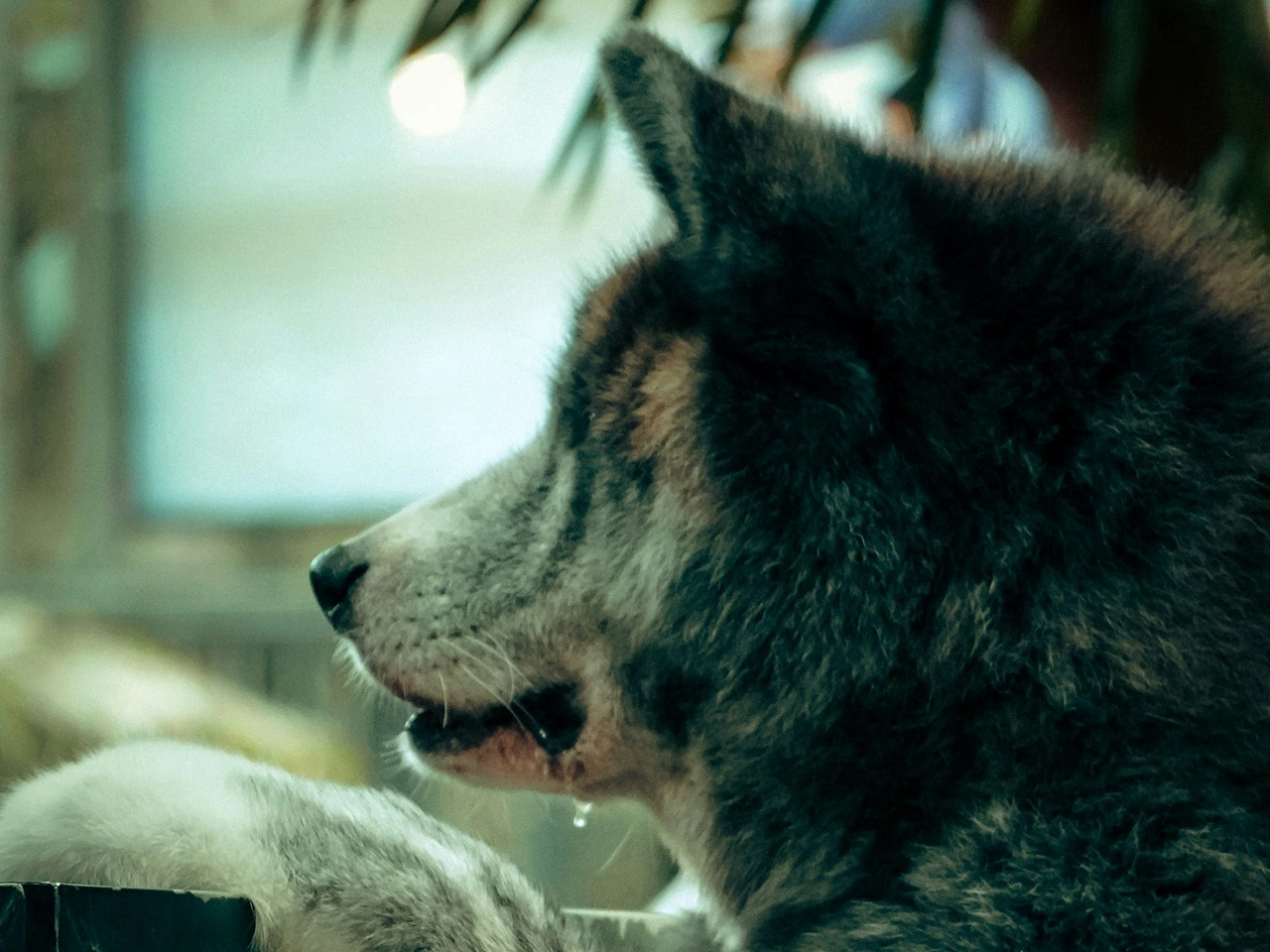
It’s common for dogs to drool occasionally during everyday moments. You’ve probably seen it happen when your dog eats or even just smells food; after all, a dog has over 200 million scent receptors, so drooling occurs fast. In these moments, normal drooling is no big deal and usually stops on its own.
When Drooling Is Normal and Expected
Some situations naturally cause dogs to drool, and the level of drooling usually makes sense once you think about what’s going on.
- Dogs may drool when excited, nervous, or waiting for food.
- Drooling may be temporary during hot days or stressful events.
- Some dog breeds are prone to drooling.
- Normal drooling often happens and fades once your dog calms down.
This kind of drooling is due to everyday triggers and doesn’t usually mean your dog is uncomfortable.
When Dog Drooling a Lot May Be a Warning Sign
A dog drooling a lot can feel unsettling, especially when the drooling starts suddenly, and you can’t figure out why. Excessive drooling often points to something that’s bothering your dog.
- Pawing at the mouth is common in dogs with oral pain.
- A dog has difficulty swallowing or suddenly avoids food.
- Vomiting along with excessive drooling.
- Dogs with breathing difficulties that also drool excessively.
These signs can lead to excessive drooling and may mean your dog is experiencing more than normal drooling.
Why Paying Attention to Dogs Drooling Excessively Really Matters
A dog’s excessive drooling can be easy to brush off, especially in senior dogs or breeds prone to drooling. But serious drooling may happen when a dog has ingested something harmful or has been exposed to something toxic. If you suspect your dog is dealing with serious causes of excessive drooling, it’s best to take your dog to be checked and make sure your dog gets help before things get worse.
Common Causes of Excessive Drooling in Dogs
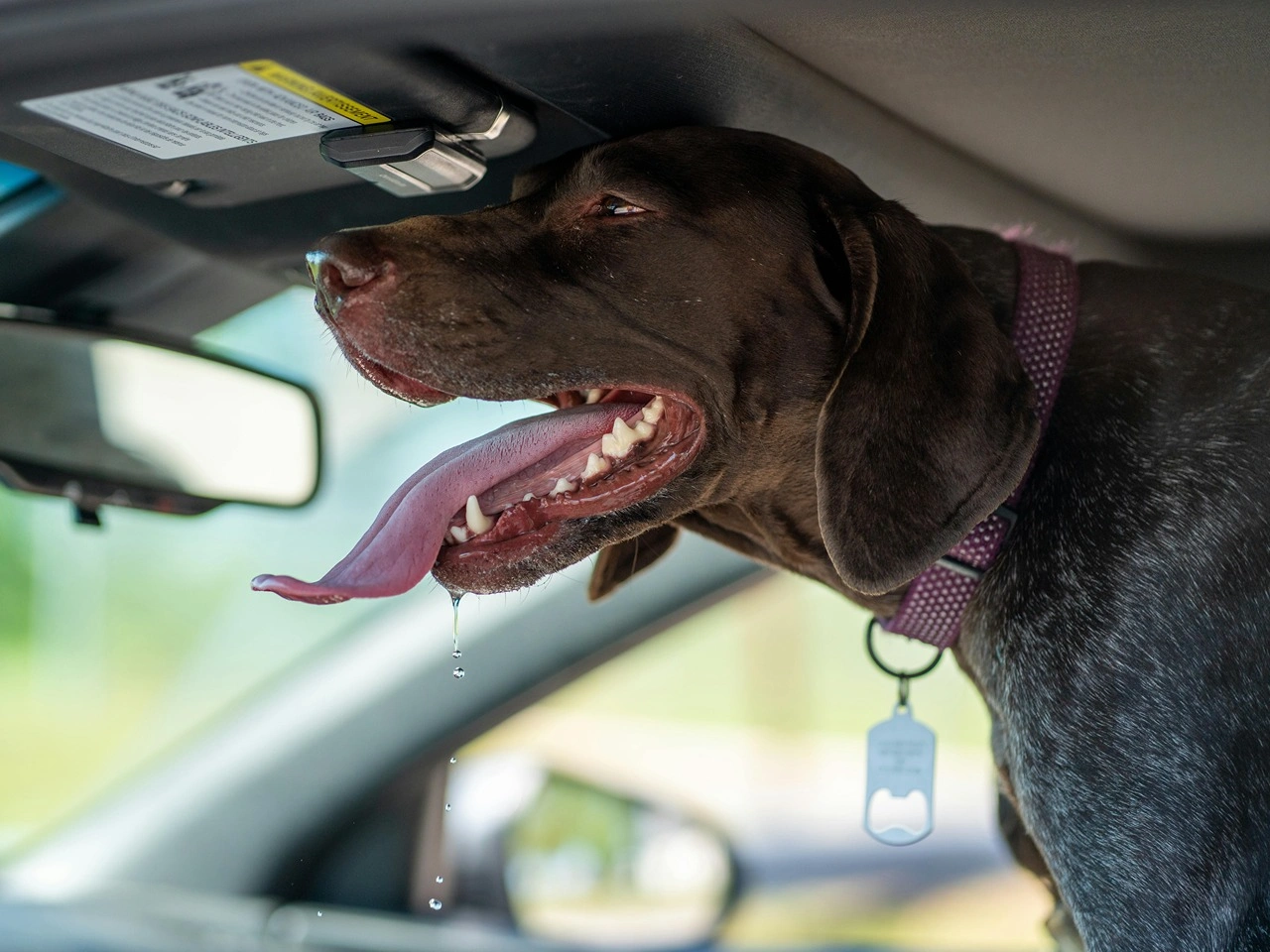
Drooling is normal for all dogs, and for dogs to drool occasionally is just part of being a dog. But when your dog is suddenly excessively drooling or drooling a lot more than usual, it can be worrying. Understanding what can cause drooling helps you figure out whether it’s nothing to worry about or if your dog needs a vet.
Mouth And Dental Issues
Sometimes, drooling can be caused by problems in your dog’s mouth.
- Tooth decay, gum disease, or mouth injuries can also cause drooling.
- Something stuck between the teeth or under the tongue can trigger excessive drooling.
- Swelling or oral pain can make your dog drool due to discomfort.
If your dog keeps pawing at its mouth or seems uncomfortable while eating, it might be one of these causes.
Stomach And Digestive Problems
Upset tummies can also lead to drooling in your canine companion.
- Feeling nauseous or having an upset stomach can cause your dog to drool.
- Eating something that doesn’t agree with them can trigger excessive drooling.
- Motion sickness or digestive issues can make your dog drool a lot.
You might notice this drooling happening right before throwing up or a change in appetite.
Stress, Heat, And Environmental Triggers
Not all causes are medical; sometimes your dog is just reacting to the world around them.
- Stressful situations like car rides, vet visits, or loud noises can trigger excessive drooling.
- Hot weather can lead to excessive production of saliva as your dog tries to cool down.
- Excitement or strong smells can also cause drooling.
Once the situation passes, drooling can also return to normal.
Pain, Medications, And Age-Related Changes
Drooling can happen when your dog is experiencing pain or other internal changes.
- General pain or soreness can lead to drooling.
- Some medications can cause your dog to drool more than usual.
- Senior dogs may drool due to weaker muscles or dental wear.
These causes often make drooling persistent, even when nothing seems wrong externally.
Neurological Issues And Seizures
Sometimes, drooling can be triggered by problems with your dog’s nervous system.
- Seizures or neurological disorders can cause your dog to drool excessively.
- Issues with swallowing or muscle control can trigger excessive drooling.
- Sudden or unusual drooling can happen when dogs have nerve-related problems.
These situations usually need quick attention from a vet.
Poisoning Or Toxic Exposure
If your dog eats something toxic, drooling can become severe.
- Poisonous substances can cause excessive drooling in dogs.
- Drooling can also happen alongside vomiting, lethargy, or shaking.
- Immediate vet care is essential if poisoning is suspected.
Serious Infections And Illnesses
Some illnesses can cause your dog to drool due to overall discomfort.
- Severe infections or inflammation can lead to drooling.
- Breathing or swallowing problems can also cause drooling.
- Conditions that affect saliva control can make your dog drool obnoxiously.
Dog Breeds More Likely to Drool a Lot
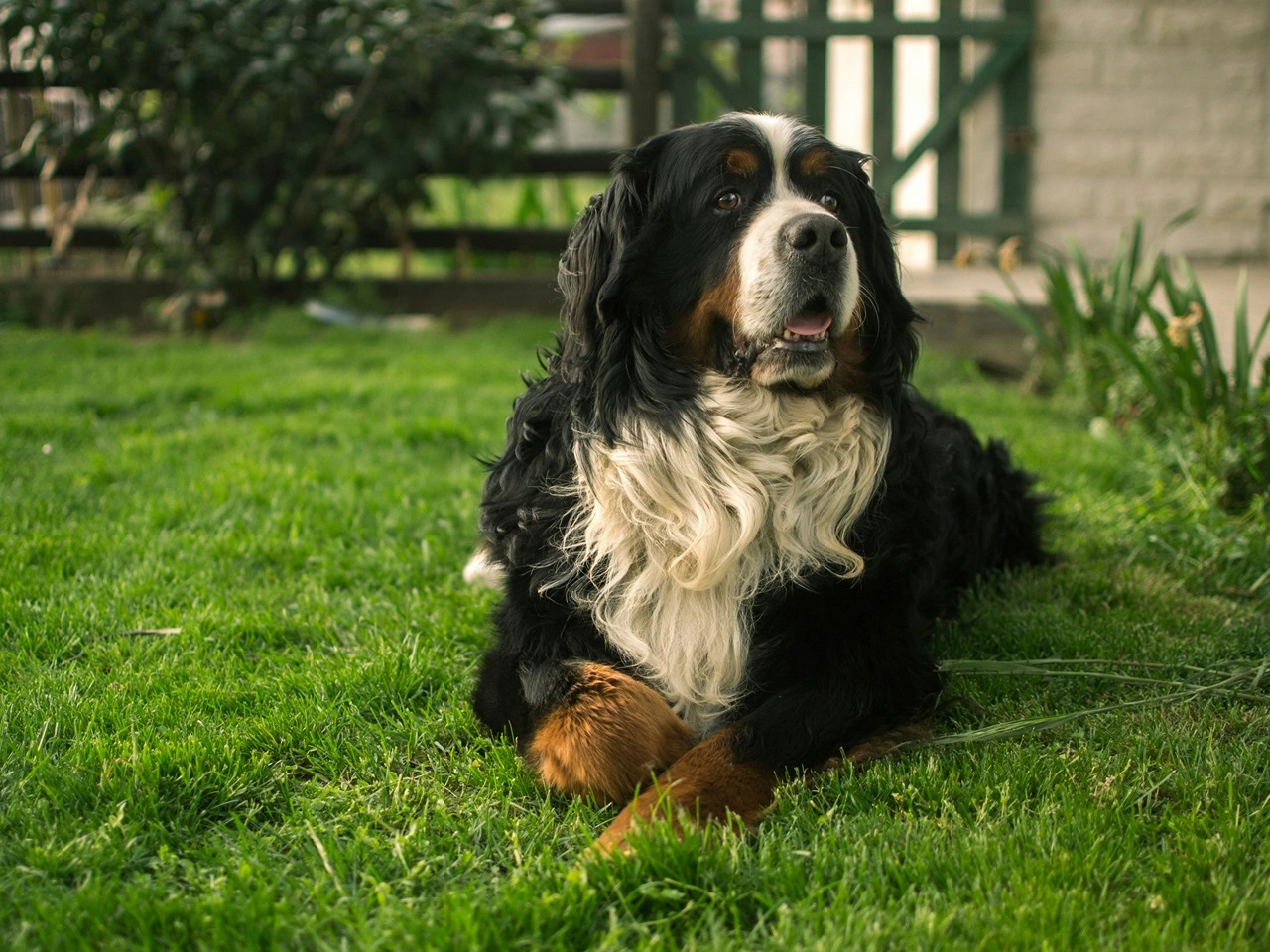
Some dogs just drool more than others, and knowing which breeds are prone to it can save you from unnecessary worry. Whether your dog is one of these breeds or not, understanding what’s normal can help you spot when drooling might be a sign of a problem.
Breeds Known for Heavy Drooling
There are some breeds whose loose lips and jowls also lead to excessive drooling. These dogs include:
- Mastiff
- Saint Bernard
- Bloodhound
- Newfoundland
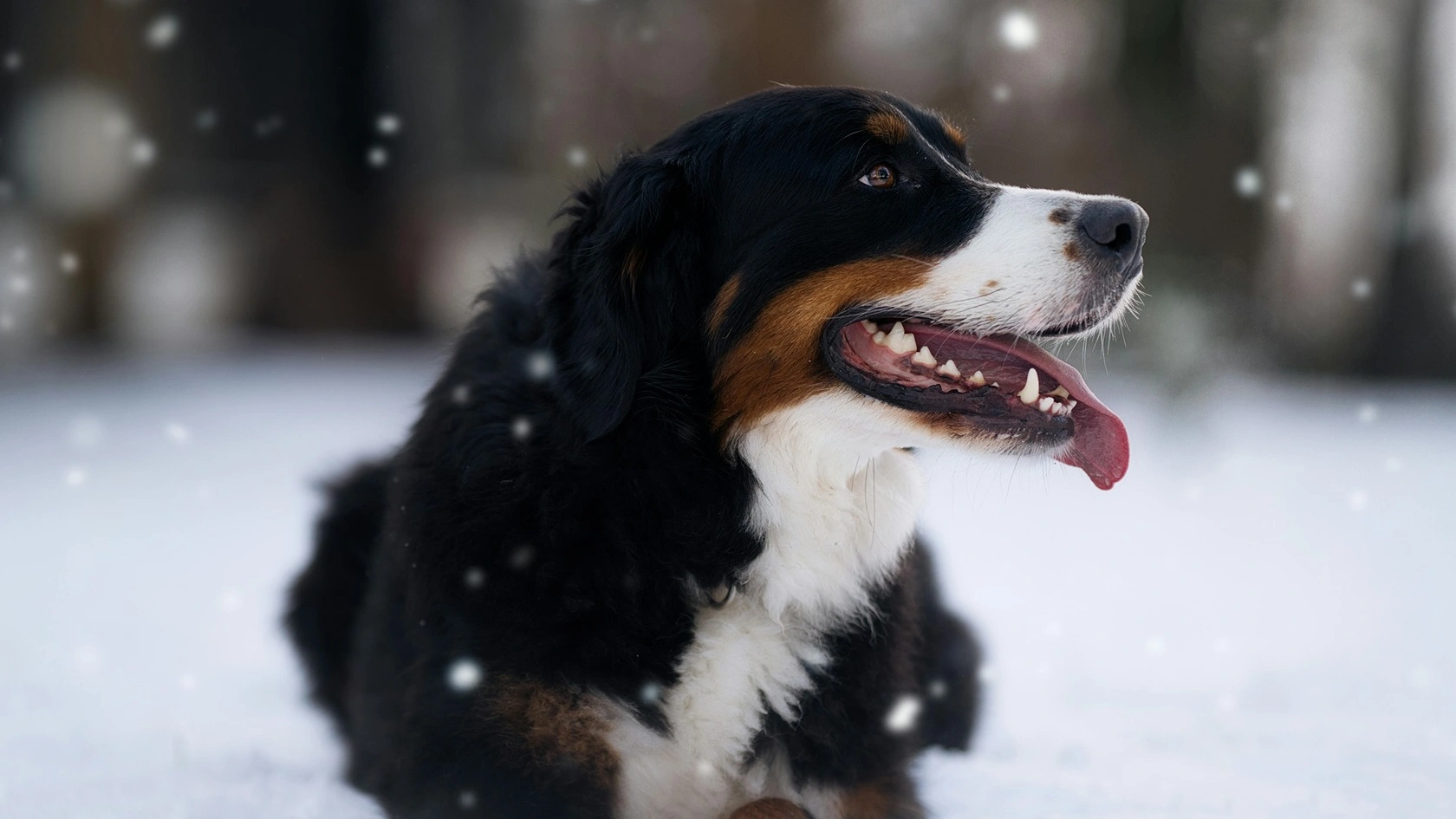
- Bernese Mountain Dog
- Boxer
If you have one of these breeds, a little drool is normal and usually nothing to worry about.
Short-Nosed Breeds
Short-nosed breeds often have trouble swallowing saliva, which can also lead to excessive drooling. Some of the most common short-nosed dogs are:
- Bulldog
- Pug
- Shih Tzu
- Boston Terrier
This kind of drooling is just part of their makeup and isn’t usually a sign of illness.
Large Breeds With Loose Lips
A lot of large breeds have loose lips that naturally collect saliva and also lead to excessive drooling. Some examples are:
- Newfoundland
- Bernese Mountain Dog
- Saint Bernard
- Mastiff
Knowing this dog based on their health and breed traits makes it easier to tell normal drooling from something unusual.
Watching for Changes
Even dogs that are known to drool a lot can sometimes develop unusual drooling. Sudden increases in drooling, drooling with pawing at the mouth, or drooling that comes with vomiting or lethargy should be checked by a vet. Paying attention to your dog’s normal patterns helps you notice when something unusual occurs in dogs.
When Excessive Dog Drooling Means It’s Time to See a Vet
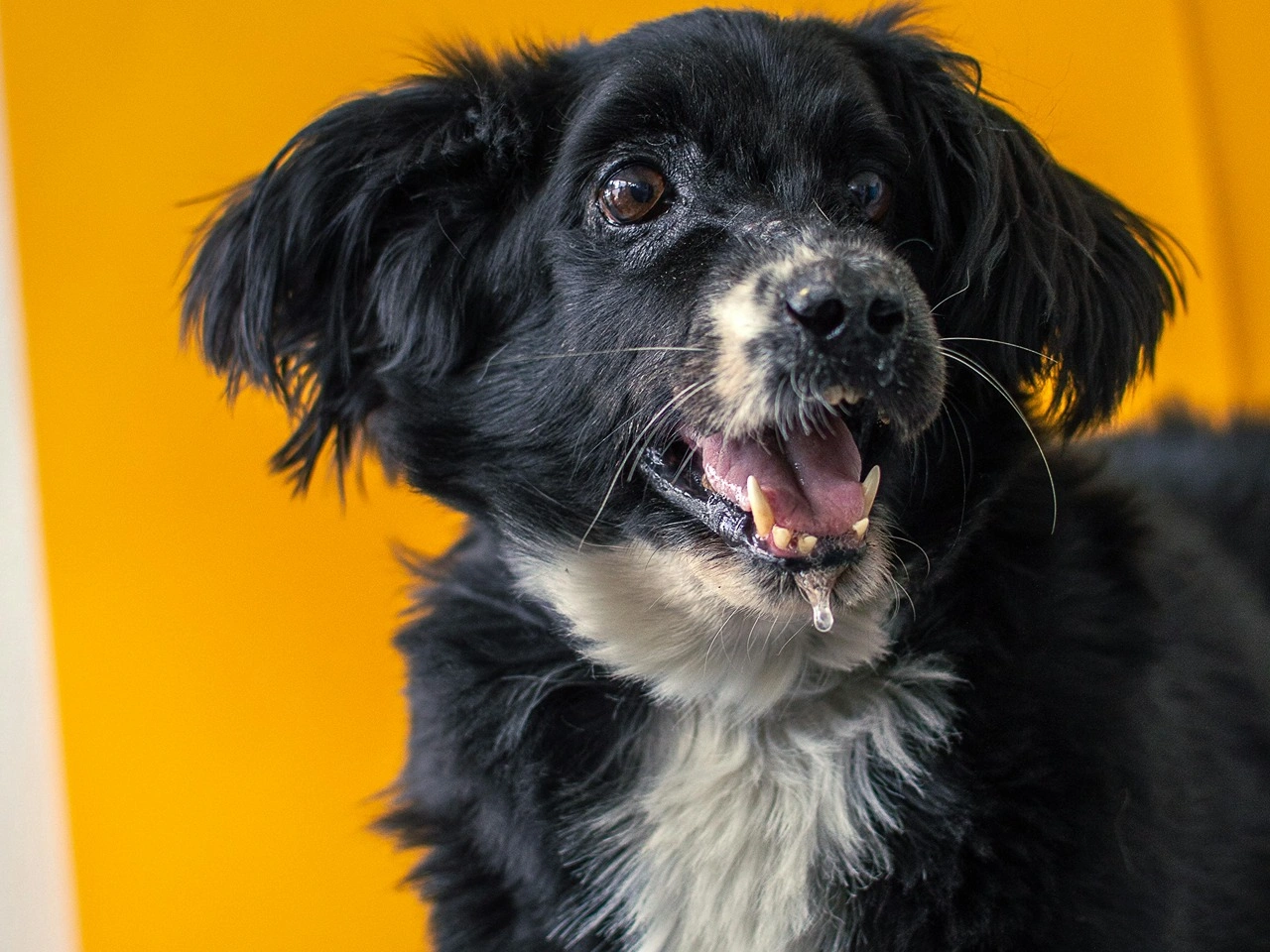
Some drooling is totally normal, and most dogs do it from time to time. But if you notice your dog suddenly drooling a lot more than usual, it could be a sign that something’s off. Paying attention to changes early can make a big difference for your dog’s comfort and health.
Signs That Your Drooling Dog Needs a Vet Visit
It can be hard to tell when drooling is just normal dog behaviour or a problem, but there are a few signs that shouldn’t be ignored:
- Pawing at the mouth or licking it constantly.
- Trouble swallowing or eating.
- Vomiting or looking nauseous.
- Acting unusually tired, sluggish, or withdrawn.
- Drooling more suddenly or in ways you haven’t seen before.
If you see any of these, it’s a good idea to call your vet. Your dog might be in pain or dealing with a health issue that needs attention.
Health Conditions That May Cause Concern
Excessive drooling can happen for a bunch of different medical reasons.
- Dental problems or mouth infections.
- Upset stomach or nausea.
- Eating something toxic or harmful.
- Neurological issues that affect swallowing.
Catching these problems early makes treatment easier and keeps your dog feeling better faster.
Taking Action
If your dog is drooling more than usual, it’s always better to be safe than sorry.
- Keep an eye on when and how much your dog is drooling.
- Note any other symptoms you see.
- Schedule a vet visit if the drooling seems unusual or persistent.
A quick check-up can give you peace of mind and make sure your dog stays happy and healthy.
Final Thoughts
Dog drooling can be totally normal, but sometimes it makes people stop and worry. Some dogs are just naturally messy drinkers, while others hardly drool at all.
When a dog suddenly starts drooling more than usual, it can feel a bit unsettling to see. It often makes owners watch more closely, especially if it comes with other changes in behaviour.
Little shifts like this can be the body’s way of saying something feels off. Paying attention and knowing when to check in with a vet can make a big difference in keeping a dog comfortable.
Frequently Asked Questions
Why do dogs drool more in certain situations than others?
Sometimes it’s easy to notice that a dog drools a lot in some situations and hardly at all in others. It usually has to do with what’s happening around them.
Excitement or anticipation: The smell of food, treats, or favourite toys can get the saliva flowing fast.
Stress or nervousness: Car rides, trips to the vet, or new places can make dogs drool more.
Warm weather: Hot days or humid conditions can cause extra drool.
Breed differences: Some dogs are just naturally messy drinkers because of their face shape.
Temporary reactions: Once the excitement or stress passes, drooling often goes back to normal.
What is the most common cause of drooling in dogs, and when should it be a concern?
Drooling is usually normal, but sometimes it can signal that something’s off.
Food and treats: Chewing or just smelling food can make any dog drool.
Upset stomach: Mild nausea or digestive issues can show up as extra drool.
Stress or excitement: Loud noises or busy environments can trigger temporary drooling.
Sudden or persistent drooling: If your dog starts drooling out of the blue or keeps going, it could mean pain or illness.
Other signs: Vomiting, pawing at the mouth, or acting differently usually mean it’s time for a vet visit.
When does drooling in your canine companion change from normal behaviour to a warning sign?
It’s often the way drooling happens that tells you when something is wrong.
Sudden changes: A dog that rarely drools but starts heavily drooling could be uncomfortable.
Lasting longer than usual: Drooling that doesn’t stop after resting or calming down is worth noting.
Mouth issues: Pawing at the mouth or refusing food can mean oral pain.
Behaviour changes: Lethargy, hiding, or irritability alongside drooling is a red flag.
Breathing or swallowing trouble: These are signs that require urgent attention.
Can drooling due to dental or mouth problems become serious if left untreated?
Mouth problems are one of the most common causes of drooling, and ignoring them can make things worse.
Dental disease: Infected gums or broken teeth can make drooling worse.
Foreign objects: Things stuck between teeth or under the tongue can irritate the mouth.
Injuries or swelling: Cuts, sores, or swelling increase drooling.
Pain that gets worse: Untreated issues usually lead to even more drooling.
Long-term problems: Dental issues can affect overall health, not just the mouth.
How can pet owners tell if drooling due to illness or pain needs immediate veterinary care?
Some signs clearly show that it’s time to call the vet.
Sudden heavy drooling: Especially if your dog seems uncomfortable or restless.
Vomiting, shaking, or weakness: Could indicate poisoning or a serious illness.
Trouble swallowing or breathing: These situations need urgent attention.
Extreme lethargy or unusual behaviour: When drooling comes with these changes, don’t wait.
Trust your gut: If the drooling feels off or different from normal, it’s safer to get it checked.