
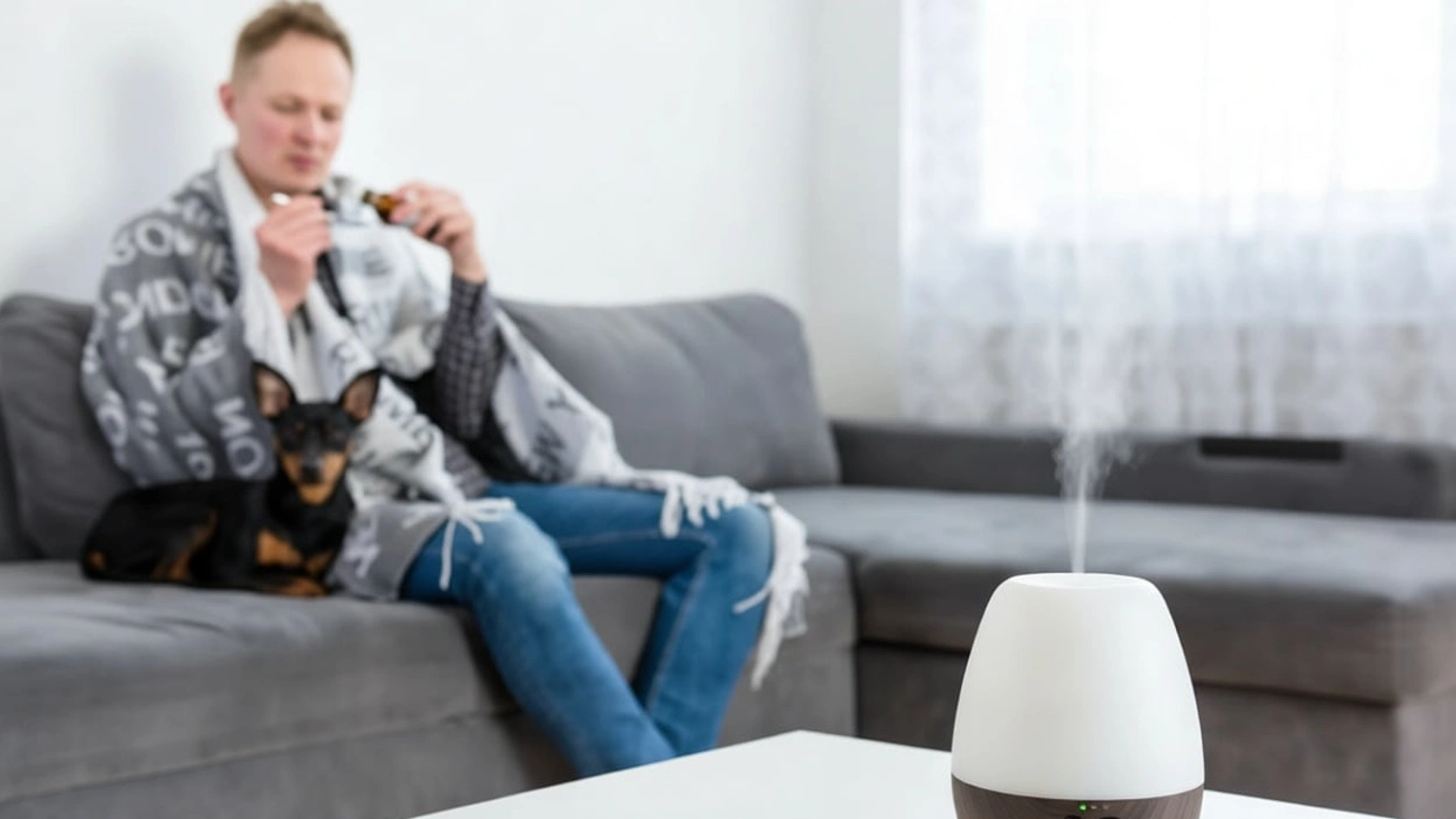

TL;DR: Essential Oils and Dogs – What You Need to Know
- Essential oils can make your home smell amazing, but dogs and cats experience them very differently from people.
- Pets can be exposed by breathing in the scent, licking surfaces or their fur, or touching oils on the skin.
- Keep an eye out for warning signs like drooling, vomiting, shaking, trouble walking, or acting unusually.
- Some oils, like tea tree, pennyroyal, wintergreen, and cinnamon, are more dangerous, while others, like lavender or chamomile, are usually okay if used carefully.
- Use oils with caution: diffuse in rooms with good airflow, start with just a few drops, and store bottles where pets can’t reach them.
- If your pet seems off, remove the oils and get help from a vet or a pet poison helpline right away.
- Taking these steps helps pets stay safe while you enjoy the calming scents of your home.
If your pet shows any worrying signs or you’re unsure how to use oils safely, reach out to us. Our professional vets can give advice, support, and peace of mind so your furry friend stays happy and healthy.
Ever notice how curious dogs and cats get around an essential oil diffuser? Many pet owners have essential oils in their home, whether for aromatherapy, flea and tick remedies, or just a nice scent. Dogs and cats are much more sensitive to smells, and even concentrated essential oils fill the air in ways that are easy to overlook.
Essential oils are everywhere, from liquid potpourri to essential oil-containing remedies, and pets pick up on these scents through their keen sense of smell. Oils like lavender oil, sweet birch, or ylang ylang create a noticeable presence in the home. Even an active diffuser can make pets pause and investigate what’s going on around them.
It’s surprising how much dogs and cats notice in their environment, and many pet owners only realize it when their pets react. Understanding the presence of essential oils in the home is an important step for every pet owner. Keep reading to learn more about essential oils around pets.
What Is an Essential Oil and How Do Pets Experience It
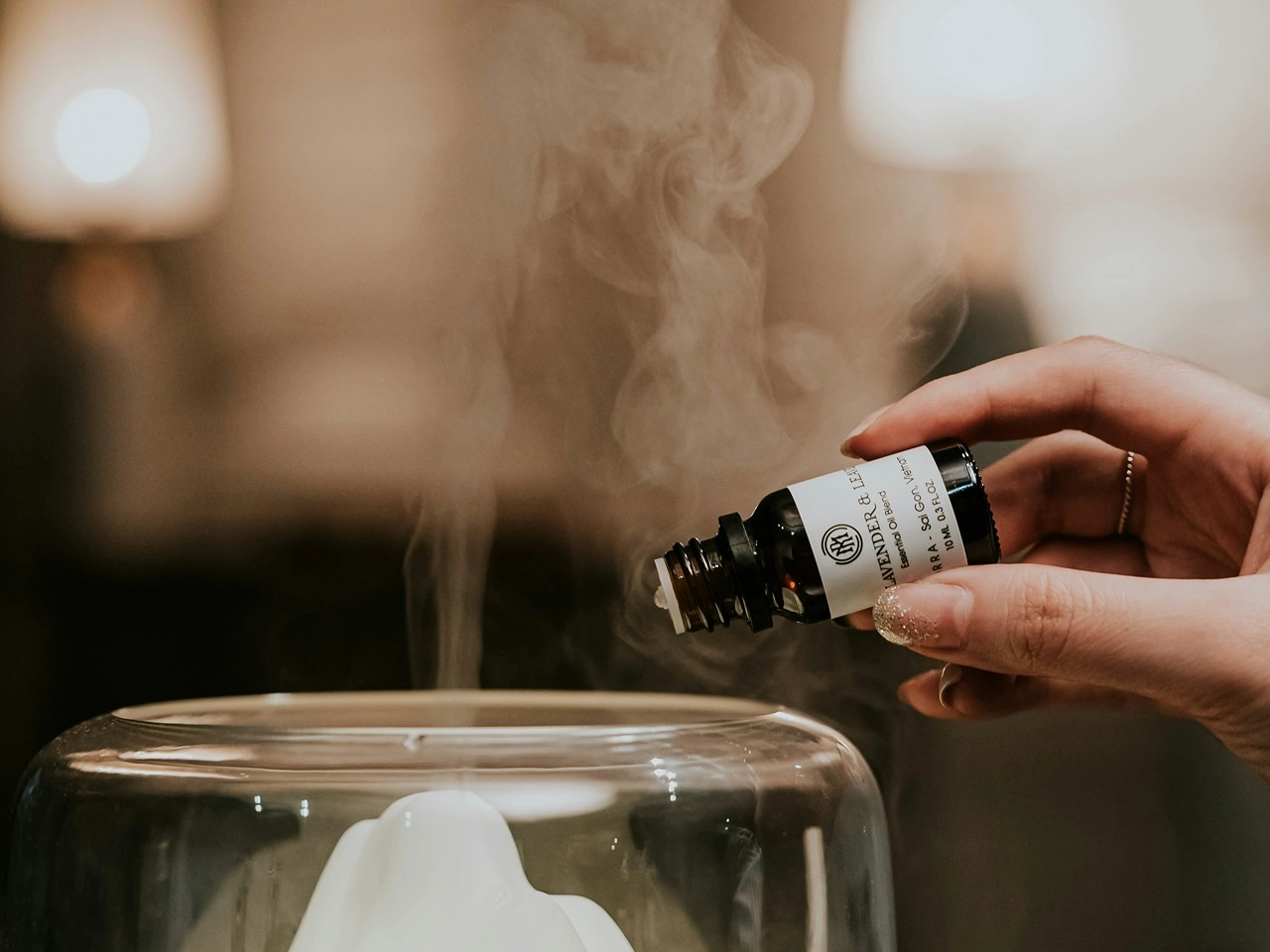
Essential oils have become part of everyday life in many homes, from aromatherapy to air fresheners and fragrances. People often use them to relax, freshen the house, or try natural remedies. But pets don’t experience these smells the same way people do.
How Essential Oils Show Up at Home
Most pet owners use oils in simple, everyday ways without giving them much thought.
- Diffusers running in the background.
- Liquid potpourri products are on shelves or tables.
- Oils are used for flea and tick prevention or applied to the skin.
Because the concentration of essential oils is so strong, pets may be exposed more than expected.
How Pets Come Into Contact With Oils
Pets explore their world with their nose and mouth, which makes exposure easier than people realize.
- They inhale scented air from diffusers.
- They may ingest oil after licking their fur or paws.
- Oils can transfer from hands, furniture, or floors onto their skin.
Cats and dogs are much more sensitive to scents, and some compounds are rapidly absorbed through the skin or lungs.
Why Pets Can Be Affected More Easily
Pets’ bodies handle chemical compounds differently than humans do.
- Their nervous system and gastrointestinal system can react more strongly.
- Dogs with liver disease may have trouble processing oils.
- Some oils, like tea tree oil, pennyroyal oil, wintergreen, or oil of cinnamon, are considered toxic to pets.
That’s why veterinarians take exposure to essential oils seriously, even when it seems minor.
Essential Oils Bad for Dogs: What Every Pet Owner Should Know
Many essential oils in your home may seem harmless, but dogs and cats are much more sensitive to scents than people. Using any essential oils without knowing their effects can unintentionally put a pet at risk. Exposure can happen if a pet gets oil on their fur, inhales the scent from a diffuser, or ingests even a small amount.
Why Some Oils Are Risky
Essential oils are highly concentrated, and their effects on a dog’s nervous system, respiratory system, and gastrointestinal tract can be serious. Dogs with liver disease, puppies, or smaller breeds may be even more vulnerable. Even oils that seem safe for people may have effects that aren’t obvious to pet owners.
Essential Oils Often Linked to Poisoning in Dogs
- Tea tree oil – Can cause weakness, tremors, or uncoordinated movements if a pet gets oil on their skin or ingests it.
- Pennyroyal oil – Highly toxic; ingestion may affect liver function.
- Wintergreen oil – May cause gastrointestinal upset and affect the nervous system.
- Oil of cinnamon – Strong and irritating; ingestion or skin contact can cause drooling, vomiting, or nervous system effects.
- Sweet birch oil – Similar to wintergreen; even small exposures can be dangerous.
- Ylang ylang – May lead to drooling, lethargy, or digestive upset.
- Clove oil – Can affect liver function and irritate the stomach.
- Eucalyptus oil – Vapours may affect breathing, and ingestion can cause weakness or disorientation.
- Peppermint oil – Can irritate the stomach and airways; some dogs are extra sensitive.
- Pine oils – Found in cleaners or air fresheners; ingestion may cause stomach upset and affect the nervous system.
How Dogs Are Exposed
- Ingestion – Licking fur, paws, or surfaces where essential oils may be present.
- Inhalation – Breathing in vapours from a diffuser or scented product.
- Topical contact – Oils applied to skin, furniture, or floors.
Even small exposures can be absorbed quickly, and repeated contact may increase the effects.
Oils and Multi-Pet Households
- Cats and birds, as well as other small pets, may also be affected.
- Dogs and cats share airspace when diffusers or air fresheners are used.
This is why veterinarians, pet poison helplines, and animal poison control centres often flag these oils as higher risk.
What Pet Owners Can Do
- If a dog or cat gets oil on them or ingests it, contact your veterinarian or a pet poison helpline right away.
- Many essential oils are considered safe for people, but can be toxic to pets, so awareness is key.
- Keep oils out of reach and supervise pets when using a diffuser or products containing concentrated oils.
- Consulting a veterinarian or an animal poison control centre is the safest step whenever exposure happens.
Knowing which oils are risky, how pets can be exposed, and what to do if it happens makes it easier to enjoy essential oils at home while keeping dogs and cats safe.
Safe Essential Oils for Dogs: Essential Oils You Can Use Around Pets
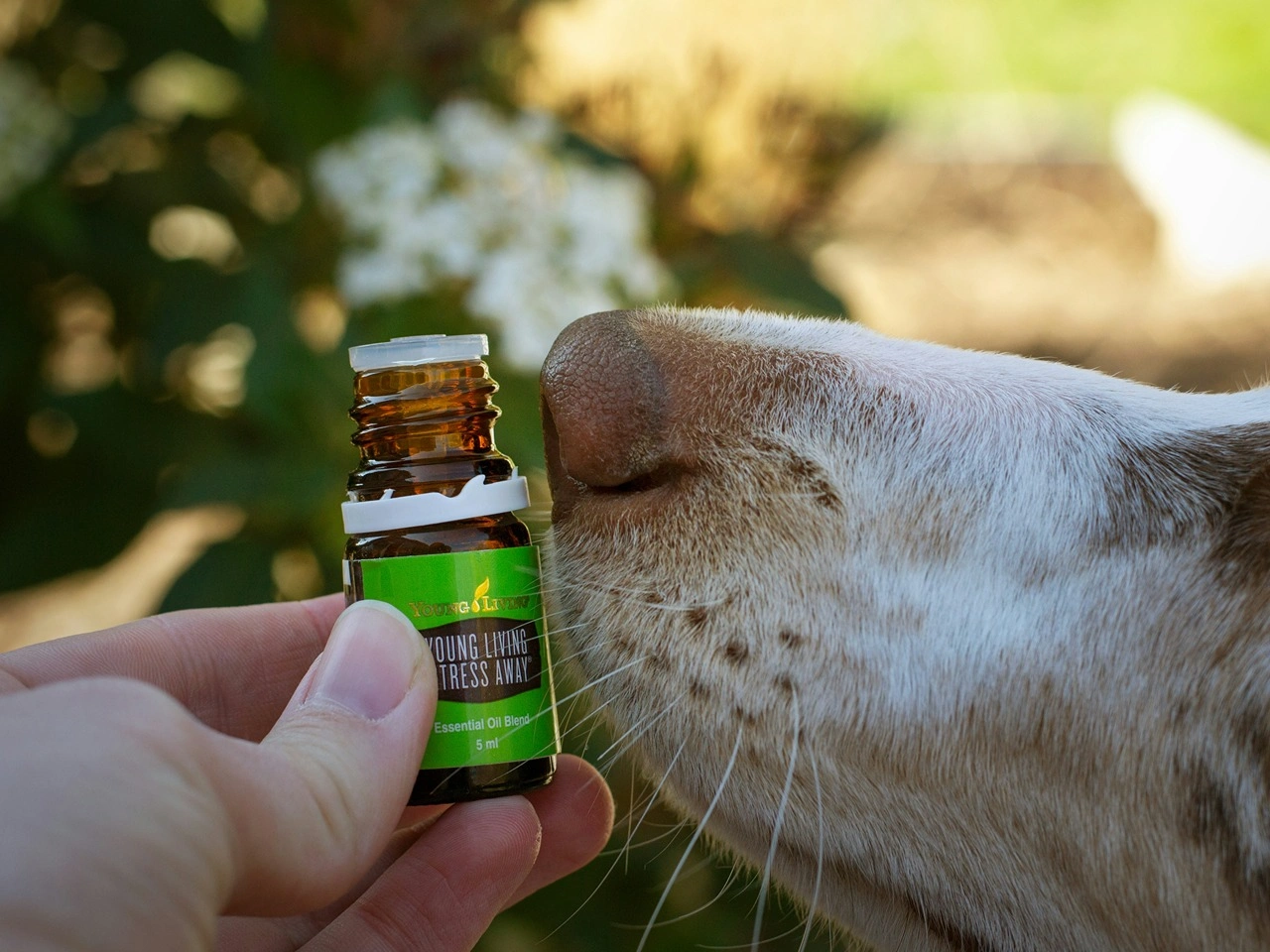
Figuring out which essential oils are safe for dogs isn’t always easy. Even oils that are considered safe for humans can put dogs at risk if they’re exposed to too much or too close. Choosing the right oils and using them carefully helps keep pets comfortable while still enjoying aromatherapy or alternative medicine at home.
Oils That Are Usually Safer for Dogs
- Lavender – Gentle and calming; most dogs handle it well in small amounts.
- Chamomile – Soft, soothing scent; great for creating a relaxed environment.
- Myrrh – Warm and grounding; safe when lightly diffused.
- Ginger – Often used to support digestion; best in small doses.
- Rosemary – Herbal aroma; safe if used sparingly.
- Bergamot – Fresh, citrusy scent; usually fine for short, supervised exposure.
- Frankincense – Subtle and calming; safe for light diffusion.
How to Use Oils Safely Around Dogs
- Use an essential oil diffuser in a room your dog can leave if they want.
- Start with just a few drops to see how your dog reacts.
- Never apply oils directly to the skin, and keep all essential oils out of reach.
- Watch for signs your dog isn’t comfortable, like sneezing, drooling, or unusual behaviour.
Making a Pet-Friendly Space
- Make sure the area is well-ventilated so scents don’t build up.
- Give your dog a safe space away from diffusers if they need a break.
- If you’re unsure about a particular oil or how much to use, consulting with your veterinarian is the safest move.
Using gentle oils and following these simple steps lets you enjoy aromatherapy and alternative medicine while keeping your dog safe and happy.
Symptoms of Essential Oil Poisoning in Dogs: From Essential Oil Diffusers to Direct Applications
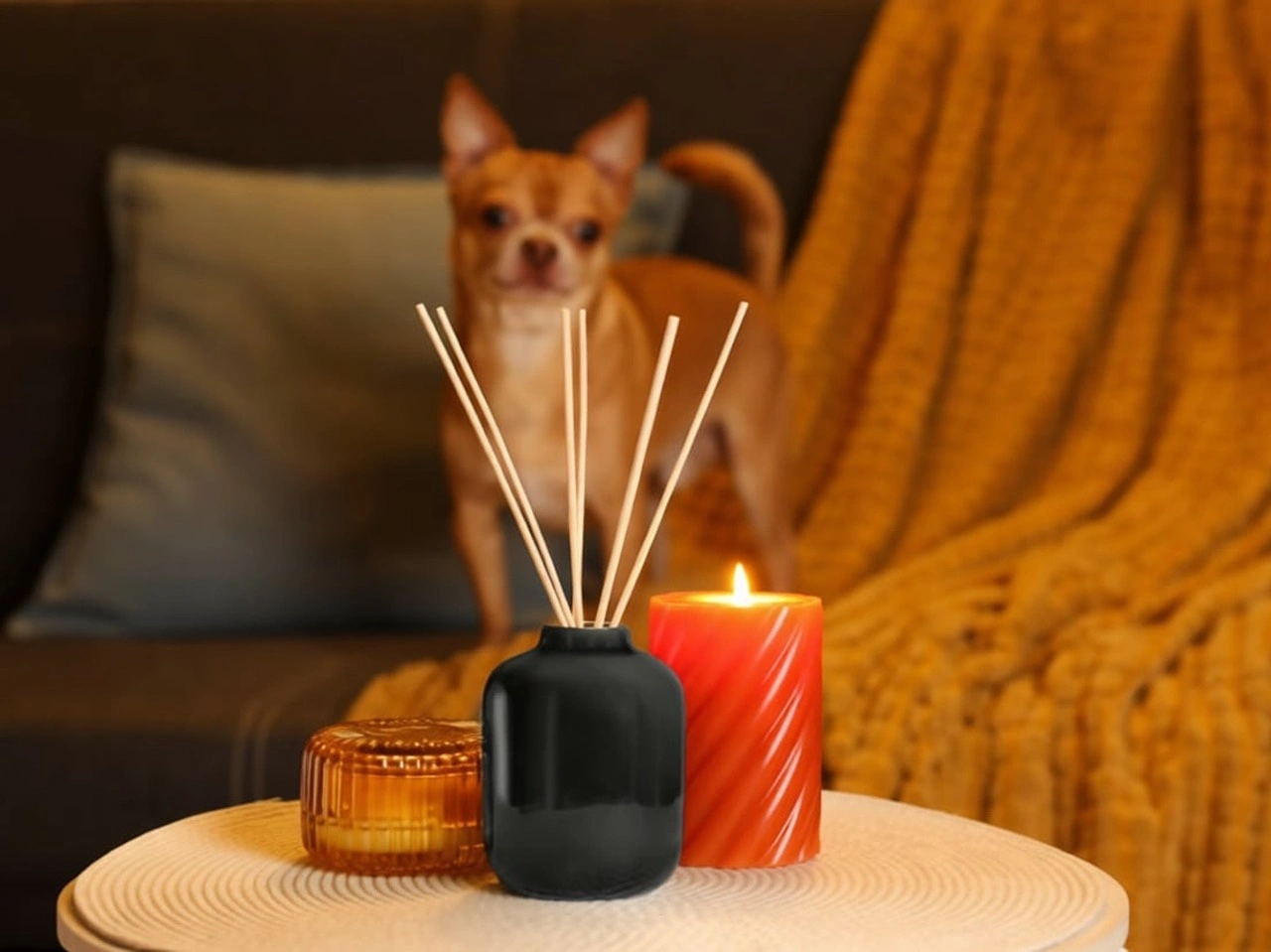
Dogs can react quickly to essential oils, and even oils that are safe for people may affect them in unexpected ways. The effects of essential compounds can impact the central nervous system, breathing, or digestion, especially if a dog ingests, inhales, or gets oils on their skin. Knowing the signs early makes it much easier to keep your dog safe and get help when needed.
Common Symptoms
- Behaviour changes – Your dog may seem unusually tired, weak, or a bit down.
- Difficulty breathing – Laboured breathing, fast breathing, coughing, or wheezing can happen.
- Drooling or vomiting – These often show that the stomach is upset from exposure.
- Tremors – Shaking or trembling can signal effects on the central nervous system.
- Ataxia – Stumbling, wobbling, or trouble walking may appear in some cases.
- Redness or burns around the mouth or nose – Can happen if oils are applied topically or come in contact with skin.
- Paralysis of the rear legs – In severe cases, exposure may affect mobility.
Less Obvious or Delayed Signs
- Pawing at the mouth or rubbing the face – Your dog may be trying to tell you they’re uncomfortable.
- Loss of appetite – Stomach upset can make them avoid food.
- Restlessness or unusual behaviour – They may act uneasily because of the scent or discomfort.
What to Do
- Remove all sources of essential oils right away to stop further exposure.
- Talk to your vet or reach out to a pet poison helpline for guidance.
- Avoid trying home remedies or inducing vomiting unless instructed by a veterinarian.
- Keep note of the type of oil, how your dog was exposed, and when symptoms started – this helps the veterinary clinic give the best care.
Spotting these signs early and acting quickly can make a huge difference, keeping your dog safe while still allowing responsible use of essential oils at home.
How to Use Essential Oils Safely to Keep Your Pet Safe
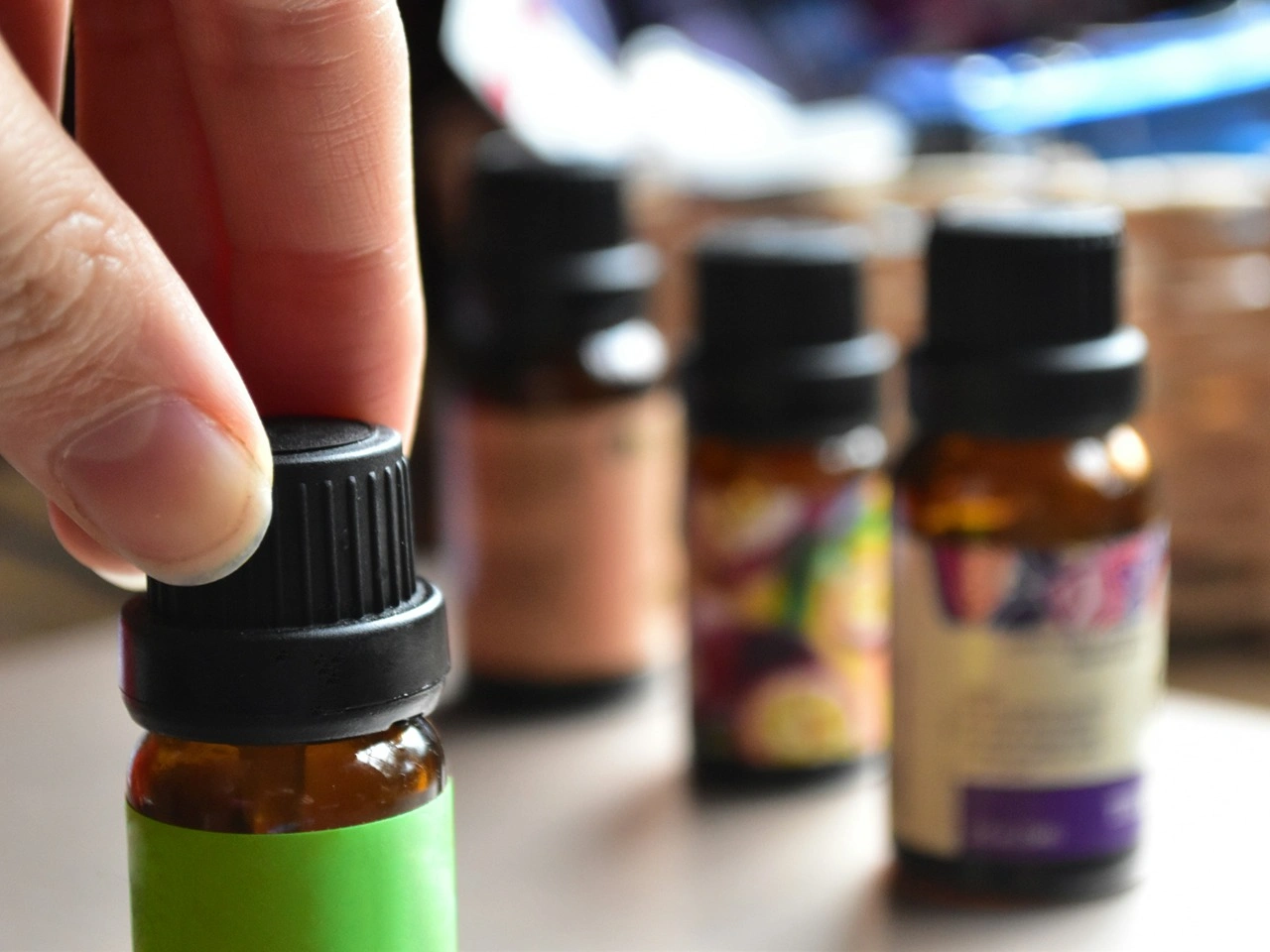
Essential oils can make a home smell amazing and feel relaxing, but dogs experience them differently than people. Even oils that seem safe can affect pets if they’re used too strongly or in the wrong way. Taking a few simple precautions can make sure your dog stays happy and healthy while you enjoy the scents you love.
Practical Tips for Safe Use
- Use a diffuser in a room where your dog can leave if the scent feels too strong.
- Start with just a few drops and see how your dog reacts.
- Do not apply essential oils topically or orally; never put them on your dog’s skin or let them ingest them.
- Keep all bottles out of reach so pets don’t get curious.
Watching for Signs
- Notice changes in your dog’s energy, mood, or appetite.
- Be aware of coughing, sneezing, drooling, or unusual behaviour.
- Act quickly if your dog seems uncomfortable to prevent more serious problems.
Creating a Comfortable Environment
- Make sure your dog has access to rooms without diffusers so they can step away if needed.
- Avoid running diffusers all day; short periods are safer and less overwhelming.
- If you’re unsure about an oil or how much to use, consult a professional for advice.
With a little care and attention, you can enjoy essential oils at home without putting your dogs at risk, making sure your pet stays safe while you relax.
Final Thoughts
Essential oils are strong, and using them incorrectly can be risky for both people and pets. Even a little exposure can cause problems if a dog or cat breathes in, licks, or touches the oils. Knowing the signs like drooling, trembling, or acting unusually, helps you catch issues early. If something seems off, removing the oils and getting professional advice quickly can make a big difference. Using oils carefully and in small amounts keeps your home safe and comfortable for everyone. With a bit of attention, it’s possible to enjoy your favourite scents without putting pets at risk.
Frequently Asked Questions
Can essential oils help with tick prevention for my dog or cat?
Some people try using essential oils to keep ticks away, but they’re not a magic solution. Relying on oils alone could leave your pet unprotected.
Limited evidence: There isn’t much proof that oils actually keep ticks away, so don’t rely on them as your only method.
Combination approach: The safest way is to use oils alongside vet-recommended flea and tick treatments.
Supervision: If you want to try oils, just use a tiny amount and make sure your pet can leave the room if they want.
Pet safety: Certain oils can irritate or even be harmful if your pet breathes them in, licks them, or touches them.
Professional advice: It’s always a good idea to check with your veterinarian first.
What should I do if my pet has been exposed to essential oils?
Even small exposure can make pets feel sick, so acting fast really helps.
Remove the source: Turn off diffusers, clean spills, and move any products out of reach.
Observe your pet: Keep an eye out for drooling, vomiting, shaking, or anything that seems off.
Avoid home remedies: Don’t try to make your pet vomit or treat them yourself unless a vet tells you to.
Seek guidance: Call your veterinarian or a pet poison helpline; they can tell you exactly what to do.
Provide information: Let them know which oil, how your pet got exposed, and when it happened.
Are there any essential oils that are truly safe for dogs?
Some oils are gentler, but even “safe” ones need careful use. Watching your dog’s reaction is just as important as picking the right oil.
Commonly safer oils: Lavender, chamomile, myrrh, ginger, rosemary, bergamot, and frankincense are usually fine in small amounts.
Use small amounts: Diffuse lightly and for short periods.
Observe reactions: Even gentle oils can bother a sensitive dog, so watch for sneezing, coughing, or odd behaviour.
Avoid direct contact: Never put oils on your dog’s skin or let them ingest any oil.
When in doubt: Your vet can help with safe usage and proper dilution.
How can I tell if my dog is reacting badly to a scent in the home?
Dogs give little signals that something isn’t right, and catching them early can prevent bigger issues.
Behavioural changes: Hiding, restlessness, pawing at their face, or suddenly becoming unusually quiet.
Physical symptoms: Drooling, vomiting, coughing, sneezing, or trouble breathing.
Movement issues: Trembling, wobbling, or difficulty walking can show the scent is affecting them.
Appetite changes: Avoiding food or water may mean they’re uncomfortable.
Professional check: If anything keeps going on, call your vet to make sure your dog is okay.
What steps can I take to reduce risks when using essential oils around pets?
You don’t have to stop using essential oils entirely, just take some simple precautions.
Diffuse carefully: Only in rooms where your pet can leave if the scent is too strong.
Start small: Use just a few drops and see how your pet reacts before adding more.
Keep oils out of reach: Curious noses can get into trouble fast.
Ventilation matters: Make sure rooms have good airflow so scents don’t build up.
Watch for signs: Pay attention to energy, mood, and appetite for any subtle changes.
Ask for advice: Your vet can guide you on which oils are safe and how to use them responsibly.

