


TL;DR: What You Need to Know About Rabies in Dogs
- Rabies is a viral disease caused by the rabies virus that attacks the central nervous system and infects the brain. It leads to severe neurological damage as the infection progresses.
- Dogs usually become infected after a bite from an infected animal or exposure to contaminated saliva entering wounds or mucous membranes.
- Early clinical signs often include subtle behaviour changes, mild fever, and restlessness. These early symptoms can be easy to miss.
- Once symptoms appear, the virus rapidly damages the nervous system and causes severe neurological problems such as paralysis, seizures, and difficulty swallowing.
- Rabies is almost always fatal after symptoms appear, and there is currently no cure for rabies once the disease reaches the clinical stage.
- The best methods to prevent rabies and safeguard both humans and pets are still routine rabies vaccination and responsible pet ownership.
Concerned about rabies risk or your dog’s health? Contact us today for advice, vaccination guidance, or immediate care if exposure is suspected.
Rabies is one of the most serious diseases that can affect a pet, and understanding early warning signs can protect both people and pets. This viral disease that affects the brain progresses quickly once symptoms develop, which is why awareness matters for all dog owners. Rabies is almost always fatal once clinical signs appear, making prevention and early recognition critically important.
In this veterinary guide, you’ll learn how rabies develops, the early symptoms to watch for, how dogs become infected, and the most effective ways to prevent exposure and support public health safety.
What is Rabies in Dogs?
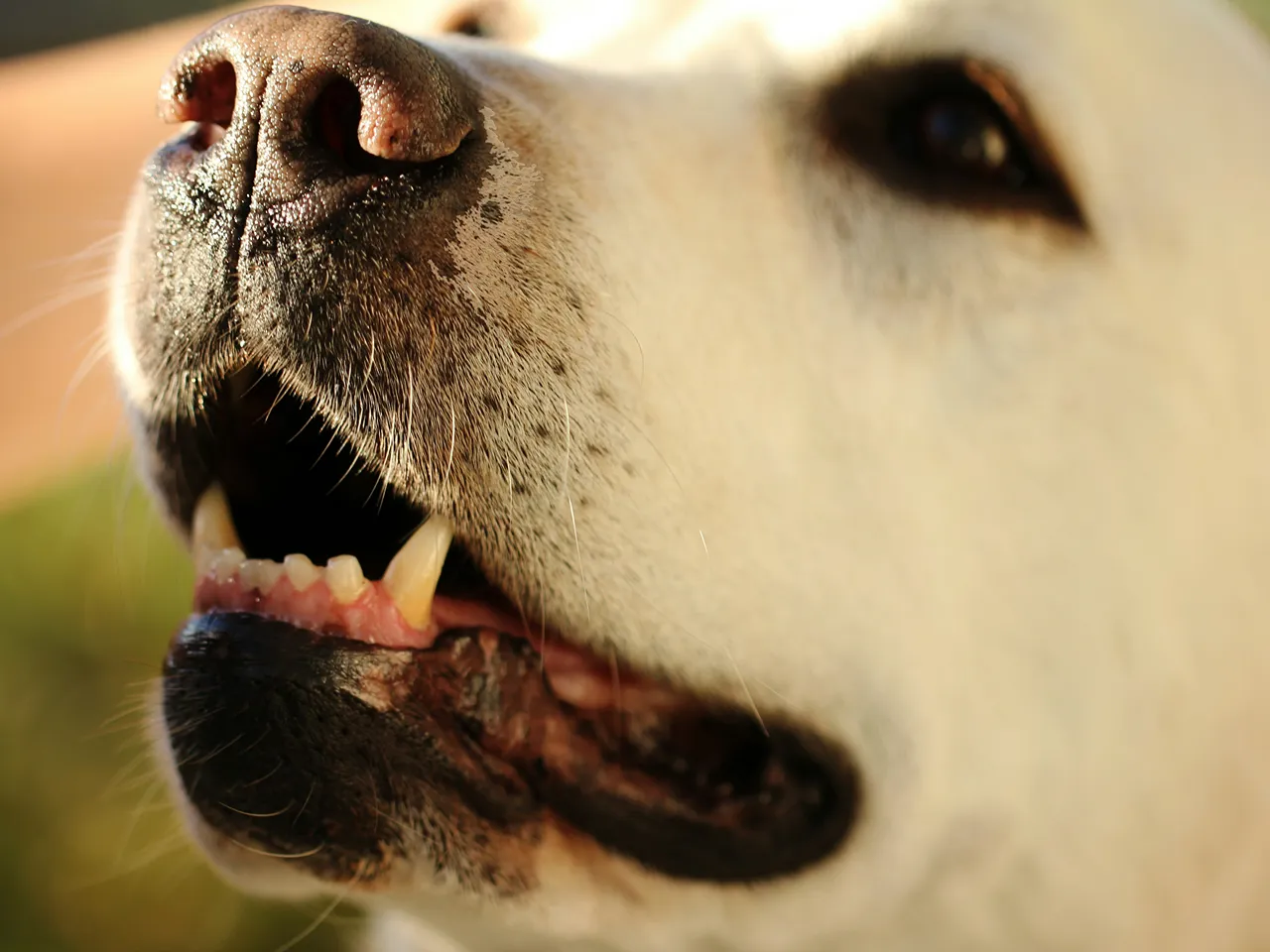
Rabies in dogs is a deadly viral disease caused by the rabies virus, a pathogen that can affect any mammal, including humans. It attacks the nervous system, particularly the central nervous system, damaging important structures like the brain and spinal cord. After entering the body—usually through a bite wound—the virus travels along the nerves toward the brain, where it causes inflammation and severe neurological damage. Because the disease can spread between animals and people, it remains a serious global health threat recognized by the World Health Organization.
Stages of progression
Rabies develops in stages as the virus spreads through the nervous system. The illness usually starts with the prodromal stage, when subtle behavioural changes or mild symptoms may begin to appear—something attentive pet owners might notice before the disease progresses to more severe neurological phases.
The incubation period may last anywhere from a few weeks to several months before dogs show signs of illness. This timeline varies depending on factors such as where the bite occurred, how much virus entered the body, and how close the wound is to the brain.
Once clinical symptoms begin to appear, the disease tends to progress quickly and survival is extremely rare. For that reason, prevention—especially routine vaccination and early awareness—remains the most important way to protect both pets and people.
Early Signs and Symptoms of Rabies in Dogs
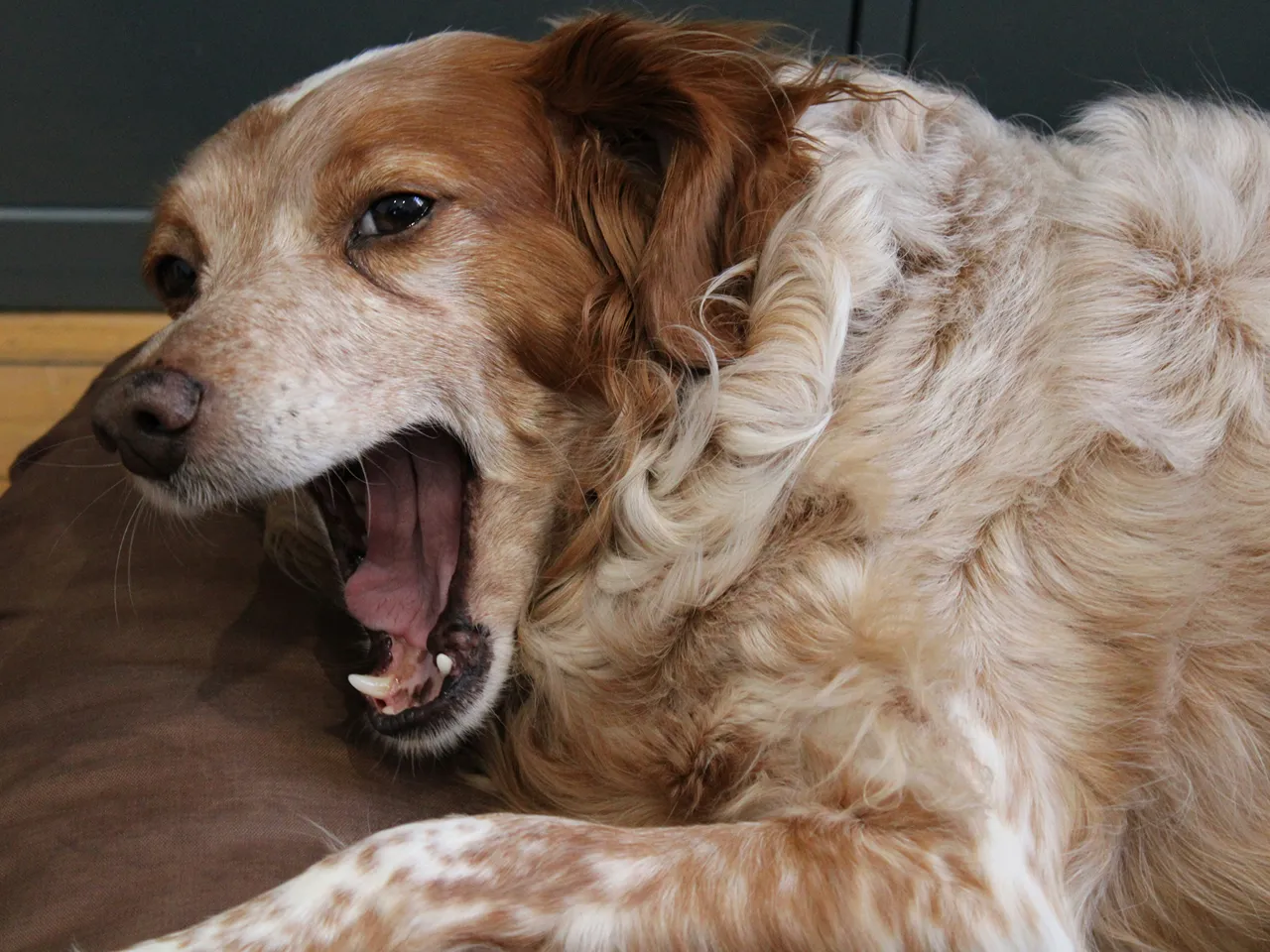
The earliest signs of the disease can be subtle and easy to miss at first. During early infection, dogs may show small physical or behavioral changes before severe neurological symptoms develop, which is why paying close attention to unusual behavior really matters.
Behavioural changes
One of the first warning signs is noticeable changes in behaviour, such as anxiety, confusion, irritability, or even unexpected friendliness toward strangers. You might simply feel that your dog is “not acting like themselves,” which is often an early clue that something is wrong.
Excessive drooling or foaming mouth
Increased salivation happens because infected dogs gradually lose control of the muscles responsible for swallowing. You may notice constant drooling, thick saliva, or foaming around the mouth that wasn’t present before.
Difficulty swallowing food or water
Swallowing difficulties, which can result in choking, gagging, or refusing to drink water despite obvious thirst, are a classic symptom of rabies. When they get close to their water bowl, some dogs abruptly retreat because they are uncomfortable.
Increased aggression
Even gentle, well-trained pets may become defensive or reactive as inflammation affects the brain. This aggression is not intentional — it results from neurological changes rather than personality.
Fever and restlessness
Dogs in the early stages may develop a mild fever and seem unable to settle. They might pace, whine, or appear unusually restless, as if they cannot get comfortable.
Hiding in dark, quiet places
Some dogs start withdrawing and isolating themselves, avoiding interaction with family members — a sign they may be confused, uncomfortable, or experiencing early neurological issues.
Hypersensitivity to light and sound
Because the nervous system becomes excessively sensitive, affected dogs may overreact to normal sounds, touch, or bright light. Fear, agitation, or startling reactions can be triggered by everyday stimuli.
Muscle twitching or tremors
Mild muscle twitching or tremors may appear early and gradually worsen over time. These signs can progress to seizures, paralysis, or the paralytic form of rabies as the disease advances.
These early clinical signs may seem mild at first, but they typically worsen quickly once they begin — so if you notice several symptoms together, seeking veterinary care right away is essential.
How Do Dogs Get Rabies?
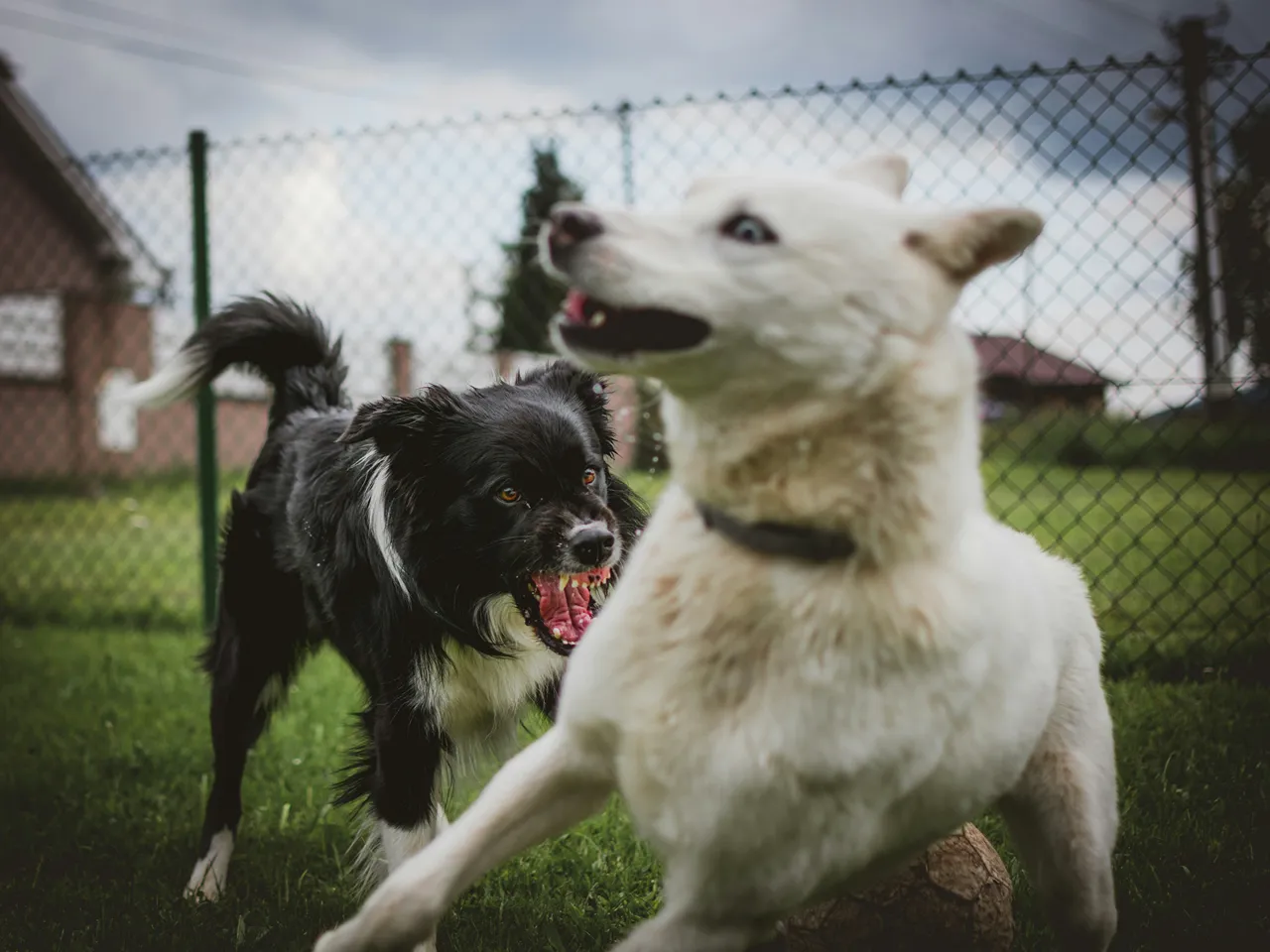
Dogs become infected with the rabies virus when they come into contact with the saliva of infected mammals, most commonly through bites or scratches, or exposure to contaminated body fluids. Understanding how dogs become exposed to rabies helps pet owners reduce risks and respond quickly after possible exposure.
Bite Wounds from Infected Animals
The most common way dogs become infected is through the bite of an infected animal, where the virus enters the body through an open wound. Even a small scratch from a rabid animal can spread infection if the skin is broken by teeth and claws, allowing the virus to enter the bloodstream.
Contact With Infected Saliva
Rabies can also spread when an infected animal's saliva touches an open wound or mucous membranes, such as the eyes, nose, or mouth. This means dogs do not always need a visible bite to become infected.
Bats Are the Primary Transmission Source
A bat is one of the most common carriers of rabies worldwide. Dogs may become exposed to rabies after interacting with a grounded or injured bat, sometimes without obvious injuries, making these encounters easy to overlook.
Wildlife That Carries Rabies
Several wild animals can carry and transmit rabies — including raccoons, skunks, and foxes. These creatures act as important reservoirs for the virus and can pass it to pets during unexpected outdoor encounters.
Stray or Unvaccinated Dogs
Dogs that are not vaccinated for rabies face a much higher risk, especially when roaming freely or interacting with a wild animal or stray dogs. Vaccination remains the most effective way to prevent dogs from becoming infected and to reduce the chance they can transmit rabies to others.
How Vets Test Dogs for Rabies
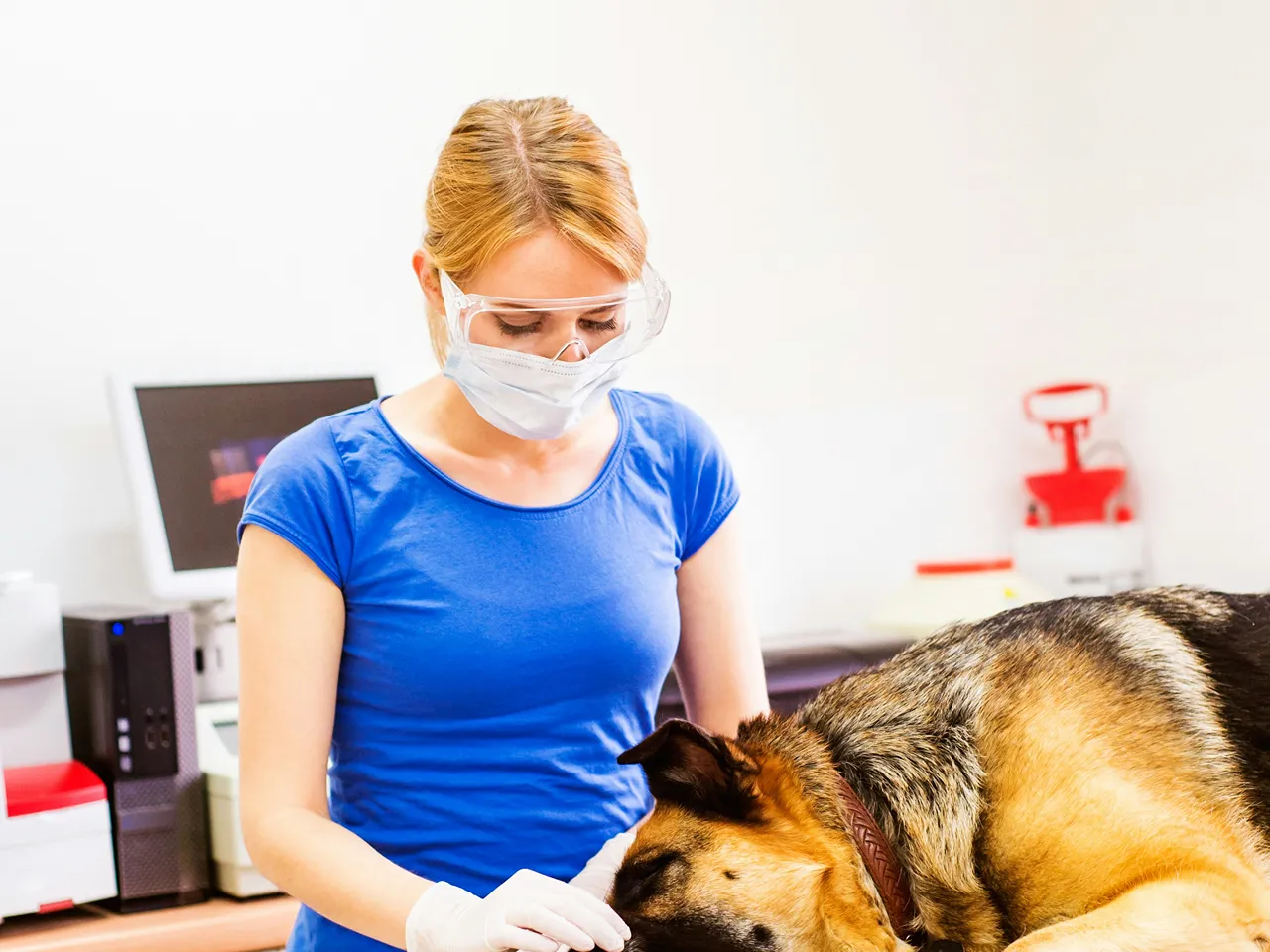
Diagnosing rabies isn’t simple. Once symptoms start showing, there’s no safe or reliable way to test a living animal for it. Because of this, vets rely on lab testing after death and follow strict public health rules to keep people and other animals safe.
- Direct fluorescent antibody test required: The most reliable way to confirm rabies is through a special lab test that looks for the virus in brain tissue. This method is extremely accurate and considered the gold standard for diagnosing rabies.
- Brain tissue examination post-mortem: Dogs suspected of rabies are typically tested after death — since confirming the infection requires examining brain tissue in a controlled lab setting.
- No reliable test for living animals: Because accurate testing cannot be done safely in live symptomatic dogs, animals with severe neurological signs are often considered rabid unless laboratory results later prove otherwise.
- RT-PCR testing on brain samples: This advanced lab test looks for the rabies virus’s genetic material in nervous system tissue — helping laboratories confirm infection alongside other standard diagnostic methods.
- Histopathological examination of tissue: By looking at tissue samples under a microscope, vets and pathologists can identify the specific damage rabies causes, helping confirm the diagnosis.
- Quarantine observation for 10 days: If rabies exposure is suspected, animals may be placed under a 10-day quarantine for close monitoring, depending on local health rules and risk level. In serious or confirmed cases, authorities may decide to euthanize to help stop the disease from spreading and protect public safety.
These strict veterinary protocols help reduce transmission risks, protect public health, and strengthen community-wide rabies control programs.
How to Prevent the Risk of Rabies
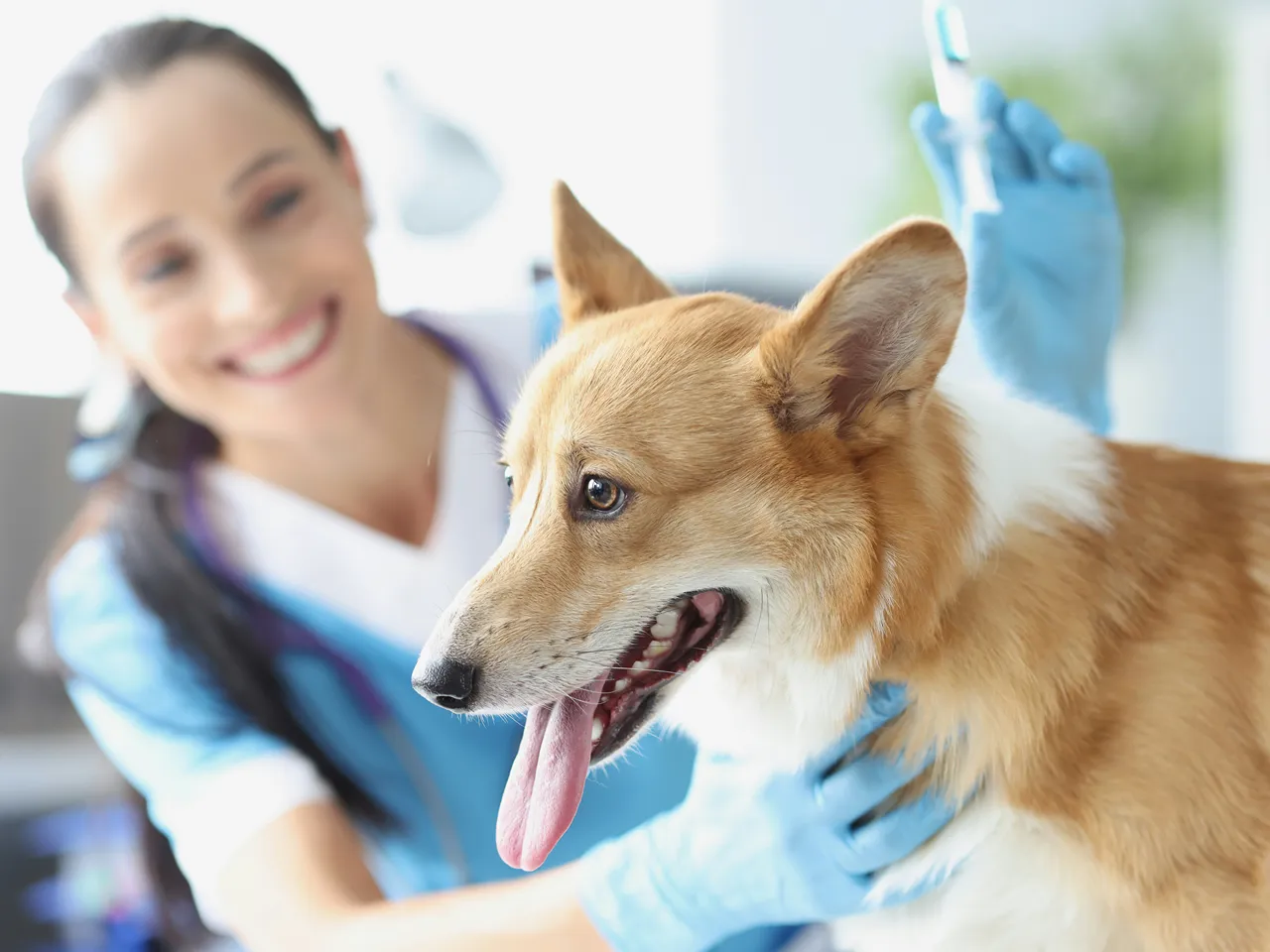
Prevention remains the only reliable protection against rabies, as there is no effective treatment once symptoms develop. Being a responsible pet owner and acting quickly when needed are key to keeping both animals and people safe.
- Regular rabies vaccination schedule: Keeping your dog up to date with a rabies vaccine is the most effective preventive measure. Routine vaccine boosters help reduce infection risk and contribute to lowering overall rabies cases in the community.
- Keep dogs away from wildlife: Limiting contact with wild or unfamiliar animals reduces the chance of exposure to infected carriers that may transmit the rabies virus.
- Supervise outdoor activities closely: Watching your dog during walks or outdoor play helps prevent encounters with potentially infected animals and lowers the risk of unexpected exposure.
- Avoid contact with stray animals: Prevent your dog’s wounds or mucous membranes from coming into contact with unknown animals or contaminated surfaces, especially where saliva of infected animals may be present.
- Report animal bites right away: Get veterinary attention as soon as possible if there is a bite or suspected exposure. Professionals can take action to control rabies and lower the risk of further transmission when reports are made promptly.
Consistent vaccination, responsible ownership, and early response remain the most effective ways to protect pets, families, and communities from rabies.
Final Thoughts
Spotting the early warning signs and vaccinating your pet helps protect not just your dog, but your family and the whole community from one of the world’s most dangerous infectious diseases. Since rabies progresses quickly and is almost always fatal once symptoms begin, prevention really is the best protection.
The risk can be significantly reduced by keeping your dog's rabies vaccinations current, avoiding contact with wildlife or stray animals, and seeking prompt medical attention following a bite or any suspicious exposure. To stop the spread of rabies and protect the health of both humans and animals, awareness, responsible pet ownership, and prompt action are essential.
Frequently Asked Questions
What are the earliest behavioural signs of rabies infection in dogs?
The first behavioural changes typically occur during the prodromal stage before severe neurological symptoms develop.
Anxiety and confusion: Dogs may appear unusually nervous, disoriented, or unable to recognize familiar surroundings and routines.
Changes in personality: A normally shy dog might suddenly become unusually friendly with strangers, while a once social dog may start withdrawing or hiding in dark, quiet places.
Increased irritability: Inflammation in the brain can affect behaviour, causing even calm, gentle pets to become easily agitated or snap without their usual triggers.
Restlessness and pacing: Infected dogs often seem unable to settle, constantly moving around as if they cannot get comfortable.
Hypersensitivity to stimuli: Normal sounds, light, or touch may cause exaggerated fear reactions or startling responses as the nervous system becomes overly sensitive.
How do dogs typically become exposed to the rabies virus?
Dogs become infected when the rabies virus enters their body through contact with infected animals' saliva or body fluids.
Bite wounds from infected wildlife: Bats, raccoons, skunks, and foxes are primary carriers that can transmit the virus through bites or scratches.
Contact with contaminated saliva: The virus can enter through open wounds or mucous membranes in the mouth, nose, or eyes in the absence of visible bite marks.
Interactions with stray animals: In areas with insufficient rabies control efforts, unvaccinated feral or stray dogs have the potential to spread the disease.
Bat interactions: Sometimes there are no clear indications of contact, but dogs may have been exposed after discovering injured or grounded bats.
Wildlife encounters: Even brief outdoor encounters with rabid wild animals can spread the virus through saliva exposure.
What physical symptoms may show in dogs with early rabies infection?
Physical signs often appear alongside behavioural changes as the virus affects the nervous system and muscle control.
Excessive drooling and foaming: Dogs gradually lose control of their swallowing muscles, causing constant thick saliva or foam around the mouth.
Difficulty swallowing: Infected dogs may approach water bowls but back away due to pain or inability to swallow properly.
Mild fever development: Your dog’s body temperature might rise as their immune system reacts to the viral infection in the nervous system.
Muscle twitching or tremors: Early neurological damage can cause involuntary muscle movements that gradually worsen over time.
Coordination problems: Dogs may stumble, appear unsteady, or have trouble with normal movement as brain function becomes impaired.
How can veterinarians accurately diagnose rabies in suspected cases?
Rabies diagnosis requires specialized laboratory testing since no reliable test exists for living symptomatic animals.
Direct fluorescent antibody testing: Laboratory technicians examine brain tissue samples to detect rabies virus antigens with high accuracy.
Post-mortem brain examination: Analysis of brain tissue obtained under carefully monitored laboratory conditions following death is necessary for a confirmed diagnosis.
RT-PCR molecular testing: To supplement conventional diagnostic techniques, sophisticated genetic testing finds viral material in nervous system samples.
Histopathological tissue analysis: Under a microscope, the rabies virus infection causes distinctive patterns of brain damage.
Ten-day quarantine observation: To evaluate symptom development and transmission risk, suspected cases—including dogs with possible exposure—go through monitoring procedures.
What prevention strategies effectively protect dogs from rabies exposure?
Prevention remains the only reliable protection since no treatment exists once clinical symptoms develop in infected animals.
Regular vaccination scheduling: Maintaining current rabies vaccines provides the most effective protection and contributes to community-wide disease control.
Avoiding wildlife contact: Keeping an eye on outdoor activities and avoiding contact with wild animals lowers the risk of coming into contact with possible virus carriers.
Immediate bite reporting: When a dog is bitten or suspected of being exposed, getting veterinary care as soon as possible enables professionals to put the proper control measures in place.
Precautions for stray animals: Steer clear of unfamiliar animals to avoid exposing wounds or mucous membranes to potentially contaminated saliva.
Responsible pet ownership: The likelihood of coming into contact with infected animals is greatly reduced when dogs are kept on leashes, under supervision, and away from high-risk areas.

