
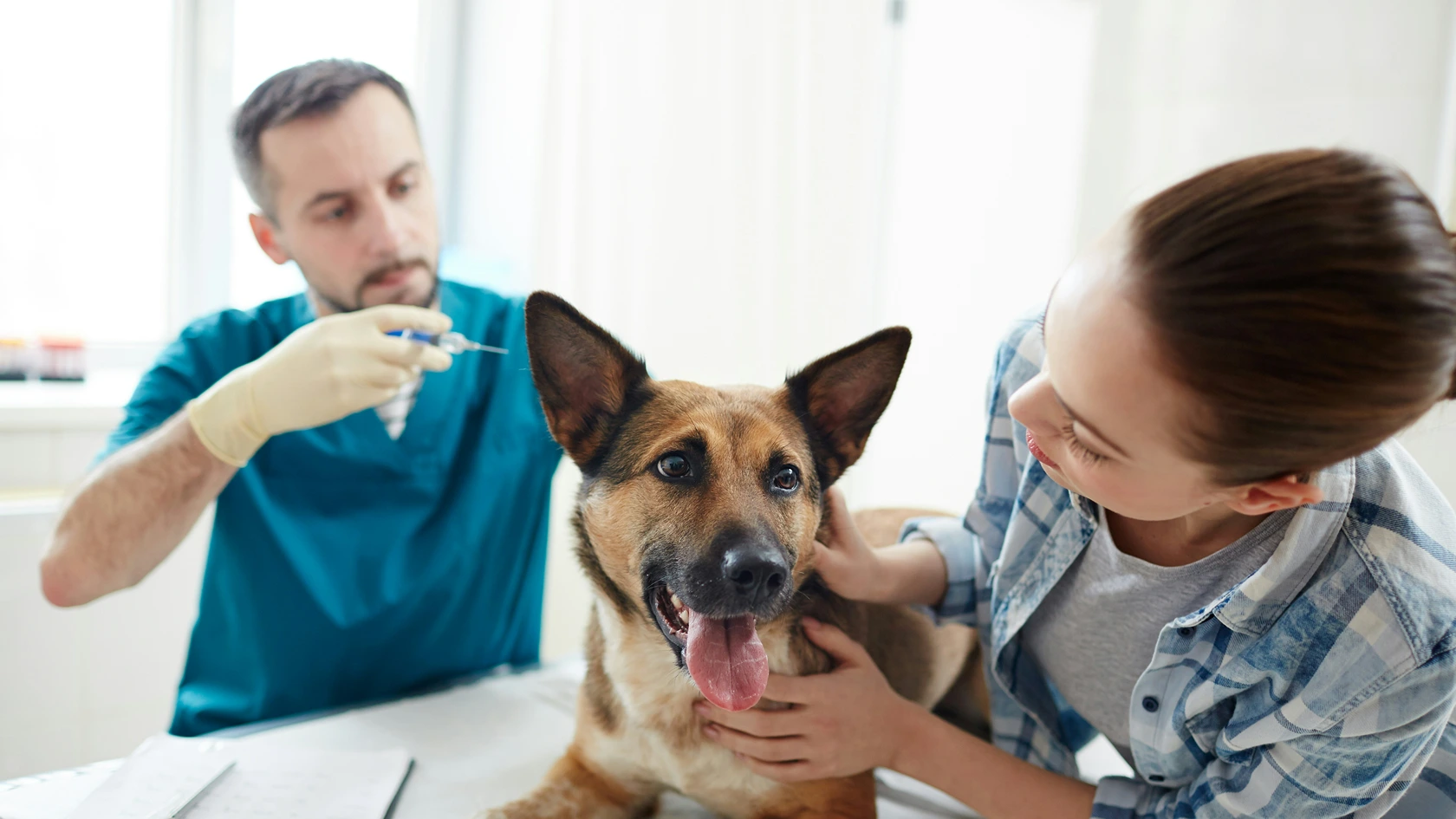

TL;DR: What You Need to Know About Dog Vaccinations
- Vaccines protect and prevent: Dog vaccines train the immune system to fight serious viruses and bacteria, keeping your pet healthy and preventing costly, painful illnesses.
- Core vaccines are essential: Core vaccines prevent diseases such as rabies, distemper, parvovirus, and adenovirus—especially important in winter when indoor gatherings and sheltering may increase exposure risks.
- Non-core vaccines for lifestyle: Bordetella, Lyme disease, leptospirosis, and canine influenza add protection for dogs who travel, socialize, or spend time outdoors.
- Timing matters: Puppies (6–16 weeks) start the initial series, first-year boosters strengthen immunity, adults follow lifestyle-based schedules, and seniors may need adjusted timing.
- Safe and monitored care: Checkups before shots, a little post-vaccine observation, and easy recovery routines help keep your dog comfy while their protection builds.
- Ongoing boosters: Regular adult vaccines, parasite prevention, and any extra shots your dog needs help keep their immunity strong for life.
Need guidance? We can help you create a personalized vaccination plan to keep your dog safe, healthy, and thriving—at every stage of life.
Keeping your dog healthy starts long before any signs of illness appear, and vaccinations are one of the most reliable tools for prevention. Winter months bring additional challenges, as cold weather and seasonal illnesses can affect your dog’s health, making timely vaccinations even more important. Yet with so many vaccine names, schedules, and vet recommendations to sort through, it’s completely normal for dog owners to feel unsure about which shots are actually essential.
Every vaccine has a purpose—whether it’s guarding against severe viral infections, preventing fast-spreading diseases, or reducing the risks your dog may face based on lifestyle and environment. Beyond protecting your own pet, these vaccines also help protect other pets in your community, creating a stronger layer of collective protection that keeps everyone safer.
Dog Vaccines and Their Purpose
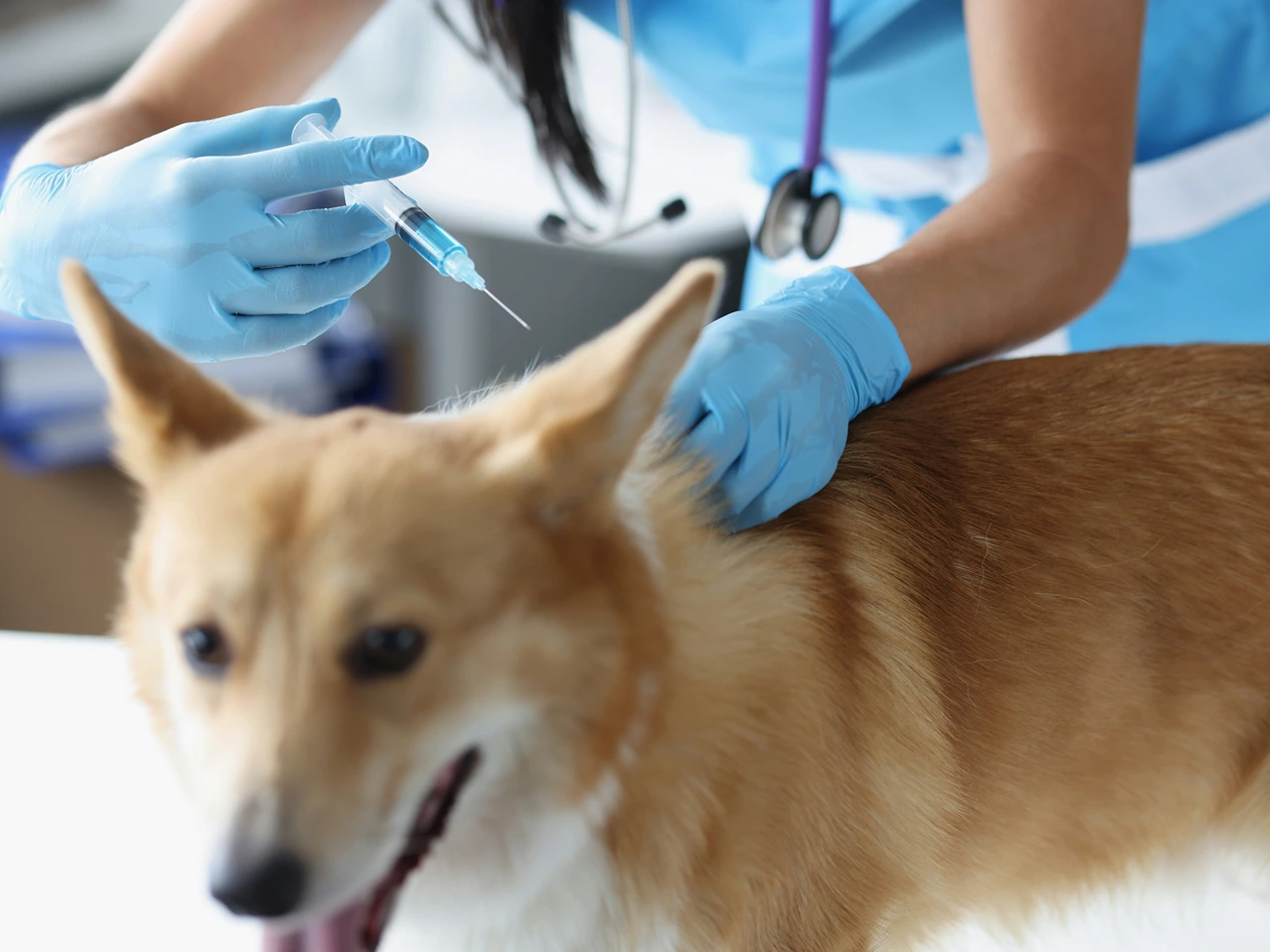
Dog vaccines work by stimulating the immune system to recognize and fight off harmful viruses and bacteria before they cause serious illness. Because vaccines protect against infections spread through contact, the air, or contaminated surfaces, they help block dangerous diseases long before they can take hold. They also reduce the risk of transmission between dogs in busy places like parks, daycare centres, or grooming salons, which supports better overall community health.
For most families, staying up to date with a vaccine for dogs is a smart and affordable form of prevention. Treating advanced infections can be expensive, emotionally draining, and not always effective, making early protection the safer choice to protect your pet and other animals around you. Choosing the right vaccines and knowing how often vaccines are given helps create a safer environment for your household and your neighbourhood.
Veterinarians can guide you on which shots are essential and how vaccines work by stimulating long-term immunity tailored to your dog’s lifestyle.
Core and Non-Core Types of Vaccinations
Core Vaccines (Required for All Dogs)
These vaccines are must-haves for your pet, keeping them safe from serious, common diseases—some of which can even be transmitted to humans. Because these illnesses pose serious health risks, core vaccines should be administered to dogs and puppies no matter their lifestyle, ensuring long-term safety for both pets and families.
Core vaccines prevent diseases such as:
Rabies
Since rabies is almost always fatal and easily spread through bites, the rabies vaccine is required by law in many regions. Every dog should be vaccinated to help them stay protected and to safeguard public health, especially in areas where wildlife exposure is more common.
Distemper
A highly contagious virus that attacks the respiratory tract, nervous system, and multiple organs. It spreads quickly, which is why it’s strongly recommended for dogs of all ages, particularly those who frequently interact with other pets or spend time outdoors.
Parvovirus
A serious gut infection that’s especially tough on weeks old puppies. Early and consistent vaccines for puppies are key—parvovirus can stick around in the environment and spread easily through contaminated surfaces, so staying on top of shots can save their life.
Adenovirus (Canine Hepatitis)
It helps protect dogs from liver problems and keeps their immunity strong against serious viral diseases. A vaccine for this disease contributes to overall protection by reducing the risk of complications that can affect multiple organ systems.
Non-Core Vaccines (Based on Lifestyle/Risk)
These vaccines are advised depending on an individual dog’s daily routine, environment, and exposure risks. Vaccination helps reduce outbreaks in busy indoor environments, which can be more common during colder months when dogs spend more time inside. Your veterinarian will determine which options are suitable to keep your dog protected, especially if they travel, socialize often, or live in higher-risk areas.
Non-core vaccines help protect against:
Bordetella (Kennel Cough)
Upper respiratory tract infections caused by Bordetella bacteria, commonly known as kennel cough. It’s usually needed for grooming, daycare, and boarding—making it a smart choice for social pups or dogs living in busy city environments.
Lyme Disease
A tick-borne illness that can cause joint pain and fatigue. The Lyme disease vaccine is ideal for dogs who hike, travel, or explore grassy or wooded areas where ticks are active, giving them an extra layer of protection during outdoor adventures.
Leptospirosis
Since leptospirosis is a bacterial disease that can be spread to people, vaccination is recommended for outdoor-loving dogs or those exposed to wildlife, rodents, or puddles.
Canine Influenza
Contagious flu viruses that move quickly through shelters, dog parks, and multi-dog households. Vaccination helps reduce the severity of symptoms and lowers the chance of outbreaks in areas where dogs frequently gather.
When to Vaccinate Your Dog: Timing and Age-Based Guidelines
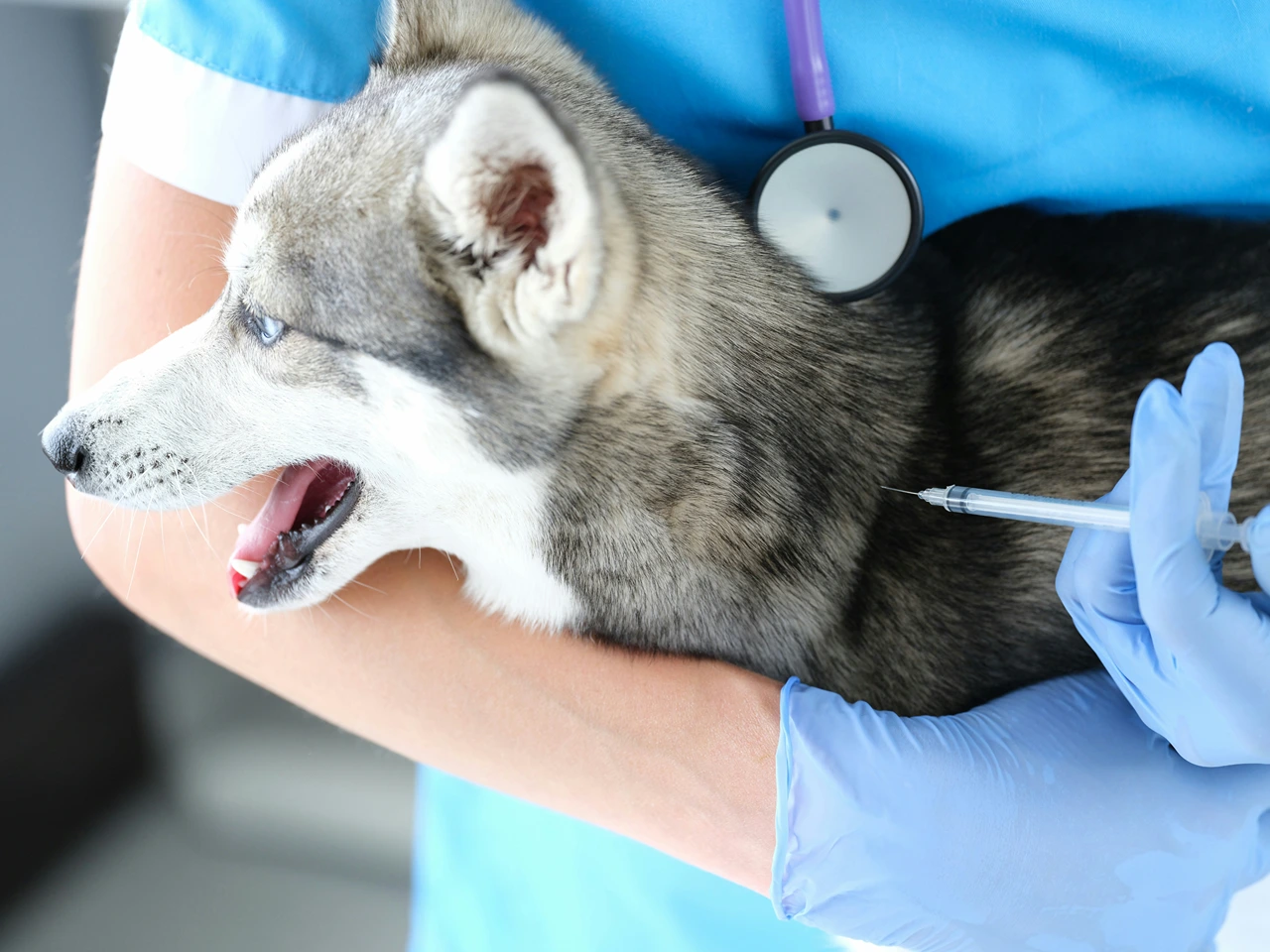
Vaccination timing helps your dog’s immune system develop at the right stages of life. A standard schedule for how often vaccines are given ensures steady, reliable protection as your dog grows.
- Puppy Vaccination Schedule (6–16 weeks): The initial puppy series typically begins at 6 to 8 weeks of age, with shots continuing until around 16 weeks. This steady schedule helps keep your puppy protected while their immunity is still developing.
- First-Year Booster Requirements: During the first year of life, booster vaccines are essential for strengthening the immunity built during the puppy series, ensuring protection remains consistent.
- Adult Dog Maintenance Schedules: Adult dogs are vaccinated according to their lifestyle, health history, and what the vet recommends—this way they stay protected long-term without getting shots they don’t really need.
- Senior Dog Considerations: As dogs get older, their immune system changes, so they might need a slightly different vaccine schedule. Vets often tweak the timing based on their health, mobility, and how they handle vaccines.
- Risk-Based Scheduling Adjustments: Factors like travel habits, exposure to wildlife, boarding, and new environments can influence how often vaccines are recommended, allowing your dog’s schedule to stay aligned with their daily risks.
If you’re ever unsure about timing, your veterinary clinic can help you customize your dog’s vaccination plan for the best protection.
Essential Care for Puppies and Dogs Receiving Their First Shots
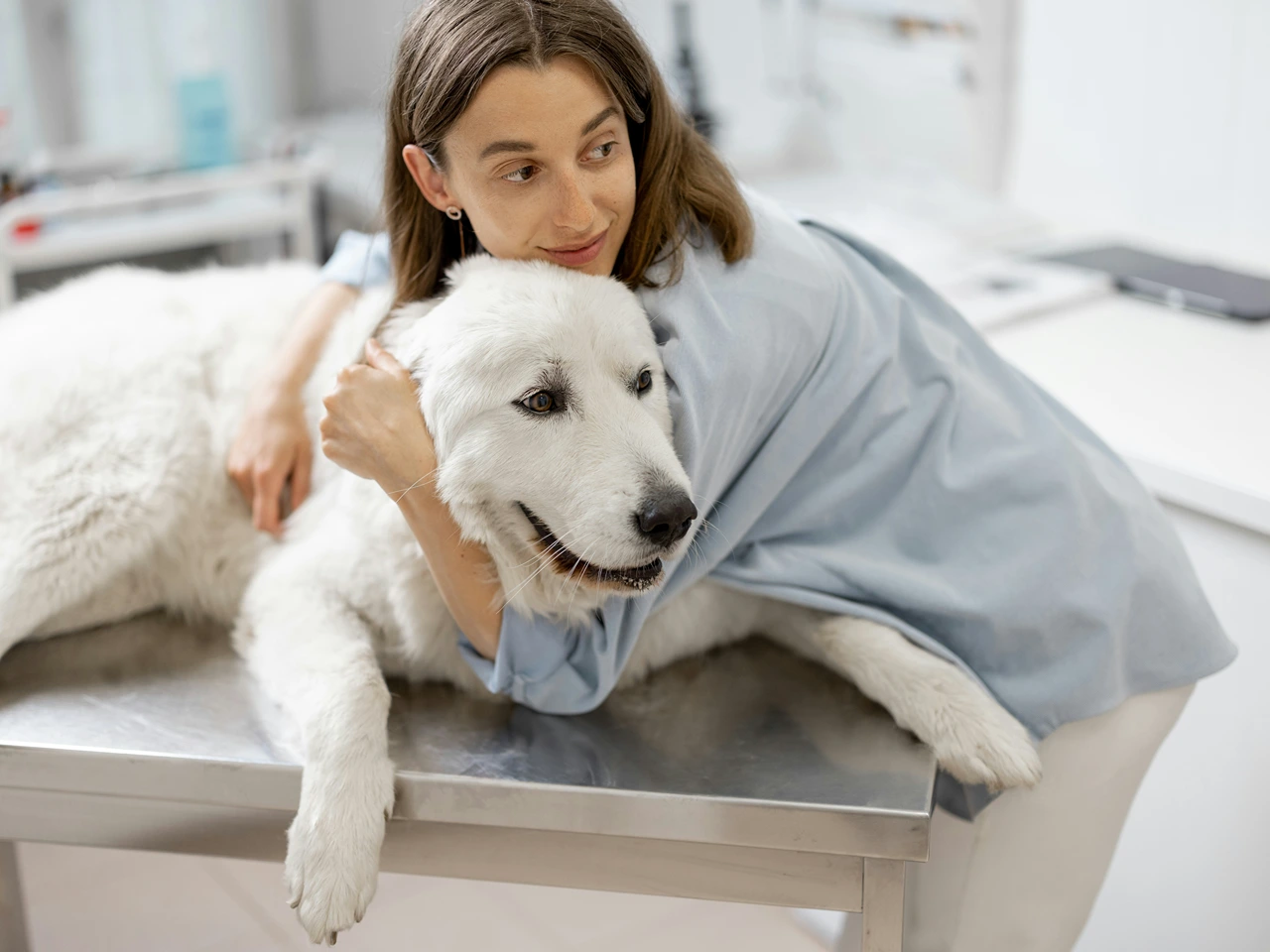
Before giving any adult or puppy vaccine, most vets like to do a quick check-up first to make sure your dog is healthy enough for the shot. This helps lower the chance of any reactions and keeps the appointment safe and smooth.
After receiving their vaccines, some pets may show mild soreness, low energy, or temporary discomfort. These effects are normal, but if your dog develops unusual symptoms or adverse reactions to vaccines, you should monitor them closely and seek veterinary care immediately if anything worsens or if you notice serious side effects.
Supporting recovery is simple—limit intense activity, avoid rough play, and follow any guidance your vet provides for post-vaccination rest. This helps your dog stay comfortable while their immune system responds to the vaccine.
Accurate documentation is essential because it helps track which vaccines are considered necessary for your pet’s health plan. Keeping records organized also makes it easier to schedule important follow-ups.
Protecting Adult Dogs with Ongoing Booster Care
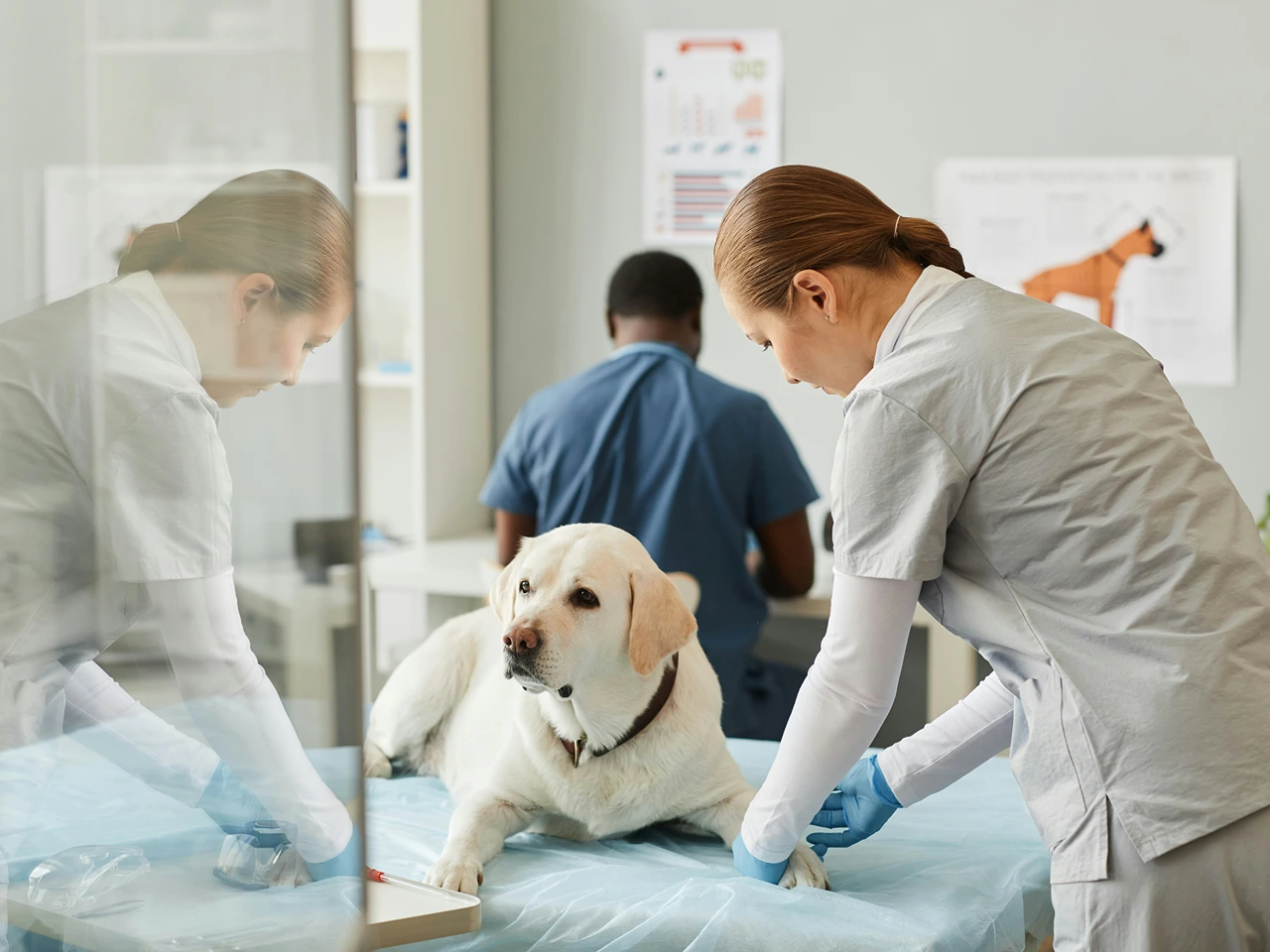
As your dog gets older, keeping them protected is about more than just showing up for booster shots—staying on top of their regular vaccinations helps keep their immunity strong and healthy all through adulthood.
- Annual health assessments at your veterinary hospital allow your vet to evaluate your dog’s needs and recommend the right vaccinations and parasite prevention based on their current health and lifestyle.
- Your vet may suggest additional parasite control and prevention products if your dog spends time outdoors, travels often, or encounters higher-risk environments.
- Decisions about non-core vaccines depend on your dog’s daily routine, boarding habits, and travel plans. Many boarding facilities require proof of specific vaccines before accepting your dog.
Maintaining a clear vaccine history helps ensure that regular vaccinations stay properly scheduled and can be adjusted if any health changes occur.
Final Thoughts
Vaccinating your dog is one of the most effective ways to protect them from serious diseases that spread quickly and can be difficult or costly to treat. Whether you’re caring for a new puppy or supporting an adult dog’s long-term health, staying consistent with pet vaccinations gives your dog a safer, healthier life.
Because every individual dog has different risks—your veterinarian can help choose the right vaccines for your dog and adjust the schedule as they grow. With the right guidance and regular checkups, you can ensure your dog stays protected, confident, and ready for a happy life by your side.
Frequently Asked Questions
What vaccines does my dog need to stay fully protected?
Your dog needs a mix of essential and lifestyle-based vaccines to stay safe from serious and contagious diseases.
Core Disease Protection: The following vaccines form the foundation of immunity and help safeguard dogs from widespread threats.
Lifestyle-Based Additions: Non-core vaccines add protection based on travel, social activity, or outdoor exposure.
Young Puppy Requirements: Protection starts early and continues until puppies reach 16 weeks of age, ensuring a strong immune response.
Respiratory Support Vaccines: Shots that guard against illnesses such as canine parainfluenza virus help prevent respiratory complications in active or social dogs.
Community Health Consideration: Many vaccines also support broader disease control and prevention for cats and dogs, reducing disease transmission in shared environments.
How do core and non-core vaccines differ from each other?
Core vaccines protect against universal threats, while non-core vaccines are chosen based on lifestyle and environment.
Universal Core Protection: Core vaccines defend against highly dangerous diseases that every dog and cat is at risk of encountering.
Lifestyle-Based Non-Core Options: These vaccines are recommended only if your dog’s daily routine increases their exposure to specific pathogens.
Public Health Importance: Core vaccines prevent illnesses that can spread rapidly and threaten community safety.
Varying Immunity Duration: Some non-core shots require more frequent boosters due to shorter-lasting immunity.
Environmental Risk Factors: Dogs facing unique conditions such as travel, wildlife contact, or multi-pet households benefit from tailored recommendations.
What is the recommended schedule for how often my dog should receive vaccines?
Dogs follow age-based and lifestyle-specific vaccination intervals to keep immunity stable over time.
Puppy Series Timing: Early vaccines are spaced appropriately to build strong protection as your pet approaches adulthood.
Routine Booster Cycles: Adult dogs follow a schedule for how often boosters are given, with intervals based on their overall health and exposure risks.
Annual Veterinary Review: Each year, your clinic reassesses which vaccines are still needed to protect your dog effectively.
Travel & Exposure Adjustments: Dogs who board, hike, or socialize may need additional timing modifications recommended by your vet.
Animal Hospital Guidance: Most veterinary hospitals offer vaccinations on a predictable timeline, helping owners easily maintain long-term immunity.
What should I expect when taking my dog to the clinic for vaccinations?
A vaccination appointment includes a wellness check, the shots themselves, and brief monitoring afterward.
Pre-Exam Assessment: Your veterinarian checks overall health to confirm if your dog is strong enough for vaccines.
Safe Vaccine Administration: The vet selects the right injections based on age, health history, and daily risks.
Post-Vaccine Monitoring: Mild fatigue or tenderness is normal; your vet watches for rare side effects before you leave.
Home Care Guidance: Simple aftercare helps your pet rest, and vets may also recommend supportive steps like parasite prevention products.
Record Keeping: Vaccine documentation is updated to track future appointments and ensure your dog remains on schedule.
Why do adult dogs still need booster shots over time?
Adult boosters maintain immunity that naturally weakens, keeping your dog protected throughout life.
Immunity Refresh: Over time, your dog’s antibody levels drop, and boosters help keep their protection strong for the long haul.
Evolving Risk Factors: As dogs get older or try new activities, the diseases they might encounter can change, so vaccine recommendations need to stay up to date.
Clinic Requirements: Groomers, boarding centres, and travel facilities often need proof of current boosters for safety.
Disease Outbreak Prevention: Keeping up with vaccinations helps stop illnesses from spreading, especially in areas with lots of dogs.
Veterinary Oversight: Regular boosters give your vet a chance to check your dog’s needs and make sure their vaccines stay effective and up to date.

