


TL; DR: Dog Throwing Up Yellow Bile
- Yellow vomit in dogs is usually bile that shows up when the stomach is empty or a bit irritated.
- It often happens after long gaps between meals or early in the morning.
- Most of the time, it’s occasional and not something serious if your dog seems fine otherwise.
- Keeping regular feeding times can really help reduce it.
- Try not to let your dog go too long without eating.
- If it keeps happening, it could be linked to an underlying digestive issue.
- Watch for things like low energy, loss of appetite, or more frequent vomiting.
- Sometimes it settles on its own, especially if it only happens once in a while.
- But if it keeps coming back or gets worse, it shouldn’t be ignored.
- A vet check is the safest way to make sure everything’s okay.
If your dog keeps throwing up yellow or you’re just not sure what’s going on, it’s honestly better to get it checked sooner rather than later. You can call us anytime, and our expert vets can take a proper look and help you figure out what your dog needs so you’re not left worrying about it.
Has your dog ever suddenly started to vomit yellow or bring up yellow foam, and you just stop for a second, wondering what’s going on? Seeing a dog vomit yellow or a dog throwing up yellow bile can be honestly worrying, especially when it happens out of nowhere. Most of the time, it shows up as yellow liquid or foam, often when a dog is on an empty stomach.
With vomiting in dogs, things like bile vomiting or yellow vomit are actually pretty common and can happen for different simple reasons. You might see a dog vomit bile, white foam, or even yellow foam, even when they seem fine otherwise. Still, when a dog is vomiting yellow bile, it’s hard not to feel a bit uneasy as a pet owner.
If your dog continues to vomit yellow or starts doing it more often, it’s something you naturally start paying closer attention to. A lot of dog owners go through this at some point, whether it’s occasional or keeps happening. Read on to understand what’s really behind your dog’s yellow vomit.
What Yellow Bile in Your Dog’s Vomit Can Mean
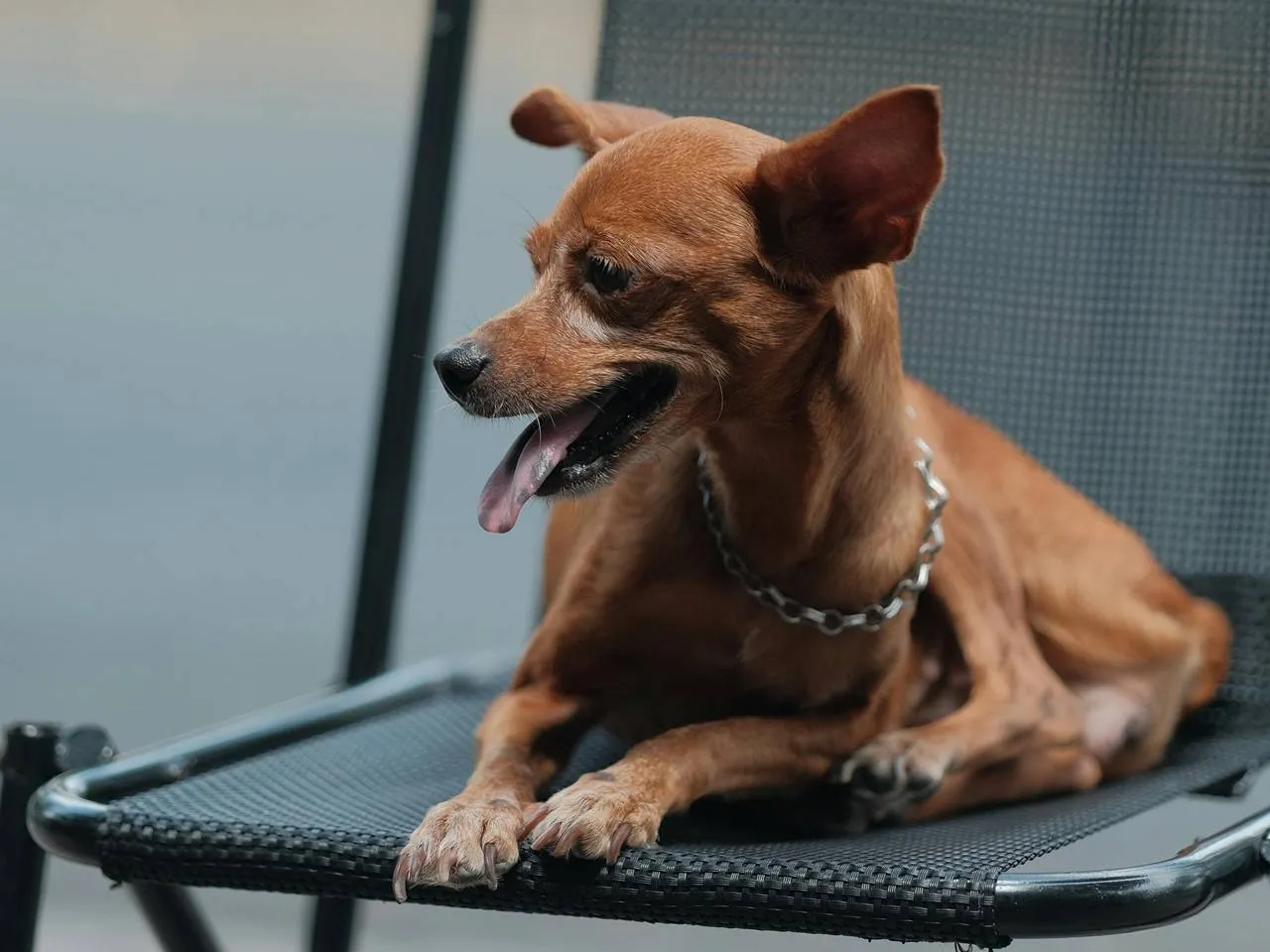
When you see your dog suddenly bring up yellow vomit, it can be a bit unsettling at first. Most of the time, that yellow colour comes from bile, a digestive fluid produced by the liver and stored in the gallbladder. It’s something that’s always part of digestion, even when you don’t really notice it.
Bile Is Just Part Of Normal Digestion
Bile is naturally involved whenever your dog’s body is breaking down food.
- Bile is produced by the liver.
- Stored in the gallbladder.
- Helps digest fats from food.
- Part of the normal digestive process.
Yellow Vomit Comes From Bile Being Present
That yellow colour in vomit usually has a pretty simple explanation.
- Vomit may look yellow or foamy yellow.
- The yellow colour comes from bile.
- Dog vomiting yellow bile often shows this fluid.
- Vomiting of bile reflects what’s in the stomach at the time.
Yellow Vomit Is Basically A Clue From The Body
Seeing that colour just tells you bile is involved in what your dog brought up.
- Shows the presence of bile in vomit.
- Points to the digestive fluid being involved.
- Helps explain the yellow colour.
- Describes what the vomit contains.
Common Causes Why Your Dog Is Throwing Up Yellow Bile

Seeing your dog throw up yellow can honestly be worrying at first. A lot of dog owners go through this at some point, and it can range from something mild to something that keeps happening and needs a closer look.
Going Too Long Without Eating
This is one of the most common things people notice, especially in the morning.
- Your dog may vomit yellow bile due to an empty stomach or after long periods without eating.
- First thing in the morning or late at night is often when it happens.
- Bile can build up in the stomach over time.
- Feeding your dog more regularly may help reduce bile buildup.
Eating Things That Don’t Sit Well
Dogs will eat almost anything sometimes, even when it doesn’t agree with them.
- The dog ingests things like scraps, grass, or random bits outside.
- Food may upset the stomach and may cause a dog to vomit yellow bile.
- Can lead to vomiting, yellow foam or bile.
- May cause a dog to vomit suddenly.
Food Changes Or Sensitivity
Even small changes in diet can throw a dog’s stomach off.
- Switching dog food too quickly.
- New treats that don’t agree with them.
- Food may trigger mild stomach upset.
- Vomiting is accompanied by discomfort.
Bilious Vomiting Syndrome (BVS)
Some dogs deal with a pattern where bile irritates the stomach when it’s empty.
- Bile leaks into the stomach without eating.
- Often happens in the morning or after long gaps.
- Can lead to dog vomiting yellow foam or bile.
- Needs a vet to confirm the causes of bile vomiting.
Ongoing Stomach Issues
If it keeps happening, it’s usually more than a one-time thing.
- The dog is chronically vomiting yellow fluid.
- Vomiting continues or becomes frequent.
- Nausea and vomiting may show up together.
- A dog to the vet is often needed if it doesn’t stop.
Underlying Health Concerns
Sometimes there’s more going on beneath the surface.
- Bile is a digestive fluid that can get unbalanced.
- May lead to repeated vomiting of bile in dogs.
- Yellow vomit can also point to deeper issues.
- In rare cases, more serious causes of yellow vomit exist.
When The Body Is Just Off Balance
Not every case is serious, but the body can still react strongly.
- The dog is otherwise healthy but still vomiting.
- Vomiting may happen occasionally or come and go.
- It can show up along with mild stomach upset.
- Keep your dog comfortable and monitor how they’re doing.
What to Do When Your Dog Vomits Yellow Bile or Foam

When your dog throws up yellow foam or bile, it can honestly catch you off guard. Many dog owners go through this at least once, and sometimes it’s just occasional yellow vomiting that settles down. Still, it’s hard not to worry a bit in the moment, so it helps to just slow down and observe what’s going on.
Observe Your Dog’s Condition
After it happens, just take a moment and really look at your dog’s overall behaviour. See if your dog eats normally, stays active, and if any symptoms like diarrhea show up along with vomiting. It also helps to notice if it’s just a one-time case of yellow vomit or if vomiting is frequent.
Keep The Stomach Calm
In moments like this, the goal is just not to stress the stomach more. Give your dog small sips of water and avoid heavy meals for a while. Once things calm down, give your dog simple food in small portions so the stomach can ease back into normal digestion.
Support Regular Feeding Habits
A lot of reasons for yellow vomit can come from how a dog is being fed day to day. If a dog vomits yellow due to an empty stomach, bile in the morning can show up more often than expected. Try to make your dog eat on a steady schedule so the stomach isn’t sitting empty for too long.
Keep An Eye On Reactions After Vomiting
After everything settles, just watch how your dog is doing overall. Vomiting bile can also show up in different cases of yellow vomiting, but a lot of the time, it’s not serious if it only happens once in a while. Unless your dog keeps vomiting or something feels off, just keep an eye on things and make your dog comfortable while things normalize.
When Yellow Bile Vomiting in Dogs Requires a Veterinary Clinic Visit

Some causes of vomiting are mild and pass quickly, but there are times when it just doesn’t sit right, and a vet check is the safer choice.
Vomiting Keeps Happening Or Gets Worse
This is usually when it feels like something isn’t improving on its own.
- Happens when a dog keeps vomiting without slowing down.
- No improvement after some time has passed.
- Food or water won’t stay down.
- The condition seems to be getting worse.
Other Symptoms Start Showing Up
It gets more concerning when vomiting comes with other changes in how your dog feels.
- Symptoms like diarrhea or weakness appear.
- Your dog stops eating or shows less interest in food.
- Low energy or unusual tiredness.
- They just don’t seem like themselves.
Vomit Looks Different Or Becomes Frequent
Sometimes the pattern or look of vomiting is what makes you pause and worry.
- The dog might be vomiting up yellow instead of normal food.
- Vomiting starts happening more often than usual.
- Bile is very alkaline and can irritate the stomach.
- What used to be occasional yellow becomes more frequent.
You’re Not Sure What’s Causing It
This is the part that usually makes people uneasy when there’s no idea of any sinister causes of yellow vomit.
- Happens when a dog starts vomiting without a clear trigger.
- No changes in food or daily routine.
- Symptoms don’t match a simple stomach upset.
- In situations like this, the dog needs a vet check for safety.
When It May Be More Serious
There are also times when it just feels like something more serious could be going on.
- Vomiting doesn’t stop or keeps coming back.
- The dog looks uncomfortable or is not at ease.
- It starts suddenly without an obvious cause.
Simple Tips to Help Prevent a Dog from Throwing Up Yellow Bile
A lot of the time, this kind of stomach issue comes down to small daily habits. Nothing complicated, just keeping things steady so your dog’s digestion doesn’t get thrown off.
- Try to feed your dog at the same time every day so things stay predictable.
- Don’t let long gaps happen between meals, especially overnight or early morning.
- Stick with the same dog food instead of switching things up too quickly.
- If you do introduce new treats or food, do it slowly so the stomach can adjust.
- Smaller, more frequent meals can help if your dog tends to get an empty stomach.
- Keep fresh water available all the time so hydration stays consistent.
- Go easy on rich or fatty foods since they can upset the stomach easily.
- Try not to give table scraps, even if it feels tempting sometimes.
- Keep an eye on what your dog gets into; garbage or random snacks outside can cause problems fast.
- Notice changes in eating habits early, since that’s often the first clue something’s off.
- Maintain a healthy weight, since it helps overall digestion stay more stable.
- On busy days or trips, just make sure your dog still gets food on time so they’re not going too long without eating.
Final Thoughts
Yellow vomit in dogs can be pretty worrying when you first see it, especially if it comes out of nowhere. Most of the time, it’s just bile coming up when the stomach is empty or a bit irritated.
It often happens in dogs that go too long without eating, and it can catch owners off guard, even if the dog seems fine otherwise. Still, it’s something to keep an eye on if it keeps happening or your dog starts acting differently.
Simple things like keeping a regular feeding schedule can sometimes make a big difference. And if it keeps coming back or you’re not sure what’s going on, getting your veterinarian to check your dog is always the safer move.
Frequently Asked Questions
Why does yellow vomit in dogs happen without warning?
Yellow vomit in dogs can feel really sudden and a bit alarming, especially when your dog was just acting completely normal a little while ago. Most of the time, it’s just the stomach reacting when it’s been empty for a while or gets slightly irritated.
Empty stomach: This usually happens when a dog hasn’t eaten for a while and bile slowly builds up in the stomach.
Early timing: A lot of owners notice it first thing in the morning or after long stretches without food.
Mild irritation: The stomach lining can get a bit sensitive, which can trigger a vomiting episode.
Usually brief: In many cases, it happens once, and then things go back to normal pretty quickly.
Watch pattern: If it starts happening more often, it’s a good idea to start paying closer attention.
What are the common causes of yellow vomit in dogs?
There are a few everyday reasons this happens, and most of them are actually pretty common and not too serious. It usually comes down to routine, food, or something the dog shouldn’t have eaten.
Meal gaps: Not eating for too long is one of the most common reasons dogs end up vomiting yellow bile.
Diet changes: Changing your dog’s food too fast can upset their stomach pretty easily.
Eating habits: Some dogs ingest things they shouldn’t, which can mess with digestion.
Sensitive stomach: Some dogs are just more sensitive and react more easily to certain foods.
Needs consistency: Keeping a steady feeding routine usually helps things stay more stable.
Is yellow foam in vomit something I should worry about?
Yellow foam can look pretty unpleasant and worrying at first glance, especially if you’re seeing it for the first time. In many cases, though, it’s just bile mixed with stomach fluid coming up.
Stomach emptiness: It often shows up when the stomach hasn’t had food for a while.
Digestive mix: The foam forms when bile and stomach fluids come up together.
Occasional issue: If it only happens once in a while, it’s often not something serious.
Check behaviour: What really matters is whether your dog is acting normally, otherwise.
Monitor changes: If it starts happening more often, it’s better not to ignore it.
How can I help your dog when the causes of yellow keep happening?
When it keeps happening, it can be stressful to see your dog go through it, but small daily changes can really help a lot. It’s mostly about keeping the stomach calm and avoiding long empty periods.
Regular meals: Feeding at consistent times can help prevent the stomach from staying empty too long.
Smaller portions: Smaller, more frequent meals are often easier on the stomach.
Simple diet: Sticking to familiar dog food can help avoid extra irritation.
Avoid triggers: Try to keep your dog away from trash or random snacks outside.
Observe closely: Watching for patterns can help you catch issues early.
When do causes of yellow vomit need a vet check?
Sometimes it’s just a one-off situation, but other times it can feel like something more is going on in the background. That’s usually when it’s better to get it checked instead of waiting.
Repeated vomiting: If it keeps coming back, it usually means something isn’t settling right.
Low energy: If your dog seems tired or not themselves, that’s a clear concern.
Other symptoms: Things like diarrhea or loss of appetite should definitely be taken seriously.
No improvement: If nothing seems to help after a while, it’s time for a proper check.
Vet support: A vet visit can really help clear things up and give you peace of mind.

