
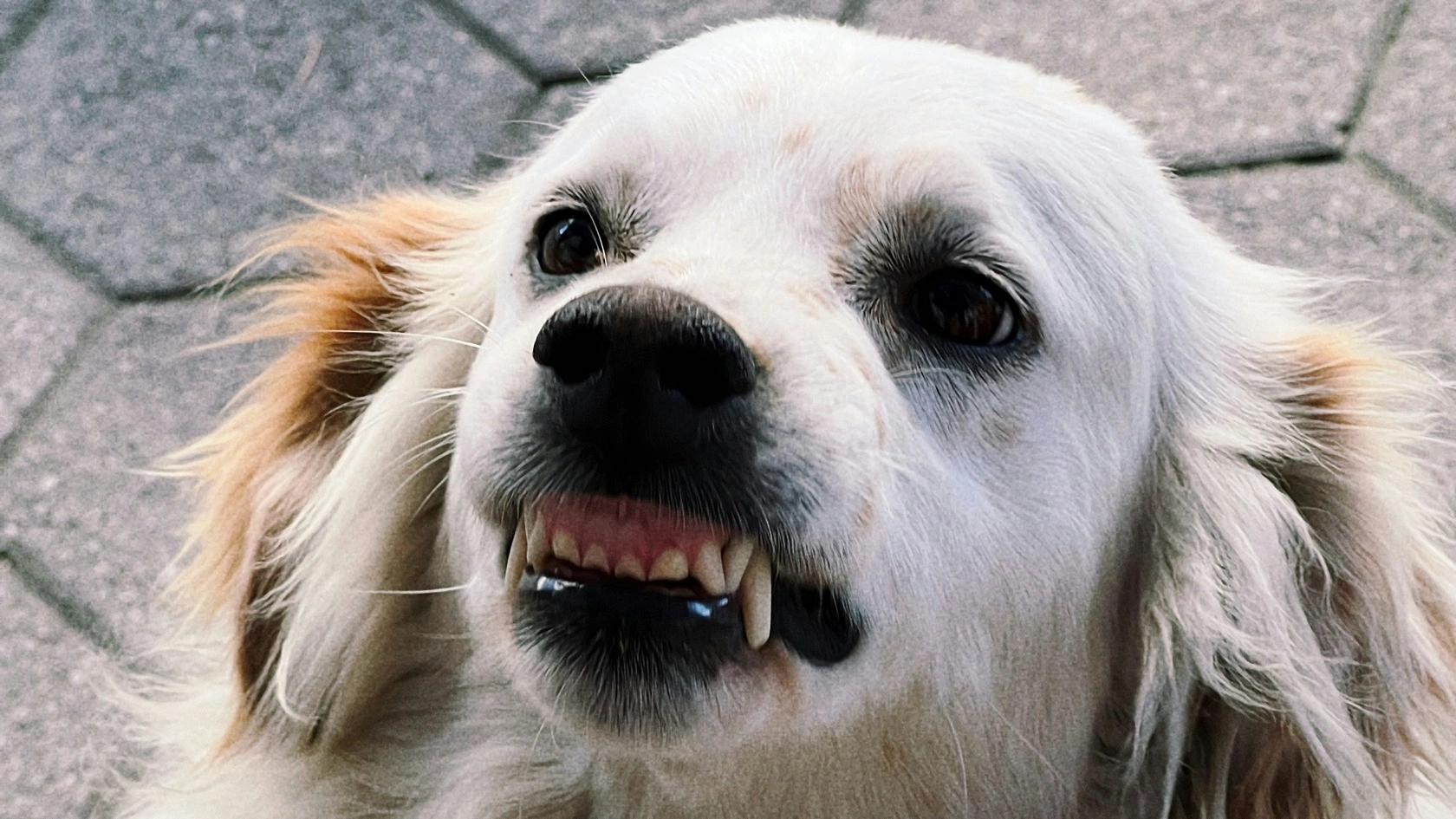

TL;DR: Dog Chattering Teeth – Causes, Signs, and When to See a Vet
Seeing your dog’s teeth chattering can be surprising, and sometimes it’s just a quirky little habit—but other times it could signal something more serious.
- Dogs may chatter their teeth because they’re cold, excited, nervous, experiencing dental pain, oral discomfort, gastrointestinal issues, or even neurological conditions like seizures.
- Notice when it happens and what your dog is doing at the same time—this helps you figure out if it’s normal or a cause for concern.
- Frequent, sudden, or long-lasting chattering, especially when paired with shivering, drooling, bad breath, or jaw discomfort, should be checked by a veterinarian.
- At home, you can help by keeping your dog warm, providing a calm space, offering gentle reassurance, and maintaining regular dental care.
- Paying attention and acting early ensures that your dog's chattering teeth stay harmless, and your dog stays comfortable and healthy.
If you notice your dog’s teeth chattering often or see other unusual signs, don’t wait—reach out to us. Our expert team can help identify the cause, provide care, and give you peace of mind so your dog stays happy and healthy.
Have you ever noticed your dog’s teeth chattering and wondered what’s going on? Sometimes it’s just a cute little quirk, but other times it can be worrying. Sudden teeth chattering in dogs can happen for many reasons, from shivering in the cold to something more serious, like dental pain or a neurological issue.
Dogs may chatter their teeth when they’re excited, sniffing a female dog, or showing the flehmen response. It can also happen because of dental problems, like periodontal disease or jaw discomfort, and older dogs tend to experience it more. You might see your dog drooling, licking, or acting a bit restless when their teeth are chattering.
Understanding why your dog’s teeth chatter can help you decide if it’s nothing to worry about—or if it’s time for a vet visit. Sometimes it’s harmless, but other times chattering teeth could signal something more serious. Keep reading to learn the common causes and what to watch for.
What Is Teeth Chattering in Dogs and How to Recognize When a Dog Is Chattering
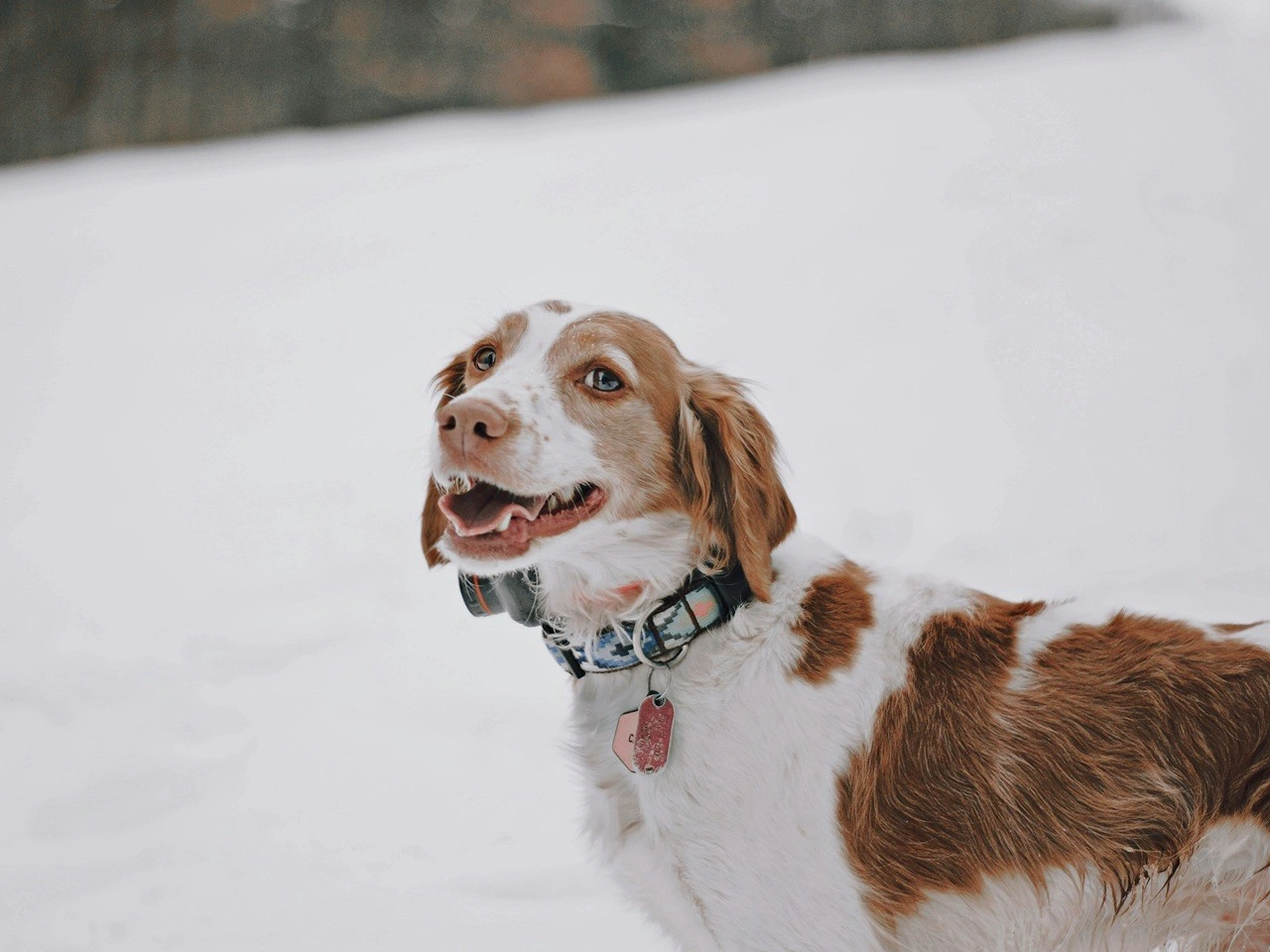
Dog chattering teeth is when your dog’s jaw moves quickly, making the teeth rub together in a soft clicking or tapping sound. You might see your dog’s jaw trembling lightly, with their mouth slightly open or closed, and sometimes it happens for just a few seconds, while other times it lasts longer.
- A dog’s chattering teeth often look like fast, rhythmic jaw movement, where the teeth can rub together softly.
- You may notice your dog chattering while sniffing something or paying close attention, making the behaviour seem sudden.
- Chattering teeth is sometimes accompanied by subtle jaw tremors, which can look like a little shake or vibration in the lower jaw.
- A dog tends to chatter during moments of focus or curiosity, like when observing something interesting.
- Teeth may move in short bursts, making it easy to recognize once you know what to look for.
When you notice your dog’s teeth begin chattering, it’s helpful to simply observe how and when it happens. This gives you a clearer picture before thinking about the reasons behind dog chattering teeth.
Reasons Why Dogs Chatter Their Teeth (Health, Dental, and Neurological)
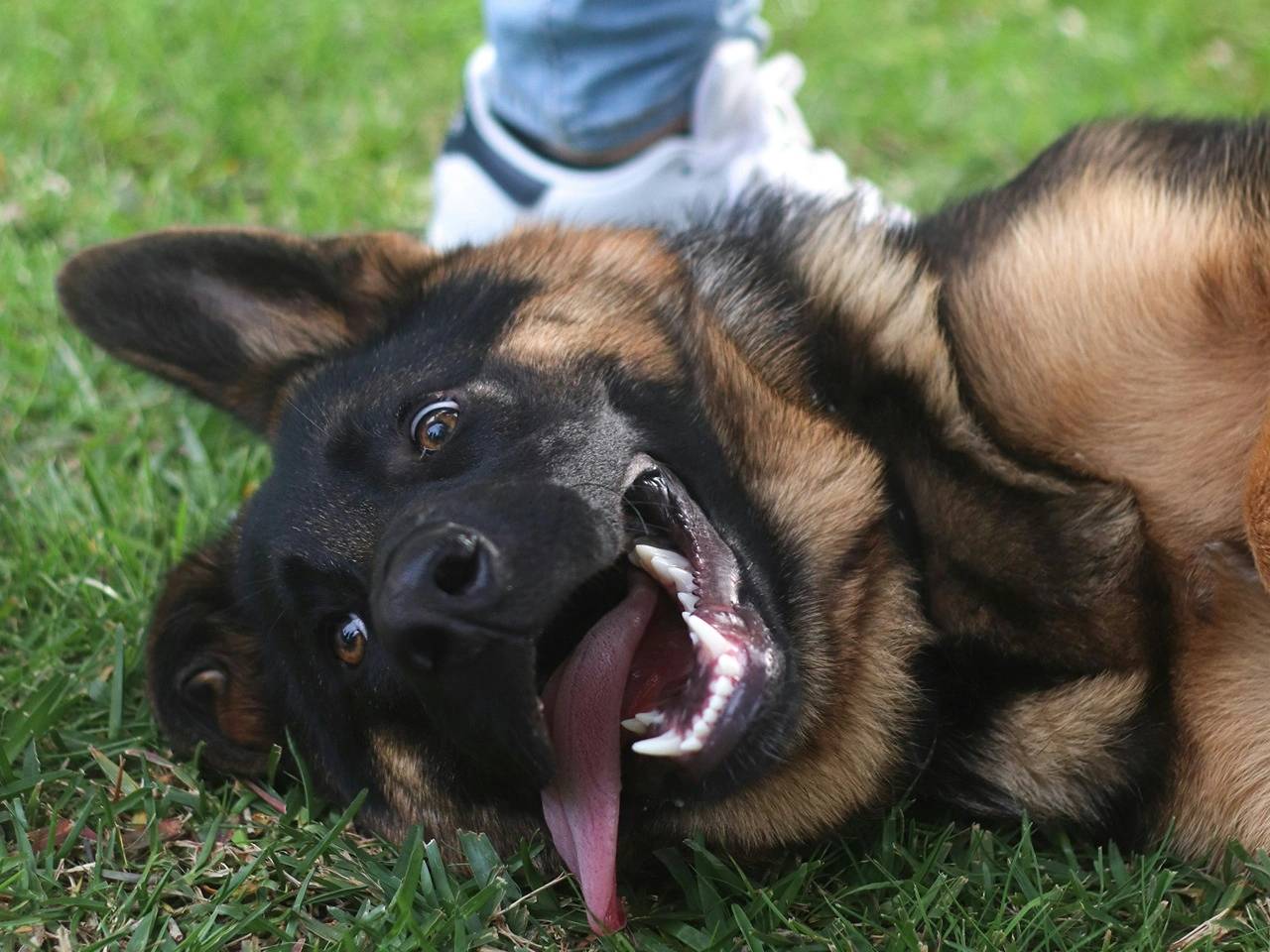
Dog chattering teeth can appear suddenly, last a few seconds, or continue for a while, and it can happen for many different reasons. Understanding the common causes of teeth chattering in dogs helps you know whether it’s harmless behaviour or a cause for concern—and when it might be time to check with a veterinarian.
Hypothermia or Cold
Sometimes your dog’s teeth chatter simply because they’re cold.
- Short-haired dogs are especially prone to shivering or chattering their teeth in low temperatures.
- Teeth chattering is accompanied by subtle jaw trembling or full-body shivering.
- Keeping your dog warm often stops their teeth from chattering, making them more comfortable.
Pain
Dogs may also start chattering their teeth when they are experiencing general pain.
- Your dog is experiencing discomfort somewhere in their body, which can cause their teeth to chatter.
- You may notice shivering or jittering along with the jaw chattering.
- Watching for other signs of pain helps you decide if you need to get your dog checked.
Excitement
Another cause of dog teeth chattering is just a sign of happiness.
- Dogs often show a teeth chattering response when anticipating treats, walks, or playtime.
- Your dog may lick, sniff, or focus intently while their teeth start chattering.
- This type of chattering is usually harmless and part of normal behaviour.
Neurological Conditions
Teeth chattering can sometimes be caused by issues with the nervous system.
- A neurological cause of teeth chattering may cause your dog’s teeth to begin chattering suddenly.
- Focal seizures can cause repeated jaw chattering or a dog’s chattering teeth.
- If episodes happen often, it’s best to check your dog with a veterinarian.
Anxiety or Nervousness
Stress or fear can trigger chattering teeth, too.
- A nervous dog may shiver or chatter their teeth when scared or anxious.
- You might notice the dog chattering her teeth along with licking, pacing, or trembling.
- Observing your dog’s overall body language helps decide if it’s a normal response or a cause for concern.
Dental Disease or Periodontal Disease
Oral health issues are another common reason dogs chatter their teeth.
- Dental disease and periodontal disease can make teeth sensitive, leading to chattering.
- Chattering teeth is accompanied by bad breath and is often related to dental issues.
- Regular dental care can prevent or reduce tooth decay caused by oral problems.
Excited Anticipation
Sometimes chattering teeth happen when your dog is eagerly expecting something.
- Dogs may show a teeth chattering response while waiting for food, attention, or play.
- You might notice them licking, sniffing, or focusing intently.
- This is usually harmless unless paired with other unusual behaviours.
Nervousness
Fear or unease can also make your dog start chattering.
- A dog may start chattering her teeth when unsure or frightened.
- Shivering or jaw chattering can appear alongside pacing or tension.
- Watching your dog’s overall behaviour helps decide if a vet visit is needed.
Epilepsy or Seizures
Some dogs chatter their teeth during seizure episodes.
- Focal seizures can cause sudden, repeated movements like a dog’s chattering teeth.
- Chattering may also come with other seizure signs like staring, twitching, or loss of balance.
- A veterinarian should evaluate your dog to manage epilepsy.
Oral Pain
Teeth chattering related to oral pain can occur when your dog is experiencing discomfort in the mouth or jaw.
- Fractured teeth or oral pain may cause your dog’s teeth to chatter involuntarily.
- You may notice jaw chattering along with licking or reluctance to eat.
- Issues that could cause your dog’s teeth to chatter include dental injury or infection.
Special Smells or Pheromones
Dogs, especially male dogs, may chatter in response to certain scents.
- Smelling a female dog can make a male dog’s teeth start chattering.
- This behaviour is called the flehmen response, using the vomeronasal organ to detect pheromones.
- Chattering is usually brief and situational.
Gastrointestinal Issues
Digestive discomfort can also trigger teeth chattering.
- Gastrointestinal issues may cause your dog to shiver or chatter their teeth.
- You might also notice drooling, nausea, or reluctance to eat.
- Check your dog if teeth chattering occurs with other digestive symptoms.
Paying attention to when your dog’s teeth are chattering and what accompanies the behaviour can help you understand whether it’s harmless or needs veterinary attention.
What To Do When You Notice Dog Teeth Chattering or Sudden Teeth Chatter
Dog chattering teeth can sometimes be harmless, but they can also signal stress, discomfort, or a health issue. Knowing how to respond when your dog’s teeth start chattering can help keep them safe, comfortable, and happy.
Observe Your Dog Closely
The first step is to pay attention to what’s happening around your dog.
- Think your dog is reacting to something specific—like excitement, fear, or cold.
- Notice if chattering can also be accompanied by shivering, licking, or subtle jaw movements.
- Dogs sometimes chatter their teeth briefly, and writing down when it happens can help you spot patterns.
Check for Environmental Triggers
External factors can often cause teeth chattering.
- Teeth in response to cold or drafts are common, especially in certain breeds or short-haired dogs.
- Excitement, nervousness, or anticipation can also trigger teeth chattering.
- Dogs can be caused to chatter by strong or unusual smells, such as when smelling a female dog.
Examine Dental Health
Dental issues are a frequent reason dogs chatter their teeth.
- Check your dog for oral pain, fractured teeth, or problems with the temporomandibular joint.
- Dental disease or discomfort can cause teeth to start chattering due to sensitivity.
- Maintaining regular dental care helps prevent chattering caused by oral problems.
Watch for Signs of Pain or Illness
Teeth chattering may sometimes indicate something more serious.
- Dogs sometimes chatter their teeth due to gastrointestinal issues, neurological conditions, or general pain.
- Look for additional signs like lethargy, vomiting, or reluctance to eat alongside the chattering.
- Think your dog may need a vet visit if teeth chattering occurs suddenly or repeatedly without clear triggers.
Keep Your Dog Calm and Comfortable
Helping your dog feel safe and relaxed can reduce chattering in many situations.
- Provide a warm, quiet space if teeth chattering is due to cold or stress.
- Gentle reassurance or distraction can help if your dog is nervous or excited.
- Avoid forcing or restraining your dog, which may make chattering worse.
By observing your dog, noting environmental and dental triggers, and offering comfort, you can better understand whether your dog's chattering teeth is harmless or needs a vet visit.
When Chattering Teeth in Dogs Points to a Veterinary Concern and a Veterinarian Visit Is Needed
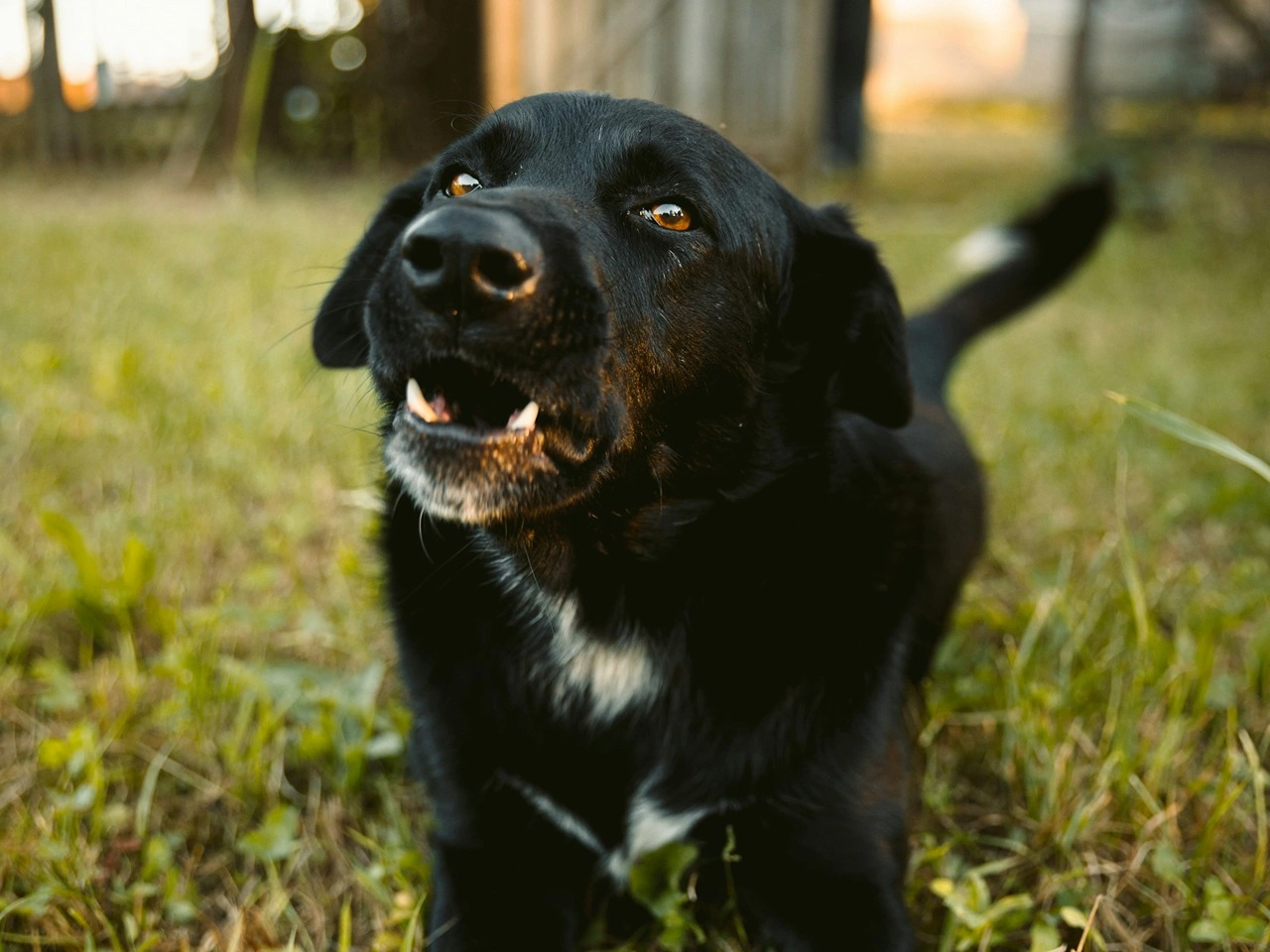
While sometimes it’s just a harmless quirk, other times it could indicate a health problem that needs attention. Paying close attention to how often it happens, how long it lasts, and what else your dog is doing can help you decide if it’s time for a vet visit.
Frequent or Persistent Chattering
If your dog’s teeth start chattering regularly or for long periods, it’s worth keeping an eye on.
- The dog’s teeth begin chattering repeatedly, even when there’s no clear trigger.
- Chattering can also happen in cycles throughout the day, when the dog is calm or resting.
- This may point to neurological conditions, dental disease, or oral pain, so a check-up with a veterinarian is a good idea.
Sudden or Severe Chattering
Suddenly, intense chattering can sometimes signal an urgent issue.
- Sudden teeth chattering in dogs may be caused by focal seizures or neurological causes.
- Watch for other signs like drooling, shivering, or unusual alertness.
- If your dog experiences rapid, unexplained chattering, it’s best to see a vet right away.
Chattering with Other Symptoms
Teeth chattering accompanied by other unusual signs deserves special attention.
- Shiver or chatter their teeth along with vomiting, lethargy, or reluctance to eat.
- Jaw chattering with bad breath or oral pain can indicate dental disease or temporomandibular joint issues.
- These patterns are often a cause for concern and should be evaluated by a veterinarian.
Context Matters
Even if chattering seems situational, unusual patterns should be noted.
- Dogs sometimes chatter their teeth in response to stress, excitement, or pheromones, but frequent episodes in calm situations may indicate health problems.
- Certain breeds or short-haired dogs are more sensitive, but repeated chattering still deserves attention.
- Keeping a record of when and how your dog’s teeth are chattering helps your vet understand the issue.
When to Schedule a Vet Visit
It’s time to consider a veterinary appointment if any of these happen:
- Teeth chattering is frequent, sudden, or persistent.
- Chattering comes with other symptoms like oral pain, lethargy, gastrointestinal issues, or neurological signs.
- You’re unsure why it’s happening or notice jaw chattering or unusual behaviour.
Final Thoughts
It can be surprising to see your dog’s teeth chattering, and it might make you wonder if something’s wrong. Often, it’s just a harmless quirk—like excitement, cold, or sniffing a female dog, but sometimes it can signal dental pain or a neurological issue.
Paying attention to signs like shivering, drooling, or jaw chattering can help you understand what’s going on. Keeping up with dental care and noticing when teeth chattering happens can make it easier to tell a harmless habit from a real concern.
If it happens suddenly, often, or with other unusual symptoms, a quick visit to the vet can give you peace of mind and keep your dog healthy.
Frequently Asked Questions
What does it mean when my dog’s teeth start chattering suddenly?
Seeing your dog’s teeth chatter out of nowhere can be surprising—and a little concerning.
Normal reactions: Many dogs chatter their teeth briefly when they’re curious, excited, or focusing on something interesting.
Possible health issues: Sudden chattering can sometimes signal pain, neurological problems, or oral discomfort.
Watch and observe: Noting when it happens, how often, and what your dog is doing can help you figure out if it’s harmless.
Patterns matter: If it happens repeatedly or when your dog is resting, it might be worth checking with a vet.
Can dental issues or oral pain cause dogs to chatter their teeth?
Yes—dental problems are a common reason dogs may chatter their teeth.
Dental disease: Conditions like periodontal disease, fractured teeth, or jaw pain can make a dog’s teeth sensitive.
Jaw movement: Chattering may happen involuntarily as your dog tries to cope with discomfort.
Other signs: Some dogs may lick their mouth, paw at their jaw, or avoid eating when teeth chattering is caused by pain.
Dental care matters: Regular check-ups and cleaning can prevent many oral issues that lead to chattering.
Why do some dogs chatter their teeth when they’re excited or nervous?
Teeth chattering can be a way dogs show their emotions.
Excitement: Dogs may chatter when they’re anticipating a walk, a treat, or playtime.
Nervousness: Fear, stress, or uncertainty can also trigger jaw chattering—and sometimes a little shiver.
Behaviour cues: Pacing, licking, sniffing, or intense focus often happen at the same time.
Context helps: Emotional chattering is usually short and situational, unlike chattering from medical issues.
Is it normal for a dog to shiver or chatter their teeth in cold weather?
Yes, shivering or teeth chattering is a natural response to feeling cold.
Breed and coat: Short-haired dogs or certain breeds are more sensitive to low temperatures.
Body response: Chattering and shivering help generate heat and keep your dog warm.
Environmental triggers: Drafts, icy floors, or chilly outdoor walks can cause chattering.
Comfort measures: Providing blankets, sweaters, or a cozy spot indoors can help your dog stop chattering and feel comfortable.
When should I take my dog to the vet for persistent teeth chattering?
Persistent or unusual teeth chattering should be checked by a veterinarian.
Watch for warning signs: Drooling, lethargy, bad breath, jaw discomfort, or strange movements alongside chattering.
Frequency and duration: Regular or long-lasting chattering can indicate dental problems, oral pain, or neurological issues like seizures.
Professional check-up: A vet can identify the cause, recommend treatment, and keep your dog safe and comfortable.

