


TL;DR: Dog Not Eating But Drinking Water
- Sometimes dogs stop eating but still drink water, and it can be worrying.
- Stomach issues, kidney problems, pain, or even certain medications can make food unappealing to dogs.
- Older dogs might naturally eat less, and changes in routine or stress can also affect their appetite or eating habits.
- If a dog is experiencing sudden appetite loss or skips multiple meals, it may signal a health concern.
- Always ensure fresh water is available and accessible, even if your dog isn’t eating, to stay hydrated.
- Watch for other signs like being unusually tired, vomiting, or acting out; these can signal a bigger issue.
- Offering meals at the same time, trying tasty food, and keeping a calm feeding space can help your dog start eating again.
- If the appetite changes continue or other symptoms appear, it’s best to check with a professional.
If your dog has stopped eating or shows unusual behaviour, call us. Our experts can take a look, figure out what’s going on, and help make sure your dog stays happy, healthy, and comfortable.
Have you ever noticed your dog not eating but still drinking water and felt a bit worried? It is unsettling when a dog refuses food but still has access to fresh water and keeps drinking like usual. For any pet parent, small changes in eating habits can quickly feel like a cause for concern.
Sometimes, a dog may stop eating or show a lack of appetite without any clear reason. Changes in appetite and drinking habits can be confusing, especially when the dog is drinking but ignoring kibble or wet food. Paying attention to eating and drinking habits can help spot when something is not normal behaviour.
Whether a dog has stopped eating, is eating less than usual, or suddenly loses interest in food, it can leave anyone uneasy. Even small changes may be a sign of an underlying issue or health concern. Read on to better understand what this could mean and when to consult with a veterinarian.
Common Reasons Why a Dog Is Not Eating but Still Drinking Water
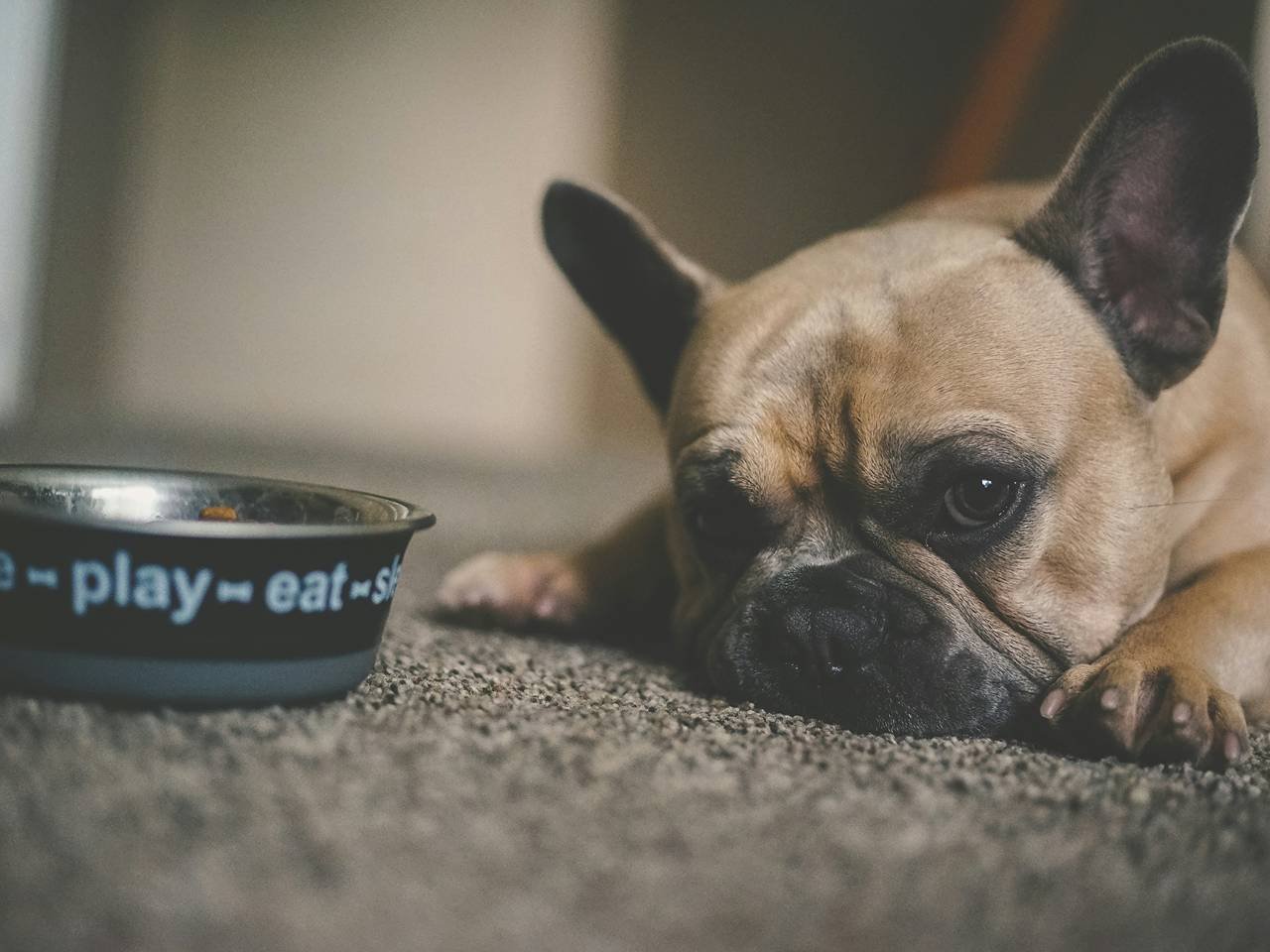
There are a lot of potential reasons why your dog may be refusing food, from health issues to small changes in routine or behaviour. Paying attention to your dog's appetite and water consumption can help you figure out whether it’s something minor or if you should consult with your veterinarian.
Gastrointestinal Issues
Sometimes the stomach just doesn’t feel right, and that can make eating uncomfortable.
- Gastrointestinal discomfort can make normal eating difficult for your dog.
- Constipation, diarrhea, or nausea can reduce your dog's appetite.
- Infections in the digestive system may cause your dog to temporarily stop eating.
Kidney Disease
Kidney problems can make your dog lose interest in meals, even while drinking water normally.
- Dogs may suddenly stop eating but still drink water at all times.
- Toxins building up in the body can make food uncomfortable or unappealing.
- Changes in normal eating patterns could be a sign of an underlying health issue.
Other Medical Conditions
Various medical problems can affect your dog’s appetite.
- Fever, infections, or chronic medical conditions may reduce a dog's interest in food.
- Dogs may become lethargic and spend more time sleeping while refusing meals.
- Symptoms like vomiting or fatigue often come along with changes in eating habits.
Pain or Physical Discomfort
Sometimes a dog isn’t eating simply because it hurts to do so.
- Arthritis, injuries, or soreness can make reaching or chewing food uncomfortable.
- Pain from illness or trauma may reduce the amount of food your dog is eating.
- Dogs may continue drinking water at all times, even if they skip meals.
Medication Side Effects
Certain medications can make food less appealing without affecting water.
- Antibiotics, pain treatments, or other medications may reduce appetite.
- Mild nausea or digestive discomfort can make dogs avoid meals.
- Dogs may temporarily stop eating but still maintain normal water consumption.
Age-Related Changes in Senior Dogs
Older dogs often eat less while still drinking water, and this can be normal.
- Slower metabolism can reduce appetite and the amount of food eaten.
- Difficulty chewing may make meals less comfortable.
- Sleeping a lot and having lower energy are common in older dogs.
Behavioral Causes
Stress or changes in the environment can also affect a dog’s appetite.
- Moving to a new home or adding a new pet may make your dog suddenly lose interest in meals.
- Loud noises or changes in routine can interfere with normal eating habits.
- Dogs may keep drinking water normally even if they skip meals.
Temporary Loss of Appetite
Sometimes dogs just don’t feel like eating for a short while.
- Skipping meals occasionally can happen even in healthy dogs.
- Water consumption usually stays normal during these times.
- Short-term changes in eating habits often aren’t a cause for concern.
Changes in Food or Feeding Routine
Switching food or changing mealtimes can affect a dog’s eating habits.
- New flavours or types of food may be less appealing.
- Irregular meal schedules can disrupt normal eating patterns.
- Dogs may eat less even while continuing to drink water at all times.
Underlying Health Issues
More serious or chronic conditions can reduce appetite while water intake stays normal.
- Endocrine disorders, metabolic problems, or other medical conditions may affect normal eating habits.
- Dogs may gradually stop eating but still drink water regularly.
- Persistent appetite changes could indicate an underlying health issue and should be checked by a veterinarian.
How Changes in Eating and Drinking Habits Affect Your Dog’s Health

Noticing that a dog suddenly changes eating or drinking habits can be worrying for any dog owner. Even small shifts in meals or your dog’s water intake may indicate an underlying issue. Paying close attention to these changes helps ensure your dog stays comfortable and healthy.
Reduced Energy and Lethargy
When a dog suddenly stops eating, it can start acting more tired than usual.
- Dogs that haven’t eaten may sleep a lot more than normal.
- A loss of meals throughout the day can lead to a noticeable drop in energy.
- Ensuring your dog keeps up with normal eating and water consumption helps them stay active and alert.
Digestive Discomfort
Skipping meals or eating less can upset a dog’s stomach.
- Dogs that are not eating or drinking normally may feel mild nausea or discomfort.
- Changes in normal eating patterns can make digestion harder.
- Offering comfortable eating opportunities can encourage them to eat again.
Weight Changes
Changes in eating habits can have an impact on a dog’s weight over time.
- Eating less than usual may lead to gradual weight loss.
- Sudden drops in the amount of food eaten can cause unexpected fluctuations.
- Keeping meals consistent throughout the day helps ensure your furry companion maintains a healthy weight.
Hydration and Water Intake
Even if a dog is drinking water at all times, changes in meals can still impact hydration.
- Normal water consumption may not fully make up for skipped meals.
- Paying attention to your dog's water intake ensures your dog stays properly hydrated.
- Access to water at all times helps maintain healthy drinking habits.
Overall Health
Shifts in eating and drinking can affect a dog’s general well-being.
- Reduced meals or appetite may indicate an underlying medical issue.
- Appetite changes can be accompanied by other symptoms like vomiting or lethargy.
- Speak with your veterinarian to rule out any medical conditions if your dog suddenly stops eating.
When a Loss of Appetite Means You Should Seek Veterinary Advice

While skipping a meal or two is sometimes considered normal, it can also signal something more serious. Paying attention to your dog’s eating and drinking habits helps decide whether it’s time to speak with your veterinarian.
Persistent Loss of Appetite
If a dog hasn’t eaten for a day or more, it could be more than just being picky.
- Dogs that suddenly stop eating may be experiencing a health problem.
- Missing meals can lead to a loss of energy or even weight changes.
- Speak with your veterinarian to check for potential causes and make sure your dog gets the care it needs.
Changes in Drinking Habits
Appetite loss sometimes comes with changes in water intake.
- Dogs not eating or drinking normally could be experiencing discomfort or illness.
- Whether your dog is drinking as usual can help indicate potential causes.
Additional Symptoms
Other signs, along with a loss of appetite, may point to something more serious.
- Dogs may seem lethargic or unusually quiet when they haven’t eaten.
- Appetite changes could be accompanied by vomiting or visible discomfort.
- Encouraging eating while keeping an eye on these signs helps decide if medical attention is needed.
Appetite Loss in Older Dogs
Even senior dogs, normally known for their hearty appetites, may suddenly stop eating.
- A sudden drop in meals may indicate an underlying health issue.
- Changes in normal eating habits for older dogs are not always considered normal.
Behavioural vs. Medical Causes
Not every skipped meal means a medical problem, but it’s best to be cautious.
- Dogs may refuse food temporarily because of stress or changes in routine.
- Persistent loss of appetite could point to potential causes that need attention.
- Encouraging eating while observing your dog and calling your veterinarian if you notice ongoing changes helps keep your dog safe and healthy.
Understanding Your Dog’s Eating Habits and Drinking Habits
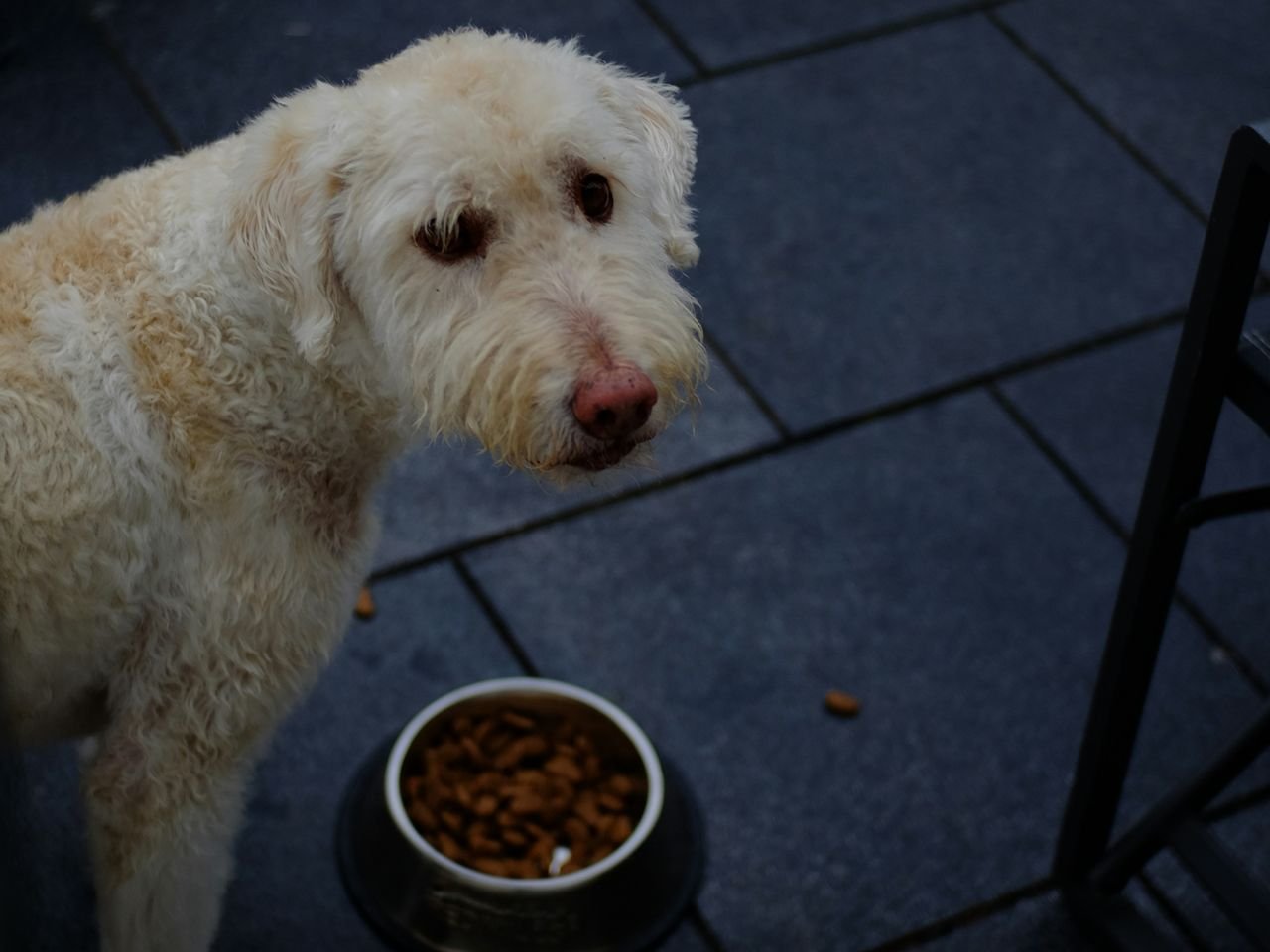
Every dog has its own way of eating and drinking, and paying attention can tell a lot about what your dog needs. Sometimes small changes in meals or water intake are normal, but other times they could be a sign that something is off. Watching your dog’s routine helps ensure it stays healthy and happy.
Typical Eating Patterns
Most dogs stick to regular mealtimes.
- Dogs typically eat two meals a day.
- Keeping mealtimes consistent helps your dog feel comfortable eating.
- Noticing if your dog hasn’t eaten or is eating less than usual can alert you to potential problems.
Drinking Habits
How a dog drinks water is just as important as food.
- Dogs not eating or drinking as usual may be experiencing a health issue.
- Ensuring your dog has water at all times keeps them hydrated.
- Tracking water intake can help spot changes that could be due to underlying problems.
Appetite and Preferences
Dogs often show patterns in what they like to eat.
- Even dogs known for hearty appetites may skip a meal occasionally.
- Offering food they enjoy can encourage eating when appetite is low.
- Paying attention to what and how much your dog eats helps identify potential causes of concern.
Behavioral Influences
A dog’s mood or environment can influence eating habits.
- Stress or changes in routine can lower their appetite temporarily.
- Creating a calm, comfortable space helps your dog eat more easily.
- Watching both food and water intake gives a better picture of your dog's overall well-being.
Signs of Concern
Some changes may need extra attention.
- Dogs not eating or drinking for several meals could be experiencing a health issue.
- Sudden appetite loss or refusal to drink may point to something more serious.
- Speak with your veterinarian if your dog is consistently avoiding food or water to make sure they get the care they need.
Tips to Encourage Your Dog to Eat While Continuing to Drink Water
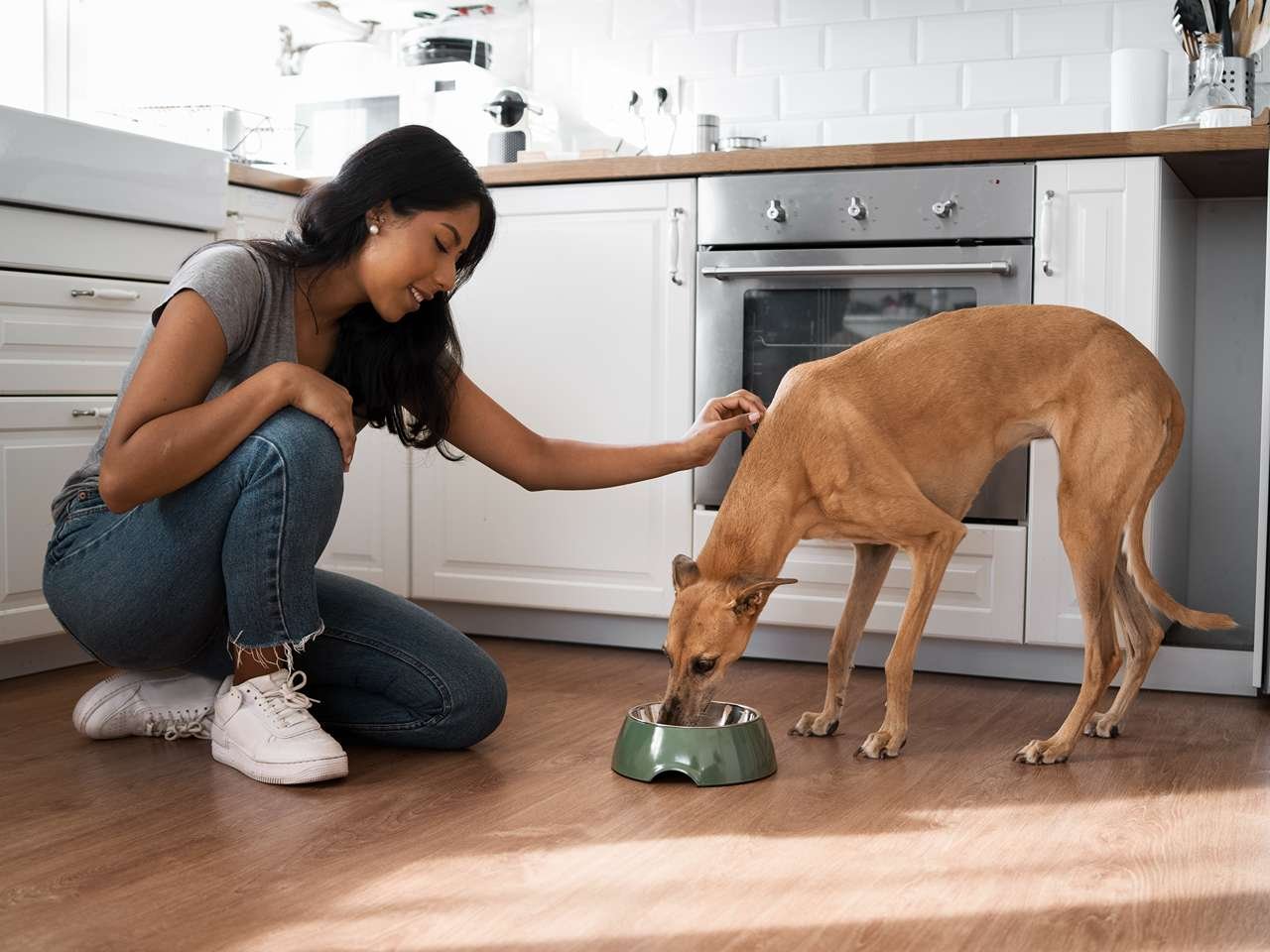
Sometimes dogs just need a little nudge to get back to eating normally. Small changes to meals or routines can make a big difference. Helping your dog enjoy mealtime while keeping water nearby ensures they stay healthy and hydrated.
Keep Meals Consistent
Dogs often do best with a predictable routine.
- Serve meals at the same times each day to create a sense of comfort.
- Regular mealtimes help dogs know when to expect food and encourage eating.
- Watching for skipped meals makes it easier to spot when something might be wrong.
Make Food More Appealing
A few tweaks can make food irresistible.
- Slightly warming meals can make them smell and taste more inviting.
- Mixing in favourite foods can tempt a picky or uninterested dog.
- Offering a variety of textures or flavours of food can keep mealtime exciting without overwhelming them.
Create a Calm Eating Space
A relaxed environment can help dogs feel safe at mealtime.
- Let your dog eat at its own pace without pressure.
- A quiet, comfortable spot can encourage them to focus on their food.
- Observing meals closely can reveal small changes in eating habits.
Keep Water Nearby
Hydration is just as important as eating.
- Make sure fresh water is always available.
- Encourage drinking alongside meals to support overall health.
- Noticing changes in water habits can help catch issues early.
Final Thoughts
It can be really worrying when your dog stops eating but still drinks water. Sometimes it’s just a temporary change, but other times it could mean something isn’t quite right.
Paying attention to how your dog eats and drinks can help you spot problems early. A few small changes at mealtime or offering favourite foods can sometimes get them back on track.
Always make sure fresh water is available and watch for any unusual behaviour. If your dog keeps avoiding food or seems off, it’s a good idea to check in with a veterinarian to make sure everything is okay.
Frequently Asked Questions
Could my dog still be drinking water but hiding a health problem?
It can feel confusing when a dog keeps drinking but refuses food. Sometimes it’s nothing, but other times it might be a sign that something’s off.
Watch their energy: If your dog seems more tired than usual or less playful, it’s worth noting.
Look for other signs: Vomiting, diarrhea, or unusual behaviour can point to a problem.
Check meal patterns: If your dog keeps skipping meals, even while drinking water normally, it could be a sign of a problem.
Keep track of water: Notice if your dog is drinking water more or less than usual.
Ask a vet if needed: If unusual behaviour or appetite loss continues, a vet can check things out and guide you.
How can I tell if my dog’s refusal to eat is just temporary or something serious?
Sometimes dogs skip a meal and bounce back. Other times, it can be more serious, and watching closely helps you know the difference.
Notice how often meals are missed: One skipped meal is different from several in a row.
Pay attention to behaviour: Extra sleep, restlessness, or being unusually quiet can be warning signs.
Look for other symptoms: Vomiting, diarrhea, or discomfort are reasons to be cautious.
Offer favourite foods: Watching your dog eat a treat or favourite meal can show whether it’s temporary.
Call your vet if unsure: Persistent refusal to eat is always worth checking to keep your dog safe.
Can skipping food affect hydration even if my dog drinks normally?
Even if a dog drinks water, skipping meals can still affect hydration and overall health. Watching both food and water intake helps catch problems early.
Check drinking habits: Make sure your dog is actually getting enough water.
Look for dehydration signs: Dry gums, sunken eyes, or low energy can be an indication of a problem.
Remember, meals add fluids too: Skipping meals can also mean your dog isn’t getting enough hydration.
Keep mealtimes regular: Keeping a consistent feeding routine helps maintain your dog’s overall balance and well-being.
Talk to your vet if concerned: If any symptoms of dehydration appear, get advice from a professional.
How can I make meals more appealing when my dog won’t eat but drinks water?
Sometimes all a dog needs is a little encouragement to start eating again. Minor changes can make mealtime more interesting.
Try different foods: Mixing wet and dry food or adding a small topper can help spark your dog’s interest in eating.
Warm the food a bit: A little heat can make meals smell and taste better.
Create a calm space: Quiet, comfy spots help dogs eat without stress.
Serve smaller meals more often: Small portions can be easier to handle.
Pay attention: Notice what your dog likes and adjust meals over time.
When should I call the vet if my dog drinks but won’t eat?
Even if your dog drinks water normally, refusing food for more than a day can indicate that something’s wrong. Knowing when to get help keeps your dog healthy.
Persistent refusal: If your dog hasn’t eaten for a day or more.
Other symptoms matter: Lethargy, vomiting, or unusual behaviour may be an indication that there's a health problem.
Consider age and health: Older dogs or those with health issues may need faster attention.
Track habits: Keeping a note of eating and drinking helps your vet understand the situation.
Call the vet: Even if water intake is fine, not eating for multiple meals should be checked by an expert.

