

TL;DR: Dog Coughing and Gagging — What It Usually Means and What Helps
- Hearing a dog cough or gag can be really unsettling, especially when it sounds dry, harsh, or like something is stuck in their throat.
- Sometimes it’s something mild like kennel cough or throat irritation, but it can also be linked to breathing issues, the windpipe, or longer-term conditions.
- Kennel cough often shows up as that dry, honking cough and tends to spread in places where dogs mix, even though many dogs still act mostly normal.
- An occasional cough isn’t always a big deal, but when it keeps happening or comes with tiredness or breathing trouble, it’s harder to brush off.
- Small changes at home—like avoiding smoke, switching to a harness, and staying on top of vaccines—can really make a difference.
- Noticing changes early and taking them seriously helps keep dogs comfortable and prevents a small issue from turning into something bigger.
If your dog’s cough doesn’t feel right or just keeps nagging at you, contact us. Getting clear advice from our professional vets early can bring peace of mind and help them feel like themselves again.
Is your dog coughing or gagging, and it just doesn’t sound right? That dry, hacking cough followed by a gag can be scary, especially when it feels like something is stuck in your dog’s throat. Many dog owners first notice this with kennel cough in dogs or mild respiratory irritation.
Dog coughing or gagging isn’t always serious, but it can sometimes point to respiratory disease, tracheal issues, or even heart disease in dogs. A persistent cough, mucus, or difficulty breathing is usually when I’d start thinking about veterinary attention, especially in older dogs. It’s hard not to worry when your dog is clearly uncomfortable.
Sometimes it’s just an occasional cough, but other times it’s something more serious that needs proper diagnosis and treatment. Understanding the causes of coughing helps you determine the best course of action and ensure your dog's safety. Read on to learn what’s behind your dog’s symptoms and when to act.
Common Causes of Dog Coughing and Gagging
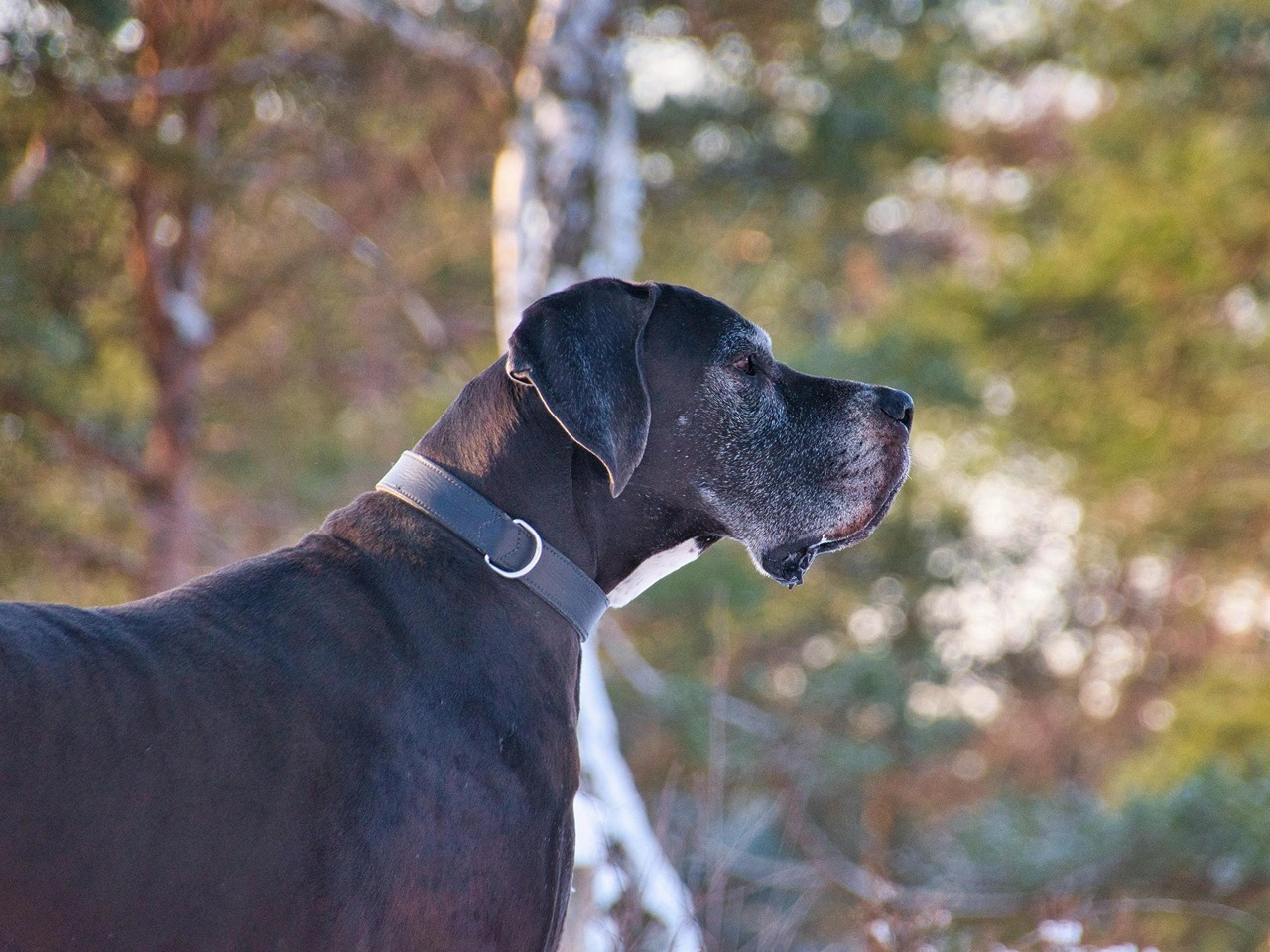
When your dog is coughing or gagging, it’s hard not to worry, especially when it seems to come out of nowhere. A dog may start with what sounds like an occasional dry cough and then gagging, like something is stuck in their throat.
Respiratory Infections
A lot of gagging and coughing in dogs comes from respiratory or infectious issues that affect the airway.
- Kennel cough often has a dry, hacking cough, and it can look like gagging or coughing after they get excited.
- Respiratory infections include kennel cough and bronchitis in dogs, and they can cause your dog to cough more as days go on.
- Pneumonia is more serious and can bring symptoms such as difficulty breathing, where a vet visit is really important.
- Even simple things like smoke can irritate the airway and cause gagging in your dog.
Airway and Trachea Problems
Sometimes the issue that causes coughing isn’t an infection at all, but irritation in the airway or trachea.
- A dog has a dry cough or honking cough that sounds worse than it looks.
- Pulling on a collar can cause your dog to cough or gag, especially in certain breeds.
- Inflammation in the airway can make it seem like your dog is gagging for no clear reason.
Heart Disease and Chronic Issues
In some cases, dog gagging or coughing is tied to heart conditions, which can be scary to think about.
- Dogs diagnosed with heart disease often develop a chronic cough over time.
- Heart conditions can also cause gagging in dogs, especially when your dog is resting.
- Treatment varies, so getting the right treatment plan and appropriate treatment from a vet really helps keep your dog comfortable.
Is Kennel Cough Behind Your Dog’s Dry Cough and Gag?
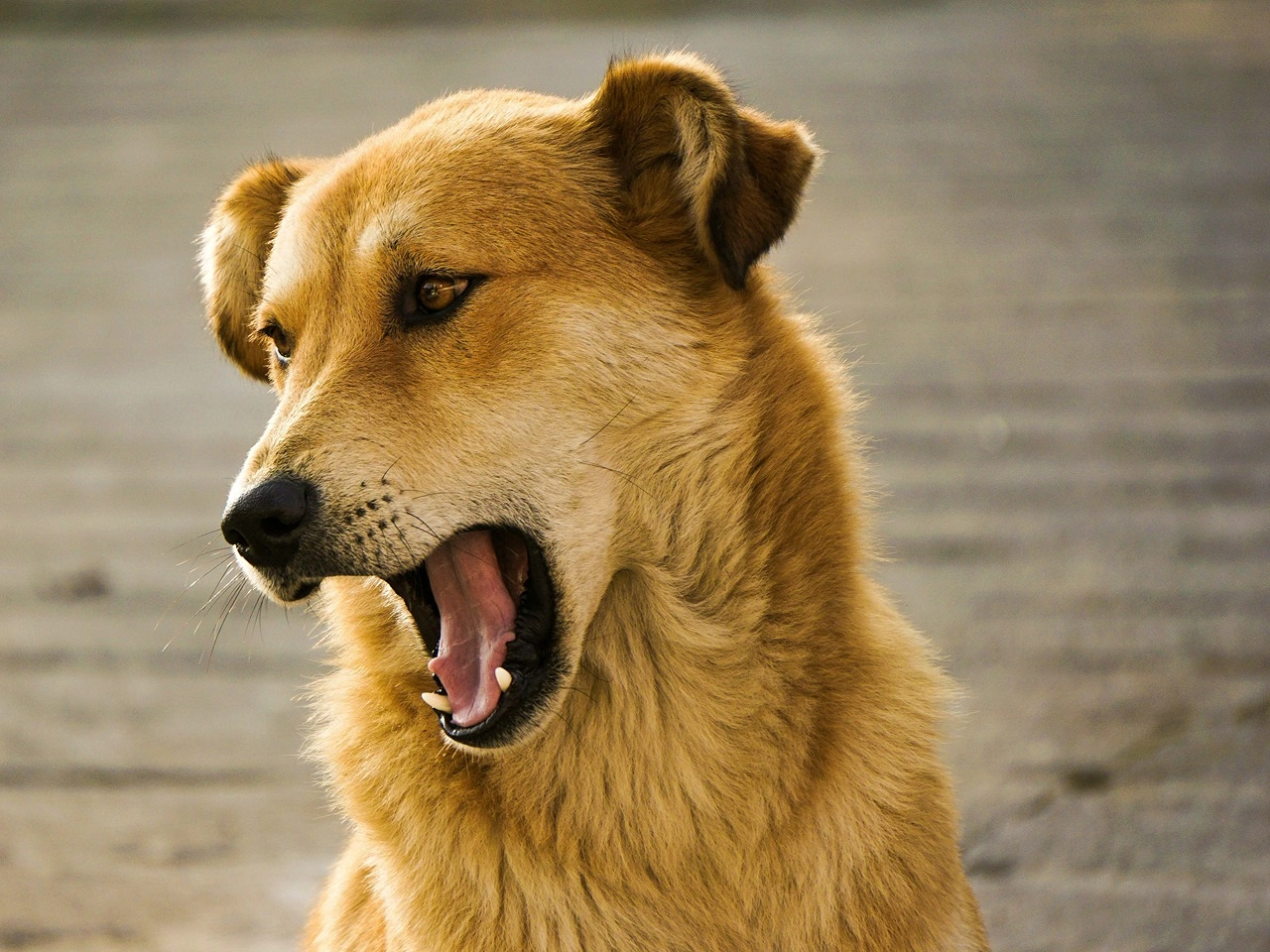
A dry cough followed by gagging can be worrying, but one common cause is kennel cough. Dogs with kennel cough are usually healthy otherwise, but the coughing and gagging can look alarming. Knowing what to watch for can help identify if kennel cough is what’s causing your dog to cough.
What Kennel Cough Looks Like
Kennel cough often causes clear signs that something is irritating the airway.
- A dog will cough with a dry, hacking sound that can cause the dog to gag.
- The cough can sound honking or like something is stuck in the throat.
- Dogs may cough more after excitement or a short walk.
- Conditions like mucus buildup or airway irritation can also cause gagging in dogs.
How Dogs Catch Kennel Cough
Kennel cough spreads easily, especially around other dogs.
- Dogs in kennels, dog parks, or grooming facilities are at higher risk.
- Even brief contact with an infected dog can cause a dog to cough.
- Vaccination can help prevent coughing caused by kennel cough, though it doesn’t always fully stop infection.
Mild Treatments for Kennel Cough
Many dogs start to feel better with simple care and rest.
- Cough suppressants can help calm a dog’s hacking cough.
- In some cases, an antibiotic may be needed if the infection worsens.
- Keeping the dog comfortable can reduce gagging caused by inflammation.
When Gagging and Coughing in Dogs Means a Vet Visit

Sometimes a dog’s cough or gag is just a small irritation, but other times it’s a sign that something more serious is going on. If the cough keeps coming back, gets worse, or comes with other symptoms, it’s time to call the vet. Getting help early can prevent a small problem from turning into a bigger one.
Warning Signs to Watch For
It’s not always easy to tell when a dog’s cough is serious, but there are a few things to notice.
- The dog is coughing constantly or has a chronic cough that doesn’t go away.
- Breathing seems tough, wheezy, or difficult.
- Gagging is frequent, looks painful, or makes the dog uncomfortable.
- The dog is acting unusually, like being very tired, refusing food, or acting off.
- Signs like fever, vomiting, or unusual nasal discharge appear along with coughing.
What the Vet May Do
A vet will check your dog to find out what’s causing the cough or gag.
- They may listen to the lungs and heart to see if there are respiratory or heart problems.
- Tests like X-rays, blood work, or throat swabs might be recommended.
- Treatment can vary depending on the cause, from simple care to medications.
Why Early Attention Matters
Getting a dog checked early can make a big difference. Treating a cough before it worsens helps your dog feel better faster and can catch more serious conditions before they become dangerous.
How to Prevent Coughing or Gagging in Dogs and Keep Them Healthy

Coughing in dogs can be worrying, but a few simple habits can go a long way in keeping it from happening. Creating a safe environment, keeping an eye on daily routines, and avoiding common triggers can help your dog stay comfortable and healthy. A little attention now can prevent bigger problems later.
Keep Vaccinations and Checkups Up to Date
Vaccinations are one of the best ways to protect dogs from infections that cause coughing.
- Routine checkups help spot issues before they get worse.
- Preventive care can catch problems early and keep your dog feeling good.
Reduce Irritants Around the Home
Air quality matters for a dog’s breathing and comfort.
- Avoid smoke, dust, or strong cleaning products that can irritate their airway.
- Keep living areas clean, ventilated, and free from triggers.
- Be careful around other dogs that show signs of coughing or illness.
Use Safe Collars and Harnesses
Gear that puts pressure on a dog’s throat can make coughing or gagging worse.
- Soft harnesses are better than tight collars for dogs prone to coughing.
- Avoid pulling on the leash, which can trigger a gag or cough.
Healthy Daily Habits
Small routines can support your dog’s overall respiratory health.
- Regular, moderate exercise keeps dogs active without overexerting them.
- A balanced diet helps strengthen their immune system.
- Watch for early signs of coughing or gagging so small issues don’t turn into bigger ones.
Keep Social Interactions Safe
Being around other dogs can sometimes spread infections that lead to coughing.
- Avoid places where sick dogs might be present.
- Introduce new dogs slowly and make sure they’re healthy.
- Encourage safe play to reduce the risk of catching respiratory infections.
Final Thoughts
Seeing a dog cough or gag can really make your heart drop, especially when it starts out of nowhere or sounds rough. A lot of the time, it ends up being something minor, like kennel cough or a bit of throat irritation, but that doesn’t stop the worry in the moment.
Noticing little things, like when the coughing starts or whether your dog seems more tired than usual, can actually help a lot. Most pet owners have that gut feeling when something just seems off, and it’s usually worth listening to.
Even a quick vet visit can bring huge relief and help you relax. With a bit of care, attention, and patience, most dogs bounce back quickly and are soon back to their normal, happy selves.
Frequently Asked Questions
What are the less obvious causes of coughing in dogs?
It can be frustrating when a dog starts coughing, and there’s no clear reason why. Sometimes it’s not an illness at all, but small things in everyday life that slowly irritate the throat or airways without being obvious right away.
Environmental irritants: Things like smoke, dust, air fresheners, or strong cleaning products can hang in the air and bother a dog’s throat over time, even if they don’t seem harmful at first.
Mild airway irritation: A little inflammation can be enough to trigger coughing, especially in dogs with sensitive airways.
Exercise or excitement: Some dogs only start coughing after running around or getting overly excited, which can make it seem random.
Temperature changes: Cold air or sudden weather shifts can catch sensitive airways off guard and trigger coughing.
Natural sensitivity: Just like people, some dogs are simply more sensitive than others and react to things most dogs don’t.
How can I tell the difference between occasional gagging and something more serious?
Most dogs gag once in a while, and that doesn’t always mean something is wrong. What really matters is how often it happens and whether anything else seems off at the same time.
Frequency: A quick gag that happens once and doesn’t come back is usually less concerning than a gag that keeps showing up.
Duration: Gagging that lasts longer or happens several times a day is harder to ignore.
Behaviour changes: If the dog seems tired, uncomfortable, or not quite themselves, that’s worth paying attention to.
Other symptoms: Gagging along with coughing, breathing changes, or loss of appetite can point to something more than irritation.
Progression: When symptoms slowly get worse instead of better, it’s a sign they may not resolve on their own.
Can certain breeds be more prone to coughing or gagging?
Some dogs are just built differently, and that can make coughing or gagging more common. Body shape, throat size, and genetics all play a part.
Short-nosed breeds: Dogs with flatter faces often have narrower airways, which can make breathing issues more noticeable.
Small breeds: Smaller throats can be easier to irritate, especially during excitement or pulling on a leash.
Toy breeds: These dogs often have delicate neck and throat areas that react quickly to pressure.
Ageing dogs: As dogs get older, changes in the body can make coughing or gagging happen more often.
Individual differences: Even dogs of the same breed can react very differently to the same triggers.
Are there home remedies that can safely help reduce coughing?
When coughing is mild, a few simple changes at home can sometimes help ease irritation. These steps focus on comfort rather than trying to fix everything at once.
Humid air: Adding moisture to the air can make breathing feel easier and soothe an irritated throat.
Rest: Slowing things down and avoiding intense activity can help calm the airway.
Clean space: Keeping the home free of dust and strong smells can reduce irritation.
Hydration: Fresh water helps keep the throat from drying out.
Observation: Watching how symptoms change helps catch problems early if they don’t improve.
How does weather or air quality affect coughing or gagging?
Weather and air quality can affect dogs more than many people realize. Small changes in the environment can quietly trigger coughing or gagging, especially in dogs with sensitive airways.
Cold air: Cooler temperatures can irritate the throat and make coughing more likely.
Dry conditions: Low humidity can dry out the airways and make irritation worse.
Pollution: Smog or poor air quality can make breathing uncomfortable, even indoors.
Sudden shifts: Quick weather changes can stress the respiratory system.
Indoor air: Stale or poorly ventilated indoor air can also contribute to symptoms.

