


TL;DR: What You Need to Know If Your Dog Ate Chocolate
- Why it's toxic: Chocolate contains two stimulants, theobromine and caffeine. You and I clear them in a few hours; a dog can take most of a day, so the effects drag on.
- Type matters most: Cocoa powder and baking chocolate are the worst, dark chocolate is next, milk chocolate is lower, and white chocolate has almost none. Size matters too, since a small dog needs much less to get sick.
- What to do first: Figure out the type and amount of chocolate and roughly when your dog ate it, then call your vet or an emergency clinic right away. Don't wait for symptoms.
- Don't induce vomiting at home: Only do this if a vet tells you to. Home methods can cause their own injuries.
- Symptoms: Usually start 6 to 12 hours later. Watch for vomiting, diarrhea, thirst, restlessness, a racing heart, tremors, and seizures.
- "Acting fine" isn't the all-clear: Even if your dog seems normal, symptoms like vomiting can still appear hours later.
- Halloween extras: Wrappers can block the gut, and sugar-free candy may contain xylitol, which is a separate emergency.
If your dog just got into the Halloween bag and you're trying to work out how worried to be, it's stressful, and that's normal. Contact us right away, and our vets will help you figure out whether your dog needs to come in now.
Your dog ate chocolate from the kids' trick-or-treat haul while everyone was busy at the door? We hear this story every November 1st. A bag left on the coffee table, a pile of empty wrappers on the rug, and one very guilty-looking dog.
Some calls about chocolate ingestion turn out to be nothing much. Others end with a dog on IV fluids overnight. The difference usually comes down to three things you can check in a couple of minutes: what kind of chocolate, how much your dog ate, and the size of the dog. A 35 kg Lab who ate two milk chocolate minis? Probably a phone call. A 3 kg Yorkie who found Grandma's baking squares? That's a car ride.
In this guide, we'll cover what you need to know about chocolate: why chocolate is toxic to dogs, which kinds are most dangerous, the signs of chocolate poisoning, and exactly what to do in the first hour. We'll also cover how vets treat it and how to keep chocolate out of reach this year. Read on so you're ready if it happens.
Why Chocolate Is Toxic to Dogs

Here's the short version of why chocolate is toxic for dogs. Cacao has theobromine in it, with a bit of caffeine on the side. You and I break that down in a few hours. Dogs need around 17 hours, so the stuff is still revving them up long after the wrapper's been licked clean. Think espresso with no off switch.
The dangers of chocolate look like this in real life:
- Upset stomach: Chocolate can cause vomiting and diarrhea, usually the first signs.
- Overstimulation: Restlessness, pacing, panting, and trouble settling.
- Heart effects: A fast or irregular heartbeat at higher doses.
- Nervous system effects: Tremors, wobbliness, and seizures in severe cases.
Then there's the fat. A pile of rich candy bars can set off pancreatitis a day or two later, and dogs who've had a flare before are the ones we worry about most. If that sounds like your dog, have a look at our guide on signs of worsening pancreatitis.
How Much Chocolate Is Toxic? The Type Makes a Big Difference
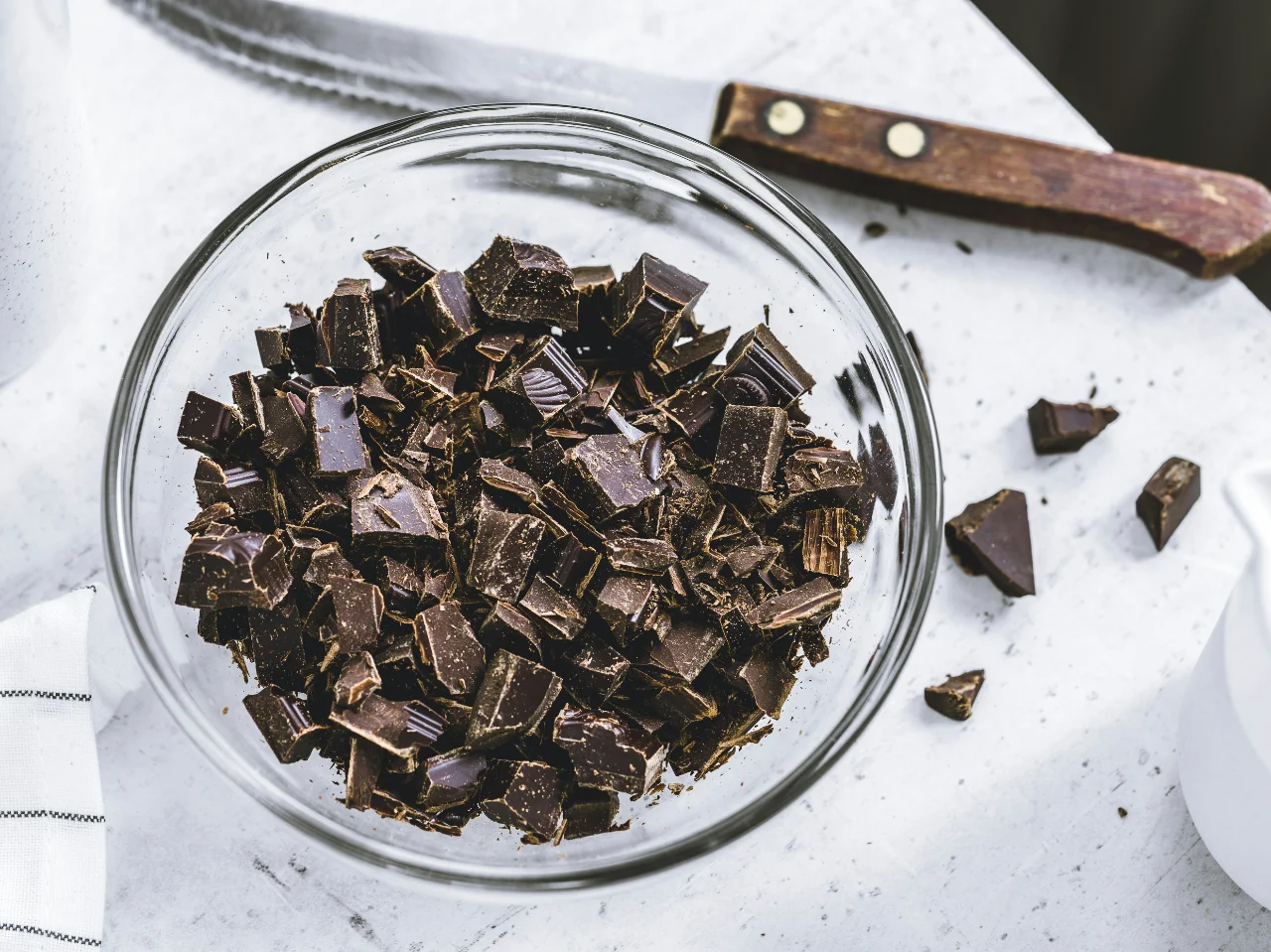
When you call your vet about chocolate toxicity, the first questions will be what type of chocolate, the amount of chocolate consumed, and how big your dog is. Here's why.
From most to least dangerous
- Cocoa powder: The most concentrated. Even a spoonful matters for a small dog.
- Baker's (unsweetened) chocolate: Baking chocolate contains very high levels of theobromine. A small square can be serious.
- Dark and semisweet chocolate: Much higher in theobromine compared to milk chocolate, about two to three times stronger. Even small amounts of dark chocolate can make a small dog sick.
- Milk chocolate: Most Halloween candy. Lower, but large amounts of chocolate or small dogs are still at risk.
- White chocolate: Very little theobromine, but lots of fat and sugar.
A rough idea for a 10 kg dog
Vets estimate toxicity by the dose of theobromine and caffeine per kilogram of body weight. Using figures from the Merck Veterinary Manual, mild signs like vomiting can start at about 20 mg/kg. For a 10 kg (22 lb) dog, that's roughly 90 grams of milk chocolate, about 35 grams of dark chocolate, or just over 10 grams of baking chocolate. Heart problems and seizures can happen at two to three times those amounts.
Please treat these numbers as a rough guide only. Brands vary, dogs vary, and it's easy to misjudge how much is missing from the bag. Your vet or a poison control service can work out the risk based on the chocolate your dog ate.
Signs of Chocolate Poisoning in Dogs

Expect a delay. Common symptoms tend to appear 6 to 12 hours after chocolate ingestion. In a bad case they stick around for as long as three days, and the dose decides most of the severity of symptoms. What to look for:
- Vomiting and diarrhea
- Drinking and peeing more than usual
- Restlessness, pacing, or hyperactivity
- Panting or fast breathing
- A racing or irregular heartbeat
- Shaking or trembling
- Stiffness, wobbliness, or seizures
- Collapse in severe cases
My dog ate chocolate but is acting fine
This is one of the most common calls we get, and it's a fair question. The problem is timing. Because symptoms of poisoning take hours to appear, a dog who seems totally normal at 9 p.m. can be vomiting and shaking by 3 a.m. If your dog has eaten chocolate and seems fine, that doesn't mean they're in the clear. The best time to treat is before symptoms start.
What to Do If Your Dog Ate Chocolate

Suspect your dog got into chocolate? Breathe. Panic doesn't help; moving quickly does. Here's the order we'd tackle it in:
- Get your dog away from the candy. Shut them in another room while you scoop up whatever's left. A dog who's already had a few minis will happily finish the job.
- Play detective. Smooth out the wrappers on the counter. Milk or dark? Fun-size or full bars? How many were in the bag this morning? Jot down how much chocolate your dog ingested and when, even a rough guess.
- Check for other ingredients. Look for xylitol, raisins, or macadamia nuts, which add their own risks. Our guide to grape toxicity in dogs covers raisins.
- Call right away. Contact your vet, the nearest animal hospital, our emergency team, or a pet poison service like ASPCA Animal Poison Control or Pet Poison Helpline.
- Do what they say. Sometimes that means "come in now," sometimes "keep a close eye on your dog and call back if X happens." Both are normal answers.
Please don't induce vomiting at home
It's tempting to reach for hydrogen peroxide or salt water after reading a forum post. Don't, unless a vet specifically tells you to and walks you through it. Salt can cause sodium poisoning, and hydrogen peroxide can irritate or damage the stomach and esophagus. Making a dog vomit is safest and most effective when it's done at a clinic, ideally within a couple of hours of eating.
How Vets Treat Chocolate Poisoning
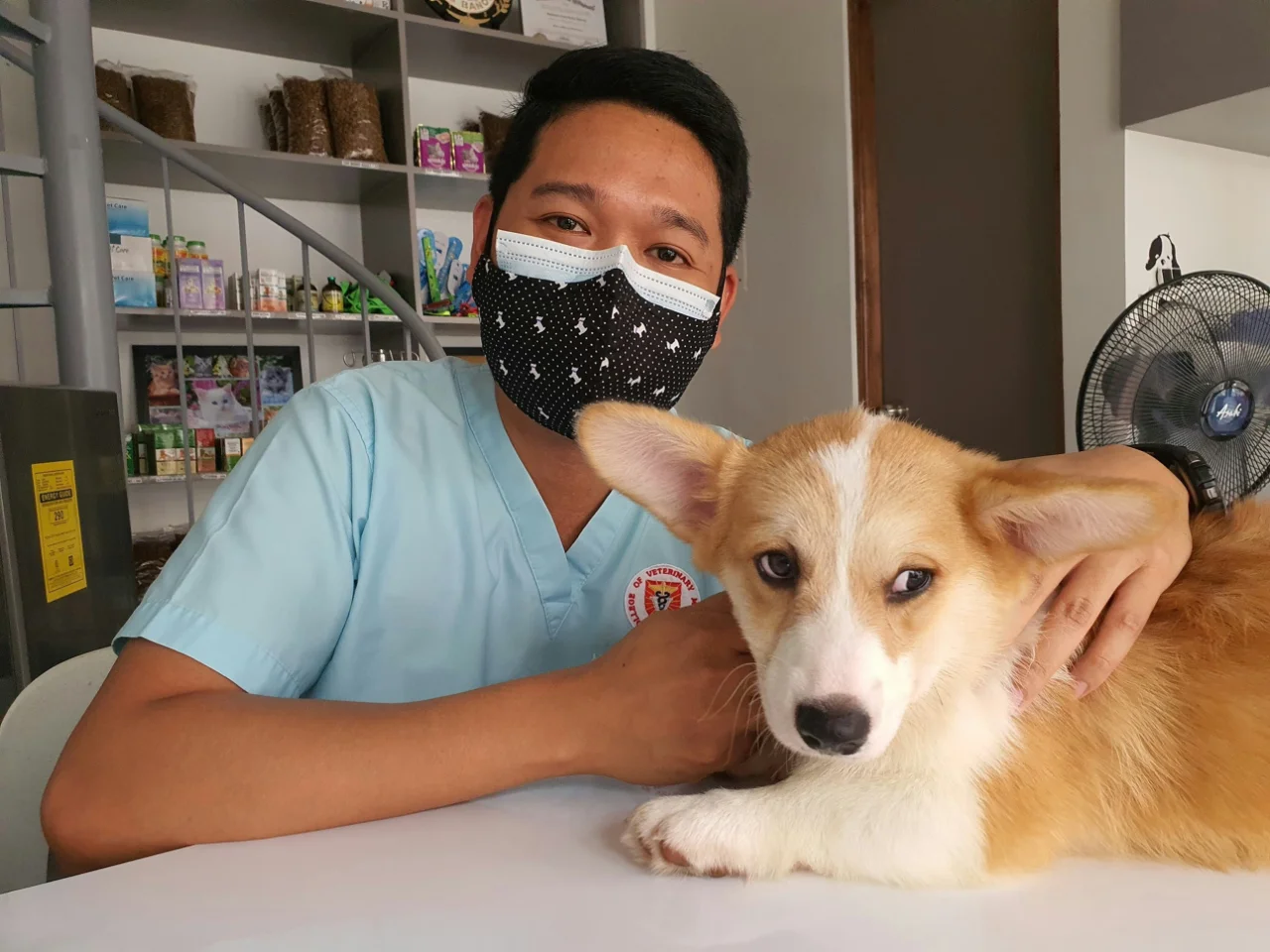
There's no single protocol. Once your dog has ingested chocolate, what we do depends on the dose, the clock, and how your dog looks when they walk through the door.
- Inducing vomiting: If your dog arrives soon after eating and isn't showing symptoms, the vet may induce vomiting right away with an injection or eye drops. This removes much of the chocolate before it's absorbed.
- Activated charcoal: In some cases, a dose of charcoal helps bind what's left in the gut.
- IV fluids: Fluids support the heart and help your dog's body flush out theobromine faster.
- Monitoring: Your vet may check heart rate and rhythm, blood pressure, and temperature, sometimes overnight.
- Medications: Dogs with severe symptoms like tremors, seizures, or heart rhythm problems get medicine to control them.
Most dogs who get treated early recover completely, which is why we take chocolate ingestion seriously. The longer you wait, the more likely your dog will need a hospital stay.
How to Prevent Chocolate Poisoning This Halloween
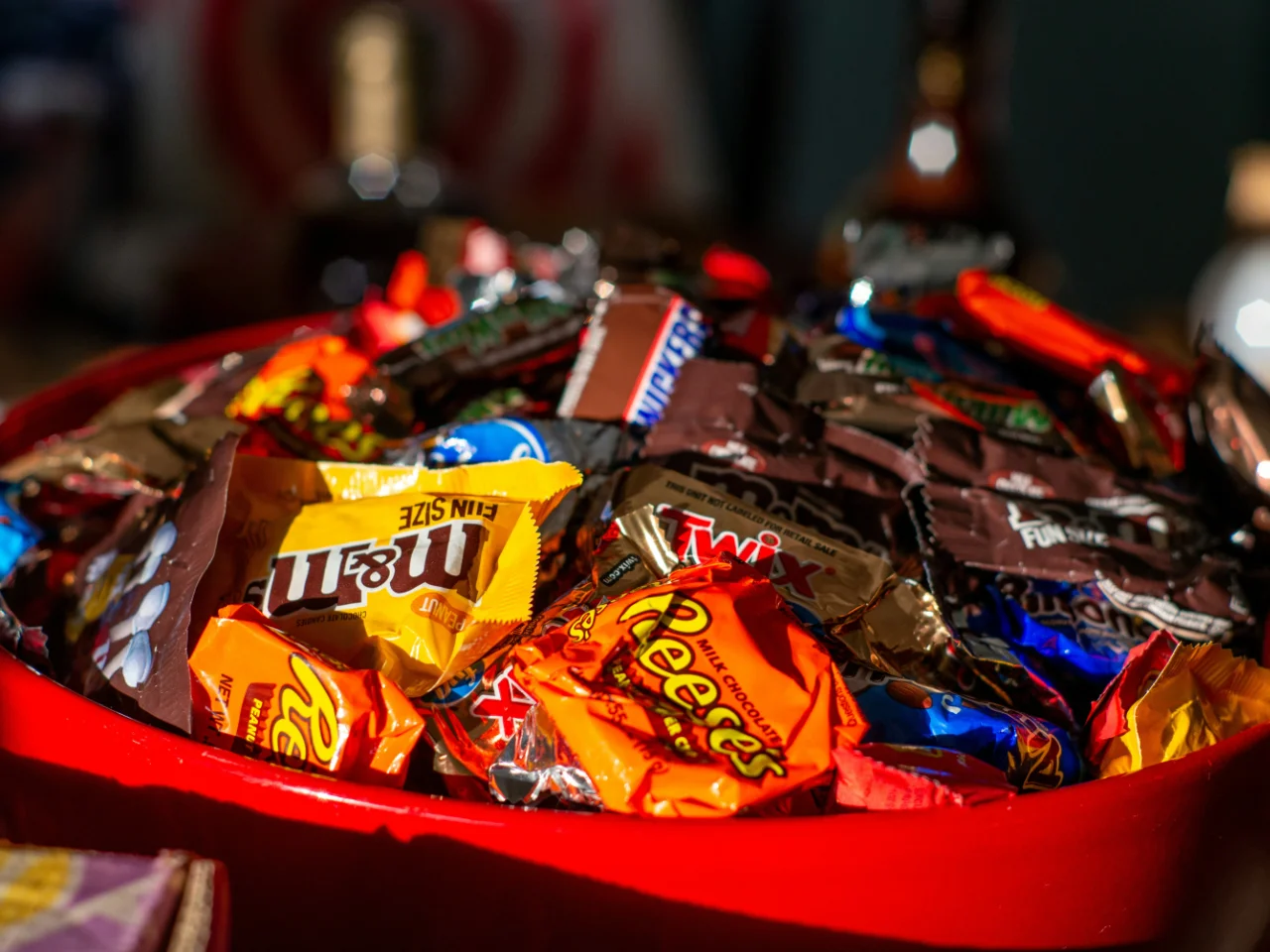
A few simple habits go a long way during Halloween, Thanksgiving, and the holiday season.
- Store candy up high: Put trick-or-treat bags in a closed cupboard, not on the floor or coffee table.
- Have a word with the kids: A six-year-old sharing a Kit Kat with their best friend is adorable right up until it isn't. Bags stashed under the bed are another classic.
- Mind the candy bowl: While you're handing out treats at the door, the bowl on the hall table is at perfect nose height.
- Mind the baking: Cocoa powder, baking chocolate, and even chocolate chip cookies are risky, so keep them sealed and put away.
- Bin it properly: Dogs will dig wrappers out of an open garbage can.
- Train "leave it": A solid "leave it" can stop a theft before it happens. Ask about it at your next wellness exam.
For more seasonal hazards, see our list of holiday foods to avoid for pets. Have a cat too? Learn whether cats can eat chocolate. It's also worth putting together a pet emergency kit with your vet's number and the closest emergency clinic.
Final Thoughts
We'll be straight with you: most Halloween chocolate raids end just fine. The ones that don't? Picture a Yorkie, some dark chocolate and baking chocolate from the pantry, and a family that decided to wait and see.
So grab the wrappers off the floor. Check them for xylitol or raisins. Then call. (Not the peroxide. Please.) If your dog's snoring on the couch like nothing happened, great, but that tells us very little this early.
Keeping candy out of reach is the easiest way to keep Halloween fun. If your dog has gotten into chocolate, contact us right away. We're here to help.
Frequently Asked Questions
How long after eating chocolate will a dog get sick?
Usually somewhere in the 6 to 12 hour range, though it varies.
- Early signs: Vomiting and restlessness often come first.
- Peak: Symptoms may worsen over the first day.
- Duration: Severe cases can last up to 72 hours.
- No symptoms yet: Still call your vet, because early treatment works best.
- Fast eaters: Dogs who gulp a lot can show signs sooner.
Can one piece of chocolate kill a dog?
One small piece of milk chocolate is very unlikely to be fatal for most dogs, but it depends.
- Dog size: A toy breed is at much higher risk than a large dog.
- Chocolate type: A piece of baking chocolate is far more dangerous.
- Heart trouble: A dog with a heart murmur or heart disease has less wiggle room.
- Sneaky seconds: One piece at lunch plus a few more from the bag later adds up.
- Ask anyway: A quick call to your vet gives you a clear answer.
Is white chocolate safe for dogs?
It isn't toxic in the same way, but it isn't safe either.
- Theobromine: White chocolate has very little.
- Fat: High fat can trigger vomiting, diarrhea, or pancreatitis.
- Sugar: Can upset the stomach.
- Additives: Some products contain xylitol or nuts.
- Best choice: Keep all chocolate away from your dog.
What if my dog ate chocolate wrappers too?
Wrappers add a risk of blockage, especially in small dogs.
- Foil and plastic: Can get stuck in the stomach or intestines.
- Signs of blockage: Repeated vomiting, belly pain, or no stool.
- Count wrappers: It helps your vet estimate the amount eaten.
- Watch the stool: Wrappers often pass within a day or two.
- Call your vet: Especially if many wrappers are missing.
Can I give my dog something at home after eating chocolate?
Please call before you give anything.
- No hydrogen peroxide or salt: Unless a vet tells you to.
- No human medicines: Many are dangerous for dogs.
- Water: Fresh water is fine.
- Keep them calm: Limit activity while you wait.
- Call quickly: Treatment works best in the first couple of hours.

