

TL;DR: Eye Ulcer in Dogs
- Common but treatable: Corneal ulcers are one of the most frequent eye problems in dogs, and with early care, most heal well without lasting vision damage.
- What's happening to the eye: A corneal ulcer, which can range from minor irritation to more serious damage, is damage to the transparent surface of the eye.
- Why they happen: Scratches, foreign objects, dry eyes, or infections are common causes of ulcers. Certain breeds are more vulnerable because of exposure and eye shape.
- Signs to look out for: If your dog seems to be squinting, tearing excessively, pawing at the eye, or showing cloudiness or redness, it’s time for an eye exam.
- How vets diagnose: To identify the ulcer, vets assess its depth and select the safest and most efficient course of treatment, veterinarians employ specialized eye tests.
- Treatment that protects vision: Most ulcers respond well to medicated eye drops, including antibiotic drops, along with protective measures to prevent rubbing.
- Advanced care when needed: Slow-healing or deep ulcers may require procedures or surgery to remove damaged tissue and support proper healing.
- Healing you can see: With proper treatment, improvement is often visible within days, and care continues until the ulcer has completely healed.
Have concerns about your dog’s eye? We're here to help. We can help protect your dog’s comfort and vision with expert care.
Corneal ulcers are among the most common eye conditions diagnosed in veterinary practice, affecting dogs of all breeds and ages. If treatment is not received, these painful sores on the cornea—the transparent, protective layer in front of the eye—can worsen quickly. While a dog’s corneal ulcers cause only mild irritation, others can deepen quickly and threaten a dog’s vision or even the eye itself.
For timely care, it is important to understand the causes of corneal ulcers, how to spot early warning signs, and the symptoms and available treatments. In this post, we'll go over the causes, symptoms, and treatment options to help protect your dog’s eye health.
What is a Corneal Ulcer in Dogs?
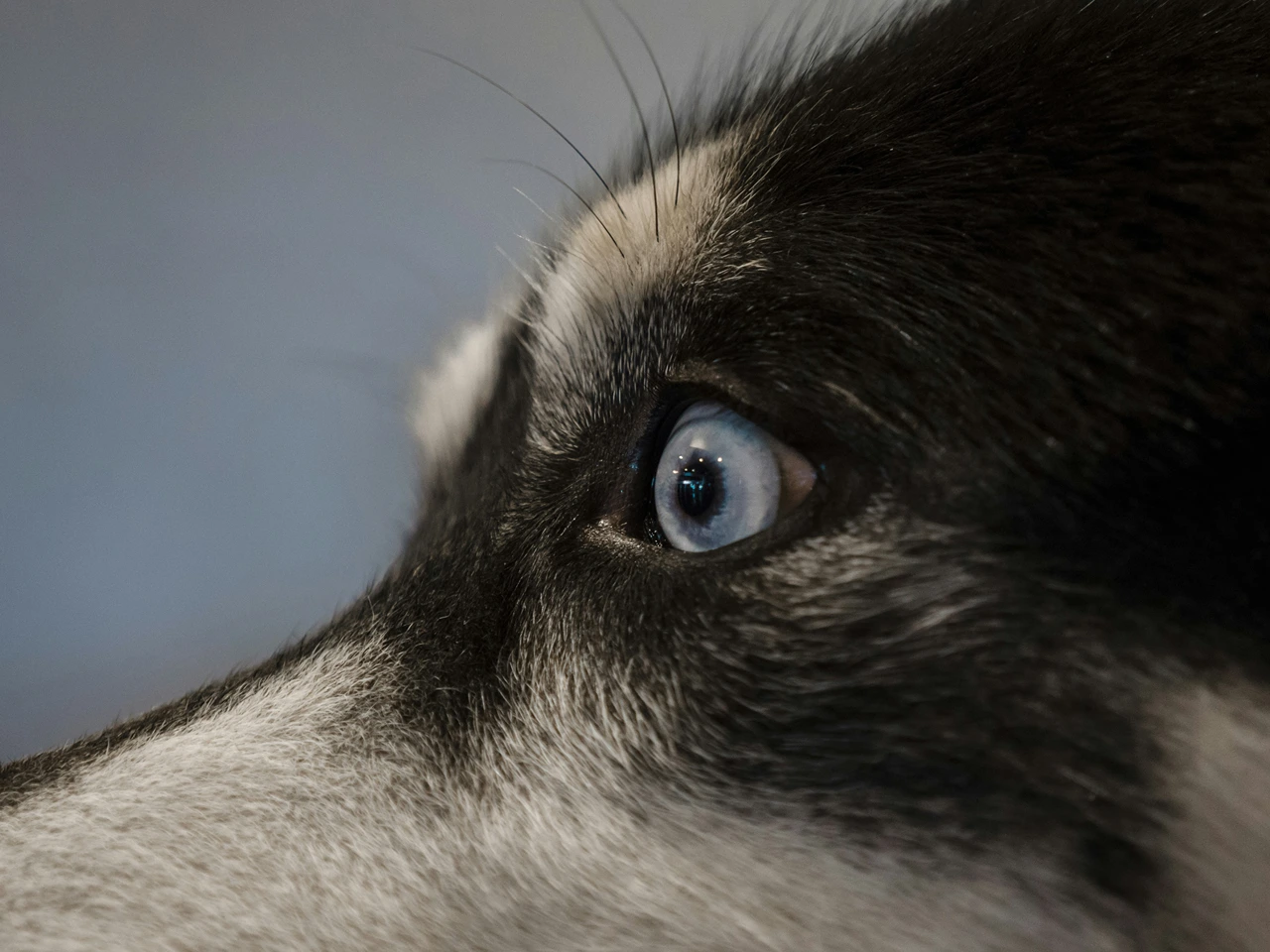
A corneal ulcer occurs when there is damage to the eye, specifically an erosion or defect on the surface of the cornea, which is the clear, protective front of the eye. The outer layer of the eye is essential for vision, protecting the eye from debris and infections, and helping focus light properly.
A delicate layer of the eye made up of multiple thin sections is called the cornea. A corneal ulcer may only affect the cornea's surface or penetrate deeper into the corneal stroma, endangering the eye's internal structures.
There are several types of corneal ulcers, each with different characteristics and healing patterns:
- Superficial corneal ulcers affect only the outer layer of the eye and often begin as superficial corneal abrasions, which may be minor but still require attention to prevent complications.
- Deeper corneal ulcers affect the supporting layers beneath the surface, making the ulcer more severe and sometimes harder to treat.
- An indolent ulcer is a type of ulcer that is slow to heal because of poorly healing layers of corneal tissue, often resisting standard treatment until addressed specifically.
Some ulcers appear suddenly when the ulcer is acute, while others linger over time when the ulcer is chronic, requiring ongoing management to prevent further damage to the eye.
Certain dog breeds, particularly brachycephalic breeds, are more prone to corneal ulcers due to their eye shape and exposure, which increases the risk of trauma and infection.
Causes of Dog Eye Ulcer (Corneal Ulcers)
Understanding the causes of corneal ulcers helps explain why this is such a common cause of eye pain in dogs. Most ulcers start with injuries or conditions that weaken the cornea, leaving it more vulnerable to damage.
Physical Trauma
Activities like scratching the eye, rubbing it excessively, or hitting the corner of the eye can directly damage the cornea, leading to ulcers.
Foreign Bodies
Small particles, dust, or debris that get into the eye can irritate the surface of the cornea and cause the eye to develop an ulcer.
Chemical Burns
Exposure to irritants such as cleaning products or pesticides can inflame the eye and damage the cornea.
Bacterial and Viral Infections
Infections that originate in the eye can weaken corneal tissue, making it more susceptible to ulcers.
Dry Eye (Keratoconjunctivitis Sicca)
Conditions that reduce natural lubrication, like dry eye, leave the cornea unprotected and are a common cause of eye ulcers.
Anatomical Defects
Structural problems like entropion, where the eyelid rolls inward, cause repeated friction on a part of the eye, increasing ulcer risk.
Endocrine Disorders
Hormonal imbalances can increase the risk of ulcers by slowing healing and weakening the cornea.
Because the cornea is exposed due to a lack of tears, dry eye is the most frequent cause of eye ulcers. For this reason, whenever a dog's eye heals slowly, veterinarians frequently check for dry eye.
Symptoms of Corneal Ulcers in Dogs
Dogs suffering from a corneal ulcer often show signs quickly because the condition is painful. The eye becomes painful as exposed nerves react to air, light, and movement. Common symptoms like the following may appear:
- Squinting, blinking, or holding the eye shut: The affected eye may stay partially or fully closed to protect it from further irritation.
- Pawing at the eye or rubbing the eye with a paw: Dogs often try to relieve discomfort by rubbing the eye with a paw, which can sometimes worsen the ulcer.
- Redness and swelling around the affected eye: Inflammation is a clear sign that the eye is affected and the surrounding tissues are reacting to injury.
- Excessive tears or discharge: The eye may produce more tears or a noticeable discharge, changing the appearance of the affected eye.
- Cloudiness or a visible defect on the eye surface: The ulcer may cause the eye to look cloudy, with a visible defect reflecting the size of the ulcer.
- Light sensitivity: Dogs suffering from a corneal ulcer often avoid bright areas or squint in light.
- A visible depression on the cornea: The size of the ulcer may be seen as a small indentation on the surface of the eye.
- Swollen eyelids or general irritation: The eye may appear red, irritated, or surrounded by swollen tissue.
In extreme cases, the dog may seem lethargic, avoid light, or appear distressed. As the ulcer worsens, changes in pressure and the muscles inside the eye can occur. In the most serious situations, the eye collapses, which is a medical emergency.
How to Prevent Corneal Ulcers
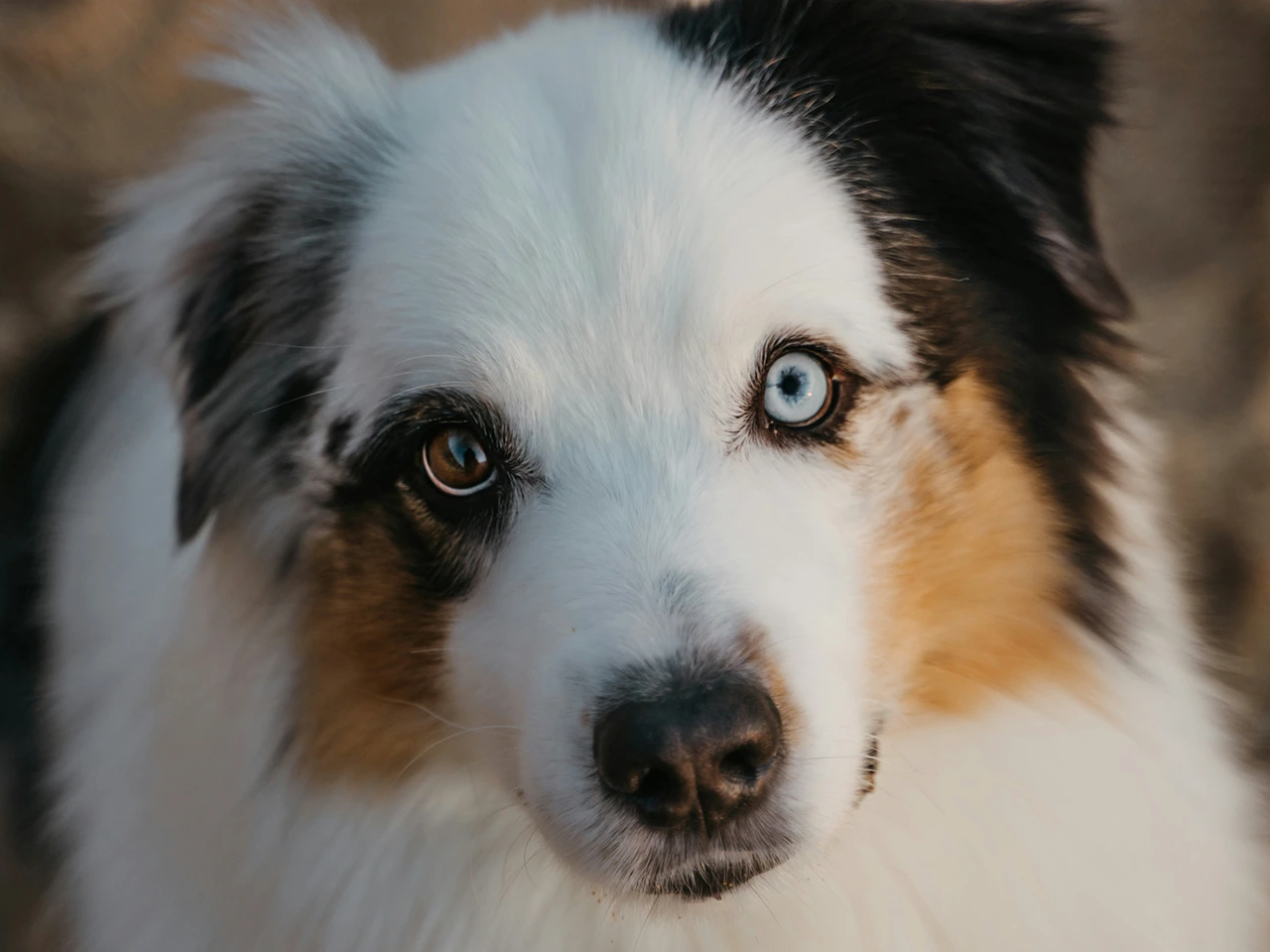
While not all corneal ulcers are avoidable, simple habits can help prevent your dog from developing many eye conditions.
- Regular veterinary eye exams to catch problems early. Routine check-ups allow your vet to identify subtle changes before they develop into serious issues, helping protect your dog’s eyes.
- Careful facial grooming to prevent unintentional eye injuries. The risk of scratches or pokes that could result in a corneal ulcer is decreased by trimming hair close to the eyes and using gentle handling techniques when grooming your dog.
- Eye protection when engaging in outdoor activities. Debris or trauma that could harm the eyes can be avoided by using shade, staying away from tall grasses, or keeping an eye on children playing near branches.
- Treating underlying illnesses, particularly dry eye disorders. Early treatment of long-term eye conditions lowers the risk of developing a corneal ulcer and promotes healthy tear production.
- Avoiding chemicals that irritate the eyes, smoke, and dust. The surface of the eye can become inflamed by environmental irritants, increasing its susceptibility to damage or infection.
- Keeping surroundings safe. The risk of eye injuries is reduced by removing sharp objects, securing rough play areas, and keeping your dog away from dangers.
- Good hygiene and keeping the eye clean. Regularly wiping away discharge and gently cleaning around the eyes can reduce irritation and lower the chance that a corneal ulcer may form.
How Vets Diagnose and Treat Eye Ulcers in Dogs
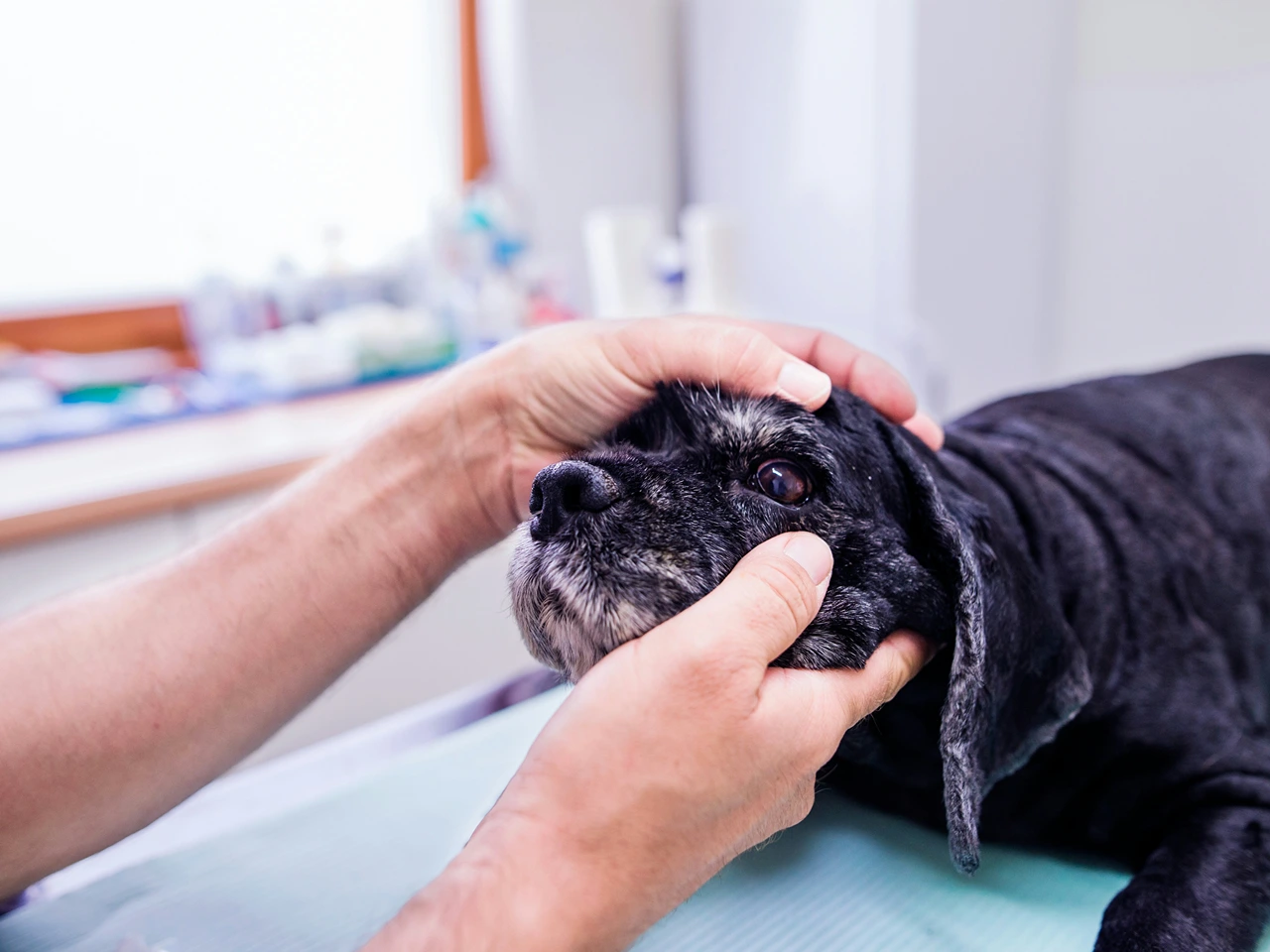
Diagnosis
Veterinarians rely on several tests to confirm a dog’s corneal ulcer and assess the severity of the ulcer:
- Fluorescein dye test to highlight ulcers on the surface of the cornea and determine their size and shape.
- Slit lamp examination to evaluate the type of corneal ulcer and detect any deeper structural involvement.
- Corneal cytology to check for infection and identify the presence of bacteria, fungi, or inflammatory cells.
- Use the Schirmer tear test to check for dry eye, which, if left untreated, can impede the healing process.
- When resistant infections are suspected, culture and sensitivity testing are performed to make sure the best drugs are administered.
These tools allow vets to understand whether the ulcer is superficial or deeper and guide the most appropriate treatment approach.
Treatment
The depth, cause, and likelihood of the ulcer healing on its own determine the course of treatment. With the right care, superficial corneal ulcers should heal quickly, but deeper or more complex ulcers might need more intensive treatments.
Typical treatments consist of:
- Eye medications to control infection and support healing.
- Antibiotic eye drops to prevent bacterial growth and reduce the risk of complications.
- Anti-inflammatory therapy, once treatment has begun and the infection is under control, to reduce pain and swelling.
- Protective measures, such as collars, to prevent rubbing and further damage.
For slow or complicated cases, particularly indolent ulcers, vets may need to remove dead or poorly healing tissue. This involves gently debriding dead or poorly healing layers to stimulate the healing and allow healthy corneal tissue to regenerate.
In severe cases:
- If the ulcer penetrates deeper layers of the cornea, surgery might be necessary.
- To strengthen weak tissue and shield the eye, a corneal graft may be implanted.
- Placing contact lenses can protect the cornea and aid in healing.
- Serum therapy can improve the healing process by supplying natural growth factors.
Final Thoughts
With timely care, many corneal ulcers will heal successfully without lasting damage. Mild ulcers often heal within days, while deeper or complicated ulcers may take longer and require closer monitoring. Once the ulcer is healed, changes are usually visible, but it’s important to continue medications and protective measures exactly as prescribed—even if the eye appears better.
Stopping or removing the protection of the eye too soon can delay healing or lead to recurrence. With early intervention, most ulcers are easily treated, and with the right approach, healing becomes a predictable and reassuring process.
Frequently Asked Questions
Is a corneal ulcer a common eye problem in dogs?
Yes, corneal ulcers are among the most common eye conditions in dogs, and they need to be treated right away to avoid long-term harm.
Frequent Condition: One of the most common eye conditions in dogs that are diagnosed is corneal ulcers.
Painful but Treatable: Although they are uncomfortable, they typically improve with treatment.
Superficial vs. Deep: Ulcers can penetrate deeper layers of the cornea or only affect the surface.
Breed Risks: Because of the shape of their eyes, some breeds, such as brachycephalic dogs, are more vulnerable.
Early Intervention Is Important: Prompt veterinary care enhances recovery results and safeguards vision.
What are the common causes of corneal ulcers in dogs?
Usually, corneal ulcers begin when the natural defences of the eye are compromised or weakened.
Accidental Injuries: The cornea may sustain scratches from play, rubbing, or coming into contact with sharp objects.
Dry Eye Conditions: The cornea is vulnerable to damage due to insufficient tear production.
Breed and Anatomy Factors: Because of exposure and friction, dogs with large eyes or problems with their eyelids are more vulnerable.
Exposure to Foreign Materials: Trapped dust, sand, or plant debris can irritate and harm the surface of the eye.
Infections: Corneal tissue can be weakened by bacterial or viral infections, increasing the risk of ulcers.
What are the main symptoms of a corneal ulcer in dogs?
Recognizing early Symptoms of a corneal ulcer helps your dog get timely treatment before complications arise.
Squinting or Eye Closure: Dogs protect the injured eye by keeping it partially or fully closed.
Redness and Swelling: The eye may appear inflamed or bloodshot.
Excessive Tears or Discharge: Watery eyes or abnormal discharge signal irritation.
Cloudiness or Visible Defect: The ulcer may make the cornea look cloudy or depressed.
Behaviour Changes: Light sensitivity, pawing at the eye, or lethargy can indicate pain.
Which treatments promote safe and comfortable healing for dogs?
When treated promptly and appropriately, the majority of corneal ulcers respond well to therapy.
Medicated Eye Drops: Supportive or antibiotic drops help heal and prevent infection.
Control of Pain and Inflammation: Once an infection is under control, appropriate treatments lessen discomfort.
Elizabethan collars: Serve as a protective measure by preventing rubbing that could exacerbate an injury.
Advanced Procedures: Surgery, contact lenses, or debridement may be necessary for deep or non-healing ulcers.
Prognosis for Recovery: The majority of ulcers heal fully with regular care, restoring comfort and preserving vision.
How are corneal ulcers identified and assessed by veterinarians?
Specialized tools are used in veterinary eye exams to assess the ulcer's depth, severity, and cause.
Fluorescein Staining: This technique highlights corneal damage, making ulcers visible.
Magnified Eye Exam: Veterinarians can see minute details of the corneal layers with a slit lamp exam.
Tear Production Testing: Determining the amount of tears produced can help identify dry eye that may impede healing.
Infection Screening: When an infection is suspected, cytology or cultures can identify bacteria or fungi.
Severity Assessment: These tests help determine the best course of action and forecast how quickly the eye might heal.

