


TL;DR: Cat Vomiting and Not Eating or Drinking
When a cat suddenly stops eating and starts throwing up, it can mean anything from a simple stomach upset to something more serious.
- It could be caused by things like food changes, hairballs, stress, or even parasites.
- But in some cases, it may point to bigger health problems that need quick attention.
- Noticing small changes like low energy, unusual behaviour, or repeated vomiting can really help catch issues early.
- Looking at what the vomit looks like can also give helpful clues about what is going on.
- If the problem keeps happening or does not improve, it is not something to ignore.
- Vets may need to run tests to figure out the exact cause and give the right treatment.
- Acting early can help prevent dehydration and more serious complications.
- Keeping track of symptoms makes it easier to explain everything clearly during a vet visit.
If things do not seem right or the situation is getting worse, it is best to call us right away. Our professional vets are ready to help, so your cat can feel better and get back to normal as soon as possible.
Is your cat vomiting and refusing to eat or drink? It’s scary to see your feline like that, and you can’t help but worry something serious might be going on. Getting a vet involved as soon as possible can make a huge difference.
When a cat refuses to eat or won’t eat for even a short time, it’s hard not to panic. Vomiting in cats, whether it’s acute or chronic, usually signals that your cat is experiencing some kind of underlying health issue. Noticing these signs early can help your cat get the right veterinary care quickly.
Even just one episode of your cat throwing up can make you feel helpless. Older cats or those already having health problems can be at higher risk, which makes intervention necessary. Read on to see why calling your vet right away is so important.
Common Causes Why Your Cat Is Not Eating and Vomiting
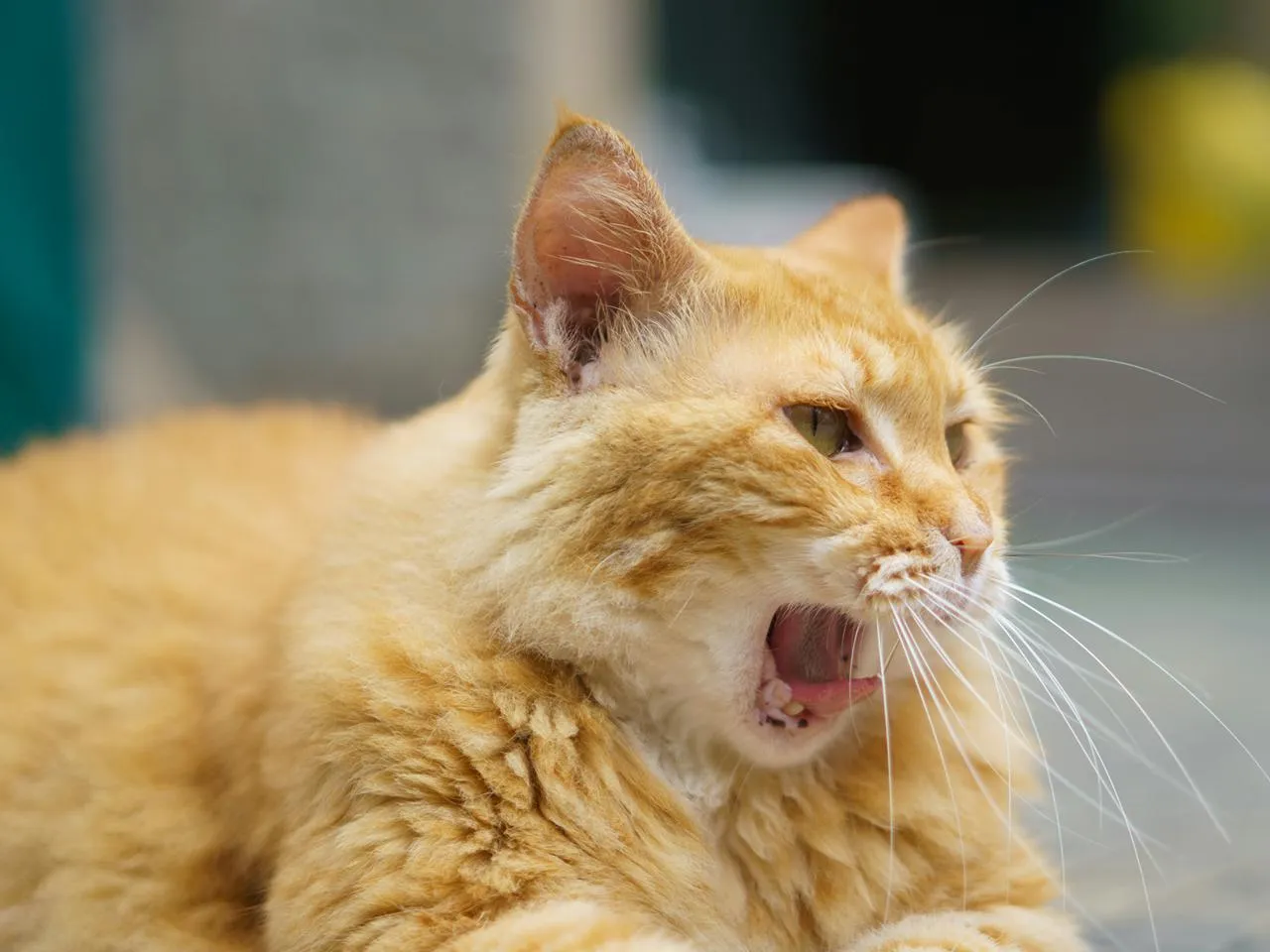
There are a lot of things that could be going on, from minor stomach upset to more serious health issues. Knowing the common causes can help you figure out if you need to see a vet as soon as possible.
Diet Changes or Cat Food Sensitivity
Sometimes a simple switch in cat food can upset your cat’s stomach.
- Changing cat food too quickly can cause gastrointestinal problems.
- Eating spoiled or the wrong kind of cat food could make your cat vomit.
- Some cats might get diarrhea or constipation from certain ingredients.
Hairballs
Cats groom themselves all the time, and swallowed hair can form clumps that need to come up.
- Long-haired cats are especially prone to hairballs.
- A hairball may block the esophagus or stomach for a bit.
- Your cat might stop eating until it passes.
Gastrointestinal Problems
Irritation in the stomach or intestines can make your cat feel sick and stop eating.
- Cats suffering from GI problems might have diarrhea or constipation.
- Conditions like inflammatory bowel disease can trigger vomiting and reduce appetite.
- Chronic vomiting could be a sign of more serious intestinal issues.
Foreign Objects
Cats can sometimes swallow things they shouldn’t, and it can block their intestines.
- Small items, string, or toys can get stuck.
- Your cat could vomit over and over if there’s a blockage.
- Urgent care at a veterinary hospital may be necessary to fix it.
Underlying Health Issues
Sometimes vomiting and refusal to eat are signs of bigger health problems.
- Kidney disease may cause vomiting, lack of appetite, and frequent urination.
- Pancreatitis or hyperthyroidism can upset the gastrointestinal system.
- Getting a proper diagnosis and treatment early can make a big difference.
Dental Abscess or Mouth Pain
Mouth pain can make your cat avoid eating and even vomit sometimes.
- Dental abscesses or infections can make chewing uncomfortable.
- Your cat might stop eating if swallowing hurts.
- Refusal to eat for too long can lead to dehydration.
Urinary Tract Infections
Urinary problems can make your cat feel unwell and stop eating.
- Painful or frequent urination might reduce appetite.
- Vomiting can happen along with urinary discomfort.
- Intervention is necessary to prevent more serious problems.
Parasites or Worms
Internal parasites can irritate your cat’s stomach and intestines.
- Worms may cause vomiting, diarrhea, or constipation.
- Cats might lose interest in food because their stomach hurts.
- You might also notice weight loss or bloating.
Stress or Anxiety
Believe it or not, stress can make your cat vomit or refuse food.
- Moving homes or introducing new pets can trigger gastrointestinal upset.
- Loud noises or sudden changes might lead to diarrhea or constipation.
- Cats under stress could even stop eating for a while.
Exposure to Toxins or Harmful Substances
If your cat eats something toxic, vomiting and refusal to eat can happen quickly.
- Certain plants, chemicals, or human foods can upset the GI system.
- Your cat might become dehydrated if vomiting continues.
- Emergency vet care is often needed to keep them safe.
Medications or Supplements Reaction
Sometimes, even prescribed medications can be the cause of vomiting.
- Cats might vomit after starting a new treatment.
- Supplements not meant for cats can cause diarrhea or GI upset.
- A vet can adjust the treatment plan for the right care.
Motion Sickness or Car Travel
Some cats get nauseous during car rides or travel.
- Cats could vomit or stop eating because their stomachs are upset.
- Vomiting might happen during or after the trip.
- A calm environment can help reduce stress and GI issues.
Serious Causes You Shouldn’t Ignore That Require a Vet
It can be really worrying when you notice that your cat is not eating and has vomited. Sometimes it’s just a small upset stomach, but other times it could be a sign of something serious that needs an appointment with your vet. Knowing what might be going on can help you act quickly and get the right care.
Kidney Disease
Kidney issues can make cats stop eating and vomit often.
- You might notice symptoms such as weight loss or changes in urination.
- Vomiting can quickly lead to dehydration if left unchecked.
- A physical exam can help your vet figure out the right treatment plan.
Pancreatitis
Inflammation in the pancreas can upset a cat’s stomach suddenly.
- Your cat might be throwing up a lot and refusing to eat at all.
- They could seem unusually tired or uncomfortable.
- Getting them checked early lets the vet diagnose and treat the problem effectively.
Hyperthyroidism
An overactive thyroid can cause nausea and appetite changes.
- Cats might experience vomiting even if they usually eat well.
- You might also notice symptoms such as weight loss or restlessness.
- A vet can examine your cat and suggest appropriate treatment.
Inflammatory Bowel Disease
Irritation in the intestines can make cats vomit repeatedly.
- Cats may experience diarrhea or constipation along with nausea.
- Persistent vomiting could be due to problems with the lining of the stomach or intestines.
- Examining your cat helps the vet figure out the best way to treat them.
Foreign Objects
Sometimes cats swallow things they shouldn’t, and it can block their digestive tract.
- Cats could vomit repeatedly or act uncomfortable.
- Regurgitation might happen if the object is stuck in the esophagus.
- A physical exam and imaging can help your vet diagnose the cause and plan the right treatment.
Dental Abscess or Mouth Pain
Mouth pain can make eating too uncomfortable and even cause vomiting.
- Your cat might stop eating completely or vomit occasionally.
- Chewing or swallowing could be painful if there’s a dental abscess.
- A vet can examine your cat and create an appropriate treatment plan.
Urinary Tract Infections
UTIs can affect appetite and cause vomiting in some cats.
- Cats may refuse to eat and have trouble urinating.
- Vomiting or regurgitation can happen alongside other gastrointestinal symptoms.
- Examining your cat ensures the vet can provide the right care and treatment.
Understanding Acute Vomiting vs. Chronic Vomiting in Cats

Sometimes your cat vomits once or twice and seems fine after, but other times they keep throwing up over days or weeks. Knowing the difference between acute and chronic vomiting can help you decide when to get your cat checked.
Acute Vomiting
Acute vomiting happens suddenly and usually doesn’t last long.
- Your cat might vomit once or a few times in a day.
- It can happen after eating something unusual or upsetting their stomach.
- Most of the time, your cat bounces back quickly, but if vomiting keeps happening, it’s worth keeping an eye on them.
Chronic Vomiting
Chronic vomiting is when your cat keeps throwing up over a long period.
- Cats might vomit several times a week or even every day.
- This could mean ongoing gastrointestinal issues or other health problems.
- If your cat has chronic vomiting, a vet visit is important so they can be examined and properly treated.
Signs to Watch
Pay attention to how often your cat is vomiting to understand what’s going on.
- Acute vomiting comes on suddenly and usually stops quickly.
- Chronic vomiting happens often and can affect your cat’s appetite and energy.
- Keeping track of how often your cat is throwing up makes it easier for the vet to figure out the cause.
How a Veterinarian Can Diagnose the Cause with Blood Work and X-Rays
A vet can help figure out what’s going on and make sure your cat gets the right care. Knowing what to expect during the checkup can make the whole process feel less scary.
Physical Exam
The vet usually starts with a hands-on check to see how your cat is feeling.
- They’ll gently feel your cat’s stomach and check for any signs of gastrointestinal discomfort.
- The vet looks for swelling, tenderness, or anything that seems off.
- This initial exam helps decide what other tests might be needed.
Blood Work
Blood tests give a lot of insight into what’s happening inside your cat.
- They can show how organs are working and reveal hidden problems that could explain why your cat is not eating or has vomited.
- Blood work helps your vet figure out the best way to care for your cat.
- It’s a simple test that can make a big difference in finding the right treatment.
Imaging Tests
Sometimes the vet needs to see inside without doing surgery.
- X-rays or scans can reveal blockages or issues in the intestines.
- This helps explain why your cat is experiencing gastrointestinal upset.
- Combined with the exam and blood work, imaging gives a clear picture for planning treatment.
Putting It All Together
The vet combines everything from the exam, blood work, and imaging to understand what’s going on.
- This approach helps pinpoint the cause of vomiting or refusal to eat.
- With a proper diagnosis, your cat can get the care they need quickly.
- Catching issues early often makes recovery easier and less stressful.
Understanding What Your Cat’s Vomit Looks Like and What It Could Mean

Different colours or textures can give clues about what your cat is experiencing in their digestive system. Paying attention to these details helps you know when it’s time to call a vet.
Vomit Containing Food
Sometimes your cat might throw up food they recently ate.
- This can happen if their stomach or intestines are moving food too slowly.
- Eating too quickly or trying a new type of cat food can also cause it.
- Watching how often this happens can help your vet understand what’s going on.
Vomit With Hair
Hairballs are common, especially in cats with long fur.
- Your cat might vomit hair along with some liquid or food.
- Occasional hairballs are normal, but frequent vomiting could mean irritation in the gastrointestinal tract.
- Keeping track of your cat’s grooming and vomiting patterns is helpful.
Vomit With Yellow or Green Fluid
Sometimes vomit looks mostly like liquid and is yellow or green.
- This often happens if the stomach is irritated or bile builds up.
- Repeated episodes can signal gastrointestinal upset or discomfort.
- Noting the colour and how often it happens helps your vet decide the right care.
Vomit With Blood
Seeing blood in your cat’s vomit is always concerning.
- Blood can be bright red or dark, depending on where it’s coming from.
- Cats with this symptom might also refuse to eat or seem weak.
- Getting your cat checked quickly is very important so the problem can be treated.
Vomit With Foam or Clear Liquid
Foamy or watery vomit is another sign of stomach upset.
- Cats might vomit foam or clear liquid if they’re stressed or haven’t eaten for a while.
- Frequent episodes can point to ongoing gastrointestinal problems.
- Keeping notes on these incidents helps your vet provide the right treatment.
Final Thoughts
Seeing a cat not eating and realizing your cat has vomited can feel really worrying, especially when there is no clear reason for it. It might be something small, but it can also mean the cat is starting to experience gastrointestinal issues that should not be ignored.
Little things like changes in appetite, behaviour, or how often the cat has vomited can actually tell a lot about what is going on. When those signs do not go away or start getting worse, it is better to have a vet take a look sooner rather than later.
Getting help early can prevent things from becoming more serious and help the cat feel better faster. In situations like this, paying attention and acting quickly can really make a difference for the cat’s health.
Frequently Asked Questions
Can stress or environmental changes cause both regurgitation and a loss of appetite in cats?
Sometimes, cats can get really sensitive to changes around them, and it can show up in how they eat or digest food. Stress can make a cat vomit or refuse to eat, even if nothing serious is wrong.
Notice the triggers: Things like moving, new pets, loud noises, or changes in feeding spots can make a cat uneasy.
Create a calm space: Give your cat a quiet area with its favourite blanket or bed to relax.
Watch behaviour: Hiding, pacing, or acting restless, along with vomiting, can show that stress is affecting them.
Keep track of meals: Note when they eat or skip food and any episodes of regurgitation.
Call the vet if needed: If the cat keeps vomiting or refuses food for more than a day, it’s best to get a professional opinion.
How long is it safe to wait before deciding to see a vet if a cat stops eating and keeps throwing up?
It can be worrying when a cat won’t eat and keeps throwing up, and it’s tricky to know how long to wait. Even short periods without food can be hard on a cat, so it’s important to keep an eye on them.
Track how long: Write down when the cat stopped eating and how often it vomits.
Look for other signs: Lethargy, weakness, or unusual behaviour can show things are getting worse.
Offer water carefully: Let them sip small amounts to stay hydrated without forcing it.
Keep a record: Note each vomiting episode and any other symptoms for the vet.
See a vet quickly: If vomiting continues or the cat still won’t eat after a day, call a vet right away.
Can dehydration develop quickly in a cat that is throwing up and not drinking water?
Cats can get dehydrated if they’re vomiting and not drinking enough. Even a small fluid loss can make them weak and unwell, so it’s important to act quickly.
Check for signs: Watch for dry gums, sunken eyes, or low energy, as these can be warning signs of dehydration.
Encourage small drinks: Offer fresh water in several different spots at home.
Try small meals: If they’re willing, a little wet food can help keep fluids up.
Keep them calm: Reduce stress by keeping the cat in a quiet, comfortable spot.
Contact the vet: If signs of dehydration appear or they keep refusing food and water, get help immediately.
Are there specific warning signs that show the cause of vomiting is becoming more serious over time?
Some signs mean the vomiting isn’t just a small upset stomach but could be something more serious. Catching these early can make a big difference for your cat.
Frequent vomiting: Repeated vomiting over hours or days can be a warning.
Not eating or drinking: Extended loss of appetite paired with vomiting is concerning.
Behaviour changes: Lethargy, hiding, or unusual restlessness can show something is wrong.
Weight changes: Sudden weight loss or bloating could mean deeper issues.
See a vet fast: Any of these signs should be checked quickly by a professional.
What can be done at home to keep a cat comfortable before you are able to see a vet?
While waiting to get to the vet, there are simple ways to make your cat feel more comfortable. These steps won’t fix the problem, but they can help your cat feel safer and calmer.
Create a quiet spot: A calm, cozy area with their favourite blanket or bed helps them relax.
Offer small meals: If they’ll eat, try light, easy-to-digest food in small amounts.
Encourage water: Make fresh water available and check if they drink.
Watch for changes: Keep track of how often they vomit, eat, and drink to share with the vet.
Reduce stress: Avoid sudden noises, new pets, or changes until they are seen by the vet.

