


TL;DR: Cat Not Eating or Drinking and What You Should Know
- If your cat suddenly stops eating or drinking, it can be worrying and usually means something feels off.
- Sometimes it’s something simple, like new food, a change in routine, or a little stress.
- Other times, it could be health issues like dental pain, stomach problems, or more serious conditions.
- Keep an eye out for signs like leaving food behind, hiding, vomiting, diarrhea, or low energy.
- Changes in drinking or litter box habits can also signal a problem.
- A few small tweaks, like warming their food, trying soft meals, or giving them a quiet spot, can help get them interested in eating again.
- Older cats, kittens, or sick cats may need a vet to check what’s going on.
- Paying attention early and acting quickly can prevent bigger problems and help your cat feel better.
- Noticing changes in appetite and behaviour makes it easier to spot issues before they get serious.
- Following your vet’s guidance can get your cat back to eating and drinking normally.
If your cat isn’t eating or drinking like usual, reach out to us. Our compassionate vets will help figure out what’s wrong and get your cat back to feeling like themselves.
Is your cat not eating or drinking, or showing a sudden loss of appetite? It’s honestly worrying when a cat isn’t eating or drinking, because you can tell your cat may be feeling sick or just not like themselves. Even small changes in your cat’s appetite and eating habits can feel off right away.
Sometimes a cat may stop eating because of new food, changes in their routine, or something simple like stale cat food. Other times, it could be things like dental disease or nausea, especially if your cat eats less, avoids the food dish, or isn’t eating normally. Those sudden changes can leave you wondering what’s really going on.
Knowing when to contact a veterinarian can make a big difference for your cat’s health. Watching your cat’s appetite and behaviour closely can help determine the cause. Read on to understand the common reasons and causes, and when to contact your veterinarian.
Cat Not Eating or Drinking: Common Causes Behind the Change

A sudden change in eating habits can make your cat seem really off, like something just isn’t right. Some cats may only eat small amounts, while others don’t eat at all, and that quickly affects the nutrients they need. Since there are many causes behind a decreased appetite, it helps to look at what might be making your cat feel unwell.
Health-Related Causes
When a cat is unwell, it often shows up through a loss of appetite. These issues can affect how the body handles nutrients and may require a closer check from a care team.
Dental and Mouth Problems
Pain in the cat’s mouth can quietly make eating harder than it looks.
- Soreness can make your cat avoid kibble or dry food even if they seem hungry.
- Some cats switch to canned food or broth because it’s easier to handle.
- Over time, this can turn into a steadily decreased appetite.
Gastrointestinal (GI) Issues
When the stomach or gastrointestinal tract feels off, eating becomes uncomfortable.
- Nausea, vomiting, or diarrhea can make a cat stop eating as much.
- Inflammatory issues in the gastrointestinal system can make food feel unpleasant.
- Loss of appetite often happens when eating leads to discomfort.
Serious Health Conditions
Some conditions go deeper and affect how your cat feels overall.
- Kidney disease or hepatic problems can slowly reduce appetite and energy.
- A tumour or treatments like chemotherapy can make eating difficult.
- Hepatic lipidosis can develop when cats don’t eat for days.
Environmental and Lifestyle Factors
Sometimes it’s not illness, but everyday changes that throw things off. Even small shifts can make your cat less willing to eat.
Food and Feeding Changes
Cats can be picky, especially when something about the food changes.
- Switching between canned food, dry food, or different textures can confuse them.
- Stale kibble or unfamiliar smells can make your cat turn away.
- Some human food may seem tempting, but it can be toxic to cats.
Routine and Emotional Changes
Cats feel stress more than they seem, and it can affect their appetite.
- Anxiety or depression can lead to a noticeable decrease in appetite.
- Changes at home can disrupt their usual eating routine.
- Stress can make your cat eat less or stop eating altogether.
Feeding Environment
Where and how food is given also matters more than expected.
- A noisy or uncomfortable space can make your cat feel uneasy.
- Water access affects both eating and urination habits.
- A calm setup can help support adequate nutrition.
Behavioural and Age-Related Changes
Some changes come with age or overall condition, and they can be easy to miss at first.
Aging and Weight
As cats get older or gain weight, their eating habits can shift.
- Older cats may not be eating as much as they used to.
- Overweight cats may eat small amounts or become selective.
- These changes can happen slowly without being obvious right away.
Reduced Intake and Risks
Not eating enough can start to cause other problems over time.
- Lack of adequate nutrition can make your cat feel weaker.
- Loss of appetite often leads to more noticeable health issues.
- In some cases, a feeding tube may be needed to help support them.
Medical Support and Recovery
Some cats just need extra help to get back to normal.
- Appetite stimulants can help encourage eating again.
- Tests like an X-ray can help find the underlying cause.
- A proper treatment plan can help bring things back to normal.
Subtle Signs to Watch When Your Cat Won't Eat
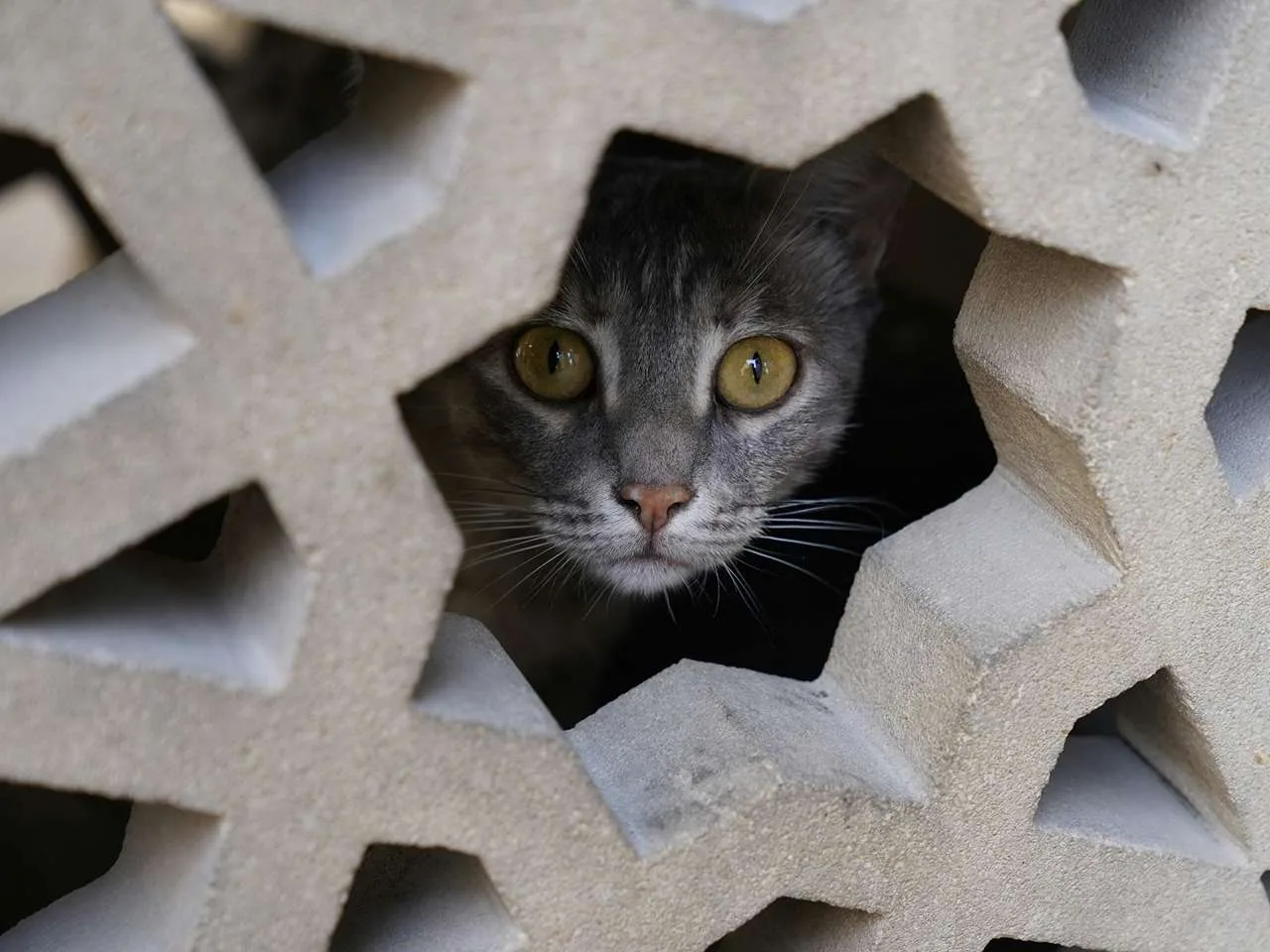
Sometimes it’s hard to notice when a cat isn’t eating properly. They might still nibble a little, but small changes in how they act or eat can be a warning that something isn’t right. Paying attention to these little signs can help catch problems before they get worse.
Changes in Appetite
Even a small drop in how much your cat eats can mean they’re feeling off.
- Leaving food behind or only eating tiny portions.
- Suddenly, they are preferring soft food or wet meals over their usual dry food.
- Skipping meals or seeming uninterested in their bowl.
Changes in Behaviour
How your cat acts can tell you a lot about how they feel.
- Hiding more than usual or spending long stretches alone.
- Being less playful or energetic than normal.
- Acting grumpy or sensitive when you try to interact with them.
Physical Signs
Physical signs can help identify why a cat is not eating due to discomfort or illness.
- Vomiting or loose stools, even if it’s just once in a while.
- Losing weight or looking thinner than usual.
- Pawing at their mouth or seeming to have trouble eating.
Drinking and Hydration
Watching how your cat drinks is just as important as watching what they eat.
- Drinking less water or avoiding their water bowl.
- Going to the litter box more or less than usual.
- There is a risk of dehydration if they don’t drink enough over time.
How Long Is Too Long? When to Call a Vet
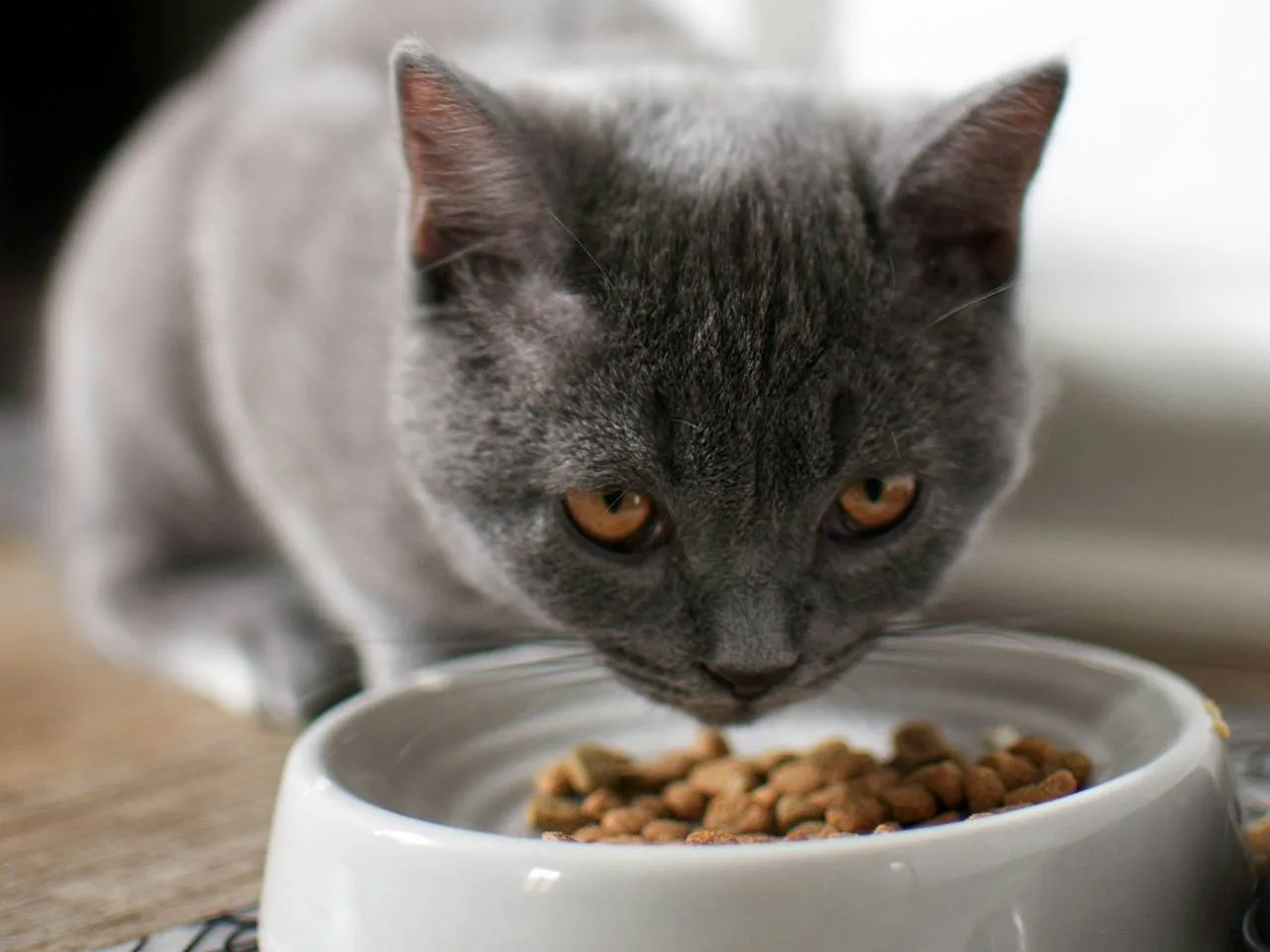
It can be tricky to know when a cat not eating is serious and when it’s just a short-term thing. Sometimes they skip a meal or two, but going too long without food or water can quickly become dangerous. Paying attention to how long your cat hasn’t eaten can help you decide when to call the vet.
How Long Without Eating Matters
The amount of time your cat goes without food makes a big difference.
- Missing one meal isn’t usually a problem, but longer gaps can affect their energy.
- A full day without eating can start to make them feel weak or dehydrated.
- If it goes past a day or two, it’s a good idea to check in with a vet.
Other Warning Signs
Sometimes it’s not just how long they haven’t eaten, but what else is happening.
- Being unusually tired or hiding more than normal.
- Vomiting, diarrhea, or losing weight quickly.
- Pawing at their mouth or showing discomfort when around food.
Cats Who Need Extra Attention
Some cats are more at risk and need help sooner.
- Older cats or kittens are more sensitive to going without food.
- Cats that already have health issues or low energy.
- Cats who have lost a lot of weight or were underweight to start with.
When to Get Help Right Away
Certain situations mean you shouldn’t wait to call a vet.
- Refusing both food and water for over a day.
- Vomiting repeatedly or showing pain while trying to eat.
- Sudden changes in behaviour or appearance that seem extreme.
Veterinary Tips: How to Get a Cat to Eat Again
Getting a cat to start eating again can be stressful, but a few simple changes at home can make a big difference. Small tweaks to meals, a calm feeding spot, and keeping an eye on how your cat is doing often help them feel more comfortable and willing to eat. Here are nine easy tips that can really help:
- Serve smaller meals more often instead of one big portion so your cat doesn’t feel overwhelmed.
- Warm up the food a little or add a bit of broth to make it smell and taste better.
- Offer different textures, such as soft or wet food, to find out what your cat likes best.
- Put bowls in a quiet corner where your cat feels safe and undisturbed.
- Keep the food bowls clean and easy to reach so mealtime is stress-free.
- Keep a consistent feeding schedule so your pet knows what to expect and feels calm and secure.
- Pay attention to how much and what your cat eats each day so you notice changes early.
- Watch their weight, energy, and behaviour, and let your vet know if something seems off.
- Follow your vet’s advice if your cat needs extra help or temporary feeding support.
Final Thoughts
It’s really worrying when your cat stops eating or drinking, and even small changes can feel alarming. You might notice they’re leaving their food behind, hiding more often, or just not acting like themselves.
Sometimes, it’s something simple, like a new food or a little disorder in their routine, but other times it could mean they’re not feeling well. Paying close attention to these little signs can help you know when to take action.
A quick check with the vet can make a big difference and help your cat feel better sooner. Keeping an eye on them and acting early can get them back to eating normally and feeling like themselves again.
Frequently Asked Questions
What can I do if my cat suddenly refuses their favourite treat or snack?
It’s confusing when your cat suddenly ignores a treat they usually love. Sometimes it’s nothing serious, but it’s worth paying attention to.
Notice patterns: See if your cat is refusing only that treat or all food.
Check the treat: Maybe it went stale or smells off, which cats notice right away.
Try something different: Offer a new flavour or texture to see if they perk up.
Watch their behaviour: If they seem tired, hiding, or off their usual self, take note.
Ask a vet if needed: If they keep refusing food or act unwell, a quick check can give you peace of mind.
How can I tell if my cat is stressed rather than sick when they stop eating?
Cats can hide stress really well, and it can look just like illness. Paying attention to little changes can help you figure out what’s going on.
Watch their actions: Hiding more than usual, grooming too much, or being unusually quiet can be signs of stress.
Check the environment: New pets, visitors, or unexpected loud noises can make them feel nervous, unsettled, and generally uneasy.
Look at appetite: Stress might cause them to skip a meal or two, while their drinking and litter box habits usually stay normal.
Give them calm spaces: A quiet corner with favourite toys or blankets helps them relax.
Call the vet if unsure: If the lack of appetite lasts or they seem off, getting professional advice is safest.
Is it normal for older cats to eat less than they used to?
As cats get older, their eating habits can slowly change. Some decrease is normal, but sudden drops can be a warning.
Keep an eye on patterns: Gradual decreases are okay, sudden drops are worth checking.
Monitor weight: Even a small weight loss can be an indication of a problem.
Offer softer food: Older cats may like softer or smaller portions of food.
Stick to routines: Offering smaller, more frequent meals on a regular schedule can help make eating easier and less stressful for your cat.
Ask a vet if concerned: Any abrupt appetite change or weight loss should be checked.
What steps can I take if my cat eats very slowly or only in small amounts?
Some cats naturally eat slowly, but it can also mean something is bothering them. Paying attention can prevent bigger issues.
Give them quiet time: Make sure no one interrupts their meals.
Separate feeding spots: If you have more than one cat, spacing helps avoid competition.
Try soft or wet food: It’s easier to eat and usually more appealing, especially if your cat isn’t feeling well or has a low appetite.
Check teeth and mouth: Pain can make eating slow or uncomfortable.
Call the vet if needed: If slow eating or not eating at all continues and they lose weight, professional advice is important.
Can certain medications or treatments affect my cat’s appetite?
Yes, some medicines or treatments can make your cat eat less for a while. Knowing what’s normal can make it less worrying.
Know possible side effects: Some meds can make their stomach upset or make them feel nauseous.
Watch timing: Pay close attention to whether your cat’s appetite decreases after starting a new medicine or treatment.
Make meals more appealing: Slightly warming the food or offering softer textures can make it easier for your cat to eat.
Keep routines consistent: Making a predictable feeding schedule can help lessen your cat’s stress.
Talk to your vet: Never stop medicine on your own, and ask if appetite support is available.

