
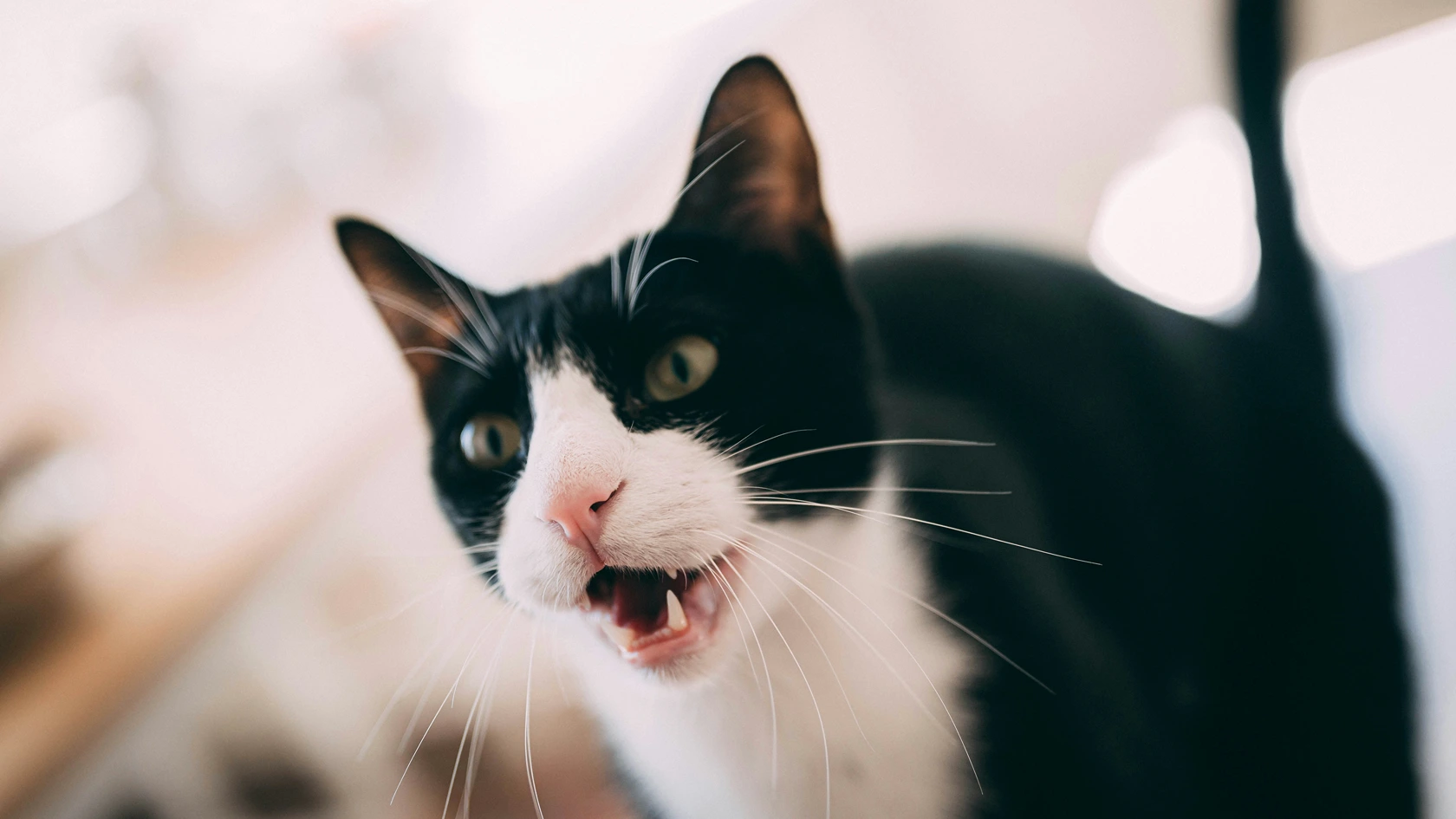

TL;DR: What You Need to Know About Cat Asthma
- Feline asthma is manageable: While feline asthma is a chronic condition, it doesn’t necessarily mean that your cat cannot live a happy and active life. With proper care and veterinary treatment, many cats continue to thrive for years.
- Watch for early symptoms: Signs such as coughing, wheezing, rapid breathing, or open-mouth breathing can indicate airway inflammation. Recognizing these symptoms early can help you know if your cat may need veterinary attention.
- Triggers often come from the environment: Common irritants that can cause asthma flare-ups include dust, smoke, mould, pollen, and strong fragrances. Your cat's breathing can remain more steady if these triggers are reduced.
- Veterinary treatment focuses on airway relief: Treatment often includes medications to reduce inflammation and open the airways, sometimes possibly a bronchodilator to help your cat breathe more comfortably during flare-ups.
- Asthma attacks require prompt action: If your cat exhibits severe breathing difficulties, you can help prevent complications by remaining calm, removing irritants, and getting in touch with a veterinarian right away.
- Most cats live normal lives with proper care: With regular monitoring, medication when needed, and a low-allergen environment, many asthmatic cats remain playful, affectionate companions.
Concerned about your cat’s breathing? Contact us today. We can help evaluate symptoms, manage asthma triggers, and create a treatment plan that keeps your cat comfortable and breathing easier.
Feline asthma is one of the most common chronic respiratory diseases seen in cats. While cat asthma is considered an incurable and often progressive condition, the good news is that asthma in cats is manageable with proper care and veterinary treatment. If your cat has asthma, they may experience repeated breathing issues throughout life. Cats that suffer from asthma attacks may show recurring breathing problems that worsen over time if untreated.
Understanding how feline asthma affects your cat’s health, life expectancy, and daily comfort is important for providing the right care. In this blog, we’ll explore the common symptoms of asthma in cats, how veterinarians diagnose and treat the condition, and what you can do to help your cat live a longer, healthier life.
What is Asthma in Cats?
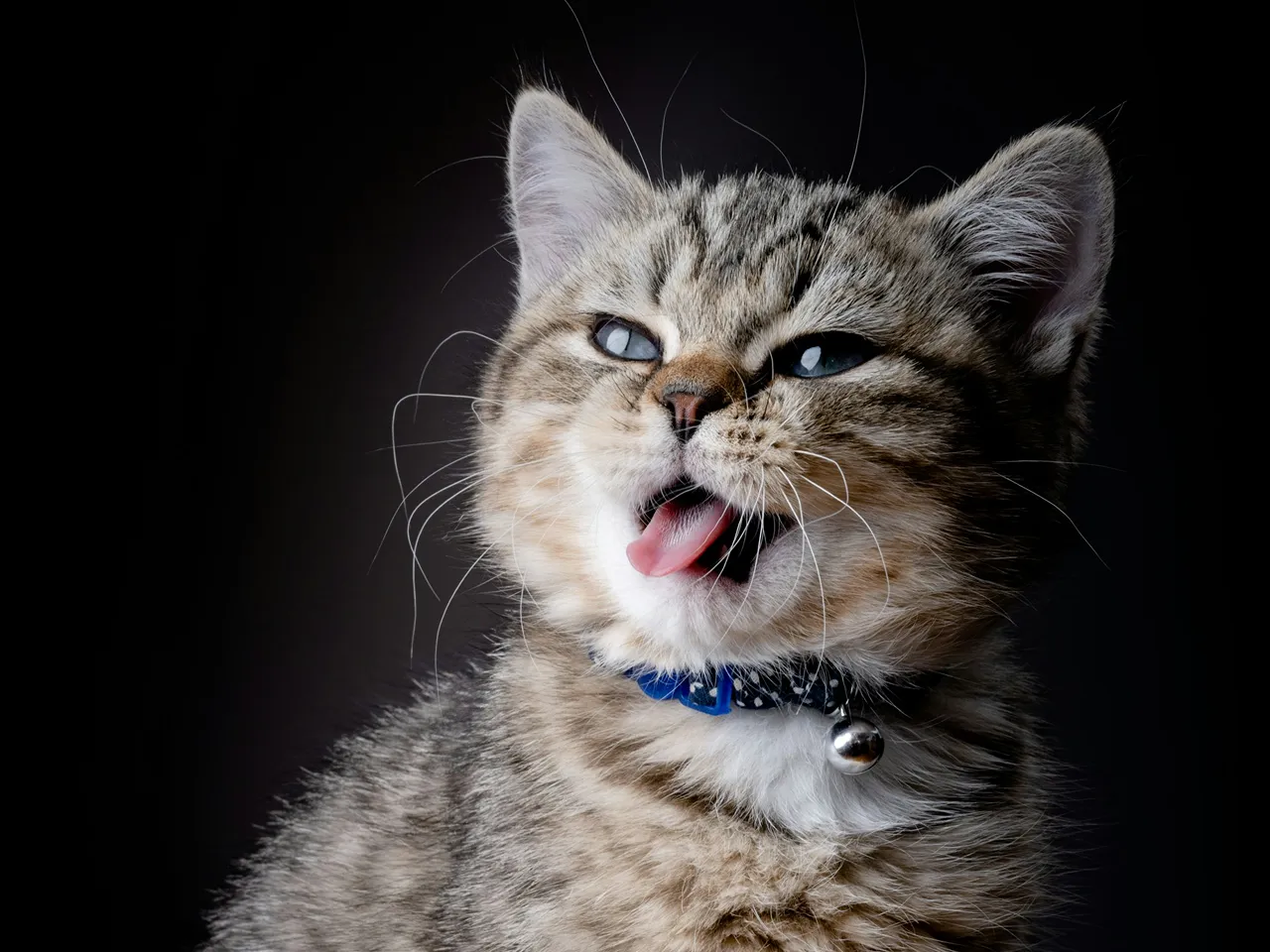
Asthma in cats, commonly known as feline asthma, is a chronic respiratory condition affecting the airways that can make breathing difficult for some cats. This condition develops when the inflammation that causes the asthma affects the bronchial tubes inside the lungs. As the airways become inflamed, swollen, and constricted, it becomes harder for air to move in and out normally. While cats can suffer from asthma at any age, asthma is most commonly diagnosed in middle-aged cats.
Causes often involve environmental irritants or allergens, such as dust, smoke, mould, pollen, or strong fragrances. In many cases, asthma attacks are frequently brought on by the cat inhaling an allergen, which can trigger asthma attacks in cats.
If your cat encounters irritants or allergens that can trigger asthma, the airway inflammation can quickly worsen and cause your cat to become short of breath. Over time, cats with asthma are likely to experience flare-ups and periods of worsening symptoms depending on exposure to triggers.
Symptoms of Asthma in Cats
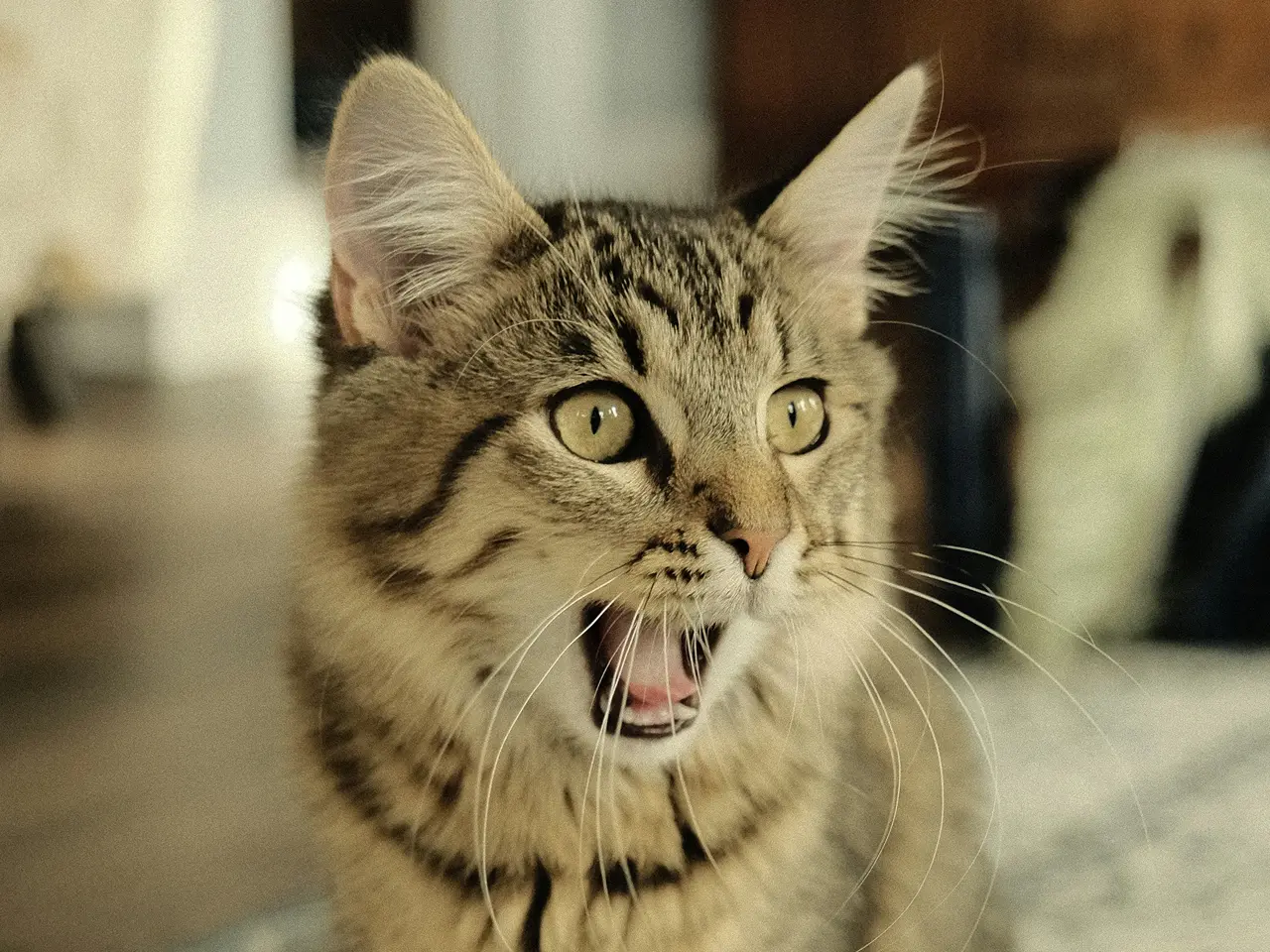
Recognizing the signs of asthma early can help prevent a minor flare-up from developing into a serious emergency. The symptoms of this condition can vary depending on the severity of your cat's asthma, but there are several common warning signs pet owners should watch for.
Many pet owners first notice that their cat develops frequent coughing episodes. These coughs can resemble hairball attempts, which is why they are often overlooked at first.
Persistent coughing and wheezing
One of the most common signs of asthma is repetitive coughing that may sound dry, hacking, or harsh. Some asthma attacks in cats include wheezing sounds, which happen when inflamed airways narrow and make breathing more difficult.
Open-mouth breathing or panting
Cats rarely pant unless they are extremely stressed or ill. If your cat is struggling to breathe and begins breathing with an open mouth, it may indicate that your cat is experiencing asthma symptoms that require prompt attention.
Rapid, shallow breathing patterns
During a flare-up, breathing may become noticeably faster and shallower than normal. These breathing changes are signs that your cat may be experiencing airway inflammation or an active asthma episode.
Blue-tinged gums or tongue
A bluish colour in the gums or tongue is a serious warning sign that oxygen levels are dangerously low. This symptom often appears during severe attacks, as asthma attacks in cats include restricted airflow that prevents proper oxygen circulation.
Lethargy and reduced activity levels
Breathing difficulties can make normal activities exhausting. Because of this, cats with asthma may become less playful, sleep more often, or avoid physical activity altogether.
Hunched posture when breathing
One of the classic signs that your cat may be experiencing respiratory distress is when the cat is hunched close to the ground with the neck stretched forward. This position helps open the airways and allows the cat to breathe more easily.
Difficulty lying down comfortably
Some cats avoid resting normally during breathing episodes. If your cat is snoring or breathing noisily while lying down or repeatedly changing positions to get comfortable, it may signal airway irritation or inflammation.
Loss of appetite
When breathing becomes difficult, eating can feel uncomfortable or stressful. As a result, cats with asthma may eat less or temporarily lose interest in food during flare-ups.
Vomiting after coughing fits
Severe coughing can sometimes trigger vomiting due to throat and airway irritation. In some cases, asthma attacks in cats include vomiting episodes that follow prolonged coughing.
If you suspect your cat has asthma, pay attention to the symptoms listed above. The first signs that your cat is developing asthma can be subtle, so it’s important to know how to determine if your cat might need veterinary evaluation. If your cat is experiencing a full-blown asthma attack, contact your vet. In these situations, your cat requires urgent care.
How Vets Treat Cat Asthma

Once a veterinarian diagnoses your cat with asthma, the goal of care is to control inflammation in the airways and reduce the risk of future flare-ups. Because feline asthma is a chronic condition, treatment for your cat's asthma is usually ongoing and tailored to how severe the symptoms are. Veterinary care aims to treat the inflammation that causes airway narrowing while helping your cat breathe more comfortably and preventing episodes that may lead to life-threatening asthma attacks.
Bronchodilator medications
These medications relax the muscles around the airways. Veterinarians may prescribe a bronchodilator to help dilate the bronchial passages, allowing air to move more freely through the lungs and making breathing easier during asthma flare-ups.
Corticosteroid injections or oral tablets
Anti-inflammatory medications are commonly used because they treat the inflammation that causes airway swelling. Depending on the severity of the condition, treatment may include corticosteroids given as injections or oral tablets to reduce airway irritation and improve breathing.
Inhaled medications using an inhaler
Special inhalers made for pets deliver medication directly into the lungs, where it works most effectively. Many veterinarians prefer this method because medication alone, as a treatment taken orally, can sometimes cause more systemic side effects than inhaled therapy.
Anti-inflammatory drugs
Some cats respond well to medications specifically aimed at reducing airway swelling and irritation. These drugs help treat the inflammation that causes breathing difficulty and can support long-term asthma management.
Allergy testing
Because environmental allergens often cause the asthma attacks, testing can help identify triggers such as dust, pollen, smoke, or certain household products. Knowing these triggers allows owners to reduce exposure and better manage their cat’s condition.
Emergency oxygen therapy
Oxygen therapy may be part of the clinic's immediate veterinary care if a cat has a severe asthma attack. While other medications start to take effect, this helps stabilize breathing and offers relief.
Regular monitoring and follow-up visits
Routine checkups allow veterinarians to monitor symptoms and adjust medications as needed. Over time, treatment plans may change depending on how your cat responds and how well the therapy helps your cat's asthma symptoms.
Veterinarians may also recommend lifestyle and environmental adjustments—such as reducing dust, avoiding smoke, and improving indoor air quality—to lower the chances of triggers that cause the asthma attacks.
Dealing with Cat Asthma Attacks: What You Can Do

If your cat is experiencing asthma symptoms, knowing how to respond during a cat's asthma attack, including early warning signs, can help prevent complications.
Here are practical steps to help your asthmatic cat live more comfortably during an episode:
- Stay calm and keep your cat relaxed: If your cat is having an asthma attack, panic can make the situation worse. Staying calm helps keep your cat relaxed and breathing more steadily.
- Remove potential environmental triggers immediately: Smoke, dust, aerosols, and perfumes are allergens that can trigger asthma attacks in cats. Quickly remove these irritants.
- Ensure good air circulation: Fresh air can help if a cat is experiencing asthma symptoms caused by irritants in the room.
- Use prescribed rescue inhaler if available: If your veterinarian has prescribed an inhaler, use it according to instructions to help dilate your cat's airways during flare-ups.
- Monitor breathing rate and colour: If the cat is having a severe asthma attack, seek veterinary help immediately.
- Contact a veterinarian or emergency clinic: If you think your cat may be having an asthma emergency, a vet visit is critical.
- Never use human asthma medications: Many human drugs can harm cats. Always ask your vet what you can give your cat for asthma before giving any medication.
Taking these steps can help your cat's asthma remain manageable while preventing complications.
Feline Asthma: Life Expectancy and What Cat Owners Should Expect

Asthma may not significantly shorten lifespan, but severe cases may, as repeated asthma attacks in cats can cause lung damage. Untreated or severe disease can lead to life-threatening asthma attacks.
Although feline asthma cannot be cured, many cats live a happy life when the condition is properly managed. With veterinary guidance and consistent care, an asthmatic cat can often enjoy a happy life for years.
Most cats suffer from asthma, but they can still maintain normal daily routines. With treatment and monitoring, cats may still be able to play, explore, and remain affectionate companions.
- Most cats live comfortable, active lives: When you help create a low-allergen environment, many asthmatic cats stay active and comfortable.
- Early diagnosis improves long-term outcomes: If you suspect your cat has asthma, early veterinary care makes a major difference.
- Medication compliance is important: If your cat is taking prescribed medication regularly, it can significantly reduce flare-ups.
- Some cats require lifelong treatment: Many cats need continuous therapy, along with little extra care from pet parents.
In addition to medication, lifestyle adjustments also matter. Helping your cat maintain good health through diet and environment can improve its quality of life.
- Feed your cat balanced nutrition to support lung health.
- Keep your cat at a healthy weight, since obesity can worsen breathing.
- Cats maintain a healthy weight through regular exercise and portion control.
A combination of medications and environmental management could help your cat's asthma remain stable for years.
Final Thoughts
Feline asthma can sound frightening at first, but many cats live long, comfortable lives when the condition is properly managed. If you notice that your cat has persistent coughing, wheezing, or breathing changes, it’s important to seek veterinary advice early. These signs may suggest that your cat may have asthma, and prompt care can make a meaningful difference in long-term health.
While triggers and environmental factors often cause asthma in cats, reducing these irritants and following your veterinarian’s treatment plan can greatly improve your cat’s quality of life. With attentive care, routine monitoring, and a supportive home environment, most asthmatic cats can continue to thrive for many years.
Frequently Asked Questions
What are the most common Asthma Symptoms in cats?
Feline asthma can appear in several ways, and the symptoms may range from mild to severe depending on the flare-up.
Persistent coughing: Repeated coughing fits are one of the most recognizable signs, and they often sound dry or harsh.
Open-mouth breathing: Unlike dogs, cats rarely pant, so breathing with an open mouth may signal a serious respiratory issue.
Breathing that becomes noisy or strained: Inflamed airways can cause wheezing, snoring sounds, or laboured breathing when a cat tries to inhale.
Bluish gums or tongue: When oxygen levels drop during a severe episode, the gums or tongue may appear bluish, which requires immediate veterinary care.
Loss of appetite during flare-ups: Cats that are struggling to breathe may temporarily eat less because breathing discomfort makes eating stressful.
What causes asthma attacks in cats?
Asthma episodes usually occur when the airways react to irritants that trigger inflammation and breathing difficulty.
Environmental allergens in the home: Dust, mould, pollen, and smoke are some of the common allergens to trigger asthma attacks, especially in sensitive cats.
Fragrances and household irritants: Strong odours from candles, perfumes, aerosols, and cleaning supplies can irritate the respiratory system.
Poor indoor air quality: Exposure to smoke, stale air, or a lot of dust can make respiratory flare-ups more likely.
Allergic reactions to airborne particles: When a cat inhales allergens, the immune system may respond with airway swelling that restricts airflow.
Repeated exposure to triggers: Frequent exposure to irritants can cause ongoing inflammation, making asthma symptoms more likely to occur.
How do veterinarians treat asthma in cats?
Veterinary treatment focuses on reducing airway inflammation and helping cats breathe more comfortably long-term.
Bronchodilator medications: These medications relax the muscles around the bronchial tubes so air can move more freely through the lungs.
Corticosteroid therapy: Steroids are commonly prescribed to reduce inflammation that narrows the airways and triggers breathing problems.
Inhaled drugs for cats: Certain pet inhalers deliver drugs straight to the lungs, frequently with fewer adverse effects on the entire body.
Testing for allergies to find triggers: In order to help owners lower exposure, testing may help identify environmental factors causing flare-ups.
Emergency oxygen therapy: In severe asthma episodes, veterinarians may provide oxygen support to stabilize breathing while treatment begins working.
How can I tell if my Cat has Asthma?
Early recognition of breathing problems can help pet owners seek treatment before symptoms worsen.
Coughing fits: One of the first warning signs is frequently a dry, hacking cough that might look like a hairball attempt. Coughing repeatedly could be a sign of inflammation of the airways.
Wheezing or noisy breathing: When your cat's airways constrict as a result of swelling or irritation, they may make a wheezing sound.
Rapid or shallow breathing: During flare-ups, breathing may become faster and shallower than normal, which suggests your cat is struggling to move air through the lungs.
Hunched breathing posture: Cats experiencing respiratory distress may crouch low to the ground with their neck stretched forward to help open the airways.
Low energy or reduced activity: Breathing difficulties can make normal play or movement tiring, causing affected cats to appear lethargic or less active.
What can cat owners do to help manage feline asthma at home?
Daily care and environmental adjustments can make a big difference in keeping asthma symptoms under control.
Keep the environment free of irritants: You can lessen airway irritation by cutting back on smoke, dust, and strong scents.
Take prescription drugs exactly as directed: Adhering to your veterinarian's recommended course of care can help manage inflammation and prevent further attacks.
Keep an eye out for early breathing changes: You can identify flare-ups before they become serious situations by keeping an eye on your posture, breathing rate, and coughing.
Maintain a healthy lifestyle for your cat: Balanced nutrition and healthy weight management support overall respiratory health.
Schedule regular veterinary checkups: Routine monitoring allows your vet to adjust treatment and ensure the condition remains well-managed.

