

TL;DR: What You Need to Know About Cat Arthritis
- More common than you'd think: Cornell research found signs of degenerative joint disease in about 90% of cats over 12. Most of those cats were never diagnosed.
- Cats hide it well: They rarely limp or show obvious signs. Instead they jump less, sleep more, and stop grooming their backs.
- Why winter is worse: Cold makes stiff joints feel stiffer, and cats tend to move less when it's chilly, which lets them seize up.
- Getting a diagnosis: Your phone videos of your cat at home often tell us more than the exam table does. X-rays fill in the rest.
- Treatment helps: We've seen grumpy, stiff 14-year-olds start climbing the cat tree again once their pain is under control.
- Never use human pain medication: Acetaminophen and many other human painkillers are toxic to cats.
- Easy home changes: Low-sided litter boxes, steps up to favourite spots, and a warm bed away from drafts.
If you've noticed your cat slowing down this winter and you're wondering whether it's just age or something that hurts, it's worth asking. Contact us, and our veterinary team can check your cat's joints and talk through options.
Has your cat started sitting at the foot of the bed, staring up at it, before deciding whether the jump is worth it? Or maybe the cat tree has turned into furniture nobody uses. We hear some version of "I figured she's just getting older" pretty much every week in winter.
She might be. But stiffness, less jumping, and more sleeping are also common signs of cat arthritis, and they often get more obvious once the temperature drops. Unlike dogs, cats almost never limp around and show you where it hurts. They show subtle signs of pain instead and quietly change how they live.
Below, we'll walk through what's actually going on inside an arthritic joint, why January tends to make it worse, the little clues cats give, how we confirm it, and what treatment looks like. Then some practical changes around the house. Read on to learn how to keep your older cat comfortable.
What Is Cat Arthritis?
When vets talk about cat arthritis, we usually mean osteoarthritis (OA), the most common type of arthritis, also called degenerative joint disease. It's a slow, ongoing breakdown of the cartilage that cushions the ends of the bones inside a joint.
As it wears down, the bones start to rub, the joint gets inflamed, and small bony spurs can form around the edges. That's what causes joint pain and inflammation, stiffness, and loss of movement. It most often affects the hips, elbows, knees, and spine.
Who gets it?
Osteoarthritis in cats is most common in older cats, though we do see it in middle-aged ones too. Risk goes up with:
- Age: It's most common in senior cats, roughly 10 years and up. Not sure where your cat falls? Our guide to a 12 year old cat in human years gives some perspective.
- Extra weight: Every extra pound puts more strain on the joints.
- Old injuries: A fall or fracture years ago can lead to arthritis in that joint later.
- Genetics and breed: Maine Coon cats can be prone to hip dysplasia, and Scottish Folds have a cartilage condition that affects many joints.
We can't reverse the damage. We can, though, manage arthritis and make a sore cat a lot more comfortable.
Why Cold Weather Makes Joint Pain Worse
Cats can't tell us they feel the weather in their knees, but owners and vets notice the same pattern every Canadian winter.
The science is still debated, but a few things likely play a role:
- Stiffer tissues: Muscles, tendons, and the fluid inside joints get less flexible when they're cold. Stiff joints feel even stiffer.
- Less movement: Cats move less in winter, especially indoor cats with fewer sunny windows to chase. Joints that don't move tighten up, and then moving hurts more. It's a cycle.
- Weight gain: Less activity plus the same food often adds a little winter weight, which puts more pressure on sore joints.
- Drafty spots: Cold floors near doors and windows, a chilly basement litter box, or a bed by a drafty patio door can all add to the discomfort.
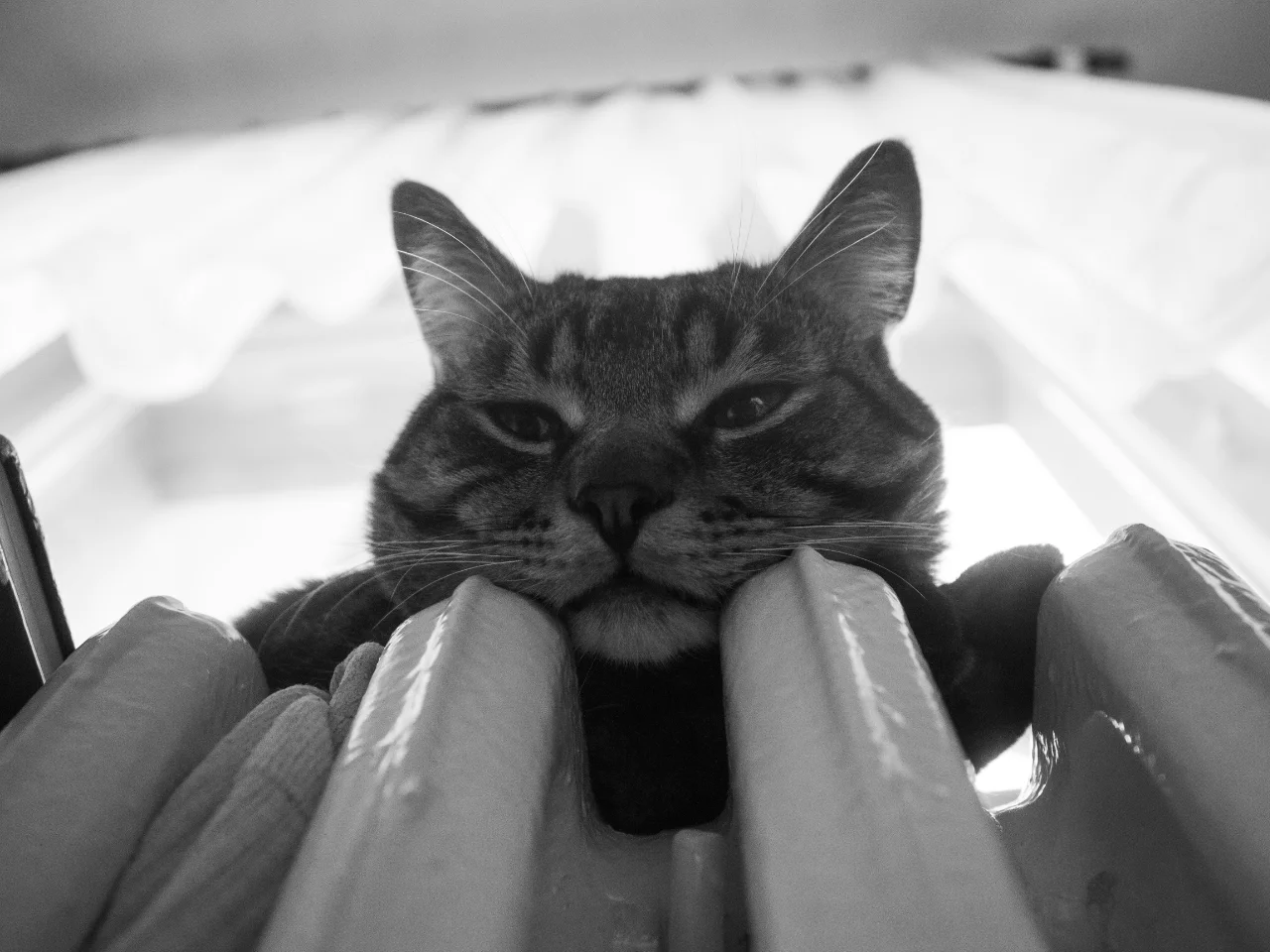
It's also why arthritic cats suddenly claim the radiator or the spot under the lamp.
Signs of Arthritis in Cats
Cats are masters at hiding pain. In the wild, showing weakness isn't safe, so they adjust instead of complaining. So the signs of arthritis in cats are subtle, and it takes a careful eye to spot arthritis early.
Changes in movement
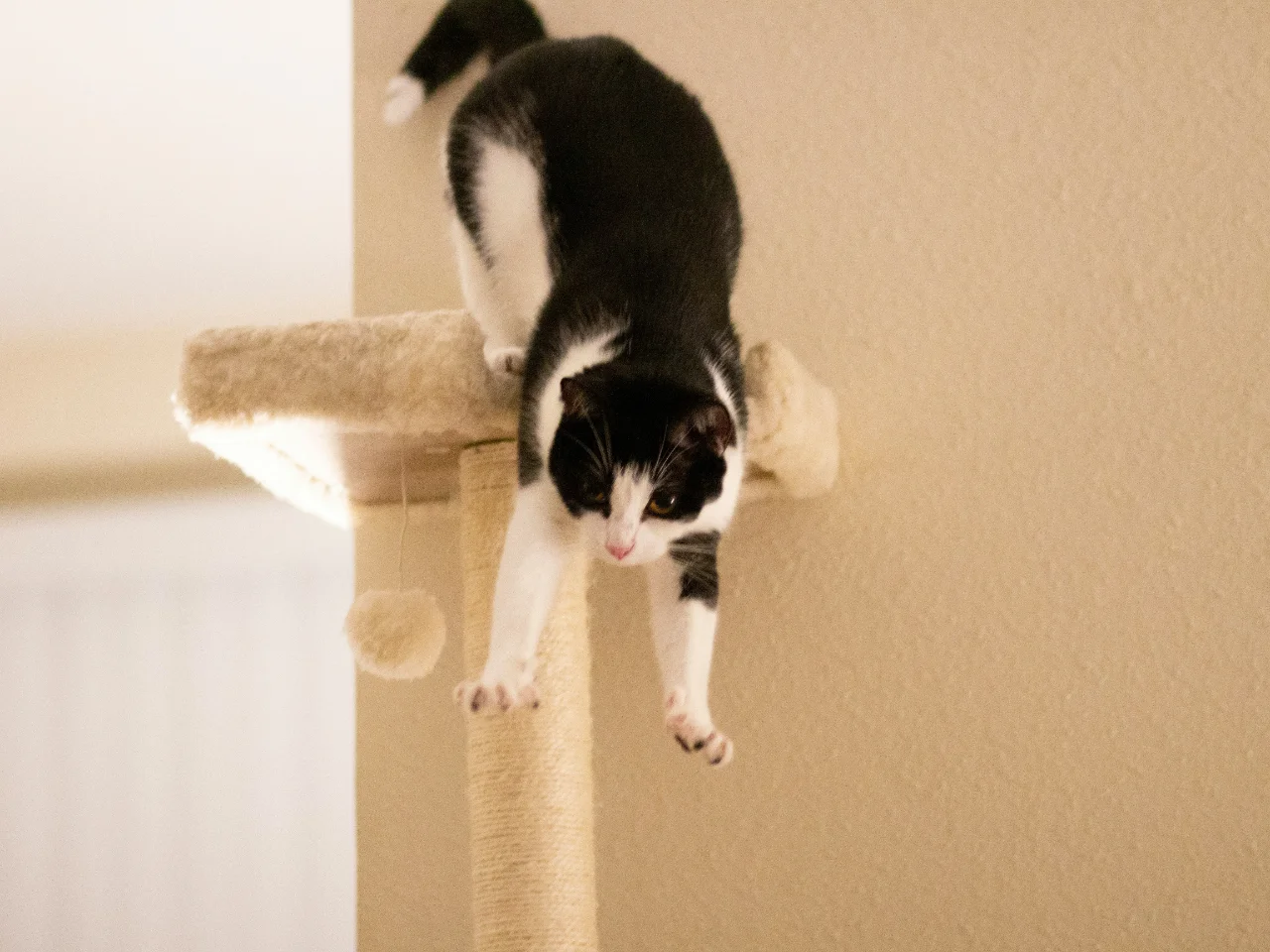
- Hesitating before jumping up, or jumping only partway and climbing the rest
- Jumping down instead of up, or avoiding high places they used to love
- Stiffness after naps, especially in the morning
- Walking differently, a bit stiff or with the back legs closer together
Changes in habits
- Litter box problems: Peeing or pooping just outside the box because climbing in hurts. Some cats also get constipation because squatting is uncomfortable.
- Messy coat: A scruffy or matted lower back, since twisting to groom is painful. Some arthritic cats overgroom one sore spot instead.
- Less play: Ignoring toys they used to chase.
- More sleep: Spending more time curled up and less time exploring.
- Mood changes: Grumpier when handled, hiding more, or not wanting to be picked up.
When to call
Pain or mobility issues like these can also come from other health problems, like kidney disease, an overactive thyroid, or diabetes in cats. That's why it's worth having your cat checked instead of assuming it's just old age. If your cat suddenly can't walk or cries out in pain, call right away. The same goes for a cat not eating or drinking.
How Vets Diagnose Arthritis in Cats
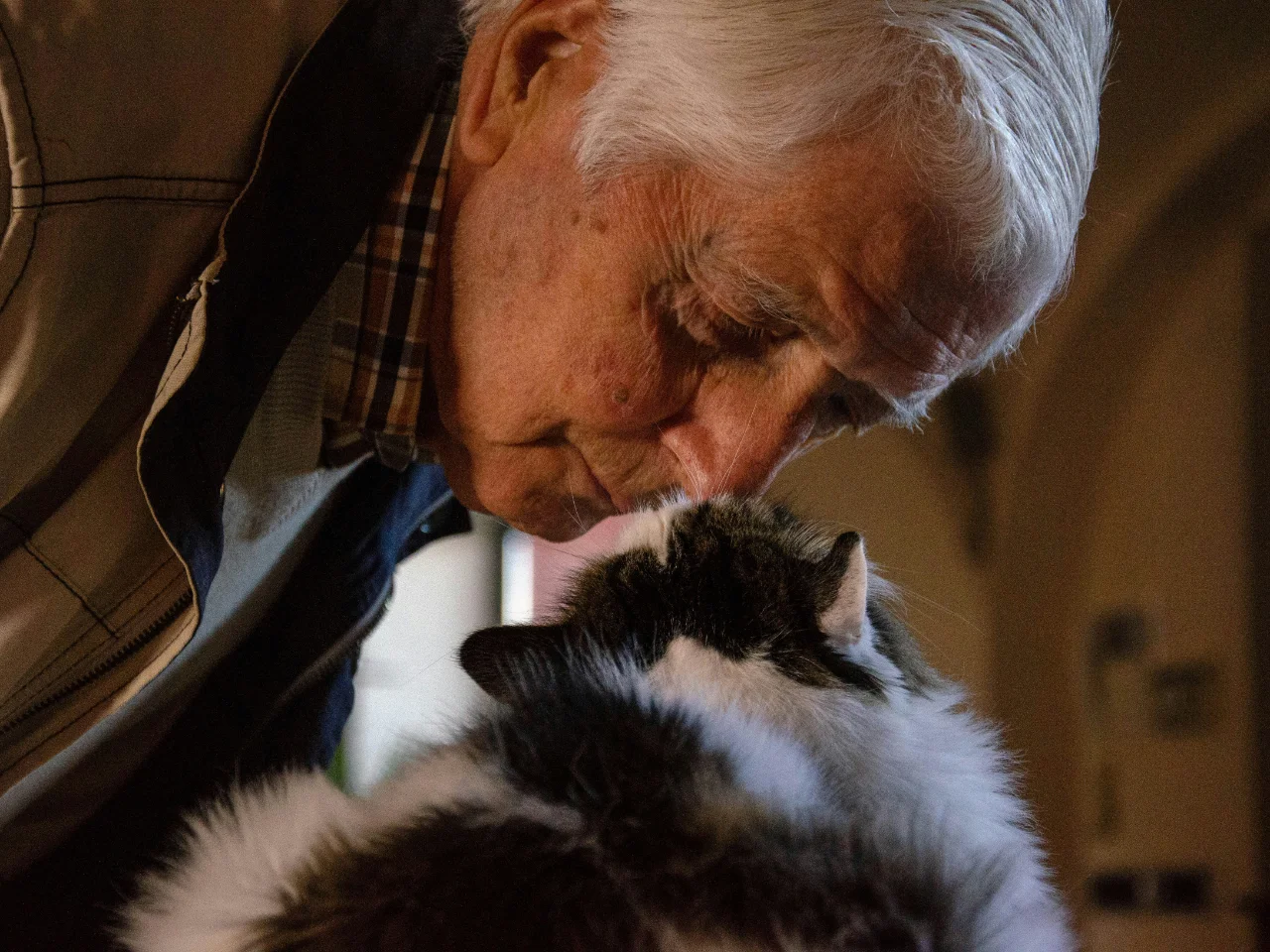
Confirming that a cat has arthritis is a bit of detective work, and you're a big part of the team.
- Your history: What you've noticed at home is often the most useful clue. Many cats act perfectly normal on the exam table, then go home and struggle with the stairs.
- Physical examination: Your vet will watch your cat move, feel each joint for swelling or thickening, and gently check range of motion.
- X-rays: These show changes in the bones and joints, like narrowing or bony spurs. Not every painful joint shows up clearly, though.
- Blood work: Blood tests for cats check kidney and liver function, which matters for choosing safe pain medication.
A tip that really helps: take a short video on your phone of your cat jumping, using the stairs, or getting in and out of the litter box. It often tells us more than the exam does.
Treatment Options for Cats With Arthritis
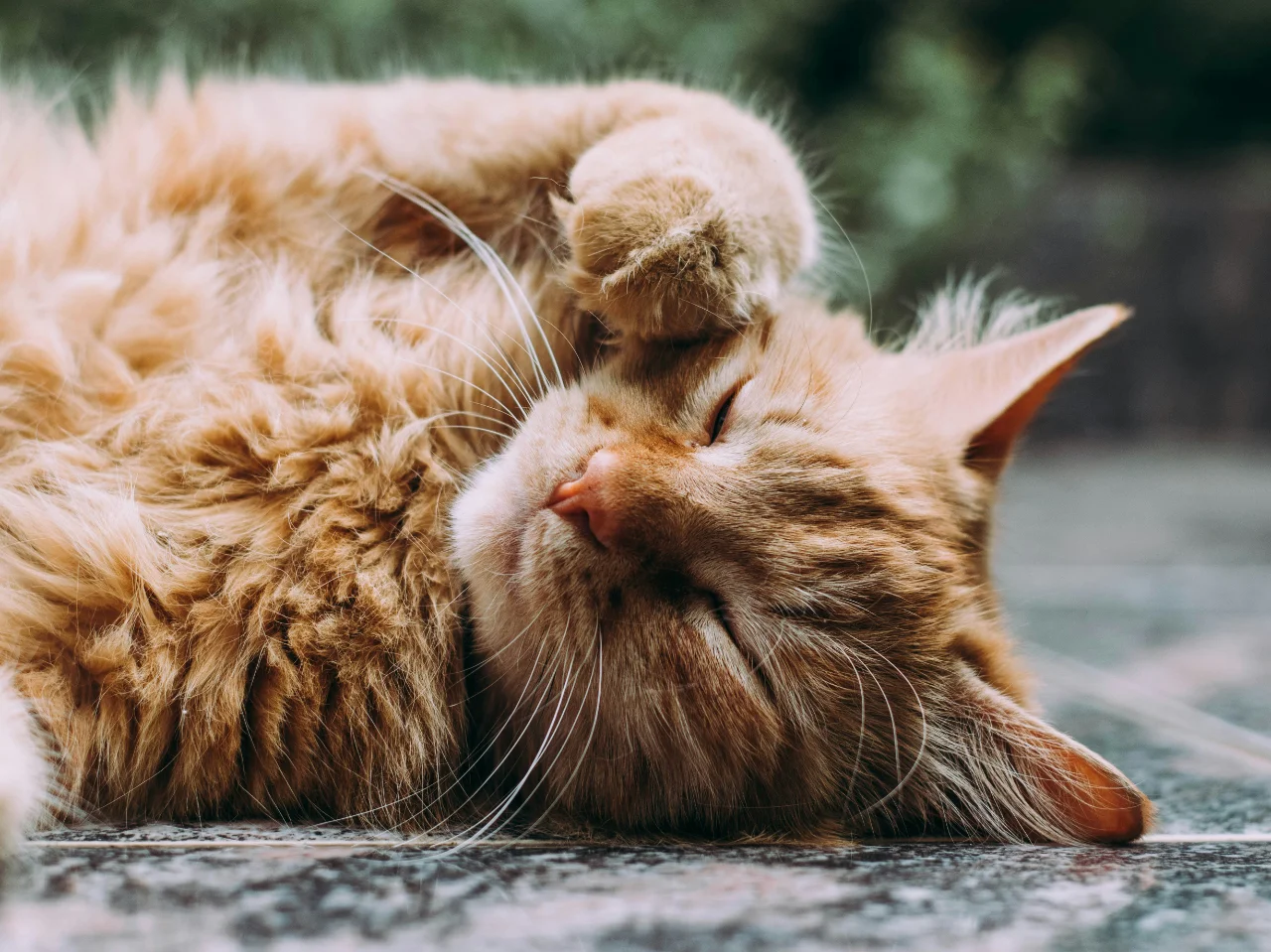
Good arthritis management for cats with OA usually means a mix of things rather than one magic fix.
- Pain relief made for cats: In veterinary medicine, we know cats process many drugs differently than people and dogs. Your vet may recommend an anti-inflammatory drug approved for cats, or a newer monthly injection that targets the pain caused by osteoarthritis in cats. Your veterinarian will tailor it to your cat's age and kidney health.
- Weight management: Maintaining a healthy weight matters, and gradual weight loss for overweight cats is one of the most effective things you can do for their joints.
- Joint diets and supplements: Some prescription diets and joint supplements include omega-3 fatty acids, which may help reduce inflammation and pain. Ask before adding anything new.
- Gentle activity: Five minutes with a feather wand in the evening is plenty. You're aiming for movement, not a workout.
- Regular rechecks: What works this winter may need tweaking by next one.
Please skip the medicine cabinet
It's tempting to treat pain in cats with something from your own shelf. Don't. A single Tylenol can kill a cat, and Advil or Aleve can wreck their kidneys and stomach. Our guide on can cats have Tylenol explains why. Dog arthritis medications aren't safe to share either, even though our guide on arthritis in dogs covers similar ground.
For cats with complex joint problems, our medicine and surgery team can help with further diagnostics and treatment.
How to Help Your Cat With Arthritis at Home This Winter
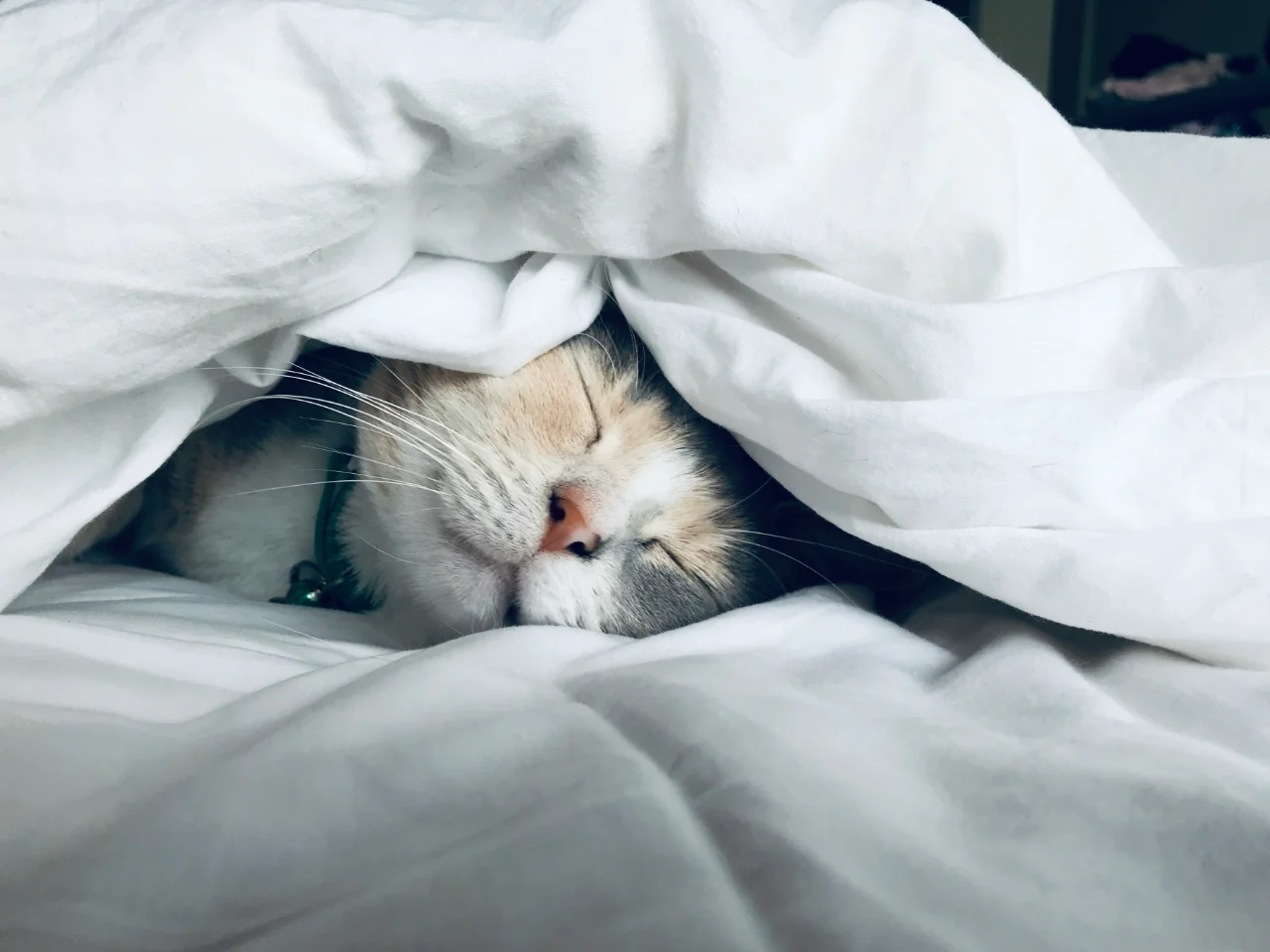
Small changes around the house help cats a lot in the cold months.
- Keep them warm. Put a soft, padded bed in a draft-free spot. A self-warming pad is lovely for sore joints. Avoid human heating pads, which can get too hot.
- Make the litter box easy. Choose a box with at least one low side, or cut an entry into a storage bin. Keep it on the main floor so your cat doesn't have to do stairs.
- Add steps and ramps. Pet stairs or a sturdy footstool help your cat reach the bed, couch, or window perch without a big jump.
- Raise food and water bowls slightly. Elevated food and water bowls mean less bending for cats with neck or elbow pain.
- Help with grooming. Gentle brushing helps with the spots your cat can't reach anymore, especially during cat shedding season. Keep claws trimmed, since less active cats don't wear them down.
- Keep them moving. A few minutes of easy play a couple of times a day helps more than one long session.
For more cold-weather ideas, see our winter pet care tips. Senior cats also benefit from a check-up twice a year, and our page on winter pet wellness explains why. A wellness exam is a good time to talk about joints.
Final Thoughts
Cat arthritis is incredibly common in older cats, and it's often missed because cats hide chronic pain so well.
Cold weather can make feline arthritis pain worse, so winter is a good time to pay extra attention. With the right pain relief, a healthy weight, and a few simple changes at home, most cats with arthritis can stay comfortable and active for years.
If you think your cat may be suffering from arthritis, contact us to book a visit. We'll help you figure out what's going on and build a plan that fits your cat.
Frequently Asked Questions
What are the first signs of arthritis in cats?
The early signs are usually small changes in how your cat moves and behaves.
- Jumping: Hesitating, jumping lower, or avoiding high spots.
- Stiffness: Moving slowly after naps or in the morning.
- Grooming: A messy or matted lower back.
- Litter box: Going just outside the box.
- Mood: Less playful or more irritable when handled.
Does cold weather really affect cats with arthritis?
Many owners and vets notice signs get worse in winter.
- Stiffness: Cold muscles and joints just don't move as freely.
- Less activity: A cat who naps all day by the window gets stiffer, not better rested.
- Weight: A few extra winter ounces matter more than you'd think on small joints.
- Warmth seeking: If your cat has taken over the heat vent, that's a clue.
- Help: A padded bed tucked away from the patio door can make mornings easier.
Can I give my cat something for joint pain at home?
Only medication prescribed by your vet.
- Human painkillers: Never give acetaminophen, ibuprofen, or aspirin.
- Dog medication: Not safe for cats.
- Supplements: Ask your vet before starting any.
- Comfort: Warm bedding and easy access to the litter box help.
- Next step: Book an exam to discuss safe pain relief.
How long can a cat live with arthritis?
Arthritis itself isn't usually what shortens a cat's life.
- Chronic condition: Think of it like a bad knee in a person, something you live with.
- Quality of life: This is what we focus on, and pain control is the biggest piece.
- Weight: Lean cats tend to stay mobile longer.
- Monitoring: We'll usually want to see arthritic seniors every six months or so.
- Outlook: Many arthritic cats live happily for years.
Is arthritis in cats different from arthritis in dogs?
The disease is similar, but how it shows up and how it's treated differ.
- Signs: Dogs often limp, while cats tend to just move less.
- Medication: Cats need drugs approved and dosed for cats.
- Diagnosis: Cats can be harder to read on the exam table.
- Home care: Litter box access matters a lot for cats.
- Weight: Keeping both species lean is one of the best things you can do.

