


TL;DR: Canine Parainfluenza and What You Should Know
- Canine parainfluenza is a virus that can make your dog cough, sneeze, run a mild fever, or lose interest in food.
- It spreads easily between dogs, especially when they spend time together in parks, kennels, or daycare.
- Puppies, older dogs, and dogs with weaker immune systems are more prone to getting seriously sick.
- The symptoms of parainfluenza are similar to those of other canine respiratory illnesses, so catching them early really helps.
- Giving a vaccine to dogs and keeping up with annual vaccinations and routine exams can lower the risk.
- Information on canine parainfluenza virus helps you know what to watch for and how to protect your dog.
- Watch out for changes in energy, appetite, or coughing patterns; they can be early signs of infection.
- Avoiding contact with infected dogs or those showing symptoms can help stop the virus from spreading.
- Keeping your dog’s space spot, including bedding, toys, and feeding areas, supports recovery and keeps them healthier.
Once you notice your dog coughing, sneezing, or acting differently, make an appointment with us. Our team’s quick action can help your dog feel better fast and stay safe.
Have you ever noticed your dog suddenly starting a cough and wondered if it might be canine parainfluenza? This virus is really contagious and can cause a respiratory illness that spreads easily and quickly, especially when dogs spend time with other dogs or hang out in places where many dogs gather. It’s scary how quickly the parainfluenza virus can spread through the air that dogs breathe or just from being around other pups.
Canine parainfluenza often shows up as part of kennel cough or other canine respiratory diseases, and the symptoms can sometimes look a lot like canine influenza or even canine distemper. How your dog shows signs can really depend on their age, and puppies or older dogs with weaker immune systems seem to catch it more easily.
Knowing a bit about canine parainfluenza virus infections, the symptoms of this respiratory virus, and what causes parainfluenza in dogs can really help you keep your pet safe. Keeping up with annual vaccinations, routine exams, and a good vaccine schedule can make a big difference. Read on to get a better sense of this highly contagious respiratory illness and what vets usually say about parainfluenza in dogs.
What Is Canine Parainfluenza Virus in Dogs

Canine parainfluenza is a highly contagious virus infection that causes respiratory illness in dogs. It spreads easily among dogs who live or spend time around other dogs because the virus is transmitted through the air dogs breathe and through contact with other dogs. Many vets discuss parainfluenza in dogs since it is a common cause of respiratory symptoms in dogs worldwide.
The Role of the Virus in Canine Respiratory Disease
Canine parainfluenza is a very contagious virus that affects a dog’s breathing, often causing coughing and inflammation in the airways. This virus can sometimes show up with other breathing problems in dogs, especially kennel cough. It may also happen alongside infections caused by Bordetella or canine adenovirus-2.
- Contagious respiratory illness: The infection is a highly contagious respiratory illness that spreads easily between dogs, especially when they share the same air dogs breathe or have close contact with other dogs.
- Connected to kennel cough: Parainfluenza can be part of a group of infections that make up kennel cough, where pathogens like Bordetella and canine adenovirus-2 may also be involved.
- Cough and airway irritation: The virus causes respiratory symptoms in dogs, often leading to cough and inflammation that may sound like a dry or hacking cough.
- Symptoms can differ between dogs: The intensity of these symptoms may differ depending on the age of the dog, and symptoms may vary depending on overall health, especially in puppies and older adult dogs with compromised immune systems.
Signs and Symptoms of Canine Parainfluenza Virus

Canine parainfluenza is a highly contagious respiratory illness that affects dogs and can spread easily, especially among dogs that live or spend time around other dogs. Symptoms may show up weeks before they first appear, and they can differ depending on the age and overall health of your dog. Spotting these symptoms early can help you decide when an appointment with your vet might be needed.
Dry, Hacking Cough
A dry, hacking cough is usually the first thing you’ll notice. It can be persistent and uncomfortable, and ineffective cough relief is common in some dogs.
- Often triggered by irritation in the throat or airways.
- It may appear more after activity or excitement.
- Sometimes looks like retching or gagging.
Retching or Gagging
Some dogs may retch or gag along with the cough. It can look worrying, but this is often just a viral infection at work.
- It can resemble vomiting.
- It may happen repeatedly during coughing episodes.
- Often depends on the intensity of symptoms.
Nasal Discharge and Sneezing
Parainfluenza virus spreads easily and can cause nasal irritation. Sneezing or discharge is a common way the virus shows up in the upper airways.
- Clear or slightly cloudy nasal discharge.
- Frequent sneezing.
- Signs of airway inflammation.
Low-Grade Fever
Some dogs develop a mild fever when infected. This is part of the body’s response to the highly contagious viral lung infection.
- Slightly elevated body temperature.
- It may last for weeks after the first symptoms.
- It can vary depending on the age of the infected dog.
Lethargy or Depression
Dogs may seem more tired than usual or less interested in normal activities. It’s easy to miss at first, but it’s a sign that something is off.
- Reduced interest in play or walks.
- Appears unusually tired or withdrawn.
- Often comes along with other symptoms like coughing.
Loss of Appetite
Discomfort from coughing or other respiratory symptoms may make some dogs eat less.
- Less interest in food than usual.
- Often appears during the first weeks of symptoms.
- Usually temporary, but it’s worth monitoring.
Eye Inflammation or Discharge
Sometimes the virus can affect the eyes too. This usually shows up alongside other respiratory symptoms.
- Mild redness or irritation.
- Watery discharge.
- Temporary, but a sign the infection is spreading.
Duration and Symptom Severity
Note that the virus is highly contagious, and symptoms usually last a week or two, but some dogs may need closer care. Severe chronic cases may necessitate antibiotics or more frequent vet visits.
- Acute symptoms usually last 1 to 2 weeks.
- Symptoms may vary depending on the health and age of the dog.
- Severe chronic cases may necessitate closer monitoring.
- Even after symptoms improve, the virus can be easily spread.
Differences in Symptom Intensity
Not every dog reacts the same way. Puppies, older adult dogs, and dogs with compromised immune systems often show stronger symptoms, while healthy adults may have milder signs.
- Puppies and older dogs often show more severe signs.
- Healthy adult dogs may show only one or two mild symptoms.
- The intensity of symptoms can vary between dogs.
- Some dogs recover quickly, while others show multiple symptoms.
What Causes Canine Parainfluenza

Parainfluenza virus is easily spread and highly contagious to other canines, especially for dogs that live or spend time around many dogs. Knowing how it’s transmitted can help you keep your dog safe and healthy. Experienced vets are passionate about helping owners understand the virus and ways to prevent it.
Airborne Spread
The virus is transmitted through the air that dogs breathe and can infect dogs quickly in close contact.
- Parainfluenza is a highly contagious viral lung infection.
- Dogs who live or spend time in crowded places are at higher risk.
- Kennels, dog parks, and daycare areas can make it easier for the virus to spread.
Direct Contact with Infected Dogs
Dogs with parainfluenza can pass the virus during normal interactions, even if they seem mostly healthy.
- Sniffing, licking, or playing can spread the virus.
- Puppies and dogs with compromised immune systems are especially vulnerable.
- Parainfluenza virus is easily spread even on shared items like water bowls or toys.
Co-Infection with Other Diseases
Parainfluenza can appear alongside other canine respiratory illnesses.
- Symptoms of parainfluenza can resemble those of canine influenza or be similar to canine distemper.
- Dogs with multiple infections may have stronger or longer-lasting symptoms.
- Treatment of parainfluenza in dogs can get more complicated when other infections are present.
Environmental and Seasonal Factors
Some settings and times of year make the virus easier to catch.
- Dogs gather in places with poor ventilation, which makes the spread easier.
- Dogs breathe and are especially exposed in boarding facilities or grooming areas.
- Contagious for dogs that live in busy urban areas unless proper precautions are taken.
Approaches to Treating Canine Parainfluenza

Dealing with parainfluenza can be stressful, but most dogs recover well with a bit of care and attention. The virus infection is a highly contagious illness, so knowing about dogs and how to treat symptoms safely can make a big difference. Experienced vets are passionate about the health of dogs and want owners to feel confident in supporting their pets.
Supportive Care at Home
For many dogs, rest and comfort are the first steps to recovery.
- Give your dog a quiet, cozy spot to relax.
- Offer fresh water often to keep them hydrated.
- Soft, easy-to-eat food may help during the weeks of the first symptoms.
Managing Cough and Breathing
Coughing and breathing discomfort can be annoying for dogs, but there are ways to make them more comfortable.
- Use gentle steam or a humid room to ease irritation in the airways.
- Keep your dog away from smoke or dusty areas.
- A vet is unlikely to recommend medications unless the situation is dire.
Monitoring Symptoms
Even mild cases need attention to make sure things don’t get worse.
- Track changes in energy, appetite, or breathing.
- Watch for worsening cough, nasal discharge, or eye irritation.
- Keep notes during the weeks of the first symptoms to see patterns.
Preventing Secondary Problems
Parainfluenza can sometimes lead to other infections if the dog’s immune system is stressed.
- Keep your dog warm and well-fed to support their immune system.
- Limit contact with other dogs while they recover, since the virus is especially contagious for dogs.
- Seek advice from your vet if symptoms seem to be getting complicated.
Knowing When to See the Vet
Some situations need professional care to make sure your dog stays safe.
- Dogs with severe lethargy, high fever, or trouble breathing need immediate attention.
- Chronic cases may necessitate antibiotics or closer monitoring.
- Experienced vets are passionate about tailoring care to each dog’s needs.
Expert Vet Tips and Advice for Protecting Your Dog
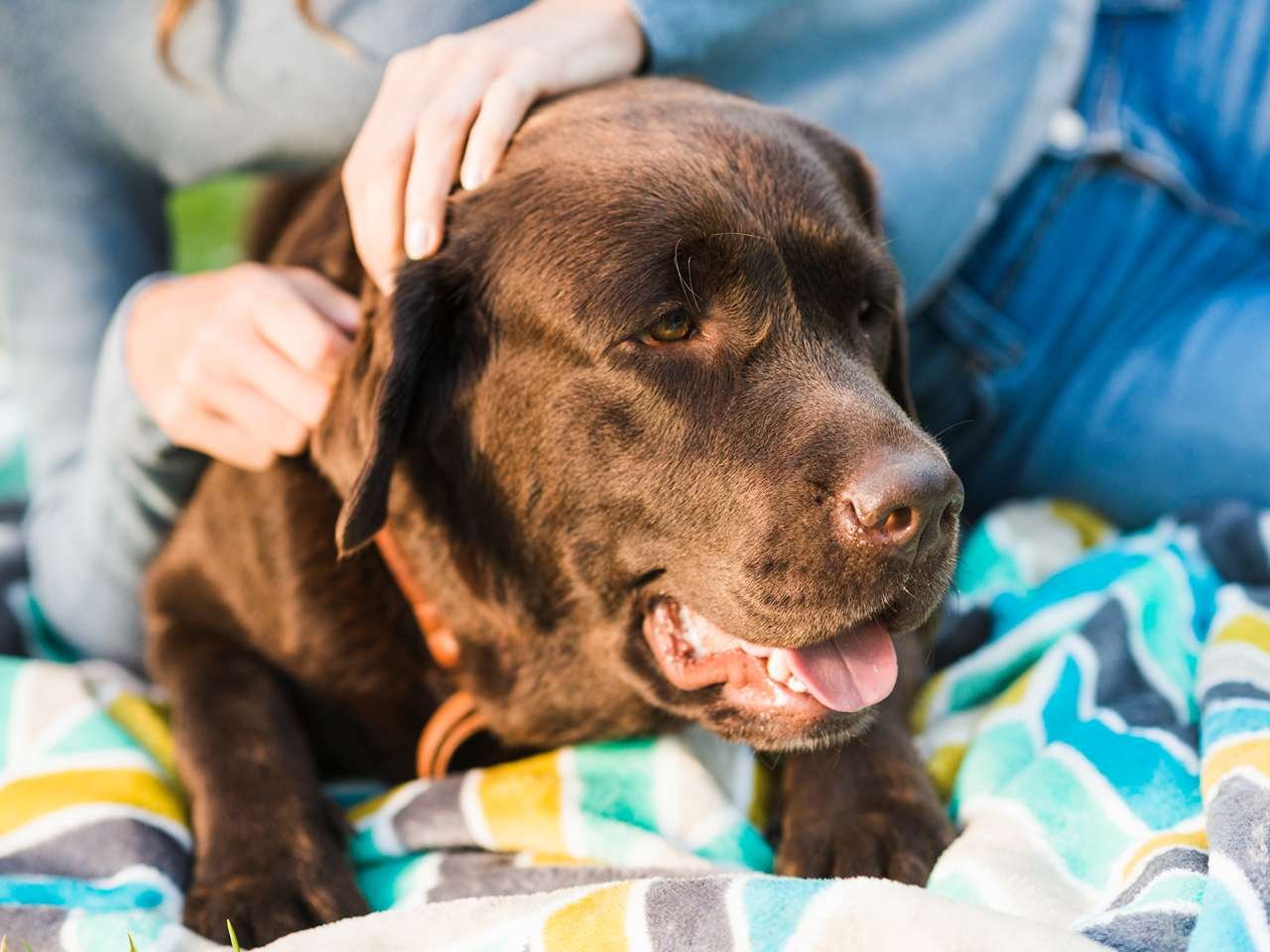
Keeping your dog safe from parainfluenza is really about knowing how the virus spreads and being prepared. The virus is easily transmitted, so understanding what makes dogs vulnerable can make a big difference. Vets often provide information on canine parainfluenza to help owners feel confident about protecting their pets.
Annual Vaccinations and Routine Exams
Regular checkups are one of the best ways to keep your dog healthy.
- Annual vaccinations and routine exams help protect against parainfluenza and other diseases.
- Your vet can check your pet’s health and vaccination history to make sure everything is up to date.
- Staying on schedule is especially important during the four weeks before symptoms may appear.
Reducing Exposure
Avoiding risky situations helps lower the chances of infection.
- Parainfluenza is transmitted through close contact with other dogs.
- Try to avoid crowded areas like dog parks or boarding facilities during outbreaks.
- Dogs can be contagious to other canines unless proper precautions are taken.
Early Recognition of Symptoms
Noticing signs early can save your dog from serious illness.
- Watch for coughing, sneezing, or changes in breathing.
- Keep an eye on appetite, energy levels, or unusual behaviour.
- Recognizing symptoms early allows your vet to guide you on the next steps.
Supporting Your Dog’s Health
Healthy dogs handle infections better.
- Make sure your dog has good nutrition, exercise, and a clean space to live.
- Regular check-ins with your vet can help spot respiratory issues early.
- Understanding parainfluenza and a host of other diseases helps keep your dog safe.
Guidance on Vaccines
Vaccines give your dog a strong defense against parainfluenza and similar illnesses.
- A vaccine for dogs lowers the risk of infection and severe symptoms.
- Talk to your vet about the best vaccine schedule for your dog’s age and health.
- Keeping up with preventive care gives your dog the best chance to stay healthy and happy.
Final Thoughts
Canine parainfluenza can spread fast, especially when dogs are around other dogs, so it’s easy to worry if your dog starts coughing or sneezing. Paying attention to early signs, like a dry cough, sniffles, or low energy, can really help you act before things get worse.
Knowing how the virus spreads and what to watch for makes it easier to keep your dog safe. Most dogs bounce back with a little extra care at home, but sometimes a vet visit is needed to make sure everything is okay.
Keeping up with regular checkups and giving your dog the care they need can prevent small problems from turning into bigger ones. With a little attention and some simple precautions, you can help your dog stay happy, healthy, and playful.
Frequently Asked Questions
How can I safely introduce my dog to other dogs if there are viruses going around?
Meeting new dogs can be fun, but it can also be stressful when you know illnesses are spreading. You want your dog to play and socialize, but it’s smart to be cautious at first. A little planning can make introductions safer and less overwhelming for everyone involved.
Start slow: Let your dog approach new dogs calmly, sniffing and getting comfortable before running and playing.
Watch their behaviour: Pay attention to signs of stress or discomfort in both dogs and step in if needed.
Keep play sessions short: Brief interactions reduce stress and give you a better sense of how the dogs get along.
Clean shared items: Toys, bowls, mats, blankets, or covers can carry germs, so wipe them down after play.
Ask your vet for advice: They can share tips on introducing dogs safely, especially during outbreaks.
Can seasonal changes affect my dog’s health?
Weather changes can really affect how your dog feels and behaves. Cold, damp air or dry indoor heat can irritate their nose and throat, while sudden temperature swings can make them feel off. Being aware of these changes can help prevent minor issues from turning into bigger problems.
Keep the air comfortable: Dry or dusty rooms can bother your dog’s breathing. Humidifiers or clean air can help.
Be mindful of sudden temperature changes: Moving from a hot house to a cold yard or vice versa can stress your dog.
Provide a cozy resting spot: A blanket or sheltered corner makes a big difference when it’s too hot or cold.
Avoid crowded areas during extreme weather: Busy dog parks or daycare centres can increase exposure to germs.
Watch for changes: Even small drops in energy or appetite can be early warning signs.
What should I do if my dog seems fine but has been around sick dogs?
Even if your dog seems healthy, exposure to other sick dogs can be risky. They might be carrying something without showing any signs yet. Keeping a close eye and taking precautions can prevent problems before they start.
Look for subtle signs: Coughing, lower energy, or less interest in food can all indicate something is off.
Give your dog some space: Limit interactions with other dogs until you’re sure they’re healthy and not infected with any contagious disease.
Call your vet if unsure: A quick check-in can give peace of mind and guidance.
Clean shared items: Bowls, toys, and bedding can harbour germs, so wash them regularly.
Avoid high-risk spots: Dog parks, daycare, or playing and socialization are better skipped for a while.
How can I prevent my dog from spreading a mild illness to others?
Even if your dog seems fine, they can still pass germs to other dogs. A few simple precautions can protect your dog and others while they recover.
Limit social interactions: Avoid dog parks, daycare, kennels, or group events until your dog is fully well and recovered.
Keep things separate: Be sure your dog doesn’t share bowls, toys, blankets, or bedding with other pets—this helps keep them healthy and stops germs from spreading.
Clean hands and surfaces: Wash your hands thoroughly after handling your dog and clean the areas they use.
Monitor symptoms: Make sure any lingering cough, sneezing, or low energy is gone before letting them socialize again.
Vet guidance: Your veterinarian can tell you when it’s safe to return to normal playdates.
Can stress or diet affect how well my dog handles sickness?
A dog’s overall health plays a big role in how well they recover from illness. Stress, poor diet, or sudden changes can make it harder for them to fight off minor infections. Keeping your dog healthy and comfortable can help them bounce back faster.
Balanced meals help: High-quality, nutritious food supports the immune system.
Stick to routines: Changes in schedule or environment can stress dogs and weaken their defenses.
Exercise wisely: Regular walks are great for keeping dogs strong, but if they look tired or are not feeling well, it’s better to slow things down.
Plenty of rest: Rest, sleep and downtime matter just as much as food and play when your dog is getting better.
Check with your vet: They can suggest dietary tweaks, supplements, or lifestyle adjustments.

