
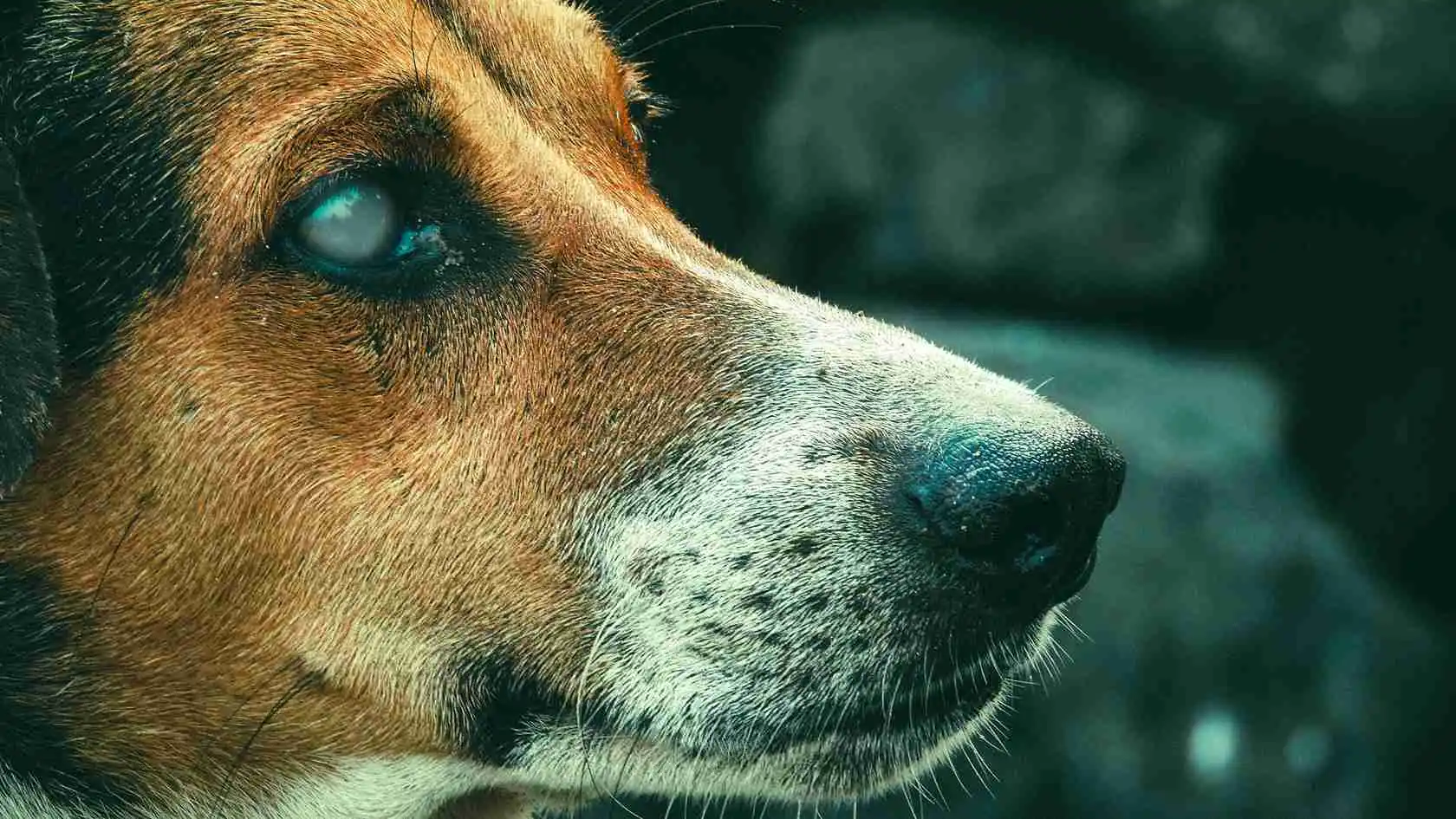

TL; DR: Canine Eye Ulcers in Spring – Causes, Signs, and More
- Spring is full of outdoor fun, but wind, dirt, and pollen can irritate your dog’s eyes and sometimes cause painful sores.
- Some dogs are more prone to eye problems, so it helps to keep a closer eye on them during walks or playtime.
- Early warning signs include redness, tearing, squinting, or pawing at the eye. Noticing these early can make a big difference.
- Even small scratches or tiny particles in the eye can turn into something more serious if left alone.
- Eye issues can range from minor irritation to problems that need professional attention.
- Dogs may act uncomfortable, blink more, or avoid light when their eyes are irritated.
- Certain breeds with prominent or sensitive eyes may get irritated more easily.
- Playing outside near grass, dust, or pollen can increase the risk of eye irritation.
- Keeping hair and debris away from the eyes can help reduce irritation.
- Catching problems quickly and getting a vet to check your dog can prevent bigger issues.
- Acting fast helps your dog heal comfortably and enjoy spring without pain.
If you notice anything unusual in your dog’s eyes or think your dog might have an ulcer, don’t wait. Call us as soon as possible so our experts can examine the eye, recommend the right care, and help your dog feel better quickly and safely.
Have you ever noticed your dog’s eyes looking irritated or just not right when spring starts? Wind, dirt, and pollen can bother the surface of the eye, and they’re a common cause of eye ulcers in dogs when the outermost layer of the eye gets irritated. It usually starts small, but the eye can quickly become painful.
Some dog breeds seem more likely to get a superficial corneal ulcer that’s slow to heal if left untreated. What looks like a tiny issue on the surface of the cornea can quietly turn into a deeper eye problem. That’s often when you realize this isn’t something to ignore.
Knowing how spring conditions affect your dog’s eyes can help you protect the eye and support the healing process. With the right care, many corneal ulcers will heal. Read on to learn more about dog eye or corneal ulcer, how these seasonal changes play a role, and what to watch for before things get worse.
Why Spring Increases the Risk of Corneal Ulcer in Dogs

Spring can be a tough season for dogs’ eyes. With wind, pollen, and dust in the air, the front of the eye can get irritated, and even small scratches on the corneal tissue can turn into a painful ulcer. It’s easy to miss at first, but keeping an eye on your dog during this season is really important.
How Seasonal Changes and Factors Like Wind, Dirt, And Pollen Affect Eye Health
Dogs’ eyes can take a real beating in spring, especially with all the outdoor activity. Dry air, debris, and pollen can reduce the natural protection of the cornea and eyelids, making the eyes more sensitive.
- Wind or dust can scratch the outer layer of the cornea.
- Dry conditions can make a dog’s eye feel uncomfortable and worsen dry eye.
- Pollen, grass, and small debris from being outside can irritate the corneal tissue.
- Rubbing the eye can make minor injuries worse.
- Even small signs of redness or tearing should be noticed to prevent deeper ulcers.
- Temperature changes can affect tear production and make the eye drier.
- Allergens in pollen or plants can cause swelling and irritation.
- Tiny branches or sticks during walks can scratch the cornea.
- Strong sunlight can make the eye more sensitive.
- Water from puddles or play can sometimes aggravate irritation.
Breeds Most Prone to Corneal Ulcers
Some dogs are more at risk just because of the way their eyes are shaped. For these breeds, spring can be a tricky time, and close attention is needed to prevent serious eye problems.
Boxers
Their big, prominent eyes and shallow sockets mean even small debris can scratch the corneal tissue. Rubbing the eye can make a superficial corneal ulcer worse.
Pugs and Bulldogs
Flat faces and large eyes make the front of the eye easy to irritate. Left untreated, minor scratches can turn into deep ulcers.
Shih Tzus and Lhasa Apsos
Long hair around the eyelids can trap pollen and dust, irritating the cornea. Superficial corneal ulcers can happen more than once if the hair isn’t kept clear.
Boston Terriers
Prominent eyes and a flat face make the corneal tissue sensitive. Even a small scratch can get worse if the dog rubs the affected eye.
Cocker Spaniels
Tear issues and the shape of their eyes make the cornea more delicate. Minor irritation can lead to a superficial corneal ulcer that takes time to heal.
Chihuahuas
Bulging eyes are easy to scratch, and small particles can quickly cause a superficial corneal ulcer.
Pekingese
Their protruding eyes are exposed to debris and pollen, which can lead to repeated superficial corneal ulcers.
Huskies
Active outdoor dogs can bump into sticks, dirt, or pollen, which may damage the front of the eye and cause an ulcer if untreated.
Owners of these breeds should watch closely for any signs of irritation. Untreated corneal ulcers are painful, and early treatment with antibiotic eye drops or ointments from a veterinarian can help the ulcer heal before it becomes more serious or chronic.
Common Causes of Corneal Ulcers and Eye Ulcers in Dogs
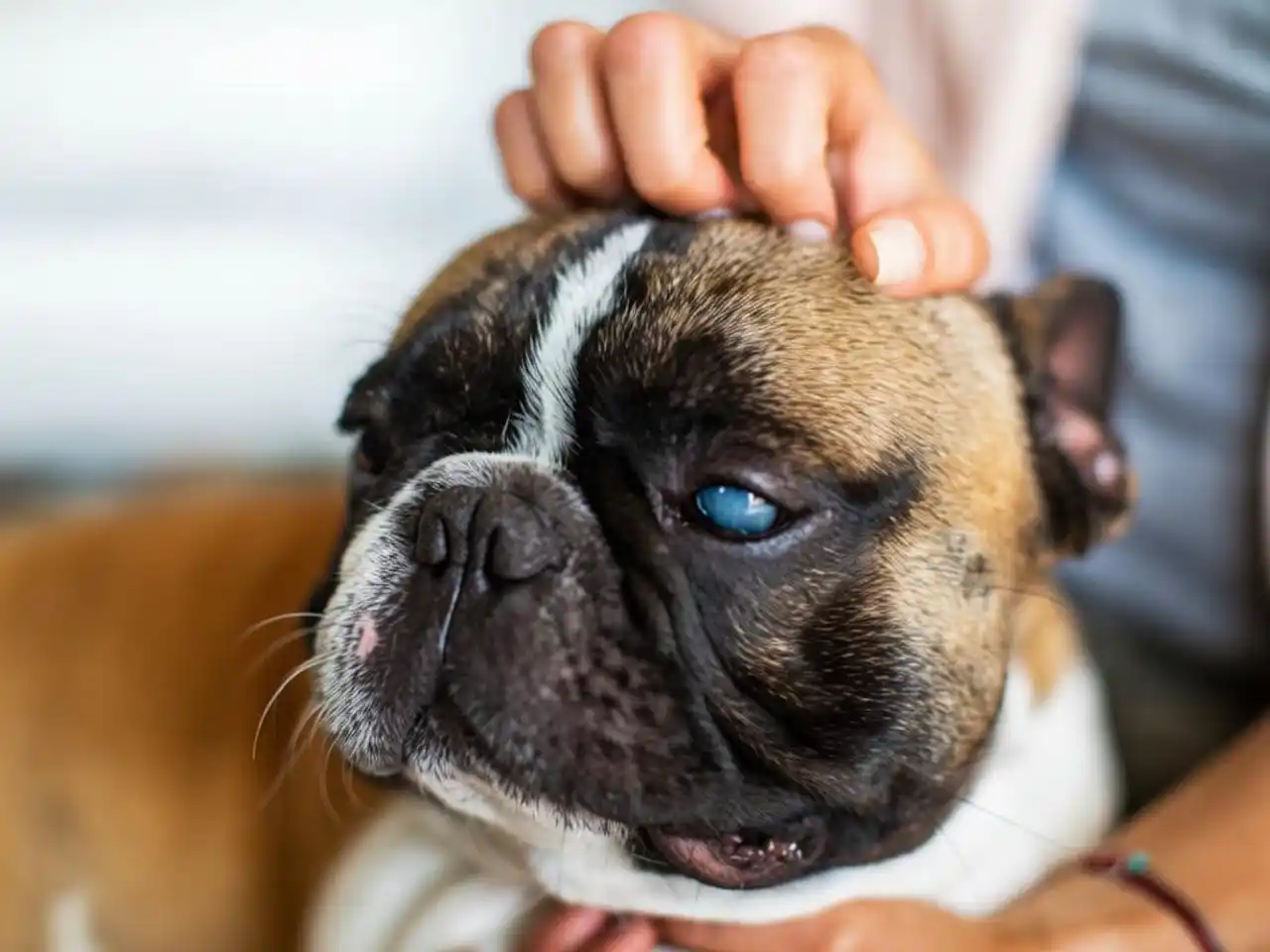
Corneal ulcers can happen for lots of reasons, and knowing what puts a dog at risk can really help prevent pain and bigger problems. An ulcer may develop whenever the cornea is scratched, irritated, or weakened, and catching it early makes a big difference. Spring can make things worse, since wind, pollen, and dust increase the chances of eye injuries.
Eye Injuries and Seasonal Hazards
The cornea is the clear part of the eye, and even a small scratch or piece of debris can turn into a superficial corneal ulcer. Spring brings extra outdoor exposure, and things like dust, pollen, or sticks can irritate the eye more than usual.
- Sticks, branches, or rough surfaces can scratch the corneal stroma.
- Dust, pollen, or dirt carried by spring winds can irritate the eye.
- Chemicals or cleaning products can accidentally damage the cornea.
- Rubbing the affected eye can make the edge of the ulcer worse.
- Longer, sunnier spring days can make the cornea extra sensitive.
Health Conditions That Increase Risk
Some dogs have eye conditions that make their eyes more fragile, and spring allergens or dry air can make it worse.
- Dry eye can leave the cornea exposed and prone to superficial corneal ulcers.
- Eyelid problems may constantly rub the corneal surface.
- Previous eye infections can weaken the corneal stroma and slow healing.
- Allergies in spring can inflame the eye and increase irritation.
- Some dogs may develop repeated corneal erosion, which can turn into a chronic ulcer.
Breed and Eye Shape
Certain breeds are naturally more at risk because of the way their eyes are shaped. Big, round, or protruding eyes just don’t have the same natural protection.
- Flat-faced breeds may not blink fully, leaving the cornea exposed.
- Dogs with large, round, or bulging eyes have less natural protection.
- Long hair around the eyelids can trap pollen, dust, and other spring irritants.
- Active dogs that love outdoor play may bump into sticks or get dust in their eyes.
- Dogs with sensitive eyes may get repeated superficial corneal ulcers.
Infections and Other Causes
Sometimes ulcers appear from infections or repeated small injuries. If left untreated, these can become a deeper corneal ulcer that requires aggressive treatment.
- Bacterial or viral infections can damage the cornea and slow healing.
- Rubbing or minor scratches can make the ulcer bigger.
- Allergens or air pollutants can inflame the corneal stroma over time.
- Using eye medication incorrectly can sometimes irritate the cornea.
Knowing what causes corneal ulcers makes it easier to spot problems early. With the right care, like antibiotic eye drops or ointments from a veterinarian, the ulcer may heal within days and prevent more serious damage inside the eye.
Symptoms of a Corneal Ulcer and Clinical Signs of Eye Problems
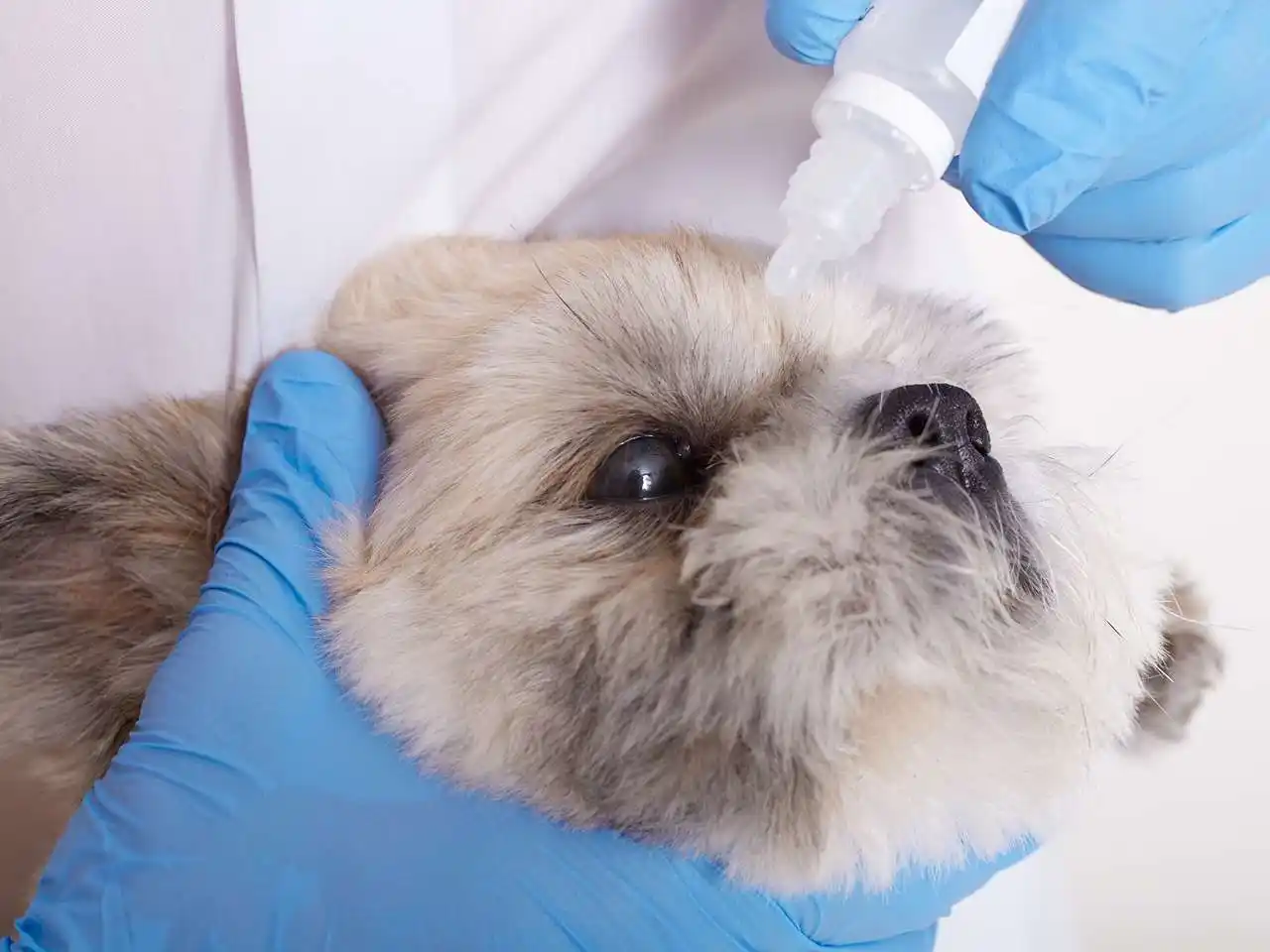
Corneal ulcers can be painful for dogs and cats, and knowing what to look for can really help prevent more serious problems. The severity of the ulcer can vary, and catching it early means the eye may heal faster and avoid serious damage. Spring can make things worse, with wind, pollen, and debris irritating the affected eye even more.
Early Signs of a Corneal Ulcer
Even a small superficial ulcer can make a dog uncomfortable. Paying attention to early symptoms of corneal ulcers can help owners get treatment before the ulcer gets worse.
- Redness in the white of the eye.
- Excessive tearing or discharge.
- Squinting or partially closing the eye.
- Rubbing or pawing at the eye.
- Sensitivity to light, especially on bright or windy days.
Visible Changes to the Eye
As the ulcer develops, changes on the surface of the eye become easier to notice. A veterinarian may use fluorescein to check the size of the ulcer and see if it affects deeper layers of the cornea.
- Cloudiness or a spot on the cornea indicates a superficial ulcer.
- Swelling around the eyelids or the front of the eye.
- Changes in the corneal stroma occur if the ulcer is deep.
- Irregular or inflamed edges of the ulcer.
- In severe cases, a deep corneal ulcer may enter the corneal tissue.
Behavioural Signs and Pain Indicators
Dogs often show signs of discomfort that signal a corneal ulcer. Watching for these behaviours can help prevent the ulcer from getting worse or turning chronic.
- Pawing or rubbing at the affected eye.
- Reluctance to open the eye completely.
- Less interest in playing or going outside.
- Squinting or blinking more, especially in light.
- Distress when the eye is touched or cleaned.
Noticing these symptoms early gives your veterinarian a better chance to start treatment quickly. Appropriate treatment with antibiotic eye drops or ointments can help a superficial ulcer heal within days, while serious ulcers may need surgery to remove damaged tissue and protect the eye from further damage.
Superficial Corneal Ulcer, Indolent Ulcer, and Melting Ulcer Explained
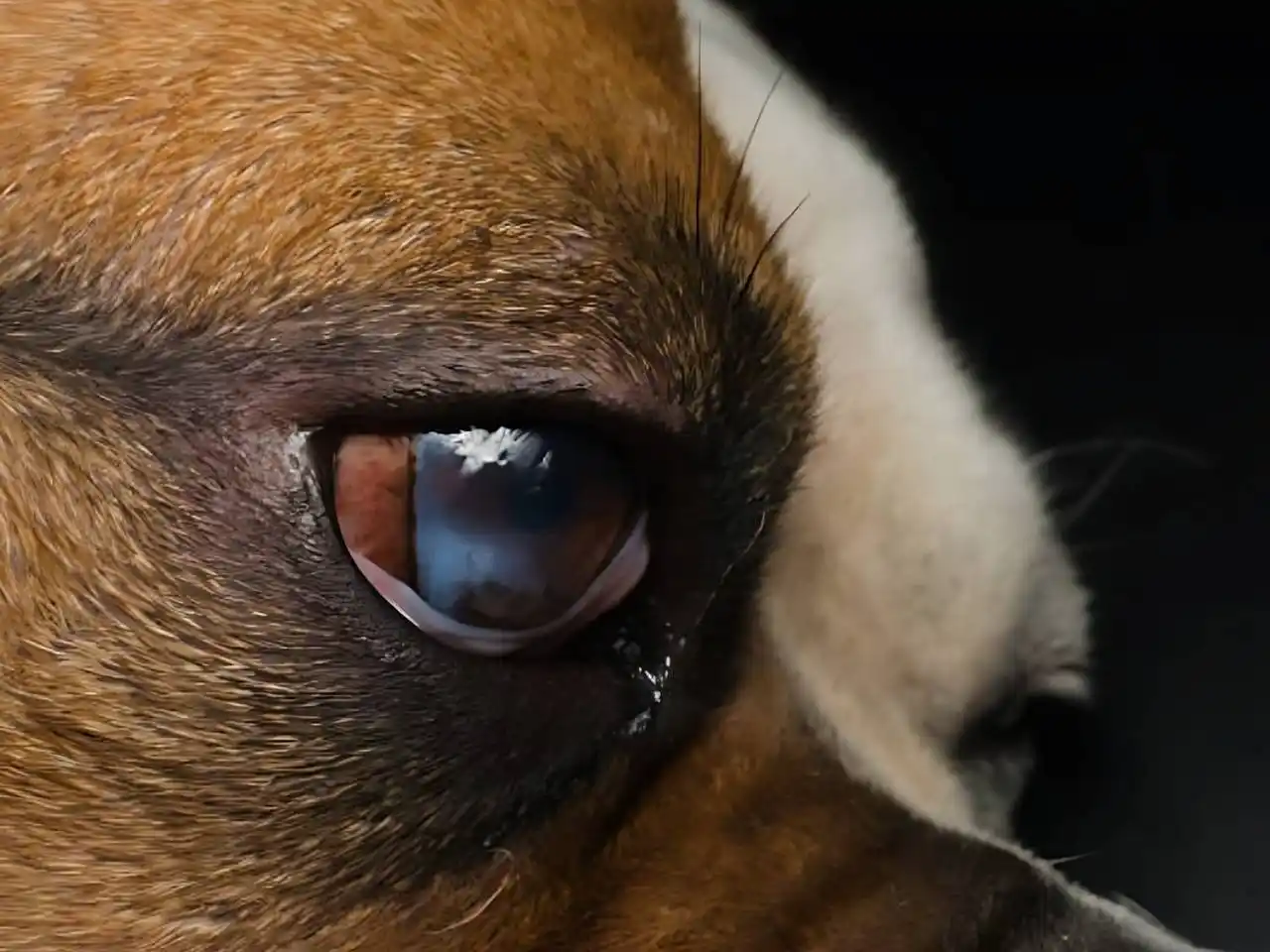
Eye ulcers can be confusing because they often start the same way, with a sore and uncomfortable eye. What really sets them apart is how deep the damage goes and how the eye reacts over time. That depth helps explain why some eye problems settle down while others seem to worsen quickly.
Superficial Corneal Ulcer
A superficial corneal ulcer involves damage right on the surface of the eye. It can look alarming at first, especially when the eye is sensitive to light, but the damage stays shallow.
- The corneal ulcer involves only the outer layer and stays on the surface.
- The eye becomes painful and sensitive, especially in bright light.
- The ulcer may appear as a dull or cloudy spot.
- The depth of the ulcer remains shallow and stable.
- Discomfort is noticeable but usually limited to the front of the eye.
Indolent Ulcer
An indolent ulcer can be frustrating because it lingers longer than expected. Even though it sits on the surface, it just does not behave like a typical eye injury.
- The ulcer is chronic and slow to change.
- The edge of the ulcer may look loose or uneven.
- The surface stays irritated for an extended time.
- The eye may seem mildly uncomfortable day after day.
- Healing appears delayed even without more serious damage.
Melting Ulcer
A melting ulcer is the one that raises concern quickly. It causes damage to the eye that can move deeper in a short period of time.
- Corneal tissue breaks down rapidly.
- The depth of the ulcer increases quickly.
- The ulcer may extend toward the chamber of the eye.
- The eye becomes painful very suddenly.
- Damage can spread toward the back of the eye.
Knowing how these ulcers differ helps when someone suspects a dog with a corneal ulcer. Noticing whether the damage is shallow, lingering, or deep can give early clues about how serious the eye condition may be.
Veterinary Diagnosis and Treatment for Eye Ulcers and Excessive Irritation of the Cornea
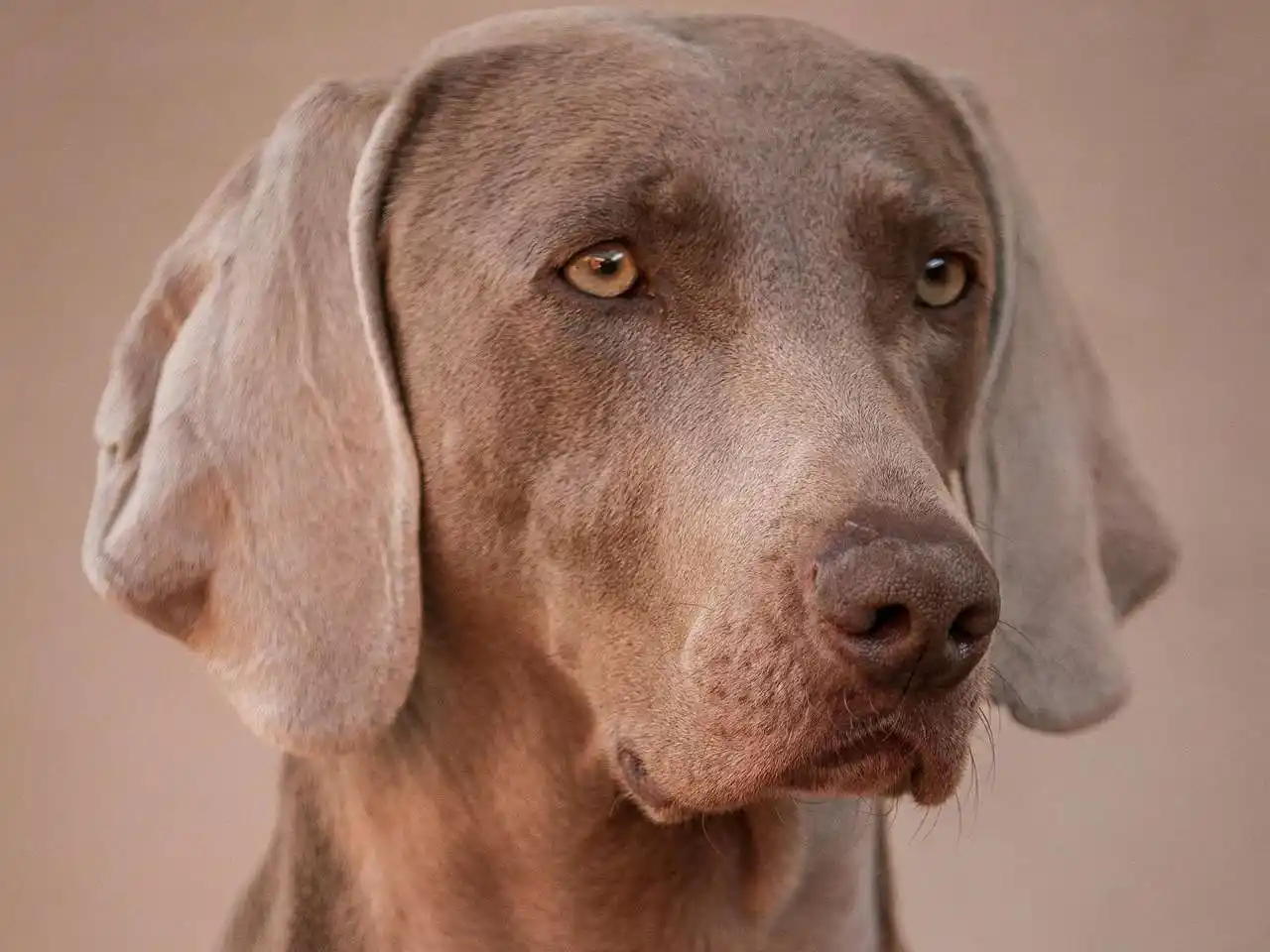
When an eye issue does not seem to improve, a veterinary visit can bring some much-needed clarity. Looking at symptoms and treatment options early helps pinpoint the cause of the ulcer and lowers the risk of long-term problems. Once treatment has begun, most ulcers generally heal with the right care.
How Eye Ulcers Are Checked
A proper exam helps determine what is happening on the surface and within the eye. This step makes sure nothing serious is missed before the treatment of corneal problems starts.
- Light into the eye helps reveal changes that are not easy to see at home.
- The veterinarian checks whether the ulcer could enter the eye or stay on the surface.
- The exam helps identify the cause of the ulcer and rule out another common eye issue.
- Areas within the eye are assessed to understand how serious the problem may be.
- Findings guide the next steps for treatment of corneal ulcers.
Treatment Options and What to Expect
Treatment depends on how the eye looks and how quickly it responds once care starts. Many owners notice improvement within days of treatment, which can be reassuring.
- Treatment involves antibiotic drops to protect the eye while it recovers.
- Superficial corneal ulcers should heal when care starts early.
- Ulcers generally heal with steady follow-up and patience.
- Rechecks confirm the ulcer is healing as expected.
- Recovery is complete once the ulcer has completely healed.
When Surgery May Be Needed
Some ulcers need more attention, especially if they do not improve as expected. These cases are handled carefully to protect sensitive structures within the eye.
- Surgery may be needed if the ulcer worsens.
- More serious damage increases the risk of complications.
- Prompt care helps prevent the ulcer from spreading further.
- Healing time varies depending on when treatment begins.
- Monitoring continues until the eye is stable and comfortable.
Quick action matters when someone suspects their dog has an eye issue. Early attention and the right treatment options help protect vision and support a smooth recovery.
Final Thoughts
Spring is such a fun time to be outside, but it can be rough on a dog’s eyes. Wind, dirt, and pollen can irritate the cornea, and what starts as a tiny problem can quickly turn into a painful corneal ulcer.
Some breeds are more sensitive, so it’s smart to take extra care to prevent your dog from getting hurt. Knowing what can cause eye ulcers and spotting the early signs makes it easier to catch problems before they get serious.
If you suspect your dog has an eye ulcer, getting a vet to check it right away can save a lot of discomfort. Just paying a little attention to your dog’s eyes in spring can go a long way in keeping them healthy and happy.
Frequently Asked Questions
How does spring weather increase the risk of corneal ulcers in dogs and cats?
Spring can be rough on sensitive eyes because wind, pollen, and dust increase irritation. Even a small scratch can quickly turn into a painful ulcer.
Wind and dust: Small particles carried by spring breezes can scratch the cornea.
Pollen and allergens: These can inflame the eye and make it more sensitive.
Outdoor play: Running in grass or around sticks increases the chance of minor eye injuries.
Temperature changes: Sudden shifts in weather can affect tear production, leaving the eye drier.
How can a veterinarian determine if a corneal erosion is likely to develop into a full ulcer in dogs and cats?
A vet can usually tell if a small scratch or erosion might turn into a bigger problem by looking at the eye closely. Catching it early can save a lot of trouble and pain.
Eye exam: The vet checks the eye for weak spots or irritation that could get worse.
Fluorescein stain: A special dye makes damaged areas stand out so the vet can see if it’s just a surface scratch or something more.
Medical history: Knowing if your dog or cat has had eye issues before helps the vet figure out the risk.
Watching behaviour: Squinting, tearing, or rubbing the eye are signs that the erosion might be getting worse.
What precautions can owners take in spring to protect their dog’s or cat’s eyes from irritation?
Simple steps during spring can prevent discomfort and reduce the risk of ulcers. Keeping an eye on your pet helps catch problems early.
Limit exposure: Avoid dusty, grassy, or heavily pollen-laden areas during walks or play.
Clean around the eyes: Trim hair around the eyes and remove debris that might irritate the cornea.
Watch for early indicators: Redness, tearing, or squinting mean it’s time to consult your vet.
Regular checkups: Routine vet visits help catch minor problems before they turn into serious ulcers.
What long-term effects can occur if symptoms of corneal ulcers are left untreated in dogs and cats?
Ignoring eye problems can lead to bigger, more painful issues over time. It’s easy to think it’s just a small scratch, but it can get serious fast.
Deep corneal damage: The ulcer could go deeper and cause permanent scarring.
Vision problems: Repeated or severe ulcers may affect your pet’s eyesight.
Ongoing discomfort: Dogs and cats might stay sensitive to light or feel constant irritation.
Secondary infections: Leaving an ulcer alone can make infections more likely.
How do veterinarians monitor whether an ulcer is healing properly over time?
Once the vet starts treatment, they need to keep an eye on progress to make sure healing is going well. Checking often prevents small problems from becoming big ones.
Follow-up exams: Regular visits help the vet see how the eye is recovering.
Fluorescein dye: This dye shows whether the ulcer is getting smaller or if new erosion is appearing.
Tracking symptoms: Redness, tearing, or discomfort are monitored to make sure the eye is improving.
Adjusting care: If healing is slow, the vet might change medications or treatment plans.

