
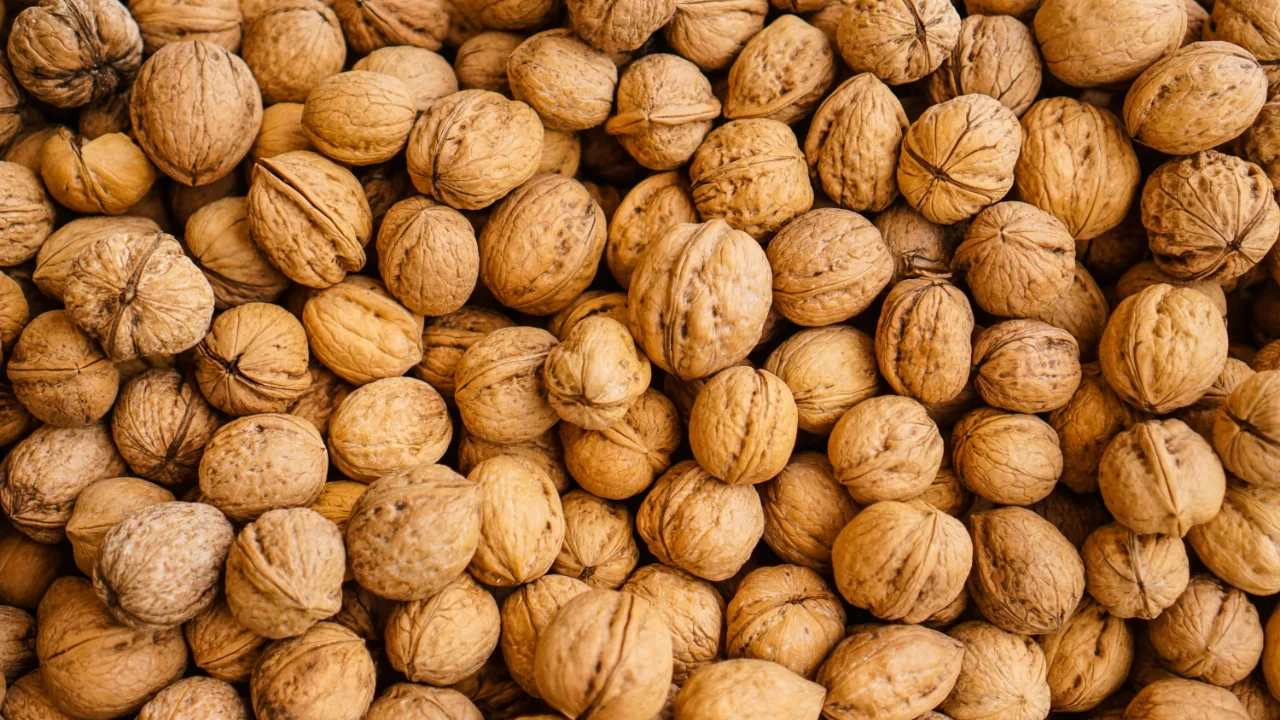

TL;DR: What You Need to Know About Dogs and Walnuts
- Short answer: It's best not to share. A plain English walnut or two usually won't poison a dog, but walnuts aren't a good snack for them.
- The real danger: Black walnuts and any walnut that's gone mouldy. Mould can produce toxins that cause tremors and seizures.
- Backyard risk: Black walnut trees grow all over southern Ontario, and the fallen nuts rot in the grass through fall and spring.
- Other problems: Walnuts are high-fat, which can trigger pancreatitis, and whole nuts are a choking hazard or can cause a blockage in small dogs.
- Watch the recipe: Holiday baking often pairs walnuts with chocolate, raisins, or xylitol, which can be worse than the nuts.
- Symptoms: Vomiting, drooling, wobbliness, tremors, or seizures, sometimes within a few hours.
- What to do: If your dog ate black walnuts, mouldy nuts, or a baked treat with walnuts and other ingredients, call your veterinarian right away.
If your dog just got into the nut bowl or a tray of holiday cookies and you're not sure how worried to be, you're not overreacting by asking. Contact us, and our veterinary team will help you figure out the next step.
Can dogs eat walnuts? It's one of those questions we hear a lot in December, usually from someone standing in the kitchen with a half-eaten bag of baking nuts and a dog licking their lips.
The answer has a few layers, and it helps to know which nuts are the real problem. A fresh English walnut, the kind you buy for banana bread, is not considered poisonous. Black walnuts are a different story, and so is any walnut that's been sitting long enough to grow mould. Then there's everything the walnuts get mixed into: brownies, butter tarts, fruitcake, trail mix.
In this guide, we'll go through which walnuts are toxic to dogs, why mould matters so much, what walnut toxicity in dogs looks like, and what to do if your dog ate some. We'll also cover the other holiday baking ingredients worth keeping an eye on. Read on so your dog can stay safe in the holiday kitchen.
Can Dogs Eat Walnuts? The Short Answer

Technically, when dogs eat nuts like walnuts in small amounts, one or two plain English walnuts will most likely be fine. That's why the internet is full of mixed messages on this. But "probably won't hurt them" isn't the same as "safe to give your dog," and we don't recommend giving nuts to your dog as a treat.
Here's why we land on no:
- Fat: Nuts are packed with nutrients and oil. That's great for us, but a rich handful can upset a dog's stomach or set off pancreatitis.
- Size and shape: A whole walnut, or a piece of shell, can pose a choking hazard and get stuck in a small dog's throat or intestinal tract.
- You can't always tell: A walnut that looks fine can still carry mould you can't see.
- What's on them: Candied, salted, or spiced walnuts bring extra sugar, salt, and sometimes onion and garlic powder. If you've wondered can dogs eat garlic, the short answer is no.
If you want something crunchy that dogs can eat while you bake, a bit of plain carrot or apple (no core or seeds) is a much safer choice.
Why Black Walnuts and Mouldy Walnuts Are So Dangerous
This is the part that really matters, especially if you live near walnut trees.
Black walnut trees and nuts
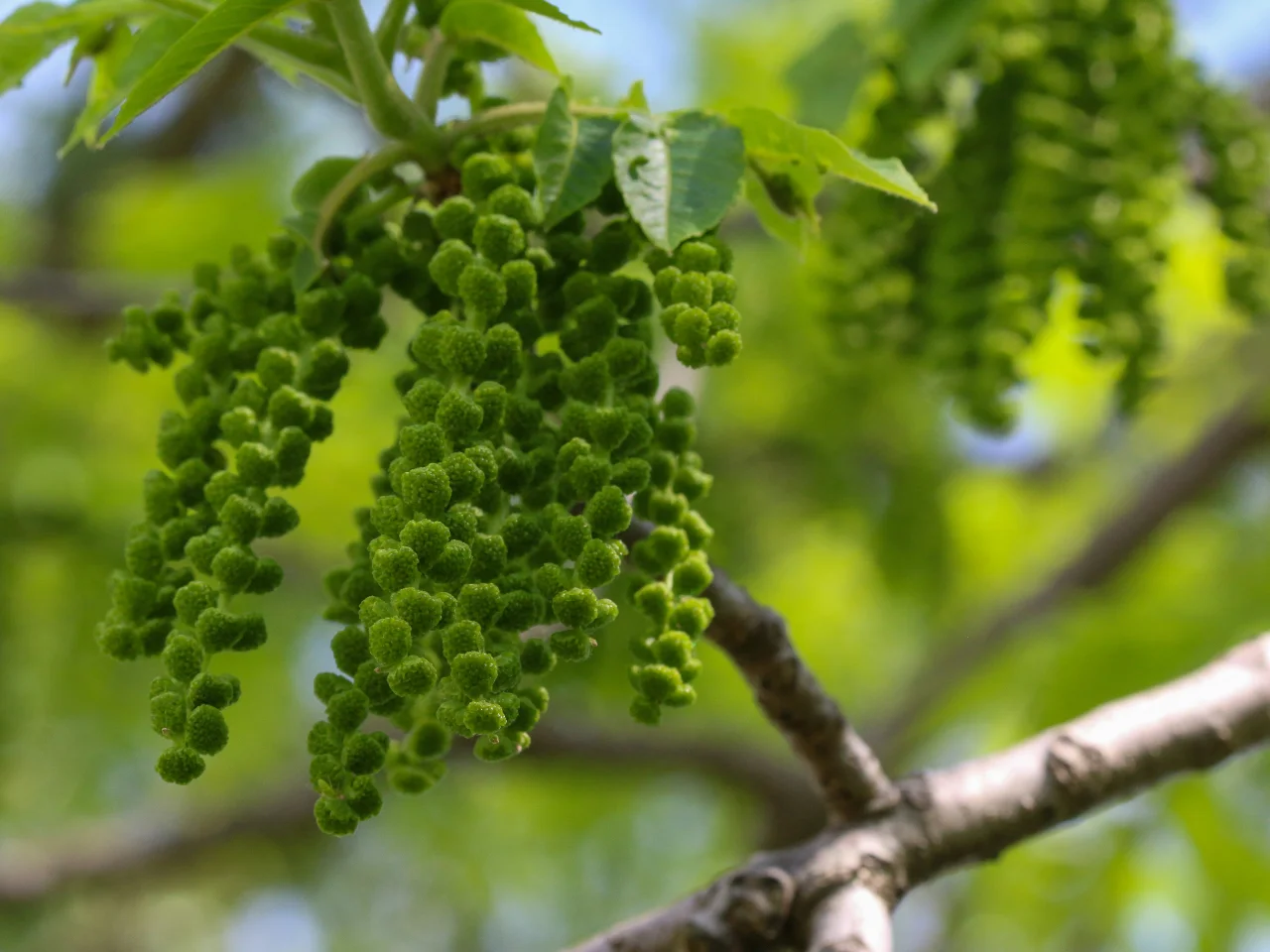
Black walnut trees are native to southern Ontario and common in parks, ravines, and older backyards around Toronto. Their nuts come wrapped in a thick green husk that turns black and mushy as it rots. Dogs seem to find them irresistible.
Black walnuts are considered far more toxic for dogs than English walnuts. The husks and nuts can contain a compound called juglone, and the rotting husks are a perfect home for mould. If you have a black walnut tree in your yard, it's worth raking up fallen nuts regularly from September onward.
Mouldy nuts of any kind
Mould is the big reason vets worry about nut toxicity, especially black walnuts. As nuts get old or damp, they can grow fungi, and mouldy nuts can contain tremorgenic mycotoxins. One of the best known is penitrem A. In dogs, it can cause shaking, muscle tremors, and seizures, sometimes within an hour or two of eating the mouldy nut.
The same thing can happen with other mouldy food, like old bread or compost. That's why a dog who raids the green bin or the compost pile in spring can end up with the same symptoms. Other moulds produce aflatoxin, which can damage the liver over time.
English Walnuts: Not Poisonous, But Not a Great Treat
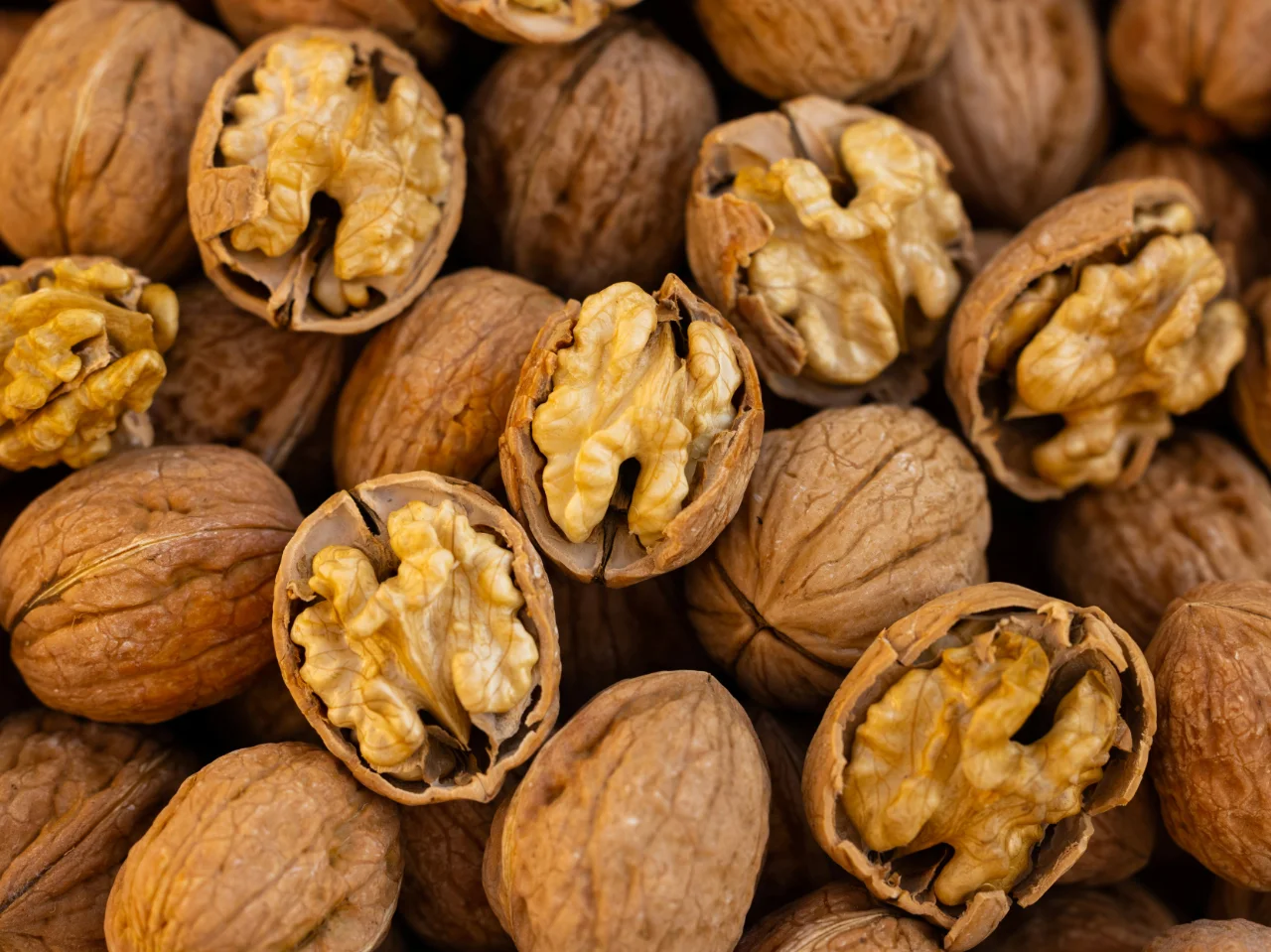
The English walnut is what you'll find in most grocery stores, either in the shell or as baking pieces. It's not considered toxic in the way black walnuts are, and a dog who snags a piece off the counter is unlikely to get sick from that alone.
Still, these nuts can pose a few problems:
- Stomach upset: Vomiting or diarrhea after a big helping isn't unusual.
- Pancreatitis: Fatty foods like nuts are a classic trigger, and the holidays are our busiest season for it. If your dog has had pancreatitis before, our guide to signs of worsening chronic pancreatitis explains what to watch for.
- Shells: Walnut shells are hard and sharp. These nuts can cause gut irritation or a blockage.
- Old bags: That bag of walnuts from last Christmas at the back of the pantry is exactly where mould tends to show up.
So if one fell on the floor and got gobbled up, don't panic. Just don't treat walnuts as safe to share.
Symptoms of Walnut and Other Nut Toxicity in Dogs

Symptoms of nut toxicity depend on the kind of walnut and how much your dog ate.
Stomach trouble
From a fatty snack or a small amount of black walnut, the signs are usually digestive, with symptoms such as vomiting:
Neurological signs
With mouldy walnuts, things can escalate quickly into seizures or neurological signs. Watch for:
- Shaking or trembling that doesn't stop
- Wobbliness or trouble standing
- Panting, restlessness, or high body temperature
- Seizures
Tremors or seizures are an emergency. Don't wait to see if they pass. Head to the nearest animal hospital or our emergency vet right away.
Signs of a blockage
If your dog swallowed whole nuts or shells, repeated vomiting, straining to poop, or a dog who won't eat for a day or more can point to an obstruction.
My Dog Ate Walnuts: What to Do and When to Call a Veterinarian
First, take a breath. Then work through this:
- Figure out what kind. Grocery store walnuts, black walnuts from the yard, or something baked? Check for mould if there are any left.
- Check the recipe. If it was a cookie, brownie, or tart, look for chocolate, raisins, macadamia nuts, or sugar-free sweeteners. Those can be more urgent than the walnuts.
- Guess the amount. Even a rough idea helps. Count missing cookies or nuts if you can.
- Consult a veterinarian. For black walnuts, mouldy nuts, or anything mixed with other risky ingredients, call right away. For one or two fresh English walnuts, a quick call is still a good idea, but you'll likely be told to monitor at home.
- Don't make your dog vomit at home. Only do that if a vet tells you to. If your dog is already shaking, it can make things worse.
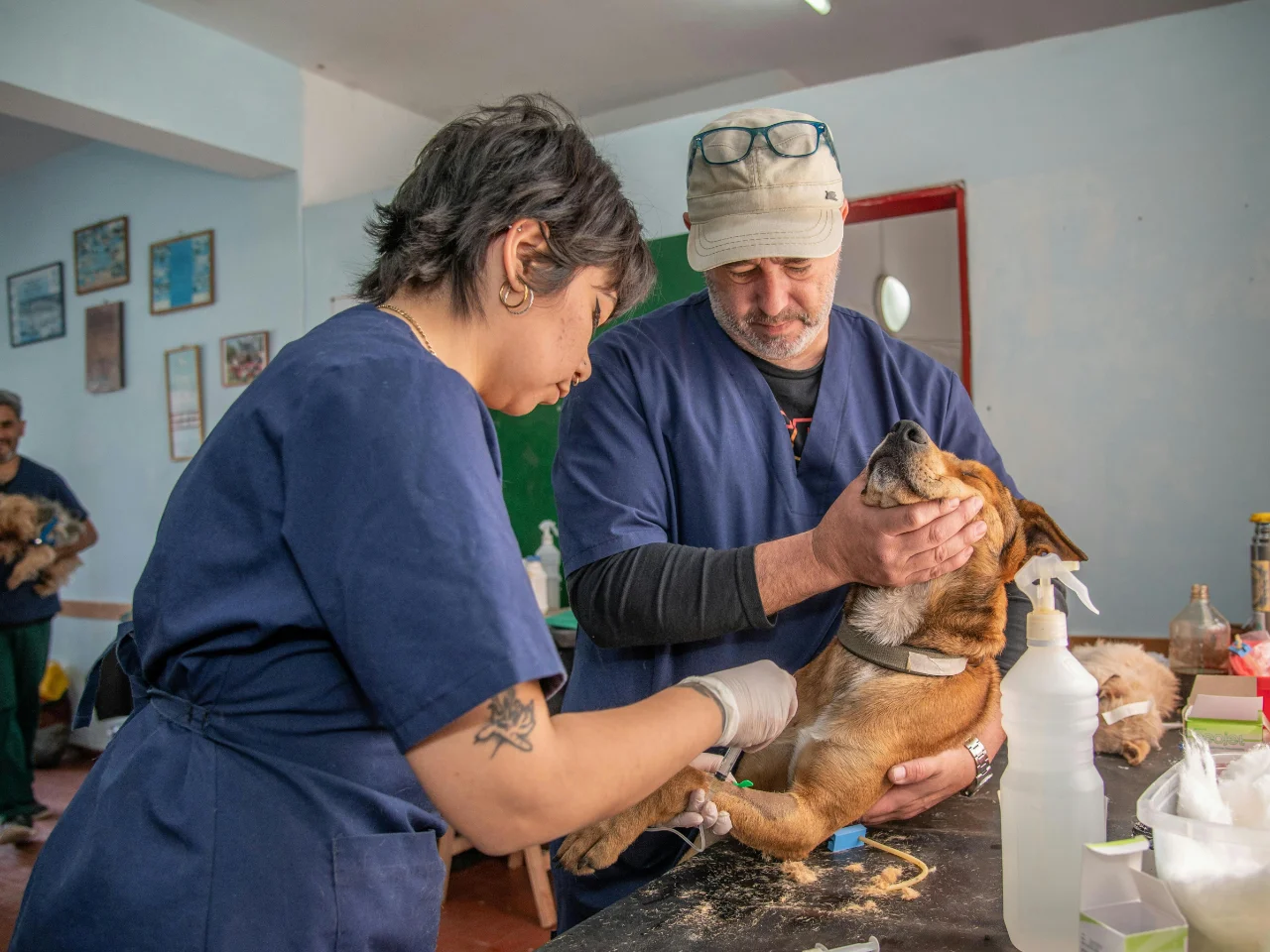
At the clinic, treatment depends on what was eaten and how your dog is doing. If it was recent, your dog may be made to vomit. Your vet can also give medication to control tremors or seizures, start IV fluids, and keep your dog for monitoring. Most dogs treated early recover well.
Other Nuts and Holiday Baking Ingredients That Are Bad for Dogs
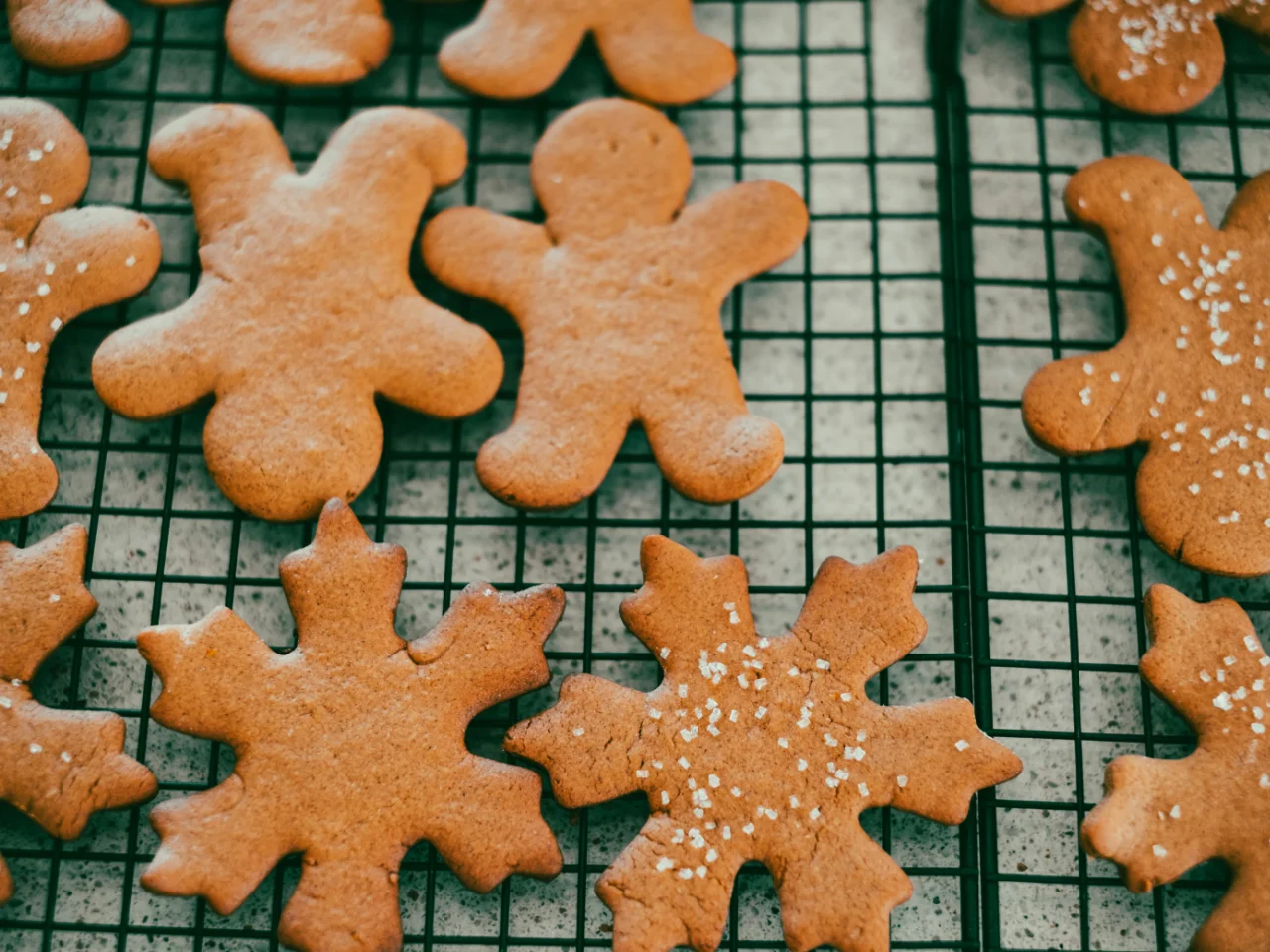
Walnuts rarely show up alone, so keep all nuts out of reach. Here's what else tends to be on the counter in December.
Can dogs eat nuts like pecans, almonds, cashews, or pistachios?
- Macadamia nuts: Macadamia nuts are toxic to dogs, and a common holiday cookie nut. See our guide on can dogs eat macadamia nuts.
- Pecans: Pecans are also off the list, and dogs should not eat them. Like black walnuts, they can carry juglone, and pecans and walnuts both grow mould easily. Pecan pie is also full of butter and sugar.
- Almonds: Not toxic, but hard to digest and a choking risk. More in can dogs eat almonds.
- Peanuts and cashews: When dogs eat peanuts or cashews that are plain and unsalted, a small amount is usually safe for your dog. Salted or honey-roasted, not so much.
- Pistachios and Brazil nuts: If dogs eat pistachios or Brazil nuts, the high fat and the size are both a problem.
Baking ingredients
- Chocolate and cocoa: Baking chocolate and cocoa powder are the most dangerous kinds.
- Raisins and currants: Found in butter tarts, fruitcake, and cookies. Read about grape toxicity in dogs.
- Xylitol: Xylitol is a sugar substitute that some sugar-free recipes and nut butters use. Our page on xylitol poisoning in dogs explains why it's an emergency.
- Raw dough: Yeast dough can expand in the stomach and produce alcohol.
- Nutmeg: A large amount, like a spilled jar, can cause problems.
For a full list that covers dogs and cats, see our holiday foods to avoid for pets. And if you have a new dog this year, bring up holiday food safety at your next wellness exam.
Final Thoughts
So, can dogs eat walnuts? A stray English walnut usually isn't a crisis, but walnuts aren't a treat we'd ever recommend. Black walnuts and mouldy nuts are the ones that send dogs to the hospital.
In December, the bigger risk is often the recipe around the nut. Chocolate, raisins, macadamias, and xylitol all show up in holiday baking, and they're more dangerous than the walnuts themselves.
Keep nut bags sealed, rake up fallen walnuts, and keep baking trays out of reach. A pet emergency kit with your vet's number is handy over the holidays too. If your dog ate something and you're unsure, contact us. We'd much rather hear from you early.
Frequently Asked Questions
Are walnuts poisonous to dogs?
Some are, and some just aren't a good idea.
- English walnuts: Not considered toxic, but fatty and hard to digest.
- Black walnuts: Much more dangerous and best kept far away from dogs.
- Mouldy walnuts: The biggest worry, because of toxins that cause tremors.
- Shells: Can cause choking or a blockage.
- Bottom line: Skip walnuts as a treat altogether.
My dog ate one walnut. Should I worry?
One fresh English walnut usually causes no problems at all.
- Check the type: A black walnut or mouldy nut is a different situation.
- Size matters: A small dog that swallowed one whole could choke or get blocked.
- Watch for a day: Vomiting, diarrhea, or a sore belly mean it's time to call.
- Shaking: Any tremors mean go to the vet now.
- When in doubt: A quick phone call costs nothing.
Can walnuts cause seizures in dogs?
Yes, mainly when they're mouldy.
- The cause: Some moulds make toxins that affect the nervous system.
- Timing: Signs can start within an hour or two.
- What it looks like: Trembling, stiffness, wobbling, then seizures.
- Black walnuts: Rotting husks are a common source.
- Treatment: This needs emergency care right away.
Are walnut trees dangerous to dogs?
Black walnut trees can be, mostly because of the fallen nuts.
- Fallen nuts: Dogs chew on the husks and nuts in the grass.
- Mould: Rotting husks are where toxins tend to grow.
- Seasons: Fall and the spring thaw are the riskiest times.
- Yard care: Rake up nuts often if you have a tree.
- Walks: Keep an eye on what your dog picks up in parks.
Are there any safe nuts for dogs, like peanuts?
None are needed, but a few are lower risk in tiny amounts.
- Lower risk: Plain, unsalted peanuts or cashews, given rarely.
- Avoid: Macadamias, black walnuts, pecans, and anything mouldy.
- Skip seasoned nuts: Salt, sugar, garlic, and onion add their own risks.
- Nut butters: Check the label for xylitol first.
- Better treats: Dog treats or plain veggies are an easier choice.

