


TL;DR: Can Dogs Eat Raspberries?
- Safe in moderation: Raspberries are naturally low in sugar and calories, making them a light, refreshing snack for dogs—perfect for pups watching their weight.
- Packed with nutrients: These berries offer vitamins, minerals, fibre, and antioxidants that support digestion, immune health, and even joint comfort, especially in senior dogs.
- Great for digestion: Their natural fibre helps keep your dog’s tummy regular and supports overall gut health when given in small amounts.
- Safe serving: Wash thoroughly, start slow, and stick to small portions—1–3 berries for small dogs, 3–10 for medium and large breeds.
- Keep it simple: Serve fresh or frozen only. Skip jams, sweetened products, or anything with added sugars.
- A few cautions: Raspberries contain trace xylitol, and too much fibre can cause stomach upset, so moderation is key. Watch for choking risks in small dogs and introduce gradually to spot any sensitivities.
Have questions about adding safe fruits to your dog’s diet? We’re here to help you make smart, healthy choices for your pup.
Raspberries seem harmless and even healthy, but when it comes to dogs, small details matter more than most people realize. Raspberries can offer helpful vitamins, fibre, and hydration, but they also contain natural sugars and other elements that might not suit every dog. It’s important to understand how much is safe and when it might cause problems.
In this blog, we’ll break down what raspberries mean for your dog’s health, the benefits they can provide, the potential risks to watch out for, and simple tips for serving them safely, so you can feel confident about what goes into your dog’s bowl.
Are Raspberries Good for Dogs?

When prepared the right way, raspberries are generally safe and even beneficial. These juicy raspberries are packed with nutrients that can support your dog’s health—just remember that raspberries should be given responsibly.
- A natural source of vitamins and minerals: While dogs don’t need extra supplementation most of the time, the vitamins C and minerals they naturally contain still support overall wellness. Because they’re low in sugar and calories, they make a refreshing and guilt-free snack for dogs, especially when you're looking for lighter, healthier treat options.
- High dietary fibre: Another reason raspberries are safe for dogs is their impressive fibre content. This helps digestion and can make raspberries offer a gentle boost to gut health—though too much can be tough for dogs to digest, which is why raspberries should be given carefully.
- Natural antioxidants: Their natural antioxidants are also beneficial for dogs, particularly senior dogs who may need extra cellular protection. Thanks to these properties, raspberries make a nutritious and enjoyable choice for both adult dogs and younger pups when introduced mindfully.
Overall, raspberries are an excellent low-calorie treat that most dogs can enjoy as long as they’re served responsibly. Whether your pet prefers fresh raspberries or even unsweetened raspberries, the key is simple: offer raspberries in moderation and make sure the fruit is clean and properly prepared before adding raspberries to your dog’s diet.
Health Benefits of Raspberries for Dogs

When you feed your dog raspberries properly, they can support several key areas of their health. Dogs can also get most nutrients from their regular meals, but raspberries can be a healthy addition when offered in moderation.
Anti-Inflammatory Properties
Raspberries are known for their natural anti-inflammatory compounds, which can help ease minor discomfort. This makes them helpful for mobility, especially in aging pups who need a gentle nutritional boost.
Support Joint Health in Aging Dogs
Senior dogs often struggle with stiffness, and the antioxidants found in raspberries can support joint comfort over time. A few berries won’t replace treatment, but they can be a supportive, dog-friendly treat.
Boost Immune System Function
Raspberries also contain antioxidants that help protect your dog’s cells from damage. Adding small amounts can naturally support their immune system and overall vitality.
Aid in Digestion
Because raspberries contain a respectable amount of fibre, they can help regulate digestion and support healthy bowel movements. This makes them especially useful for dogs who need a little help staying regular.
Help Maintain a Healthy Weight
Since they’re super low-cal, raspberries are great for dogs who need to watch their weight or aren’t very active. They’re naturally sweet without being sugary, which makes them one of those fruits dogs can safely enjoy—as long as you keep the portions small.
Contains Vitamin C, B-complex, and K
These essential vitamins are naturally found in raspberries, supporting everything from immune function to energy metabolism. Just a few berries deliver a light nutrient boost.
Provide Manganese and Copper
These minerals in raspberries help with things like strong bones, proper enzyme function, and energy. It’s not a huge amount, but it’s still a nice little nutritional boost when you give them in the right amounts.
Because raspberries are an excellent source of vitamins, minerals, and antioxidants, they’re one of the fruits dogs can benefit from—so long as you remember proper portion control.
Risks of Feeding Raspberries to Dogs

Although raspberries are safe for dogs, there are a few risks every owner should keep in mind. It’s important to note that raspberries come with specific cautions, especially when the number of raspberries given starts to increase.
- Contains Small Amounts of Xylitol: While raspberries do contain trace xylitol, the amount is usually low and not immediately harmful. However, it can become toxic to dogs in large quantities, so portion control is key.
- Potential Choking Hazard for Small Dogs: Whole berries can be difficult for small dogs to chew properly, which increases the risk of choking. Cutting or mashing the raspberries can help make them safer to eat.
- May Cause Digestive Upset if Overfed: Too big a number of raspberries can overwhelm your dog’s digestive system. When a dog eats too many raspberries, mild stomach discomfort or bloating can occur.
- Risk of Diarrhea From Excess Fibre: Raspberries are naturally high in fibre, which is helpful in small amounts—but too much can lead to loose stools. Diarrhea is a classic sign when a dog eats more fibre than their system can handle.
- Pesticide Exposure if Not Organic: Raspberries often have pesticide residue, especially raspberries in the garden or grocery-store fruit. Washing them thoroughly reduces the risk of chemical exposure.
- Possible Allergic Reactions: Although rare, some dogs may be allergic to raspberries, leading to symptoms like itching, swelling, or digestive issues. Introduce them slowly and watch for any unusual reactions.
- Sugar Content Concerns for Diabetic Dogs: Even though raspberries are relatively low in sugar, it’s still wise to be cautious with diabetes in dogs. Any fruit, even a healthy one, should be monitored closely in diabetic pets.
Raspberries are one treat that requires a bit of mindfulness. And while wild raspberries are generally safe, they should still be offered carefully and always in moderation.
How to Safely Serve Raspberries to Dogs
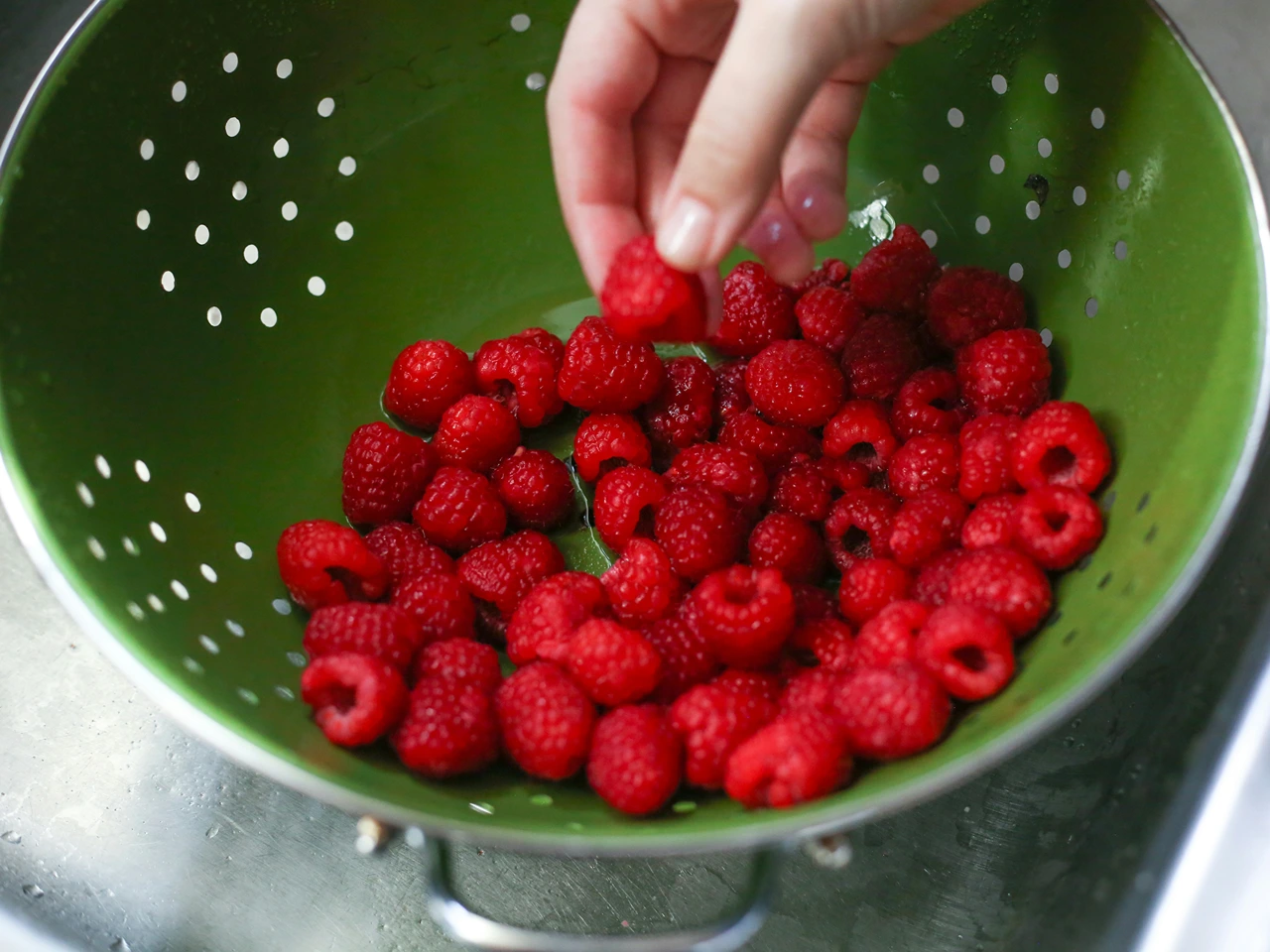
If you're incorporating raspberries into your dog’s routine, make sure you do it safely and intentionally. Whether you’re offering fresh berries or frozen raspberries, the way you prepare raspberries makes a big difference.
Safe Serving Guidelines
- Wash the raspberries: Always rinse raspberries thoroughly to remove dirt, debris, or pesticides before introducing raspberries. Clean fruit lowers the risk of stomach upset or chemical exposure.
- Remove any mouldy berries: Even small traces of mould can be harmful to dogs in large amounts. Always check the batch and discard anything that looks soft, mushy, or discoloured.
- Start small: it’s better to introduce raspberries little by little so your dog has time to adjust. That way, you can see how they handle it and avoid any tummy troubles right from the start.
- Limit serving size: Control is key: about 1–3 berries for smaller dogs, and 3–10 for medium or larger breeds. This way, the treat stays fun for them without putting too much on their system.
Extra Tips for Serving Raspberries Safely
- Avoid added-sugar products: Skip anything with added sugar—no flavoured mixes, syrups, or sweetened treats. Raspberries are low in sugar on their own, but anything with extra sweeteners can be bad for dogs.
- Never serve raspberry jam or preserves: These spreads contain high sugar levels and sometimes additional ingredients that can quickly become unsafe—even a small amount can be toxic for dogs.
- Monitor for adverse reactions: Pay attention to how your dog behaves after adding berries to their diet. If anything seems off, pause and reassess how you’re introducing raspberries.
- Serve fresh or frozen (not canned): Dogs can eat frozen raspberries without issue, and they make a refreshing treat. Avoid canned fruit, which is usually packed with syrup and unnecessary sugars.
When you prepare raspberries properly and offer them in controlled portions, they make a safe and enjoyable treat your dog can look forward to.
Final Thoughts
Raspberries can be a safe, healthy treat for most dogs, but like any fruit, they’re best served in moderation. They’ve got some good nutrients, fibre, and antioxidants, but the key is figuring out how much your dog can handle and keeping an eye out for any sensitivities. A few berries every now and then can help with digestion, keep them hydrated, and boost their overall wellness—without piling on extra calories. Just make sure you rinse them really well, only give a few at a time, and skip anything sugary or processed.
As long as you keep the portions small and watch how your dog reacts, raspberries can be a super simple, refreshing little treat you won’t feel guilty about giving.
Frequently Asked Questions
Can I Feed My Dog Raspberries?
Yes! Dogs can enjoy raspberries safely when offered in small amounts.
Nutrient-rich snack: Raspberries are a healthy little treat packed with vitamins and antioxidants that help support your dog’s overall wellness.
Safe for dogs to eat: Most dogs handle these juicy red berries just fine when you give them responsibly.
Moderation matters: Just make sure your dog eats raspberries in moderation so you don’t end up with any digestive issues.
A tasty treat for dogs: Giving raspberries to your dog and adding them to their routine provides a low-calorie, natural reward.
Watch for sensitivities: Introduce a few berries at a time to make sure your dog enjoys raspberries without adverse reactions.
Can Puppies Eat Raspberries?
Yes, but extra caution is needed for younger dogs.
Gentle introduction: Puppies are more sensitive, so start with very small pieces.
Nutritional benefits for dogs: Even tiny amounts provide vitamins and antioxidants to support growth.
Choking risk: Always mash or cut berries to reduce any chance of choking.
Raspberries are generally safe for dogs: Small amounts won’t harm healthy puppies.
Monitor reactions: Puppies should be watched closely for any digestive changes after enjoying raspberries.
How to Feed Your Dog Raspberries Safely?
Preparation and portion control are key to keeping this snack safe.
Wash thoroughly: Always clean raspberries to remove dirt or pesticides before feeding.
Serve fresh or frozen: Avoid canned or sweetened versions to keep treats like raspberries healthy.
Introduce gradually: Adding raspberries into your dog’s diet slowly helps prevent stomach upset.
Portion wisely: Follow size recommendations—1–3 berries for small dogs, 3–10 for medium to large breeds.
Monitor your dog: Watch for any unusual signs, ensuring dogs and raspberries remain a safe combination.
How Many Raspberries Can I Feed My Dog?
Raspberries are a tasty treat, but it’s important to feed them in the right amounts.
Start small: Try one raspberry at first to see how your dog reacts. It’s best to give your pup raspberries in moderation, as they can be toxic to dogs in larger amounts due to natural compounds like xylitol.
Portion guidance: For a typical small dog, offering 1-3 raspberries occasionally is a safe treat.
Frequency matters: You can give your pup raspberries a few times a week, but avoid making them a daily habit.
Watch their reaction: Some may enjoy them without issue, while others might get an upset stomach if given too many.
Adjust by size: Smaller dogs should get fewer berries, whereas larger dogs can enjoy slightly bigger servings, but always monitor for any digestive upset.
Are Raspberries Good for Dogs?
Yes, when offered responsibly, they provide several health benefits.
Rich in vitamins: Raspberries are packed with vitamins that help support your dog’s immunity and overall health.
Digestive support: Their fibre content helps keep bowel movements regular and supports a healthy gut.
Low-calorie treat: They make an easy, low-calorie snack for dogs that need to watch their weight.
Mineral boost: Raspberries come with manganese and copper, which help support bones and energy production.
Healthy addition: Including raspberries in your dog’s diet can be a refreshing, nutrient-dense alternative to processed snacks.

