
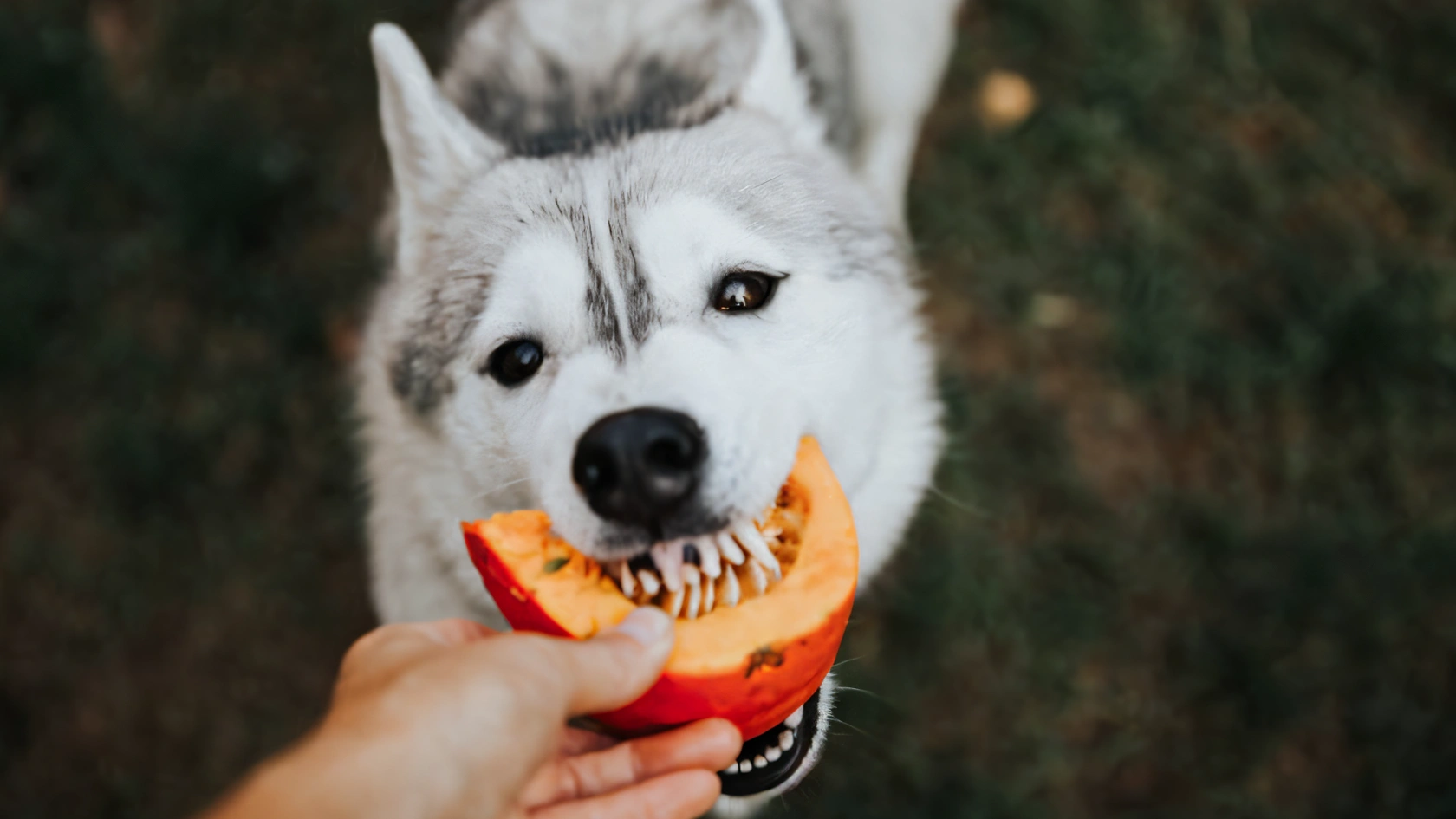

TL; DR: Can Dogs Eat Pumpkin Seeds? Benefits, Risks, and Safe Feeding Tips
Pumpkin and pumpkin seeds can be a healthy and tasty addition to your dog’s meals when served the right way.
- Dogs can eat pumpkin, cooked pumpkin, canned pumpkin (not canned pumpkin pie), or pumpkin pulp safely.
- Roasted pumpkin seeds or ground pumpkin seeds are easier to digest than raw seeds.
- Pumpkin seeds are high in fibre, which can help dogs digest seeds and maintain healthy stools.
- Healthy fats and protein in pumpkin seeds can support a dog’s skin, coat, and muscle health.
- Feeding too many seeds or giving pumpkin pie filling can upset a dog’s stomach.
- Small dogs can safely have one or two seeds, while large dogs may have three to five seeds at a time.
- Introducing seeds gradually helps dogs adjust and prevents digestive discomfort.
- Mixing pumpkin puree or ground seeds into meals makes it easier for dogs to digest seeds.
- Avoid salted, spiced, or flavoured seeds, as they may be harmful to dogs.
- Pumpkin seeds can offer antioxidants, omega-3s, and minerals that support immunity and overall wellness.
- Feeding in moderation ensures your pup enjoys the benefits without any problems.
- Feeding your dog pumpkin or pumpkin seeds the right way makes a big difference in how well they digest seeds and enjoy their treats.
- Start small, watch for reactions, and your pup can safely enjoy the many benefits of pumpkin in their diet.
If you want expert guidance on adding pumpkin or pumpkin seeds to your dog’s diet safely, contact us today. Our team can help you choose the right portions, forms, and ways to feed your dog so they enjoy the benefits without any risks.
Ever wondered if pumpkin seeds are more than just a human snack and if dogs can safely eat them? Many pet owners notice their dog sniffing at pumpkin seeds or fresh pumpkin and wonder if it’s okay to feed pumpkin seeds to their dog. With pumpkin and pumpkin seeds showing up in more dog foods and treats, it’s worth understanding what pumpkin seeds for dogs can offer.
Pumpkin seeds can be a tasty and healthy snack to feed your dog, and may have benefits for dogs. Giving your dog a couple of seeds or a bit of pumpkin puree can support digestion and provide extra fibre. Still, eating too many pumpkin seeds can be bad for dogs.
Dogs can safely enjoy pumpkin seeds if they’re served the right way. Knowing how to feed pumpkin seeds to your dog or incorporate pumpkin into their meals makes a significant difference. Keep reading to find out how pumpkin and pumpkin seeds can be a safe and enjoyable addition to your dog’s diet.
Can Dogs Eat Pumpkin Seeds Safely?
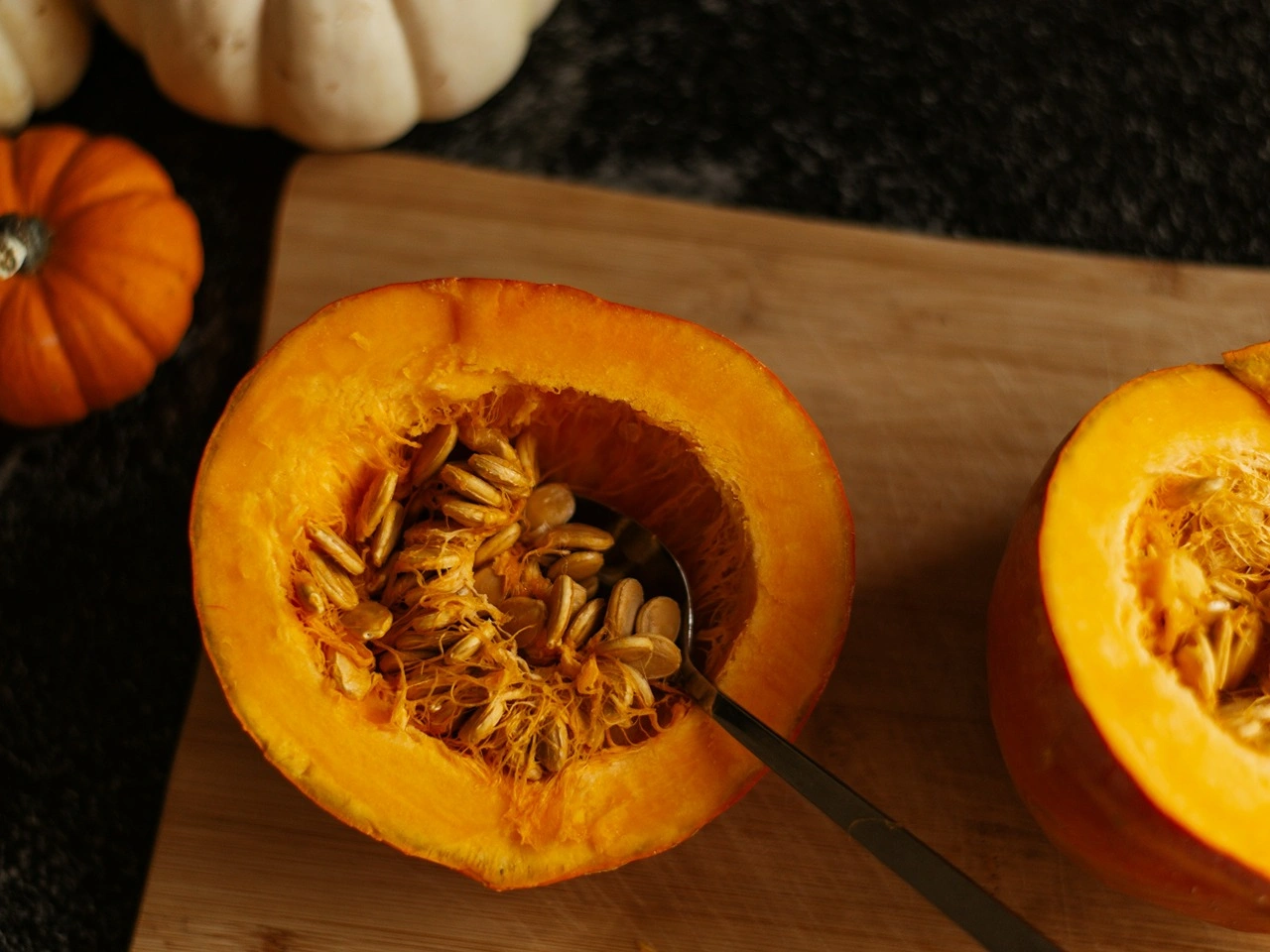
Many dog owners wonder if pumpkin seeds are safe for dogs to eat. Dogs can eat pumpkin, cooked pumpkin or plain pumpkin pulp, and it can be good for dogs when fed the right way. Pumpkin seeds for dogs can be safe too, especially roasted pumpkin seeds or ground pumpkin seeds, but raw pumpkin seeds may be tough for dogs to digest.
- Dogs can eat pumpkin – Cooked pumpkin, canned pumpkin (not canned pumpkin pie), or pumpkin pulp is safe and can help with digestion.
- Pumpkin seeds can be healthy – Roasting pumpkin seeds or grinding them into a powder makes them easier for dogs to digest and can offer the benefits of pumpkin seeds.
- Feed in moderation – Small dogs can safely have a couple of seeds and see how they react, while large dogs can have more; too many pumpkin seeds can be harmful to dogs.
- Avoid harmful options – Do not feed pumpkin pie, canned pumpkin pie, or pumpkin seeds with pumpkin spice, salt, or sugar.
- Watch digestion – Feeding your dog pumpkin seeds or pumpkin pulp gradually helps set up to digest seeds and ensures your dog is comfortable.
The Health Benefits of Pumpkin Seeds for Dogs

Pumpkin seeds for dogs are a small but powerful addition to their diet. Feeding your dog pumpkin seeds can help support digestion, immunity, skin, coat, and overall wellness. When given in the right way and amount, pumpkin seeds can provide noticeable health benefits for dogs.
Fibre
Fibre in pumpkin seeds can help a dog digest seeds and keep bowel movements regular.
- Fibre in pumpkin can help support healthy stools.
- Feeding your dog pumpkin seeds gradually lets them adjust comfortably.
Antioxidants
Pumpkin seeds contain antioxidants that protect cells and support overall health.
- Seeds can offer natural protection from everyday stress.
- Pumpkin seeds, when ground into a powder, are easier for dogs to digest.
Immune Support
Pumpkin seeds may help strengthen a dog’s natural defences.
- Feeding pumpkin seeds to dogs can help support immunity.
- Seeds may provide nutrients that contribute to overall wellness.
Digestive Health
Pumpkin seeds can support smooth digestion for dogs.
- Fibre in pumpkin can help dogs digest seeds more easily.
- Dogs can eat pumpkin seeds slowly to see how they respond.
Supplementing Nutrition
Pumpkin seeds are high in protein, minerals, and healthy fats that add nutritional value.
- Seeds can be a healthy supplement to meals.
- Giving your dog pumpkin seeds can boost the nutritional value of their diet.
Omega-3 Fatty Acids
Pumpkin is high in omega-3s, which can help reduce inflammation.
- Seeds may support joint comfort and mobility.
- Feeding pumpkin seeds to dogs may help maintain a healthy coat and skin.
Weight Management
Pumpkin seeds, as an occasional treat, can help with weight control.
- Seeds can help dogs feel full without adding too many calories.
- Feeding your dog pumpkin seeds in moderation supports a healthy weight.
Anti-Inflammatory Properties
Pumpkin seeds naturally help reduce inflammation.
- Feeding pumpkin seeds to dogs may support joint and muscle comfort.
- Turning pumpkin seeds into a powder or grinding them makes them easier to digest.
Parasite Support
Pumpkin seeds are a natural way to support digestive health.
- Dogs may benefit from seeds added gradually to their diet.
- Pumpkin seeds for your pup may help maintain gut balance.
Protein
Pumpkin seeds are high in plant-based protein.
- Dogs can eat pumpkin seeds to supplement their daily protein.
- Seeds can offer support for muscle health and energy.
Healthy Skin and Coat
Pumpkin seeds help keep skin and coat in good condition.
- Seeds are high in fats that promote a shiny coat.
- Feeding your dog pumpkin seeds may help reduce dryness.
Promotes Healthy Eyes
Pumpkin seeds contain nutrients that support eye health.
- Seeds may help maintain healthy vision.
- Feeding your dog pumpkin seeds can support long-term eye wellness.
Heart Health
Pumpkin seeds are high in beneficial fats that support heart function.
- Feeding pumpkin seeds to dogs may help maintain healthy circulation.
- Seeds can be a natural addition to promote heart health.
Zinc
Pumpkin seeds contain zinc, which supports immunity and overall health.
- Seeds can offer minerals essential for wellness.
- Pumpkin seeds are safe for dogs and provide valuable nutrients when added to their diet.
How to Feed Pumpkin Seeds to Your Dog Properly
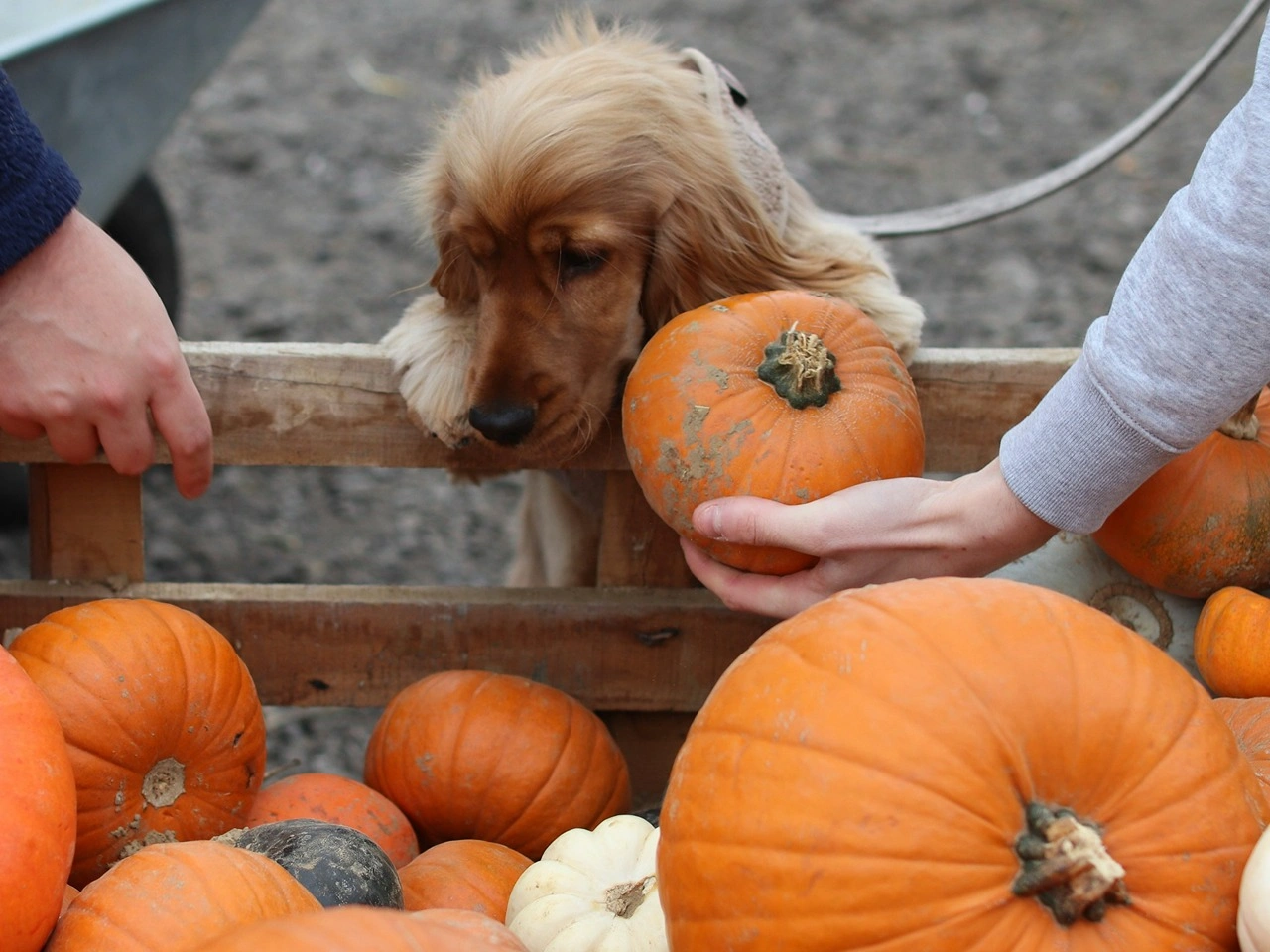
Feeding pumpkin seeds to your pup the right way ensures they enjoy the benefits without upsetting their digestion. Pumpkin seeds for your pup should be served in forms that are easy to chew and digest, and pumpkin for dogs can be added gradually to meals. When done correctly, small dogs and large dogs can eat pumpkin seeds safely and enjoy a tasty, healthy treat.
Start Small
It’s best to introduce pumpkin seeds slowly and see how your dog reacts.
- Give your dog one or two seeds first and observe how they digest seeds.
- Small dogs can safely have one or two seeds, while large dogs may handle three to five seeds.
Choose the Right Form
Pumpkin seeds are easier to digest when prepared properly.
- Roasted pumpkin seeds, when added to their diet as a powder, make pumpkin easier to digest.
- Mix the pumpkin with pumpkin pulp or feed pumpkin to your dog to help them digest seeds.
- Pumpkin seeds aren’t safe if raw or mixed with additives.
Keep Portions Moderate
Too many pumpkin seeds can cause digestive issues in dogs.
- Too much pumpkin seed at once may upset your dog’s stomach.
- A pumpkin seed per 10 pounds of body weight is a safe guideline.
- Adding seeds gradually helps your pup adjust comfortably.
Mix with Other Foods
Combining pumpkin seeds with meals makes them easier and more enjoyable to eat.
- Mix the pumpkin with pumpkin seeds into their diet for a smooth transition.
- Feed pumpkin to your dog as puree or add pumpkin seeds for small dogs to enjoy.
- Eat pumpkin puree first, then add seeds slowly to help digestion.
Avoid Toxic Ingredients
Not all pumpkin products are safe for dogs.
- Pumpkin pie or pumpkin with spices is toxic to dogs.
- Only serve plain pumpkin, pumpkin puree, or seeds without additives.
- Serve pumpkin seeds carefully to your pup so they can digest the seeds safely.
Canned Pumpkin, Pumpkin Puree, and Other Ways to Add Pumpkin to Dogs’ Diets
Adding pumpkin to your dog’s meals can be great, but like most things, there are limits. Many pet parents wonder if pumpkin seeds are safe for dogs, and the truth is that they can be—just as long as they’re prepared properly and given in the right amount. I’ve tried adding them to my own dog’s food before, and doing it the right way makes a big difference.
Choking and Digestive Risks
Some dogs chew carefully, but others swallow things like they’re in a race. Whole pumpkin seeds can be hard for small dogs or fast eaters to manage. Grinding or crushing them makes it easier on their teeth and stomach, and honestly, it gave me peace of mind when I first tried it with my pup.
Portion Control and Fat Content
Pumpkin seeds are healthy, but too many can upset a dog’s stomach. I learned quickly that a little goes a long way—small amounts blend nicely into their food without causing loose stools or unnecessary calories.
Allergies and Sensitivities
Just like people, dogs can react differently to new foods. Introducing pumpkin seeds slowly helps you spot any itching, tummy trouble, or changes in appetite. When I tried it with my dog, I started tiny just to be sure, and it helped me feel confident about continuing.
Salt and Seasoning Concerns
It can be tempting to use the same roasted seeds we snack on, but flavoured or salted seeds really aren’t good for dogs. Plain, unsalted seeds are the only safe choice, and sticking with them keeps things simple and gentle on their stomach.
Balance With Regular Diet
Even with the great nutritional value of pumpkin, it should only be a small supplement—not a replacement for your dog’s regular food. Adding just a spoonful or a sprinkle keeps their diet balanced while still giving them the benefits.
Risks and Things That May Be Bad for Dogs When Feeding Pumpkin Seeds
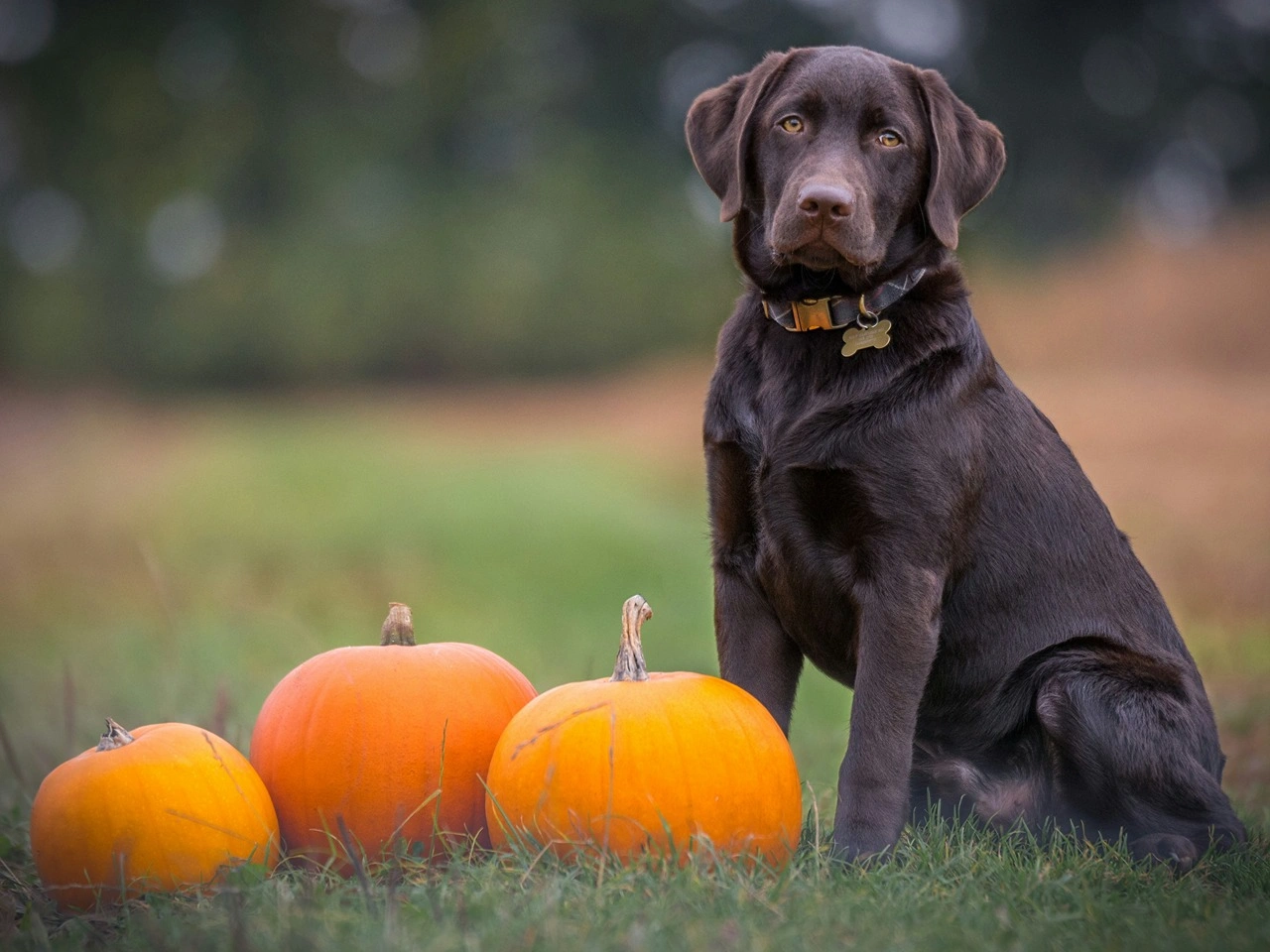
Pumpkin seeds can be helpful, but they also come with a few risks if they’re not served the right way. Many dog owners don’t expect problems because the seeds seem harmless, but small things can still cause big discomfort for a dog. Understanding these risks makes it easier to keep your pup safe.
Choking and Digestive Blockage
Whole seeds can be tough for dogs to chew, and sometimes a dog may swallow them without breaking them down. It’s a bit like when a treat goes down too fast, and they look surprised or uncomfortable afterwards.
- Whole seeds can get stuck in the throat.
- Raw seeds are tougher and harder for small dogs to digest.
- Too many seeds at once may lead to stomach discomfort.
- Grinding seeds makes them easier for your pup to handle.
Overfeeding and Fat-Related Issues
Even though seeds can be good for dogs, too many pumpkin seed at once can upset their stomach. A lot of dogs love the taste, but their tummy doesn’t always agree with that extra fat.
- Eating too many seeds may cause loose stool or vomiting.
- Seeds are naturally high in fat and can overwhelm sensitive dogs.
- Large servings increase the chance of digestive issues.
- Start with one or two seeds first to see how they react.
Salt, Seasonings, and Additives
Many seasoned or flavoured seeds look tasty, but they’re not made for dogs. It’s similar to how we avoid giving them chips or salty snacks even if they beg for them.
- Salted seeds can dehydrate your dog.
- Pumpkin spice or flavoured seeds may contain unsafe ingredients.
- Oil-roasted seeds can irritate the stomach.
- Always serve pumpkin seeds plain.
Allergies and Sensitivities
Some dogs are just more sensitive, and pumpkin seeds aren’t always a perfect match for their system. It’s like trying a new dog food—sometimes it works, sometimes it doesn’t.
- Itching or skin redness may appear after eating seeds.
- Vomiting or diarrhea can happen in sensitive dogs.
- Introduce seeds slowly to monitor changes.
- Stop feeding immediately if unusual reactions appear.
Toxic Pumpkin Products
Plain seeds are usually safe, but certain pumpkin products can be toxic to dogs. Pumpkin items made for people, especially sweets, often include ingredients they shouldn’t have.
- Pumpkin pie filling contains sugar and unsafe spices.
- Nutmeg and similar spices can be harmful.
- Sweetened canned pumpkin should be avoided.
- Always use plain pumpkin to mix into meals.
When to See a Vet
Sometimes the reaction is more serious than simple stomach upset. Trust your instincts—they often tell you when something just isn’t right.
- Severe vomiting or nonstop diarrhea needs attention.
- Weakness or signs of abdominal pain should be checked.
- Trouble breathing may signal choking or blockage.
- When unsure, calling a vet is always the safest choice.
Final Thoughts
Pumpkin and pumpkin seeds can be a nice little boost to your dog’s meals when they’re given the right way. They offer helpful nutrients, support digestion, and can add something healthy to your dog’s routine.
But like many treats, too much pumpkin or too many seeds can be uncomfortable for a dog, especially if the seeds aren’t prepared properly. Starting with small amounts and sticking to plain pumpkin makes it easier to see how your dog reacts, and it’s something many dog owners get used to doing over time.
When done right, pumpkin seeds and simple pumpkin can be a safe, tasty treat your dog may genuinely enjoy. With a bit of care and attention, you can feel good about adding pumpkin to your dog's diet.
Frequently Asked Questions
How much pumpkin can I safely feed my dog, and is it really good for dogs?
Pumpkin can be a healthy snack or meal addition for dogs when given in the right amount.
Portion size: Small dogs can enjoy one to two tablespoons of cooked or pureed pumpkin, while larger dogs can handle a bit more.
Digestive benefits: The fibre in pumpkin helps dogs digest seeds better and keeps their stools healthy.
Moderation: Giving too much pumpkin at once may upset your dog’s stomach, so start small and gradually increase if needed.
Overall benefits: Pumpkin is good for dogs and can be a tasty, nutritious way to add variety to their meals.
Are dog pumpkin seeds safe for dogs, and how many pumpkin seeds can I serve at once?
Pumpkin seeds can be a safe and healthy treat if prepared and served correctly.
Preparation: Roasting or grinding pumpkin seeds makes them easier for dogs to digest than raw seeds.
Serving size: Small dogs can safely have one or two seeds, while larger dogs may enjoy three to five seeds at a time.
Moderation: Too many pumpkin seeds at once can cause digestive upset because seeds are high in fat.
Safe treat: When served in moderation, pumpkin seeds can be a tasty and rewarding snack for your dog.
What’s the best way to feed pumpkin seeds to dogs without upsetting their digestion?
How you serve pumpkin seeds makes a big difference in how your dog digests them.
Grinding or crushing: Turning pumpkin seeds into a powder or finely ground form helps dogs digest seeds more easily.
Mixing with food: Add crushed seeds to pumpkin puree or regular meals for smoother digestion.
Start small: Introduce a couple of seeds first and watch how your dog reacts.
Observe: Check your dog after feeding to make sure they digest seeds comfortably and enjoy the treat.
Can feeding your dog pumpkin or pumpkin seeds too often be harmful, and how much pumpkin seed is too much?
Even healthy treats can cause issues if overfed.
Frequency: Pumpkin or pumpkin seeds should be given as occasional treats, not daily meals.
Overfeeding risks: Too much pumpkin or many pumpkin seeds at once can lead to loose stools, vomiting, or stomach discomfort.
Guidelines: Small dogs do best with one or two seeds at a time, and large dogs can handle a few more.
Balance: Rotate treats and meals to keep your dog happy, healthy, and free from tummy troubles.
How should I feed pumpkin to my dog or add pumpkin seeds to their diet to ensure they are safe and nutritious?
Adding pumpkin or pumpkin seeds the right way makes it a safe and beneficial treat.
Forms to serve: Dogs can eat cooked pumpkin, plain pumpkin puree, or roasted pumpkin seeds—avoid raw seeds, spiced, or sweetened products.
Mixing meals: Blend pumpkin or ground seeds into their food to help them digest seeds and make it more enjoyable.
Start gradually: Give a small amount at first, then slowly increase while observing how your dog reacts.
Safe routine: Feeding your dog pumpkin or pumpkin seeds properly provides fibre, nutrients, and health benefits while keeping their stomach comfortable.

