


TL;DR – Is Pineapple Safe for Dogs?
- Yes, it’s safe (and healthy!): Fresh pineapple is perfectly safe for dogs when given in moderation — it’s hydrating, vitamin-rich, and a great occasional treat.
- Only feed the soft flesh: Avoid the core, spiky skin, and processed forms like canned or dried pineapple due to excess sugar and additives.
- Includes health benefits: Vitamins C and B6, minerals like manganese and potassium, fibre for digestion, and bromelain for anti-inflammatory support.
- Follow the 90/10 rule: Pineapple (and all treats) should make up no more than 10% of your dog’s daily diet; adjust portions by size.
- Serve it right: Always peel off the spiky skin, remove the core, and cut the soft flesh into small, bite-sized chunks for easy, safe snacking.
Have questions about your dog’s diet? We’re here to help you make simple, healthy choices that support your dog’s wellness.
Pineapple packs plenty of vitamins and natural enzymes that can benefit your dog, but it’s always smart to know whether it’s actually safe. While this tropical fruit offers a refreshing boost of hydration and nutrients, not every part of it, or every form, is suitable for dogs. Feeding pineapple the wrong way can lead to stomach upset or unwanted sugar intake.
Knowing how much to serve and how to prepare it properly makes all the difference. In this post, we’ll cover the health benefits of pineapple for dogs, how to feed it safely, and what to avoid when offering it as a treat.
Can Dogs Eat Pineapples?

Yes, fresh pineapple is safe for dogs and can be a refreshing, nutrient-packed treat when served properly. It’s rich in vitamins and minerals that can support your dog’s immune system and digestion. However, not every part of the pineapple is good for them, so make sure you’re giving it the right way.
Only give your dog the soft part of the pineapple, not the pineapple core or skin. The spiky skin and inner core are tough to chew and digest, and can even be dangerous to dogs if swallowed. Always cut the pineapple into bite-sized chunks to make it easy for them to enjoy.
That said, pineapples aren’t meant to replace regular dog food. It’s best to give your dog pineapple only as an occasional treat. Feeding pineapple in moderation helps prevent digestive issues, as too much can lead to stomach upset due to its natural sugar and acidity.
Avoid certain types of pineapple that are unhealthy for dogs, such as:
- Canned pineapple: Often contains added syrups and preservatives.
- Store-bought dried pineapple: Usually has a higher sugar than fresh pineapple.
- Processed pineapple products: May include artificial sweeteners or additives that are bad for dogs.
These options contain much sugar and can be harmful, especially for dogs with diabetes. Instead, stick to fresh pineapple or frozen pineapple if you want to make a refreshing, healthy snack for your dog.
Health Benefits of Pineapple for Dogs
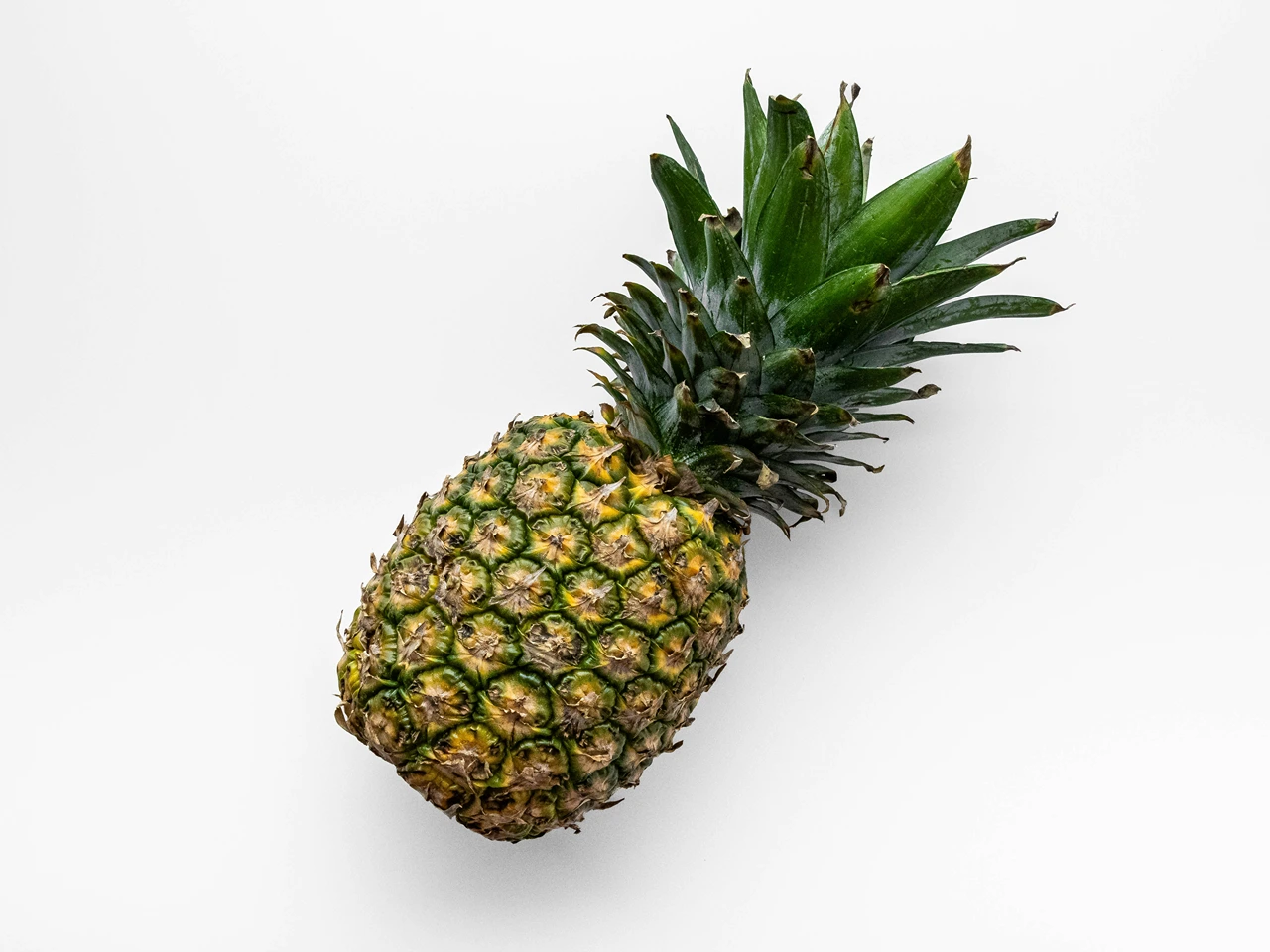
When prepared the right way, fresh pineapple can make a tasty and healthy treat for your dog. It’s not just refreshing — pineapple contains a variety of nutrients that can support overall well-being for humans and dogs alike.
Rich in Vitamins
Pineapples are loaded with vitamins C and B6, which help strengthen your dog’s immune system and keep their metabolism on track. It’s basically a natural energy booster that helps them stay lively and healthy.
Essential Minerals
Plus, pineapple’s got important minerals like manganese and potassium in the mix. These minerals work behind the scenes to support strong bones, healthy nerves, and smooth muscle function — basically, everything your dog needs to stay in good shape.
High Fibre Content
The fibre in raw pineapple is another bonus. It helps with digestion, promotes a healthy gut, and can even make your dog feel full longer, perfect for pups that tend to overeat.
Natural Anti-Inflammatory Properties
Pineapple’s also packed with bromelain, an enzyme that helps ease inflammation and makes it easier for your dog to absorb nutrients. It’s a natural way to give your dog’s joints and tummy a little extra care.
Supports the Immune System
With its antioxidants and vitamin C, pineapple may help strengthen your dog’s immune defences. It’s a simple way to give their body a boost and help them fight off everyday illnesses.
Some dog owners even believe that feeding them pineapple can stop dogs from eating poop, although this isn’t scientifically proven, the bromelain in pineapple might change the stool’s taste, making it less tempting. So yes, pineapple can help with that unpleasant habit, too. In short, pineapple can help keep your dog healthy, hydrated, and happy when fed properly.
Recommended Amount of Pineapple You Can Feed Your Dog

When offering pineapple as a tasty treat, portion control matters. As a general guideline, follow the 90/10 rule, where treats make up only 10% of your dog’s daily diet.
Here’s how much you can safely feed based on size:
- Small dogs: 2–3 small chunks of pineapple
- Medium dogs: 4–5 chunks
- Large dogs: 5–7 chunks
Always start with a small amount of pineapple, especially if it’s your dog’s first time trying it. See how their stomach handles it before offering more. Pineapple can be a safe and refreshing snack, but every dog reacts differently.
Keep an eye out for any signs of digestive issues like gas, bloating, or diarrhea. Senior dogs or dogs with diabetes should have smaller portions, as pineapple’s natural sugars can still be too much sugar for your dog in large amounts.
How to Feed Your Dog Pineapple: Preparing Pineapple as a Dog Treat
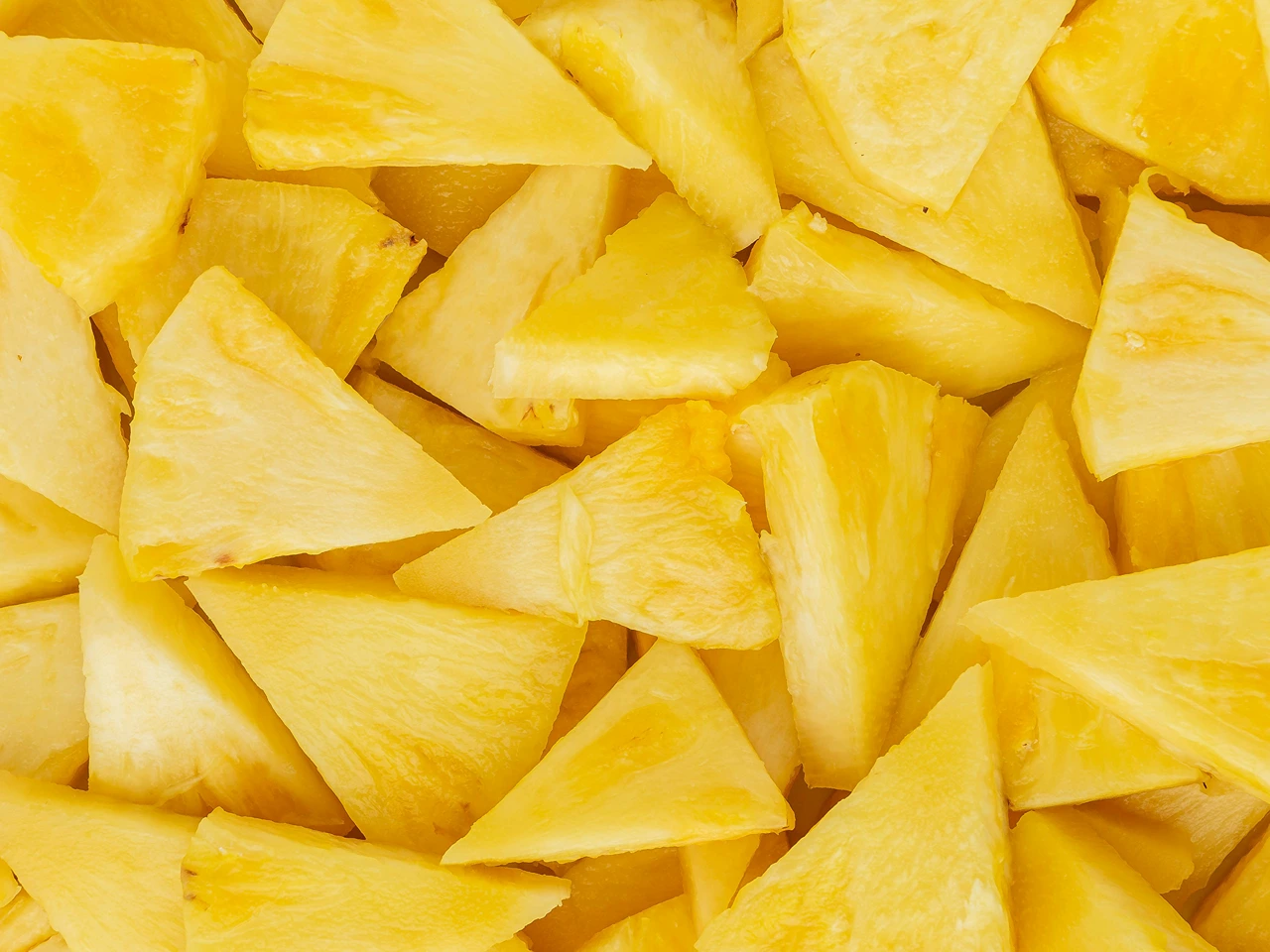
When it comes to pineapple, how you serve it is just as important as how much you give. Proper preparation helps your dog enjoy all the benefits without risking an upset stomach. Here’s what to do before serving.
- Remove the crown, spiny skin, and core of the pineapple: The skin of a pineapple and the core of a pineapple are tough, fibrous, and unsafe for dogs to digest. Always peel away the spiny skin and remove the hard core before serving to prevent choking or digestive issues.
- Cut the pineapple into small, bite-sized pieces: Once cleaned, cut the pineapple into small cubes or pineapple chunks first before offering them to your dog. Smaller pineapple pieces are easier to chew and help control portions while still letting your pup enjoy the sweet flavour.
- Serve at room temperature or chill it for a refreshing twist: You can serve pineapple chunks fresh or chilled. For hot days, try freezing them, frozen pineapple makes a naturally sweet and hydrating treat your dog will love.
- Store unused portions properly: Keep leftover pineapple in the refrigerator to maintain freshness. You can also dehydrate the pineapple to create chewy treats, but make sure no sugar, syrup, or preservatives are added.
- Mix pineapple with other dog-safe fruits or blend it into meals: Try serving pineapple with other dog-safe fruits like blueberries or apples for variety. You can even blend a few pieces with pineapple juice (unsweetened) into their food to add natural flavour and nutrients.
- Avoid cooked pineapple and sugary desserts: Never offer cooked pineapple or treats like pineapple cake, as these may contain butter, sugar, or artificial flavourings that can be toxic to dogs and upset their stomachs.
- Watch for signs of allergies or sensitivity: Whenever you introduce something new, keep an eye on your dog. If they show any signs of discomfort or allergic reaction, stop feeding pineapple immediately and contact your vet.
When prepared the right way, pineapple makes a safe, delicious, and healthy choice for dogs. So, the next time you slice up a juicy pineapple, save a few pineapple chunks for your dog to enjoy.
Final Thoughts
While dogs can eat pineapple, it should always be given to dogs in small portions and as part of a balanced diet. This tropical fruit can be a healthy and refreshing treat when served correctly, offering hydration and a boost of vitamins and minerals. Just remember that moderation is key.
Too much pineapple can upset your dog’s stomach due to its natural sugars and acidity. Always stick to fresh or frozen pineapple, never canned or processed versions. Preparing it properly and watching your dog’s reaction can help you safely make pineapple an occasional, guilt-free snack that adds variety and nutrition to their diet while keeping them happy, hydrated, and healthy.
Frequently Asked Questions
Is pineapple safe for dogs to eat?
Yes, pineapple is safe for dogs when it’s served in moderation and properly prepared.
Fresh and natural only: Always feed pineapple fresh or frozen; avoid processed forms to prevent excess sugar and additives.
Choose the right part: Only the soft flesh is safe — other parts of the fruit, like the skin and core, can be hard to digest or even harmful.
Moderation is key: Offering pineapple as a treat occasionally helps prevent stomach upset or sugar overload.
Supports health: When prepared correctly, pineapple can be a healthy source of vitamins, enzymes, and hydration for your dog.
Introduce gradually: When giving pineapple to your dog for the first time, start small to monitor their reaction and digestion.
How much pineapple can dogs eat?
Knowing the right portion keeps your dog happy and healthy without overdoing it.
Follow the 90/10 rule: Treats like pineapple should make up no more than 10% of your dog’s daily calories — that’s how much pineapple can dogs safely enjoy.
Adjust to size: Small dogs can have a few chunks, while larger breeds can handle more, depending on weight and activity level.
Start slow: When your dog eats pineapple for the first time, offer just one or two small pieces to see how they react.
Avoid excess sugar: Even though pineapple is a treat, giving too much can cause stomach issues or even lead to weight gain.
Watch for symptoms: If you notice bloating, gas, or diarrhea after serving pineapple, reduce the amount or stop feeding it temporarily.
Can you give dried pineapple to your dog?
Dried pineapple might sound convenient, but it’s not the healthiest choice for dogs.
Avoid high sugar content: Store-bought dried fruits like pineapple often contain added sweeteners that aren’t safe for dogs.
More sugar than fresh pineapple: Drying fruit concentrates sugar levels, making it much less healthy than offering it fresh.
Homemade is safer: If you want to include pineapple that's dried, try dehydrating it yourself with no additives or preservatives.
Give sparingly: Even homemade dried pineapple should only be used as a rare treat, not a regular snack.
Remember balance: Dogs should not eat too many sweet fruits, as it can affect their weight and blood sugar levels.
Can dogs eat canned pineapple?
While it might seem harmless, canned pineapple isn’t ideal for your dog’s diet.
Avoid added syrups: Most canned pineapple often contains sugary syrup that’s too rich for dogs’ stomachs.
Check ingredients: Before you feed dogs canned pineapple, make sure it’s packed in natural juice with no preservatives.
Higher sugar risk: Dogs that eat canned pineapple regularly may consume excessive sugar, leading to digestive problems.
Fresh is better: Pineapple is best served raw or frozen to maintain nutrients and avoid unnecessary additives.
Offer occasionally: Only feed pineapple to your dog based on moderation — canned versions should never replace fresh fruit.
When can feeding pineapple be unsafe for dogs?
Although pineapple is generally healthy, there are times it’s better to avoid it.
Sensitive stomachs: For dogs prone to bloating or diarrhea, although pineapple is nutritious, it might still irritate their stomach.
Diabetic dogs: Their natural sugars make them unsafe for dogs with diabetes or weight problems.
Puppies and small breeds: Be cautious when puppies eat pineapple, as their digestive systems are still developing.
Allergies or reactions: If your dog shows discomfort after you include pineapple in their diet, discontinue immediately.
Processed or spoiled fruit: Never use rotten or cooked pineapple, as spoiled pineapple, as a treat, can cause food poisoning or upset digestion.

