
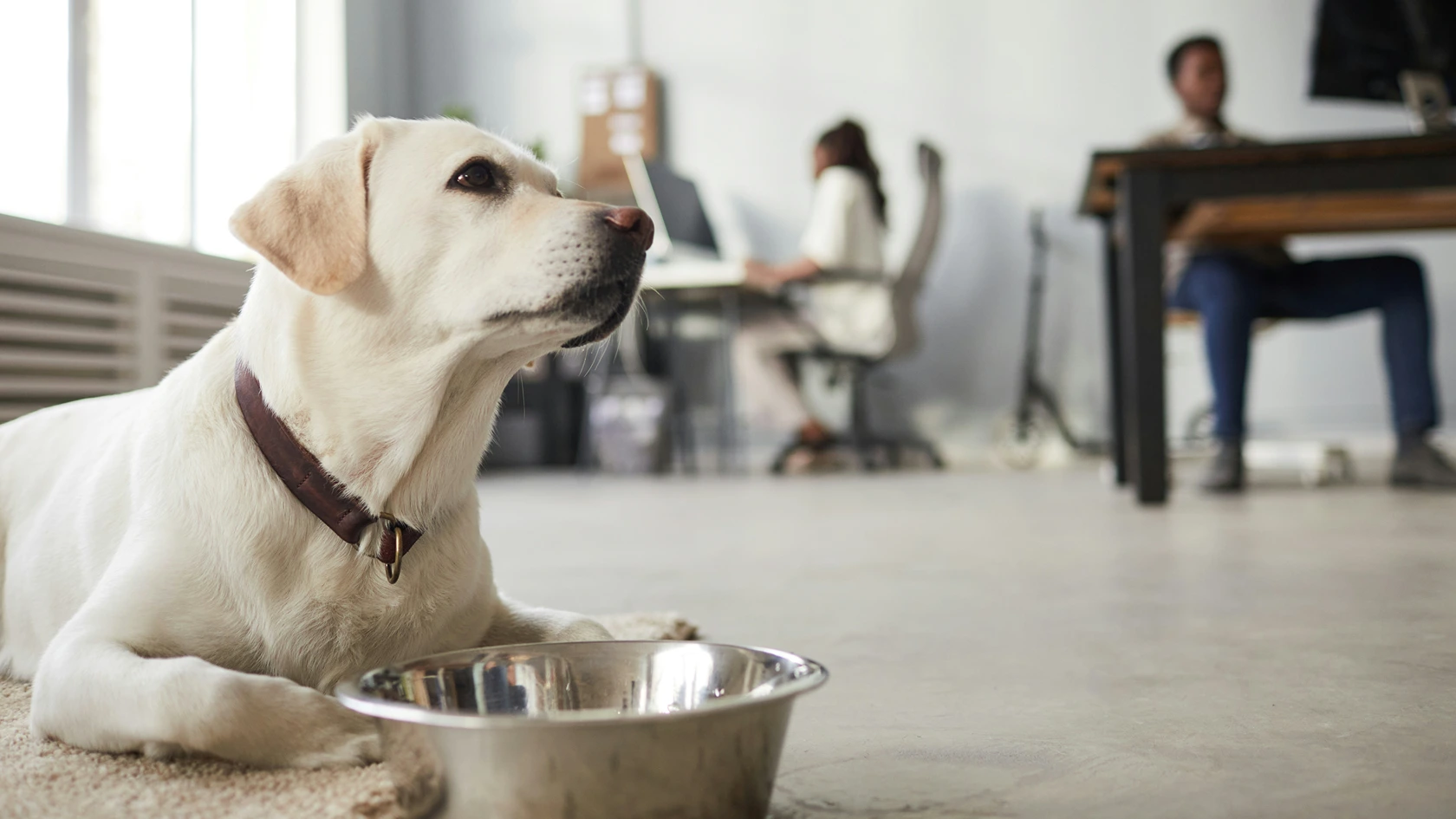

TL;DR: Is Garlic Bad for Dogs?
- Garlic is one to avoid: While common in human food, garlic is toxic to dogs and should never be part of their diet—even in small amounts.
- Hidden risks add up: Garlic may initially appear innocuous, but daily or frequent consumption of garlic can subtly harm red blood cells and cause anemia.
- All forms matter: Dogs are equally at risk from fresh cloves, powders, oils, and foods that contain onions and garlic.
- Symptoms aren’t always immediate: Signs can appear 24–72 hours later, making it easy to miss the connection between garlic and your dog’s symptoms.
- Size and health are important: Dogs with pre-existing conditions, older dogs, and smaller dogs are more susceptible to garlic toxicity.
- No proven benefits: Despite online claims, there’s no reliable evidence that garlic helps dogs in a way that outweighs the risks.
- Prevention is easy: The safest option is to completely avoid garlic and carefully read the ingredient labels on treats and leftover food.
Are you worried that your dog consumed garlic? Get in touch with us! Early guidance can make all the difference in protecting your dog’s health.
Many pet owners wonder if foods found in their kitchen are safe to share, and when it comes to garlic and dogs, confusion is common. Garlic hides in seasonings, sauces, and leftovers, and even small amounts can damage red blood cells, causing anemia, weakness, and digestive upset. That’s why staying aware is so important for every responsible dog owner.
Even though garlic is celebrated for humans, it’s actually harmful to dogs—knowing why can help you keep your pup safe. In this blog, we'll break down the risks, symptoms, and everything you need to know before you ever give your dog anything containing garlic.
Garlic for Dogs: Is it Safe for Dogs to Eat?
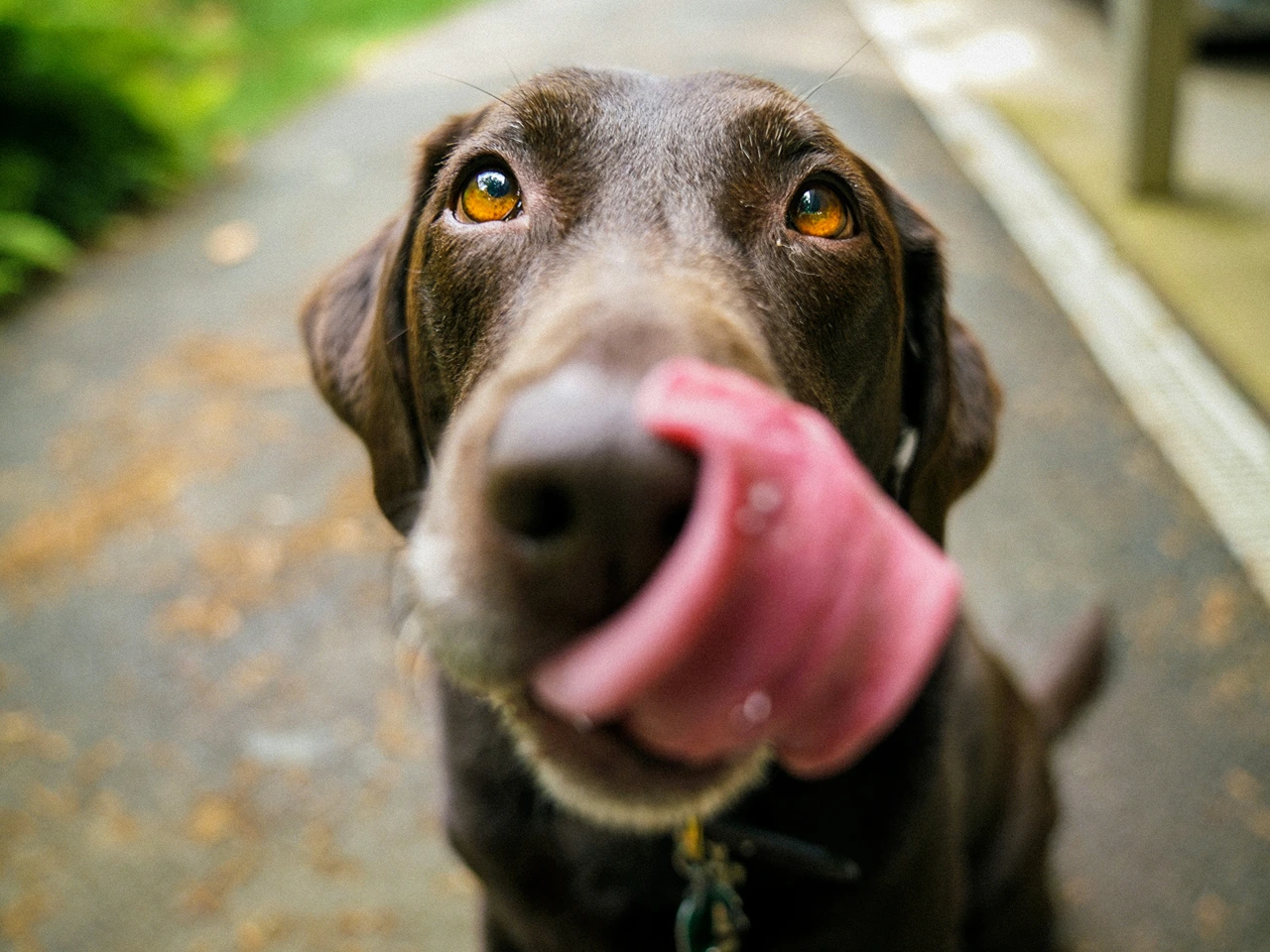
Garlic belongs to the allium family, along with onion, leek, and others. While people often tolerate garlic very well, dogs cannot process it the same way. Veterinary research shows garlic is unsafe for dogs because it damages the red blood cells, leading to hemolytic anemia. This makes it harder for oxygen to circulate, which is why garlic is bad for dogs.
Sulphur-containing compounds are toxic to dogs and cats, and even in small doses, they can trigger oxidative damage. Large amounts can be toxic, but risk doesn’t disappear with small amounts. Humans break garlic down efficiently, but dogs are far more sensitive to garlic, especially when they consume garlic regularly.
You’ll see claims about the benefits of garlic for dogs, like parasite control. However, evidence that garlic helps is weak, and current science suggests that garlic offers no proven upside that outweighs risk. Despite hype around a health supplement for pets, dogs should not eat garlic.
Everyday foods can contain garlic, including garlic bread, sauces, and treats, including onions or garlic. Oils like garlic oil, powders, and seasonings hide risk in any form of garlic, from fresh garlic to garlic powder and garlic extract. Best practice? Avoid garlic altogether.
Symptoms of Garlic Poisoning in Dogs
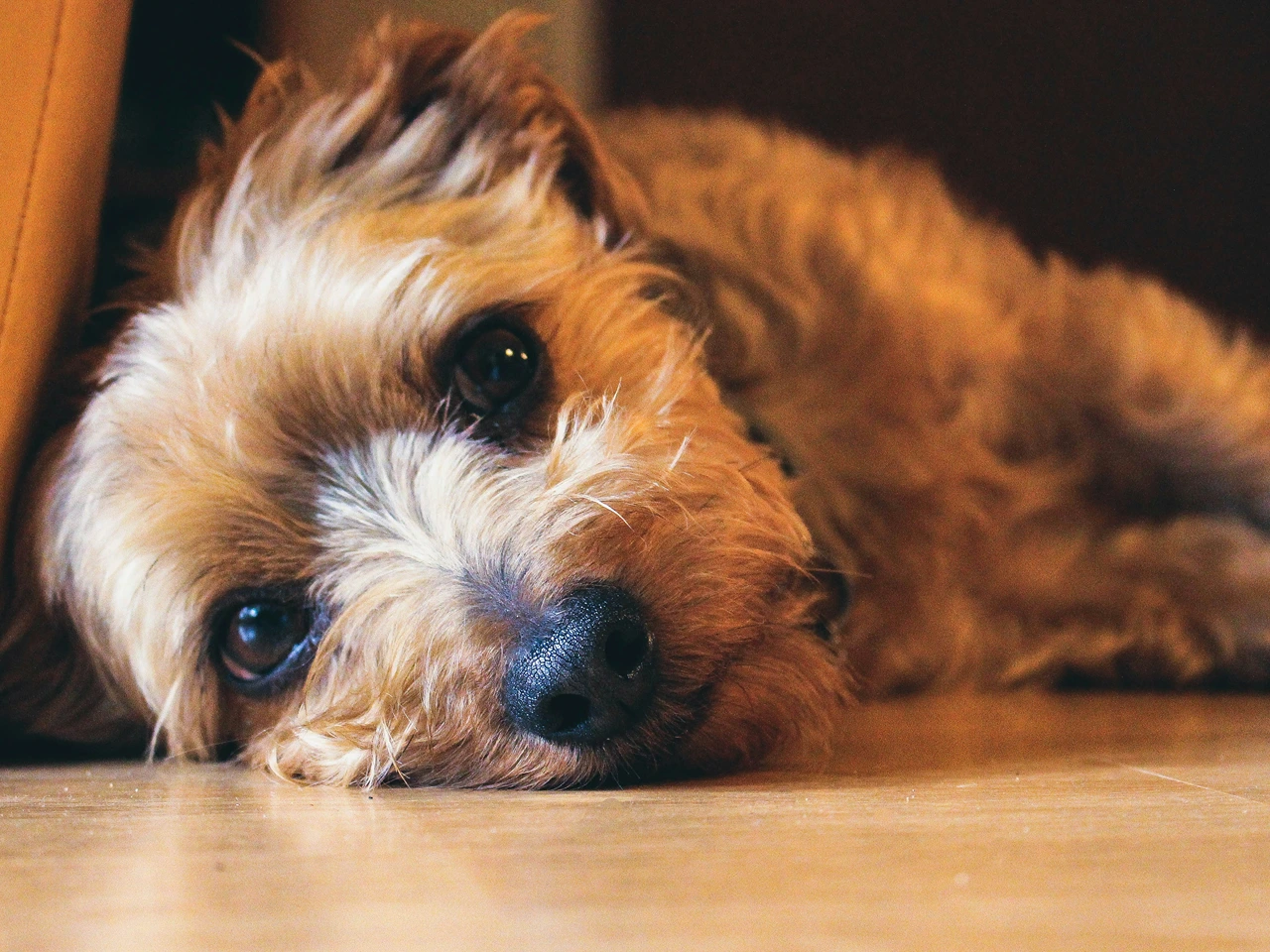
A dog may have been exposed if any of these signs appear, often gradually and subtly.
- Weakness and lethargy: As garlic affects red blood cells, oxygen delivery drops, leaving your dog unusually tired or slow to move.
- Pale gums: Anemia caused by garlic toxicity can make your dog’s gums look lighter than usual, signalling internal stress.
- Rapid breathing: To compensate for lower oxygen levels, your dog may breathe faster than normal, even at rest.
- Dark-colored urine: The breakdown of red blood cells can turn urine darker, sometimes brownish, which is an important warning sign.
- Vomiting and diarrhea: Digestive upset is common, and your dog may show repeated episodes of nausea or loose stools.
- Abdominal pain and discomfort: Your dog may whine, pace, or seem sensitive when the stomach area is touched.
- Collapse in severe cases: In serious garlic poisoning, your dog’s weakness can get so bad that they collapse—this is an emergency and needs a vet right away.
Timeline of symptom development
The effects of even a small amount of garlic consumed can develop gradually with daily exposure, although symptoms usually manifest within 24 to 72 hours. This delayed onset is a key reason for the fear of garlic toxicity, as you might not immediately connect your dog’s symptoms to a small amount of garlic given days earlier.
How Much Garlic is Toxic to Dogs?
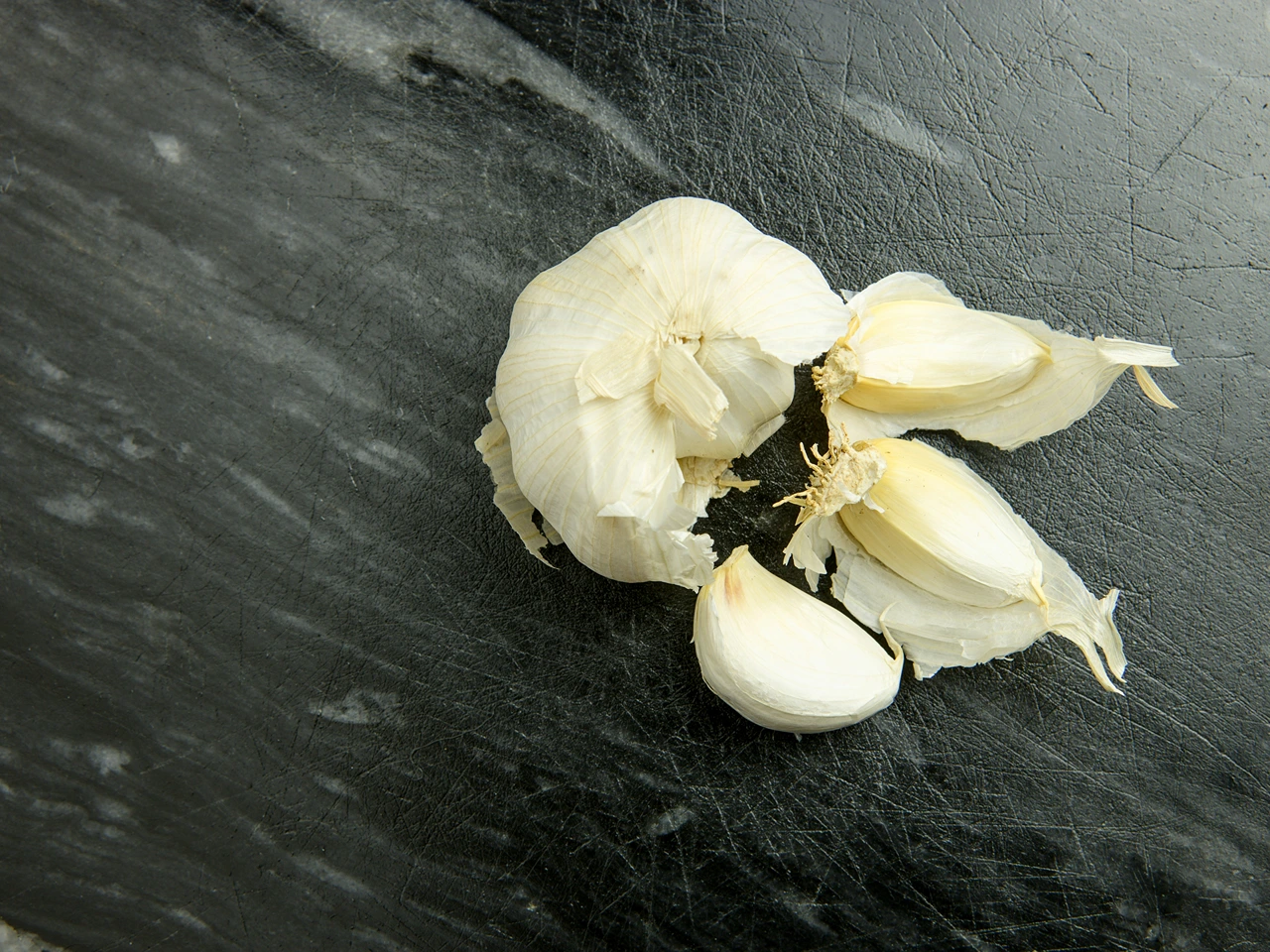
The type, quantity, and size of garlic your dog eats all affect how toxic it is. Knowing the safe limits is essential because even a slight variation in quantity can affect whether garlic becomes hazardous.
Toxic amounts based on dog's weight
Research suggests that 15 to 30 grams of garlic per kilogram of body weight can be harmful, especially for medium-sized dogs. Smaller dogs can be affected by far less, so monitoring the quantity of garlic given is essential.
Fresh vs. powdered garlic toxicity levels
The amounts of fresh garlic differ significantly from concentrated forms like garlic powder or extracts. Since garlic clove sizes vary and a garlic clove weighs differently depending on type and preparation, estimating the exact grams of garlic per kilogram can be tricky.
Cumulative effects of repeated exposure
Even when feeding garlic in small amounts occasionally, toxic effects may accumulate over time. Repeated intake increases oxidative stress and the risk of anemia, meaning long-term exposure is dangerous even if a single garlic clove seems harmless.
High-risk factors (breed, age, health conditions)
Puppies, senior dogs, and dogs with pre-existing health issues are more vulnerable to garlic toxicity. Certain breeds are particularly sensitive, so what might be safe for one dog could be dangerous for another, making careful monitoring of quantity of garlic essential.
What to Do if Your Dog Eats Garlic?
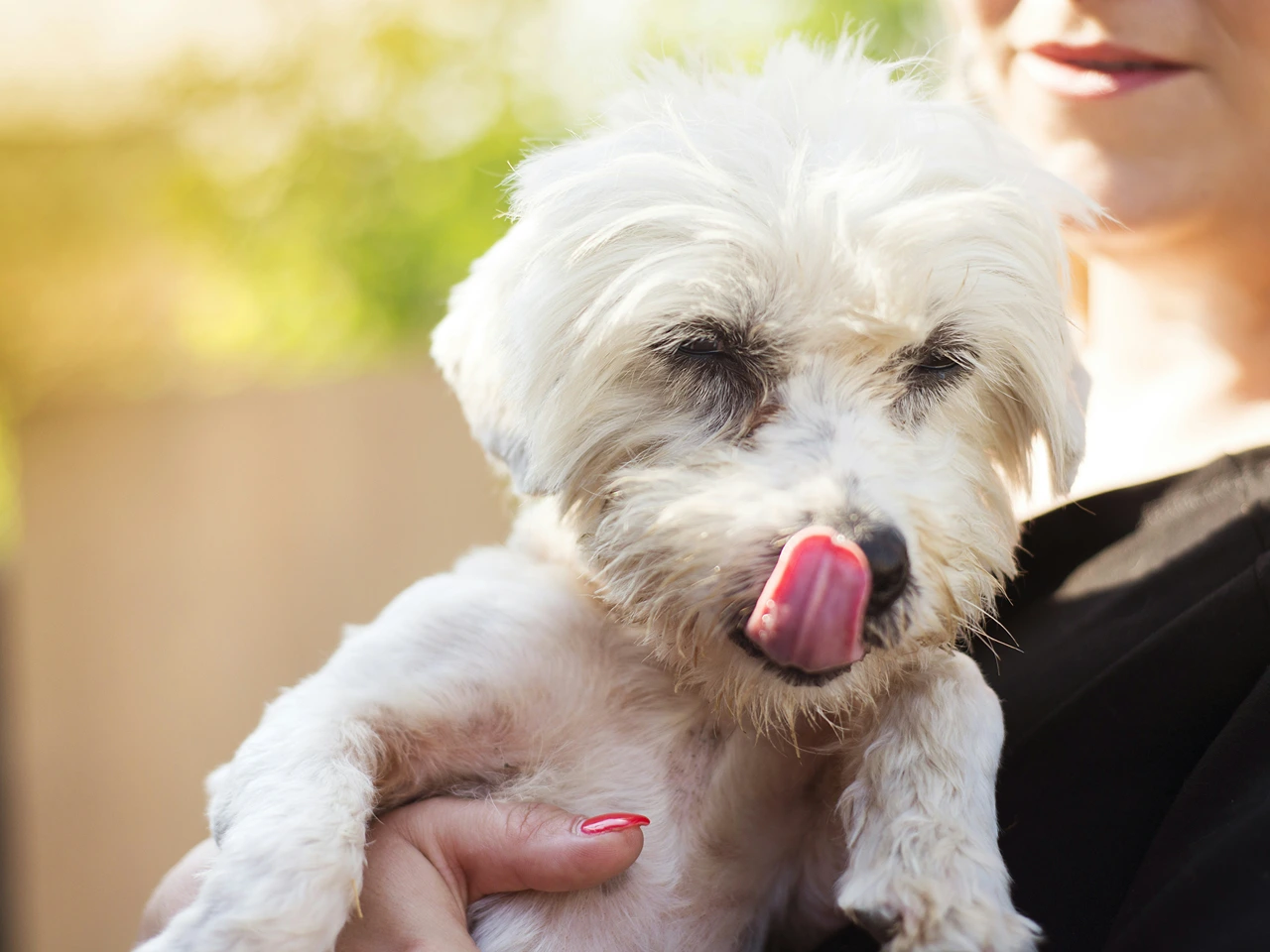
To lower the risk of toxicity, act quickly if your dog unintentionally eats garlic. Taking prompt action can have a big impact on your dog's recuperation.
- Take Note and Remove Access: Get your dog away from the garlic and jot down exactly how much they ate—and in what form—powdered, raw garlic, or in oil. The vet can get a clearer picture of any risk if they know the type of garlic involved.
- Keep Track of Important Information: Tell us your dog's weight, the grams of garlic, the number of clove pieces (keep in mind that the weight of garlic varies according to size), and the total amount ingested. For appropriate treatment, this information is essential.
- Seek Veterinary Help: If your dog shows symptoms or if a large amount of garlic was eaten, seek urgent veterinary attention. Garlic poisoning can be serious, so it’s better to err on the side of caution.
- Avoid Home Remedies: Do not induce vomiting unless explicitly instructed by a vet, and never use garlic as a home remedy. Avoid giving garlic or attempting to feed your dog garlic to “balance” any symptoms.
- Monitor Closely: Observe your dog’s energy, gum colour, appetite, and urine output for at least 72 hours after exposure. If you’re unsure how much garlic your dog consumes, it’s safest to treat the situation as potentially harmful.
How Vets Treat Garlic Toxicity in Dogs
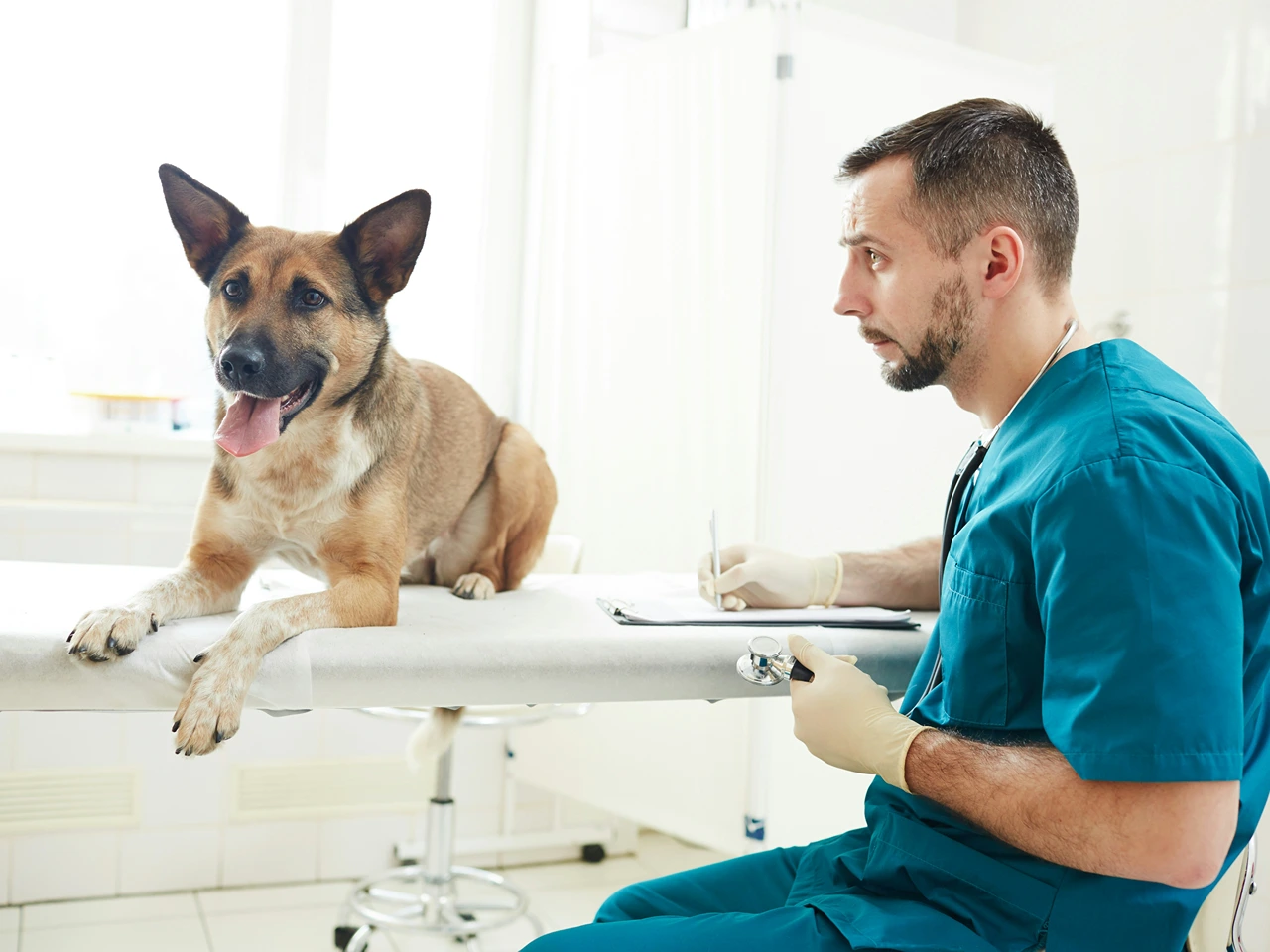
Diagnostic tests and procedures
Vets often run bloodwork to check for anemia and oxidative damage caused by garlic ingestion. In research contexts, intragastric administration of garlic extract has helped define toxicity risk, but it is not used as a treatment in real-world cases.
Treatment methods
Acting quickly can make a big difference—treatments might include decontamination, IV fluids, and medications to help your dog recover. In really serious cases, they might even need a blood transfusion to get their red blood cell levels back on track.
Supportive care options
Vets may provide antioxidants and closely monitor blood parameters to stabilize red blood cell counts. While some claim the efficacy of aged garlic extract, it is not recognized as a standard treatment.
Recovery timeline
Most dogs start bouncing back just a few days to a couple of weeks after they stop getting into garlic. How fast they recover really depends on how much they got into and how sick they got.
Long-term effects
If dogs keep getting garlic, it can make them more sensitive over time. That means the trouble doesn’t always end with just one incident—repeated exposure can cause lasting problems.
Final Thoughts
There is no proof of benefits for dogs that exceed the hazards. The safest option is to keep garlic off your dog's diet, whether it be in the form of fresh garlic, powder, oil, or treats. Over time, even tiny amounts can build up and result in anemia or other major health problems; senior dogs, puppies, and some breeds are particularly susceptible.
Read ingredient labels carefully at all times, refrain from sharing human foods that contain garlic, and inform friends and family who might feed your dog. Avoidance is the best option for your dog's long-term health because it is much simpler than treatment.
Frequently Asked Questions
Can Dogs Eat Garlic?
No, dogs should never eat garlic as it is toxic to them even in small amounts.
All Types Are Dangerous: Dogs are equally at risk from fresh garlic, garlic powder, oil, and garlic-containing foods.
Red Blood Cell Damage: Garlic can cause hemolytic anemia and oxygen deprivation by destroying red blood cells.
Delayed Symptoms: After ingestion, effects frequently manifest 24 to 72 hours later.
Size Matters: Small dogs, elderly dogs, and dogs with pre-existing medical conditions are especially at risk.
No Proven Benefits: Despite some claims to the contrary, garlic does not offer dogs any health advantages that outweigh its risks.
Why Is Garlic Toxic to Dogs?
Garlic has compounds that dogs just can’t handle safely, which makes it toxic for them.
Sulphur Compounds: Dogs are particularly vulnerable to the sulphur in garlic, which can harm their red blood cells.
Oxidative Stress: Over time, these substances may gradually put the blood and organs under stress.
Cumulative Effects: If small amounts are repeated, they can build up and become hazardous.
High Sensitivity in Some Dogs: Older dogs, puppies, and some breeds are more susceptible to illness.
No Safe Supplement Use: Veterinarians do not believe that garlic supplements are safe or effective for dogs.
What are the Signs of Garlic Toxicity in Dogs?
Symptoms of garlic poisoning can range from mild to severe, often developing gradually.
Weakness and Lethargy: Your dog may experience unusually high levels of fatigue due to reduced oxygen due to red blood cell damage.
Pale Gums: Anemia brought on by garlic toxicity is indicated by pale gums.
Fast Breathing: In order to make up for low oxygen levels, dogs may breathe more quickly.
Digestive Upset: Common warning signs include vomiting, diarrhea, and discomfort in the abdomen.
Severe Cases: In cases of severe toxicity, collapse or dark urine may occur, necessitating prompt veterinary care.
How Should a Veterinarian Handle Garlic Poisoning in Dogs?
To treat garlic toxicity and aid in recovery, veterinarians adhere to a set of protocols.
Diagnostic Tests: Blood tests look for oxidative damage from garlic and anemia.
Treatment Options: In order to stabilize the dog, early care may include IV fluids, decontamination, and medication.
Supportive Care: Red blood cell levels can be safely restored with the use of antioxidants and careful observation.
Timeline for Recovery: Depending on the degree of exposure, most dogs recover in a few days to several weeks.
Preventing Long-Term Effects: Chronic anemia or long-lasting sensitivity can be avoided by avoiding repeated exposure.
What to Do if Your Dog Eats Garlic?
Reducing the chance of toxicity after consuming garlic requires quick action.
Remove Access: Remove the garlic and record how much and in what form it was consumed.
Note Specifics: For the veterinarian's evaluation, note your dog's weight, quantity of cloves, or grams eaten.
Seek Veterinary Assistance: If symptoms develop or a substantial quantity is consumed, get in touch with a veterinarian immediately.
Avoid Home Remedies: Do not induce vomiting or give garlic to “counteract” symptoms unless instructed by a vet.
Monitor Closely: Watch for changes in energy, gums, appetite, and urine for at least 72 hours post-exposure.

