


TL;DR: Can Dogs Eat Broccoli?
- Safe & non-toxic: Broccoli is safe, not toxic to dogs, and perfectly okay when you give your dog only what they can comfortably handle.
- Nutrient-rich treat: Broccoli gives your dog fibre, vitamins C and K, antioxidants, and minerals that help with digestion, boost immunity, and support overall health.
- Low-calorie goodness: It’s a great lightweight, crunchy treat for dogs who need healthier snack options.
- Moderation is key: Stick to small amounts and follow the 10% treat rule to prevent gas, bloating, or stomach upset.
- Prep it right: Wash thoroughly, cut into bite-sized pieces, and serve plain—raw or lightly steamed—for safe chewing and easier digestion.
- Stems & florets okay: Dogs can enjoy both, but florets contain more isothiocyanates, so keep portions controlled.
Have questions about adding broccoli or other veggies to your dog’s routine? We can help you figure out the safest, healthiest way to do it.
Broccoli is known as a healthy vegetable, but not every human food works the same for dogs. It’s a nutrient-dense plant that interacts with a dog’s digestive system differently than ours. Broccoli can be great for your dog’s overall health, but if it’s not served the right way, it might upset their stomach.
Knowing how your dog’s digestive system responds to certain vegetables helps you make smarter, safer choices at mealtimes. Read on as we share with you the benefits broccoli can offer, how much broccoli is safe, and proper serving tips to keep your dog both happy and healthy.
Is Broccoli Safe for Dogs to Eat?

Yes, dogs can eat broccoli, and it’s generally safe when offered the right way. Broccoli is non-toxic for dogs, meaning both the broccoli florets and broccoli stems are edible. Many dogs even like broccoli, especially when it’s lightly softened or served as a crunchy treat.
However, broccoli contains natural compounds like isothiocyanate, which can cause mild stomach upset in dogs if they eat too much. This is why broccoli should be served in moderation. A small piece of broccoli here and there is perfectly fine, but a lot of broccoli or the wrong preparation can create issues—especially for small dogs, who are more sensitive to the total amount of broccoli they eat.
Health Benefits of Broccoli for Dogs

When served properly, broccoli is packed with benefits for dogs. It’s a nutrient-rich vegetable that supports several areas of canine health without adding unnecessary calories.
Supports Digestive Health
Broccoli is full of fibre, which helps keep digestion running smoothly. When given in the right amount, it can support healthy, regular bowel movements and overall gut comfort.
Provides Essential Vitamins and Minerals
This veggie is a natural source of vitamin C, vitamin K, and minerals like potassium and calcium. These nutrients play a major role in maintaining immune function, supporting strong bones, and boosting everyday wellness.
Offers Anti-Inflammatory Antioxidants
Broccoli contains helpful antioxidants that can reduce oxidative stress and inflammation. These compounds make it a nutritious add-on for dogs with sensitive systems or those needing a little extra support.
Great for Weight-Friendly Treating
If your dog needs lighter treat alternatives, broccoli is a great option. Its low-calorie profile lets you offer something crunchy and satisfying without contributing to weight gain.
Nutrients Beyond the Florets
Broccoli isn’t just about the florets, part of the broccoli stalks, broccoli sprouts, and even the stems provide valuable nutrients too. These parts can be safely offered when cooked and cut into dog-friendly pieces.
A Wholesome, Not Filler, Food
For all its advantages, broccoli should be regarded as a wholesome, nutrient-rich treat rather than a main filler food. It’s best used to complement a balanced diet.
Note: Broccoli may cause gas or occasionally make dogs fart, but that’s completely normal and usually nothing to worry about.
How Much Broccoli is Safe for Dogs?

The rule of thumb is that broccoli shouldn’t dominate your dog’s diet. Follow the 10% rule, meaning treats like broccoli should not be more than 10% of daily calories. Every dog can eat, depending on size and sensitivity — how much they can eat depends on the individual dog.
When you introduce broccoli or incorporate broccoli into your dog’s meals, always start small:
- Offer a small amount of broccoli to test whether your dog reacts well.
- Watch closely if you’re giving broccoli for the first time, since some dogs might react to broccoli or even be allergic to broccoli.
- Giving your dog too much broccoli can lead to bloating, gas, or irritation in dogs, especially those with sensitive stomachs.
Specific Serving Notes
- For Small Dogs: Small breeds should only get tiny, bite-sized pieces of raw or cooked broccoli—about 3–4 small pieces per day. Because of their size, even a little goes a long way.
- For Medium and Large Dogs: Medium and large dogs can tolerate slightly more, generally 5–6 small pieces per day or up to a small handful, depending on their tolerance. Even though broccoli is a great low-calorie treat, it should still make up only a tiny addition to their overall diet.
- For Dogs With Digestive Sensitivities: Dogs with a history of stomach issues need extra caution, as broccoli may cause discomfort or trigger an upset stomach. Even nutrient-dense pieces—like stems or sprouts—should be offered carefully.
If you notice changes in stool, appetite, or any unusual reaction after introducing broccoli, scale back right away.
Feeding Your Dog Broccoli: Tips for Serving and Preparing Broccoli for Your Dog
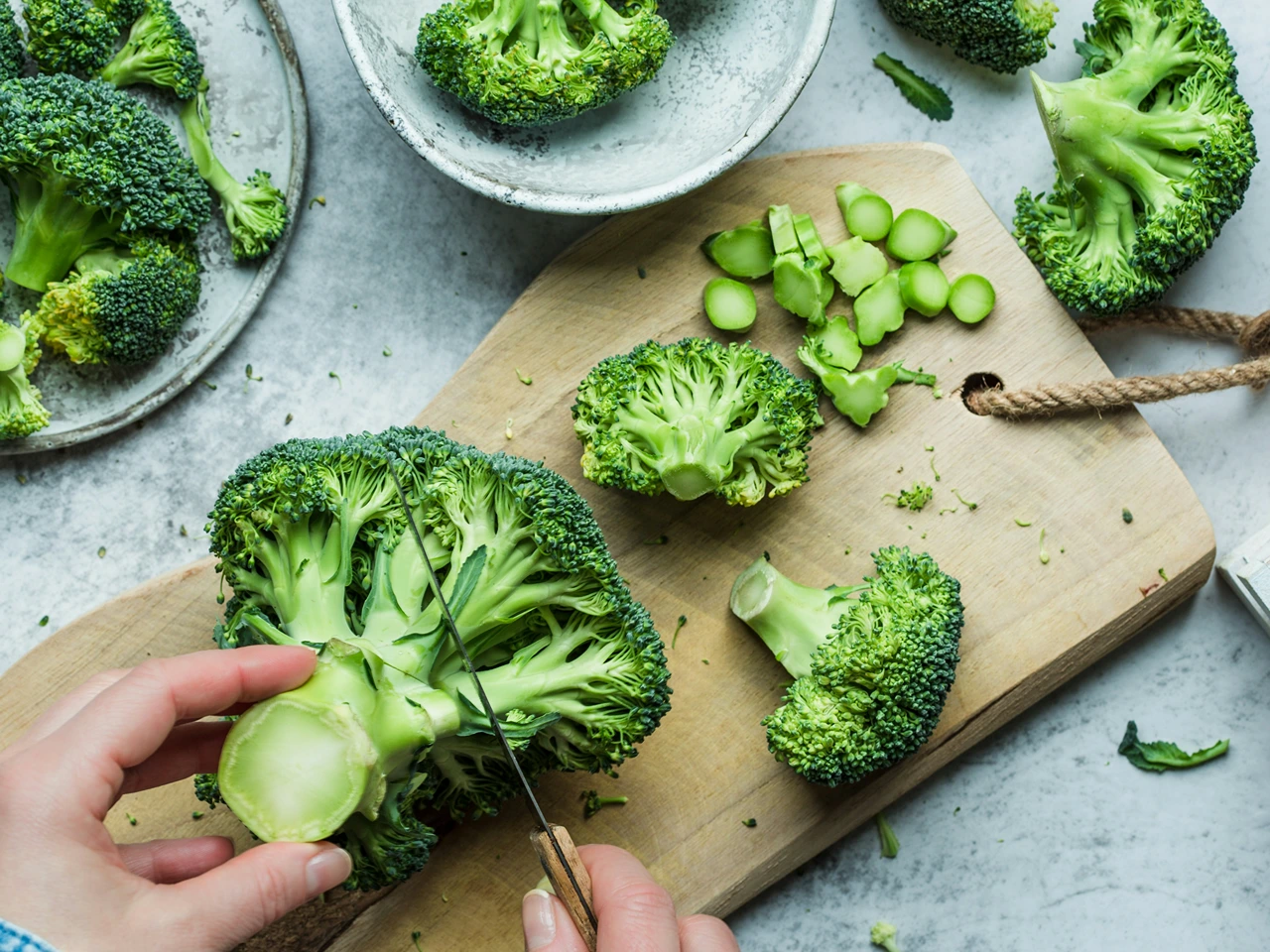
When giving broccoli to your dog, how you prepare it makes a big difference. Here’s how to safely give your dog broccoli without risking problems:
- Always wash organic broccoli or regular broccoli thoroughly to remove dirt, chemicals, and pesticides. Clean produce is essential before you feed broccoli to your pet.
- Cut the vegetables into bite-sized pieces so your dog doesn’t choke, especially if you plan to let your dog eat raw broccoli florets. Smaller pieces help your dog chew safely and reduce the risk of digestive discomfort.
- Lightly cook or steam broccoli for easier digestion. Many dogs prefer steamed broccoli because it’s softer and less likely to cause gas, and it’s still a safe way to let your dog enjoy the nutrients.
- Keep it simple — serve plain broccoli only. Avoid adding seasonings, oils, cheese, or sauces, as these can be harmful to dogs and may upset their stomach.
- Never mix broccoli with ingredients that are toxic for dogs, such as garlic, onions, or heavily seasoned foods. Even small amounts of these can be dangerous.
- Dogs can safely eat broccoli stems, and some even enjoy the crunch. However, since stems or broccoli stalks can be tough, soften them first by cooking so they’re easier to chew and reduce the chance of choking.
- Dogs can also safely eat broccoli florets, but remember that broccoli florets contain higher levels of isothiocyanate. Because of this, it’s important to offer only a small amount and monitor how your dog reacts.
If you’re unsure whether dogs can eat certain forms, like mixed dishes or seasoned vegetables, play it safe. Stick to plain broccoli, whether you choose to let dogs eat raw broccoli or enjoy broccoli cooked. Start with just a bit of broccoli and watch for any changes in digestion or behaviour. With the right preparation, portioning, and careful observation, incorporating broccoli into your dog’s diet can be a nutritious and enjoyable treat.
Final Thoughts
Broccoli can be a healthy, low-calorie treat for dogs if served carefully. Its vitamins, minerals, antioxidants, and fibre can be really good for them—but only in small, properly prepared portions. Always follow the 10% treat rule, start slowly, and watch how your dog responds, especially if they have a sensitive stomach.
Keep the pieces bite-sized, serve them plain, and stick to raw or lightly steamed so your dog can digest them easily. With simple prep and sensible portions, broccoli can be a healthy little boost in your dog’s routine. When in doubt, consult your veterinarian to make sure it fits your dog’s individual dietary needs.
Frequently Asked Questions
Can Dogs Eat Raw Broccoli?
Yes, dogs can safely eat raw broccoli when it’s prepared and portioned properly.
Safe in Small Amounts: Raw broccoli is good for pups as long as it’s offered in controlled portions, which helps avoid digestive discomfort.
Works Best for Adult Dogs: Most adult dogs tolerate raw pieces well, but it’s important to introduce them carefully to see how they react.
Offer Dogs in Moderation: Giving broccoli to dogs in moderation helps prevent stomach upset because raw florets can be strong on sensitive bellies.
Start Slow: If it’s their first time, begin with a very small nibble so you can check how they digest without issues.
Prepare Broccoli Into Bite-Size Pieces: Cutting broccoli into bite-size chunks ensures safe chewing and reduces choking risk.
What Are the Benefits of Eating Broccoli for Dogs?
Broccoli offers several natural advantages that support your dog’s health and overall wellness.
Low-Calorie Support: It’s a weight-friendly option because many treats contain broccoli-like bulk without the added nutrients that broccoli provides.
Fibre for Digestion: The roughage found in broccoli helps maintain steady digestion and supports healthy bowel movements.
Immune Boosting: A variety of antioxidants boosts overall resilience, especially helpful when you’re feeding them broccoli as an occasional treat.
Bone and Joint Health: Minerals found in the florets strengthen bones, as broccoli also contains elements that help maintain mobility.
Natural Energy Support: Broccoli makes a refreshing, nutrient-rich snack that contributes to daily vitality.
What Nutrients are Found in Broccoli that Support Dogs?
This vegetable contains key nutrients that help maintain several important functions in your dog’s body.
Vitamins for Immunity: Essential vitamins found in broccoli promote immune strength and overall balance.
Minerals for Vitality: Calcium and potassium help maintain healthy muscles and nerves, which broccoli is also known to provide naturally.
Helpful Antioxidants: These compounds neutralize the effects of oxidative stress, protecting cells from everyday damage.
Natural Fibre: The fibre content can help make sure your dog stays regular and comfortable during digestion.
Phytonutrient Support: Certain plant compounds can benefit gut and metabolic health, even though broccoli can make some dogs gassy.
How Should You Serve Broccoli to Dogs Safely?
Proper preparation ensures dogs enjoy broccoli safely without digestive problems.
Steam or Cook Gently: Many owners let dogs eat cooked broccoli because softening reduces choking hazards and improves digestion.
Offer in Small Portions: Broccoli should be an easy-to-manage treat rather than overwhelming your dog’s stomach.
Serve Plain Only: Keeping it unseasoned is best, as broccoli could cause issues when paired with oils, garlic, or rich toppings.
Use Safe Cuts: Dogs eat broccoli stems when softened, giving them a crunchier but still safe option to enjoy.
Check Tolerance First: Always monitor your dog the first few times to make sure they handle it well.
What Risks Should You Watch for When Feeding Dogs Broccoli?
While broccoli is generally safe, there are a few things owners should be mindful of.
Gas or Stomach Upset: Overfeeding can contain broccoli compounds that upset sensitive stomachs.
Choking Hazards: Large chunks of raw floret can be a risk, especially for smaller pups, when vegetables like broccoli aren’t cut well.
Allergic Reactions: Pay attention to any unusual reaction to broccoli, such as itching, vomiting, or behaviour changes.
Sensitivity Levels Vary: Some dogs react differently depending on whether broccoli is steamed or raw.
Portion Control is Key: Watching how much dogs eat helps avoid bloating or discomfort from excessive intake.

