


TL;DR: Can Cats Eat Cheese?
- Not toxic, but tricky: Cheese isn’t poisonous to cats, but most felines are lactose intolerant, making dairy tough for them to digest.
- Small amounts only: If you offer cheese at all, keep portions tiny and treat it as an occasional treat—not part of their routine diet.
- Better cheese options: Low-lactose choices like aged cheddar, hard cheeses, Swiss, and small amounts of cottage cheese or goat cheese are easier on some cats.
- What to skip: Avoid blue cheese, cream cheese, processed cheeses, and non-dairy substitutes that contain additives, moulds, or ingredients unsafe for cats.
- Serve it right: Start with a tiny test piece, monitor for digestive issues, and stop immediately if you see vomiting, diarrhea, or discomfort.
- If they overeat: Watch for symptoms, encourage hydration, let them rest, and contact your vet if problems persist or your cat has underlying health concerns.
Have questions? Reach out to us to make sure your cat’s treats and diet are safe, balanced, and cat-friendly.
While cheese seems like a simple food, there’s more to think about when it comes to cats, why some handle it better than others, and what could go wrong if they eat too much. Some cats can handle a tiny bite with no problem, while others get gassy, uncomfortable, or even sick afterward. It really comes down to how well their stomachs deal with the lactose, fat, and other ingredients in different kinds of cheese. Paying attention to how your cat reacts can help you figure out whether cheese is a fun occasional treat or something best left out.
In this blog, you’ll learn what cheese means for your cat’s health, why certain ingredients can cause trouble, and how to safely serve cheese if you choose to share a small bite.
Is Cheese Bad for Cats?

While cheese isn’t toxic to cats, most felines are lactose intolerant, which means milk or cheese is tough for their bodies to digest. Even if many cats seem to like cheese, their digestive systems often say otherwise.
Cheese is high in fat, so even a small amount of cheese can contribute to unnecessary calories, leading to weight gain and obesity over time. On top of that, cheese can trigger digestive upset, especially in cats with a dairy allergy or those sensitive to dairy products in general. Since cheese is not a natural part of the feline diet, offering it too often becomes a reason cheese is discouraged as anything more than an occasional treat.
Cats cannot extract proper nutrition from cheese the same way they do from cat food, which is formulated for what cats need. So while it's not toxic, it’s still something you should give sparingly—if at all.
Types of Cheese Cats Can Eat

There are a few types of cheese that are considered safe for cats to eat, as long as you serve them correctly. The safest choices are usually lower in lactose, making them better for cats who struggle to digest dairy. Even then, any cube of cheese should stay tiny.
Cheddar Cheese
Aged cheddar is one of the more tolerable options for cats because aging reduces lactose. It is generally easier for certain cats to handle, though it should still be given sparingly.
Hard-aged Cheeses
Similar to cheese like cheddar, these firmer varieties contain less lactose and can be better for cats who are sensitive to dairy.
Cottage Cheese
You can offer a very small amount of cottage cheese, as its high moisture content may soften its impact on digestion. Still, it’s a soft cheese, so moderation is important.
Swiss Cheese
This mild, firmer cheese is naturally lower in lactose, making it a safer occasional treat for certain cats.
Mozzarella
While mozzarella is mild, its soft and rich texture means it should only be served in very tiny portions. Like most soft cheeses, it can still be heavy on a cat’s stomach.
Goat Cheese
Due to its different protein structure, goat cheese may be slightly easier for some cats to digest, but it must still be limited to very small amounts.
What to Avoid:
Cheeses to avoid include blue cheese, cream cheese, and processed cheese, since these varieties often contain moulds, additives, or textures that cats shouldn’t eat. Likewise, non-dairy cheese may seem like a safer alternative, but these products often contain oils and ingredients that are not healthy for cats.
Regardless of type, cheese should never replace a proper diet. Always serve cheese in moderation, only as an occasional treat, and choose options that are better for cats with sensitive digestion.
How to Safely Serve and Feed Cheese to Your Cat
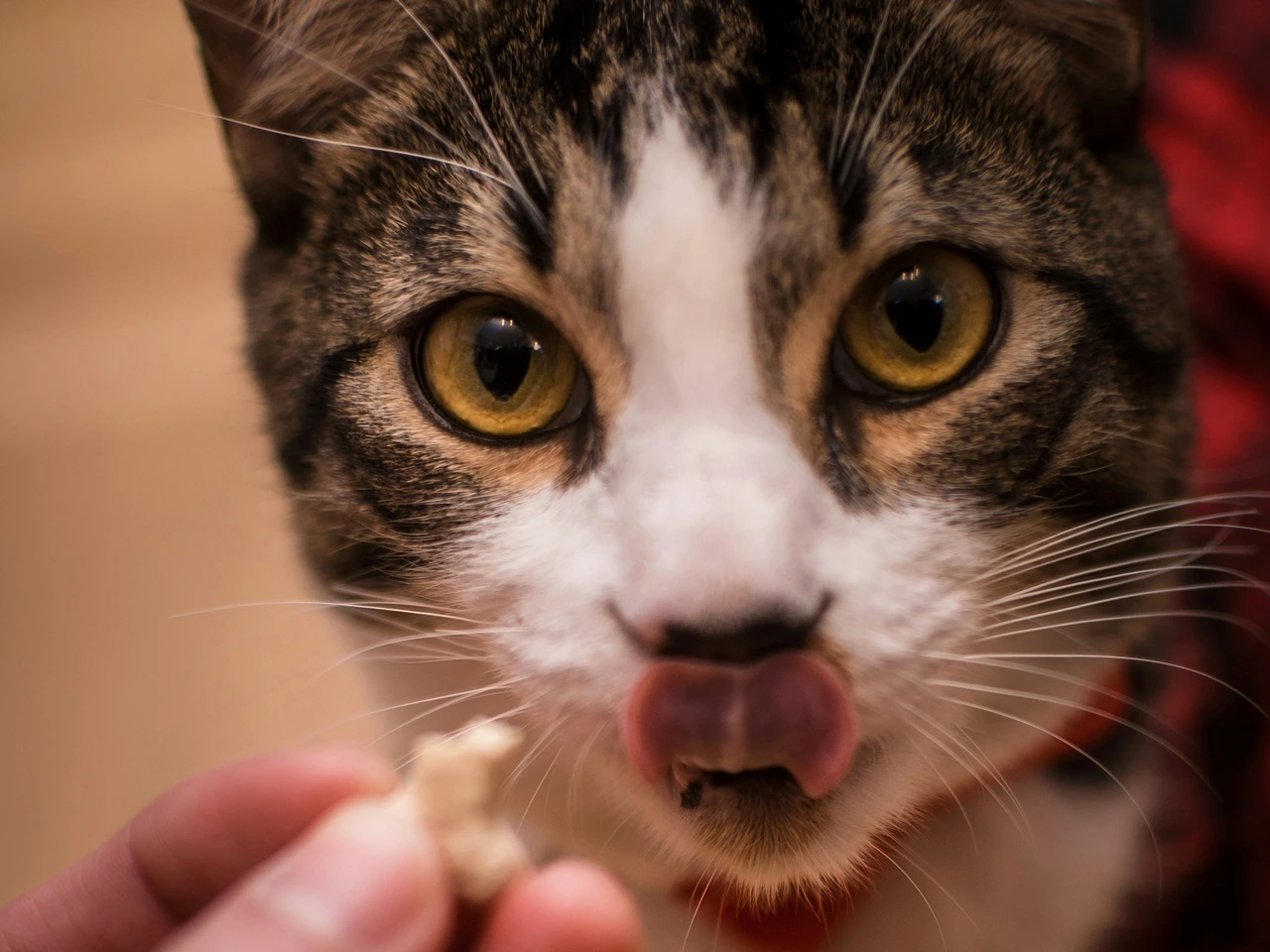
If you choose to give your cat a bit of cheese, make sure the serving is minimal and intentional. Start by offering a small piece of cheese so you can observe how your feline friend responds. Some cats really enjoy the taste of cheese, while others may ignore it entirely—and that’s completely normal.
Here’s how to feed cats cheese safely:
- Start with a tiny portion: Always begin with a very small test amount. This lets you gauge how your cat reacts, especially since cheese can cause digestive issues for many cats.
- Monitor your cat afterward: After feeding cats any dairy, keep an eye out for symptoms like loose stool, vomiting, or discomfort. These signs show that feeding cats cheese may not be a good idea for your pet.
- Prepare cheese properly: Cut the cheese into very small bits. Tiny pieces are gentler on digestion and less likely to overwhelm your cat’s stomach.
- Limit how often you serve it: Cheese should be an occasional treat. Avoid giving your cat cheese regularly, as too much can easily lead to stomach issues.
- Check for tolerance signs: If your cat shows normal stool, no vomiting, and no bloating, they may tolerate small amounts of cheese better than others.
- Stop if problems appear: If your cat reacts poorly, simply avoid cheese altogether. Your cat won’t miss it, and their health comes first.
Remember, feeding cats cheese is completely optional. Cheese is not a required part of a cat’s diet, and it should never replace full meals or nutritionally formulated treats.
What to Do if Your Cat Ate Too Much Cheese?
If your pet sneaks into the cheese drawer and overeats, there’s no need to panic. Cats that consume cheese in large amounts may develop bloating, diarrhea, constipation, or vomiting—especially if your cat is lactose intolerant, which is common.
Here’s what to do:
- Watch for symptoms: Keep an eye out for signs like gas, lethargy, or visible discomfort. These reactions are more likely when many cats are lactose intolerant and struggle to digest dairy properly.
- Encourage hydration: Cheese tends to be salty, so make sure your cat has plenty of fresh water available. Hydration helps ease discomfort and supports digestion.
- Contact your vet if needed: If symptoms worsen, last more than 24 hours, or your cat has an underlying health issue, consult your veterinarian right away. Professional guidance is best when you’re unsure whether cats are handling dairy safely.
- Let them rest and avoid more dairy: Give your cat time to recover and avoid offering any other dairy products until their stomach settles.
- Prevent future incidents: Secure dairy items and avoid letting them consume cheese unsupervised. Prevention is the simplest way to avoid digestive trouble.
The best strategy is always moderation and awareness. Whether cats can consume cheese depends entirely on their individual tolerance.
Final Thoughts
Cheese can be a fun treat for some cats—but not every feline handles it well. Since many cats struggle with lactose and rich ingredients, it’s best to keep portions tiny and occasional. Low-lactose cheeses may be easier on their stomach, but even these should only be offered sparingly and with close observation.
If your cat shows any signs of discomfort, skip cheese altogether and stick to treats made for their digestive needs. The goal is always to keep your cat healthy, comfortable, and enjoying snacks that truly suit them. When unsure, your veterinarian can help guide the safest choices for your pet.
Frequently Asked Questions
Can I feed my cat cheese as a treat?
Yes—but only rarely and in tiny amounts, since cheese can be hard for cats to digest.
Lactose tolerance varies: Because Most cats are actually lactose intolerant, even a nibble can upset sensitive stomachs.
Not a natural food: Cats can eat cheese, but it doesn’t match what their digestive system is built for.
Keep portions tiny: Only choose small, occasional cat treats that your vet agrees are safe for cats to eat.
Age matters: Adult cats are more likely to struggle with dairy, so offer cheese less often or not at all.
Watch reactions: Stop immediately if your cat shows discomfort after you give even a tiny sample.
Do cats love cheese?
Some cats enjoy it, but preferences vary, and not all felines react well.
Individual taste: Many people assume cats like cheese, but cats don’t always show interest or enjoyment.
Smell-driven curiosity: Some cats approach it out of curiosity, especially foods linked to milk.
Not always pleasant after: Because many cats can’t tolerate dairy, enjoying the taste doesn’t mean they’ll feel good afterward.
Preference ≠ permission: Even if cats love cheese, it still needs monitoring for digestive trouble.
Possible allergies: Some cats may show signs of dairy allergies, making cheese an unsuitable reward.
Is it safe for kittens to eat cheese?
Kittens might tolerate dairy slightly better than adults, but it’s still not recommended.
Developing systems: While kittens eat cheese on occasion without issues, their digestion is still fragile.
Not nutritionally ideal: Growing cats need balanced meals, and cheese is not the best supplement for them.
Tiny tastes only: If attempting it, ensure the cheese is truly minimal since cheese is safe only in moderation.
Monitor closely: Young cats can react unpredictably, so check whether cheese causes bloating or diarrhea.
Better alternatives: It’s smarter to feed your cat cheese only after consulting a vet, and even then, very rarely.
Why shouldn’t cheese be a regular part of my cat’s diet?
Because it’s high in fat, hard to digest, and not species-appropriate.
Digestive strain: Cats can have cheese, but too much can easily trigger gastrointestinal problems.
Fat content: Frequent servings encourage weight gain, especially since cheese is also calorie-dense.
Not essential nutrition: Cheese lacks many nutrients required by felines, making it unfit as a staple when giving cheese to cats.
Occasional only: While some cheeses seem safe for cats to eat, they shouldn’t replace balanced meals.
Vet guidance helps: If you’re unsure whether cheese fits your cat’s diet, a veterinarian can help you decide.
How can I serve cheese safely to cats?
It can be, but only with careful portioning and thoughtful choices.
Start very small: When giving cheese to cats, begin with a test crumble to avoid overwhelming digestion.
Preparation matters: Slice or crumble tiny pieces each time you use cheese as a treat to reduce choking and digestive strain.
Choose low-lactose options: Harder cheeses are gentler, though cheese for cats should remain rare.
Avoid risky varieties: Strong or mouldy cheeses like blue cheese can introduce unnecessary stomach issues.
Monitor effects: If any stomach issues show up, it’s a sign that your cats are not handling dairy properly, so skip cheese altogether.

