

TL;DR: Can Cats Eat Blueberries?
- Safe in tiny amounts: Blueberries are safe for most cats when offered as a small, occasional treat, not a daily food.
- Naturally nutritious: These berries offer antioxidants, fibre, moisture, and vitamins that can gently support digestion, immunity, and overall wellness.
- Low-calorie treat option: If your cat enjoys them, blueberries make a light, wholesome alternative to processed treats.
- Serve them the right way: Wash well, chop into small pieces, and stick with fresh or thawed fruit to avoid any choking risk.
- Start slow: Introduce just 1–3 blueberries and watch how your cat responds—every cat has different preferences and tolerances.
- Avoid added sugars: Skip sweetened or processed versions; they’re not safe and carry no benefits for cats.
- Keep it occasional: Cats don’t need fruit, but a tiny blueberry snack now and then can be a fun, safe bonus.
Have questions? We’re here to help you figure out what treats work best for your cat and how to keep their diet safe, simple, and healthy.
Cats process foods differently, and many human foods don’t always fit into their digestive system the way we expect. While these berries can provide a light boost of nutrients, they shouldn’t replace your cat’s regular diet. It’s important to know more about what you’re giving your pet before offering a new treat. Blueberries are praised for their natural sweetness, but are they actually safe for cats?
In this post, you’ll learn what blueberries mean for a cat’s diet, the health benefits they can provide, the precautions to keep in mind, and the best feeding tips to make sure your cat enjoys them without any risks.
Are Blueberries Safe for Cats to Eat?
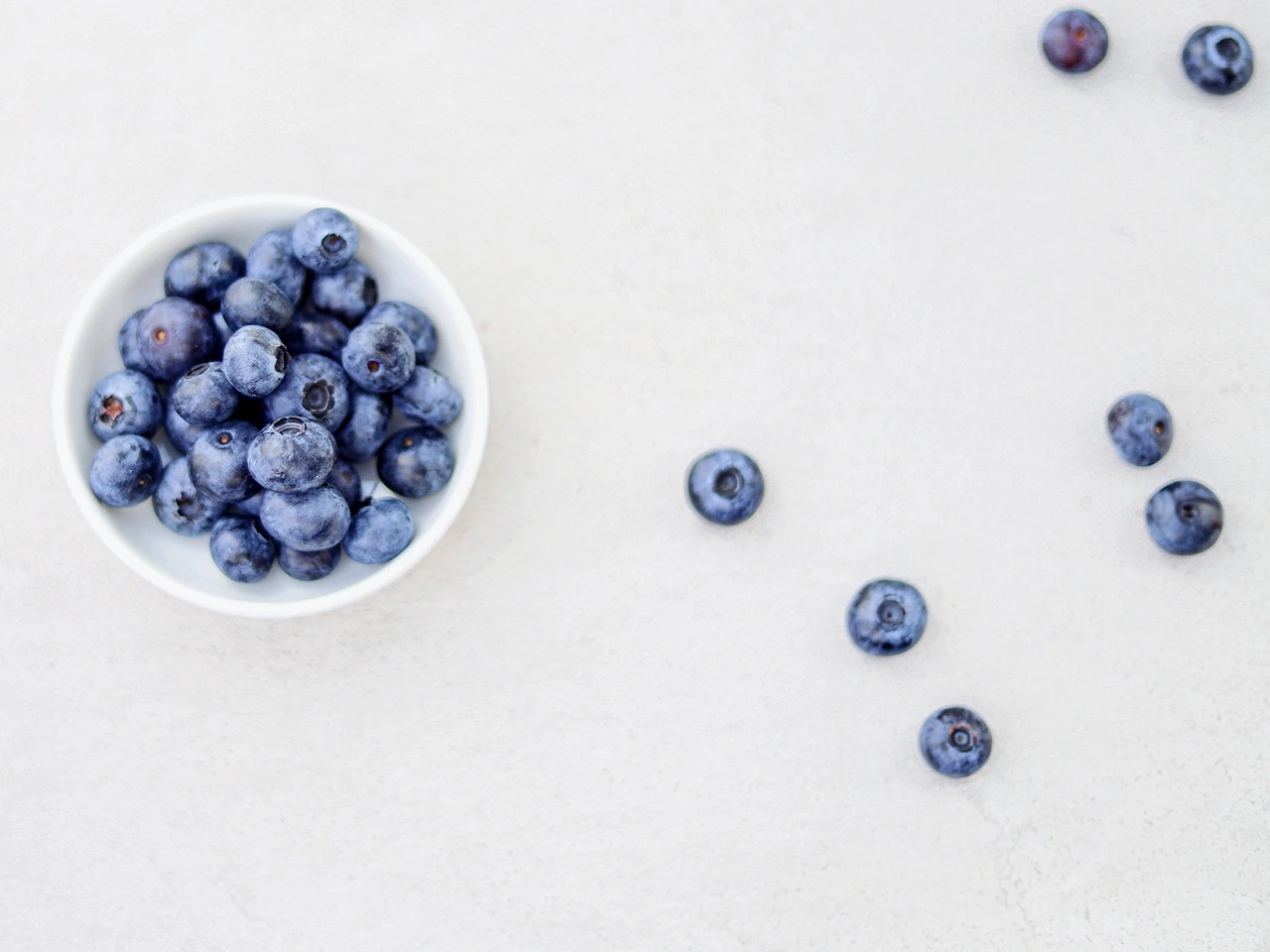
Yes, blueberries are safe for cats to eat and even healthy, but only in very small amounts. Whole berries can be a potential choking hazard, especially for small cats or kittens, so serving them the right way is important. Also, keep in mind that blueberries may cause mild reactions, especially in rare cases where a cat is sensitive or has allergies, though allergic reactions are unusual.
When it comes to cats and fruit, it helps to remember that cats are obligate carnivores, meaning they need to eat meat to survive. They primarily eat foods rich in animal protein, and cats lack sweet taste receptors, so they don’t actually taste sweetness—even if they seem to like blueberries out of curiosity.
The sugar content in blueberries is low compared to many fruits, but blueberries contain sugar, so moderation matters. Even though they’re safe for most cats, they’re still a treat—not something your cat needs to stay healthy.
Health Benefits of Blueberries to Cats
Despite their carnivorous nature, there are notable health benefits for cats when blueberries are offered properly. Blueberries are one of the few fruits that healthy cats may enjoy thanks to their balanced, nutritious profile.
Antioxidant Support
Blueberries contain powerful antioxidants, and the antioxidants in blueberries may promote better cellular protection, helping support long-term wellness in cats.
Immune-Boosting Vitamins
They’re rich in nutrients like vitamin C, which supports immune function and offers a gentle boost alongside a regular cat food diet.
Anti-Inflammatory Benefits
Their natural anti-inflammatory properties make them a small, supportive addition for body recovery, especially when used as an occasional cat treat.
Digestive Regulation
The fibre in blueberries helps regulate digestion, but always make sure your cat only eats in small quantities to avoid stomach upset.
Low-Calorie Treat Option
Blueberries are low in calories, making them a lighter and healthier alternative to processed snacks while still giving cats something tasty to enjoy.
Hydration Support
With natural moisture inside, fresh blueberries add a slight hydration boost, which can be helpful for cats who don’t drink enough water.
Although blueberries are high in beneficial plant compounds that can complement what cats get from cat food, they don’t have to eat meat alternatives or fruit to stay healthy—these benefits show up only when blueberries are fed occasionally and responsibly.
When Blueberries Can Be Bad for Cats
Like any treat, blueberries can cause issues when misused. Overeating them might lead to digestive upset, especially for cats with sensitive stomachs. Cats with diabetes should avoid berries because the content in blueberries, especially natural sugars, may raise blood sugar levels.
If berries aren’t washed well, the pesticides on the skin can be bad for cats, and hard, frozen blueberries may pose a choking risk if swallowed whole. For some cats, especially cats with specific health needs, too large an amount of blueberries can also trigger discomfort or unpredictable reactions. And since each cat is different, your cat’s decision to eat blueberries or avoid them will depend on their personality and tolerance.
How Many Blueberries Can You Feed Your Cat?

Moderation is everything. As a general rule, only one to three blueberries is the right amount—most experts agree that offering 1–2 blueberries a day or occasionally is enough. They should make up no more than 10% of a cat’s total daily diet, and even adult cats should only eat as a treat, never as a regular or large portion of fruit.
A few guidelines:
- Offer blueberries in small pieces at first to see how your cat reacts and whether they actually enjoy blueberries.
- Watch for signs of overfeeding. Keep an eye out for soft stool, gas, or changes in appetite, which may show your cat has had too many blueberries.
- Cats with diabetes or weight concerns may need a stricter limit since the natural sugars in blueberries can affect them more easily.
- Younger cats or kittens may struggle to chew or digest fruits like blueberries, so introducing them carefully is important.
- A cat’s weight and size also play a role—smaller cats should get even fewer than one to three blueberries.
If your cat has existing health issues, talk to a vet before adding blueberries into your cat’s feeding routine. At the end of the day, feeding cats blueberries should stay occasional. Many kitties enjoy blueberries, but cats may also ignore them completely—either choice is normal.
How to Serve and Safely Feed Blueberries to Cats

To feed blueberries to your cat the right way, a little prep goes a long way. Start with clean, good-quality fruit and keep portions small so your cat can try them comfortably.
- Rinse fresh blueberries well before feeding: Always thoroughly wash the blueberries to remove dirt, pesticides, and anything else you don’t want your cat ingesting—clean fruit helps cats eat blueberries safely.
- Cut blueberries into small bits: This makes it easier for your cat to chew and swallow. Chopping them up also helps cats eat blueberries safely by reducing any risk of choking, especially for curious cats who try to gulp treats.
- Choose Fresh or Thawed Frozen: Both fresh vs frozen options work, but let frozen ones thaw first so they’re soft enough for tiny mouths. Soft textures help your cat handle blueberries safely without struggling to bite into something too firm.
- Skip Sweetened or Processed Options: Avoid sweetened, canned, or processed varieties since added sugars, syrups, or preservatives aren’t good for cats. Keeping things natural is the best way to feed your cat blueberries without unnecessary extras.
- Introduce Slowly at First: When you try blueberries for the first time, introduce them slowly to see how your cat reacts. A gradual approach lets you spot any signs of dislike or digestive upset as you feed blueberries to your cat.
- Mix Into Food or Serve as a Treat: If your cat likes the flavour or texture, you can feed your cat blueberries mixed into their regular food or offer a couple as a fun, low-calorie treat. Either way, small amounts make it easy for your cat to enjoy them safely.
If your pet refuses them, that’s fine too. Since cats have blueberries only for fun, not nutrition, it’s no problem if they reject them.
Whether you're offering blueberries to your cat occasionally or simply letting your cat try blueberries out of curiosity, the key is moderation and close observation.
Final Thoughts
Blueberries can be a fun, nutritious occasional treat for cats when offered in tiny, well-prepared portions. Their antioxidants, fibre, moisture, and vitamins provide gentle wellness benefits, but they should never replace a cat’s meat-based diet. Always wash, chop, and serve them plain, starting with just one to three berries to see how your cat responds.
Since every cat has different tastes and sensitivities, watch for digestive changes and avoid offering blueberries to cats with diabetes or specific health concerns. With proper moderation and mindful preparation, blueberries can be a safe, light, and enjoyable bonus treat for cats.
Frequently Asked Questions
Are blueberries good for cats?
Yes, blueberries are good for cats in tiny, occasional amounts when prepared properly.
Small Treat Use: When offered sparingly, cats can eat blueberries without disrupting their normal diet. They remain a light, optional bonus rather than a nutritional requirement.
Natural Safety: These fruits are not toxic to cats, making them a generally low-risk occasional snack.
Complementary Nutrition: They can support wellness, but always remember that cats primarily eat foods that provide protein as their main dietary source.
Not a Necessity: You can give your cat a blueberry or two, but fruit is never essential because they thrive on animal-based meals.
Occasional Curiosity: Some cats like blueberries out of curiosity, while others ignore them completely—and both reactions are normal.
What are the health benefits for cats when eating blueberries?
While fruit isn't required in a feline diet, there are gentle, natural health benefits for cats when blueberries are fed correctly.
Antioxidant Support: The benefits of blueberries for cats stem mostly from antioxidants that help support cell health.
Digestive Fibre: A little fibre can be healthy for cats, aiding regular digestion without overwhelming their system.
Hydration Boost: The moisture content means blueberries are a healthy choice when your cat needs extra water.
Low-Calorie Option: Since blueberries are also low in calories, they can replace heavier treats.
Balanced Treat: Just a few berries work as a gentle treat for cats without adding unnecessary artificial ingredients.
How should you serve blueberries safely to cats?
You can offer blueberries safely by preparing them properly and keeping portions very small.
Wash and Prep: Rinsing and chopping ensure blueberries safely fit your cat’s small bite size.
Keep Portions Minimal: It’s best for cats to eat in small amounts to avoid digestive upset.
Fresh Over Processed: Natural fruit is acceptable because blueberries don’t need added sugars or syrups.
Consider Texture: Soft or thawed pieces work well if your cat finds blueberries appealing.
Observe Their Reaction: Some will enjoy them, but since cats eat meat exclusively, interest may vary.
How does feeding cats blueberries fit into their natural diet?
Feeding cats blueberries should always remain secondary to their carnivorous nutritional needs.
Carnivore First: Even though cats can have blueberries, they still require meat as their fundamental diet.
Occasional Treat: Blueberries should only be a once-in-a-while bonus for your cat — never something that replaces their real, protein-packed meals.
Not Essential: They’re harmless, sure, but your cat doesn’t need fruit. It’s not something their body is asking for.
Just for Fun: If you let your cat taste a blueberry, it’s really more about giving them a little fun or satisfying their curiosity than filling any nutritional gap.
Small and Rare: Their system functions best with meat because cats digest plant foods less efficiently.
How can you decide if blueberries are a good treat option for cats?
Blueberries can be a suitable choice when your cat tolerates them well and enjoys the flavour.
Individual Preference: Some felines enjoy them, while others pass, proving cats can have blueberries but don't always want them.
Occasional Reward: If your pet responds positively, blueberries are a good, tiny reward that can support lighter snacking habits.
Nutrient Variety: They have protein and carbohydrates, offering an uncommon plant-based variety.
Diet Balance: They work well only when backed by strong animal-based meals because eating foods that provide protein remains the priority.
Safe Introduction: Keep portions tiny and observe closely to make sure cats eat blueberries without discomfort.

